Category: Dog Mix Breed

Are you having difficulty selecting the appropriate breed of dog for you? Have you considered adopting a mixed breed? These unique creatures, commonly referred to as mutts or designer dogs, have become increasingly popular due to their varied personalities and traits. In this category we’ll delve into this fascinating world of mixed breed dogs; their characteristics, advantages and disadvantages and how to pick out one with which you feel most connected.

  • Chihuahua Husky Mix Price and Cost: A Comprehensive Guide

    Chihuahua Husky Mix Price and Cost: A Comprehensive Guide

    Chihuahua Husky Mix Price

    Chihuahua Husky Mix Price and Costs: A Comprehensive Guide

    If you’re thinking about purchasing a Chihuahua Husky Mix, one of the first questions on your mind might be how much they cost. In this guide, we’ll give you an in-depth breakdown of prices and costs associated with owning a Chihuahua Husky Mix.

    Understanding Chihuahua Husky Mix Breed

    Before we dive into the cost of a Chihuahua Husky Mix, it’s essential to first understand this breed. This hybrid was created by crossing two breeds: Chihuahua and Siberian Husky. They’re known for their distinct looks and temperament, which has quickly gained popularity among dog lovers.

    Factors Affecting the Cost of a Chihuahua Husky Mix

    Chihuahua Husky Mix price can fluctuate based on several factors. Some of the most influential elements that may influence this breed’s value include:

    1. Breeder Reputation and Location

    To establish a breeder’s reputation, it is important to look into their background.

    The reputation and location of a breeder can have an enormous impact on the price of a Chihuahua Husky Mix. A reliable breeder with an established track record and glowing reviews is likely to charge more for their puppies than less-reputable breeders.

    2. Coat Color and Appearance

    Chihuahua Husky Mix puppies vary in price depending on their coat color and appearance, with rarer hues or unique markings being more expensive than those with more common hues.

    3. Age of the Puppy

    The age of a puppy can also influence its price point. Generally, younger puppies require more care and attention during their development stage, so breeders tend to charge more for them. This reflects that they require more investment from them in terms of time and energy spent during their care and nurturing.

    4. Demand for the Breed

    Finally, demand for Chihuahua Husky Mix can affect its price point. If there is high demand, breeders may charge more for their puppies.

    What is the Average Cost of a Chihuahua Husky Mix Breed?

    Chihuahua Husky Mix puppies range in cost depending on several factors; on average, you can expect to pay anywhere from $500 to $2000 for one. Keep in mind that this amount is an estimate and some breeders may charge more or less than this amount. For further details regarding costs associated with owning a Chihuahua Husky Mix puppy, read below;

    Cost Item Price Range in USD ($)
    Chihuahua Husky Mix Puppy $500 – $2000
    Veterinary Care $1000 – $2000 (per year)
    Food and Supplies $500 – $1000 (per year)
    Training and Socialization $500 – $1000 (one time)
    Boarding or Pet Sitting $25 – $50 (per day)

    As you can see, the initial cost Chihuahua Husky Mix price puppy can range anywhere from $500 to $2000. But the expenses that come with owning this breed do not end there.

    Chihuahua Husky Mix price in vet care can range in cost from $1000 to $2000 annually, depending on the type of required care. This includes routine checkups, vaccinations, preventative measures, and any necessary treatments for illnesses or injuries.

    Food and supplies, such as food, toys, and grooming items can range in cost from $500 to $1000 annually depending on the quality and quantity purchased.

    Training and socialization are essential for Chihuahua Husky Mix puppies, as they can be challenging to train. Professional training services range in cost from $500-$1000, while dog parks or playgroups may provide free or low-cost socialization opportunities with just a small fee attached.

    Finally, boarding your Chihuahua Husky Mix or hiring a pet sitter while you are away can range in cost from $25 to $50 per day.

    Additional Costs to Consider in Detail

    In addition to the initial cost of a Chihuahua Husky Mix, there are other costs you should take into account when deciding whether or not this breed is worth investing in. Some of the most significant ones include:

    1. Vet Bills

    Chihuahua Husky Mixes require regular vet checkups and preventative care just like all dogs do. You should budget for both routine vet bills as well as any unexpected medical expenses that arise.

    2. Food and Supplies

    You’ll also need to allocate funds for food items as well as essentials like toys, beds, and grooming tools.

    3. Training and Socialization

    Chihuahua Husky Mixes are intelligent and energetic breeds, which means they require extensive training and socialization to become well-behaved and content. You may need to budget for obedience classes or other training expenses to meet this need.

    4. Boarding or Pet Sitting Services

    Are you in need of some extra care when caring for your furry friends? Check out these four options!

    If you plan to travel without your Chihuahua Husky Mix, be prepared for boarding or pet-sitting costs.

    Conclusion

    Chihuahua Husky Mix price can range greatly depending on several factors. On average, you should expect to pay anywhere from $500-$2000 for a puppy; however, other costs associated with owning this breed such as vet bills, food, and supplies, training/socialization sessions, boarding, or pet-sitting charges must also be factored in.

    When considering getting a Chihuahua Husky Mix puppy, it is essential to do your due diligence and find a trustworthy breeder who can provide you with a healthy and socialized pup. Furthermore, be prepared to invest the necessary time and resources into caring for this breed properly.

    FAQs

    1. Are Chihuahua Husky Mixes Expensive to Maintain?
      Chihuahua Husky Mix can be expensive to keep up with, as they require regular vet checkups, preventative care, and specialized training.
    2. Are Chihuahua Husky Mixes Good With Children?
      Chihuahua Husky Mixes can be great with children, but it is essential to socialize them properly and supervise any interactions between dogs and children.
    3. Can Chihuahua Husky Mixes Live in Apartments?
      Chihuahua Husky Mixes can live in apartments, but they require plenty of exercises and mental stimulation to stay contented and healthy.
    4. What is the lifespan of a Chihuahua Husky Mix puppy?
      Chihuahua Husky Mix puppies typically live between 12-15 years.
    5. Chihuahua Husky Mixes – Are They Prone to Any Health Issues?
      Chihuahua Husky Mixes can be prone to certain health issues, such as hip dysplasia, eye problems, and dental issues. To minimize these risks you must work with a trusted breeder and gives your pup proper care.
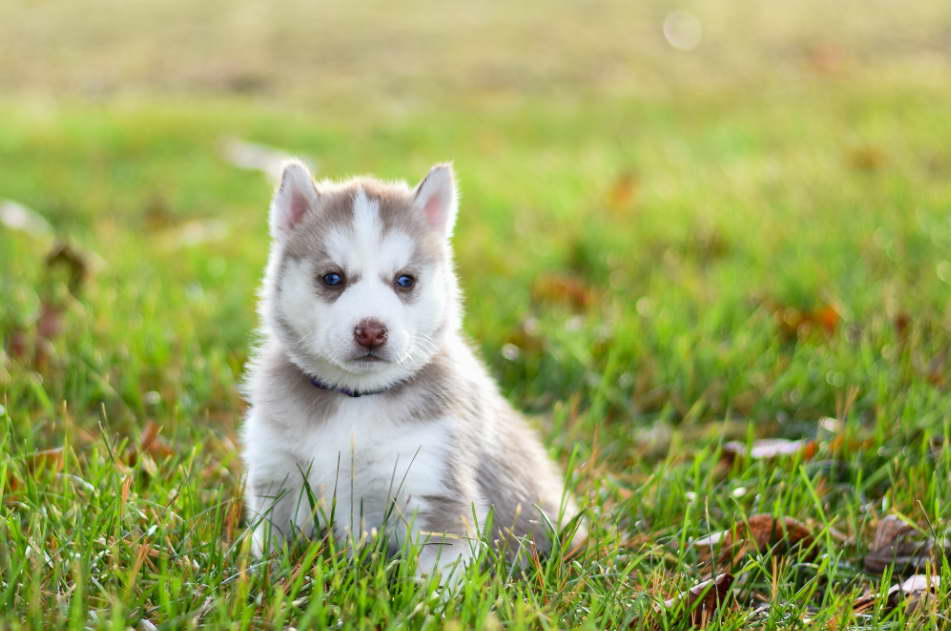
  • How to Care for Your Chihuahua Husky Mix Puppy – A Complete Guide

    How to Care for Your Chihuahua Husky Mix Puppy – A Complete Guide

    Chihuahua Husky Mix Puppy

    How to Care for Your Chihuahua Husky Mix Puppy – A Comprehensive Guide

    If you’re thinking about adopting a Chihuahua Husky Mix puppy, also known as a Chusky, it is essential to know how to care for them properly. Chuskies are unique and delightful breeds but do require specific care to grow up healthy and contented. In this article, we’ll cover everything you should know about caring for your Chusky puppy; including diet, exercise, grooming, training, and more.

    Chusky puppies are an endearing blend of Chihuahuas and Huskies, known for their playful personalities and loyal companionship. But caring for a Chusky puppy requires knowledge and preparation – in this article we’ll give you all the advice necessary to care for your Chusky pup properly.

    Deciphering Chihuahua Husky Mix

    Before we discuss caring for a Chusky puppy, it’s essential to comprehend the breed. Chuskies can inherit traits from both parent breeds, leading to an array of appearances and personalities. On average though, most Chuskies are small to medium-sized dogs with thick fur and erect ears. These intelligent, loyal creatures thrive on attention and playtime with their humans.

    Preparing Your Home for a Chaotic Puppy

    Planning can make all the difference when getting that special puppy into your life!

    Before welcoming your Chusky puppy home, ensure the environment is secure and welcoming for them. Puppy-proof your house by taking away any potential hazards such as toxic plants, electrical cords, or small objects they could choke on. Furthermore, provide a comfortable sleeping area for the puppy and set up their food and water bowls in an accessible but quiet location.

    Feeding Your Chusky Puppy

    Adequate nutrition is critical for your Chusky puppy’s growth and development. Here are some things to keep in mind when feeding your Chusky pup:

    Selecting the Appropriate Food

    Make sure your puppy’s food is of high quality and tailored to their age, size, and activity level. Look for foods with real meat as the first ingredient and steer clear of those that contain fillers or by-products.

    Feeding Schedule

    Feed your Chusky puppy three to four times a day, in small portions. Puppies have small stomachs and cannot stomach large meals so stick to a regular feeding schedule for optimal housetraining success.

    Portion Control

    Monitor your puppy’s food intake and adjust portions as necessary. Overfeeding can lead to obesity and other health issues for your pup.

    Treats

    Treats are an important part of training and bonding with your puppy. However, make sure they only receive healthy, low-calorie treats to prevent overfeeding them.

    Exercise and Playtime for Chusky Puppies

    Exerting Your Puppy With Chusky Puppies is Not Only Exciting,” but Fun Too!”

    Chusky puppies are energetic and playful, so they need plenty of exercise and playtime to stay healthy and contented. Here are some tips for exercising and playing with your Chusky puppy:

    • Take your puppy for short walks throughout the day.
    • Provide them with toys and games to stimulate both mind and body, such as puzzle toys or fetch games.
    • Bring your pup to a dog park to socialize and play with other dogs.
    • Try not to overexert them though as this could lead to exhaustion.

    Grooming Your Chusky Puppy

    Are You Struggling With a Chuffy Puppy? Here Are Some Tips on Grooming Your Cute Canine

    Chusky puppies have thick, soft fur that requires regular grooming to keep them healthy and free from tangles or mats. Here are some tips for grooming your Chusky puppy:

    Coat Care

    Brush your puppy’s fur daily to prevent tangles and mats. Use a soft brush or comb to loosen loose hair and dirt. Bathe your puppy every three to four weeks using a mild dog shampoo.

    Nail Care

    Regularly trim your puppy’s nails to prevent overgrowth and discomfort. Use a nail clipper designed specifically for dogs and avoid cutting into the quick, which could cause bleeding.

    Dental Care

    Brush your puppy’s teeth daily to prevent tartar and plaque buildup. Use a toothbrush and toothpaste specifically designed for dogs.

    Training Your Chusky Puppy

    Training your Chusky puppy is essential for their future behavior and obedience. Here are some training tips to help ensure they become well-behaved and obedient adults:

    House Training

    Start housetraining your puppy as soon as you bring them home. Utilize positive reinforcement and consistent routines to teach your pup where to potty.

    Socialization

    Expose your puppy to different people, places, and situations so they can develop into well-adjusted and friendly dogs. Take them out on walks with other pups or take them to puppy classes and dog parks where they can socialize and interact with other canine friends.

    Obedience Training

    Teach your puppy basic obedience commands such as sit, stay, and come. Use positive reinforcement and rewards to motivate good behavior.

    Chusky Puppy Health Care Assistance

    Looking after your Chusky Puppy can be a challenging endeavor when they have to manage health care needs for an extended period. Consider investing in some quality pet insurance to protect your pup’s wellness!

    Maintaining the health of your Chusky puppy requires regular veterinary attention and maintenance. Here are some health tips for your Chusky pup:

    Vaccinations

    Make sure your puppy has received all necessary vaccinations to protect them against diseases and illnesses.

    Parasite Control

    Use flea and tick preventives to protect your puppy from parasites. Regularly check for signs of fleas or ticks on your pup.

    Common Health Concerns

    Chuskies can be vulnerable to certain health issues, such as hip dysplasia and dental problems. Regular veterinary examinations can help avoid or detect these problems at an early stage.

    Chusky Puppy Safety Tips

    You must keep your Chusky puppy safe from harm. Here are some safety guidelines for your Chusky puppy:

    • Keep toxic substances, such as household cleaners and medications, out of reach of your puppy.
    • Create a secure environment for them to prevent accidents or injuries.
    • Avoid leaving your pup alone too long since this can make them anxious and destructive.

    Conclusion

    Caring for a Chusky puppy takes time, effort, and dedication – but the rewards of having a contented and healthy companion are well worth it. By following the tips in this guide you can ensure your Chusky grows up to be well-behaved and healthy in no time at all.

    FAQs

    1. How big will my Chusky puppy grow to be?
      Chusky puppies can vary in size, but most will mature into small to medium-sized dogs.
    2. How much exercise and playtime do Chusky puppies require?
      According to experts, Chusky puppies require approximately 30 minutes up to an hour of physical activity each day.
    3. Do Chusky puppies shed a lot?
      Yes, Chusky puppies do shed quite a bit, especially during shedding season. Regular grooming can help minimize this shedding though.
    4. Are Chusky Puppies Good with Children?
      Chuskis can make excellent family pets if properly socialized and trained. However, they may not be suitable for households with very young children due to their fragility; injuries could easily happen.
    5. How Often Should I Take My Chusky Puppy to the Vet?
      Your Chusky puppy should receive regular veterinary check-ups, including vaccinations, deworming, and parasite prevention. Consult with your veterinarian for an individual schedule for your pup.
  • Chihuahua Husky Mix Puppies – The Adorable and Lovable Designer Breed

    Chihuahua Husky Mix Puppies – The Adorable and Lovable Designer Breed

    Chihuahua Husky Mix Puppies

    Chihuahua Husky Mix Puppies: Adorable and Lovable Designer Breed!

    Are you searching for an adorable and lovable designer breed to bring into your home? Look no further than Chihuahua Husky Mix puppies! This hybrid breed was created by crossing a small yet determined Chihuahua with the larger and more independent Siberian Husky. In this article, we’ll cover everything you need to know about Chihuahua Husky Mix puppies–from their appearance and temperament–as well to their care and training requirements.

    Chihuahua Husky Mix Puppies offer an adorable appearance.

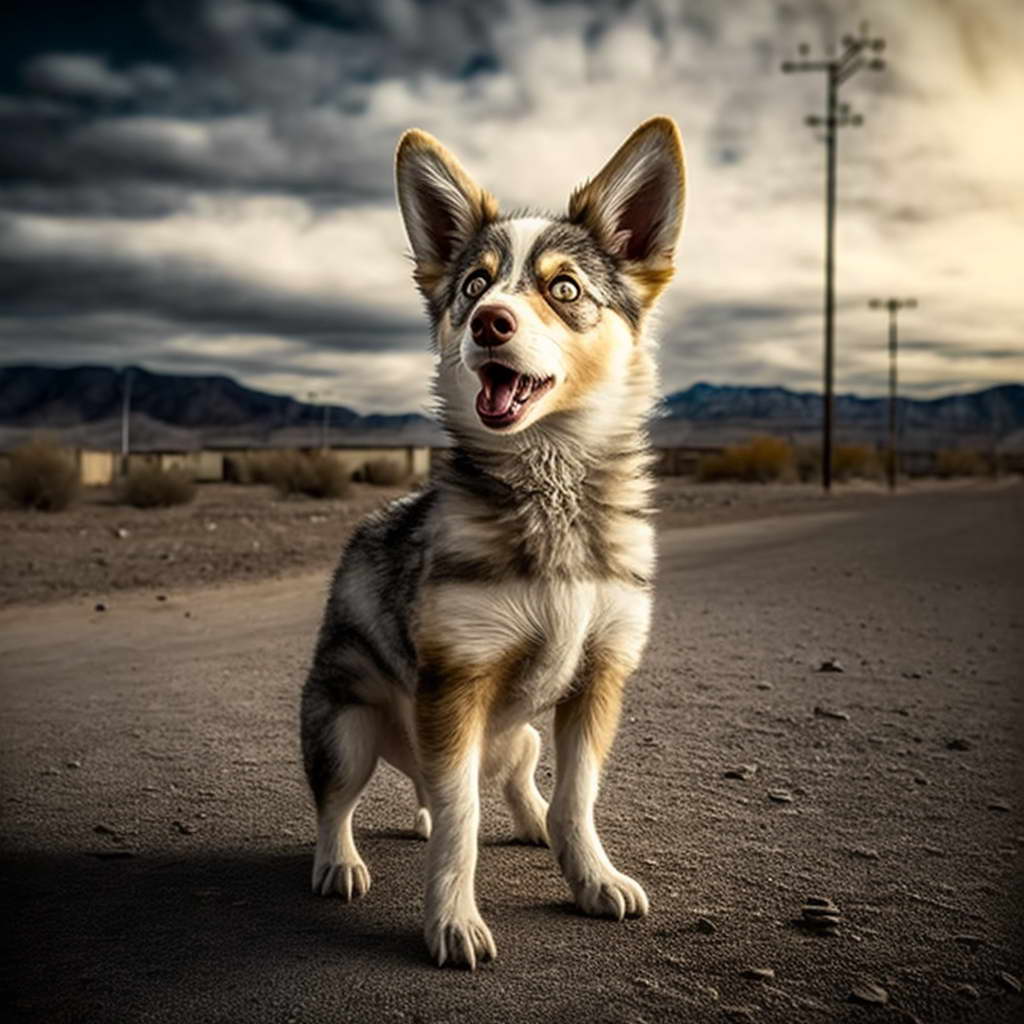
    Chihuahua Husky Mix puppies can inherit either their parent’s physical characteristics or a combination of both. Generally, these compact pups stand between 8-15 inches tall and weigh 10-25 pounds. Their coats may be the short or medium length in various colors such as black, white, brown, or gray depending on genetics.

    Chihuahua Husky Mix Puppies have an endearing temperament.

    Chihuahua Husky Mix puppies are known for their playful, affectionate, and outgoing personalities. They adore spending time with their owners and playing with children and other pets; however, due to their Chihuahua ancestry, they may display some stubbornness or independence at times.

    Training and Care of Chihuahua Husky Mix Puppies

    Chihuahua Husky Mix puppies require early training and socialization to develop an instinctual prey drive from their Siberian Husky parent. Through early socialization activities, owners can help prevent unwanted behaviors such as chasing small animals or excessive barking.

    Additionally, they require regular exercise and mental stimulation to stay healthy and content. They enjoy going for walks, playing fetch, and engaging in other activities that stretch their minds and bodies.

    Chihuahua Husky Mix Puppies – Health Concerns?

    Chihuahua Husky Mix puppies, like all hybrid breeds, may inherit health issues from their parent breeds. Common concerns include hip dysplasia, eye problems, and dental issues. It’s essential to visit a trusted breeder and conduct health screenings to minimize the risk of genetic health issues.

    Grooming Chihuahua-Husky Mix Puppies

    Chihuahua Husky Mix puppies differ in terms of the length and texture of their coat. Short-haired Chihuahua Husky Mix puppies need minimal grooming, only occasional brushing to remove loose fur; longer-coated Chihuahua Husky Mix pups require more frequent brushing to prevent matting or tangles.

    Feeding Chihuahua Husky Mix Puppies

    Chihuahua Husky Mix puppies tend to have high energy levels, so their diet should consist of high-quality dog food that’s packed with protein and essential nutrients. Feeding them two or three smaller meals a day helps regulate digestion and prevent overeating.

    Chihuahua Husky Mix Puppies as Family Pets

    Chihuahua Husky Mix puppies make wonderful family pets for those seeking an active, affectionate companion. They are especially suitable for households with children or other pets, provided they receive proper socialization and training.

    Where Can You Find Chihuahua Husky Mix Puppies?

    Chihuahua Husky Mix puppies can be found through reliable breeders, rescue organizations, or adoption agencies. Do your research and find a trustworthy breeder or organization that conducts health screenings and provides proper care for their puppies.

    Conclusion

    Chihuahua Husky Mix puppies are a designer breed that brings together the chihuahua’s feistiness and Siberian Husky’s independence. They make excellent family pets but require early socialization and training to prevent unwanted behaviors and ensure they develop into well-adjusted dogs with good manners. Furthermore, Chihuahua Husky Mix pups have specific grooming and dietary needs that must be met to stay healthy and contented.

    Overall, Chihuahua Husky Mix puppies make an excellent addition to any home. Not only do they possess a loveable and unique design breed, but they’re also extremely friendly and cuddly inside.

    FAQs

    1. How big do Chihuahua Husky Mix puppies grow?
      Chihuahua Husky Mix puppies range in height and weight from 8 to 15 inches, typically weighing 10 to 25 pounds.
    2. Are Chihuahua Husky Mix Puppies Good with Children?
      Yes, Chihuahua Husky Mix puppies tend to get along well with children and enjoy playing with them. However, early socialization and training are necessary in order for them to behave appropriately around children.
    3. Are Chihuahua Husky Mix puppies Hypoallergenic?
      No, Chihuahua Husky Mix puppies are not hypoallergenic and may shed fur. Nonetheless, their short to medium-length coat requires minimal grooming for optimal care and comfort.
    4. How many exercises Do Chihuahua Husky Mix Puppies Need?
      Chihuahua Husky Mix puppies are highly energetic creatures who require regular exercise and mental stimulation. They enjoy going for walks, playing fetch, and engaging in other activities that challenge both their minds and bodies.
    5. Do Chihuahua Husky Mix puppies experience any health issues?
      Chihuahua Husky Mix puppies, like all hybrid breeds, may inherit health issues from their parent breeds. Common health issues include hip dysplasia, eye problems, and dental problems. It’s essential to visit a reliable breeder for health screenings to reduce the risk of genetic health issues.
  • Pomsky Chihuahua Husky Mix – The Perfect Pet for Your Family

    Pomsky Chihuahua Husky Mix – The Perfect Pet for Your Family

    Pomsky Chihuahua Husky Mix

    Pomsky Chihuahua Husky Mix: The Ideal Pet for Your Family

    Are you searching for a cute, playful, and loyal pet that will fit perfectly into your family? Look no further than the Pomsky Chihuahua Husky mix. This hybrid was created by crossing three breeds – Pomeranian, Chihuahua, and Siberian Husky – creating an adorable hybrid sure to steal your heart away. In this article, we will cover everything you should know about this breed including its appearance, temperament, health concerns, and more.

    What is a Pomsky Chihuahua Husky mix?

    Pomsky Chihuahua Husky Mixes are hybrid dog breeds created by crossing Pomeranian, Chihuahua, and Siberian Husky genes. Also referred to as a “Pomchi Husky” or a “Chomsky,” their unique genetic makeup allows them to vary in size, coat color, and temperament.

    Appearance

    The appearance of a Pomsky Chihuahua Husky mix depends on its parents’ traits. They usually grow to be small to medium-sized dogs, standing 10-15 inches tall and weighing between 10-25 pounds. Their fluffy coat can be any color–black, white, gray, or brown–or a combination thereof.

    Temperament

    Pomsky Chihuahua Husky mixes are known for their playful and friendly disposition. They enjoy spending time with people and make excellent family pets; furthermore, these intelligent canines require minimal training to become perfect family pets. Unfortunately, Pomskys may be wary of strangers or other animals so early socialization is essential to develop trust between both parties.

    Health Concerns

    Pomsky Chihuahua Husky mixes are susceptible to certain health conditions like hip dysplasia, patellar luxation, dental problems, and eye issues – so your pup must receive regular check-ups from a veterinarian to stay healthy and contented.

    How to Care for a Pomsky Chihuahua Husky mix

    Caring for a Pomsky Chihuahua Husky mix is relatively straightforward. With proper care, they can live long and healthy life. Here are some tips to ensure the well-being of your new furry friend:

    Diet

    A healthy and balanced diet is essential for your Pomsky Chihuahua Husky mix’s well-being. They require high-quality dog food that’s rich in protein, vitamins, and minerals – avoid feeding them table scraps or human food as this could lead to obesity or other health issues.

    Exercise

    Pomsky Chihuahua Husky mixes are energetic and playful dogs that need daily exercise. Take them for walks, play with them in the backyard, or take them to the dog park to let off some steam!

    Grooming

    Pomsky Chihuahua Husky mixes have fluffy coat that requires regular grooming to prevent matting or tangling. Brush their fur at least once a week and bathe them as needed; additionally, trim their nails regularly and clean their ears regularly to prevent infections.

    Training

    Pomsky Chihuahua Husky mixes are intelligent and eager to please, making them easy to train. Use positive reinforcement techniques while being patient and consistent when teaching them new behaviors. Early socialization is also key for your pups to behave appropriately around other people and animals.

    Where to Find Pomsky Chihuahua Husky Mixes?

    If you are considering adding a Pomsky Chihuahua Husky mix to your family, there are several places where to look: local breeders, rescue shelters, or online pet stores. Be sure to do your research and only purchase from reliable breeders so that the puppy arrives healthy and socialized.

    Conclusion

    In conclusion, the Pomsky Chihuahua Husky mix is an adorable breed ideal for families searching for a playful and loyal pet. Their friendly disposition, easy-going personality, and cute appearance make them great additions to any household. Make sure to provide your new furry friend with a nutritious diet, regular exercise, grooming services, and training exercises as recommended by their breeder.

    FAQs

    1. How long does a Pomsky Chihuahua Husky mix live?
      Pomsky Chihuahua Husky mixes typically live between 12-15 years.
    2. Does the Pomsky Chihuahua Husky mix get along well with children?
      Yes, Pomsky Chihuahua Husky mixes make excellent family pets and companions for children.
    3. How much exercise does a Pomsky Chihuahua Husky mix require?
      Pomsky Chihuahua Husky mixes require daily exercise – at least 30-60 minutes of activity per day.
    4. Do Pomsky Chihuahua Husky mixes shed fur?
      Yes, Pomsky Chihuahua Husky mixes have a fluffy coat that sheds moderately. Regular grooming can help minimize this shedding.
    5. Are Pomsky Chihuahua Husky mixes susceptible to health issues?
      Like all breeds, Pomsky Chihuahua Husky mixes can develop certain health issues. Therefore, regular check-ups with your veterinarian are essential in keeping your pup healthy and contented.
  • Mini Goldendoodle Vaccination Schedule – Everything You Need to Know

    Mini Goldendoodle Vaccination Schedule – Everything You Need to Know

    Mini Goldendoodle Vaccination Schedule

    Mini Goldendoodle Vaccination Schedule: Everything You Need to Know

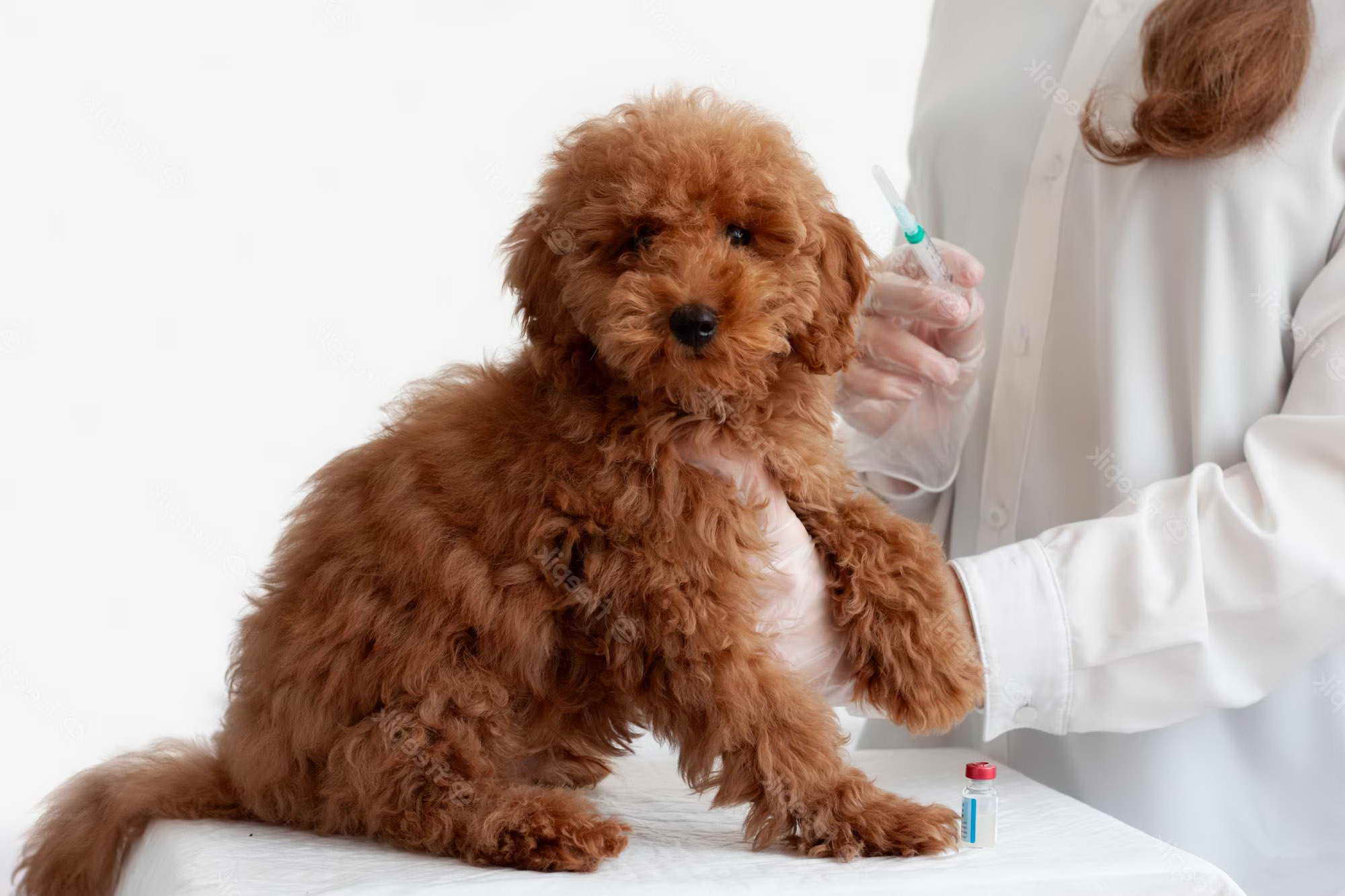
    As the proud parent of a Mini Goldendoodle, one of the most essential steps you can take for your health and well-being is adhering to an effective vaccination schedule. Vaccinations are essential in protecting your furry friend from serious and even deadly diseases. In this article, we’ll guide you through this comprehensive Mini Goldendoodle vaccination schedule – from what vaccines your pup requires to when to get them.

    Introduction to Mini Goldendoodle Vaccination Schedule

    Before we discuss the vaccination schedule for Mini Goldendoodles, let’s first define what these dogs are and why vaccinations are important for them. Mini Goldendoodles are a cross between a Golden Retriever and Miniature Poodle, known for their friendly personalities. As with all dogs, vaccinations are necessary for Mini Goldendoodles to protect them from diseases like parvovirus, distemper, and rabies.

    What Vaccinations Should Your Mini Goldendoodle Receive?

    Your Mini Goldendoodle must receive several vaccines to stay healthy. Here are the most common vaccines:

    1. Distemper Vaccine

    The distemper vaccine is a combination vaccine that shields your pup against several serious diseases, such as distemper, parvovirus, and adenovirus. This vaccine should be given in multiple shots between 6-8 weeks old for maximum protection.

    2. Rabies Vaccine

    Rabies vaccination is mandatory in most states and essential for protecting your pup from contracting this deadly disease. Typically, the initial rabies vaccine should be given between 12-16 weeks old when they first come into the world.

    3. Bordetella Vaccine

    The Bordetella vaccine protects against kennel cough, a highly contagious respiratory illness common among dogs that spend time at boarding kennels, doggy daycare, or grooming facilities. It can be given as early as 8 weeks old.

    4. Canine Influenza Vaccine

    The canine influenza vaccine protects against the highly contagious influenza virus that can cause coughing, fever, and pneumonia in dogs. This vaccine is typically given as two shots spaced 2 to 4 weeks apart starting at 8 weeks of age.

    Mini Goldendoodle Vaccination Schedule

    Now that you understand the vaccinations your Mini Goldendoodle requires, let’s discuss when each vaccine should be given.

    6 to 8 Weeks Old

    • Distemper vaccine (DHPP)
    • Canine Parvovirus vaccine

    10 to 12 Weeks Old

    • Distemper vaccine (DHPP)
    • Canine Parvovirus vaccine
    • Bordetella vaccine

    14 to 16 Weeks Old

    • Distemper vaccine (DHPP)
    • Canine Parvovirus vaccine
    • Rabies vaccine

    12 to 24 Months Old

    • Booster shot for DHPP vaccine
    • Booster shot for Rabies vaccine

    Once your Mini Goldendoodle has received its initial series of vaccinations, booster shots will be necessary to maintain immunity against diseases. Your veterinarian can create a customized vaccination schedule tailored to your pup’s individual needs and lifestyle.

    Why Is Vaccination Essential for Mini Goldendoodles?

    Maintaining a vaccination schedule for your Mini Goldendoodle is essential for their health and well-being. Vaccinations shield your pup from serious, sometimes deadly diseases, while also helping prevent their spread to other dogs.

    Puppies are born with some natural immunity from their mother’s milk, but this protection fades as they age. Vaccinations are essential to strengthen your Mini Goldendoodle’s defenses and shield them from various diseases. Furthermore, as your puppy develops and begins exploring the world around them, they become exposed to more potential sources of infection; making vaccinations even more essential.

    Your veterinarian has tailored a vaccination schedule specifically tailored for Mini Goldendoodles to provide them with the best protection against diseases that are prevalent in this breed. Neglecting to receive their vaccines on time could put your pup at risk of contracting these diseases, becoming seriously ill, or even dying from them.

    Furthermore, certain vaccines require booster shots for continued immunity. A well-planned vaccination schedule will guarantee your Mini Goldendoodle receives all necessary vaccines and booster shots at the correct intervals, keeping them healthy and protected throughout their life.

    Possible Side Effects of Vaccinations

    Vaccinations have the potential for side effects.

    Vaccinations for your Mini Goldendoodle are essential to their health, but they may also cause some side effects. While these reactions usually subside after a few days, it’s important to be aware of them so you can prepare accordingly.

    Some of the most frequent side effects associated with vaccinations include:

    • Lethargy
    • Swelling at the injection site
    • Fever
    • Loss of appetite
    • Vomiting
    • Diarrhea

    If your Mini Goldendoodle experiences any side effects after receiving a vaccine, contact your veterinarian right away. In rare cases, some dogs may have an allergic reaction to the shot which could result in more serious symptoms like difficulty breathing or swelling of the face or limbs. If you observe any of these signs, seek immediate veterinary help.

    Summary

    Maintaining a proper vaccination schedule for your Mini Goldendoodle is essential for its health and wellbeing. Vaccinations protect your pup from serious and potentially lethal diseases, while also helping to prevent their spread to other dogs. Make sure your veterinarian provides you with an up-to-date vaccination schedule so that all necessary shots are given at the right time.

    FAQs

    1. When should I begin vaccinating My Mini Goldendoodle?
      Your Mini Goldendoodle should receive its initial vaccination between 6-8 weeks old.
    2. How Often Must My Mini Goldendoodle Get Vaccinated?
      Booster shots are necessary to maintain immunity in your pup. Your veterinarian will create a personalized vaccination schedule tailored to your pup’s individual needs and lifestyle.
    3. Are vaccinations Required by Law?
      Rabies vaccination is required by law in most states.
    4. Can vaccinations cause side effects?
      Vaccinations may cause mild side effects which usually go away on their own after a few days.
    5. What should I do if my Mini Goldendoodle reacts to a vaccine?
      If you experience any severe symptoms, such as difficulty breathing or swelling of the face or limbs, contact your veterinarian right away.
  • Goldendoodle Exercise Level – Finding the Right Balance for Your Furry Friend

    Goldendoodle Exercise Level – Finding the Right Balance for Your Furry Friend

    Goldendoodle Exercise Level

    Goldendoodle Exercise Level: Finding the Ideal Pace for Your Furry Friend

    If you’re the proud owner of a Goldendoodle, then you know these dogs are active and playful, and enjoy being outdoors. But how much exercise do they need? In this article, we’ll look into the ideal exercise level for Goldendoodles and provide some helpful advice on keeping your furry friend healthy and content.

    Understanding Your Goldendoodle’s Exercise Needs

    Are you familiar with your Goldendoodle exercise requirements? Here is some guidance.

    Goldendoodles are a hybrid breed created by crossing Poodles and Golden Retrievers, and their size, weight, and energy level vary significantly. When determining your Goldendoodle’s exercise requirements, take into account their age, weight, overall health condition, and personality traits.

    Age

    Puppies and young Goldendoodles require more exercise to build muscle, improve coordination, and burn off excess energy. But be careful not to overexert them as their bones and joints are still developing. Adult Goldendoodles need regular physical activity to maintain their weight and prevent health issues.

    Weight

    Goldendoodles range in weight from 30 to 90 pounds, and their exercise needs will depend on their size. Smaller Goldendoodles may be content with short walks or indoor playtime, while larger Goldendoodles require more vigorous activities like running or hiking.

    Overall Health

    If your Goldendoodle has any medical conditions such as arthritis or hip dysplasia, you should consult with your veterinarian about the appropriate exercise level. In some cases, these ailments may necessitate more rest and less physical activity for them.

    Personality

    Goldendoodles are renowned for their friendly, social personalities. They enjoy spending time with their humans and thrive off of attention; however, if not given enough exercise and mental stimulation they may become bored or anxious.

    Exercise Level Activities Recommended for Goldendoodles

    Goldendoodle Exercise Level Activities

    Goldendoodles require both physical and mental stimulation to stay healthy and content. Here are some recommended exercise activities for your furry friend:

    Walking

    Goldendoodles adore going for walks, and it’s an excellent way to give them exercise and mental stimulation. Depending on the size and energy level of your Goldendoodle, aim for at least 30 minutes up to an hour of walking each day.

    Running

    If your Goldendoodle has a lot of energy and enjoys running, take them for a jog or run alongside them while biking. Just start slowly and gradually increase the intensity and duration of the exercise.

    Swimming

    Goldendoodles enjoy swimming and it’s a great low-impact exercise for them. If you have access to either a pool or a safe body of water, then let your pup splash around for 10-30 minutes at a time.

    Playtime

    Goldendoodles adore playing, and it’s an excellent way to strengthen your bond and provide them with exercise. You can engage in games like fetch, tug-of-war, or hide-and-seek indoors or outdoors.

    Mental Stimulation

    Goldendoodles require mental stimulation in addition to physical exercise to avoid boredom and anxiety. You can provide them with puzzle toys or treat-dispensing toys, or teach them new tricks and commands.

    Signs of Over- or Under-Exercising Your Goldendoodle

    Finding the ideal balance of exercise for your Goldendoodle is essential. Over-exercising can lead to injuries, exhaustion, and health problems; on the other hand, under-exercising may result in weight gain, boredom, and behavioral issues. Here are some warning signs to watch out for:

    Over-exercising

    • Panting heavily or excessively
    • Limping or favoring a limb
    • Refusing to walk or exercise
    • Drinking excessive amounts

    Under-exercising

    • Gaining weight or becoming overweight
    • Boredom/lethargy
    • Destructive behavior
    • Restlessness or Anxiety

    If you detect any of these signs in your Goldendoodle, adjust their exercise level accordingly. If unsure about what level is best suited for them, consult with a veterinarian.

    Tips for Exercising Your Goldendoodle

    Exercising your Goldendoodle can be quite fun!

    Here are a few tips to keep in mind when exercising your Goldendoodle:

    Gradual Intensification

    When beginning a new exercise regimen, gradually increase the duration and intensity of each set to prevent injuries or exhaustion.

    Weather Conditions

    Be mindful of the weather conditions and adjust your exercise plan accordingly. Avoid exercising your Goldendoodle during extreme temperatures or adverse conditions.

    Hydration

    Be sure to give your Goldendoodle plenty of fresh water before, during, and after exercise to prevent dehydration.

    Leash Training

    Teach your Goldendoodle how to walk on a leash and use proper equipment like a harness to prevent injuries and discomfort.

    Rest and Recovery

    Be sure to give your Goldendoodle plenty of rest and recovery time between exercise sessions to prevent exhaustion or injuries.

    Conclusion

    Goldendoodles are energetic and playful dogs that require regular exercise and mental stimulation to stay healthy and content. Understanding your Goldendoodle’s exercise needs and personality helps determine the correct level of activity; walking, running, swimming, playtime – these all work great ways to give them what they need! However, be mindful of signs of over or under-exercising so you can adjust accordingly. With proper care, exercise will come naturally to your Goldendoodle; with it, they’ll thrive and live a long and healthy life!

    FAQs

    1. How Much Exercise Does a Goldendoodle Need?
      Goldendoodles need at least 30 minutes to an hour of physical activity each day, depending on their size and energy level.
    2. Can I Over-Exercise My Goldendoodle?
      Overexerting a Goldendoodle can lead to injuries, exhaustion, and health issues. Therefore, you must find the proper balance of exercise for your pup.
    3. Can I Exercise My Goldendoodle in Extreme Weather Conditions?
      No, you should avoid exercising your Goldendoodle during extreme temperatures or harsh weather conditions.
    4. Can mental stimulation replace physical exercise for Goldendoodles?
      No, Goldendoodles require both physical and mental stimulation to stay healthy and content.
    5. How can I tell if my Goldendoodle is getting enough exercise?
      Watch for signs of over- or underexercising, such as panting heavily or gaining weight, and adjust the exercise level accordingly.