Category: Dog Food

  • Fur-Free Floors: Best Dog Food That Helps With Shedding

    Fur-Free Floors: Best Dog Food That Helps With Shedding

    Best Dog Food That Helps With Shedding

    The Best Dog Food That Helps With Shedding: A Trainer’s Guide

    Hey there, fellow dog lover! As a professional dog trainer who’s been in the game for years, I’ve seen my fair share of furry friends shedding all over the place. It’s like a never-ending battle with tumbleweeds of fur, right? But here’s the thing: what you feed your pup can make a huge difference in how much they shed. So, let’s dive into the world of dog food that can help keep those fur storms at bay.

    Understanding Shedding: More Than Just a Hairy Situation

    Before we jump into the best chow for your furry friend, let’s chat about why dogs shed in the first place. It’s not just to drive us crazy (though sometimes it feels that way).

    Why Do Dogs Shed?

    1. Seasonal changes: Most dogs shed their winter coats in spring and summer coats in fall.
    2. Breed characteristics: Some breeds, like Huskies and German Shepherds, are notorious shedders.
    3. Health issues: Excessive shedding can be a sign of underlying health problems.
    4. Stress: Yep, even dogs can lose hair when they’re stressed out.
    5. Nutrition: This is where we come in – poor nutrition can lead to excessive shedding.

    The Nutrition-Shedding Connection

    Now, here’s where it gets interesting. The food you’re putting in your dog’s bowl can have a massive impact on their coat health. Think of it like this: if you ate nothing but junk food, your hair and skin wouldn’t look too hot, right? Same goes for our four-legged friends.

    Key Nutrients for a Healthy Coat

    1. Protein: The building block of hair.
    2. Omega-3 and Omega-6 fatty acids: These keep the skin moisturized and the coat shiny.
    3. Vitamins A and E: Essential for skin health.
    4. Zinc: Helps with coat growth and repair.
    5. Biotin: Promotes a healthy, shiny coat.

    Best Dog Food Ingredients That Help With Shedding

    Alright, now we’re getting to the good stuff. When you’re scanning those dog food labels (and I know it can be overwhelming), here are some ingredients you want to see:

    1. High-Quality Protein Sources

    Look for foods that list real meat as the first ingredient. We’re talking:

    • Chicken
    • Lamb
    • Beef
    • Fish (especially salmon)

    These protein sources are packed with amino acids that are crucial for healthy hair growth.

    2. Fish Oil

    This is like liquid gold for your dog’s coat. It’s rich in those omega-3 fatty acids we talked about earlier. If you see ingredients like:

    • Salmon oil
    • Menhaden fish oil
    • Cod liver oil

    You’re on the right track!

    3. Flaxseed

    Another great source of omega-3s, plus it’s got fiber to keep your pup’s digestive system happy.

    4. Sweet Potatoes

    These orange wonders are packed with beta-carotene, which converts to vitamin A in your dog’s body. Vitamin A is crucial for skin health.

    5. Eggs

    Nature’s perfect protein package, eggs also contain biotin and other B vitamins that promote a healthy coat.

    6. Fruits and Vegetables

    Look for foods that include a variety of fruits and veggies. They’re packed with antioxidants and vitamins that support overall health, including skin and coat health. Some great options include:

    • Blueberries
    • Spinach
    • Carrots
    • Pumpkin

    Raw Meat Diets: A Controversial Option

    Now, let’s talk about the elephant in the room – or should I say, the raw steak on the floor? Raw meat diets for dogs have gained popularity in recent years, with some owners swearing by their benefits for coat health and reduced shedding. The idea is that these diets mimic what dogs would eat in the wild, providing high-quality protein and natural nutrients. Proponents claim that raw diets can lead to shinier coats, healthier skin, and less shedding. However, it’s important to note that raw diets are controversial in the veterinary community. While some dogs thrive on them, there are risks of nutritional imbalances and bacterial contamination.

    If you’re considering a raw diet to help with shedding, it’s crucial to consult with your vet first. They can help you weigh the pros and cons and ensure you’re meeting all of your dog’s nutritional needs. Remember, whether you’re feeding kibble, wet food, or raw, the key is balanced nutrition tailored to your dog’s specific needs.

    Top Dog Food Brands That Help With Shedding

    Okay, I know you’re probably thinking, “Just tell me what to buy already!” I hear you. While every dog is different, here are some brands that I’ve seen work wonders for many of my clients’ shedding issues:

    1. Blue Buffalo Wilderness High Protein Grain Free

    This food is packed with real meat and fish oil. It’s grain-free, which can be beneficial for some dogs with sensitivities.

    Pros:

    • High in protein
    • Contains omega-3 and omega-6 fatty acids
    • Includes antioxidant-rich fruits and vegetables

    Cons:

    • On the pricier side
    • Not suitable for dogs who need grain in their diet

    2. Hill’s Science Diet Adult Sensitive Stomach & Skin

    This one’s great for dogs with sensitive tummies and skin issues.

    Pros:

    • Easy to digest
    • Contains vitamin E and omega-6 fatty acids for skin health
    • Prebiotic fiber for gut health

    Cons:

    • Not grain-free (though this isn’t necessarily a con for all dogs)
    • Some picky eaters might not like the taste

    3. Purina Pro Plan Focus Sensitive Skin & Stomach

    Another excellent option for dogs with sensitivities.

    Pros:

    • Real salmon as the first ingredient
    • Contains prebiotic fiber
    • Omega-6 fatty acids and zinc for skin health

    Cons:

    • Contains some by-products, which some owners prefer to avoid
    • Not suitable for dogs with fish allergies

    4. Royal Canin Breed Health Nutrition

    This brand offers breed-specific formulas, which can be great if your dog’s shedding is related to their breed characteristics.

    Pros:

    • Tailored to specific breed needs
    • Contains a blend of vitamins and nutrients for coat health
    • Kibble shape designed to encourage chewing (which can indirectly help with coat health)

    Cons:

    • More expensive than some other options
    • Limited flavor options within each breed formula

    5. Wellness CORE Natural Grain Free

    Another grain-free option that’s packed with good stuff for your dog’s coat.

    Pros:

    • High protein content
    • Contains omega fatty acids
    • Includes probiotics for digestive health

    Cons:

    • Some dogs may need an adjustment period when switching to this high-protein diet
    • Not suitable for dogs who need grains in their diet

    Homemade Additions to Combat Shedding

    Now, I know not everyone can afford premium dog food all the time. And that’s okay! There are some simple, affordable additions you can make to your dog’s regular food to help with shedding:

    1. Coconut oil: A teaspoon of coconut oil mixed into your dog’s food can work wonders for their coat. Start with small amounts to avoid digestive upset.
    2. Sardines: These little fish are packed with omega-3s. Just make sure they’re packed in water, not oil.
    3. Eggs: As mentioned earlier, eggs are a nutritional powerhouse. You can add a cooked egg to your dog’s food a few times a week.
    4. Pumpkin puree: Not only is it great for digestion, but it’s also rich in vitamins and minerals that support coat health.
    5. Bone broth: This nutrient-rich liquid can be a great addition to your dog’s diet. Just make sure it doesn’t contain any onions or garlic.

    Remember, always introduce new foods slowly and in small amounts to avoid upsetting your dog’s stomach.

    Beyond Food: Other Tips to Reduce Shedding

    While we’re focusing on food here, I’d be remiss if I didn’t mention a few other things you can do to keep shedding under control:

    1. Regular brushing: This is huge. Daily brushing can significantly reduce the amount of hair you find around your house.
    2. Bathing: Regular baths with a deshedding shampoo can help, but don’t overdo it. Too much bathing can dry out your dog’s skin.
    3. Supplements: Fish oil supplements or specific coat-health supplements can be beneficial. Always check with your vet before starting any new supplement regimen.
    4. Stay hydrated: Make sure your dog always has access to fresh, clean water. Hydration is key for skin and coat health.
    5. Regular vet check-ups: Sometimes excessive shedding can be a sign of an underlying health issue. Regular vet visits can catch these early.

    The Transition: Switching to a New Food

    So, you’ve decided to switch up your dog’s food to help with shedding. Great! But hold your horses – you can’t just swap out their old food for the new stuff overnight. Here’s how to make the transition smooth:

    1. Week 1: Mix 25% new food with 75% old food.
    2. Week 2: Go 50/50 with the new and old food.
    3. Week 3: Mix 75% new food with 25% old food.
    4. Week 4: If all has gone well, you can now feed 100% new food.

    This gradual transition helps prevent digestive upset. And trust me, you don’t want to deal with that!

    When to See a Vet

    While changing your dog’s diet can often help with shedding, sometimes excessive hair loss can be a sign of something more serious. If you notice any of the following, it’s time to book a vet appointment:

    • Bald patches or significant thinning of the coat
    • Red, inflamed, or irritated skin
    • Constant scratching or biting at the skin
    • Dull, dry, or brittle fur
    • Sudden increase in shedding
    • Other changes in behavior or appetite

    Remember, you know your dog best. If something seems off, it’s always better to err on the side of caution and get them checked out.

    The Patience Game: Results Take Time

    Here’s the thing about switching to a new food to help with shedding: it’s not an overnight fix. Your dog’s coat grows in cycles, and it can take a few months to see the full effects of a dietary change. So, don’t get discouraged if you don’t see immediate results. Stick with it, and you should start to notice improvements over time.

    Conclusion: A Holistic Approach to Shedding

    At the end of the day, managing your dog’s shedding is about more than just picking the right food (though that’s a big part of it). It’s about taking a holistic approach to your pup’s health and well-being.

    High-quality nutrition, regular grooming, plenty of exercise, and lots of love – that’s the recipe for a happy, healthy dog with a beautiful coat. And let’s face it, even if they’re still shedding more than you’d like, it’s hard to be mad when they’re looking up at you with those adorable puppy eyes, right?

    Remember, every dog is unique. What works for one might not work for another. Don’t be afraid to experiment (safely, of course) to find what works best for your furry friend. And if you’re ever in doubt, your vet is always your best resource.

    So, here’s to healthier coats and fewer fur tumbleweeds rolling across your living room floor. Your vacuum cleaner will thank you!
  • How To Make Dog Food For Puppies: A Professional Trainer’s Guide

    How To Make Dog Food For Puppies: A Professional Trainer’s Guide

    How To Make Dog Food For Puppies

    How To Make Dog Food For Puppies: A Tail-Wagging Guide

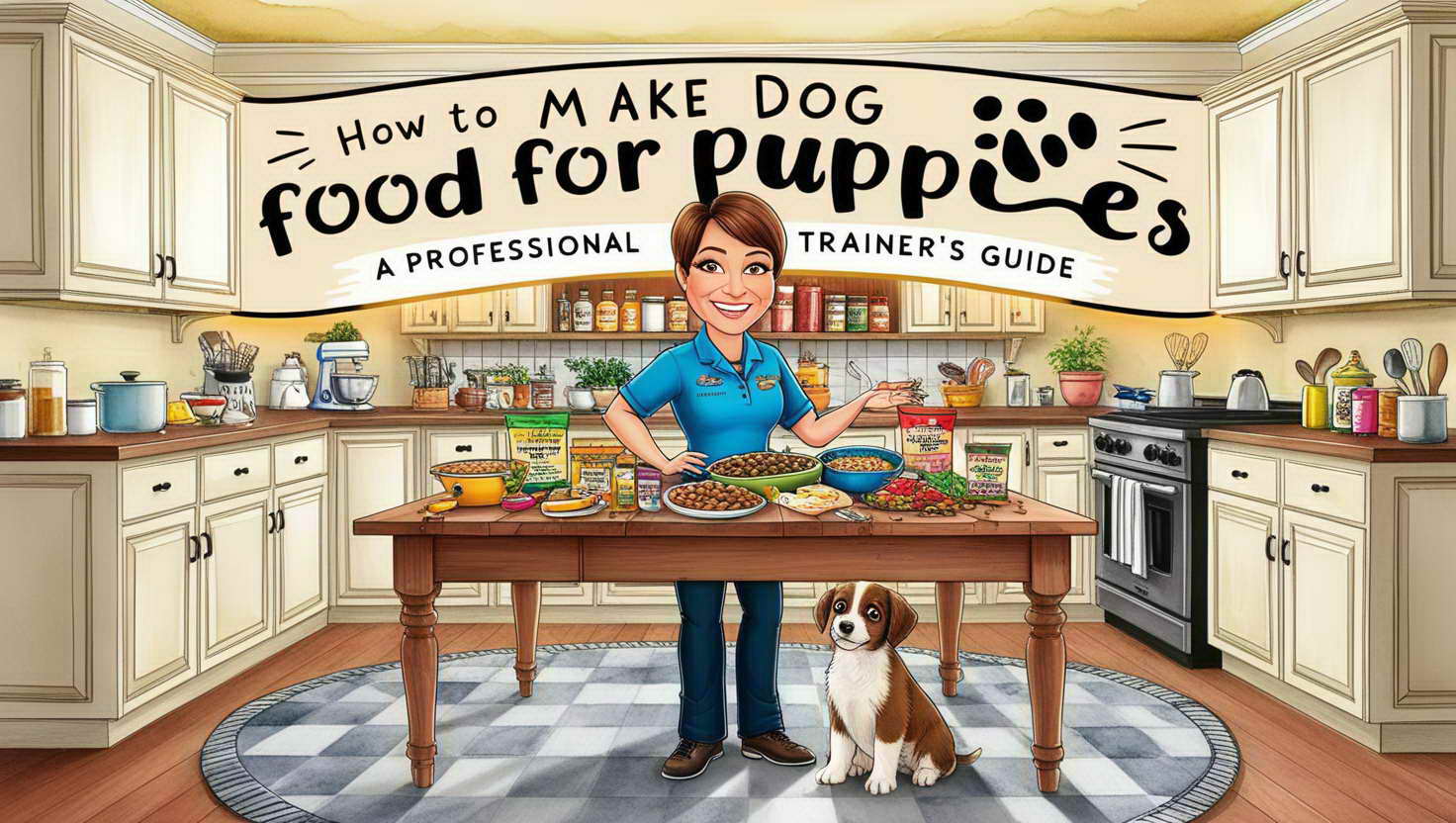
    Hey there, fellow dog lover! I’ve seen firsthand how important proper nutrition is for puppies. Today, I’m going to share my knowledge on making homemade dog food for your little furball. It’s easier than you might think, and it can be a great way to ensure your pup gets the best start in life.

    Why Make Your Own Puppy Food?

    Before we dive into the nitty-gritty, let’s talk about why you might want to make your own puppy food:

    1. Control over ingredients: You know exactly what’s going into your puppy’s food.
    2. Freshness: Homemade food doesn’t sit on shelves for months.
    3. Customization: You can tailor the diet to your puppy’s specific needs.
    4. Bonding: Preparing food for your pup can be a great bonding experience.

    Now, let’s get into the details!

    Understanding Your Puppy’s Nutritional Needs

    First things first, puppies have different nutritional requirements than adult dogs. They need:

    • More calories: Puppies burn through energy like there’s no tomorrow!
    • Higher protein: For all that growing they’re doing.
    • Balanced calcium and phosphorus: Essential for proper bone development.
    • DHA: An omega-3 fatty acid crucial for brain and eye development.

    Essential Ingredients for Homemade Puppy Food

    Here’s a list of ingredients you’ll want to include in your homemade puppy food:

    1. Protein sources:
    • Lean meats (chicken, turkey, lean beef)
    • Fish (salmon, sardines)
    • Eggs
    1. Carbohydrates:
    • Brown rice
    • Sweet potatoes
    • Pumpkin
    • Oatmeal
    1. Vegetables:
    • Carrots
    • Green beans
    • Peas
    • Spinach
    1. Fruits (in moderation):
    • Blueberries
    • Apples (no seeds)
    • Bananas
    1. Healthy fats:
    • Fish oil
    • Flaxseed oil
    • Coconut oil
    1. Supplements:
    • Calcium (if not using bone meal)
    • Multivitamin formulated for puppies

    A Basic Puppy Food Recipe

    Alright, let’s get cooking! Here’s a basic recipe you can start with:

    Ingredients:

    • 1 pound lean ground turkey
    • 1 cup cooked brown rice
    • 1/2 cup cooked and mashed sweet potato
    • 1/4 cup finely chopped or pureed vegetables (carrots, green beans, peas)
    • 1 tablespoon fish oil
    • 1 teaspoon calcium powder (or finely ground eggshells)
    • 1 multivitamin tablet, crushed

    Instructions:

    1. Cook the ground turkey in a large skillet over medium heat until fully cooked. Drain any excess fat.
    2. In a large bowl, combine the cooked turkey with the cooked brown rice and mashed sweet potato.
    3. Add the chopped vegetables, fish oil, calcium powder, and crushed multivitamin.
    4. Mix all ingredients thoroughly.
    5. Let the mixture cool before serving.

    This recipe will make about 4-5 days worth of food for a medium-sized puppy. Remember to adjust portions based on your puppy’s size and energy level.

    Feeding Guidelines

    Now that you’ve got your homemade puppy food ready, let’s talk about how to feed it:

    1. Portion sizes: Puppies typically need 2-3 times the amount of food per pound of body weight compared to adult dogs. Consult with your vet for specific recommendations.
    2. Feeding frequency:
    • 6-12 weeks old: 4 meals per day
    • 3-6 months old: 3 meals per day
    • 6-12 months old: 2 meals per day
    1. Consistency: Keep the food consistency similar to canned puppy food – not too chunky, not too soupy.
    2. Temperature: Serve the food at room temperature or slightly warm.
    3. Fresh water: Always provide fresh, clean water alongside meals.

    Tips for Success

    Here are some pro tips to help you succeed in your homemade puppy food journey:

    1. Gradual transition: If you’re switching from commercial food, do it gradually over 7-10 days to avoid tummy upset.
    2. Variety is key: Don’t stick to just one recipe. Rotate proteins and veggies to ensure a balanced diet.
    3. Prep in bulk: Make large batches and freeze portions for convenience.
    4. Monitor weight: Keep an eye on your puppy’s weight and adjust portions as needed.
    5. Consult your vet: Always consult with your veterinarian before making significant changes to your puppy’s diet.

    Common Mistakes to Avoid

    Even with the best intentions, it’s easy to make mistakes when preparing homemade puppy food. Here are some common pitfalls to watch out for:

    1. Unbalanced nutrition: Puppies need a carefully balanced diet. Don’t just throw together whatever you have in the fridge.
    2. Overfeeding: It’s easy to overfeed when you’re making food from scratch. Stick to recommended portions.
    3. Inadequate calcium: Growing puppies need the right amount of calcium. Don’t skip the calcium supplement unless you’re using bone meal.
    4. Using unsafe ingredients: Some human foods are toxic to dogs. Avoid onions, garlic, grapes, raisins, chocolate, and xylitol.
    5. Lack of variety: Don’t stick to one recipe forever. Variety ensures a range of nutrients.
    6. Ignoring special needs: Some puppies may have allergies or sensitivities. Pay attention to how your pup reacts to different ingredients.

    Advanced Tips for Homemade Puppy Food

    Once you’ve got the basics down, you might want to explore some more advanced techniques:

    Batch Cooking and Storage

    1. Weekly prep: Set aside time each week to prepare your puppy’s meals in bulk.
    2. Proper storage: Divide the food into portion-sized containers and refrigerate (use within 3-4 days) or freeze (use within 2-3 months).
    3. Thawing safely: Thaw frozen portions in the refrigerator overnight, never at room temperature.

    Adding Variety to Your Puppy’s Diet

    1. Rotate proteins: Switch between turkey, chicken, beef, and fish to provide a range of amino acids.
    2. Seasonal vegetables: Use what’s in season for maximum nutrition and cost-effectiveness.
    3. Bone broth: Make a nutritious bone broth to use as a base for your puppy’s meals.

    Tailoring Recipes for Special Needs

    1. Allergies: If your puppy shows signs of food allergies, work with your vet to identify problem ingredients and find suitable alternatives.
    2. Weight management: For puppies that need to gain or lose weight, adjust the ratio of protein to carbs in their food.
    3. Sensitive stomachs: For puppies with sensitive digestions, try easily digestible proteins like chicken or fish, and mild vegetables like pumpkin or sweet potato.

    The Raw Debate: Dog Food Raw Meat

    When discussing how to make dog food for puppies, we can’t ignore the topic of raw meat. The raw food diet, often called BARF (Biologically Appropriate Raw Food), has gained popularity in recent years. Some pet owners swear by feeding raw meat to their puppies, claiming benefits like improved digestion, healthier coats, and cleaner teeth. However, it’s a controversial topic in the veterinary world. While raw meat can provide high-quality protein, it also carries risks of bacterial contamination like Salmonella or E. coli. If you’re considering incorporating raw meat into your puppy’s diet, it’s crucial to source it from reputable suppliers and handle it with extreme care to prevent foodborne illnesses. Always consult with your vet before introducing raw meat, as puppies have delicate digestive systems and may be more susceptible to infections. Remember, whether you choose to include raw meat or not, the goal is to provide a balanced, nutritious diet that supports your puppy’s growth and development.

    The Importance of Monitoring and Adjusting

    Making your own puppy food isn’t a set-it-and-forget-it process. It’s crucial to monitor your puppy’s health and adjust the diet as needed:

    1. Regular weigh-ins: Check your puppy’s weight weekly to ensure they’re growing at a healthy rate.
    2. Coat condition: A shiny, healthy coat is a good indicator of proper nutrition.
    3. Energy levels: Your puppy should be energetic and playful. Low energy could indicate nutritional deficiencies.
    4. Stool quality: Firm, well-formed stools are a sign of good digestion.
    5. Vet check-ups: Regular vet visits can help catch any nutritional issues early.

    The Role of Treats in Your Puppy’s Diet

    While we’re focused on meals, let’s not forget about treats! Treats are great for training, but they should be factored into your puppy’s overall diet:

    1. 90/10 rule: Treats should make up no more than 10% of your puppy’s daily calorie intake.
    2. Healthy options: Consider using small pieces of cooked chicken or tiny bits of carrot as treats.
    3. Homemade treats: You can make healthy treats at home using ingredients like pumpkin, banana, or sweet potato.
    4. Training sessions: Use meal times for training by using pieces of their regular food as rewards.

    Transitioning to Adult Food

    As your puppy grows, you’ll eventually need to transition them to adult dog food. This typically happens around 1 year of age for most breeds, or up to 2 years for large and giant breeds. Here’s how to make the switch:

    1. Gradual transition: Over the course of 7-10 days, gradually increase the proportion of adult food while decreasing puppy food.
    2. Adjust ingredients: Adult dogs need less protein and calories than puppies, so you’ll need to adjust your homemade recipe accordingly.
    3. Consult your vet: Your vet can help you determine the right time to switch based on your dog’s breed, size, and individual development.

    Final Thoughts

    Making your own puppy food can be a rewarding experience for both you and your furry friend. It allows you to have complete control over what goes into your puppy’s body during this crucial growth period. However, it’s also a big responsibility. Always do your research, consult with professionals, and pay close attention to your puppy’s health and development.

    Remember, every puppy is unique. What works for one might not work for another, so be prepared to adjust and experiment (safely, of course) to find what works best for your little buddy.

    Lastly, don’t forget that making homemade food is just one aspect of raising a happy, healthy puppy. Regular exercise, training, socialization, and lots of love are all equally important!

    So, are you ready to don that chef’s hat and whip up some puppy-approved meals? Your furry friend’s tail will be wagging in no time! Happy cooking, and give your pup a belly rub from me!

  • When Do You Switch To Adult Dog Food? A Musician’s Take

    When Do You Switch To Adult Dog Food? A Musician’s Take

    When Do You Switch To Adult Dog Food

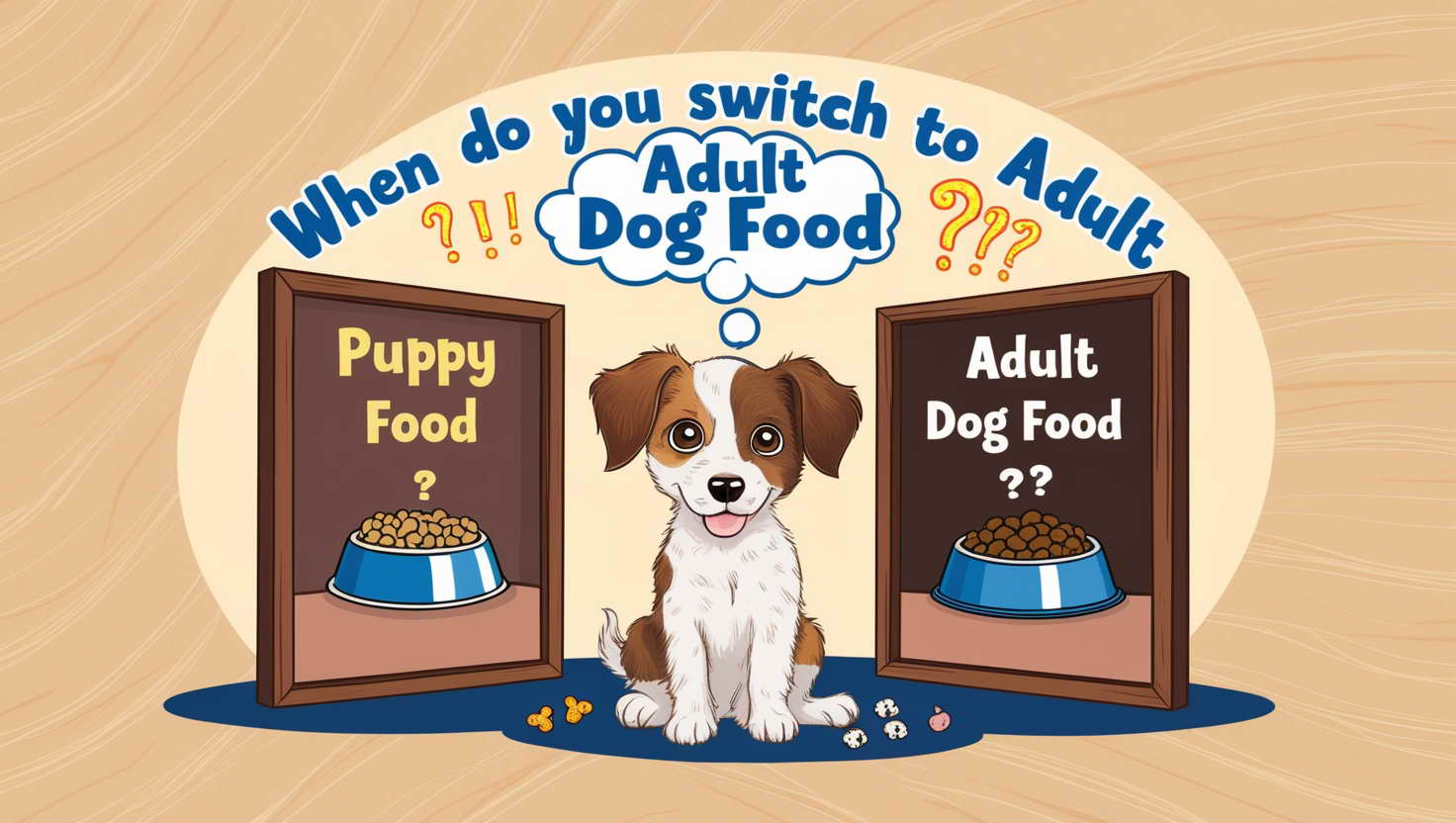
    PETSIDI – Hey there, fellow dog lovers! As a musician who’s always on the road, I’ve had my fair share of experiences with furry friends. Today, let’s chat about a topic that’s crucial for every pup parent: when to make the switch from puppy chow to adult dog food. Grab a cup of coffee, and let’s dive in!

    The Puppy to Adult Transition: It’s Not Just About Age

    You might think it’s all about the candle count on your pup’s birthday cake, but there’s more to it than that. Let’s break it down:

    1. Breed size
    2. Growth rate
    3. Nutritional needs
    4. Activity level

    These factors play a huge role in determining when your little furball is ready for the big leagues of adult dog food.

    Small Breeds: The Speedy Gonzales of the Dog World

    • Chihuahuas
    • Yorkies
    • Toy Poodles

    These little dudes mature faster than you can say “puppy dog eyes“. They’re usually ready to switch to adult food around 9-12 months old. It’s like they’re on tour with a punk rock band – everything happens at lightning speed!

    Medium Breeds: The Steady Rockers

    • Beagles
    • Cocker Spaniels
    • Bulldogs

    These guys are like the indie rock bands of the dog world. They take their time to mature, usually hitting adulthood around 12-14 months. They’re not in a rush, just grooving to their own beat.

    Large Breeds: The Symphony Orchestra

    • Labrador Retrievers
    • German Shepherds
    • Golden Retrievers

    These majestic beasts are like a full symphony orchestra – they take time to reach their full potential. They usually make the switch to adult food around 15-18 months. It’s a long composition, but the result is worth the wait!

    Giant Breeds: The Epic Rock Opera

    • Great Danes
    • Mastiffs
    • Saint Bernards

    These gentle giants are the rock operas of the dog world – grand, impressive, and taking their sweet time to fully develop. They might not be ready for adult food until they’re 18-24 months old. It’s like waiting for the next Tool album – it takes forever, but it’s epic when it finally happens!

    Signs Your Pup is Ready for Adult Food

    Now, let’s talk about the signs that your furry roadie might be ready to graduate to the adult menu:

    1. Slowing growth rate: Your pup isn’t gaining weight as rapidly as before.
    2. Reaching physical maturity: They’re looking more like an adult dog in body shape.
    3. Decreased appetite: They’re not inhaling their food like it’s the last meal before a world tour.
    4. Energy level changes: They might be less hyperactive and more settled.

    The Transition Process: It’s Like Mixing a New Track

    When you’re ready to make the switch, remember – it’s not about going cold turkey. You’ve got to ease into it, like introducing a new instrument to a familiar melody. Here’s a transition schedule that works like a charm:

    DayPuppy FoodAdult Food
    1-275%25%
    3-450%50%
    5-625%75%
    7+0%100%

    This gradual transition helps prevent any digestive distress – because nobody wants a dog with an upset stomach, especially not when you’re trying to write your next hit single!

    Choosing the Right Adult Dog Food: It’s Like Picking the Perfect Guitar

    Now that you know when to make the switch, let’s talk about what to switch to. Choosing the right adult dog food is like selecting the perfect guitar – it needs to suit your style and needs. Here are some factors to consider:

    1. Breed-specific formulas: Some brands offer food tailored to specific breeds.
    2. Activity level: A working dog needs different nutrition than a couch potato.
    3. Health concerns: Some foods address specific health issues like joint health or weight management.
    4. Ingredient quality: Look for real meat as the first ingredient and avoid artificial preservatives.
    5. Wet vs. dry food: Each has its pros and cons – consider mixing it up!

    Raw Meat in Dog Food: A Controversial Chord

    Now, let’s hit a slightly controversial note – raw meat in dog food. This topic is like jazz – some love it, some don’t get it, and everyone’s got an opinion. The idea of feeding dogs a raw diet, often called BARF (Biologically Appropriate Raw Food), has gained traction among some pet parents. Proponents argue it’s more natural and can lead to shinier coats, healthier teeth, and better digestion. But hold your horses (or should I say, hold your hounds?) – it’s not all smooth sailing.

    Raw diets can be risky if not done right, potentially exposing your pup to harmful bacteria or nutritional imbalances. It’s like trying to compose a symphony without sheet music – it takes a lot of knowledge and careful planning. If you’re considering the raw route, it’s crucial to consult with your vet first. They can help you decide if a raw diet is right for your dog and guide you on how to do it safely. Remember, whether you’re feeding kibble, wet food, or raw meat, the goal is the same – keeping your furry bandmate healthy and happy!

    The Importance of Proper Nutrition: It’s the Backbone of Your Dog’s Health

    Just like a solid bassline is crucial for a great song, proper nutrition is the foundation of your dog’s health. Adult dog food is formulated differently from puppy food, providing:

    • Balanced protein levels
    • Appropriate calorie content
    • Essential vitamins and minerals

    Getting this right can help prevent issues like obesity, joint problems, and digestive issues. It’s like tuning your instrument – get it right, and everything else falls into place.

    Common Mistakes to Avoid: Don’t Hit a Sour Note!

    When making the switch to adult dog food, there are a few common mistakes to avoid:

    1. Switching too early: This can lead to nutritional deficiencies.
    2. Switching too late: This might result in obesity or other health issues.
    3. Changing food abruptly: This can cause digestive upset.
    4. Ignoring your dog’s individual needs: Every dog is unique, like every musician has their own style.
    5. Not consulting with your vet: They’re like your sound engineer – they know what’s best for your dog’s health.

    The Role of Exercise: Keep the Beat Going!

    Remember, switching to adult dog food isn’t just about the food itself. It’s also about maintaining a healthy lifestyle. Regular exercise is crucial for your adult dog, just like regular practice is essential for a musician. It helps:

    • Maintain a healthy weight
    • Promote good digestion
    • Keep joints and muscles strong
    • Provide mental stimulation

    So, make sure to keep the rhythm going with plenty of walks, playtime, and maybe even a game of fetch between gigs!

    Special Considerations: The Solo Artists of the Dog World

    Some dogs might need special consideration when it comes to their diet:

    1. Pregnant or nursing dogs: They might need to stay on puppy food longer for the extra nutrients.
    2. Working dogs: They might benefit from high-performance adult dog food.
    3. Senior dogs: As they age, they might need to switch to a senior-specific formula.

    These are the solo artists of the dog world – they march to the beat of their own drum and might need a custom approach to their nutrition.

    Conclusion: It’s All About Harmony

    In the end, switching your dog to adult food is all about finding the right harmony between their age, size, breed, and individual needs. It’s like composing the perfect song – all the elements need to work together.

    Remember, every dog is unique, just like every musician has their own style. What works for one might not work for another. Always keep an eye on your furry friend’s health and behavior, and don’t hesitate to consult with your vet if you have any concerns.

    So, there you have it – your guide to making the switch to adult dog food, from one dog-loving musician to another. Now, if you’ll excuse me, I’ve got a gig to get to, and my four-legged roadie is giving me the “it’s dinner time” look. Rock on, and happy feeding!

  • Sierra Advantage Dog Food: The Ultimate Nutrition for Your Furry Adventure

    Sierra Advantage Dog Food: The Ultimate Nutrition for Your Furry Adventure

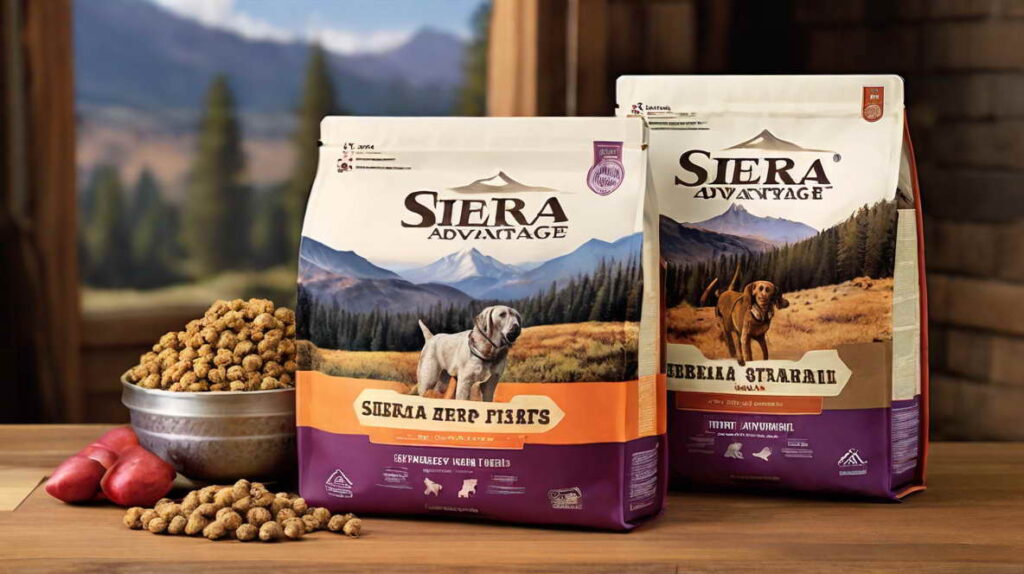
    Sierra Advantage Dog Food

    Discovering the Benefits of Sierra Advantage Dog Food: A Canine Nutritionist’s Perspective

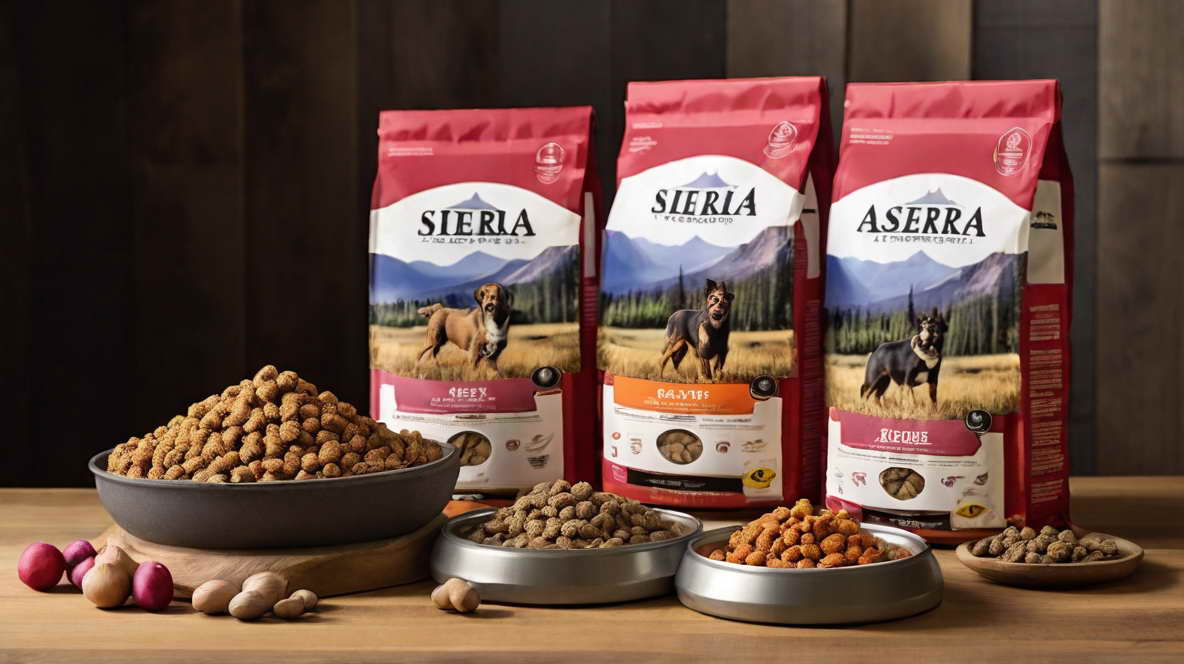
    PETSIDI – Hey there, fellow dog lovers and adventure enthusiasts! It’s your friendly neighborhood canine nutritionist here, ready to dish out some knowledge on one of my favorite topics: Sierra Advantage Dog Food. As someone who loves to travel with my furry companions, I know how important it is to find a dog food that not only provides optimal nutrition but also fuels their adventurous spirit. So, let’s dive in and explore what makes Sierra Advantage Dog Food a top choice for pet parents on the go!

    The Importance of Quality Nutrition for Active Dogs

    Discovering the Benefits of Sierra Advantage Dog Food

    Before we get into the specifics of Sierra Advantage Dog Food, let’s talk about why quality nutrition is crucial for active dogs. Just like us humans, our canine friends need a balanced diet to maintain their health, energy levels, and overall well-being. When we’re out exploring the world with our dogs, it’s even more important to ensure they’re getting the nutrients they need to keep up with our adventures.

    Active dogs require:

    • High-quality protein sources for muscle development and repair
    • Complex carbohydrates for sustained energy
    • Healthy fats for coat health and brain function
    • Essential vitamins and minerals for immune support and overall health

    What Sets Sierra Advantage Dog Food Apart?

    What Sets Sierra Advantage Dog Food Apart

    Now that we know what active dogs need, let’s take a closer look at what makes Sierra Advantage Dog Food stand out from the pack.

    1. Premium Ingredients

    Sierra Advantage Dog Food is crafted with premium ingredients that are carefully selected to provide your dog with the best possible nutrition. The first ingredient in every formula is a high-quality protein source, such as:

    • Real chicken
    • Real lamb
    • Real salmon

    These protein sources are not only delicious but also easily digestible, ensuring your dog gets the most out of every meal.

    2. Balanced Nutrition

    Each formula of Sierra Advantage Dog Food is expertly balanced to meet the specific nutritional needs of dogs at different life stages and activity levels. Whether you have a growing puppy, an active adult, or a senior dog, there’s a Sierra Advantage formula tailored to their unique requirements.

    Life StageKey Nutritional NeedsSierra Advantage Formula
    PuppyHigher protein and fat for growth and developmentSierra Advantage Puppy Formula
    AdultBalanced protein, fat, and carbohydrates for maintenanceSierra Advantage Adult Formula
    SeniorLower calorie density and added joint supportSierra Advantage Senior Formula

    3. Digestive Health Support

    Sierra Advantage Dog Food includes prebiotics and probiotics to support your dog’s digestive health. These beneficial bacteria help maintain a healthy gut microbiome, which is essential for nutrient absorption and overall well-being. Plus, the easily digestible ingredients in Sierra Advantage formulas ensure your dog can make the most of every meal without any tummy troubles.

    4. Skin and Coat Health

    Every formula of Sierra Advantage Dog Food contains omega-3 and omega-6 fatty acids, which are essential for maintaining healthy skin and a shiny coat. These fatty acids also support brain function and help reduce inflammation throughout the body. When you’re out exploring with your dog, you’ll love seeing their coat gleam in the sunlight!

    5. No Artificial Additives

    You won’t find any artificial colors, flavors, or preservatives in Sierra Advantage Dog Food. The company believes in using only natural, wholesome ingredients to nourish your dog from the inside out. This means you can feel good about feeding your furry friend a diet that’s free from unnecessary additives.

    My Experience with Sierra Advantage Dog Food

    Experience with Sierra Advantage Dog Food

    As a canine nutritionist and avid traveler, I’ve had the opportunity to try out many different dog food brands with my own pets. When I discovered Sierra Advantage Dog Food, I was impressed by the quality of the ingredients and the thought that went into each formula.

    My dogs love the taste of Sierra Advantage, and I love knowing that they’re getting the nutrition they need to keep up with our adventures. Whether we’re hiking in the mountains, playing on the beach, or exploring a new city, I can trust that Sierra Advantage is fueling their bodies and minds.

    One of my favorite things about Sierra Advantage Dog Food is how convenient it is for travelers like me. The resealable bags make it easy to pack along on trips, and the compact size means I can fit more in my luggage without sacrificing space for my own essentials. Plus, with formulas tailored to different life stages and activity levels, I know I can find the right food for my dogs no matter where our adventures take us.

    Frequently Asked Questions About Sierra Advantage Dog Food

    Frequently Asked Questions About Sierra Advantage Dog Food

    1. Is Sierra Advantage Dog Food suitable for dogs with food sensitivities?

    Yes! Sierra Advantage offers formulas that are designed for dogs with food sensitivities. These formulas use single protein sources and avoid common allergens like wheat, soy, and corn. If your dog has specific dietary needs, consult with your veterinarian to find the best Sierra Advantage formula for them.

    2. Can I switch my dog to Sierra Advantage Dog Food suddenly?

    It’s always best to transition your dog to a new food gradually to avoid digestive upset. Start by mixing a small amount of Sierra Advantage with your dog’s current food, and gradually increase the proportion of Sierra Advantage over the course of 7-10 days. This will give your dog’s digestive system time to adjust to the new food.

    3. How do I store Sierra Advantage Dog Food?

    Sierra Advantage Dog Food should be stored in a cool, dry place. Once opened, the resealable bag will help keep the food fresh. If you’re traveling with Sierra Advantage, make sure to keep the food in a safe, temperature-controlled environment and avoid exposing it to direct sunlight or extreme temperatures.

    4. Where can I buy Sierra Advantage Dog Food?

    Sierra Advantage Dog Food is available at pet specialty stores, online retailers, and through the company’s website. Use the store locator on the Sierra Advantage website to find a retailer near you, or take advantage of the convenience of online ordering and have the food delivered right to your door.

    Final Thoughts

    Sierra Advantage Dog Food Final Thoughts

    As a canine nutritionist and travel enthusiast, I highly recommend Sierra Advantage Dog Food for pet parents who want to give their dogs the best possible nutrition while enjoying an active lifestyle. With premium ingredients, balanced nutrition, and formulas tailored to different life stages and needs, Sierra Advantage has everything your dog needs to thrive.

    So, whether you’re planning your next big adventure or simply want to keep your furry friend healthy and happy, give Sierra Advantage Dog Food a try. Your dog will thank you for it with boundless energy, a shiny coat, and plenty of tail wags along the way!

    Happy trails and happy tails!

  • Best Dog Food Bullmastiff Owners Swear By: Top 5 Nutritious Picks

    Best Dog Food Bullmastiff Owners Swear By: Top 5 Nutritious Picks

    Best Dog Food Bullmastiff

    What’s the Best Dog Food for My Bullmastiff Buddy?

    PETSIDI – Hey there, friend! Your pup is part of the family, so you want to make sure they’re getting the best nutrition possible, am I right? As a dog nutritionist who’s always on the move, I’ve learned a thing or two about finding the perfect chow for our four-legged companions.

    And let me tell you, when it comes to big bruisers like the Bullmastiff, getting their diet dialed in is crucial. These gentle giants need the right fuel to support their massive frames and energetic personalities.

    So let’s dive into what makes a dog food great for Bullmastiffs and explore some top-notch options I’ve sniffed out in my travels. Get ready to seriously spoil that pupper!

    Why Bullmastiffs Need Special Nutrition

    Why Bullmastiffs Need Special Nutrition
    Breed TraitsNutritional Needs
    Large SizeHigher calorie intake, glucosamine for joints
    High EnergyQuality protein & fats for energy
    Short HairEssential fatty acids for skin/coat health
    Gentle NatureL-tryptophan for mood/behavior

    As you can see, the Bullmastiff’s size, energy levels, and other characteristics create some unique nutritional requirements. These big dogs burn a lot of calories just existing, so their food needs to be calorie-dense while still being highly digestible.

    Protein is also a huge priority to support all that muscle mass. Plus, those natural guardians tend to be pretty rambunctious as puppies and young adults, so they need plenty of high-quality fats for lasting energy reserves.

    With their short coats, Bullmastiffs also benefit from omega fatty acids to keep their skin and fur looking sleek and healthy. Some folks even add supplements like glucosamine and chondroitin to support joint health as the breed is prone to hip and elbow dysplasia.

    And despite their imposing statures, Bullies are famous lover dogs with gentle temperaments. Including ingredients with calming properties like l-tryptophan can help manage anxious behavior or reactivity issues some individuals develop.

    The bottom line? Your big buddy needs a premium dog food that’s:

    • High in protein from animal sources
    • Packed with calories for their size
    • Rich in healthy fats
    • Easy to digest
    • Fortified with omega fatty acids
    • Containing supplements for joints
    • With ingredients that promote calm behavior

    That’s a tall order, but don’t worry! There are some fantastic commercial dog foods out there that check all those boxes. Let me break down some of the ones I’ve tasted and approved on my travels.

    Top 5 Dog Food Brands for Bullmastiffs

    1. Merrick Backcountry Raw Infused

    Best Dog Food Bullmastiff Merrick Backcountry Raw Infused

    You know I’m a big fan of raw feeding for its nutritional benefits and Limited Ingredient Diets (LIDs) to prevent allergies. Well, Merrick’s Backcountry Raw Infused line combines the best of both worlds!

    This fantastic freeze-dried raw formula starts with deboned meat as the first ingredient. It’s then gently cooked to preserve the nutrients and mixed with fresh, locally-sourced fruits and veggies.

    The end result is a high protein, all natural, and highly digestible kibble packed with lip-smacking flavors like beef, chicken, or salmon. It’s also grain-free making it ideal for Bullies with food sensitivities.

    My Bullmastiff buddy Rufus went bananas for the beef recipe! The combination of raw meat, protein-rich legumes, and nutrient-dense superfoods like sweet potatoes and blueberries had his tail going a million miles an hour.

    Key Benefits:

    • High in premium animal protein (32%)
    • Raw meat bites for nutritional punch
    • Grain and gluten-free
    • Antioxidant superfood ingredients
    • Made with limited ingredients for sensitive stomachs

    Drawbacks:

    • More expensive than regular kibble
    • Some dogs don’t like freeze-dried texture

    2. Purina Pro Plan Sport

    Best Dog Food Bullmastiff Purina Pro Plan Sport

    While I generally prefer grain-free, Purina’s Pro Plan Sport formula is a noteworthy exception for the calorie and nutrient density it provides active dogs. If your Bully loves to run, play, and get their zoomies on, this could be the perfect pick.

    This performance dog food is absolutely stacked with premium protein from chicken and egg, plus glucosamine for joint support. But what really makes it special is the concentrated energy from nutrient-dense grains like whole wheat and brewers rice.

    You’re looking at over 500 calories per cup of kibble — major fueling power for those high-octane activities Bullmastiffs thrive on! The added amino acids and antioxidants also help build lean muscle while naturally reducing inflammation.

    My super athletic gal Tala was an unstoppable force while devouring this stuff on our hiking adventures. She had plenty of get-up-and-go without excessive bulk.

    Key Benefits:

    • Over 30% protein and 20% fat
    • Glucosamine for joint health
    • High calories for extreme energy
    • Lean muscle building nutrients
    • Utilizes some highly digestible grains

    Drawbacks:

    • Grain content may trigger allergies in some dogs
    • Richer formula could cause weight gain in lazy Bullies

    3. ORIJEN Puppy Large

    Best Dog Food Bullmastiff ORIJEN Puppy Large

    Bullmastiff puppies are notoriously rambunctious rascals as they rapidly grow toward their full 100+ lb adult size. Keeping their boundless energy in check while fueling that huge growth spurt is a unique challenge.

    That’s why I’m a huge fan of ORIJEN’s Puppy Large formula. This premium kibble closely replicates the WholePrey diet puppies would eat in nature — whole animal proteins from fowl, fish, and eggs combined with nutrient-dense fruits and greens.

    The first 5 ingredients are fresh or raw animal sources like chicken, turkey, and whole mackerel. You’re getting a massive 38% protein from quality muscle and organ meats to build strong bones and lean muscle mass.

    ORIJEN also packs in healthy fats like pollock oil for DHA to support brain development. The low-glycemic lentils, peas, and berries provide sustained energy without the blood sugar spikes and crashes of cheaper filler grains.

    My sweet pup Raja absolutely demolished this recipe. It gave him the fuel he needed to thrive through that chaotic puppy stage without becoming an overweight bully!

    Key Benefits:

    • Ultra high protein for muscle development
    • All meat ingredients from WholePrey sources
    • Low-glycemic fruit/veggie energy sources
    • Rich in DHA for brain health
    • Made from locally sourced ingredients

    Drawbacks:

    • Very expensive compared to standard puppy food
    • High protein content may be too rich for some puppies

    4. Wellness CORE Large Breed

    Best Dog Food Bullmastiff Wellness CORE Large Breed

    When it comes to affordable quality, it’s hard to beat Wellness CORE Large Breed. This all-natural premium kibble is everything a big dog like a Bullmastiff needs at a reasonable price point compared to some boutique brands.

    The first ingredient is nutrient-dense deboned turkey providing over 30% protein for lean muscle maintenance. It’s also loaded with nutritious veggies, berries, and supplemental superfoods like flaxseed, coconut oil, and salmon oil.

    You’re getting glucosamine and chondroitin for joint support and mobility along with anti-inflammatory Omega-3 and 6 fatty acids for skin/coat health.

    Key Benefits:

    • Rich in animal protein (34%)
    • Glucosamine & chondroitin added
    • Omega 3 & 6 fatty acids for skin/coat
    • No wheat, corn, soy, meat by-products
    • Nutrient-dense superfoods like flaxseed

    Drawbacks:

    • Some dogs dislike the pea protein
    • Slightly higher risk of allergies from multiple protein sources

    I fed this to my buddy Bronx during a stint housesitting in Colorado. The elevation did a number on his mobility at first, but the glucosamine really helped keep those big Bully joints nice and loose on our hikes. His coat also stayed incredibly shiny!

    5. Taste of the Wild Ancient Prairie

    Best Dog Food Bullmastiff Taste of the Wild Ancient Prairie

    If your Bullmastiff has food sensitivities or you just want to mix things up, Taste of the Wild’s Ancient Prairie formula is a great choice with its use of novel proteins. It’s grain-free but utilizes highly digestible ancient grains like sorghum as carb sources.

    The main proteins are buffalo and bison – two lean red meats your pup’s ancestors definitely didn’t munch on back in the day! They provide all those essential amino acids in a hydrolyzed form that’s easy on sensitive stomachs.

    On top of that, you get the benefits of prebiotics from chicory root plus probiotics to support healthy digestion and nutrient absorption. The antioxidant-packed greens and berries like raspberries don’t hurt either.

    My princess Ella was a total sock thief until I switched her over to this recipe. I swear the combination of those unique proteins and gut-healthy ingredients did wonders for her stool quality and behavior. She chilled right out!

    Key Benefits:

    • Novel proteins like buffalo & bison
    • Contains ancient grains like sorghum
    • Pre & probiotic digestion support
    • Antioxidant fruits and veggies
    • Ideal for dogs with food allergies

    Drawbacks:

    • Proteins may be too novel for some dogs
    • Doggy bags get stinky fast on this diet!

    Those are my top 5 dog food recommendations for big’uns like Bullmastiffs! But of course, every pup is a little different in their nutritional needs. Let’s go over some quick tips to help you pick the absolute best chow for your special pal.

    How to Choose: 7 Quick Tips

    How to Choose Best Dog Food Bullmastiff
    1. Consult Your Vet: Especially for puppies or seniors, get professional guidance on ideal protein/calorie levels, joint supplements, etc.
    2. Consider Allergies: If your Bully has food sensitivities, stick to limited ingredients or novel protein sources like bison.
    3. Prioritize Protein: Muscle-bound breeds like Bullmastiffs need at least 25% protein from whole, high-quality animal sources.
    4. Mind the Calories: These bigguns require a minimum of 350-500 calories per cup depending on energy levels.
    5. Go for Grains?: Grain-free is great, but some ancient grains provide fiber without triggering allergies.
    6. Supplement Wisely: Glucosamine, omegas, and probiotics can benefit big active breeds when added.
    7. Do a Slow Switch: Transition to any new food over 5-7 days to avoid digestive issues.

    At the end of the day, you know your furry bestie better than anyone. Listen to their cues and don’t be afraid to test out different recipes until you find that tail-wagging, bowl-licking perfection!

    The Final Dog Food Verdict

    Final Dog Food Verdict Best Dog Food Bullmastiff

    Whether you go with a premium kibble, raw diet, or rotational variety, the key is selecting a high-quality food that meets your Bullmastiff’s substantial nutritional needs. As long as it’s packed with protein, healthy fats, fiber, and essential nutrients, that big lug is guaranteed to thrive.

    I know the process can feel overwhelming with all the options out there. But hopefully this guide has given you a “leg up” on finding that ideal nosh that delivers complete and balanced nutrition for your beloved Bully.

    If you can afford it, any of my top recommended brands like Merrick Raw Infused or ORIJEN would be an amazing choice. Their nutritional profiles are basically tailor-made for large breed power houses.

    For those on a tighter budget, Wellness CORE or Taste of the Wild provide excellent bang for your buck with wholesome, easily digestible formulas. And Purina Pro Plan is a solid fallback option for extremely active Bullies that can handle grain-based diets.

    No matter which food you go with, I’m confident your gentle giant will be one spoiled pup.

  • Grinding Bones For Dog Food: A Nutritional Gamble or a Tasty Treat?

    Grinding Bones For Dog Food: A Nutritional Gamble or a Tasty Treat?

    Are Grinding Bones For Dog Food Good For Your Dog

    Are Grinding Bones For Dog Food Good For Your Dog?

    PETSIDI – Hey there, buddy! I just got back from a sweet little trip to the Australian Outback, and let me tell you, those dingoes sure know how to feast on some gnarly bones. Got me thinking about the whole bone grinding debate for our furry friends back home.

    Now, I know what you’re thinking, “But isn’t that, like, dangerous for their digestive system?” And you’ve got a point, mate. Feeding your pup raw bones can be a bit of a health risk. But what about those ground-up bone meals you see in some premium dog foods? Are they any better? Let’s dig in and find out!

    The Pros of Bone Meal

    The Pros of Bone Meal

    First off, let’s talk about why bone meal is even a thing in dog food. It’s all about those sweet, sweet nutrients:

    • Calcium: Bones are loaded with calcium, which is essential for strong bones and teeth in our pups.
    • Phosphorus: This mineral works hand-in-hand with calcium to keep those skeletal structures in tip-top shape.
    • Other Minerals: Bones also contain trace amounts of zinc, iron, and copper, which support various bodily functions.

    So, in theory, grinding bones and adding them to dog food can provide a nice little nutrient boost. Plus, it’s a way to use up those leftover animal parts that might otherwise go to waste. Eco-friendly and nutritious? Sounds like a win-win, right?

    The Cons of Bone Meal

    The Cons of Bone Meal

    Hold your horses, though! There are a few potential downsides to bone meal that we need to consider:

    1. Digestibility: Bones are pretty darn tough and fibrous, which can make them hard for some pups to digest properly. This could lead to gastrointestinal issues like constipation or bloating.
    2. Contamination Risks: If the bones aren’t handled and processed correctly, there’s a chance they could be contaminated with bacteria, heavy metals, or other nasties.
    3. Nutritional Imbalances: While bone meal is rich in certain minerals, it’s lacking in other essential nutrients like protein and fatty acids. Too much bone meal in your pup’s diet could lead to nutritional deficiencies.

    So, What’s the Verdict?

    Grinding Bones For Dog Food

    Alright, let’s break this down into a handy little table:

    ProsCons
    Good source of calcium, phosphorus, and other mineralsPotential digestibility issues
    Utilizes animal byproducts (eco-friendly)Contamination risks if not processed correctly
    Can lead to nutritional imbalances if overused

    As you can see, bone meal has its pros and cons. Here’s my hot take:

    Moderate amounts of high-quality, properly processed bone meal can be a safe and beneficial addition to your dog’s diet. The key words here are “moderate” and “high-quality.” Too much bone meal, or low-quality stuff that’s been handled poorly, could spell trouble for your pup’s gut health and overall nutrition.

    My advice? Check the labels on your dog’s food and treats. Look for reputable brands that use responsibly sourced ingredients and have strict quality control measures in place. And, as always, consult with your veterinarian if you have any specific concerns about your furry friend’s dietary needs.

    At the end of the day, a balanced, species-appropriate diet is the way to go for our canine companions. Bone meal can be a part of that, but it shouldn’t be the main event. Variety is the spice of life, and that goes for our pups’ meals too!

    So, there you have it, bud! The scoop on grinding bones for dog food. I hope this little nutrition nugget has been helpful. Now, if you’ll excuse me, I’ve got a one-way ticket to the Swiss Alps calling my name. Those St. Bernards have got to be eating something good up there, and I’m dying to find out what it is!

    Woof and bon appétit!