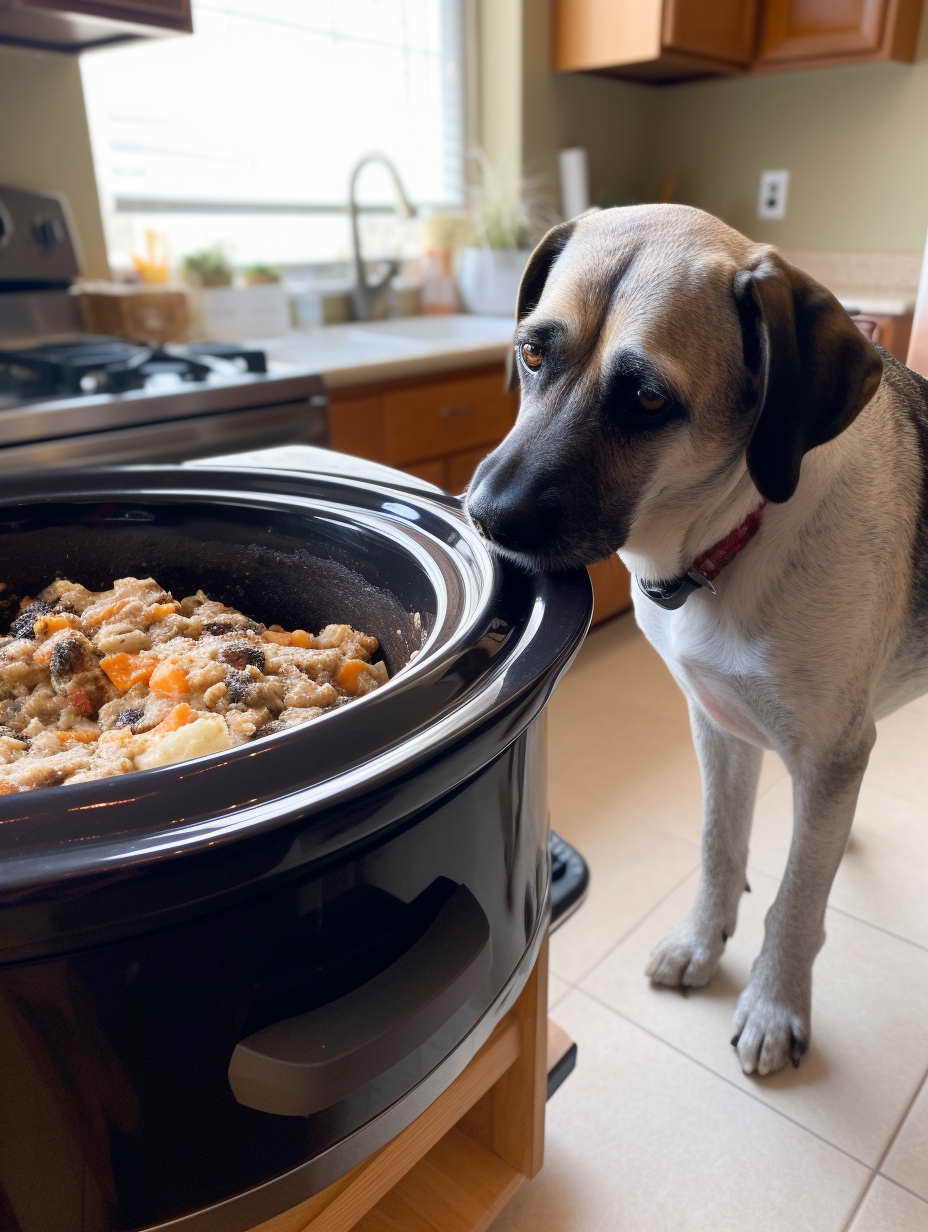
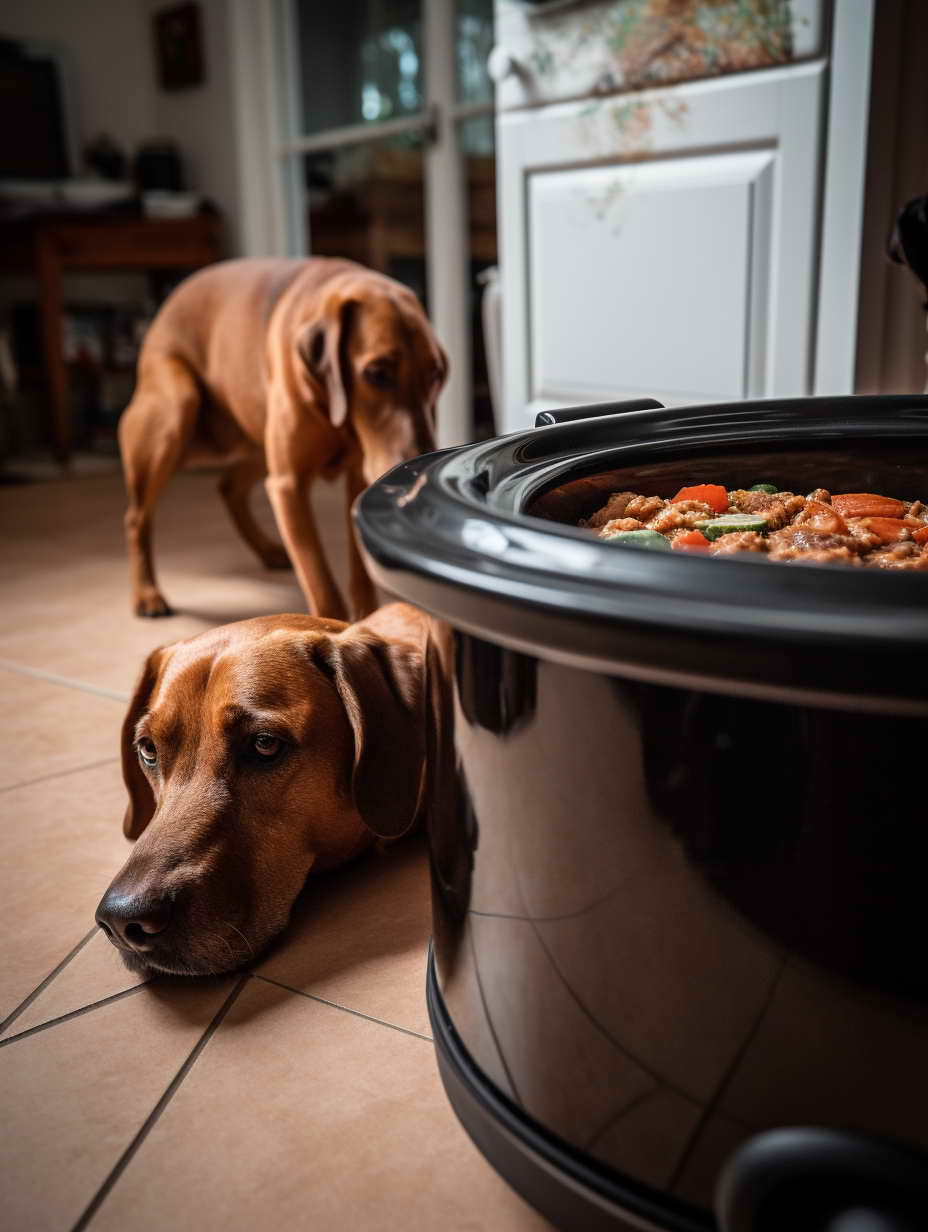
Category: Dog Food

  • Is It OK To Mix Wet And Dry Dog Food

    Is It OK To Mix Wet And Dry Dog Food

    Is It Ok To Mix Wet And Dry Dog Food

    Is It OK to Mix Wet And Dry Dog Food: A Comprehensive Guide

    Is It OK to Mix Wet And Dry Dog Food? This question often plagues the minds of dog owners looking to provide the best nutrition for their furry companions. While the idea of mixing these two types of dog food may seem convenient, it’s essential to understand the implications and benefits before making this dietary choice for your four-legged friend.

    In this comprehensive guide, we will delve deep into the world of canine nutrition and address the various aspects of mixing wet and dry dog food. From debunking myths to highlighting potential advantages, this article aims to provide you with all the information you need to make an informed decision for your beloved pet.

    Introduction

    Our pets deserve the best, and that includes a balanced and nutritious diet. The debate over mixing wet and dry dog food has been ongoing for some time. To help you navigate this topic, we’ve compiled a detailed guide that covers everything you need to know.

    Is It OK to Mix Wet And Dry Dog Food?

    When it comes to feeding our canine companions, the question of whether it’s acceptable to mix wet and dry dog food often arises. Let’s explore this topic in greater detail to provide you with a well-informed perspective.

    The Versatility of Mixed Feeding

    Mixed feeding, which combines both wet and dry dog food, offers a range of advantages. Here are some key points to consider:

    1. Enhanced Palatability: Dogs, like humans, appreciate variety in their diet. Mixing wet and dry food can add a novel flavor and texture dimension to their meals, making them more enticing. This can be particularly beneficial if your dog is a picky eater.
    2. Improved Hydration: Wet dog food contains a significant amount of moisture, typically around 70-80%, which can help keep your furry friend well-hydrated. This is especially valuable if your dog doesn’t drink enough water on its own.
    3. Balanced Nutrition: Both wet and dry dog foods have their unique nutritional profiles. Combining them can provide a more balanced overall diet for your pet. Wet food tends to be higher in protein and lower in carbohydrates, while dry kibble can help maintain dental health.
    4. Dental Health: Dry dog food’s crunchy texture can help clean your dog’s teeth by reducing the buildup of plaque and tartar. Chewing dry kibble can also stimulate the gums, promoting oral health.
    5. Digestive Benefits: Some dogs may experience better digestion when fed a combination of wet and dry food. The moisture content in wet food can aid in the digestion process, preventing issues like constipation.

    Ensuring a Healthy Mix

    While mixing wet and dry dog food can be beneficial, it’s essential to do so responsibly. Here are some guidelines to follow:

    1. Portion Control: Ensure you maintain proper portion sizes. Mixing food should not lead to overfeeding, which can result in weight gain and related health issues.
    2. Quality Matters: Choose high-quality dog food products that meet your pet’s specific nutritional requirements. Check the ingredient list to ensure it contains wholesome ingredients without excessive fillers or additives.
    3. Consider Allergies and Sensitivities: Be aware of any allergies or sensitivities your dog may have to specific ingredients. Some dogs may be intolerant of certain proteins or grains, so choose foods that align with their dietary needs.
    4. Consult Your Vet: Before making any significant dietary changes for your dog, it’s advisable to consult your veterinarian. They can provide guidance tailored to your pet’s age, breed, and health condition.

    Is It OK to Mix Wet And Dry Dog Food A Comprehensive Guide

    Frequently Asked Questions

    Can I mix any wet and dry dog food together?

    While it’s generally okay to mix wet and dry dog food, it’s essential to choose high-quality products that meet your dog’s nutritional requirements.

    How should I transition my dog to a mixed diet?

    Gradually introduce the mixed diet by adding small amounts of wet food to your dog’s dry food and monitor their response.

    Are there any disadvantages to mixing wet and dry dog food?

    The primary disadvantage may be the cost, as wet dog food is typically more expensive than dry kibble.

    Can mixing food lead to digestive issues for my dog?

    In some cases, sudden dietary changes can upset a dog’s stomach. To minimize this risk, make gradual transitions.

    Should I mix wet and dry food for puppies?

    Puppies have unique dietary needs, so consult your veterinarian before making any dietary changes.

    Is it okay to mix wet and dry food for senior dogs?

    Senior dogs may benefit from a mixed diet, as it can provide additional hydration and ease of chewing.

    Conclusion

    In conclusion, mixing wet and dry dog food can be a safe and beneficial choice for your furry friend. By following proper guidelines, consulting your veterinarian, and considering your dog’s specific needs, you can provide them with a well-rounded and enjoyable diet.


  • How Much Dog Food Per Month Cost

    How Much Dog Food Per Month Cost

    How Much Dog Food Per Month Cost

    How Much Dog Food Per Month Cost

    Introduction

    Owning a dog is a rewarding experience, but it comes with responsibilities, including providing the right nutrition. “How much does dog food per month cost” is a common question among pet owners. In this comprehensive guide, we’ll break down the factors that influence the cost of dog food, share budget-saving tips, and answer frequently asked questions to ensure your furry friend receives the best care without breaking the bank.

    How Much Dog Food Per Month Cost: Explained with Price Ranges

    Determining the monthly cost of dog food is not just about providing your furry friend with the nutrition they need; it’s also about managing your budget effectively. To help you plan your expenses, let’s explore the factors that influence the cost of dog food in terms of price ranges in USD.

    1. Age and Life Stages

    • Puppy Food: For puppies, you can expect to pay between $20 and $60 per month for high-quality puppy food. Premium brands with specific formulations for puppies might be at the higher end of this range.
    • Adult Dog Food: Standard adult dog food typically costs between $15 and $50 per month, depending on the brand and quality.
    • Senior Dog Food: Specialized diets for senior dogs, addressing issues like joint health or weight management, may range from $20 to $60 per month.

    2. Activity Level

    • Highly Active Dogs: If you have a highly active dog that requires more calories due to vigorous exercise, expect to spend between $30 and $70 per month.
    • Moderate Activity Dogs: Dogs with a moderate activity level may have monthly food costs ranging from $20 to $50.
    • Low Activity or Weight Management: For less active dogs or those on a weight management program, costs can be as low as $15 to $40 per month.

    3. Type of Dog Food

    • Dry Kibble: Dry dog food is often the most budget-friendly option, ranging from $15 to $50 per month. Store brands and basic formulations are typically on the lower end, while premium dry kibble can be at the higher end.
    • Wet Canned Food: Wet dog food, due to its higher moisture content and premium ingredients, can cost between $30 and $90 per month.
    • Raw Diets: Feeding your dog a raw diet can be the most expensive option, with monthly costs varying widely from $50 to $200 or more, depending on the ingredients you choose.

    4. Brand and Quality

    • Budget-Friendly Brands: Store brands and budget-friendly dog food options can be as low as $15 to $40 per month.
    • Mid-Range Brands: Mid-range dog food brands offering balanced nutrition typically fall within the $30 to $70 per month range.
    • Premium Brands: High-quality, premium dog food brands may cost anywhere from $50 to $100 or more per month.

    5. Buying in Bulk

    • Bulk Purchases: Buying dog food in bulk can significantly reduce monthly costs. You might save anywhere from 10% to 30% by purchasing larger quantities. Bulk prices can range from $40 to $90 per month.

    6. Coupons and Discounts

    • Discounted Prices: Utilizing coupons, promotions, and loyalty programs can lead to substantial savings. You might find deals that reduce monthly costs by $5 to $20 or more, depending on the discounts available.

    7. Homemade Dog Food

    • Cost-Effective Homemade Meals: Preparing homemade dog food can range from $20 to $50 per month, making it a cost-effective option when done correctly. Costs vary depending on the ingredients you choose and their availability.

    By understanding these price ranges associated with various factors, you can better plan your budget and provide your furry companion with the nutrition they need. Remember that the well-being of your dog should always be a priority, so choose the food that aligns with their specific needs, even if it means adjusting your budget slightly. Consulting with a veterinarian for dietary guidance is a wise step in ensuring your dog’s health and happiness.

    How Much Dog Food Per Month Cost Explained with Price Ranges

    FAQs

    Is homemade dog food cost-effective?

    Creating homemade dog food can be cost-effective if done correctly. Consult with a veterinarian or pet nutritionist to ensure your dog’s dietary needs are met.

    What is the average monthly cost of feeding a medium-sized dog?

    For a medium-sized dog, you can expect to spend approximately $30 to $60 per month on commercial dog food.

    Are there any cost-saving tips for dog food purchases?

    Yes, look for sales, discounts, and loyalty programs. Buying in bulk and opting for store brands can also reduce costs.

    Should I consider dietary supplements for my dog?

    Consult your veterinarian before introducing any supplements into your dog’s diet. They can provide guidance on whether supplements are necessary based on your dog’s health.

    Is raw feeding more expensive than commercial dog food?

    Raw feeding can be more expensive, as it requires careful sourcing of ingredients and can be time-consuming to prepare. However, some pet owners believe it offers health benefits.

    Can I mix different types of dog food for cost savings?

    Mixing different types of dog food is possible, but it’s important to maintain balanced nutrition. Consult with your veterinarian to ensure your dog’s dietary needs are met.

    Conclusion

    Understanding the factors influencing the cost of dog food is essential for providing your furry friend with the best nutrition while staying within your budget. By considering your dog’s size, age, and activity level, and exploring cost-saving strategies, you can ensure that “how much dog food per month cost” remains manageable. Prioritize your pet’s health and well-being, and remember that expert advice from a veterinarian is invaluable in making informed decisions about your dog’s diet.

  • Unveiling the Truth About Dog Food To Stay Away From

    Unveiling the Truth About Dog Food To Stay Away From

    Dog Food To Stay Away From

    Unveiling the Truth About Dog Food To Stay Away From

    In the quest to provide the best care for our beloved pets, one of the most crucial aspects is their diet. Just as we carefully choose our meals, it’s essential to make informed choices when it comes to what we feed our dogs. This article sheds light on the topic of “Dog Food To Stay Away From” to help you make the best decisions for your furry friend’s health and well-being.

    Introduction

    Our dogs are more than just pets; they’re family. Ensuring they receive proper nutrition is a vital part of responsible pet ownership. While there are numerous options available in the market, not all dog foods are created equal. It’s imperative to be aware of what goes into your dog’s bowl to keep them healthy and happy.

    In this comprehensive guide, we’ll delve into the types of dog food to avoid, harmful ingredients commonly found in commercial pet food, and how to make informed choices for your canine companion. Let’s start by exploring the primary category:

    Dog Food To Stay Away From

    The Basics: Understanding Harmful Dog Food

    Before we delve into specific types of dog food to avoid, it’s essential to grasp the basics of harmful ingredients and how they can affect your dog’s health.

    What Makes Dog Food Harmful?

    Dog food can be considered harmful for various reasons:

    • Low-Quality Ingredients: Some dog foods contain low-quality ingredients that provide minimal nutritional value and may even be harmful.
    • Fillers: Fillers like corn, soy, and wheat are often used to bulk up dog food, but they offer little nutritional benefit and can cause allergies.
    • Artificial Additives: Artificial colors, flavors, and preservatives can be detrimental to your dog’s health.
    • High Sugar Content: Sugary additives can lead to obesity and other health issues.
    • Excessive Fat: High fat content can contribute to obesity and pancreatitis in dogs.

    Now, let’s explore specific types of dog food to avoid:

    Types of Dog Food To Stay Away From

    When it comes to selecting the right dog food for your furry companion, it’s crucial to be aware of the types of dog food that should be avoided. Not all commercial dog foods are created equal, and some can potentially harm your dog’s health over time. Below, we’ll explore these problematic options in detail.

    1. Generic Store Brands

    Why to Avoid: Generic store-brand dog foods are often laden with low-quality ingredients. They may use fillers, by-products, and artificial additives to cut costs, compromising the nutritional value of the food. Feeding your dog these subpar products can lead to health issues in the long run.

    Better Alternative: Opt for premium or specialized dog food brands that prioritize high-quality, nutritious ingredients. Look for those that list meat as the primary ingredient and avoid products with vague or generic descriptions on their labels.

    2. Grain-Based Diets

    Why to Avoid: While grains are a common ingredient in many dog foods, excessive reliance on them can be problematic. Dogs are primarily carnivorous animals, and their digestive systems may not handle large amounts of grains well. An overabundance of grains in their diet can lead to digestive issues, allergies, and other health problems.

    Better Alternative: Consider grain-free or low-grain dog food options, especially if your dog has shown signs of grain sensitivity or allergies. These alternatives often feature high-quality protein sources as the main ingredient, which is more suitable for your dog’s natural diet.

    3. Dog Food with By-Products

    Why to Avoid: By-products are the less desirable parts of animals, such as organs, bones, and other leftovers. Dog foods that use by-products as their primary protein source tend to offer lower nutritional value. Feeding your dog such foods might deprive them of essential nutrients and increase the risk of health issues.

    Better Alternative: Choose dog foods that list specific meat sources, like chicken, beef, or fish, as the primary ingredient. These foods are more likely to provide the necessary nutrients your dog needs to thrive.

    4. Foods High in Salt

    Why to Avoid: Excess salt in your dog’s diet can lead to sodium ion poisoning, which can be life-threatening. Dog foods with high salt content may cause increased thirst, urination, vomiting, diarrhea, and even seizures in severe cases.

    Better Alternative: Opt for dog foods with moderate sodium levels. Always check the label for sodium content, and avoid products that list salt as one of the main ingredients.

    5. Foods with Artificial Additives

    Why to Avoid: Artificial colors, flavors, and preservatives are often added to dog food to enhance its appearance and taste and increase its shelf life. However, these additives can be harmful to your dog’s health, potentially causing allergies, hyperactivity, and other adverse reactions.

    Better Alternative: Look for dog foods that use natural ingredients and avoid those with artificial additives. Natural alternatives can provide a healthier and safer diet for your furry friend.

    6. Foods High in Fat

    Why to Avoid: High-fat diets can lead to obesity and pancreatitis in dogs. While fats are essential for a balanced diet, excessive fat intake can result in weight gain and pancreas inflammation, which can be painful and dangerous.

    Better Alternative: Choose dog foods with moderate fat levels that align with your dog’s activity level and age. Consult your veterinarian for specific fat recommendations based on your dog’s individual needs.

    By steering clear of these types of dog food, you can ensure that your beloved pet enjoys a healthier and happier life. Always prioritize your dog’s well-being by making informed choices when it comes to their diet.

    Unveiling the Truth About Dog Food To Stay Away From

    Frequently Asked Questions

    How can I identify harmful ingredients in dog food?

    Check the ingredient list for fillers, by-products, artificial additives, and excessive grains. Avoid products with these elements.

    Are all store-brand dog foods bad?

    Not necessarily, but many store brands use lower-quality ingredients. Read the labels and choose wisely.

    Should I always opt for grain-free dog food?

    Not all dogs require grain-free diets, but if your dog has allergies or sensitivities, it may be a good choice.

    Can harmful dog food ingredients lead to serious health issues?

    Yes, certain ingredients can lead to allergies, obesity, digestive problems, and more if consumed regularly.

    What’s the best way to transition my dog to a healthier diet?

    Gradually introduce the new food over a week to avoid digestive upset. Consult your vet for guidance.

    Where can I find reliable information on dog food brands?

    Veterinary websites, pet forums, and trusted consumer reviews can provide valuable insights.

    Conclusion

    As responsible dog owners, we must ensure our furry friends receive the best care, including a nutritious diet. Understanding the types of dog food to stay away from empowers us to make informed choices that contribute to our dogs’ long and healthy lives.

    Remember, every dog is unique, so consulting your veterinarian for dietary recommendations tailored to your pet’s specific needs is always a wise decision.

    Thank you for reading our guide on dog food to stay away from. We hope it helps you make the best choices for your canine companion’s well-being.

  • How To Make Your Own Healthy Dog Food

    How To Make Your Own Healthy Dog Food

    How To Make Your Own Healthy Dog Food

    How To Make Your Own Healthy Dog Food: A Tail-Wagging Guide

    Hey there, fellow pet lover! If you’re like me, you want the best for your furry friend, and that includes their diet. You’ve probably heard about the benefits of making your own healthy dog food, but you’re not quite sure where to start. Don’t worry; we’ve got you covered! In this guide, we’ll take you through the process step by step, ensuring your pup gets the nutrition they deserve.

    Introduction

    Making your own healthy dog food is a rewarding endeavor that ensures your canine companion enjoys a balanced diet. By following our expert guidance, you’ll provide your furry friend with quality nutrition, potentially extending their lifespan and enhancing their overall well-being.

    How To Make Your Own Healthy Dog Food

    Creating homemade dog food is easier than you might think. Let’s break it down into simple steps to get you started on the path to healthier meals for your pup.

    Planning Your Dog’s Diet

    Before diving into the kitchen, it’s essential to plan your dog’s diet. Consider factors like their age, breed, and any specific dietary needs. Make sure you consult with your veterinarian to ensure your homemade meals meet your dog’s nutritional requirements.

    Ingredients Matter

    Quality ingredients are the key to nutritious dog food. Include lean proteins like chicken, beef, or fish, as well as vegetables such as carrots, peas, and sweet potatoes. Avoid using ingredients harmful to dogs, like onions, grapes, or chocolate.

    Cooking Methods

    Cooking methods can affect the nutritional value of your dog’s food. It’s best to lightly cook meat to kill harmful bacteria, but avoid overcooking to preserve nutrients. Steam or lightly boil vegetables for maximum nutritional value.

    Portion Control

    Proper portion control is vital to maintaining your dog’s weight and health. Follow your veterinarian’s recommendations for serving sizes based on your dog’s weight and activity level.

    How To Make Your Own Healthy Dog Foods Recipes

    Homemade Dog Food Recipes

    Now, let’s dive deeper into some delightful homemade dog food recipes that your furry friend will not only love but also benefit from nutritionally. These recipes are not only delicious but also packed with essential nutrients to keep your dog healthy and happy.

    1. Chicken and Rice Delight

    Ingredients:

    • 2 cups of cooked chicken (shredded)
    • 1 cup of brown rice
    • 1/2 cup of peas
    • 1/2 cup of carrots (diced)

    Instructions:

    1. Begin by cooking the brown rice according to the package instructions. Ensure that it’s cooked until it’s soft but not mushy.
    2. In a separate pot, steam the peas and carrots until they are tender but still retain their vibrant color.
    3. Take the cooked chicken, shred it into small, bite-sized pieces, and set it aside.
    4. Once the rice, peas, and carrots are ready, combine them in a large mixing bowl along with the shredded chicken.
    5. Gently mix all the ingredients together until well blended.
    6. Allow the mixture to cool completely before serving it to your pup.

    This Chicken and Rice Delight recipe is not only easy to prepare but also provides a balanced meal for your dog. Chicken offers lean protein, while brown rice adds fiber and carbohydrates. The peas and carrots provide essential vitamins and minerals, making this a wholesome and delicious option.

    2. Beef and Sweet Potato Surprise

    Ingredients:

    • 1 cup of cooked lean ground beef
    • 1/2 cup of sweet potatoes (mashed)
    • 1/4 cup of green beans (chopped)
    • 1/4 cup of carrots (sliced)

    Instructions:

    1. Start by browning the lean ground beef in a pan, ensuring it’s fully cooked and there’s no pink color remaining.
    2. While the beef is cooking, steam the green beans and carrots until they are tender but still have a slight crunch.
    3. Mash the sweet potatoes, creating a smooth consistency.
    4. Once the beef is fully cooked, drain any excess fat and allow it to cool.
    5. In a large mixing bowl, combine the cooked beef, mashed sweet potatoes, green beans, and carrots.
    6. Mix all the ingredients thoroughly until they are well incorporated.
    7. Allow the mixture to cool to room temperature before serving it to your dog.

    This Beef and Sweet Potato Surprise recipe offers a rich and flavorful option for your pup. Lean beef provides protein, while sweet potatoes add vitamins and a touch of sweetness. Green beans and carrots offer additional nutrients and a delightful crunch, making this meal both nutritious and enjoyable.

    These homemade dog food recipes are just the beginning of your culinary journey into providing the best nutrition for your four-legged companion. Feel free to experiment with ingredients to find the combinations that your dog loves the most, always ensuring that the recipes meet their dietary needs. Remember to consult with your veterinarian for personalized guidance on your dog’s nutrition.

    Frequently Asked Questions (FAQs)

    1. Can I feed my dog only homemade food? While homemade dog food can be nutritious, it’s essential to consult with your veterinarian to ensure it meets all your dog’s dietary needs. Some dogs may require commercial dog food for specific health conditions.
    2. How do I transition my dog to homemade food? Gradually introduce homemade food by mixing it with your dog’s current diet. Over a week, increase the proportion of homemade food until it becomes the primary source of nutrition.
    3. What ingredients should I avoid in homemade dog food? Avoid ingredients like chocolate, onions, grapes, and foods with high salt content. These can be harmful to dogs.
    4. Can I make homemade dog food in batches and freeze it? Yes, you can prepare larger batches of homemade dog food and freeze them in portions. This ensures freshness and convenience.
    5. Are supplements necessary for homemade dog food? Supplements may be needed to ensure your dog receives all necessary vitamins and minerals. Consult your veterinarian for guidance on supplements.
    6. How often should I change my dog’s homemade food recipe? Change recipes gradually to avoid digestive issues. It’s best to consult with your vet before making significant changes.

    Conclusion

    Congratulations! You’ve embarked on a journey to provide your furry friend with the best nutrition possible. By learning how to make your own healthy dog food, you’re taking a significant step towards ensuring a long, healthy, and happy life for your beloved pet.

    Remember that consulting your veterinarian is essential throughout this process, as they can provide tailored advice based on your dog’s specific needs. Enjoy your culinary adventures in pet nutrition!

  • Texas Raw Dog Food Cost

    Texas Raw Dog Food Cost

    Texas Raw Dog Food

    Texas Raw Dog Food Cost: A Comprehensive Guide

    Introduction

    When it comes to our furry companions, we want nothing but the best for them. Providing your dog with a raw food diet has become increasingly popular, but what’s the cost of feeding your beloved pet this way in Texas? In this comprehensive guide, we’ll delve into the world of Texas Raw Dog Food Cost. From understanding the expenses involved to finding budget-friendly options, we’ve got you covered.

    Understanding Texas Raw Dog Food Cost in Detail

    When it comes to understanding the cost of raw dog food in Texas, it’s important to delve deeper into the intricacies of this dietary choice for your beloved canine companion. Let’s break down the key factors that influence the Texas Raw Dog Food Cost:

    1. Quality of Ingredients

    The quality of ingredients used in raw dog food plays a significant role in determining its cost. Premium raw dog food brands often prioritize high-quality, organic, and locally sourced ingredients. These superior ingredients contribute to the overall nutritional value of the food but can also make it more expensive.

    Lower-cost options may use lower-quality ingredients or rely on fillers to reduce expenses. While these choices can be more budget-friendly, they might not provide the same level of nutrition for your furry friend.

    2. Brand Variations

    The vast array of brands available in the market contributes to a wide price range for raw dog food. Established and well-known brands often come with a higher price tag due to their reputation for quality and consistency. On the other hand, newer or lesser-known brands may offer competitive pricing to establish themselves in the market.

    It’s essential to research and read reviews to find a brand that aligns with your budget and your dog’s dietary requirements.

    3. Type of Meat

    The type of meat used in raw dog food can significantly impact its cost. Premium options might include exotic meats or specialty proteins, which can be more expensive. Conversely, more common meats like chicken or beef are generally more affordable.

    Consider your dog’s preferences and dietary needs when choosing the type of meat, as this can influence both the cost and their overall health.

    4. Packaging Size

    Buying raw dog food in different packaging sizes can affect your overall expenditure. Larger bags or containers often offer a lower per-pound cost, making them a cost-effective choice for dog owners with multiple pets or those looking to stock up.

    Smaller packaging sizes may be more convenient but can be pricier in the long run. Analyze your dog’s consumption to determine the most economical packaging size.

    5. Local Sourcing

    Some dog food brands pride themselves on sourcing ingredients locally, which can have both cost and ethical implications. Local sourcing may lead to fresher ingredients and support local businesses, but it might also come at a slightly higher price point compared to dog food brands that rely on global supply chains.

    6. Additional Costs

    It’s crucial to consider not only the cost of raw dog food itself but also any additional expenses that may arise. These can include:

    • Supplements: Depending on your dog’s specific nutritional needs, you may need to invest in supplements to ensure they receive a well-rounded diet.
    • Storage Containers: Properly storing raw dog food requires airtight containers or freezer bags to maintain freshness and prevent contamination.
    • Preparation Tools: Preparing raw dog food at home may necessitate specific tools and utensils, adding to the overall cost.

    Texas Raw Dog Food Cost

    Texas Raw Dog Food Cost: A Closer Look

    To make informed choices about your dog’s diet and budget, it’s essential to take a closer look at the cost of raw dog food in Texas. Let’s delve deeper into the different cost brackets and what you can expect within each category:

    1. High-Quality Raw Dog Food

    High-quality raw dog food is the premium choice for pet owners who prioritize top-notch nutrition and health for their canine companions. Here’s what you can anticipate:

    • Price Range: High-quality raw dog food in Texas typically falls within the range of $3 to $6 per pound. While this might seem steep, it reflects the superior ingredients used to formulate the food.
    • Nutritional Value: These brands often use organic, locally sourced ingredients, and a variety of meats like lamb, bison, and salmon. This ensures a well-balanced diet rich in essential nutrients, vitamins, and minerals.
    • Benefits: Opting for high-quality raw dog food can lead to improved coat quality, enhanced digestion, increased energy levels, and better overall health for your dog.
    • Considerations: While the cost may be higher, the long-term health benefits and reduced veterinary bills can offset this expense.

    2. Mid-Range Raw Dog Food

    Mid-range raw dog food options strike a balance between quality and affordability. Here’s what you should know:

    • Price Range: Expect to pay between $2 to $4 per pound for mid-range raw dog food. This price range offers a compromise between cost and nutritional value.
    • Ingredients: Brands in this category often use a mix of quality ingredients, which may include both common and less common meats. While not as premium as high-end options, they still provide essential nutrients.
    • Advantages: Mid-range raw dog food can offer good nutrition without breaking the bank. It’s suitable for pet owners who want to provide a quality diet without the highest price tag.
    • Considerations: Be sure to check the ingredient list to ensure it meets your dog’s specific dietary needs.

    3. Budget-Friendly Raw Dog Food

    For those on a tight budget, there are budget-friendly raw dog food options available. Here’s what you can expect:

    • Price Range: Budget-friendly raw dog food can be found for as low as $1 to $2 per pound. This cost-effective choice appeals to pet owners looking to minimize expenses.
    • Ingredients: These options may use more basic ingredients, which can include common meats like chicken and beef. While they may not offer the same variety, they can still provide essential nutrients.
    • Advantages: Budget-friendly raw dog food allows you to embrace the raw diet philosophy without significant financial strain. It’s an excellent starting point for those new to raw feeding.
    • Considerations: While cost-effective, ensure that the chosen brand meets your dog’s nutritional requirements, as some budget options may compromise on ingredient quality.

    In conclusion, understanding the cost of Texas raw dog food involves considering the three primary categories: high-quality, mid-range, and budget-friendly options. Each category has its advantages and considerations, allowing you to tailor your choice to both your dog’s needs and your budget constraints. Remember that the key is to provide your furry friend with the best possible nutrition while aligning with your financial capacity.

    FAQs About Texas Raw Dog Food Cost

    What is the average monthly cost of feeding a dog raw food in Texas?

    The monthly cost can vary greatly based on your dog’s size and dietary needs. On average, it can range from $100 to $300.

    Are there any hidden costs associated with raw dog food?

    Additional costs may include supplements, storage containers, and preparation tools.

    Is it more expensive to feed a large breed of raw dog food in Texas?

    Yes, larger breeds may require more food, resulting in higher costs.

    Can I save money by preparing raw dog food at home?

    Yes, making raw dog food at home can be cost-effective, but it requires time and effort.

    Are there discounts available for bulk purchases?

    Many retailers offer discounts when you buy raw dog food in bulk, making it more economical.

    Are there any health benefits that justify the cost of raw dog food?

    Raw dog food can lead to improved coat quality, better digestion, and increased energy levels, making it worth the investment.

    Conclusion

    Feeding your dog a raw food diet in Texas can be an excellent choice for their health and well-being. While the cost may vary, there are options available for every budget. Whether you choose high-quality or budget-friendly options, your furry friend will benefit from the nutritional value of raw dog food. Remember, the key is to provide your pet with the best care possible.

  • What is Canadian Natural Dog Food

    What is Canadian Natural Dog Food

    Canadian Natural Dog Food

    What is Canadian Natural Dog Food: A Comprehensive Guide

    Introduction

    In recent years, the demand for natural and wholesome pet food has been on the rise, and Canadian natural dog food has emerged as a top choice among pet owners. But what exactly is Canadian natural dog food, and why is it gaining popularity? In this comprehensive guide, we’ll delve into the world of Canadian natural dog food, exploring its benefits, ingredients, and frequently asked questions to help you make informed choices for your furry friend.

    What is Canadian Natural Dog Food?

    Canadian natural dog food refers to dog food products made in Canada using high-quality, locally sourced ingredients. These foods are characterized by their commitment to providing pets with nutrition that closely resembles their natural diets. The focus is on using wholesome ingredients that are free from artificial additives, fillers, and by-products.

    The Benefits of Canadian Natural Dog Food

    1. Improved Digestion: One of the key advantages of Canadian natural dog food is its digestibility. These foods often contain high-quality proteins and minimal fillers, making them easier for dogs to digest. This can lead to fewer digestive issues and firmer stools.
    2. Better Coat and Skin Health: The premium ingredients in Canadian natural dog food, such as omega-3 fatty acids and essential vitamins, can contribute to a shinier coat and healthier skin. Your dog’s coat will thank you for making the switch!
    3. Weight Management: Many Canadian natural dog food brands offer specialized formulas for weight management. These formulas can help dogs maintain a healthy weight and reduce the risk of obesity-related health problems.
    4. Fewer Allergies: Some dogs may be sensitive to common allergens found in commercial dog food. Canadian natural dog food often avoids these allergens, leading to fewer allergic reactions and sensitivities.
    5. Enhanced Energy Levels: With the right balance of nutrients, dogs on a natural diet tend to have more energy. This can result in increased playfulness and vitality in your furry companion.
    6. Overall Well-Being: Canadian natural dog food prioritizes the overall well-being of your pet. It can lead to a healthier, happier, and longer life for your furry friend.

    Quality Ingredients in Canadian Natural Dog Food

    The quality of ingredients used in Canadian natural dog food is the cornerstone of its reputation for excellence. In this section, we’ll take a closer look at the components that make up these nutritious and wholesome meals, ensuring that your dog receives the best in every bite.

    High-Quality Proteins

    Proteins are the building blocks of your dog’s body, and Canadian natural dog food understands the importance of sourcing top-notch protein sources. Here are some of the protein-rich ingredients you can expect to find:

    • Chicken: Chicken is a commonly used protein source in Canadian natural dog food. It’s lean, rich in essential amino acids, and highly digestible, making it an excellent choice for dogs of all breeds.
    • Turkey: Turkey is another protein source that’s easy on the digestive system. It’s known for its high-quality protein content and often used in formulations for dogs with sensitivities.
    • Salmon: Rich in omega-3 fatty acids, salmon is not only a protein source but also supports skin and coat health. It’s a popular choice for dogs with allergies or sensitivities to other proteins.
    • Lamb: Lamb is a novel protein source, making it suitable for dogs with food allergies. It’s a rich source of essential nutrients, including zinc and vitamin B12.

    These proteins are sourced responsibly, ensuring that your dog gets the nutrition they need while promoting ethical and sustainable practices in the pet food industry.

    Whole Grains for Sustained Energy

    Whole grains are a valuable addition to Canadian natural dog food for several reasons. They provide carbohydrates, which serve as a source of energy, and dietary fiber, which aids in digestion. Here are some of the whole grains you may find:

    • Brown Rice: Brown rice is a nutritious grain that provides complex carbohydrates. It’s easily digestible and offers a steady release of energy throughout the day.
    • Quinoa: Quinoa is a gluten-free grain that’s rich in protein, fiber, and various vitamins and minerals. It’s an excellent choice for dogs with grain sensitivities.
    • Oats: Oats are another source of complex carbohydrates and dietary fiber. They can help regulate blood sugar levels and promote a feeling of fullness.

    Nutrient-Rich Fruits and Vegetables

    Canadian natural dog food goes beyond the basics by incorporating nutrient-rich fruits and vegetables into its formulations. These ingredients not only add flavor but also provide essential vitamins, minerals, and antioxidants. Some commonly used fruits and vegetables include:

    • Sweet Potatoes: Sweet potatoes are an excellent source of fiber, vitamins (including A and C), and minerals. They contribute to a well-rounded diet and may aid in digestion.
    • Blueberries: Blueberries are packed with antioxidants that help protect your dog’s cells from damage. They’re also a tasty addition that many dogs love.
    • Carrots: Carrots are rich in beta-carotene, a precursor to vitamin A, which supports eye health. They also provide dietary fiber for digestive health.

    Essential Fatty Acids for Skin and Coat Health

    Healthy fats are a vital part of any dog’s diet, and Canadian natural dog food ensures that these fats are of the highest quality. Here’s how they contribute to your dog’s well-being:

    • Omega-3 Fatty Acids: Omega-3 fatty acids, often sourced from ingredients like flaxseed and fish oil, support skin health, promote a shiny coat, and may reduce inflammation in the body.
    • Omega-6 Fatty Acids: These fats are crucial for skin and coat health and play a role in overall immune function.

    Natural Preservatives

    Preserving the freshness and safety of dog food is a priority, and Canadian natural dog food achieves this without resorting to artificial additives. Instead, natural preservatives like tocopherols (vitamin E) are used, ensuring that the food remains wholesome and safe for consumption.

    Gut Health Support

    Some formulations of Canadian natural dog food include probiotics and prebiotics. These components support the health of your dog’s gastrointestinal system, aiding in digestion and nutrient absorption.

    The ingredients in Canadian natural dog food are carefully selected and combined to provide a balanced and nutritious diet for your furry friend. They represent a commitment to your dog’s health and well-being, ensuring that every meal contributes to their overall vitality and happiness.

    The Benefits of Canadian Natural Dog Food

    Frequently Asked Questions

    Is Canadian natural dog food suitable for all dog breeds?

    Yes, Canadian natural dog food is suitable for all breeds and sizes. Many brands offer a range of formulas tailored to different life stages and dietary needs.

    Can Canadian natural dog food help with allergies?

    It can. By avoiding common allergens and fillers, these foods are less likely to trigger allergic reactions in dogs.

    How do I transition my dog to Canadian natural dog food?

    Gradually mix the new food with your dog’s current food over a week or two to allow their digestive system to adjust.

    Is Canadian natural dog food more expensive?

    While it may have a higher upfront cost, the long-term benefits in terms of your dog’s health and reduced vet bills often make it a worthwhile investment.

    Can I make homemade natural dog food?

    Yes, but it’s important to consult with a veterinarian or canine nutritionist to ensure your dog’s nutritional needs are met.

    Where can I purchase Canadian natural dog food?

    You can find it in pet specialty stores, online retailers, and sometimes even at your local grocery store.

    Conclusion

    Canadian natural dog food offers a promising alternative to traditional commercial dog food, focusing on quality ingredients and health benefits for your beloved pet. By choosing this option, you’re making a conscious decision to prioritize your dog’s well-being and longevity. Remember to consult with your veterinarian before making any significant changes to your dog’s diet. Give your furry friend the gift of Canadian natural dog food, and watch them thrive!