Category: Dog Food

  • When Should You Switch From Puppy Food To Dog Food

    When Should You Switch From Puppy Food To Dog Food

    When Should You Switch From Puppy Food To Dog Food: A Guide

    Introduction

    Bringing a new puppy into your home is an exciting experience, but it comes with its fair share of responsibilities, including ensuring they receive the right nutrition. One common question that dog owners often grapple with is, “When should you switch from puppy food to dog food?” In this comprehensive guide, we’ll provide you with expert advice, practical tips, and answers to frequently asked questions to make this transition smooth and beneficial for your furry companion.

    Understanding the Transition: When to Make the Switch

    Transitioning your furry companion from puppy food to adult dog food is a significant step in their development and overall well-being. In this section, we will delve deeper into the factors that play a crucial role in determining when and how to make this transition.

    The Ideal Timing

    Determining the right time to switch from puppy food to adult dog food is essential. While the general guideline is to begin the transition when your puppy reaches around 12 months of age, it’s important to remember that each dog is unique. Factors such as breed, size, and individual growth rates can influence the ideal timing.

    Assessing Your Dog’s Development

    Before initiating the transition, it’s advisable to assess your dog’s development carefully. Look for signs that they are approaching their adult size and that their energy levels are stabilizing. These are positive indicators that your puppy may be ready for adult dog food.

    To ensure you make the switch at the most appropriate time, consult your veterinarian. They can provide personalized guidance based on your dog’s specific development and nutritional needs. Veterinarians often consider factors like the dog’s breed, weight, and overall health when making recommendations.

    The Gradual Transition Process

    Switching your dog’s diet abruptly can lead to digestive upset, which is why a gradual transition is highly recommended. The transition process involves gradually introducing adult dog food while reducing the proportion of puppy food in their diet.

    Here’s a step-by-step approach to the gradual transition:

    1. Start Slowly: Begin by mixing a small amount of adult dog food into your puppy’s current food. A ratio of approximately 75% puppy food to 25% adult food is a good starting point.
    2. Monitor Your Dog: Pay close attention to your dog’s response during this transition phase. Watch for any signs of digestive discomfort, such as diarrhea or vomiting.
    3. Progress Gradually: Over the course of about one to two weeks, gradually increase the proportion of adult dog food in their diet while decreasing the amount of puppy food. Aim to reach a 50/50 ratio midway through this period.
    4. Full Transition: By the end of the transition period, your dog should be comfortably eating adult dog food as their primary diet. At this point, you can discontinue the puppy food entirely.

    Monitoring Your Dog’s Health

    Throughout the transition process, it’s vital to keep a close eye on your dog’s health and well-being. Monitor their stools for any irregularities, as diarrhea or constipation can be signs of dietary issues. Additionally, observe their energy levels and overall behavior to ensure they remain active and content.

    If you notice any digestive problems or have concerns about your dog’s adjustment to adult dog food, don’t hesitate to reach out to your veterinarian. They can provide guidance and make necessary adjustments to the transition plan to ensure your pet’s comfort and health.
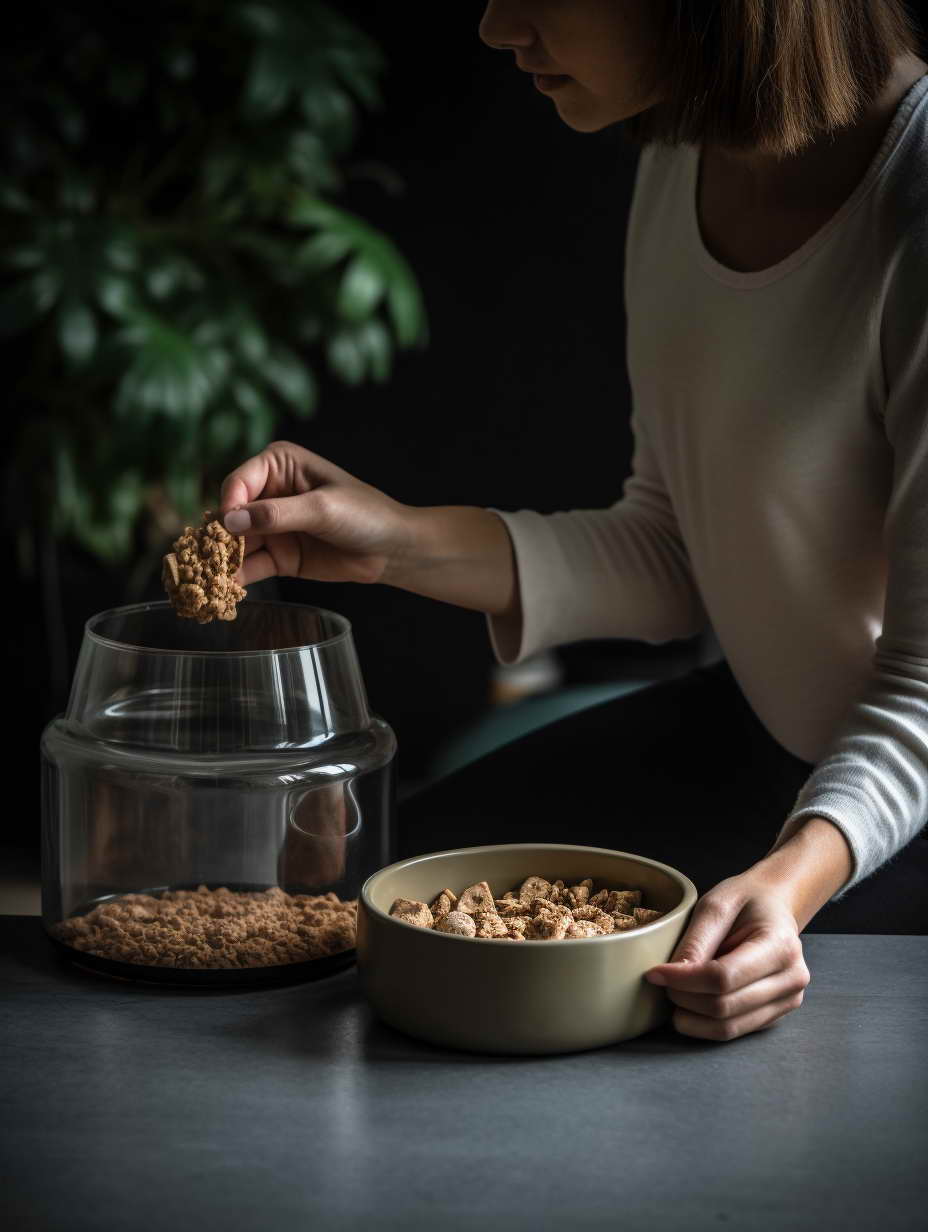
    When Should You Switch From Puppy Food To Dog Food A Guide

    Frequently Asked Questions (FAQs)

    How do I know if my puppy is ready for adult dog food?

    Your puppy is ready for adult dog food when they reach about 12 months of age, but consult your veterinarian for personalized advice based on your dog’s development.

    Can I switch to any adult dog food?

    It’s essential to choose a high-quality adult dog food that meets your pet’s nutritional needs. Consult your vet for recommendations based on your dog’s breed, size, and health.

    What are the signs that my puppy needs a diet change?

    Signs that your puppy may need a diet change include stunted growth, digestive problems, or excessive weight gain. Consult your vet if you have concerns.

    How should I transition my dog’s diet without causing digestive issues?

    To transition your dog’s diet smoothly, mix small amounts of adult dog food into their puppy food over several days, gradually increasing the adult food portion.

    What are the benefits of switching to adult dog food?

    Switching to adult dog food provides the appropriate balance of nutrients for your dog’s adult life stage, promoting healthy growth and development.

    Are there any breeds that require a longer time on puppy food?

    Some larger breeds may benefit from extended time on puppy food to support healthy growth. Consult your veterinarian for breed-specific recommendations.

    Conclusion

    Switching from puppy food to dog food is a significant step in your pet’s life. Timing is crucial, and a gradual transition ensures their digestive health remains stable. Always consult your veterinarian for personalized guidance, and remember that your dog’s well-being is the top priority. By following these guidelines and being attentive to your furry friend’s needs, you’ll ensure a smooth and healthy transition.
  • What Ingredient Should Not Be In Dog Food

    What Ingredient Should Not Be In Dog Food

    What Ingredient Should Not Be In Dog Food

    What Ingredient Should Not Be In Dog Food: A Comprehensive Guide

    Introduction

    When it comes to our furry companions, their health and well-being are of paramount importance. One crucial aspect of their care is ensuring that their food is of the highest quality. In this comprehensive guide, we will delve into the question, “What ingredient should not be in dog food?” We’ll explore the essential factors that every responsible pet owner should consider to make informed choices about their dog’s diet.

    Understanding the Basics: What Ingredient Should Not Be In Dog Food

    Before we delve further into the critical elements of what should not be in your dog’s food, it’s essential to have a clear understanding of why these ingredients are a cause for concern. As responsible pet owners, our primary goal is to ensure our furry companions enjoy a long and healthy life. This begins with the food we provide them.

    The Significance of Quality Nutrition

    Dogs, much like humans, rely on the quality of their diet to thrive. The food they consume plays a pivotal role in their overall well-being, impacting their energy levels, coat condition, digestion, and even their longevity. Therefore, it’s crucial to make informed choices when it comes to selecting their food.

    Harmful Ingredients: The Culprits

    Now, let’s take a closer look at some of the ingredients that should never find their way into your dog’s food bowl:

    Artificial Additives: A Recipe for Trouble

    Artificial additives, including colors, flavors, and preservatives, can have detrimental effects on your dog’s health. These synthetic elements are often added to dog food for aesthetic reasons or to extend shelf life. However, they can lead to allergic reactions, behavioral problems, and even long-term health issues.

    Mystery Meat: Unidentified Animal By-Products

    When you see vague ingredients like “meat by-products” or “animal digest” listed on dog food packaging, it should raise a red flag. These terms are intentionally ambiguous and can hide the use of low-quality, and sometimes even questionable, meats. As responsible pet owners, we should always know precisely what our dogs are consuming.

    High Grain Content: Not Suitable for Carnivores

    Dogs are natural carnivores, and their dietary requirements reflect this. Foods with excessive grain content can be problematic for dogs, potentially leading to obesity, diabetes, and digestive issues. Opting for grain-free or low-grain options ensures your pet’s diet aligns with their carnivorous nature.

    Excessive Salt: A Recipe for Kidney Problems

    High levels of salt in dog food can spell trouble for your furry friend. Excessive salt consumption can lead to kidney problems, elevated blood pressure, and increased thirst. Monitoring the sodium content in your dog’s food is essential for their well-being.

    Sugar: Not for Canine Consumption

    Dogs do not require sugar in their diet. In fact, added sugars or sweeteners can lead to obesity, dental problems, and even diabetes in dogs. To maintain your dog’s health, it’s crucial to ensure their food does not contain unnecessary sugars.

    Unspecified Fat Sources: Choose Wisely

    Understanding the sources of fat in your dog’s food is essential. Specific fat sources like chicken fat or salmon oil are ideal. In contrast, vague terms like “animal fat” can indicate lower quality ingredients. By choosing foods with transparent labeling, you can ensure your pet receives the best nutrition.

    Understanding the Basics What Ingredient Should Not Be In Dog Food

    The Red Flags

    Artificial Additives: A Recipe for Trouble

    One of the top ingredients to avoid in dog food is artificial additives. These include artificial colors, flavors, and preservatives. Dogs thrive on natural ingredients, and these synthetic additives can lead to allergic reactions and behavioral problems.

    Mystery Meat: Unidentified Animal By-Products

    Be wary of dog food that lists vague ingredients like “meat by-products” or “animal digest.” It’s crucial to know what your dog is consuming. These ambiguous terms can hide the use of low-quality, potentially harmful meats.

    High Grain Content: Not Suitable for Carnivores

    Dogs are natural carnivores, and their diet should reflect this. Foods with excessive grain content can lead to obesity, diabetes, and digestive issues. Opt for grain-free or low-grain options when selecting dog food.

    Excessive Salt: A Recipe for Kidney Problems

    High levels of salt can be detrimental to your dog’s health. It can lead to kidney problems, increased blood pressure, and excessive thirst. Always check the sodium content in your dog’s food.

    Sugar: Not for Canine Consumption

    Dogs do not require sugar in their diet. In fact, it can lead to obesity, dental issues, and even diabetes. Ensure that your dog’s food doesn’t contain added sugars or sweeteners.

    Unspecified Fat Sources: Choose Wisely

    It’s essential to know the sources of fat in your dog’s food. Look for specific fat sources like chicken fat or salmon oil. Vague terms like “animal fat” can indicate lower quality ingredients.

    Frequently Asked Questions (FAQs)

    Are all artificial additives harmful to dogs?

    While not all artificial additives are harmful, it’s best to avoid them whenever possible. Some dogs may be more sensitive to these additives than others.

    Can I feed my dog a vegetarian or vegan diet?

    While it’s possible to feed your dog a vegetarian or vegan diet, it’s essential to consult with a veterinarian to ensure that all nutritional needs are met. Dogs are naturally carnivorous, so these diets must be carefully balanced.

    What’s the ideal protein content in dog food?

    The ideal protein content can vary based on your dog’s age, breed, and activity level. Consult your veterinarian to determine the right protein level for your pet.

    How can I check if my dog’s food contains harmful ingredients?

    Check the ingredient list on the dog food packaging. Avoid products with ambiguous or low-quality ingredients, as discussed in this guide.

    Is homemade dog food a better option?

    A: Homemade dog food can be a viable option, but it must be well-balanced to meet your dog’s nutritional needs. Consulting with a veterinarian or canine nutritionist is advisable.

    What should I do if my dog has food allergies?

    If you suspect your dog has food allergies, consult your veterinarian. They can help you identify the allergen and recommend a suitable hypoallergenic diet.

    Conclusion

    As responsible pet owners, it is our duty to ensure that our beloved dogs receive the best possible nutrition. By understanding what ingredients should not be in dog food and making informed choices, we can promote our furry friend’s health and happiness. Remember to always read the labels, consult with your veterinarian, and prioritize your dog’s well-being above all else.

  • How Much Protein Is In Dog Food In Grams

    How Much Protein Is In Dog Food In Grams

    How Much Protein Is In Dog Food In Grams

    How Much Protein Is In Dog Food In Grams: A Comprehensive Guide

    Introduction

    Welcome to our in-depth exploration of a crucial topic for every dog owner: “How Much Protein Is In Dog Food In Grams.” Understanding your canine companion’s dietary needs is essential for their health and well-being. In this comprehensive guide, we will unravel the mysteries of dog food labels, and protein requirements, and provide valuable insights into making informed choices for your furry friend’s diet.

    How Much Protein Is In Dog Food In Grams

    When it comes to your beloved furry companion’s diet, understanding the precise amount of protein in their dog food is a crucial aspect of responsible pet ownership. Dogs, like humans, require a balanced diet to thrive, and protein is one of the fundamental nutrients that play a pivotal role in their overall health.

    Why Protein Matters

    Proteins are often referred to as the body’s building blocks, and this holds true for dogs as well. They are made up of amino acids, which are essential for various bodily functions. Here’s why protein is so important in your dog’s diet:

    Muscle Development and Maintenance

    Protein is vital for the growth and maintenance of muscles in dogs. It provides the necessary amino acids that support muscle development, making it particularly important for puppies who are in their rapid growth phase.

    Immune System Support

    Adequate protein intake is essential for a strong immune system. The antibodies responsible for fighting off infections and illnesses are made up of proteins. Ensuring your dog receives enough protein helps bolster their immunity.

    Healthy Skin and Coat

    You’ve likely noticed that dogs with shiny, lustrous coats often enjoy good health. Protein contributes to the health of their skin and fur. It helps prevent issues like dry skin and excessive shedding, keeping your dog comfortable and looking their best.

    Energy Levels

    Protein is a source of energy for dogs. It provides the fuel they need to stay active and playful. This is especially crucial for working dogs and those with high energy levels.

    Recommended Protein Levels

    Now that we understand why protein is vital, the next question is, “How much protein does your dog need?”

    The recommended protein content in dog food can vary depending on factors such as age, size, and activity level. Here are some general guidelines:

    • Puppies: Growing puppies require a higher protein intake, typically around 22-32 grams of protein per 100 grams of food. This extra protein supports their rapid development.
    • Adult Dogs: Most adult dogs thrive on a diet containing 18-25 grams of protein per 100 grams of food. This level provides the necessary nutrients for their maintenance and well-being.
    • Active Dogs: If your dog is highly active due to activities like agility training or herding, consider a diet with slightly higher protein content, around 25-30 grams per 100 grams of food. This helps meet their increased energy needs.

    How to Find Protein Content on Dog Food Labels

    Understanding the protein content in your dog’s food begins with reading and interpreting the labels on commercial dog food products. Here’s what to look for:

    • Crude Protein: This term represents the total protein content in the food. Ensure that the crude protein percentage aligns with your dog’s specific requirements.
    • Animal-Based Protein: Quality matters. Look for dog foods with animal-based protein sources like chicken, beef, or fish. These sources provide essential amino acids that dogs need for optimal health.
    • By-products: Be cautious about foods containing excessive by-products, as they may contain lower-quality protein sources. Opt for foods that prioritize whole meat or fish as primary ingredients.
    • Protein Sources: Check the ingredient list on the packaging. The primary protein sources should be listed near the top, indicating higher protein content in the food.

    By understanding these key terms and guidelines, you can make informed choices about your dog’s diet, ensuring they receive the appropriate amount of protein to support their health and well-being.

    Remember that individual dogs may have unique dietary needs, so consulting with your veterinarian is always a good idea.

    How Much Protein Is In Dog Food In Grams A Comprehensive Guide

    Understanding Dog Food Labels

    Deciphering dog food labels can be a bit challenging, but it’s crucial to ensure your pet receives the right amount of protein. Here are some key terms to look for:

    • Crude Protein: This represents the total protein content in the food. Ensure it meets your dog’s specific requirements.
    • Animal-Based Protein: Look for quality sources like chicken, beef, or fish. These provide essential amino acids.
    • By-Products: Avoid foods with excessive by-products, as they often contain less usable protein.
    • Protein Sources: Check the ingredient list for primary protein sources at the top. This indicates higher protein content.

    The Role of Protein in Your Dog’s Diet

    Protein is a fundamental building block for your dog’s body. It plays a vital role in:

    • Muscle Development: Adequate protein helps maintain lean muscle mass.
    • Immune Function: Protein supports a strong immune system.
    • Healthy Skin and Coat: It contributes to a shiny coat and healthy skin.
    • Energy Levels: Protein provides the energy dogs need to stay active.

    FAQs About Protein in Dog Food

    Is it possible for a dog to consume too much protein?

    Yes, excessive protein intake can strain your dog’s kidneys. Stick to the recommended levels to ensure their health.

    What if my dog has allergies to certain protein sources?

    In such cases, consult with your vet to identify suitable hypoallergenic protein options.

    Can I add extra protein to my dog’s diet?

    It’s best to consult with a veterinarian before making any significant dietary changes, including increasing protein.

    Are plant-based proteins suitable for dogs?

    Dogs are omnivores and can consume plant-based proteins, but they may not be as biologically available as animal-based sources.

    How do I calculate the protein content in my dog’s diet?

    Multiply the protein percentage on the label by the weight of food you provide to determine the protein intake.

    Should I consider homemade dog food for better protein control?

    Homemade dog food can be an option but consult a veterinarian or canine nutritionist to ensure it meets your dog’s needs.

    Conclusion

    Understanding “How Much Protein Is In Dog Food In Grams” is essential for every responsible pet owner. By following the guidelines provided here and consulting with your veterinarian, you can ensure that your furry friend enjoys a balanced and healthy diet. Remember, their well-being depends on the quality and quantity of protein they receive.

  • When Can Puppies Eat Regular Dog Food

    When Can Puppies Eat Regular Dog Food

    When Can Puppies Eat Regular Dog Food

    When Can Puppies Eat Regular Dog Food: A Comprehensive Guide

    Introduction

    Bringing a new puppy into your home is an exciting experience. Along with cuddles and playtime, one of the key responsibilities of a puppy parent is ensuring proper nutrition. When can puppies eat regular dog food is a common question that arises. In this comprehensive guide, we’ll delve into the intricacies of this transition, providing you with expert insights and answering your frequently asked questions.

    1. Understanding Puppy Development

    Puppies undergo significant growth and development in their early months. It’s crucial to know when their bodies are ready for the shift to regular dog food.

    Bringing home a puppy is akin to adopting a blank canvas. The first few weeks are characterized by rapid growth, both physically and mentally. To ensure proper development, puppies need a diet tailored to their unique requirements. Puppy-specific food provides the essential nutrients required for growth.

    2. When to Begin the Transition

    The timing of transitioning your puppy to regular dog food is vital. Premature or delayed shifts can affect their health. Let’s explore when the right time is.

    Typically, puppies should remain on a specialized puppy diet for about 12 months. However, this timeline can vary based on breed, size, and individual development. It’s essential to consult your veterinarian, who can assess your puppy’s specific needs and advise on when to make the switch.

    3. Signs of Readiness

    How do you know when your puppy is ready for the transition? Look out for these signs.

    • Weight: Puppies should achieve about 80-90% of their adult weight before transitioning.
    • Teeth: The eruption of adult teeth signals readiness for solid food.
    • Stool: Consistent and firm stools indicate the digestive system can handle regular food.
    • Interest: If your puppy shows curiosity about your dog’s food, it may be time.

    4. Choosing the Right Adult Dog Food

    Not all dog foods are created equal. Selecting the right one for your puppy is crucial for their health.

    When transitioning, opt for high-quality dog food with ingredients suitable for your pup’s age and size. Your veterinarian can recommend brands that meet these criteria. Avoid foods with excessive fillers or artificial additives.

    5. Gradual Transition Process

    Abrupt dietary changes can upset your puppy’s stomach. Learn how to make the transition gradual and smooth.

    Start by mixing a small amount of regular dog food into their puppy food. Gradually increase the ratio over 7-10 days until they are solely on adult dog food. This slow shift allows their digestive system to adapt.

    6. Feeding Schedule

    Establishing a consistent feeding schedule is vital for your puppy’s well-being.

    Puppies usually require more frequent meals than adult dogs. Aim for three to four meals a day until they are around six months old. Afterward, you can transition to a standard two-meal-a-day routine.

    7. Monitoring and Adjusting

    Pay attention to your puppy’s response to the new diet and be prepared to make adjustments.

    Monitor their weight, stool consistency, and overall demeanor during and after the transition. If you notice any adverse effects, consult your vet to make the necessary changes.

    When Can Puppies Eat Regular Dog Food A Comprehensive Guide

    FAQs

    Can I transition my puppy earlier if they seem eager for regular dog food?

    While eagerness is a positive sign, it’s essential to wait for the physical and developmental cues mentioned earlier. Premature transitions can lead to nutritional imbalances.

    Are homemade diets a suitable option for transitioning?

    Homemade diets can be tricky to balance, and it’s easy to miss essential nutrients. Consult your vet or a canine nutritionist if you plan on going this route.

    What if my puppy refuses to eat the new food during the transition?

    If your puppy is stubborn, try adding some warm water or low-sodium broth to entice them. Ensure they are not unwell, as this can affect their appetite.

    Is it necessary to consult a veterinarian for this transition?

    Yes, consulting a vet is crucial. They can provide tailored advice based on your puppy’s unique needs, ensuring a smooth and healthy transition.

    Can I switch to an all-natural or raw diet for my puppy?

    These diets are a personal choice, but they require careful research and preparation to meet your puppy’s nutritional requirements. Always consult a vet before making this switch.

    What are some common mistakes to avoid during the transition?

    Avoid rushing the transition, choosing poor-quality food, or overfeeding. These mistakes can lead to digestive issues or nutritional imbalances.

    Conclusion

    Transitioning your puppy to regular dog food is a significant milestone in their development. By following the right steps, monitoring their progress, and seeking professional guidance when needed, you can ensure a smooth and healthy transition. Remember, every puppy is unique, so be patient and attentive to their specific needs. Your furry friend’s well-being is worth the effort.

  • How Much Canned Dog Food Should I Feed My Dog

    How Much Canned Dog Food Should I Feed My Dog

    How Much Canned Dog Food Should I Feed My Dog

    How Much Canned Dog Food Should I Feed My Dog – A Comprehensive Guide

    Introduction

    When it comes to our beloved canine companions, providing them with the right nutrition is essential for their well-being. Canned dog food is a popular choice among pet owners, but the question often arises: How much-canned dog food should I feed my dog? In this comprehensive guide, we will delve into this topic, offering expert advice and practical tips to ensure your furry friend receives the best care.

    Determining the Right Serving Size

    One of the fundamental aspects of ensuring your furry friend’s health and happiness is getting the serving size right. Feeding your dog the appropriate amount of canned dog food is essential, and it’s a topic that requires careful consideration. In this section, we will explore the factors that play a crucial role in determining the correct serving size for your beloved canine companion.

    1. Dog’s Weight and Size

    The size and weight of your dog are primary factors in establishing the right serving size. Dogs come in various breeds and sizes, from small Chihuahuas to giant Great Danes. Naturally, larger dogs require more food, while smaller breeds need less. To get started, you should aim to feed your dog between 1/2 to 1 1/2 cans per 10 pounds of body weight per day.

    2. Age Matters

    Age is another important consideration. Puppies, for instance, have different dietary needs than adult dogs. They are still growing and developing, so they typically require more frequent meals. Young puppies often benefit from three to four meals a day, gradually transitioning to two meals as they mature. Adult dogs, on the other hand, typically thrive on two meals a day.

    3. Activity Level

    Just like humans, dogs have varying activity levels. Some dogs are highly active, participating in vigorous exercise and activities, while others may be more sedentary. Active dogs burn more calories and may require a larger portion of canned dog food to meet their energy demands. Less active dogs, however, need a smaller serving to prevent excessive weight gain.

    4. Reading the Label

    One of the most helpful tools for determining the right serving size is the label on the canned dog food. Manufacturers provide guidelines on recommended serving sizes based on your dog’s weight. These guidelines are formulated to ensure your pet receives the appropriate nutrition. Always follow these recommendations, and remember that overfeeding can lead to obesity and related health issues.

    5. Regular Weight Monitoring

    Your responsibility as a pet owner doesn’t end with selecting the right serving size. It’s crucial to regularly monitor your dog’s weight. Sudden weight gain or loss can be indicative of an issue with their diet. If you notice any significant changes in your dog’s weight, consult with your veterinarian for guidance on adjusting their food intake.

    6. Meal Division

    Dividing your dog’s daily portion into two or more meals can be beneficial. Not only does this prevent overeating, but it also aids in digestion. It’s especially useful for dogs prone to gastrointestinal problems. Consulting with your vet can help you determine the best meal division schedule for your specific dog.

    How Much Canned Dog Food Should I Feed My Dog Determining the Right Serving Size

    FAQs

    How often should I feed my dog canned food?

    Feeding frequency depends on your dog’s age. Puppies typically require three to four meals a day, while adult dogs do well with two meals. Consult with your vet to establish the best feeding schedule for your dog.

    Is it okay to mix canned and dry dog food?

    Yes, mixing canned and dry dog food can provide a balanced diet. Be sure to adjust portion sizes accordingly to maintain the recommended daily calorie intake.

    What if my dog refuses to eat canned food?

    Some dogs have preferences, and it’s not uncommon for them to refuse certain foods. Try different brands and flavors to find what your dog enjoys. If the problem persists, consult your vet.

    Can I give my dog treats along with canned food?

    Treats should be given in moderation. Excessive treats can disrupt the nutritional balance of your dog’s diet. Opt for healthy, dog-friendly treats.

    Should I change my dog’s canned food brand?

    Switching dog food brands should be done gradually to avoid upsetting your dog’s stomach. Consult with your vet before making any major dietary changes.

    How can I tell if my dog is overweight?

    You should be able to feel your dog’s ribs without pressing too hard. If you can’t, or if you notice a bulging waistline, it’s time to consult your vet about managing your dog’s weight.

    Conclusion

    Ensuring your furry friend receives the right amount of canned dog food is essential for their health and happiness. By considering factors such as their size, and activity level, and reading labels carefully, you can provide the best care for your beloved pet. Remember to consult your veterinarian for personalized guidance. Here’s to a happy, well-fed pup!

  • Danger Of Grain Free Dog Food

    Danger Of Grain Free Dog Food

    Danger Of Grain Free Dog Food

    The Danger Of Grain-Free Dog Food: A Comprehensive Guide

    In today’s world, pet owners are more conscientious than ever about the health and well-being of their furry companions. One aspect that has gained significant attention is the type of food we feed our dogs. Grain-free dog food has become increasingly popular, but is it a healthy choice for your canine friend? In this comprehensive guide, we will explore the potential dangers of grain-free dog food and help you make an informed decision about your pet’s diet.

    Introduction

    When it comes to our pets, we want nothing but the best. It’s essential to understand that not all trends in pet nutrition are beneficial. The rise of grain-free dog food has sparked a debate within the pet owner community. To navigate this discussion effectively, let’s delve into the potential dangers and benefits of grain-free dog food.

    The Science Behind Grain-Free Dog Food

    Grain-free dog food has gained popularity among pet owners for several reasons, primarily driven by the belief that it mimics the ancestral diet of dogs and addresses potential grain allergies. In this section, we’ll delve deeper into the science behind grain-free dog food to understand its key components and how they impact your furry friend’s health.

    The Role of Alternative Carbohydrate Sources

    Grain-free dog food often substitutes traditional grains like wheat, corn, and soy with alternative carbohydrate sources such as potatoes, peas, or lentils. The idea is to provide complex carbohydrates that are believed to be more suitable for a dog’s digestive system. These alternative sources offer some benefits:

    1. Lower Allergen Potential: For dogs with grain allergies, the absence of common allergens found in grains can reduce the risk of adverse reactions like skin irritations and digestive issues.
    2. Higher Protein Content: Grain-free formulas typically incorporate more protein from animal sources like meat, poultry, or fish. This increased protein content aligns with the carnivorous nature of dogs and can contribute to muscle development and overall energy.

    Potential Nutritional Imbalances

    While the concept of grain-free dog food has its merits, it also presents potential nutritional challenges that need consideration:

    1. Dietary Fiber: Grains are a significant source of dietary fiber, essential for healthy digestion. The removal of grains may lead to lower fiber intake, potentially causing digestive issues like constipation or diarrhea.
    2. Vitamin and Mineral Deficiencies: Grains provide essential vitamins and minerals that play a crucial role in a dog’s overall health. An exclusive grain-free diet may lack these nutrients, necessitating supplementation or careful selection of grain-free formulations enriched with vitamins and minerals.

    Addressing the Dilated Cardiomyopathy (DCM) Concern

    One of the most significant concerns regarding grain-free dog food is its potential association with Dilated Cardiomyopathy (DCM), a serious heart condition in dogs. Although the link between DCM and grain-free diets is not fully understood, ongoing research has shed some light on the issue:

    1. Taurine Levels: DCM has been linked to taurine deficiency in certain cases. Taurine is an amino acid crucial for heart health. Some grain-free dog food formulations have been found to have lower taurine levels, potentially contributing to heart issues.
    2. Consulting a Veterinarian: To mitigate the risk of DCM, it’s essential to consult with your veterinarian. They can recommend taurine-rich supplements or alternative diets if your dog is at risk.

    Making an Informed Decision

    As a responsible pet owner, it’s crucial to make an informed decision about your dog’s diet. While grain-free dog food may benefit some dogs, it’s not a one-size-fits-all solution. Factors such as breed, age, activity level, and any existing health conditions should guide your choice.

    Consulting with a veterinarian is paramount when deciding on the right diet for your furry friend. They can provide personalized recommendations based on your dog’s unique needs and help you navigate the complexities of grain-free dog food to ensure your pet’s health and well-being are prioritized.

    The Danger Of Grain Free Dog Food

    While grain-free dog food may have its advantages, it’s crucial to be aware of the potential risks associated with this diet.

    1. Nutritional Imbalance

    Grain-free dog food may lack essential nutrients present in grains, such as fiber and certain vitamins. This imbalance could lead to dietary deficiencies, affecting your dog’s overall health.

    2. Dilated Cardiomyopathy (DCM)

    In recent years, concerns have arisen regarding a potential link between grain-free diets and DCM, a serious heart condition in dogs. While research is ongoing, it’s essential to consult your veterinarian about the best diet for your pet.

    3. Limited Research

    The long-term effects of grain-free diets on dogs are not yet fully understood. This lack of comprehensive research makes it challenging to assess the true benefits and risks accurately.

    4. Cost Considerations

    Grain-free dog food can be significantly more expensive than traditional options. It’s essential to weigh the potential benefits against the cost when making your decision.

    The Science Behind Grain-Free Dog Food

    Choosing the Right Diet for Your Dog

    Factors to Consider

    When deciding on your dog’s diet, several factors should guide your choice:

    • Breed and Size: Different breeds have different dietary needs. Consider your dog’s breed and size when selecting food.
    • Age: Puppies, adults, and senior dogs have varying nutritional requirements.
    • Health Conditions: If your dog has allergies or health issues, consult your vet for specialized dietary recommendations.
    • Activity Level: Active dogs may require more calories and protein than less active ones.

    Frequently Asked Questions (FAQs)

    Q: Is grain-free dog food suitable for all dogs?

    A: Not necessarily. It depends on your dog’s individual needs and any existing health conditions. Consult your veterinarian for personalized advice.

    Q: Can grain-free dog food prevent allergies?

    A: It may help dogs with grain allergies, but it’s not a guaranteed solution. Allergies can be caused by various factors, not just grains.

    Q: How can I transition my dog to a new diet?

    A: Gradually introduce the new food over several days, mixing it with the old food to avoid digestive upset.

    Q: Are there affordable grain-free dog food options available?

    A: Yes, some budget-friendly grain-free options exist, but quality should remain a priority.

    Q: What signs should I watch for if I suspect issues with my dog’s diet?

    A: Keep an eye out for symptoms such as vomiting, diarrhea, lethargy, or changes in coat quality. If you notice any of these, consult your veterinarian.

    Q: Can I prepare homemade grain-free dog food?

    A: It’s possible, but it can be challenging to ensure a balanced diet. Consult with a veterinary nutritionist for guidance.

    Conclusion

    In the world of pet nutrition, the choice between grain-free and traditional dog food is a topic of ongoing debate. While grain-free dog food may offer benefits to some dogs, it’s essential to consider the potential dangers and consult with your veterinarian to determine the best diet for your furry friend. Remember, your dog’s health and well-being depend on the choices you make as a responsible pet owner.