Category: Dog Food

  • Is It OK to Change Flavors Of Dog Food

    Is It OK to Change Flavors Of Dog Food

    Is It OK to Change Flavors Of Dog Food

    Is It OK to Change Flavors Of Dog Food: A Comprehensive Guide

    Introduction

    Changing your dog’s food flavor can be a confusing decision. Is it safe? Will it upset their stomach? In this comprehensive guide, we’ll explore the topic of changing flavors of dog food. We’ll cover the dos and don’ts, benefits, and potential pitfalls, all backed by expert insights and real-life experiences.

    Is It OK to Change the Flavors of Dog Food?

    Changing flavors of dog food is a topic that concerns many pet owners. We all want the best for our furry companions, and their diet plays a crucial role in their overall health and happiness. In this section, we will dive deeper into the considerations and best practices when contemplating a change in your dog’s food flavors.

    The Importance of Variety

    Dogs, like humans, appreciate a bit of variety in their meals. Imagine eating the same meal every day for weeks or months; it would become monotonous and potentially less enjoyable. The same principle applies to our four-legged friends. Offering different flavors of dog food can make mealtime more exciting for them.

    Variety in flavors can stimulate your dog’s taste buds and keep them engaged with their food. This not only prevents mealtime boredom but also encourages them to eat enthusiastically, ensuring they receive the necessary nutrients for their well-being.

    However, while variety is beneficial, abrupt changes in your dog’s diet can lead to digestive issues. To avoid these problems, it’s essential to approach flavor changes with a gradual transition strategy.

    Gradual Transition

    One of the key factors to consider when changing your dog’s food flavor is the importance of a gradual transition. Dogs have sensitive digestive systems, and sudden shifts in their diet can lead to upset stomachs, diarrhea, or vomiting.

    To ensure a smooth transition, follow these steps:

    1. Mix the Old and New: Start by mixing a small portion of the new flavor with your dog’s current food. Initially, this should only make up a small percentage of the meal, around 10% of the total portion.
    2. Increase Gradually: Over a week or two, gradually increase the proportion of the new flavor while decreasing the old one. This gradual shift allows your dog’s digestive system to adapt to the new food without causing undue stress.
    3. Observe Closely: Throughout the transition, keep a close eye on your dog. Watch for any signs of discomfort, such as changes in stool consistency or vomiting. If you notice any issues, slow down the transition process or consult your veterinarian for guidance.

    By following this gradual transition method, you can minimize the risk of digestive upset and make the flavor change a positive experience for your dog.

    Signs of Trouble

    Despite your best efforts, dogs can react differently to changes in their diet. It’s crucial to be vigilant during the transition period and watch for signs of trouble. These signs may include:

    • Diarrhea: Loose or watery stools can indicate that your dog’s digestive system is struggling to adapt to the new flavor.
    • Vomiting: Repeated vomiting, especially after eating the new food, can be a cause for concern.
    • Refusal to Eat: If your dog consistently refuses to eat the new flavor or shows a sudden loss of appetite, it’s a red flag.

    If you observe any of these signs or if your dog seems distressed during the transition, it’s essential to seek advice from your veterinarian promptly. They can guide how to address the issue and may recommend specific dietary options that suit your dog’s needs.
    Benefits of Changing Dog Food Flavors

    Benefits of Changing Dog Food Flavors

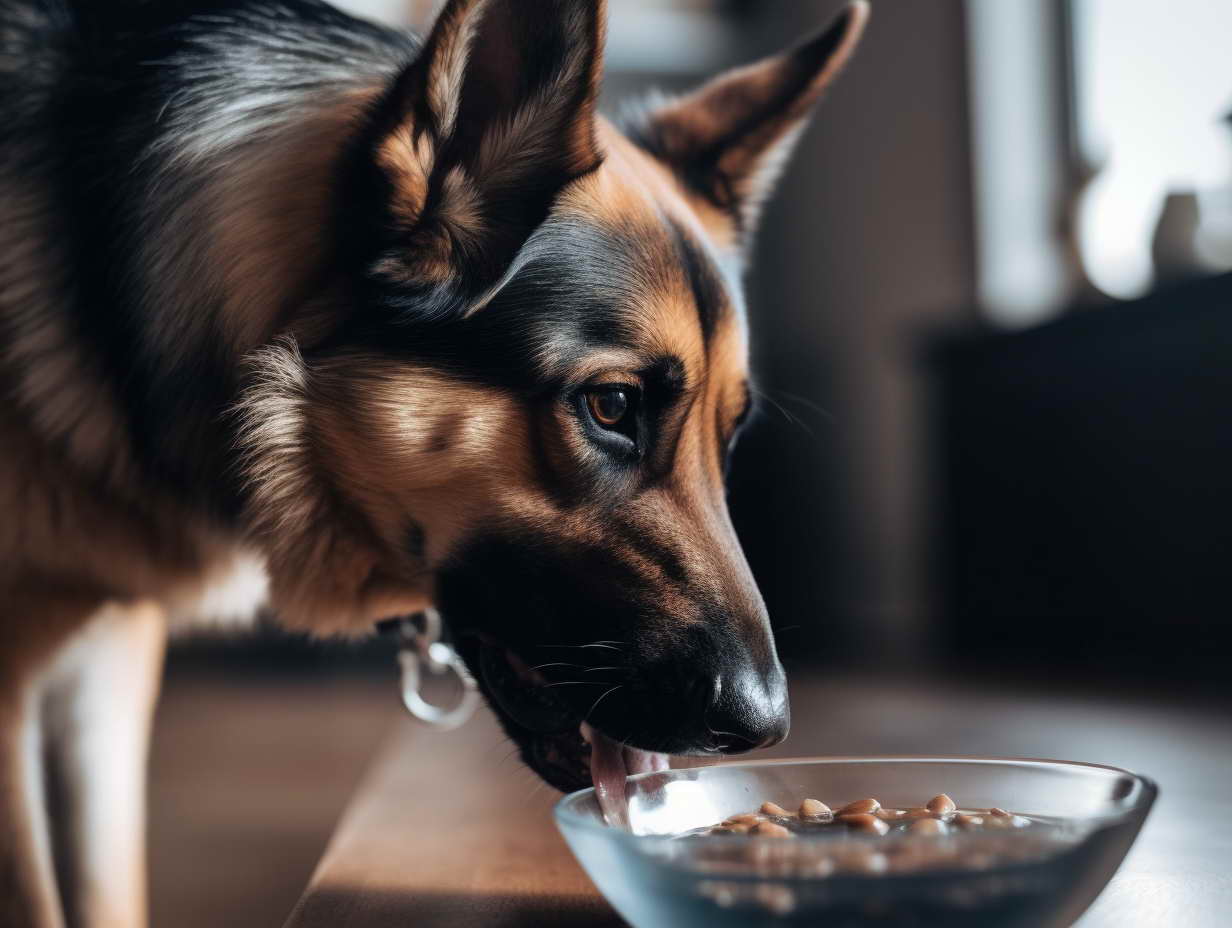
    Changing flavors can have several benefits for your dog’s overall health and well-being.

    Nutritional Variety

    Different flavors often come with varying nutrient profiles. By rotating flavors, you can provide a more balanced diet, ensuring your dog gets a wide range of essential nutrients.

    Avoiding Allergies

    Some dogs may develop food allergies or sensitivities if exposed to the same flavor for an extended period. Changing flavors can help prevent this issue.

    Enhanced Palatability

    Novel flavors can excite your dog’s taste buds, making mealtime a joyful experience. This is especially helpful for picky eaters.

    Precautions to Take

    While changing flavors can be beneficial, it’s essential to take precautions to ensure your dog’s health.

    Consult Your Vet

    Before making any dietary changes, consult your veterinarian. They can provide personalized advice based on your dog’s specific needs.

    Quality Matters

    Stick to reputable dog food brands that offer a variety of flavors. Ensure the new flavor is of the same high quality as the old one.

    Monitor Your Dog

    Keep a close eye on your dog during the transition period. Any adverse reactions should be addressed promptly.

    Frequently Asked Questions

    Can I change my dog’s food flavor suddenly?

    While gradual transitions are recommended, some dogs may tolerate abrupt changes better than others. It’s best to consult your vet for guidance.

    How often should I change my dog’s food flavor?

    Every dog is different. Some may benefit from a change every few months, while others may prefer consistency. Pay attention to your dog’s preferences and consult your vet.

    What if my dog refuses to eat the new flavor?

    Try mixing the new flavor with the old one gradually. If your dog continues to refuse, consult your vet to rule out underlying health issues.

    Are homemade dog food recipes a good alternative to commercial flavors?

    Homemade recipes can be a great option, but they must be carefully balanced to meet your dog’s nutritional needs. Consult your vet or a canine nutritionist for guidance.

    Can changing flavors help with my dog’s weight management?

    Yes, switching flavors can prevent weight gain by offering variety and preventing excessive consumption of one flavor.

    Is it safe to switch to raw food suddenly?

    Transitioning to a raw food diet should be done gradually under the guidance of a vet or a pet nutritionist to ensure a balanced diet.

    Conclusion

    In conclusion, changing flavors of dog food can be a healthy and exciting choice for your furry friend. However, it should be done with care, ensuring a gradual transition and monitoring for any adverse reactions. Always consult your vet for personalized advice, and remember that variety can lead to a happier and healthier dog.
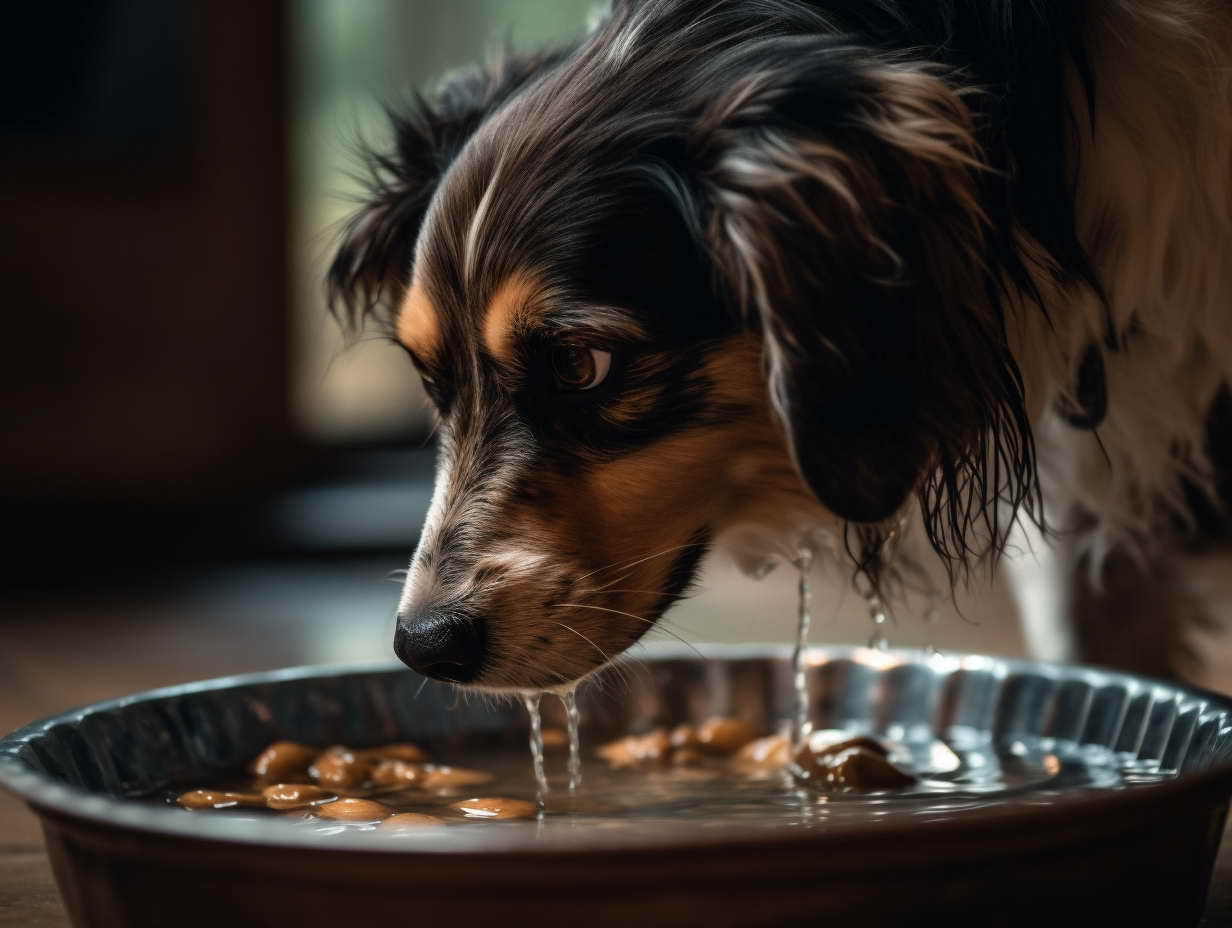
  • Mix Water With Dry Dog Food

    Mix Water With Dry Dog Food

    Mix Water With Dry Dog Food

    Mix Water With Dry Dog Food: The Ultimate Guide

    Introduction

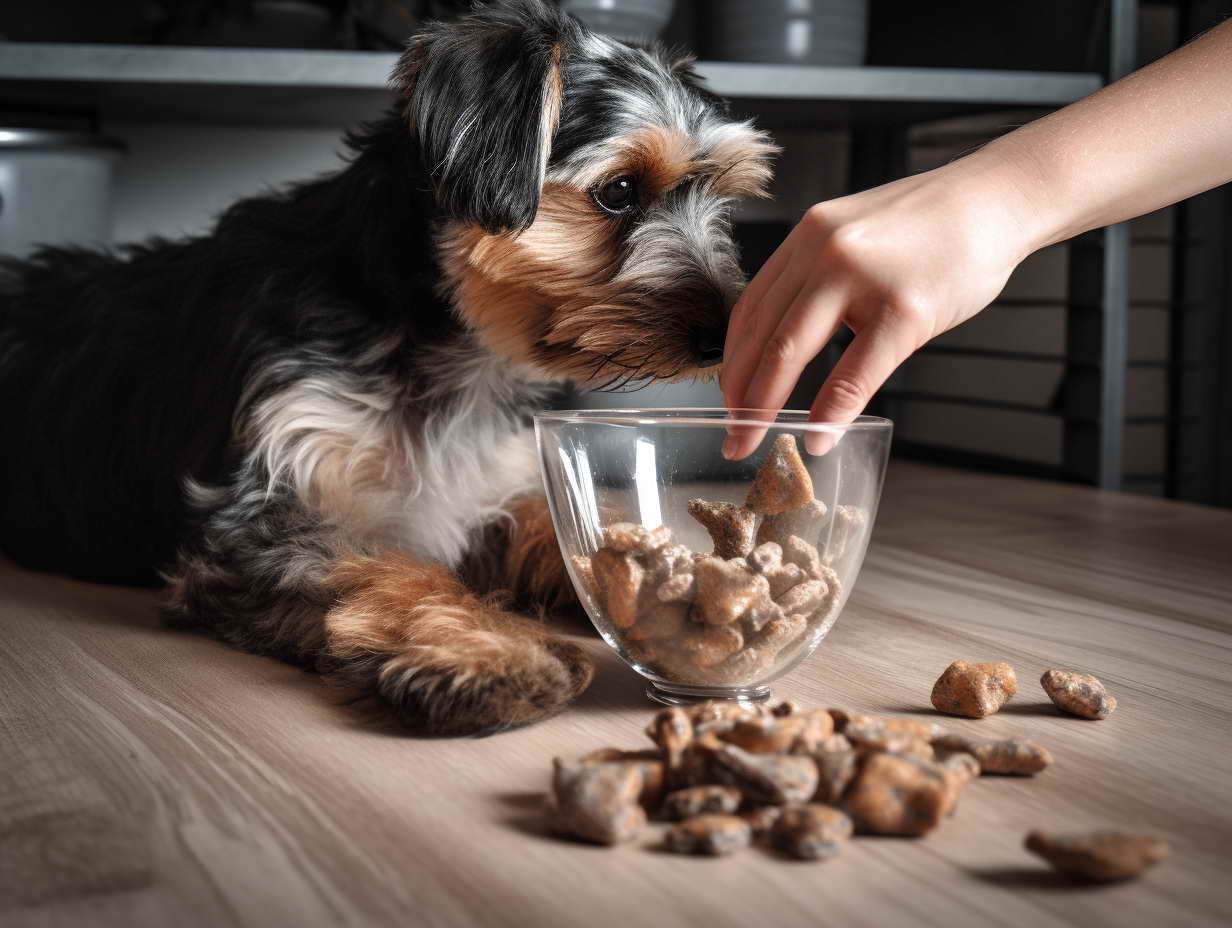
    As pet owners, we all want the best for our beloved dogs. Providing them with a balanced diet is a top priority, and one way to enhance their nutrition and hydration is by mixing water with dry dog food. In this comprehensive guide, we will explore the benefits, best practices, and common questions surrounding the practice of mixing water with dry dog food.

    The Importance of Hydration

    Why Hydration Matters

    Proper hydration is essential for your dog’s overall health. Just like humans, dogs need water to support bodily functions, maintain temperature, and eliminate waste. Insufficient hydration can lead to various health issues, including kidney problems and urinary tract infections.

    The Role of Dry Dog Food

    Dry dog food is a convenient and popular choice for pet owners. However, it contains minimal moisture content compared to wet food. Mixing water with dry dog food helps address this deficiency, ensuring your furry friend stays adequately hydrated.

    Benefits of Mixing Water With Dry Dog Food

    1. Enhanced Digestion

    When it comes to the well-being of your furry friend, ensuring proper digestion is paramount. Mixing water with dry dog food can significantly contribute to enhanced digestion in several ways:

    A. Easier Chewing

    For dogs with dental issues, dry kibble can be challenging to chew. The hardness of the kibble can strain their teeth and gums. When you add water to dry dog food, it softens the kibble, making it more palatable and easier for your pet to chew, especially if they have dental problems or are getting older.

    B. Gentle on the Stomach

    Digestive problems can be common among dogs, leading to issues like upset stomachs, bloating, and diarrhea. Hydrated dog food is gentler on the stomach, reducing the likelihood of these issues. The softened kibble is less likely to irritate, making mealtime a more comfortable experience for your pet.

    C. Improved Nutrient Absorption

    A hydrated meal allows for more efficient nutrient absorption. When dry dog food is mixed with water, the nutrients become more accessible to your dog’s digestive system. This ensures that your furry companion gets the maximum benefit from their food, promoting overall health and vitality.

    2. Better Weight Management

    Maintaining a healthy weight is crucial for your dog’s overall well-being. Obesity in dogs can lead to various health problems, including joint issues and heart disease. Mixing water with dry dog food can aid in weight management:

    A. Feeling of Fullness

    Hydrated dog food tends to be more filling. The added water creates a sense of fullness, preventing your dog from overeating. This can be especially helpful for dogs prone to overindulging or those on a weight management plan.

    B. Controlled Caloric Intake

    By mixing water with your dog’s kibble, you can control their caloric intake more effectively. This is particularly useful if your dog needs to shed a few pounds or maintain a healthy weight. It allows you to provide portion-controlled meals without sacrificing nutrition.

    3. Improved Taste

    Dogs, like humans, have preferences when it comes to food. Some dogs are picky eaters and may lose interest in dry kibble over time. Mixing water with their food can enhance the taste and aroma, making it more appealing to your pet:

    A. Encourages Eating

    If your dog has been showing reluctance to eat their dry food, adding water can rekindle their interest in mealtime. The added moisture releases enticing aromas, enticing even the pickiest eaters to enjoy their food.

    B. Ideal for Older Dogs

    Senior dogs may experience a decreased sense of smell and taste. Hydrating their kibble can make meals more appealing to them, ensuring they maintain a healthy diet in their later years.

    In conclusion, mixing water with dry dog food offers a multitude of benefits, from promoting better digestion to assisting in weight management and making meals more enjoyable for your furry friend. Whether your dog is young or old, active or less so, this simple practice can contribute to their overall health and happiness. Always consult with your veterinarian for specific dietary recommendations tailored to your dog’s individual needs.

    Benefits of Mixing Water With Dry Dog Food

    How to Mix Water With Dry Dog Food

    Ensuring your dog receives the best nutrition and hydration is a crucial aspect of responsible pet ownership. Mixing water with dry dog food is a straightforward process that can benefit your furry companion’s overall well-being. Here’s a step-by-step guide on how to do it effectively:

    1. Choose the Right Bowl

    Selecting the appropriate bowl for mixing water with dry dog food is the first step in this process. Consider the following factors:

    A. Bowl Size

    Choose a bowl that suits your dog’s size. Larger dogs may require a deeper bowl, while smaller breeds do well with a shallower one. The goal is to provide enough space for the food and water mixture.

    B. Material

    Opt for a bowl made from safe and easy-to-clean materials like stainless steel, ceramic, or BPA-free plastic. Avoid bowls with sharp edges that could potentially harm your pet.

    2. Measure the Food

    Accurate portion control is essential for your dog’s health. Consult with your veterinarian to determine the appropriate amount of dry dog food for your pet based on their age, size, and activity level.

    3. Add Warm Water

    The next step is to add warm water to the dry dog food. Here’s how to do it effectively:

    A. Temperature

    Ensure the water is comfortably warm but not hot. Dogs are sensitive to temperature, and excessively hot water can cause discomfort. A temperature similar to what you might use for a baby’s bottle is generally ideal.

    B. Water Quantity

    The amount of water you add can vary depending on your dog’s preferences and any specific recommendations from your veterinarian. As a general guideline, start with a 1:1 ratio of water to dry kibble. This means that for every cup of dry dog food, add one cup of warm water.

    4. Let It Sit

    Allow the dry dog food to soak in the warm water for a few minutes. This allows the kibble to absorb the water and become softer. The soaking time can vary depending on the type and brand of dry dog food. Most kibble will soften within 5 to 10 minutes.

    5. Stir and Serve

    After the soaking period, gently stir the mixture to ensure even hydration. The kibble should be uniformly soft and moistened. Once you’ve achieved the desired consistency, present the meal to your furry friend.

    Tips and Considerations

    – Gradual Transition

    If your dog is new to hydrated dog food, consider making a gradual transition. Start by adding a small amount of water to their dry food and gradually increase it over several meals until they are fully accustomed to the new texture.

    – Refrigeration

    If your dog doesn’t finish the entire meal, you can refrigerate any leftovers for a short period, but be sure to discard any uneaten food after a reasonable time to prevent spoilage.

    – Customization

    Feel free to customize the water-to-kibble ratio based on your dog’s preferences. Some dogs may prefer their food slightly drier or wetter, so adjust accordingly.

    – Consult Your Veterinarian

    Always consult with your veterinarian before making significant changes to your dog’s diet, including the addition of water to dry dog food. They can provide personalized recommendations based on your dog’s specific needs and health conditions.

    By following these steps, you can easily mix water with dry dog food to provide your furry companion with a more enjoyable and nutritious meal. This practice promotes hydration and helps address various health and digestion issues, ensuring your pet stays happy and healthy.

    FAQs About Mixing Water With Dry Dog Food

    Is it safe to mix water with dry dog food?

    Yes, it is safe to mix water with dry dog food. It can be beneficial for your dog’s health and digestion.

    How much water should I add to dry dog food?

    The amount of water to add depends on your dog’s preferences and any specific dietary recommendations from your veterinarian. As a general guideline, start with a 1:1 ratio of water to kibble and adjust as needed.

    Can I mix water with any dry dog food?

    Yes, you can mix water with most dry dog food brands. However, always check the packaging for any manufacturer-specific recommendations.

    Will mixing water with dry dog food cause spoilage?

    If you serve the mixture promptly and store any leftovers in the refrigerator, spoilage should not be a concern. Just be sure to discard any uneaten food after a reasonable amount of time.

    Can I mix other liquids, like broth, with dry dog food?

    Yes, you can use low-sodium broth or other liquids to mix with dry dog food for added flavor. Just be mindful of any ingredients that might be harmful to your pet.

    Should I consult my vet before mixing water with dry dog food?

    It’s always a good idea to consult your veterinarian before making any significant changes to your dog’s diet, including the addition of water to dry food.

    Conclusion

    Mixing water with dry dog food can be a simple yet effective way to enhance your pet’s nutrition and hydration. This practice promotes better digestion, weight management, and overall health for your furry companion. Remember to consult your veterinarian for personalized advice, and enjoy providing your dog with a healthier and more enjoyable mealtime experience.

  • What To Feed Dogs When No Dog Food

    What To Feed Dogs When No Dog Food

    What To Feed Dogs When No Dog Food

    What To Feed Dogs When No Dog Food: A Comprehensive Guide

    Introduction

    As responsible pet owners, we want the best for our four-legged companions. However, sometimes life throws unexpected challenges our way, including running out of dog food. In such situations, knowing what to feed your dog becomes crucial. In this comprehensive guide, we’ll explore various options and strategies to ensure your dog’s nutritional needs are met when dog food is not available.

    Understanding Your Dog’s Dietary Needs

    To provide the best care for your furry companion, it’s essential to have a solid grasp of your dog’s dietary requirements. Dogs, like humans, need a balanced diet to thrive and maintain their health. Understanding what constitutes a balanced diet for your dog is the first step towards ensuring their well-being, especially in situations where dog food might not be readily available.

    a. Proteins

    Proteins are the building blocks of life for dogs. They play a crucial role in muscle development, repair, and overall growth. High-quality sources of protein for dogs include lean meats like chicken, turkey, and beef. Fish and eggs are also excellent options. When you find yourself without commercial dog food, lean-cooked poultry, such as chicken or turkey, can serve as a valuable protein source for your dog.

    b. Carbohydrates

    Carbohydrates provide dogs with energy and fiber for healthy digestion. While dogs are primarily carnivores, they can benefit from carbohydrates like rice and vegetables. Cooked rice mixed with dog-safe vegetables such as carrots and peas can be a nutritious substitute for commercial dog food.

    c. Fats

    Fats are essential for maintaining healthy skin and coat, as well as providing a concentrated source of energy. You can include fats in your dog’s diet through ingredients like vegetable oil or by feeding them small portions of lean meat. Remember, moderation is key when it comes to fats in your dog’s diet.

    d. Vitamins and Minerals

    Vitamins and minerals are vital for various bodily functions, including bone health and immune system support. While your dog may get these nutrients from commercial dog food, in emergencies, you can supplement their diet with vet-recommended vitamin and mineral supplements to ensure they receive all the necessary nutrients.

    e. Water

    Water is perhaps the most critical component of your dog’s diet. Dogs need access to clean, fresh water at all times. Dehydration can lead to serious health issues, so make sure your dog has a constant supply of water, especially when alternative food sources are being used.

    Understanding these key elements of your dog’s diet is crucial for their well-being, whether you’re dealing with a temporary shortage of dog food or planning their regular meals. Keep in mind that while these alternatives can help in emergencies, they should not replace a balanced and carefully formulated commercial dog food diet in the long term. Regular consultations with your veterinarian can ensure that your dog’s unique nutritional needs are met.

    What To Feed Dogs When No Dog Food Comprehensive Guide

    What To Feed Dogs When No Dog Food

    Finding yourself in a situation where you’ve run out of dog food can be stressful, but there are safe and nutritious alternatives you can consider to ensure your furry friend’s well-being. Here, we’ll explore various options for feeding your dog when commercial dog food is not available.

    a. Cooked Chicken or Turkey

    Lean, cooked poultry such as chicken or turkey can serve as an excellent source of protein for your dog. When opting for this alternative, ensure the meat is boneless and free from any seasoning or sauces. Cooking it plain and without additives is essential to keep it safe and easily digestible for your canine companion.

    b. Rice and Vegetables

    A mixture of cooked rice and dog-safe vegetables like carrots and peas can provide carbohydrates and fiber for your dog’s digestion. Rice is gentle on the stomach and can be soothing, making it a suitable option when your dog has an upset stomach. The vegetables add essential nutrients to the mix.

    c. Canned Pumpkin

    Canned pumpkin, specifically plain pumpkin puree without additives or sweeteners, can be beneficial for your dog. It’s rich in fiber and can help with digestive issues. Additionally, pumpkin is a source of vitamins and minerals that can contribute to your dog’s overall health.

    d. Eggs

    Cooked eggs are another nutritious option for your dog. They are an excellent source of protein and essential amino acids. Scramble or boil eggs without any additional ingredients, and offer them as an occasional meal or supplement to your dog’s diet.

    e. Commercial Dog Food Substitutes

    If you have other pets like cats or a variety of pet food at home, consider using them as temporary substitutes for dog food. While not ideal for the long term due to different nutritional needs among pets, they can provide a quick solution in emergencies.

    f. Consult a Vet

    In situations where you’ve run out of dog food and are unsure about what to feed your dog, it’s always a good idea to consult your veterinarian. Vets can provide expert advice tailored to your dog’s specific needs. They may recommend a temporary diet plan or supplements to ensure your dog’s nutritional requirements are met.

    Remember that these alternative feeding options are meant to be temporary solutions when dog food is unavailable. They can help ensure your dog receives essential nutrients and stays nourished until you can obtain their regular food. Maintaining your dog’s health and happiness is a top priority, and making informed choices in challenging situations is a testament to your commitment as a responsible pet owner.

    Frequently Asked Questions

    Can I feed my dog human food in emergencies?

    Yes, but ensure it’s safe, unseasoned, and balanced. Avoid feeding them toxic foods like chocolate, onions, and grapes.

    How can I ensure my dog gets enough water?

    Always provide clean, fresh water for your dog. Dehydration can be a severe issue.

    Is it okay to share my meal with my dog occasionally?

    Occasional sharing is fine, but be cautious about ingredients and portion sizes.

    Can I give my dog homemade meals regularly?

    Yes, as long as they meet your dog’s nutritional needs. Consult your vet for guidance.

    Should I worry if my dog refuses to eat alternative food?

    Monitor your dog’s behavior and appetite. Consult a vet if the issue persists.

    Are there long-term consequences to feeding my dog non-commercial food?

    Prolonged non-commercial diets may lack essential nutrients. Consult a vet for a balanced diet plan.

    Conclusion

    In times when dog food is unavailable, knowing what to feed your dog is essential. Prioritize your pet’s well-being by offering safe, nutritious alternatives, and consult your veterinarian for guidance. Your furry friend’s health and happiness depend on it.

  • Raw Dog Food Ratios

    Raw Dog Food Ratios

    Raw Dog Food Ratios

    Raw Dog Food Ratios: A Comprehensive Guide

    Introduction

    Welcome to the ultimate guide on Raw Dog Food Ratios! If you’re a pet owner looking to provide the best nutrition for your four-legged friend, you’ve come to the right place. In this comprehensive article, we’ll delve into the world of raw dog food ratios, ensuring that your dog gets the optimal diet for a happy and healthy life.

    Understanding Raw Dog Food Ratios in Detail

    To truly provide the best nutrition for your canine companion, it’s crucial to dive deeper into the world of Raw Dog Food Ratios. Let’s explore each component in more detail:

    Muscle Meat (45-60%)

    Muscle meat is the cornerstone of your dog’s diet. This category includes a variety of lean meats like chicken, turkey, beef, and even game meats like venison. Here’s what you need to know:

    • Quality Matters: Opt for high-quality, human-grade meat. Avoid processed or seasoned meats as they may contain harmful additives.
    • Variety is Key: Rotate between different protein sources to provide a broad spectrum of nutrients. Each meat type offers unique benefits.
    • Minimize Fat: While some fat is essential, especially for active dogs, too much fat can lead to obesity. Remove excess fat from cuts or choose leaner options.

    Understanding Raw Dog Food Ratios in Detail

    Bones (10-15%)

    Bones are essential for several reasons, primarily dental health and mineral intake. However, not all bones are suitable for dogs. Here are some considerations:

    • Edible Bones: Choose bones that are safe to eat, such as chicken necks, turkey necks, or beef ribs. These not only provide essential minerals but also help keep your dog’s teeth clean.
    • Avoid Weight-Bearing Bones: Steer clear of weight-bearing bones like large beef leg bones. They can be too hard and may cause dental fractures.
    • Monitor Chewing: Supervise your dog while they chew on bones to prevent choking hazards. Remove any small bone fragments to ensure safety.

    Organ Meat (10%)

    Organ meats, such as liver and kidney, are nutritional powerhouses for your dog. Here’s why they are vital:

    • Rich in Nutrients: Organ meats are packed with essential vitamins and minerals, including vitamin A, B vitamins, iron, and zinc.
    • Moderation is Key: While organ meats are highly nutritious, they should only make up around 10% of your dog’s diet. Too much can lead to vitamin imbalances.

    Fruits and Vegetables (10-15%)

    Including fruits and vegetables in your dog’s diet provides fiber, vitamins, and antioxidants. Here’s how to incorporate them:

    • Select Dog-Friendly Options: Not all fruits and vegetables are safe for dogs. Opt for dog-friendly choices like carrots, peas, sweet potatoes, and apples.
    • Prepare Properly: Ensure fruits and vegetables are cooked or pureed to make them more digestible for your dog.
    • Avoid Onions and Garlic: These ingredients are toxic to dogs and should never be included.

    Supplements (5-10%)

    Supplements can be beneficial to cover any potential nutritional gaps in your dog’s diet. Here’s what you need to know:

    • Consult Your Vet: Always consult your veterinarian before adding supplements. They can recommend the right ones based on your dog’s specific needs.
    • Common Supplements: Some common supplements include fish oil for omega-3 fatty acids, glucosamine for joint health, and probiotics for gut health.
    • Dosage Matters: Follow your vet’s recommendations for the correct dosage of supplements. Too much of certain vitamins and minerals can be harmful.

    By understanding these components of Raw Dog Food Ratios, you’ll be well-equipped to create a balanced and nutritious diet for your furry friend. Remember, every dog is unique, so consulting with your veterinarian for personalized advice is essential to ensure your dog’s specific dietary needs are met.

    Crafting the Perfect Raw Dog Food Ratios

    Crafting the Perfect Raw Dog Food Ratios

    Now that you understand the components, let’s explore how to create the perfect meal:

    Balancing Macronutrients

    • Protein: Focus on high-quality sources like lean meats and fish.
    • Fats: Incorporate healthy fats like salmon oil or flaxseed oil.
    • Carbohydrates: Limited, but essential from vegetables and fruits.

    Feeding Guidelines

    • Size Matters: Adjust portions according to your dog’s size and activity level.
    • Consult a Vet: Seek professional advice to tailor the ratios to your dog’s specific needs.
    • Transition Slowly: Introduce the new diet gradually to avoid digestive issues.

    FAQs

    Are Raw Dog Food Ratios Suitable for All Breeds?

    Yes, raw dog food ratios can be adapted for all breeds. Consult your vet for personalized recommendations.

    Can I Include Grains in Raw Dog Food Ratios?

    While grains are not typical in raw diets, some dogs tolerate them. Ensure they are cooked and in minimal amounts.

    How Do I Prevent Nutritional Imbalances?

    Regularly rotate protein sources and consider a high-quality dog multivitamin.

    Can Puppies Eat Raw Dog Food?

    Yes, puppies can benefit from raw diets. Ensure they get the right balance of nutrients for growth.

    Should I Include Supplements?

    Supplements can be beneficial to cover any nutritional gaps. Discuss with your vet for specific recommendations.

    How Often Should I Feed My Dog Raw Food?

    Feeding frequency varies by age and breed. Typically, adult dogs are fed once or twice a day.

    Conclusion

    In conclusion, understanding and implementing raw dog food ratios can significantly impact your dog’s health and vitality. By following the guidelines in this article and consulting with your veterinarian, you can provide your furry friend with a well-balanced and nutritious diet that promotes a long and happy life.

  • How To Pick A Good Dog Food

    How To Pick A Good Dog Food

    How To Pick A Good Dog Food

    How To Pick A Good Dog Food: A Comprehensive Guide

    Introduction

    When it comes to our beloved four-legged companions, choosing the right dog food is a crucial decision. Proper nutrition is the foundation of a healthy, happy pet. With the overwhelming variety of options available in the market, picking the best dog food can be challenging. In this comprehensive guide, we will walk you through the process of selecting the perfect dog food for your canine companion.

    Understanding Your Dog’s Needs

    Before delving into the specifics of dog food selection, it’s essential to understand your dog’s unique requirements. Factors such as age, size, breed, and activity level all play a vital role in determining the best diet for your pet. Let’s explore these aspects:

    Age Matters

    Just like humans, dogs have different nutritional needs at different stages of life. Puppies require food rich in protein and calories to support their rapid growth, while adult dogs benefit from a balanced diet. Senior dogs may need specialized diets to address age-related health issues.

    Size and Breed Considerations

    Large breeds have different nutritional needs than small breeds. Research your dog’s specific breed requirements and consult with your veterinarian if you’re unsure.

    Activity Level

    Active dogs burn more calories and may need a higher protein diet. On the other hand, less active dogs may require fewer calories to maintain a healthy weight.

    Factors to Consider When Choosing Dog Food

    Selecting the right dog food is a crucial decision that directly impacts your pet’s health and well-being. To make an informed choice, you need to consider several essential factors. Let’s dive deeper into what you should look for when picking the best dog food:

    1. Age and Life Stages

    One of the most critical factors in choosing dog food is your pet’s age and life stage. Dogs go through various stages, including puppyhood, adulthood, and senior years, each with unique nutritional requirements.

    • Puppy Food: For puppies, it’s vital to choose a dog food that supports their rapid growth. Look for options labeled as “puppy” or “growth” formulas, as these provide the necessary nutrients, including higher levels of protein and fat.
    • Adult Food: Adult dogs generally require a well-balanced diet that meets their maintenance needs. Select foods labeled as “adult” to ensure your dog gets the right nutrients to maintain their health.
    • Senior Food: Older dogs may benefit from diets designed for seniors. These diets often contain fewer calories to help manage weight and may include ingredients that support joint health.

    2. Size and Breed

    The size and breed of your dog play a significant role in determining their dietary needs. Large breeds have different nutritional requirements than small or medium-sized dogs.

    • Large Breeds: Large breed dogs are more prone to joint issues, so look for foods with added glucosamine and chondroitin to support joint health. These dogs may also benefit from a controlled-calorie diet to prevent excessive weight gain.
    • Small Breeds: Small breed dogs have faster metabolisms and may need food with higher calorie content to meet their energy needs. Additionally, smaller kibble size is easier for them to eat.

    3. Activity Level

    Consider your dog’s activity level when selecting their food. Active dogs, such as working breeds or those who engage in vigorous exercise, require diets higher in calories and protein to fuel their energy demands.

    • Highly Active Dogs: Dogs that participate in agility, herding, or other physically demanding activities may need food with a higher fat content to sustain their energy levels.
    • Moderate Activity Dogs: Most dogs fall into this category. They require a balanced diet to maintain a healthy weight and energy levels.
    • Low Activity Dogs: If your dog is less active, perhaps due to age or health issues, a lower-calorie diet may be necessary to prevent obesity.

    4. Dietary Restrictions and Allergies

    Some dogs may have dietary restrictions or allergies that require special consideration. Common food allergies in dogs include beef, chicken, dairy, and grains. If your dog has known allergies, select a food that avoids these ingredients.

    • Grain-Free Options: While grain-free dog food is popular, recent studies have raised concerns about a potential link between grain-free diets and heart issues. It’s crucial to discuss the decision to go grain-free with your veterinarian.
    • Hypoallergenic Diets: For dogs with severe food allergies, hypoallergenic diets may be necessary. These diets typically contain novel protein sources like duck or venison to reduce the risk of allergic reactions.

    5. Consult Your Veterinarian

    When in doubt, always consult your veterinarian for guidance on choosing the right dog food. They can provide valuable insights based on your pet’s specific health needs and any underlying medical conditions.

    6. Read Labels and Ingredients

    Examining the label is a critical step in choosing dog food. Look for the following:

    • Main Protein Source: A high-quality protein source, such as chicken, beef, or fish, should be listed as the first ingredient.
    • No Fillers: Avoid foods with excessive fillers like corn, soy, and wheat, which provide minimal nutritional value.
    • Added Nutrients: Check for added vitamins, minerals, and antioxidants that contribute to your dog’s overall health.

    7. Consider Your Budget

    While providing the best nutrition for your dog is essential, it’s also important to consider your budget. High-quality dog food comes in various price ranges, so choose a brand and formula that fits your financial constraints.

    By carefully considering these factors and conducting thorough research, you can confidently select the best dog food that caters to your furry friend’s specific needs, ensuring their health and happiness for years to come.

    How To Pick A Good Dog Food A Comprehensive Guide

    Frequently Asked Questions (FAQs)

    What is the importance of protein in a dog’s diet?

    Protein is essential for a dog’s growth, repair, and overall health. It provides the building blocks for strong muscles and helps maintain a healthy coat and skin.

    Can I make homemade dog food?

    Homemade dog food can be an option, but it requires careful planning to ensure it meets your dog’s nutritional needs. Consult with a veterinarian or canine nutritionist before switching to homemade meals.

    Is grain-free dog food a good choice?

    Grain-free dog food can be suitable for some dogs, especially those with grain allergies. However, recent research has raised concerns about the link between grain-free diets and heart issues. Consult your vet for guidance.

    How often should I switch my dog’s food?

    It’s generally best to introduce changes to your dog’s diet gradually. Sudden changes can upset their stomach. If you’re considering switching to a different brand or type of food, consult your vet for a transition plan.

    Are raw diets a good choice for dogs?

    Raw diets can be controversial and may carry health risks for both dogs and their owners due to bacterial contamination. Consult with your vet before starting a raw diet.

    What should I do if my dog refuses to eat the new food?

    If your dog is hesitant to eat a new food, try mixing it with their old food gradually. You can also make the transition more appealing by adding a small amount of low-sodium broth.

    Conclusion

    Choosing the right dog food is an essential aspect of responsible pet ownership. By understanding your dog’s unique needs, reading labels, consulting your veterinarian, and doing thorough research, you can pick a good dog food that will keep your furry friend happy and healthy.

  • Local Made Dog Food

    Local Made Dog Food

    Local Made Dog Food

    Where Can You Find Local Made Dog Food: A Comprehensive Guide

    Introduction

    When it comes to providing the best nutrition for your beloved canine companion, opting for local made dog food is a fantastic choice. Not only does it support local businesses, but it also ensures that your furry friend gets high-quality, fresh ingredients. In this comprehensive guide, we will delve into the world of local made dog food, covering everything you need to know to make informed choices for your pet.

    Where Can You Find Local Made Dog Food

    Locally made dog food is a growing trend as pet owners become more conscious of what they feed their furry friends. You might be wondering, “Where can you find local made dog food?” The answer is simpler than you might think. Here’s a breakdown of the various sources:

    Local Pet Stores

    One of the most convenient places to find local made dog food is your neighborhood pet store. These stores often carry a variety of brands that prioritize locally sourced ingredients. They are also staffed with knowledgeable experts who can help you choose the best option for your dog’s specific dietary needs.

    Farmers’ Markets

    Farmers’ markets are a hidden gem when it comes to sourcing local dog food. Many local farmers and artisanal food producers offer pet-friendly options made with fresh, organic ingredients. Not only will you be supporting local agriculture, but you’ll also be treating your pup to some delicious meals.

    Online Retailers

    In the digital age, finding local made dog food online has never been easier. Numerous websites specialize in connecting pet owners with local producers. Simply enter your location, and you’ll discover a wide range of options that can be delivered straight to your doorstep.

    Local Butchers

    Some local butchers are expanding their offerings to include pet food. If you have a trusted butcher in your area, inquire about their dog food selections. You may be pleasantly surprised by the quality and variety they offer.

    Specialty Pet Food Stores

    In larger cities, you’ll often find specialty pet food stores that exclusively stock local and organic dog food options. These stores cater to pet owners who prioritize the health and well-being of their dogs, ensuring you have access to the best products available.

    Benefits of Choosing Local Made Dog Food

    Choosing local made dog food comes with a myriad of benefits that go beyond just filling your pup’s belly. Here, we delve deeper into the advantages of opting for locally sourced and produced dog food:

    1. Freshness and Quality

    Local made dog food is synonymous with freshness and quality. Unlike commercial brands that may sit on store shelves for extended periods, local producers often use fresher ingredients sourced from nearby farms and suppliers. This means your furry friend gets to enjoy meals packed with nutrients and flavor. The superior quality of local ingredients ensures that your dog’s food is not only delicious but also highly nutritious.

    2. Support for Local Businesses

    When you choose local made dog food, you’re not only nourishing your pet; you’re also nourishing your community. By purchasing from local producers, you support small businesses and help them thrive. This support ripples through the local economy, creating jobs and fostering economic growth. Your decision to prioritize local products contributes to the sustainability of your neighborhood.

    3. Transparency in Sourcing

    Many local dog food producers take pride in being transparent about their sourcing and production processes. They often maintain close relationships with local farmers and suppliers, allowing you to trace the origin of the ingredients in your dog’s food. This transparency ensures that you can verify the quality and safety of the components that go into your pet’s meals. It’s a level of accountability that provides peace of mind to pet owners.

    4. Tailored Nutrition

    Local dog food brands often create recipes tailored to the specific needs of dogs in your region. They consider factors such as climate, local agriculture, and the dietary preferences of pets in your area. This results in dog food that is customized to provide optimal nutrition for your pet’s environment. Whether it’s adjusting protein levels, including locally available superfoods, or catering to breed-specific requirements, local made dog food is designed to meet the unique needs of your furry friend.

    5. Environmental Sustainability

    Choosing locally made dog food can also have positive environmental impacts. Because the ingredients are sourced locally, there’s a reduced need for long-distance transportation, which cuts down on carbon emissions. Additionally, local producers often prioritize sustainable farming and production practices, further reducing the ecological footprint of your pet’s food. By opting for local products, you indirectly contribute to a greener and more eco-conscious pet industry.

    6. Enhanced Safety Measures

    Local dog food producers are subject to rigorous regulations and quality control standards. Many of them adhere to strict safety measures during the production process. This commitment to safety not only ensures that your dog’s food is free from contaminants but also guarantees that it meets the nutritional standards established for pet consumption. Consequently, you can have confidence in the safety of the food you provide to your beloved pet.

    7. A Sense of Community

    Supporting local made dog food fosters a sense of community among pet owners. It often leads to interactions with other dog lovers who share your passion for providing the best nutrition for their pets. These connections can be valuable sources of information, recommendations, and even playdates for your furry companions. It’s a heartwarming aspect of choosing local products that goes beyond the food itself.

    Where Can You Find Local Made Dog Food

    FAQs (Frequently Asked Questions)

    Is local made dog food more expensive than commercial brands?

    While local made dog food can be slightly pricier, the benefits in terms of quality and nutrition far outweigh the cost difference.

    Can I find specialized diets, such as grain-free or hypoallergenic options, in local made dog food?

    Yes, many local producers offer specialized diets to accommodate various dietary restrictions and allergies.

    Are there any safety concerns with local made dog food?

    Local dog food producers are subject to strict regulations to ensure the safety of their products. Additionally, many of them prioritize quality and safety in their production processes.

    How can I determine the right local made dog food for my pet’s specific needs?

    Consult with your veterinarian for personalized recommendations based on your dog’s age, breed, and health requirements. They can help you make an informed choice.

    Can I mix local made dog food with my dog’s current diet?

    Gradual transitions are advisable. Mix the new local food with your dog’s current food to prevent digestive issues.

    Is it essential to stick exclusively to local made dog food?

    While local made dog food offers many advantages, occasional variety in your dog’s diet can be beneficial. Consult with your vet to determine the best approach.

    Conclusion

    In your quest to provide the best nutrition for your furry friend, choosing local made dog food is a commendable decision. From local pet stores to farmers’ markets and online retailers, you have various options for sourcing wholesome and high-quality dog food. Not only does this choice benefit your dog’s health, but it also supports local businesses and promotes transparency in sourcing and production.