Category: Bernese Mountain

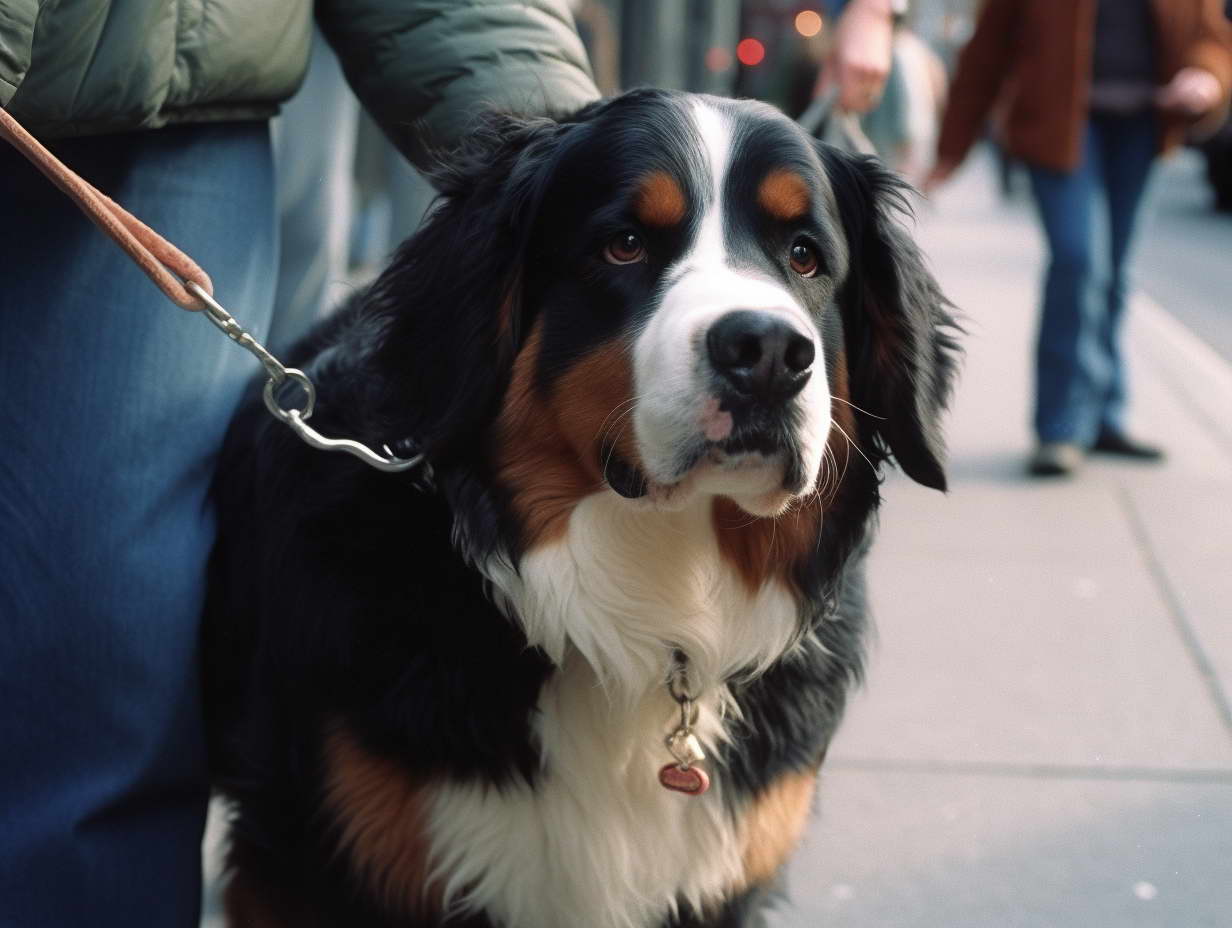
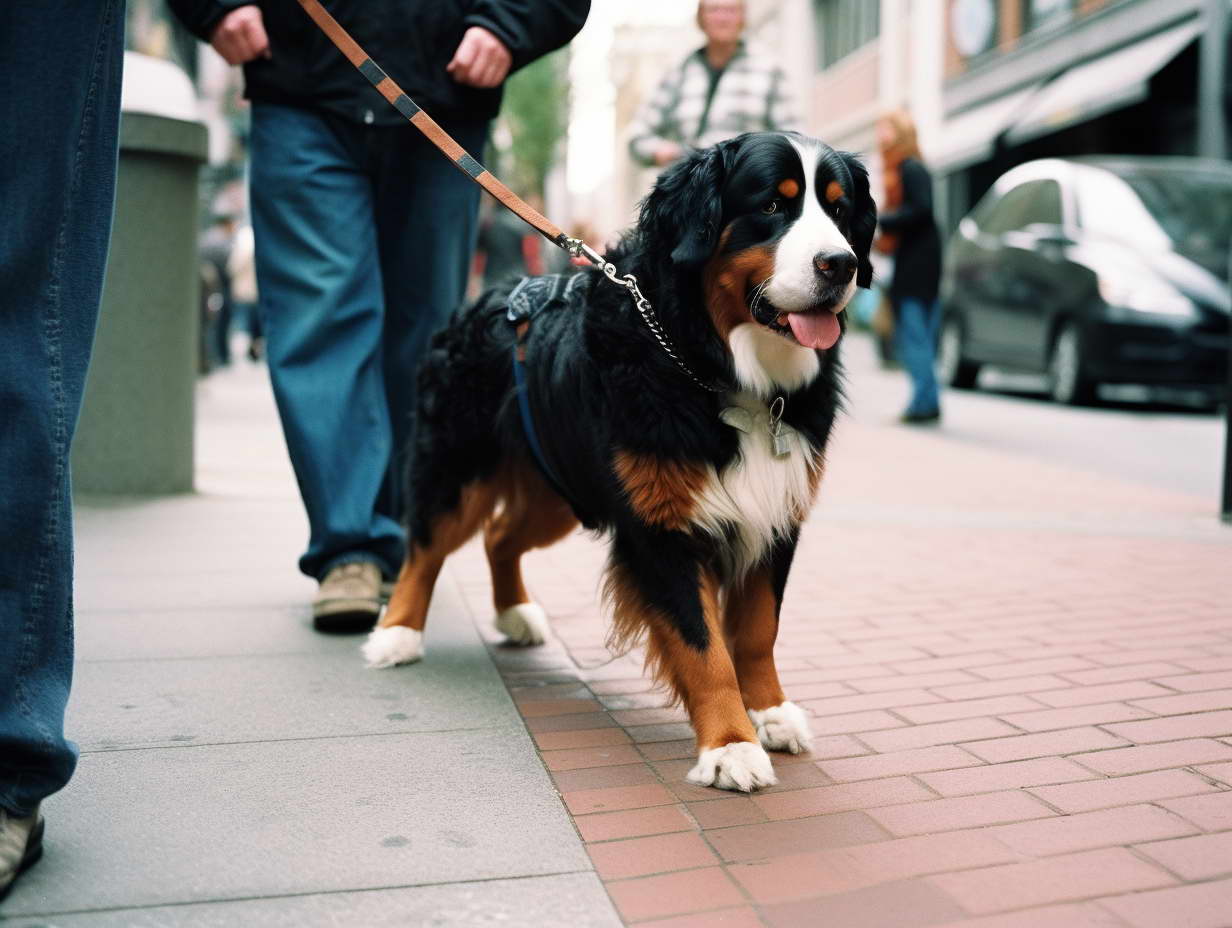
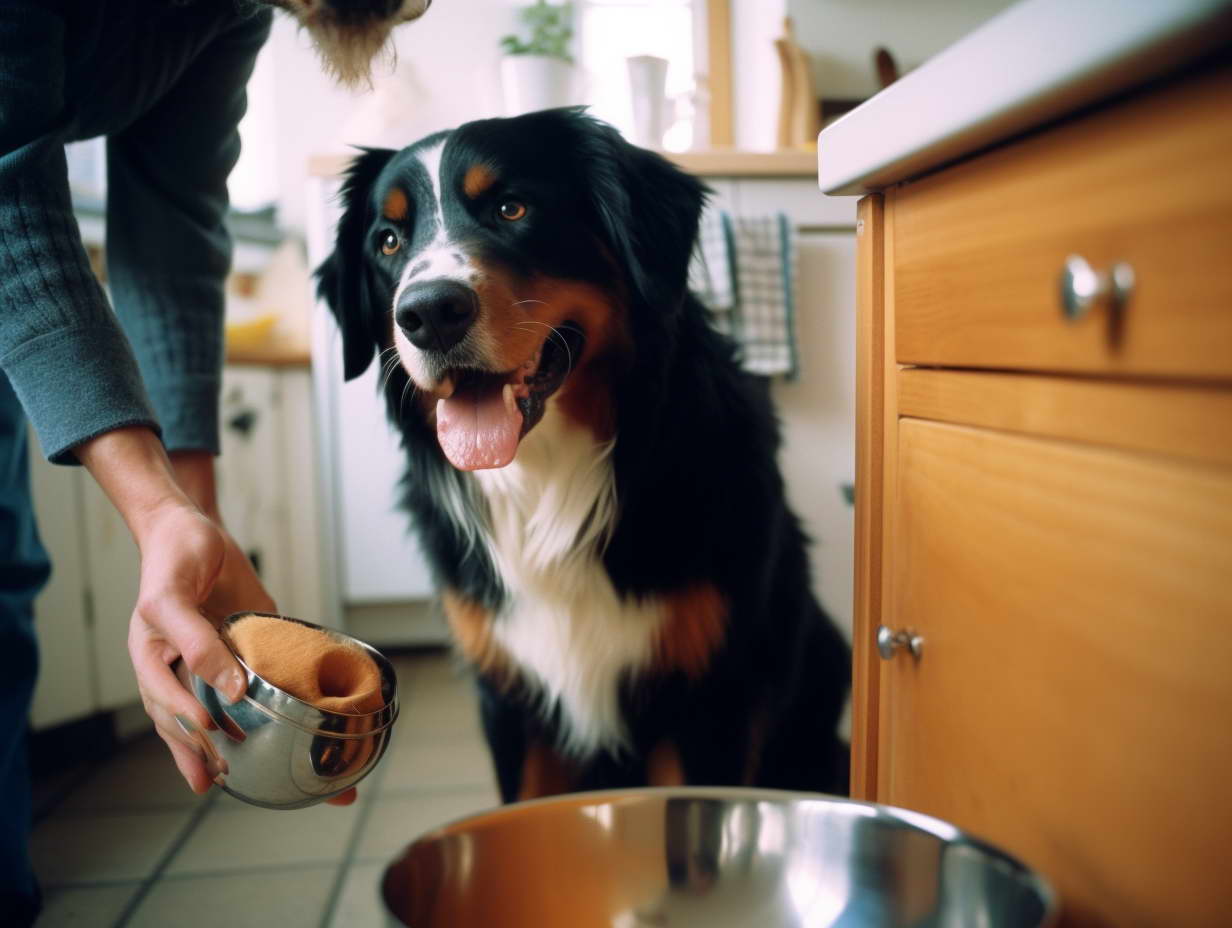
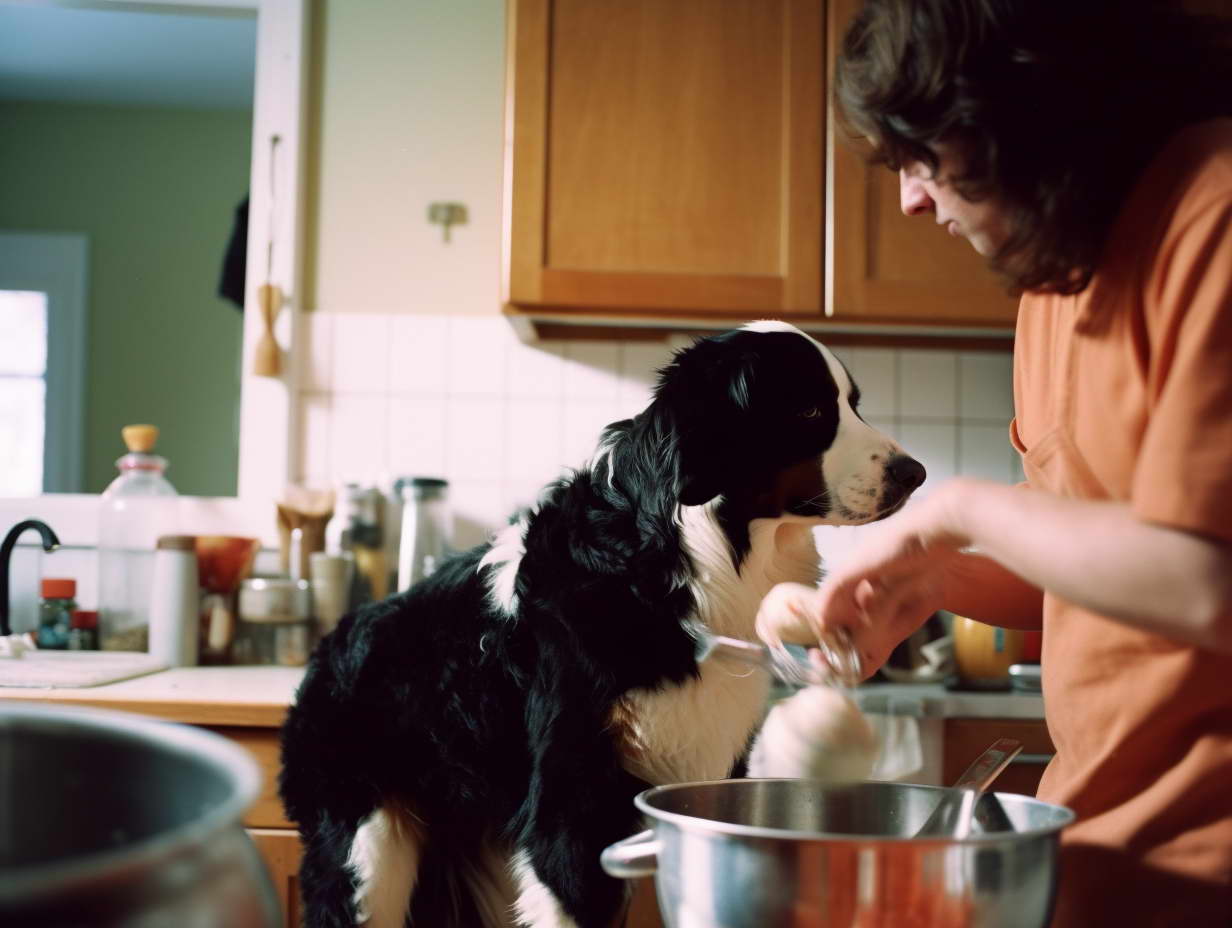
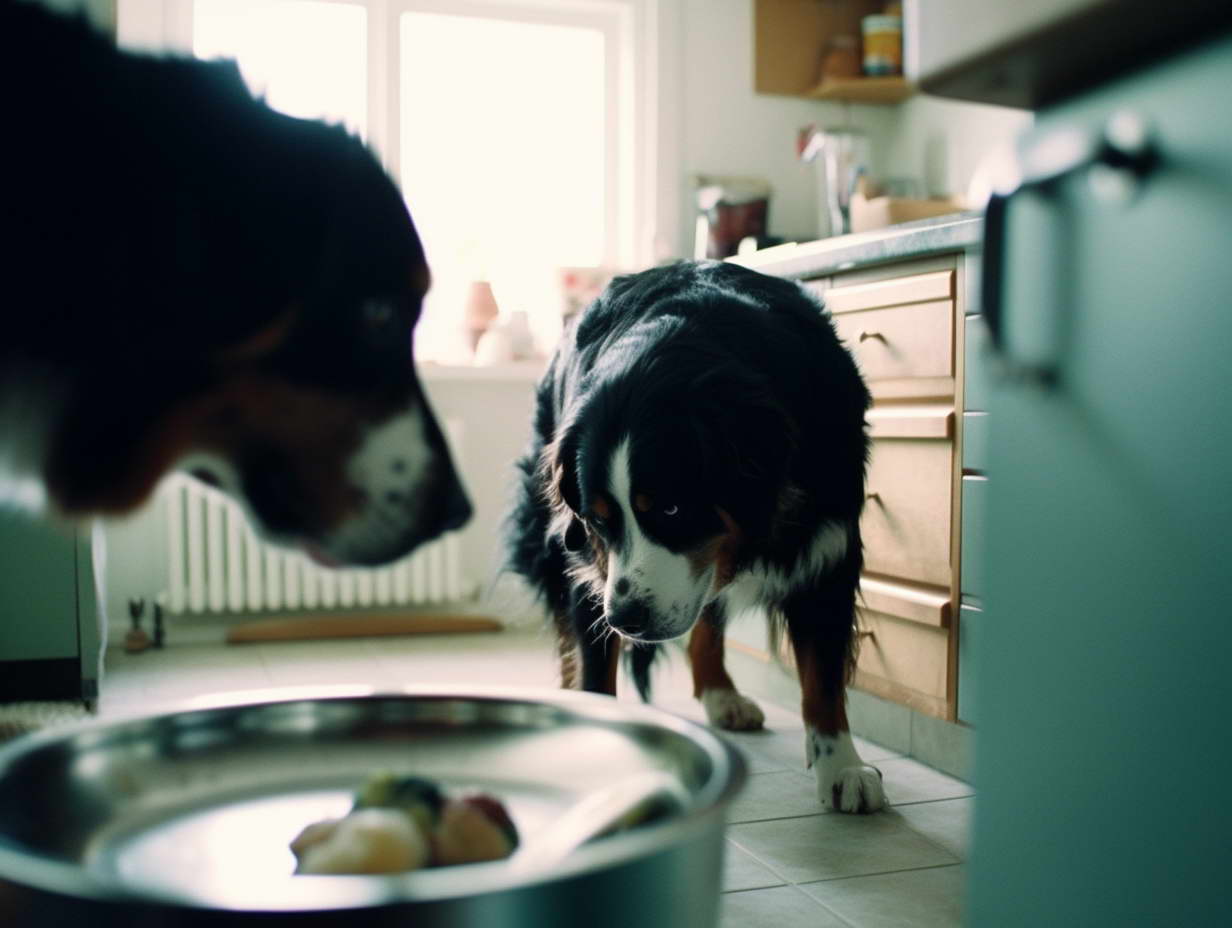
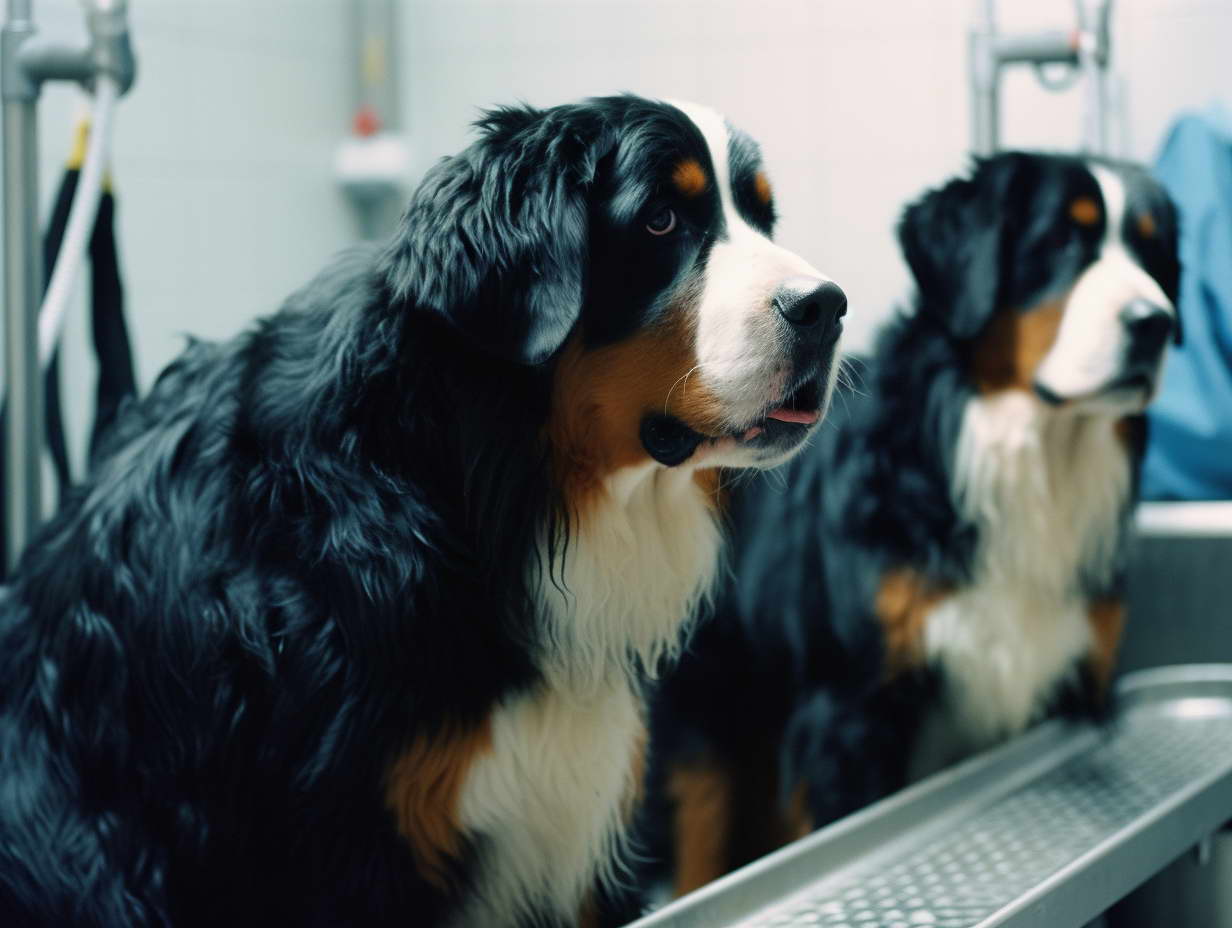
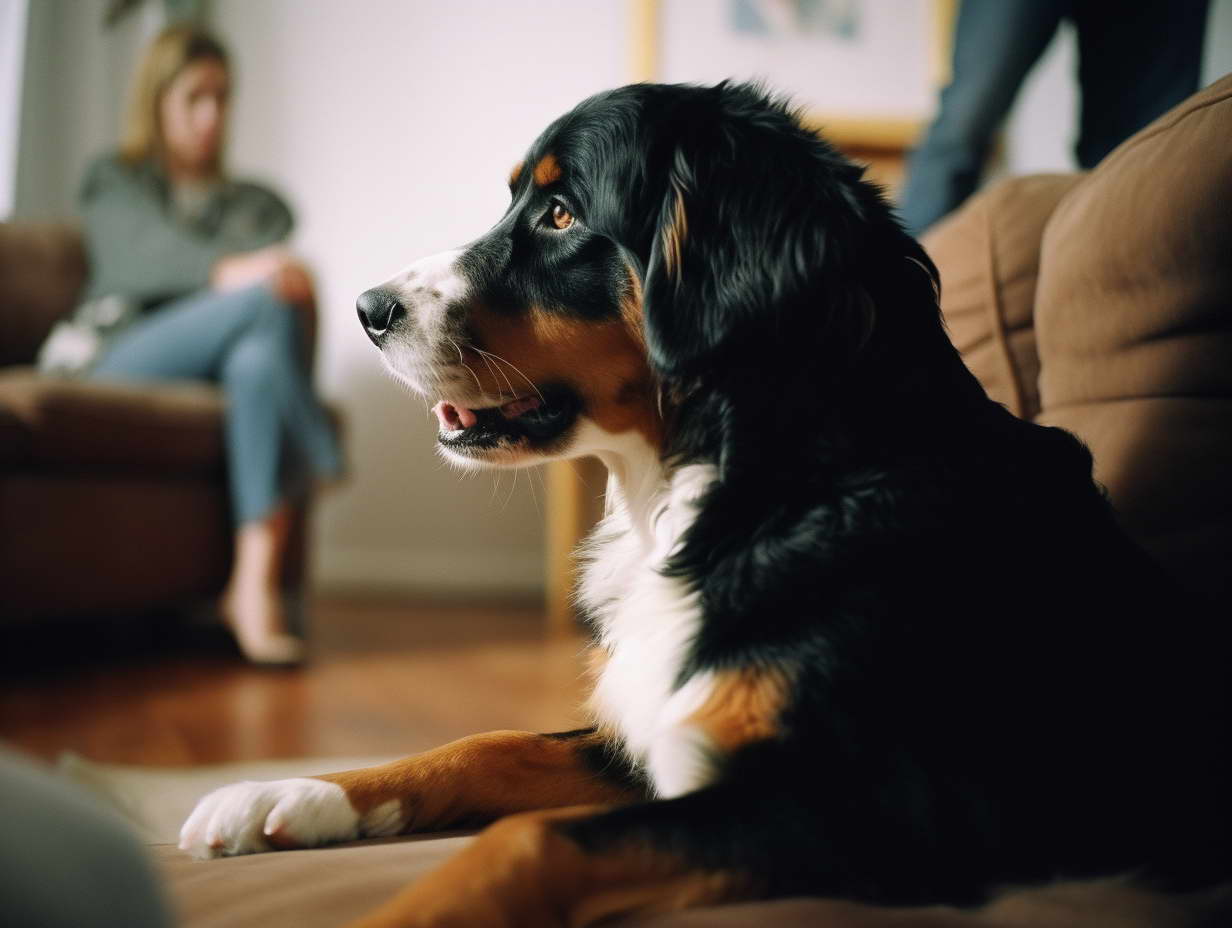
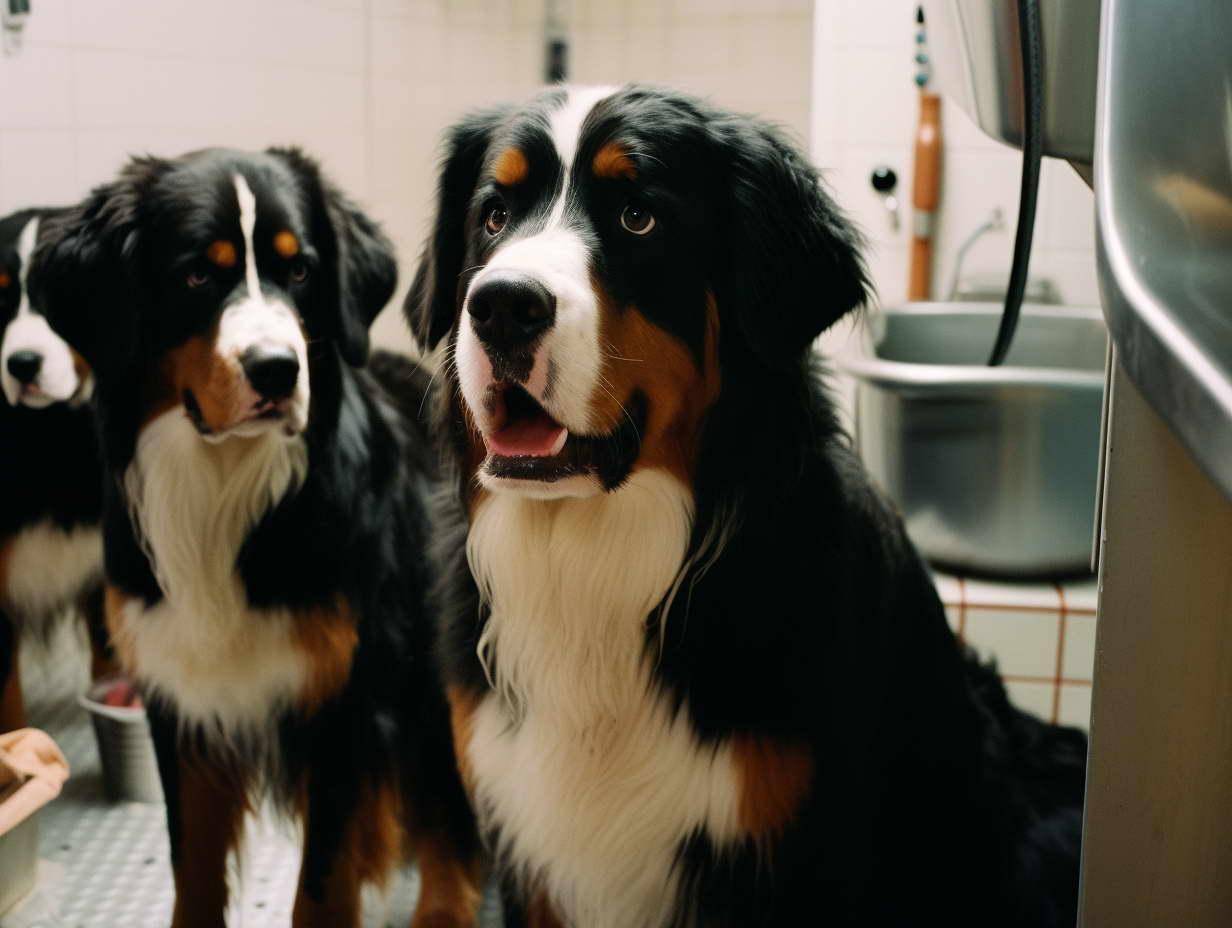
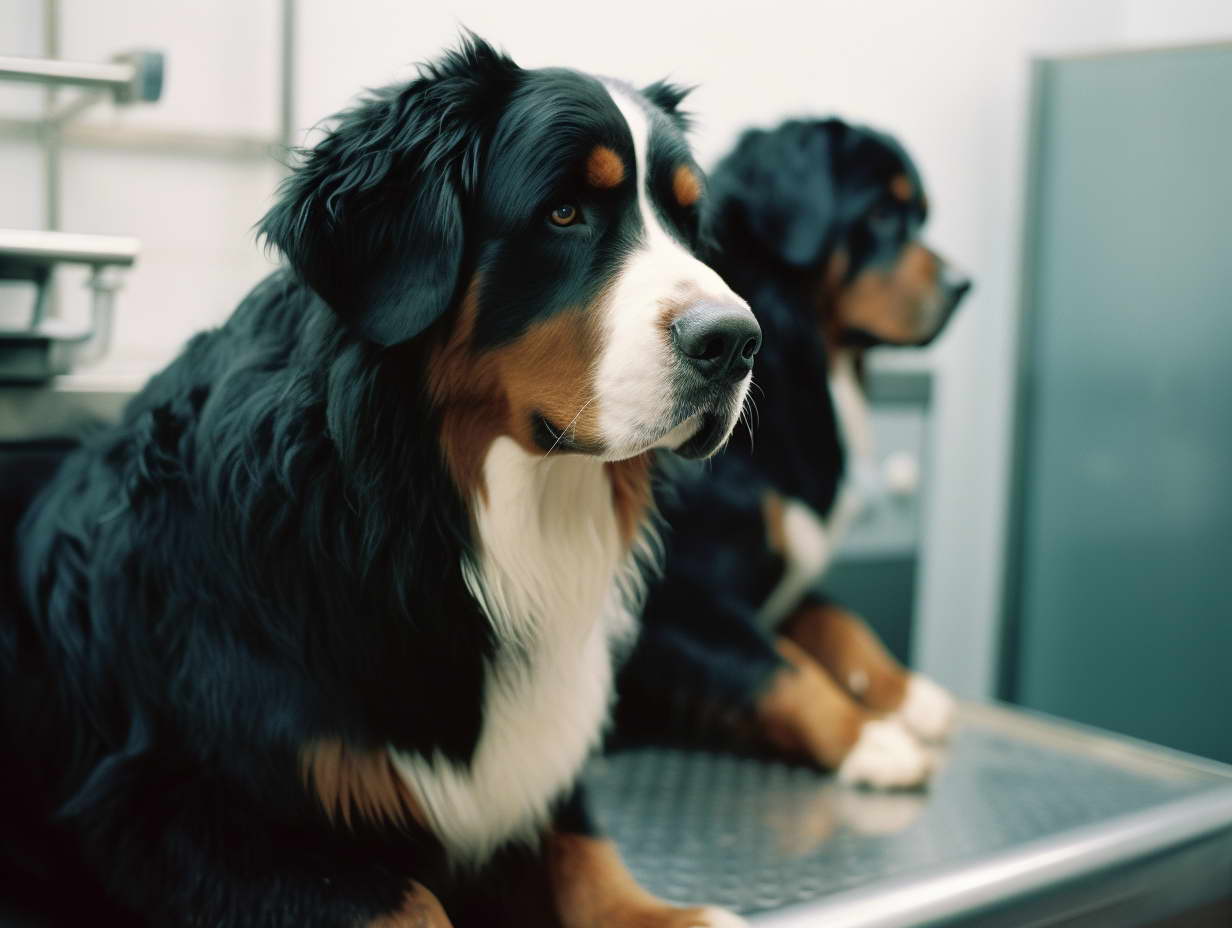
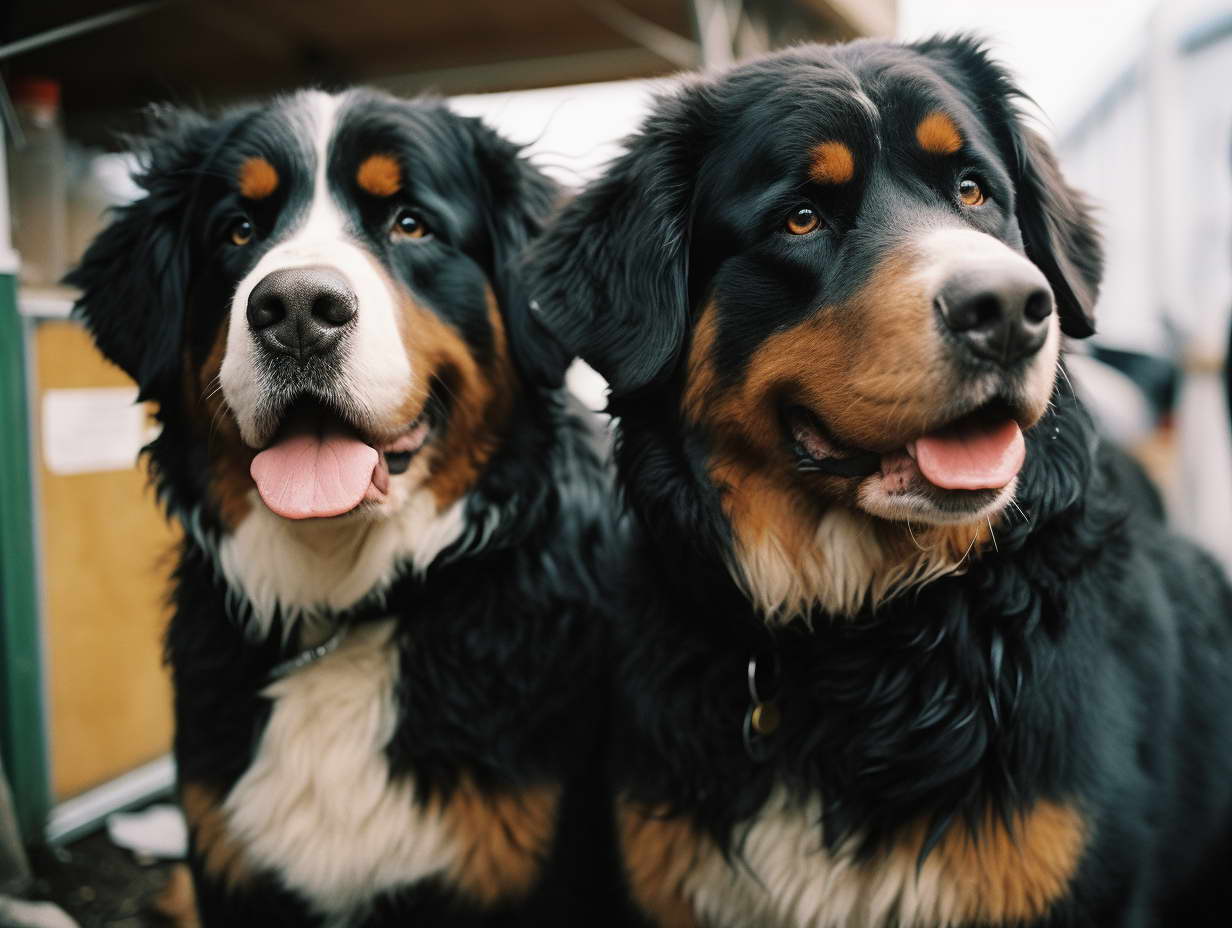
When it comes to choosing a furry companion, many people prefer large dog breeds, and the Bernese Mountain Dog is one such breed. Originating from Switzerland, this breed is known for its stunning tri-color coat, intelligence, loyalty, and gentle nature. In this specific category, we will delve deeper into the history, characteristics, temperament, health, and care of the Bernese Mountain Dog.

  • Bernese Mountain Dogs and Golden Retrievers – Which Breed is Right for You?

    Bernese Mountain Dogs and Golden Retrievers – Which Breed is Right for You?

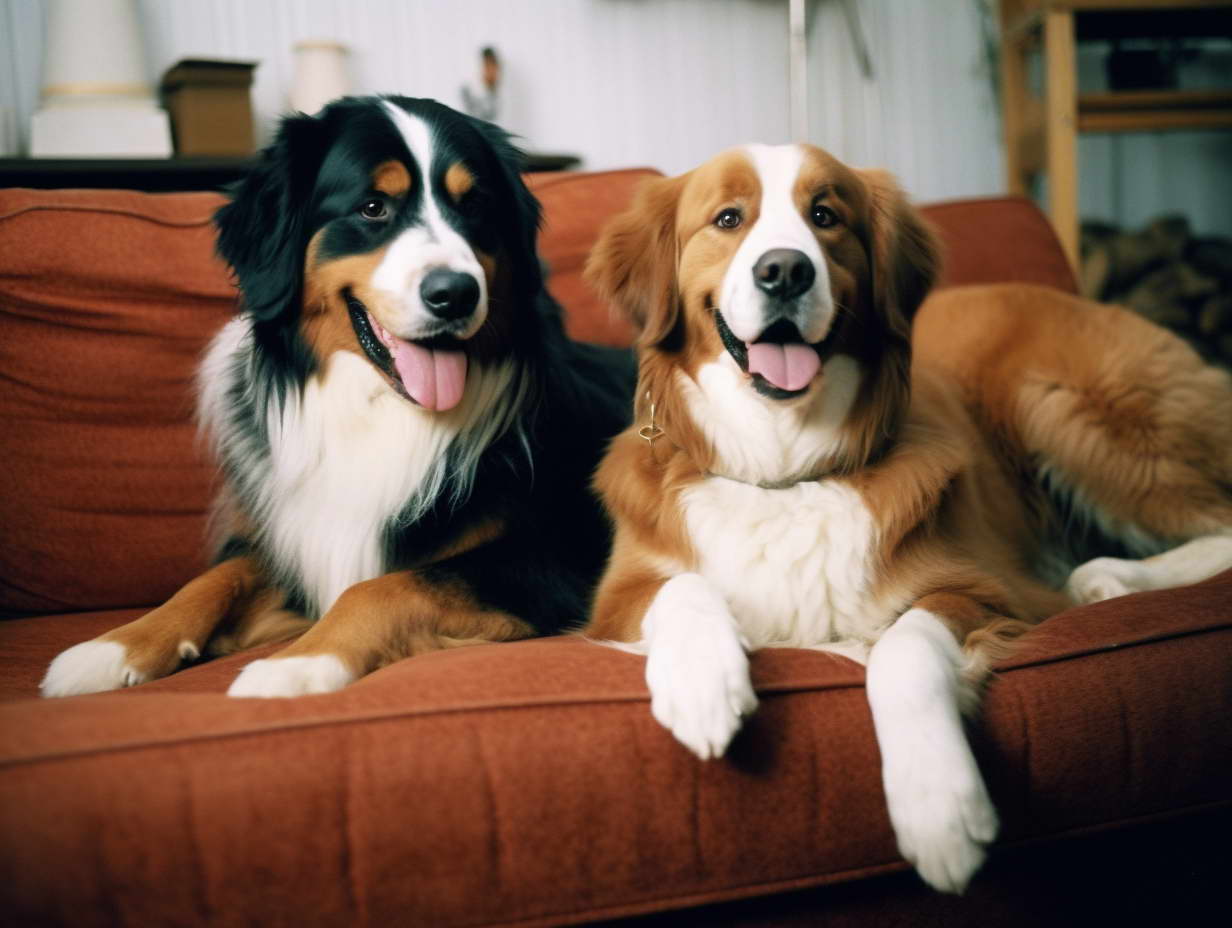
    Bernese Mountain Dogs vs. Golden Retriever

    Bernese Mountain Dog or Golden Retriever? Which Breed Is Right For Me?

    Are You Thinking About Adopting a Furry Friend but Can’t Decide On One Breed? With such an overwhelming choice available to us today, making an educated choice may seem impossible. One popular breed is Bernese Mountain Dogs while Golden Retrievers remain equally as beloved choices; here, we compare and contrast both to help find which will best meet the requirements for both yourself and your lifestyle needs.

    Bernese Mountain Dogs and Golden Retrievers share similar histories and origins.

    Bernese Mountain Dogs were initially bred as working dogs in Switzerland for pulling carts and herding cattle, while Golden Retrievers originated as hunting breeds from Scotland that would retrieve birds or retrieve other games – both breeds have since become beloved family companions!

    Physical Characteristics of Bernese Mountain Dogs and Golden Retrievers

    One of the primary differences between Bernese Mountain Dogs and Golden Retrievers lies in their physical characteristics. Bernese Mountain Dogs are large breed dogs that stand between 25 to 28 inches at their shoulders and typically weigh 70 to 115 pounds; with thick coats in black, white, or rust colors.

    Golden Retrievers tend to be smaller dogs, standing around 21-24 inches at their shoulders and weighing 55-75 pounds respectively. They feature long and wavy coats in golden or cream tones.

    Bernese Mountain Dogs feature strong, muscular frames with broad chests and strong legs; their triangular-shaped heads with black noses have kind and expressive eyes; in comparison, Golden Retrievers possess more sleek physiques; with narrower chests and longer legs and broad, blocky heads bearing friendly expressions and dark eyes.

    Both breeds boast friendly, affectionate demeanors that make them great family companions, known for their desire to please their owners and adoration for people in general. Bernese Mountain Dogs may take longer to warm up to strangers whereas Golden Retrievers tend to be more outgoing and social creatures.

    Behavior comparison between Bernese Mountain Dogs and Golden Retrievers.
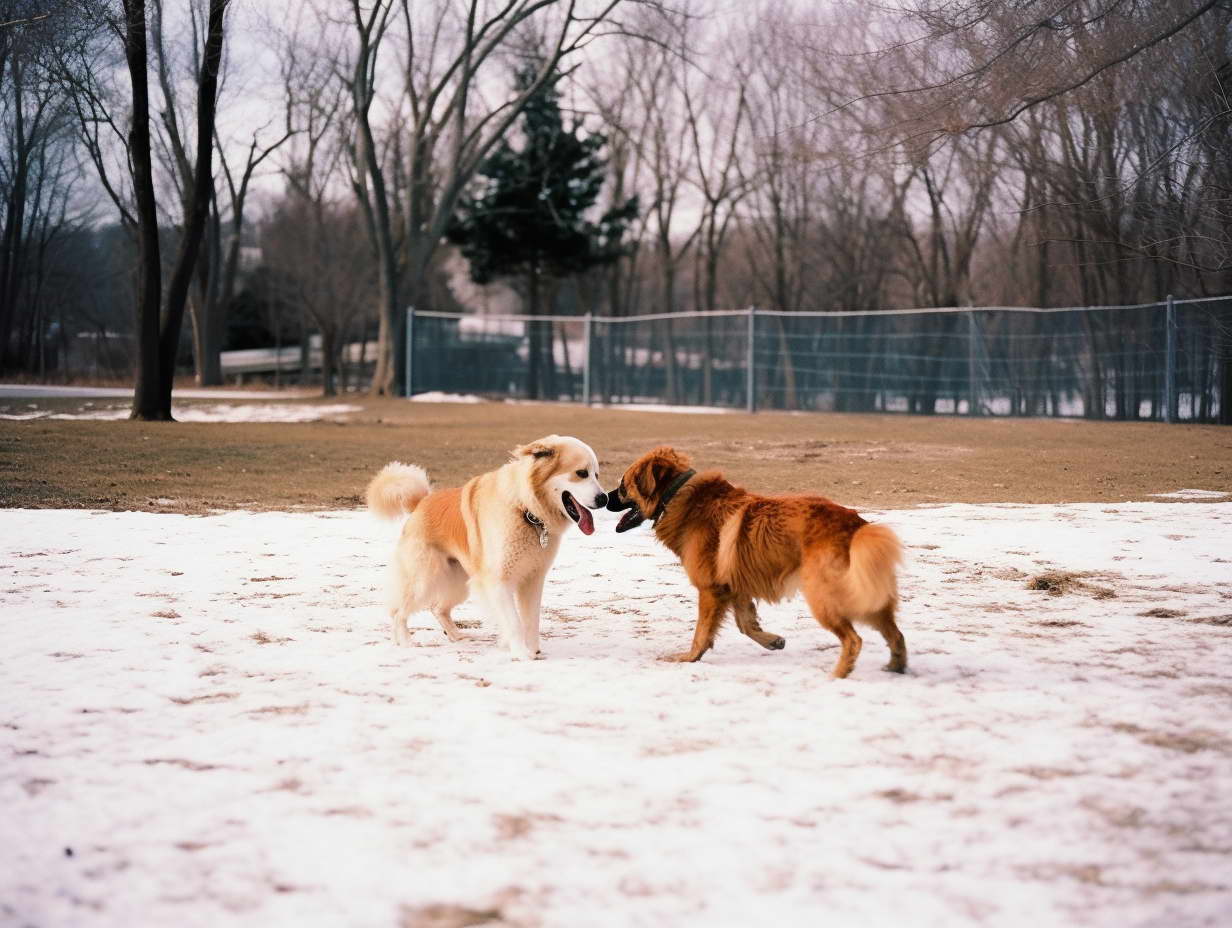
    Golden Retriever and Bernese Mountain dogs

    Bernese Mountain Dogs and Golden Retrievers are well-known for their gentle temperaments, making them popular choices as family pets. But their personalities differ significantly; therefore it is worth exploring which breed is right for you when making this important decision.

    Bernese Mountain Dogs are beloved family companions, known for their dedication and affection toward both owners and family members alike. These peaceful, patient, affectionate dogs make excellent companions who enjoy spending time together; while being protective over loved ones while wary of strangers. While generally good with children due to their size, Bernese Mountain Dogs may occasionally accidentally knock them over due to being so big. These smart, eager-to-please pups make training and obeying commands easier as well!

    Golden Retrievers are friendly and loving dogs that make wonderful family pets. These playful canines love people and excel in obedience and agility competitions; plus their high level of energy requires regular physical and mental stimulation for them to remain happy and healthy! Additionally, these aquatic enthusiasts might just take delight in swimming around or splashing about in a swimming pool!

    Bernese Mountain Dogs and Golden Retrievers Have Similar Training and Exercise Needs

    Both Bernese Mountain Dogs and Golden Retrievers require regular exercise and training. Bernese Mountain Dogs typically exhibit moderate levels of activity; they enjoy walking or going hiking; Golden Retrievers tend to be much more energetic – they love playing fetch with toys!

    Health Concerns for Bernese Mountain Dogs and Golden Retrievers

    Bernese Mountain Dogs can suffer from several health conditions, including hip and elbow dysplasia, cancer, and bloat. Golden Retrievers also may develop these issues along with allergies and ear infections.

    Grooming Needs for Bernese Mountain Dogs and Golden Retrievers

    Bernese Mountain Dogs require regular brushing of their double coat, while Golden Retrievers need theirs brushed several times every week to prevent matting and matting of the coats. Both breeds need regular grooming sessions to remain healthy and clean, especially Bernese Mountain Dogs due to the thickness of their double coat, while their respective breeds’ thick, double coat requires brushing several times weekly to remain healthy and free from matting.

    Compatibility with Children and Pets

    Bernese Mountain Dogs tend to be more reserved and protective, whereas Golden Retrievers tend to be more outgoing and friendly.

    Living Conditions for Bernese Mountain Dogs and Golden Retrievers

    Both breeds can adapt well to living in apartments and smaller homes as long as they receive sufficient exercise and mental stimulation, although Bernese Mountain Dogs require additional space due to their larger stature.

    Cost of Bernese Mountain Dogs and Golden Retrievers.

    Bernese Mountain Dogs and Golden Retrievers can both be quite expensive breeds to purchase from breeders; one could spend anywhere from $1,500-5,000 when purchasing one directly; on the other hand, adopting from rescue organizations or shelters can often be a more affordable option.

    Summary

    Choosing between a Bernese Mountain Dog and Golden Retriever can be challenging since both breeds possess their own set of distinct features and qualities. When making your selection, take into consideration your lifestyle, activity level, and living arrangements when making this important decision. Either breed can make great family pets or loyal companions – however, the right decision depends solely on you!

    FAQs

    1. Are Bernese Mountain Dogs good with children?
      Absolutely; Bernese Mountain Dogs make excellent family companions when socialized appropriately. Do
    2. Golden Retrievers shed frequently?
      Yes; Golden Retrievers possess thick coats which shed frequently during shedding season.
    3. How much physical exercise do Bernese Mountain Dogs require?
      Bernese Mountain Dogs require moderate exercise to remain healthy, such as daily walks or hikes.
    4. Do Bernese Mountain Dogs tend to develop any health issues?
      Unfortunately, yes. Bernese Mountain Dogs may suffer from health conditions like hip dysplasia, cancer, and bloat.
    5. Can Golden Retrievers live in apartments?
      Golden Retrievers can adapt well to living in apartments or smaller homes as long as they receive adequate exercise and mental stimulation.
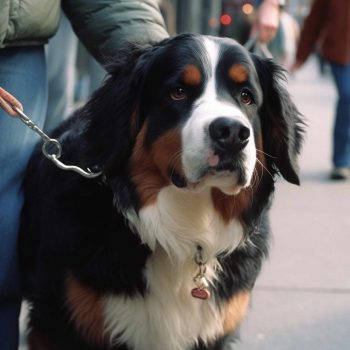
  • How to Train Your Bernese Mountain Dogs to be a Therapy Dog

    How to Train Your Bernese Mountain Dogs to be a Therapy Dog

    How to Train Your Bernese Mountain Dogs to be a Therapy Dog

    How to Prepare Your Bernese Mountain Dog to be a Therapy Dog

    As owners of Bernese Mountain Dogs ourselves, we know how wonderful and affectionate these canine companions can be. Their gentle temperament makes them ideal for therapy work, helping people in hospitals, nursing homes and schools cope during times of hardship or emotional difficulty. If you want to train your Bernese Mountain Dog to become one of these therapy animals then look no further! In this article, we guide how you can successfully train a Bernese Mountain Dog as a therapy canine.

    Understanding Therapy Dog Requirements

    Before we dive into training our therapy dogs, we must understand their requirements. Therapy dogs must be friendly and well-behaved around people – they should walk on leashes without pulling or lunging and tolerate different sounds/odors/tactile sensations as well as stranger touches without becoming aggressive toward either dogs or people. Furthermore, therapy dogs shouldn’t show aggression toward other dogs or people!

    Socializing Your Bernese Mountain Dog

    Socialization is key to creating an effective therapy dog. Your Bernese Mountain Dog should be exposed to new environments, people, and animals at an early age to build confidence while learning how to interact calmly and responsibly with other pets and people. Take your Bernese Mountain Dog along to various parks, stores, and events and allow him/her to meet up with other dogs/people alike!

    Basic Obedience Training

    Obedience training is key for therapy dogs. Bernese Mountain Dogs should know to comply with basic commands like sit, stay, come, and heel to remain attentive during therapy sessions and remain focused and attentive when meeting therapy dogs. When teaching these basic commands using positive reinforcement methods such as treats and praise they become much better at adhering to instructions during the therapeutic experience.

    Once your Bernese Mountain Dog has completed basic obedience training, the next step should be advanced training. This should involve teaching him or her how to interact with people therapeutically – for instance by sitting quietly next to patients while they pet and hug them and also walking on leashes without pulling or lunging.

    Certification and Registration Procedure

    Once your Bernese Mountain Dog has completed its training, the next step should be registering as a therapy dog with various organizations and getting certified/registered with them as a therapy dog. Requirements may differ between organizations; generally speaking, however, certification involves an evaluation of temperament, behavior, and obedience skills; additional testing or training may be required depending on which organization offers certifications and registration services.

    Preparing for Therapy Sessions

    Before your Bernese Mountain Dog begins therapy sessions, it must be acquainted with the environment it will encounter. Make sure your pup is used to different sounds and smells as you practice different therapy scenarios such as sitting quietly next to a patient or passing through a busy hallway. Furthermore, ensure they’re clean and groomed appropriately before starting sessions.

    Maintain Your Dog’s Training

    Training your Bernese Mountain Dog should be an ongoing journey; even once they are certified. Regular sessions allow your pet to maintain focus while giving both you and them the chance to connect more intimately.

    Therapy Dog Benefits

    Therapy dogs provide many advantages to those experiencing difficulties, studies have proven this. Therapy dogs can help alleviate anxiety and stress levels while simultaneously decreasing blood pressure levels and elevating overall mood levels – not to mention helping individuals feel less alone and connected to society!

    Bernese Mountain Dogs to be a Therapy Dog

    Conclusion

    Training your Bernese Mountain Dog as a therapy dog is a rewarding journey, one which should take patience, consistency, and positive reinforcement to bring comfort and healing to those in need. When starting their therapy dog training experience be sure to socialize them properly as well as provide basic obedience instruction before teaching them how to interact in therapeutic environments once certified/registered – the benefits are truly immense and your Bernese Mountain Dog could make a significant impactful contribution to many lives!

    FAQs

    1. Can any dog qualify as a therapy dog?
      Unfortunately not. Therapy dogs need to be friendly, and calm, and behave themselves around people for optimal therapy work.
    2. What’s the difference between therapy dogs and service dogs?
      Therapy dogs offer emotional support and comfort to people, while service dogs are specifically trained to perform tasks for people living with disabilities.
    3. How long does it take to train a Bernese Mountain Dog as a therapy animal?
      Training generally lasts from several months up to one year depending on each dog’s temperament, behavior, and training methods.
    4. Can I train my Bernese Mountain Dog myself as a therapy dog?
      While you could train your Bernese Mountain Dog on their own, professional trainers or organizations offer invaluable help in training therapy dogs successfully.
    5. Do therapy dogs need to belong to any specific breed?
      No; therapy dogs of any breed with appropriate temperament and behavior for therapy work are welcome!
  • Bernese Mountain Dogs Nutrition and Feeding Tips

    Bernese Mountain Dogs Nutrition and Feeding Tips

    Bernese Mountain Dog Nutrition and Feeding Tips

    Bernese Mountain Dog Nutrition and Feeding Tips

    As the proud owner of a Bernese Mountain Dog, you already know it to be an extremely loyal, friendly, and adorable breed of a canine companion. But perhaps less known to owners are that providing proper nutrition for these canines can play an equally essential part in maintaining their overall well-being and happiness. In this article, we’ll go over best practices when feeding Bernese Mountain Dogs to guarantee long-term well-being and happy lives for both you and them!

    Understanding Your Bernese Mountain Dog’s Nutritional Needs

    Understanding Your Bernese Mountain Dog's Nutritional Needs

    Before discussing how to feed our Bernese Mountain Dog, it’s essential that we fully comprehend its dietary needs. A well-balanced diet for Bernese Mountain Dogs should consist of:

    Protein

    Protein is crucial to your pup’s physical growth and development during puppyhood. A high-quality source, like poultry or seafood, should form the base of its food diet.

    Fat

    Fat offers your pup the essential fatty acids needed for maintaining healthy skin and coat, in addition to aiding the absorption of essential vitamins and minerals. Unfortunately, too much fat consumption may lead to obesity; therefore it’s crucial that you carefully manage your fat consumption.

    Carbs

    Your dog relies on carbohydrates as an energy source in its diet; however, since dogs do not require as many carbs as humans do high-quality dog food must contain moderate levels of carbs for maximum performance.

    Vitamins and Minerals

    Your dog requires essential vitamins and minerals for his overall health and well-being, so search for food containing key vitamins A, D, E, and K essential vitamins along with calcium phosphorus zinc for maximum benefit.

    Feed Your Bernese Mountain Dog Properly

    Feed Your Bernese Mountain Dog Properly

    Now that we understand your Bernese Mountain Dog’s nutritional requirements, let’s discuss feeding it.

    Determine the Correct Portion Sizes

    Your Bernese Mountain Dog’s ideal portion size depends on various factors, including its age, weight, and activity level. Consult your veterinarian to ascertain this value for your pet.

    Find High-Quality Dog Food

    When purchasing food for a Bernese Mountain Dog, it must fulfill its nutritional requirements. When selecting food with meat as its first ingredient, this will supply enough of their required proteins while fillers or by-products contain little nutritional benefit for their development.

    Choose food appropriate to both the age and activity level of your dog. Puppies have different nutritional needs from adult dogs; active breeds may need additional calories.

    Maintain a Feeding Schedule

    Establishing a feeding schedule will help your Bernese Mountain Dog get just the right amount of food and can prevent overfeeding or underfeeding. Most adult Bernese Mountain Dogs should be fed twice per day – in the morning and again in the evening; puppies may require additional feedings throughout their first month or so of life.

    An important step to ensure your dog receives enough food is measuring his or her portions based on instructions found on their dog food bag. Once this step has been accomplished, portion out according to what your vet suggests is best suited for him/her and make any necessary changes accordingly.

    Avoid Table Scraps and Human Food Waste

    Though it can be tempting, Bernese Mountain Dog owners must refrain from offering table scraps or human food to their pups. Food from both sources could contain fats, salts, and other ingredients which could harm his/her health – to ensure optimal nutrition, always choose high-quality dog food instead.

    Provide Fresh Water

    Always ensure your Bernese Mountain Dog has access to clean, fresh water. Switch out its bowl regularly so your furry pal has access to clean and safe drinking water at all times.

    Final thoughts

    The health and well-being of your Bernese Mountain Dog depend on the right nutrition and feeding habits. Your dog’s health and longevity can be improved by feeding your dog high-quality food that meets his nutritional needs.

    Consult your veterinarian about any health concerns or dietary restrictions that your Bernese Mountain Dog might have. This will help you ensure your dog gets the nutrition it needs.

    Don’t forget that feeding your Bernese Mountain Dog involves more than simply providing it with food. You can show your Bernese Mountain Dog that you care by choosing the right food. Follow these feeding and nutrition tips to ensure your Bernese Mountain Dog remains healthy and happy.

    FAQs

    1. What should I feed my Bernese Mountain Dog in terms of food?
      Your Bernese Mountain Dog’s portion size depends on several factors including weight, age, and level of activity. Consult your veterinarian to determine what portion size is best for your dog.
    2. Can I feed my Bernese Mountain Dog Human food?
      You should not feed your Bernese Mountain Dog human or table scraps. Do not give your dog human food or table scraps.
    3. What are the best protein sources for Bernese Mountain Dogs to feed?
      Bernese Mountain Dogs can get high-quality proteins from chicken, turkey, and fish.
    4. Should I follow a feeding routine for my Bernese Mountain Dogs?
      It is important to set up a regular feeding routine for your Bernese Mountain Dog to avoid under or overfeeding.
    5. How can I make sure my Bernese Mountain Dog gets fresh water?
      Always give your Bernese Mountain Dog fresh water. Ensure your dog always has clean, fresh water by changing the water bowl regularly.
  • The Cost of Owning Bernese Mountain Dogs

    The Cost of Owning Bernese Mountain Dogs

    Owning a Bernese Mountain Dog

    Cost of Owning a Bernese Mountain Dog: How Do We Estimate It?

    Are You Thinking about Adopting a Bernese Mountain Dog? In this article, we explore all costs associated with owning one so that you can assess if this breed of canine suits you and decide if this breed would make a great addition to your household!

    Before exploring costs associated with Bernese Mountain Dog breed ownership, it’s essential to gain an understanding of this breed’s character. Bernese Mountain Dogs are best known for their friendly natures and striking tri-color coats, along with being large-sized pets (males typically weigh 80 to 115 pounds while females between 70-95).

    Factors That Affect Bernese Mountain Dog Cost

    Cost estimates of Bernese Mountain Dogs vary significantly based on several variables; including location and breeder charges.

    Breeder

    Bernese Mountain Dog cost This decision can have an enormous impact on the cost of owning your Bernese Mountain Dog. Some breeders charge higher due to significant investments made into breeding, training, and socializing their pups; others may offer less expensive dogs due to being less experienced or having lower overhead expenses.

    Age and Gender

    Both the age and gender of your dog will affect its cost. Puppies often cost more than adult dogs; female dogs may cost more due to higher demand from breeding programs.

    Pedigree

    If you plan to show your Bernese Mountain Dog in shows or competitions, ideally it should come from a strong pedigree lineage. Dogs from strong pedigree lines tend to possess physical characteristics and temperament traits preferred by judges for show dogs; however, these dogs may cost more.

    Health

    A dog’s overall health can affect cost; those receiving an all-clear from their veterinarian could incur more costs than ones needing ongoing veterinary attention for health problems that require caretaking services.

    Average Cost of Owning a Bernese Mountain Dog

    Average Cost of Owning a Bernese Mountain Dog

    Under these factors, the cost of owning a Bernese Mountain Dog may differ dramatically; on average, expect to spend between $1,500 and $5,000 for a companion Bernese. This price point applies when breeding dogs solely for companionship rather than show.

    If you plan on showing your dog, expect the costs associated with doing so to skyrocket – any strong breed could run anywhere from $5,000-10,000 or more!

    Additional Costs A Bernese Mountain Dog has additional costs associated with ownership that go beyond the initial purchase price, such as:

    Food and Treats

    Bernese Mountain Dogs are large dogs that require plenty of food. You should expect to spend between $50-100 monthly on food and treats depending on their quality.

    As with all pets, Bernese Mountain Dogs require regular veterinary care – this may include vaccinations and check-ups as well as treatment for any health problems that arise. You should expect to spend between $500-1000 each year on veterinarian expenses.

    Grooming

    Bernese Mountain Dogs require regular professional grooming due to their long, thick coat. You should consider scheduling professional groomer visits every few months; each appointment costs anywhere between $50 and $100 per visit.

    Training and Socialization.

    Bernese Mountain Dog puppies require training and socialization as part of their development, particularly as puppies. You should consider enrolling your Bernese in obedience classes which typically cost $100-200 for six-week courses.

    Supplies

    Your Bernese Mountain Dog requires numerous supplies such as leashes, collars, beds, and toys – costs can quickly accumulate here; therefore it is wise to budget in advance for such expenses.

    Final Thoughts

    As mentioned previously, the cost of owning a Bernese Mountain Dog depends on various factors including its breeder, age/gender/pedigree/health. On average, however, expect to spend between $1,500-5,000 for companion dogs; expect more for showing dogs. Furthermore, additional expenses associated with owning one include food costs as well as grooming services, training tools, and supplies needed.

    Before committing to acquire a Bernese Mountain Dog, all costs related to his purchase must be assessed carefully and verified as affordable by you. While these friendly creatures boast of their sweet nature, owning any dog requires a considerable financial commitment from you.

    FAQs

    1. What is the lifespan of a Bernese Mountain Dog?
      Bernese Mountain Dogs typically live for 7-10 years.
    2. Are Bernese Mountain Dogs good with children?
      Yes, Bernese Mountain Dogs are known to make excellent family dogs who tend to do well around children.
    3. Are Bernese Mountain Dogs High Energy Breeds that Require Exercise?
      Yes. Bernese Mountain Dogs are high-energy dogs that need daily activity to remain healthy and content.
    4. Are There Common Health Issues among Bernese Mountain Dogs?
      Yes, Bernese Mountain Dogs can suffer from various health problems including hip and elbow dysplasia, bloat, and cancer.
    5. Can Bernese Mountain Dogs live in apartments?
      Although Bernese Mountain Dogs may adapt well to apartment living, their active nature requires plenty of exercise – it would generally be preferable if there was access to a yard, park, or open space nearby for optimal living conditions.
  • Bernese Mountain Dogs Grooming Tips for a Healthy Coat

    Bernese Mountain Dogs Grooming Tips for a Healthy Coat

    Common Health Issue with Bernese Mountain Dogs

    Bernese Mountain Dogs Grooming Tips to Maintain a Healthy Coat

    As a Bernese Mountain Dog owner, you must know how to groom your furry companion properly. Bernese Mountain Dogs are large breeds that need regular grooming to maintain healthy coats – not only does a properly maintained coat make your Bernese Mountain Dog look better but it can help them remain healthier as well! Here we share tips for healthy Bernese Mountain Dog grooming that may come in handy.

    Why Grooming Is Important for Bernese Mountain Dogs

    Grooming is essential for all breeds of dog, but especially Bernese Mountain Dogs due to their thick double coat. Although their double coat serves to insulate them against harsh winter climate conditions, it also makes them susceptible to matting and tangling, leading to matting or even matting with each stroke a dog takes in or out.

    Regular grooming helps remove dirt, debris, and dead hair that accumulate on these big canines’ coats while simultaneously protecting against skin irritation or infections that might otherwise arise from matting and tangling issues caused by matting and tangling matting or tangling from happening again – protecting both themselves as well as any possible!

    Grooming promotes overall healthy skin and coat conditions by evenly disbursing natural oils across their coat, as well as preventing matting and tangling. Grooming also allows you to monitor for signs of parasites, hot spots, or lumps before they escalate further – early intervention can prevent more serious health concerns from emerging later.

    How Frequently Should a Bernese Mountain Dog Be Groomed?

    Grooming a Bernese Mountain Dog depends on the length and condition of the coat; generally, it should be done at least weekly if possible to prevent matting and tangling as well as keep their coat healthy.

    As soon as shedding season begins, groom your Bernese Mountain Dog more regularly to remove dead hair. Shedding season typically occurs between spring and fall as their coat changes from thick to thin or vice versa; during this period it may be beneficial for you to groom it every other day so its coat remains healthy.

    Bernese Mountain Dog Grooming Tips for a Healthy Coat

    Bernese Mountain Dogs Grooming Tips for a Healthy Coat

    Keep Your Bernese Mountain Dog Well Groomed Regularly

    Regular brushing of your Bernese Mountain Dog’s coat is one of the key components to its health. Use a slicker brush and comb to eliminate mats or tangles in its coat from head to tail using gentle but firm strokes in the direction of hair growth – avoid pulling, tugging, or tugging! Brushing will disseminate natural oils throughout their fur as well as prevent matting.

    Be sure to Bathe Your Bernese Mountain Dog Regularly.

    Bernese Mountain Dogs don’t require frequent baths; excessive grooming could strip their natural oils, leading to dry skin and coats. If, however, your Bernese Mountain Dog becomes particularly dirty or smelly it might be time for a bath!

    Utilize mild dog shampoo in warm water when bathing your Bernese Mountain Dog, then rinse thoroughly afterward before towel drying or using a low-setting hairdryer to dry them completely – use caution with high heat settings as this could burn their skin!

    Trim Your Bernese Mountain Dog’s Nails

    Long nails can be unpleasant for Bernese Mountain Dogs and require regular nail trimming to remain healthy, prevent scratching themselves or damaging furniture and maintain good overall health.

    Carefully trim the nails of your Bernese Mountain Dog using a dog nail clipper or grinder, taking extra caution not to cut into their quick (which consists of blood vessels that run beneath their nails). If you feel uncertain about this task, seek a professional groomer or veterinarian assistance instead.

    Clean Your Bernese Mountain Dog’s Ears

    One often-overlooked aspect of Bernese Mountain Dog grooming that should not be neglected is cleaning their ears. Like all canines, Bernese Mountain Dogs may become susceptible to painful ear infections which, left untreated, could potentially result in hearing loss and should therefore be addressed quickly and thoroughly.

    Start by carefully inspecting their ears; any sign of redness, discharge, or a bad odor could indicate infection and prompt you to bring your Bernese Mountain Dog straight to their veterinarian immediately.

    Assuming your dog has healthy ears, cleaning them should be straightforward. First dampen a cotton ball or soft cloth using gentle ear cleaner, available from most pet stores. Avoid using water or any liquids such as lotion to cleanse their ears as this could cause irritation or infection.

    Gently wipe inside of your Bernese Mountain Dog’s ears, taking care not to penetrate too deeply into their ear canal. Massage the base of their ears with your fingers to loosen any debris or wax at its source and use a dry cotton ball or cloth to wipe away excess cleaner or debris that accumulates there.

    Teeth Brushing

    Just like humans, Bernese Mountain Dogs need regular dental care to avoid tooth decay and gum disease. Use a dog-specific toothbrush and toothpaste when brushing their teeth regularly – or offer dental chews and toys as extra preventive measures!

    Conclusion

    Grooming your Bernese Mountain Dog regularly is essential to their overall health and happiness. Regular sessions help maintain a coat that’s free from mats and tangles, prevent ear infections, as well as ensure their teeth and nails stay in top condition.

    By following the Bernese Mountain Dog grooming advice outlined here, you can ensure your furry friend always looks and feels their best!

  • Top Ten Bernese Mountain Dogs Breeders in the US

    Top Ten Bernese Mountain Dogs Breeders in the US

    Bernese Mountain Dogs Breeders in the US

    Top Ten Bernese Mountain Dogs Breeders in the US

    Bernese Mountain Dogs are large, gorgeous dogs known for their loyalty, intelligence, and calm demeanor that are popular with families. If you are searching for one as part of your household’s new additions, make sure that it comes from a reputable breeder that guarantees healthy puppies with plenty of socialization opportunities – in this article we present the top ten Bernese Mountain Dog breeders across America!

    What to Consider When Selecting a Bernese Mountain Dog Breeder

    Before we explore our top Bernese Mountain Dog breeders, we must know what criteria should be used when judging breeding programs. A reliable breeder should possess knowledge about his or her breed while having your pup’s best interest at heart – here are a few indicators:

    Health Testing

    Reputable breeders conduct health tests on the breeding dogs they purchase to ensure that they are free of genetic diseases such as hip and elbow dysplasia, eye exams, and von Willebrand’s disease.

    Socialization

    A responsible breeder will socialize their puppies from an early age to ensure they develop sound behaviors and good temperaments, including exposure to various people, animals, and environments.

    References

    A reliable breeder will have references from previous puppy buyers as well as from other breeders and veterinarians.

    Contract

    Any reputable breeder will provide you with a contract that details all aspects of their sale, such as any health guarantees and return policies.

    Top 10 Bernese Mountain Dog Breeders in the US

    Here are the top ten Bernese Mountain Dog breeders in the US, in no particular order:

    1. Alpine Bernese Mountain Dogs of Colorado is dedicated to breeding healthy and well-tempered Bernese Mountain Dogs that meet all standard health criteria. All their pups undergo thorough health tests for common issues.
    2. Mountain Meadow Bernese of Montana – Based out of Montana, this breeder specializes in producing Bernese Mountain Dogs that are known for their incredible temperaments and health conditions. Additionally, they provide their puppy owners with two-year health guarantees as well as ongoing support throughout their puppies’ lives.
    3. Bernedoodle Breeder in Pennsylvania – This Pennsylvania-based breeder specializes in breeding Bernedoodles, offspring from Bernese Mountain Dogs and Poodles. They focus on breeding for temperament and coat quality while offering two-year health guarantees with all their puppies.
    4. Purebred Bernese Mountain Dogs – Based out of North Carolina, this breeder specializes in producing purebred Bernese Mountain Dogs that are healthy, well-tempered, and adhere to breed standards. All their pups undergo genetic health testing as part of a two-year health guarantee policy.
    5. Puppystars Bernese Mountain Dogs of Georgia is known for producing friendly Bernese Mountain Dogs that offer two-year health guarantees and lifelong support to their puppy owners.
    6. Magic Berners of Ohio produces Bernese Mountain Dogs that are healthy, well-socialized, and have excellent temperaments. Their breeder prioritizes breeding for the health, temperament, and conformation of all their puppies – offering two-year health warranties on every puppy that leaves the facility.
    7. Heartland Bernese Mountain Dogs of Missouri – Based out of Missouri, this breeder specializes in producing Bernese Mountain Dogs known for their stunning beauty and incredible temperaments. Their breeding programs emphasize health, temperament, conformation, and health guarantee – with all puppies coming with two-year health warranties!
    8. Triad Bernese Mountain Dogs of North Carolina is dedicated to producing healthy Bernese Mountain Dogs that are well-socialized with excellent temperaments and are health tested. Their breeding program prioritizes breeding for health, temperament, and conformation – their puppies come with a two-year health guarantee!
    9. Montana Bernese Mountain Dogs – Based out of Montana, this breeder offers Bernese Mountain Dogs that are known for their good health, fantastic temperaments, and stunning looks. In addition to providing two-year health guarantees and lifetime support for their puppies’ owners.
    10. Bernerhof Bernese Mountain Dogs of Massachusetts is dedicated to producing healthy Bernese Mountain Dogs that are well-socialized with excellent temperaments. Their breeding efforts focus on health, temperament, and conformation – each puppy comes with a two-year health guarantee!

    Notable breeders include, while these come highly recommended, other reputable Bernese Mountain Dog breeders in the US may offer more healthy puppies. When making your decision it’s essential to do your research and get references to ensure a quality puppy.

    Conclusion

    Finding a reputable Bernese Mountain Dog breeder is essential if you’re in search of a Bernese Mountain Dog puppy. Each breeder on this list is known for their superior breeding practices and dedication to the health and welfare of their pups, giving you peace of mind knowing you will receive a healthy, socialized puppy who will become part of your family.

    FAQs

    1. How much does a Bernese Mountain Dog puppy cost from one of these breeders?
      The cost of Bernese Mountain Dog puppies may differ depending on your breeder and location; to obtain more accurate pricing information it’s best to speak directly to them.


    2. Do these breeders offer to ship puppies?
      As some breeders may offer shipping services, it is wise to contact each breeder directly regarding their policies on this matter.


    3. How can I ensure I’m adopting a healthy puppy?
      Finding a breeder that conducts health tests on their breeding dogs is the surest way to guarantee you get a healthy puppy.


    4. Are Bernese Mountain Dogs suitable companions for children?
      Bernese Mountain Dogs are well known for their calm and patient demeanor, making them excellent choices as companion animals for children.


    5. What can I expect from a Bernese Mountain Dog puppy?
      Bernese Mountain Dog puppies are well-known for their charming and engaging personalities. While training and socialization may be necessary, when properly cared for they make great family pets.