Category: Bernese Mountain

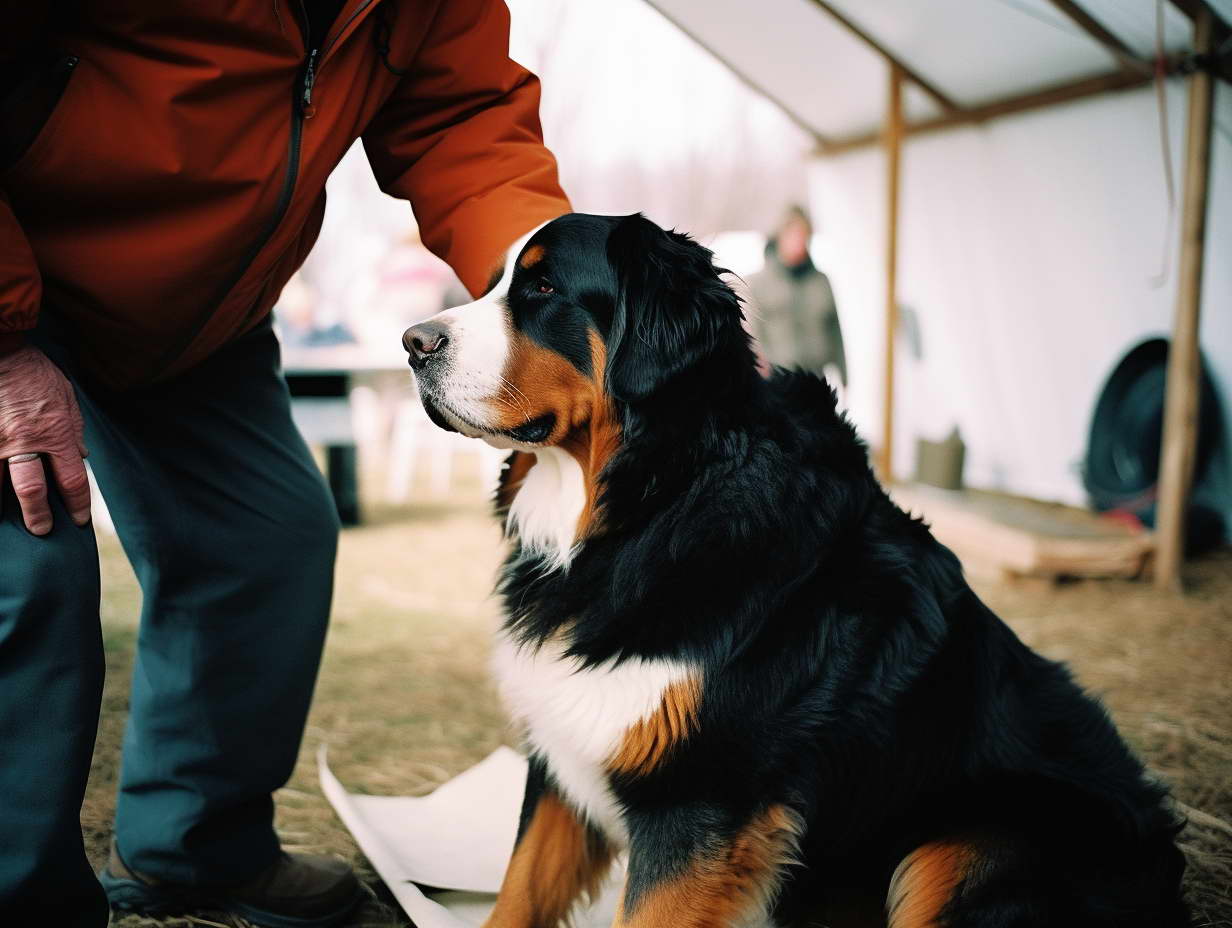
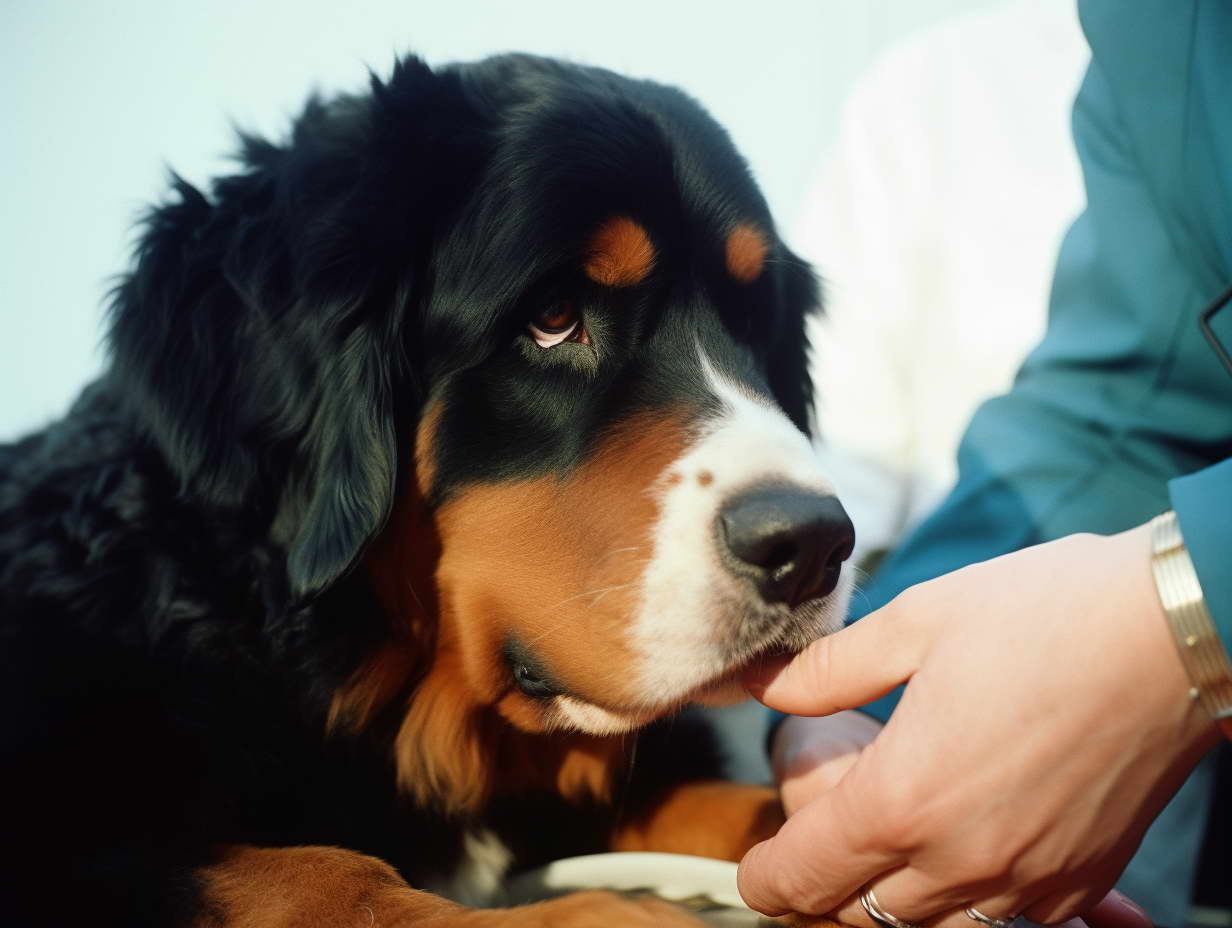
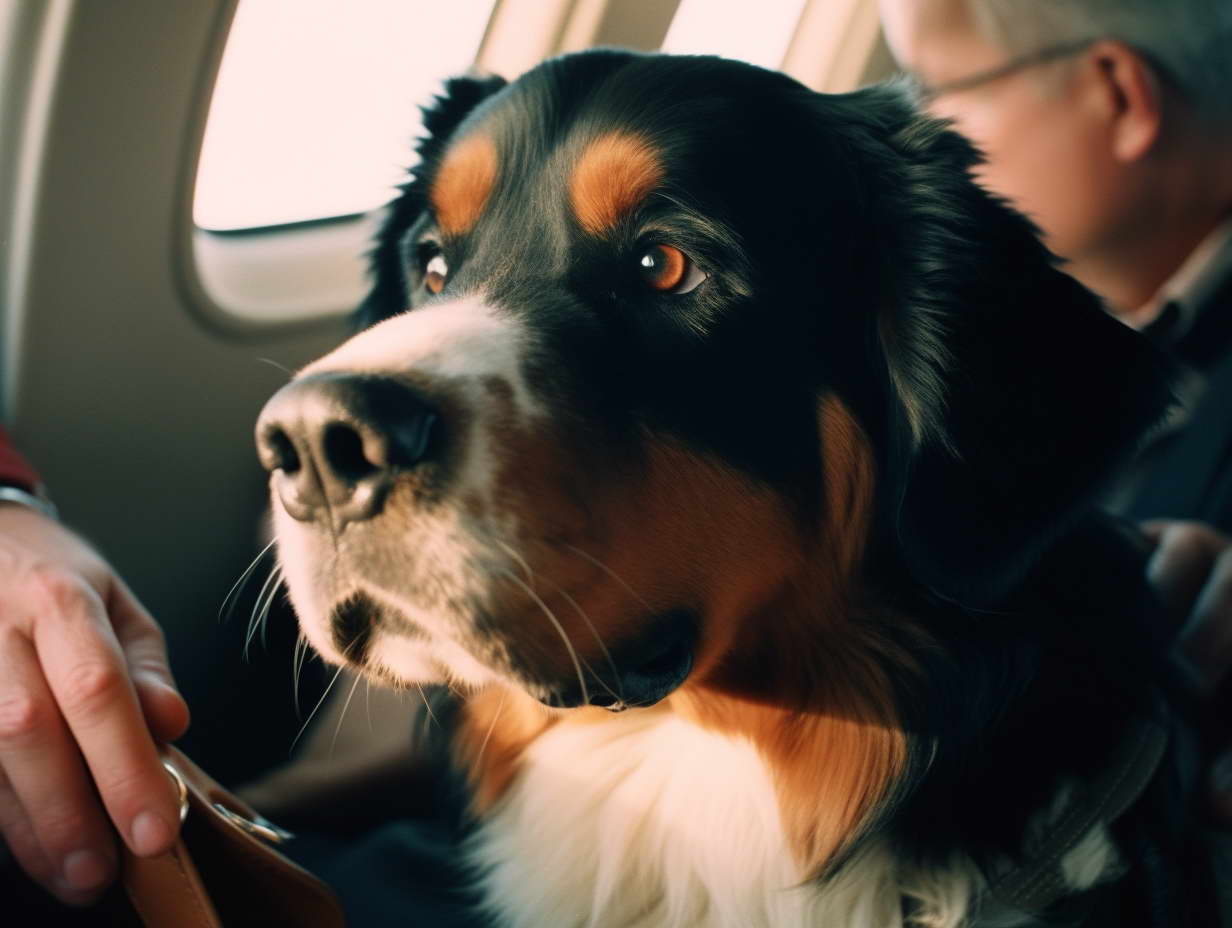
When it comes to choosing a furry companion, many people prefer large dog breeds, and the Bernese Mountain Dog is one such breed. Originating from Switzerland, this breed is known for its stunning tri-color coat, intelligence, loyalty, and gentle nature. In this specific category, we will delve deeper into the history, characteristics, temperament, health, and care of the Bernese Mountain Dog.

  • How to Care for Your 1-5 Month-Old Bernese Mountain Dog Puppy

    How to Care for Your 1-5 Month-Old Bernese Mountain Dog Puppy

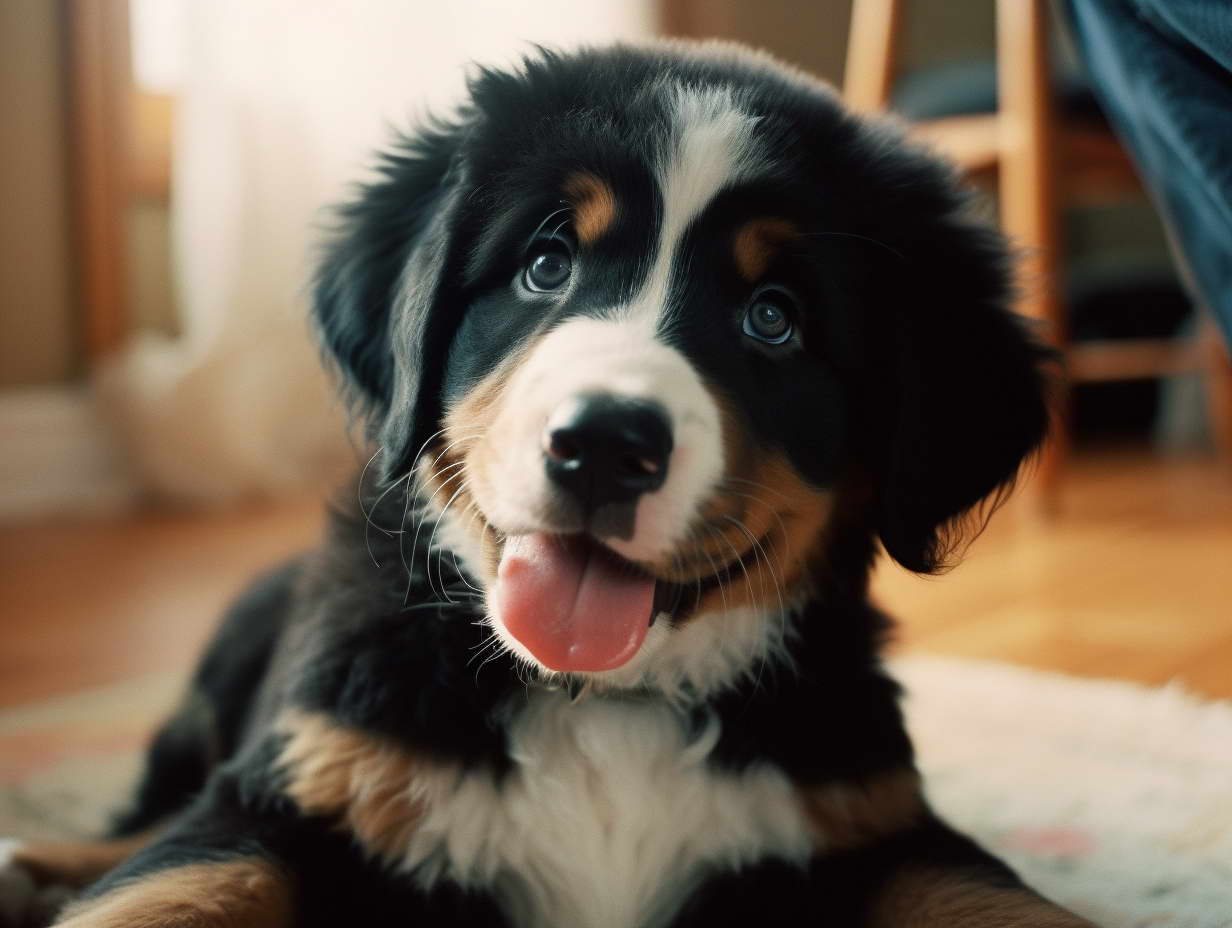
    Bernese Mountain Dog Puppy

    How to Care for a One to Five-Month Bernese Mountain Dog Puppy

    Are you the proud owner of a one to five-month-old Bernese Mountain Dog puppy, looking to ensure its health and happiness? Look no further – we have put together a detailed guide on how to care for a 5-month-old Bernese Mountain Dog puppy!

    Beginning with food and grooming to exercise and socialization, we will cover everything you need to know to ensure that your puppy grows into a healthy adult dog. So let’s get going!

    Feeding Your Bernese Mountain Dog Puppy
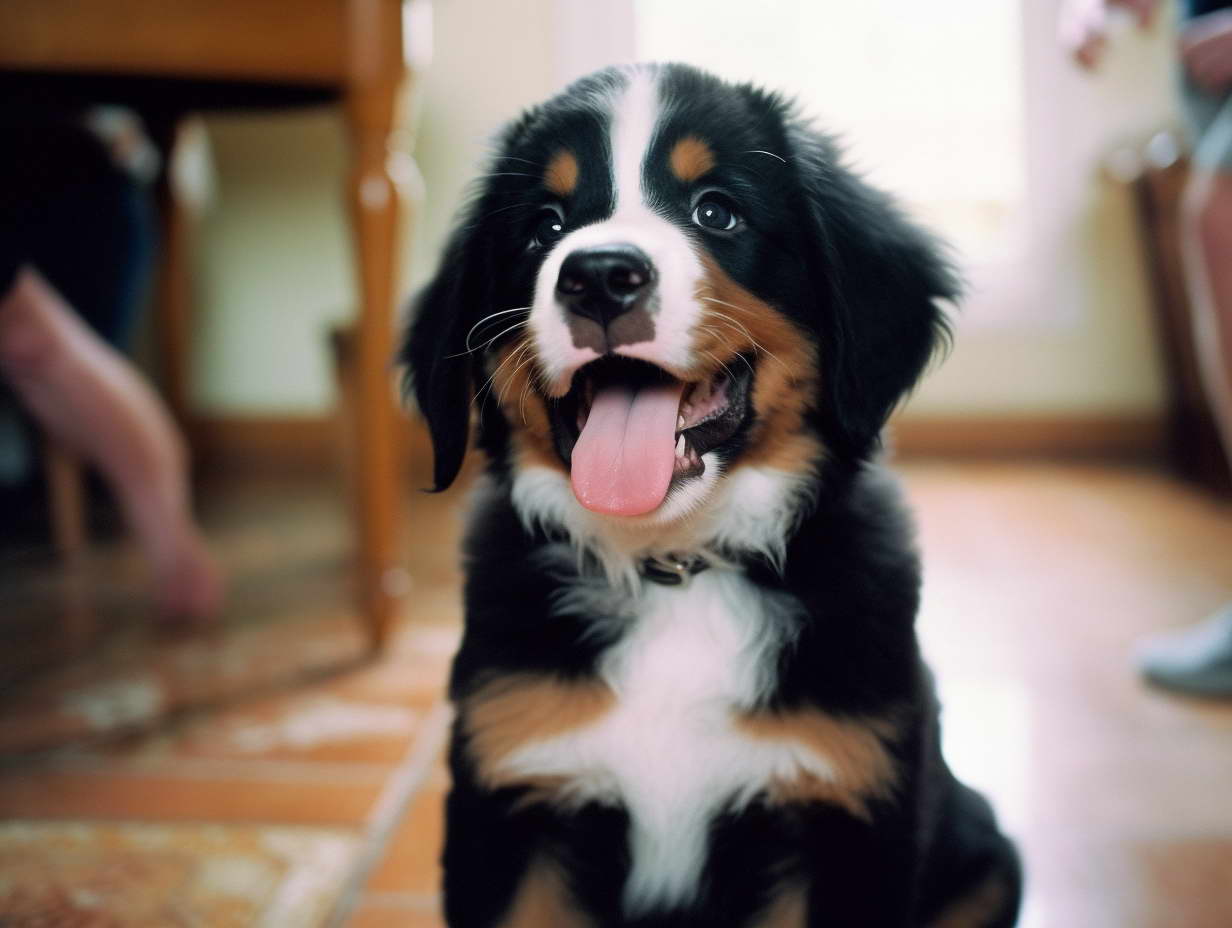
    Feeding Your Bernese Mountain Dog Puppy

    feeding your Bernese Mountain Dog puppy an appropriate and balanced diet is crucial to their development and overall growth. Since these dogs tend to have large frames with an appetite to match, high-quality puppy food designed specifically for large breeds should be provided as this ensures optimal growth and development.

    Selecting the Appropriate Food

    Proper nutrition for a Bernese Mountain Dog puppy is essential to its growth and development. When selecting food, be sure that it provides all necessary vitamins, minerals, and essential amino acids. Avoid feeding table scraps as these may lead to digestive issues as well as health concerns for your Bernese Mountain Dog puppy.

    Feeding Schedule

    Establishing a feeding schedule for your Bernese Mountain Dog puppy is vitally important to its overall growth and development. Puppies should be fed three to four times each day to receive enough essential nutrients that support their growth.

    Portion Control

    Proper portion control for your Bernese Mountain dog puppy is crucial to prevent overeating, which can lead to obesity and other health problems. Follow the directions on their food bag while making any necessary adjustments based on his/her weight and activity levels.

    Clean Fresh Water

    Make sure your Bernese Mountain Dog puppy always has access to clean, fresh water by providing them with an easily accessible water bowl that you can refill throughout the day.

    House Training Your Bernese Mountain Dog Puppy
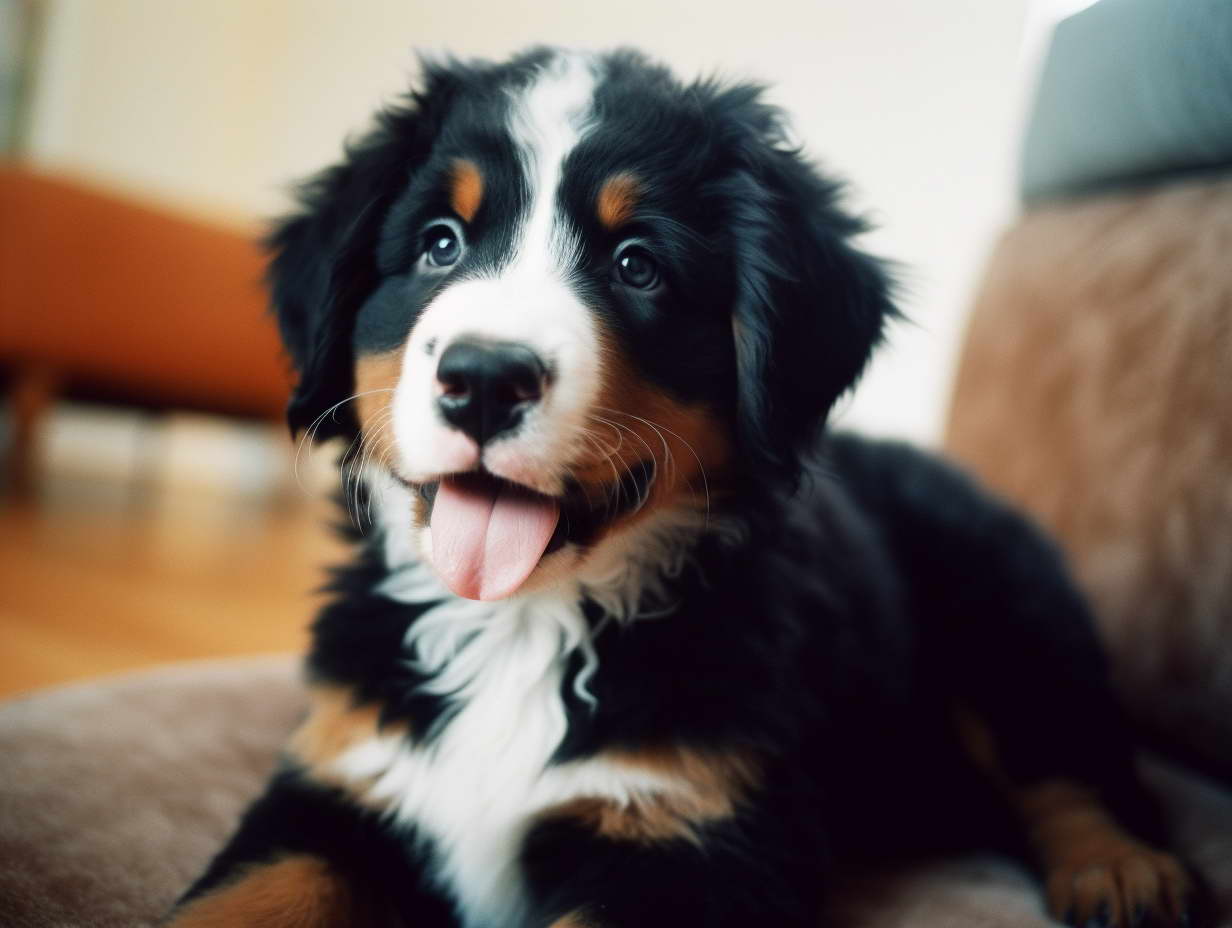
    House Training Your Bernese Mountain Dog Puppy

    Proper house training of your Bernese Mountain Dog puppy is an integral component of caregiving for these highly intelligent creatures. Although these intelligent canines tend to be eager and intelligent learners, house training takes patience, consistency, and positive reinforcement to succeed.

    Establish a Routine

    A consistent schedule for house training your Bernese Mountain Dog puppy is key. Take them outside first thing in the morning, after meals, and before bedtime so they know when it is time to use the bathroom. With time they will pick up on when it is time to go outside!

    Crate Training

    Crate training is an integral component of housetraining for Bernese Mountain Dog puppy. Select an appropriately sized crate that offers comfort and welcoming space for your puppy; provide positive reinforcement such as treats or praise to encourage the use of it.

    Positive Reinforcement

    Positive reinforcement is a crucial aspect of house training and overall puppy education. Praise and reward your puppy when they use the bathroom outside or follow commands correctly; this will encourage them to repeat these behaviors in the future.

    Exercise and Playtime with Bernese Mountain Dog Puppy
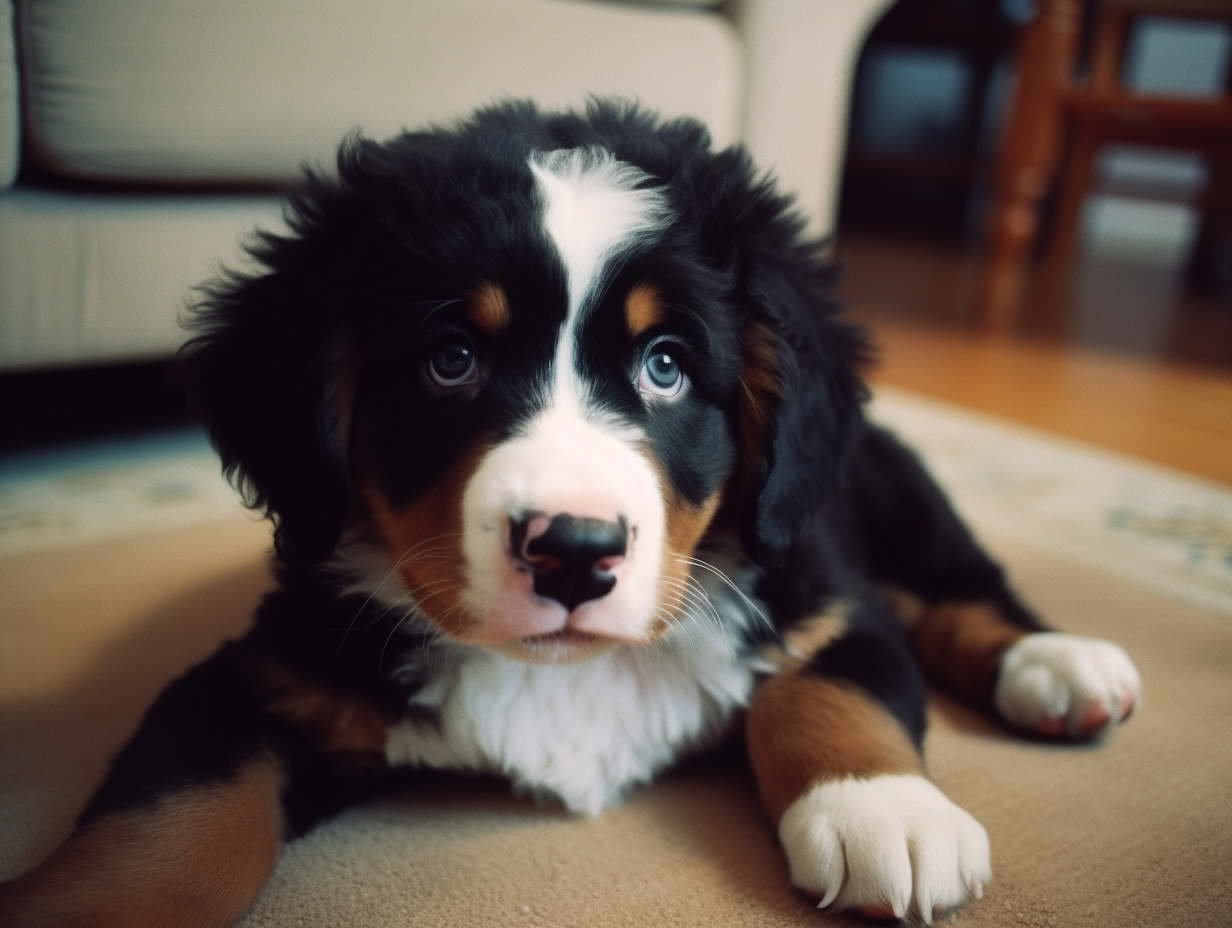
    Exercise and Playtime with Bernese Mountain Dog Puppy

    Exercise and playtime for Bernese Mountain Dog puppies are vital to their physical and mental well-being. Since these dogs tend to be active and energetic, they must get plenty of opportunities to expel extra energy and stay physically fit.

    Importance of Exercise

    Exercise for their physical and mental well-being. Regular activity helps prevent obesity, strengthen muscles, and promote positive behavior in Bernese Mountain Dog puppies.

    Types of Exercise

    Bernese Mountain Dogs require regular physical activity. Take your Bernese puppy on walks, play fetch, or let them run free in a fenced area; avoid overexerting him as this could lead to joint problems later in life.

    Playtime Activities

    Engaging in playful playtime activities with your puppy is essential to their development, providing valuable socialization skills while having fun. Give them toys to play with and participate in interactive playtime games such as hide-and-seek or tug-of-war to make learning fun!

    Grooming Your Bernese Mountain Dog Puppy
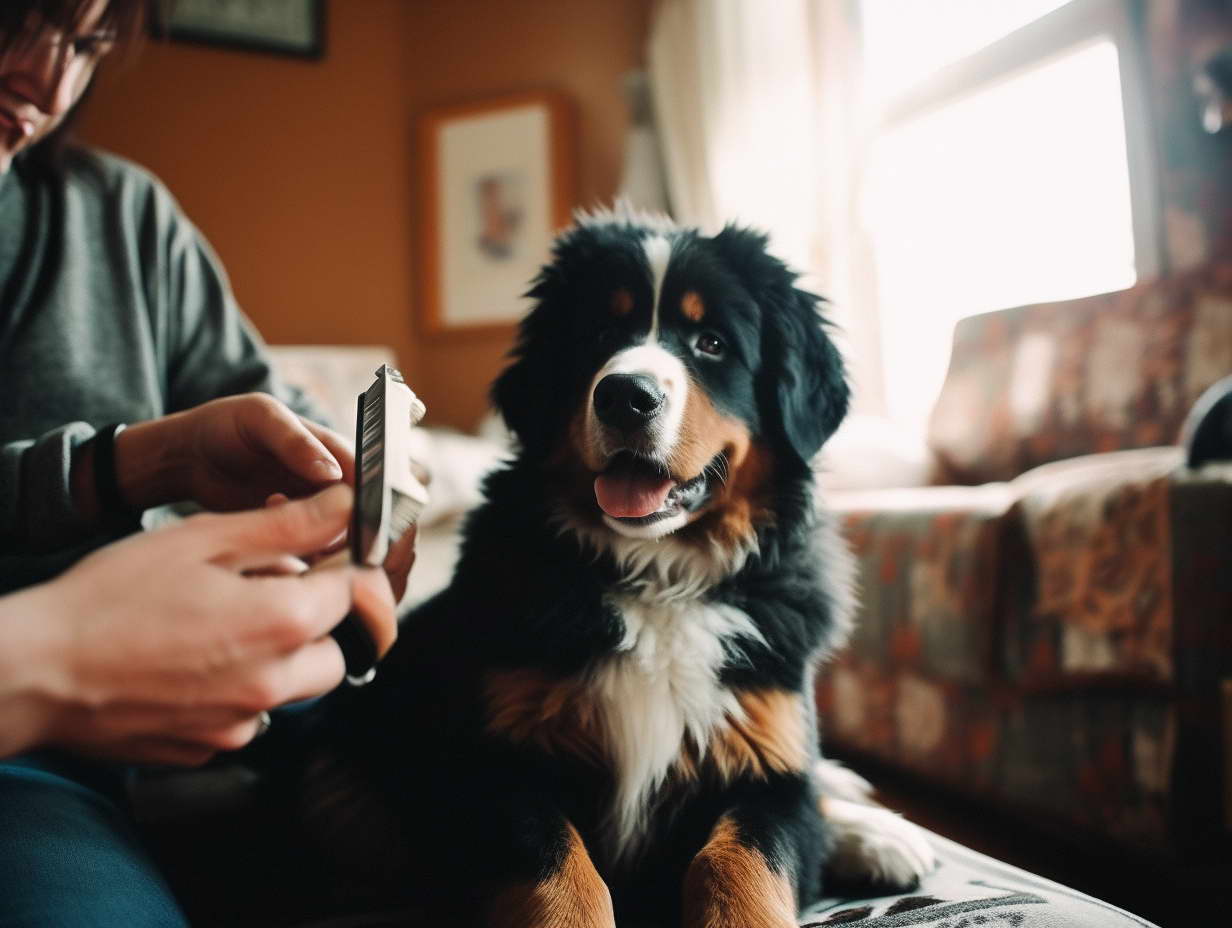
    Grooming Your Bernese Mountain Dog Puppy

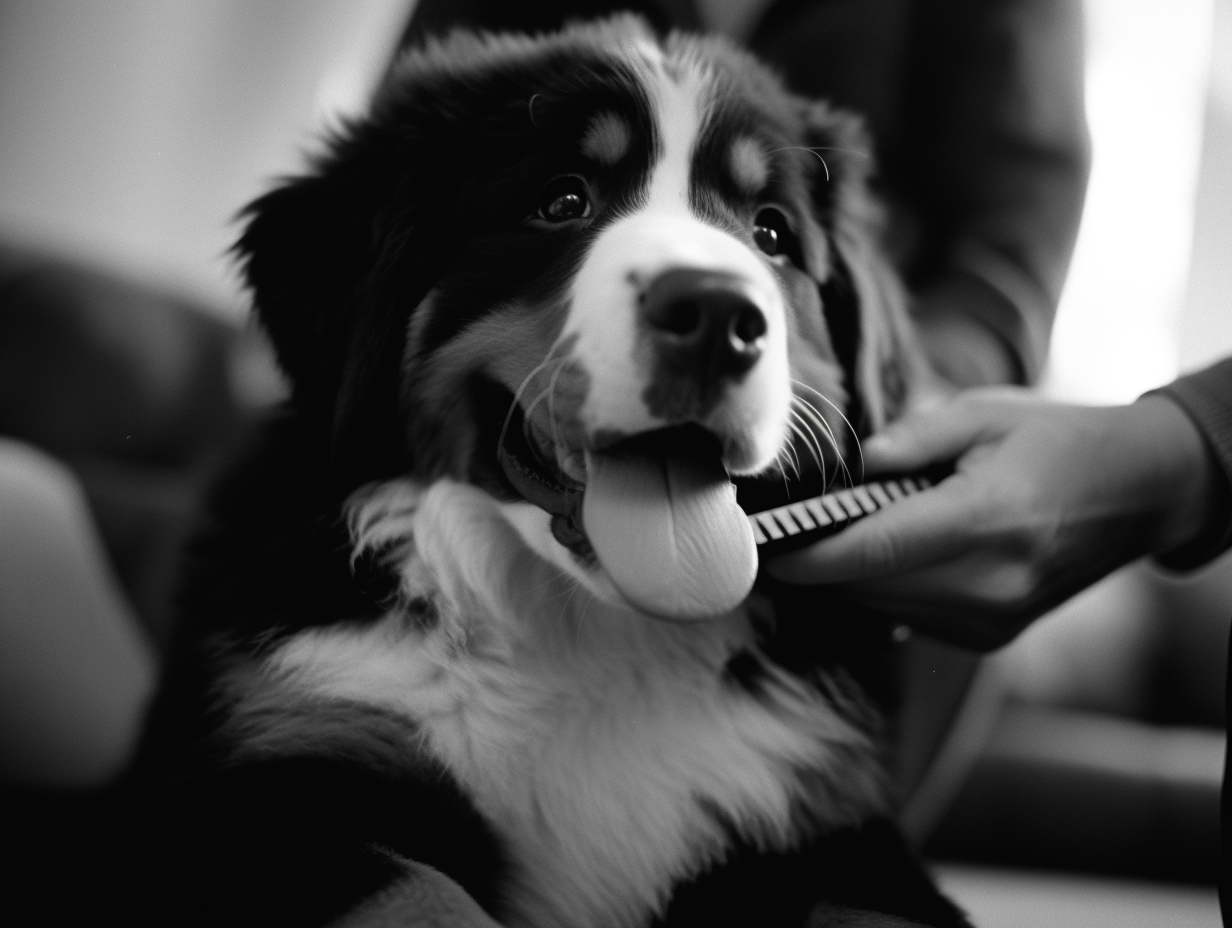
    Grooming your Bernese Mountain Dog puppy is an essential component of their care, as this breed features a thick double coat that requires regular brushing to avoid matting and promote healthy skin and coat. Nail trimming, nail care, and ear cleaning should also be undertaken regularly.

    Brushing and Bathing

    Regular grooming and bathing sessions with gentle puppy shampoo are vital to your Bernese Mountain Dog puppy’s hygiene and overall well-being. Brush his/her coat at least once weekly for matting or tangles; bathe him/her every month using professional shampoo for Bernese Mountain Dog puppies.

    Nail Trimming

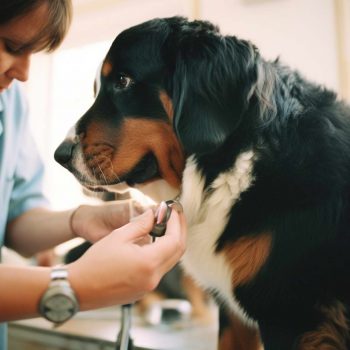
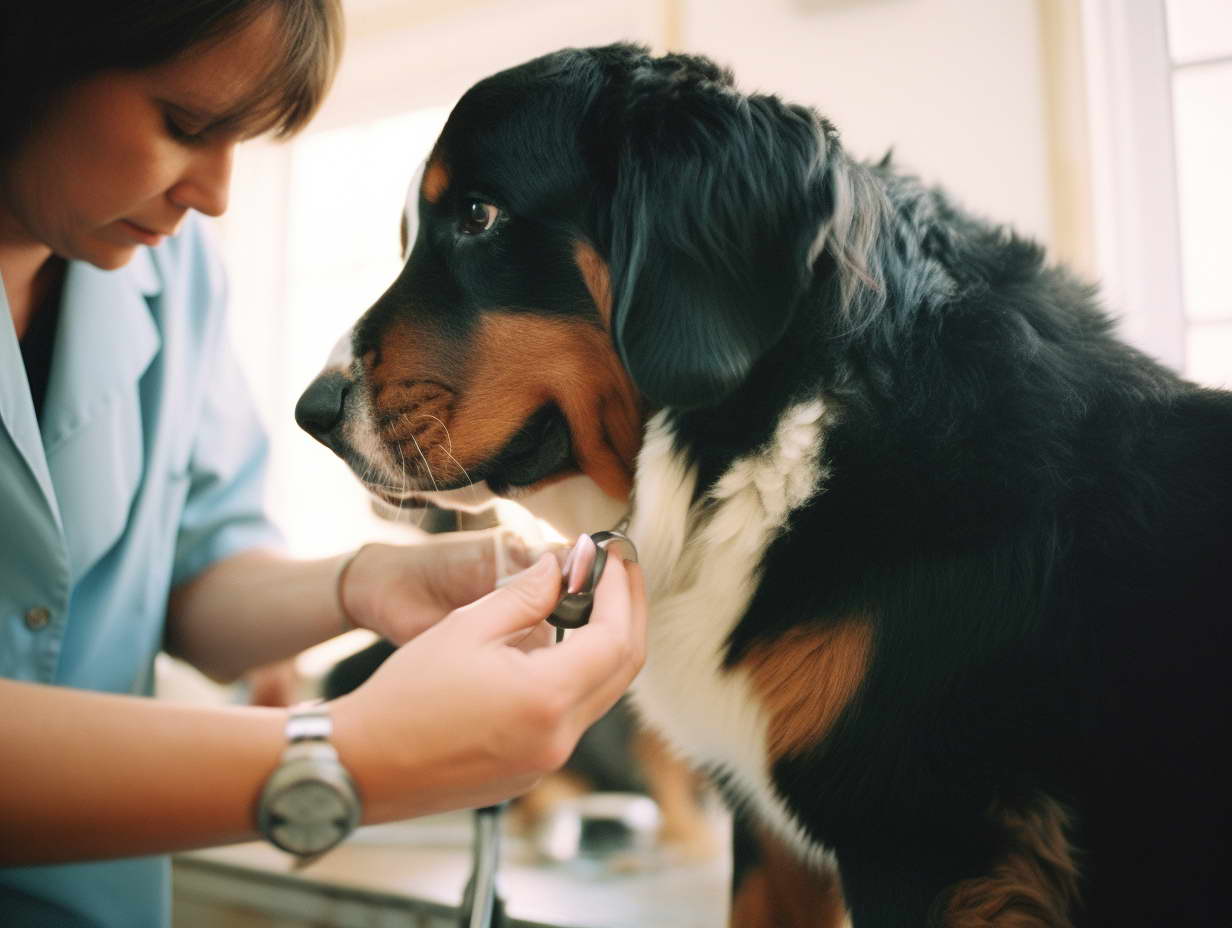
    Trim your Bernese Mountain dog puppy nails at least once every month to prevent them from becoming overgrown and causing discomfort. Use a specially-made nail trimmer, taking care not to cut too quickly (which could result in bleeding).

    Ear Cleaning

    Regular ear cleaning for your puppy will help avoid infections and the accumulation of wax. Use a gentle solution to gently cleanse its inner ear flap. Cotton balls can also help do their part!

    Training Your Bernese Mountain Dog Puppy
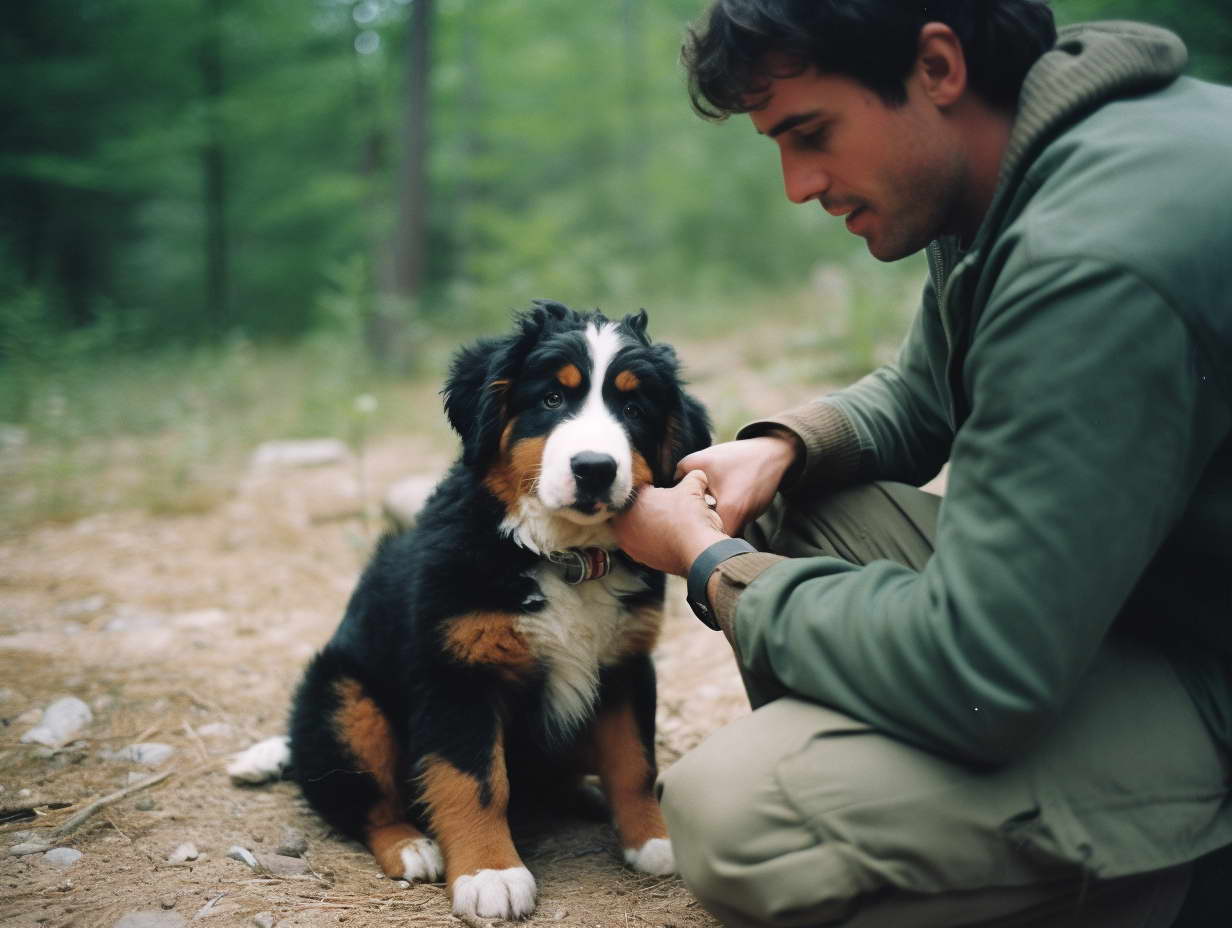
    Training Your Bernese Mountain Dog Puppy

    Training your Bernese Mountain Dog puppy is essential to their socialization, obedience, and overall well-being. These intelligent canines tend to respond well to positive reinforcement techniques used for training them.

    Basic Commands

    Training your Bernese Mountain Dog puppy with basic commands such as sit, stay, and come is crucial for his or her safety and obedience. Use positive reinforcement, such as treats or praise, to encourage him or her to heed commands.

    Socialization

    Early exposure to different people, animals, and environments can play a vital role in shaping your Bernese Mountain Dog puppy’s development and behavior. Introduce them gradually so they become comfortable with new experiences quickly.

    Obedience Training

    Training your Bernese Mountain dog puppy to behave responsibly and safely is vital. Enroll your pup in obedience classes so they can learn essential commands as well as socialization techniques.

    Bernese Mountain Dog Puppy Health and Wellness
    Bernese Mountain Dog Puppy Health and Wellness

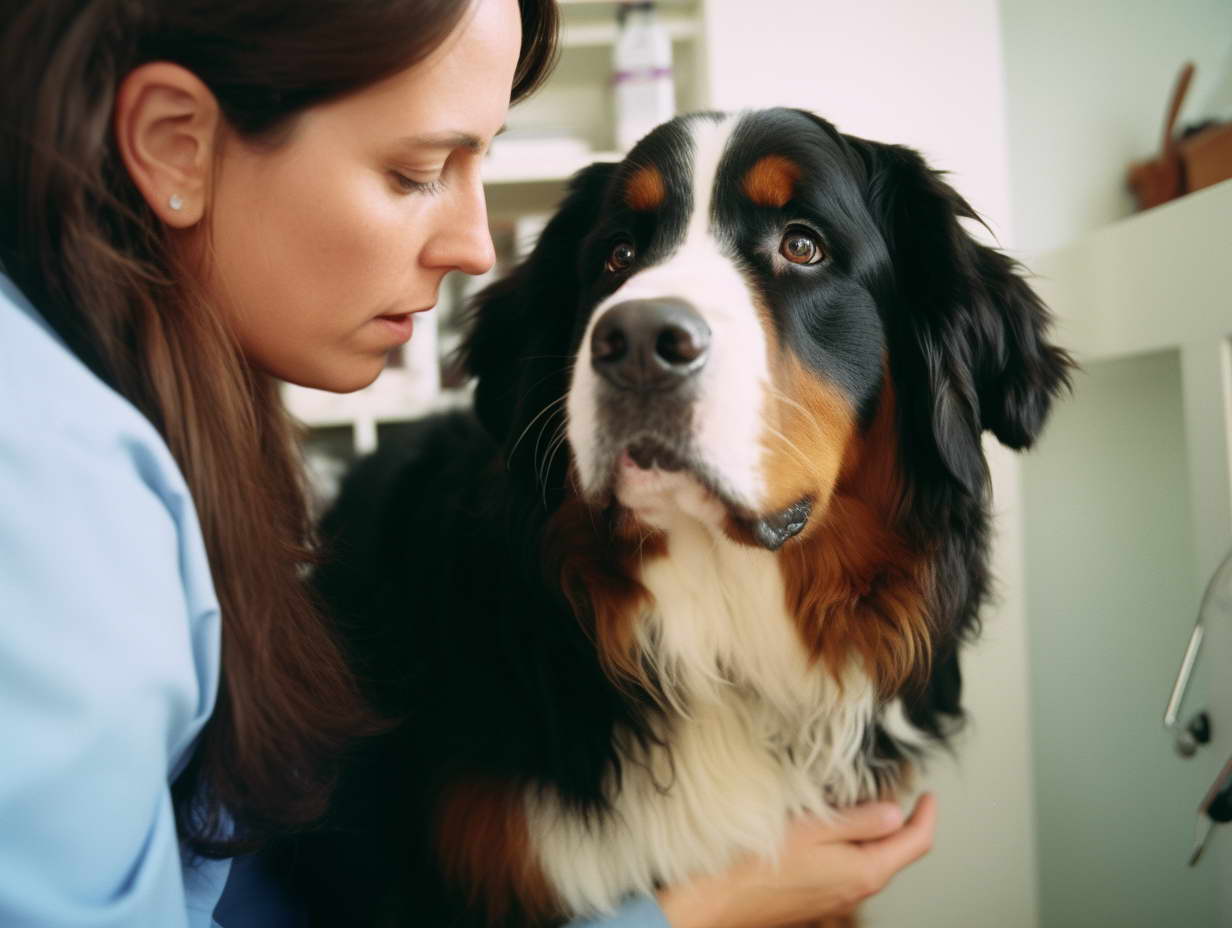
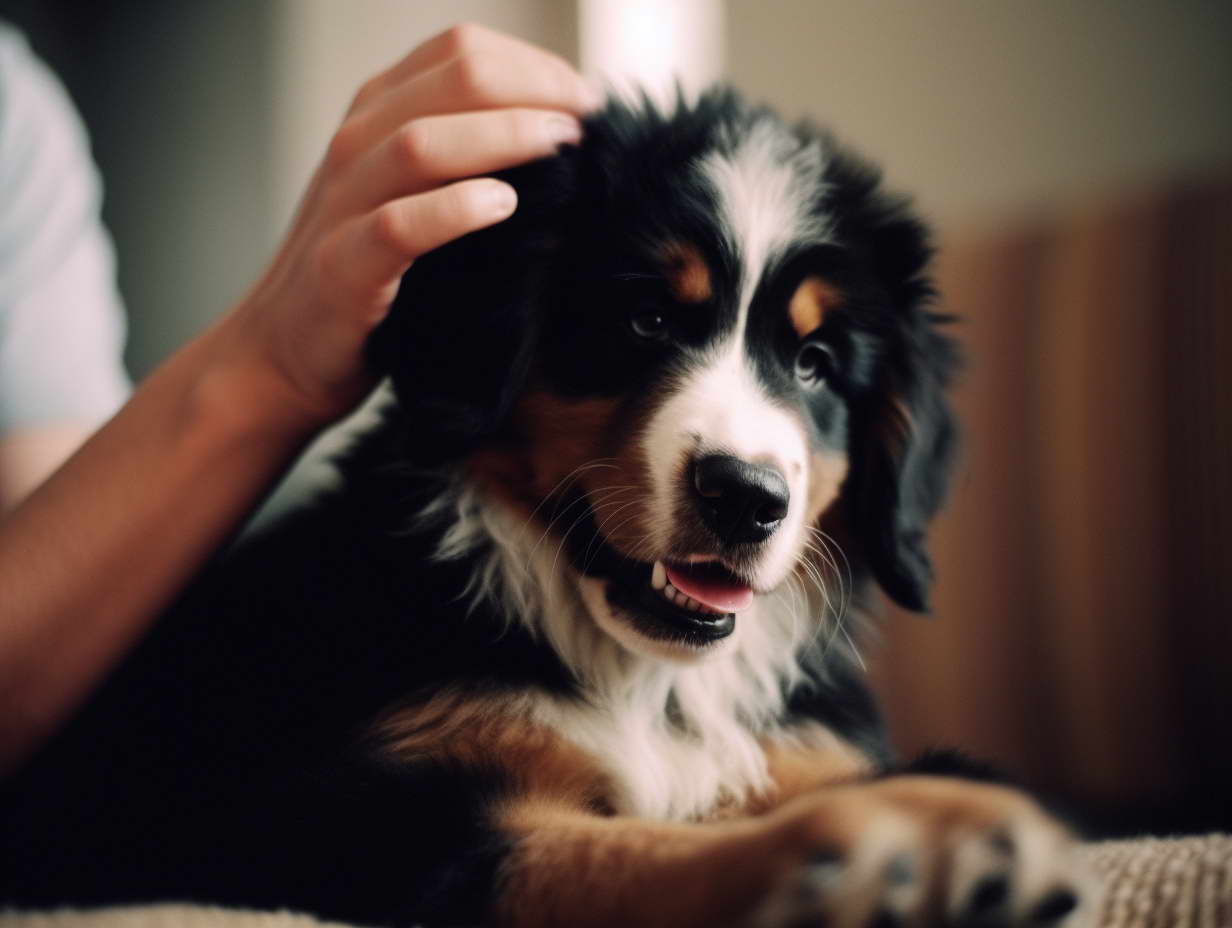
    Maintaining the Health and Wellness of Bernese Mountain Dog puppies is essential to their long-term happiness and quality of life. Because these breeds of dogs can be susceptible to certain health issues like hip and elbow dysplasia, regular vet check-ups with preventative measures such as vaccinations and parasite prevention are recommended in addition to routine blood work to detect any potential health concerns early.

    Vaccinations

    Staying current on vaccinations for your Bernese Mountain Dog puppy is vitally important to its overall health and protection from disease. Speak to your veterinarian to create an appropriate vaccination schedule.

    Regular Checkups

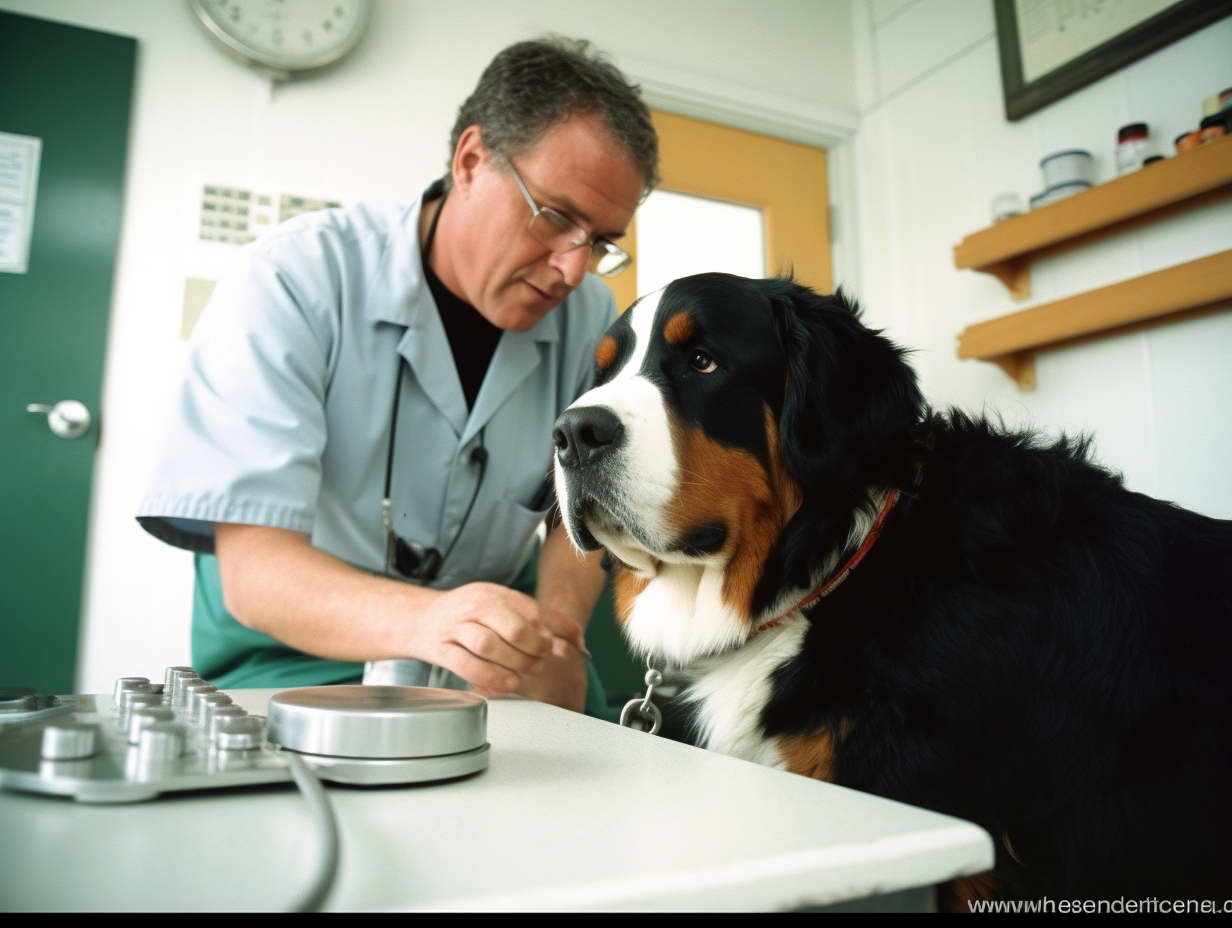
    Scheduling regular vet check-ups is essential to your Bernese Mountain dog puppy’s overall health and well-being. Scheduling appointments ensures your puppy is growing and developing appropriately while also providing the opportunity to address any potential health concerns that may arise.

    Parasite Prevention

    Flea and tick prevention treatments, along with regular deworming sessions as recommended by your veterinarian are essential in maintaining the health and welfare of your puppy. Regularly use flea and tick preventatives as well as deworm your pet accordingly.

    Final Thoughts

    Caring for a Bernese Mountain Dog puppy between 1-5 months requires extensive effort and attention. As these large, active canines have specific requirements that must be addressed to ensure they become happy and healthy adult dogs.

    Care for a Bernese Mountain Dog puppy should include feeding, exercise, grooming, training, healthcare, socialization, and mental stimulation – essential components to their development into trustworthy companions who bring years of joy into your life. By meeting all these fundamental needs in the right ways you can ensure they thrive into wonderful companions for life!

    Caretaking for a puppy requires long-term commitment, so patience, consistency, and dedication must be key throughout this journey. In time and with love from you both, your Bernese Mountain Dog puppy will become an indispensable member of your family who brings you endless happiness.

    If you have any inquiries or are concerned about caring for your Bernese Mountain Dog puppy, do not hesitate to consult a veterinarian or professional dog trainer for guidance and support to give him/her the best care possible. They can offer valuable insight.
    Frequently Ask Questions about Bernese Mountain Dog Puppy

    FAQs about Bernese Mountain Dog Puppy

    How often should I feed my Bernese Mountain Dog puppy?

    Puppies should be fed three to four times a day to ensure that they receive adequate nourishment to support their growth and development.

    How much exercise does my Bernese Mountain Dog puppy require?

    Bernese Mountain Dogs require moderate physical exercises such as walks or playtime in a fenced area for approximately 30-60 minutes daily, such as walks.

    How can I stop my Bernese Mountain dog puppy from chewing everything up?

    Providing your Bernese Mountain dog puppy with appropriate chew toys and supervising their playtime, can help ensure they avoid chewing inappropriate items.

    How often should I groom my Bernese Mountain Dog puppy?

    Your Bernese Mountain dog puppy requires regular grooming with gentle puppy shampoo bathing at least once every month and nail trimming every month; additionally, clean their ears weekly.

    When should I begin training my Bernese Mountain Dog puppy?

    Your Bernese Mountain dog puppy should start training from around 8-10 weeks of age to establish good behaviors and prevent bad habits from developing.

    How frequently should I visit my Bernese Mountain Dog puppy’s veterinarian?

    Maintaining your Bernese Mountain dog puppy’s overall health and well-being requires regular check-ups with its veterinarian, typically every 3-4 weeks during its first few months. These check-ups will ensure they’re growing and developing appropriately while also addressing any potential health concerns that arise.

    For article references and more details about How To Care Bernese Mountain Dog Puppy, link below: 

    The Key Characteristics of Bernese Mountain Dog Puppy You Need to Know

    Keeping Your Bernese Mountain Dog Puppy Healthy: What You Need to Know

    Top Tips for Training Your Bernese Mountain Dog Puppy

    Find Your Perfect Bernese Mountain Dog Puppy for Sale

    The Ultimate Guide: How Much Does a Bernese Mountain Dog Puppy Cost?

    Finding a Reputable Bernese Mountain Dog Puppy Breeder: What You Need to Know

    The Best Harnesses for Bernese Mountain Dog Puppy: Choosing the Right Fit for Your Furry Friend

    The Best Food for Your Bernese Mountain Dog Puppy

    The Best Collars for Bernese Mountain Dog Puppy

    The Best Toys for Bernese Mountain Dog Puppy

    Choosing the Right Bed for Your Bernese Mountain Dog Puppy – The Ultimate Guide

    Grooming Your Bernese Mountain Dog Puppy – Tips and Tricks

    How to Bathe Your Bernese Mountain Dog Puppy

    Understanding Hip Dysplasia in Bernese Mountain Dog Puppy

    The Complete Guide to Vaccinating Your Bernese Mountain Dog Puppy
  • Bernese Mountain Dog Q&A: Your Most Frequently Asked Questions Answered

    Bernese Mountain Dog Q&A: Your Most Frequently Asked Questions Answered

    Bernese Mountain Dog FAQ

    Bernese Mountain Dog Q&A: Get Your Frequent-Asked Questions Answered Here

    As any animal enthusiast knows, Bernese Mountain Dogs are an enchanting breed known for their size, strength, and loyalty – perfect companions for families! However, many prospective owners may have many questions before taking one into their home – in this article, we’ll address some of those frequently asked about this majestic breed of pup!

    What are Bernese Mountain Dogs?

    Bernese Mountain Dogs are a large breed of canines native to Switzerland’s Swiss Alps. These majestic canines are well known for their size, strength, and faithfulness and are often employed as working dogs. With a distinctive tri-color coat consisting of black, white, and rust, and an easygoing personality – Bernese Mountain Dogs make excellent family companions!

    What is the history of Bernese Mountain Dogs?

    The Bernese Mountain Dog is thought to have evolved from Roman Mastiff dogs brought over from Switzerland during the Roman occupation in the first century BC. At first, these farm dogs were used to pull carts, herd cattle, and guard their owners’ properties before later becoming household pets as well. Today they still serve similar functions but are increasingly used as family companions as well.

    What does a Bernese Mountain Dog look like?

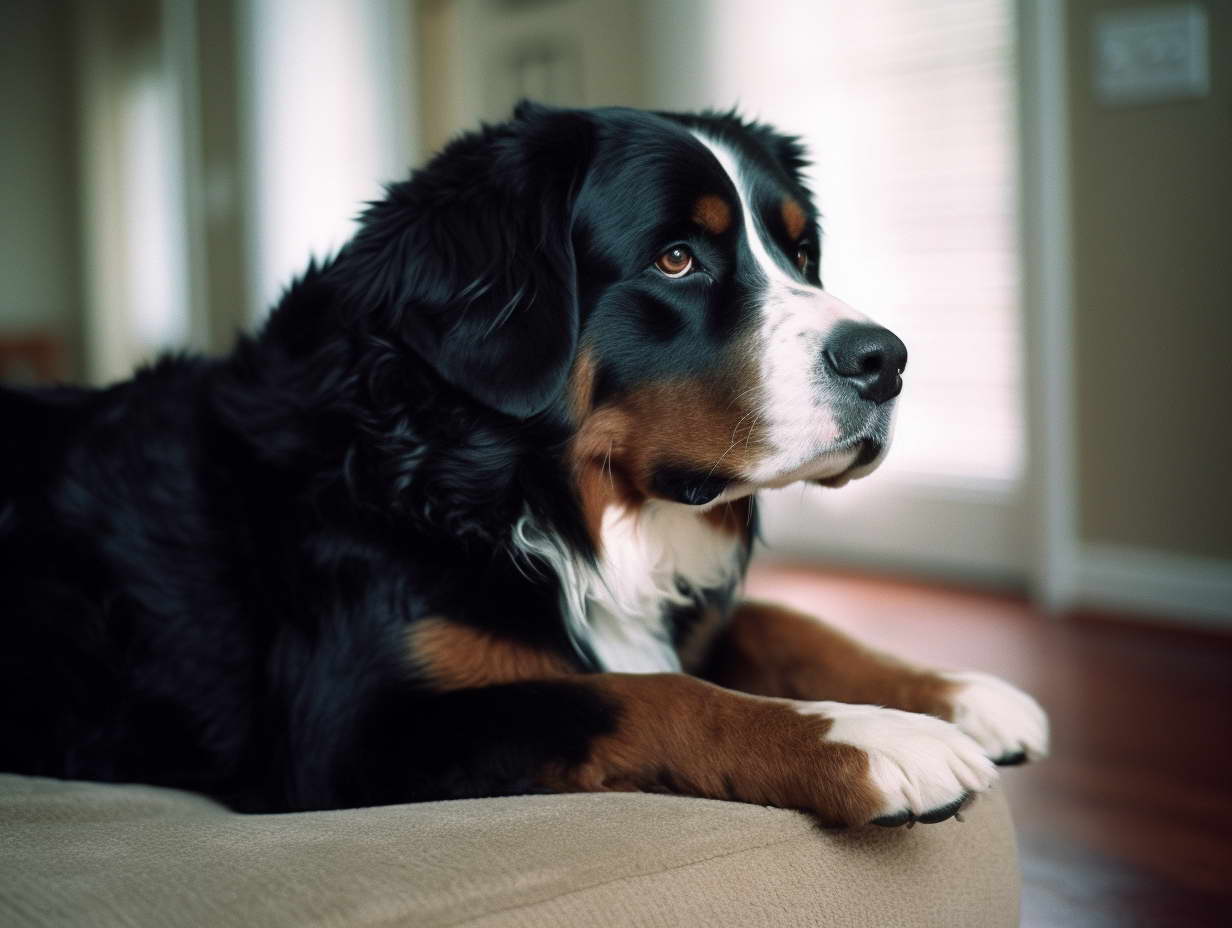
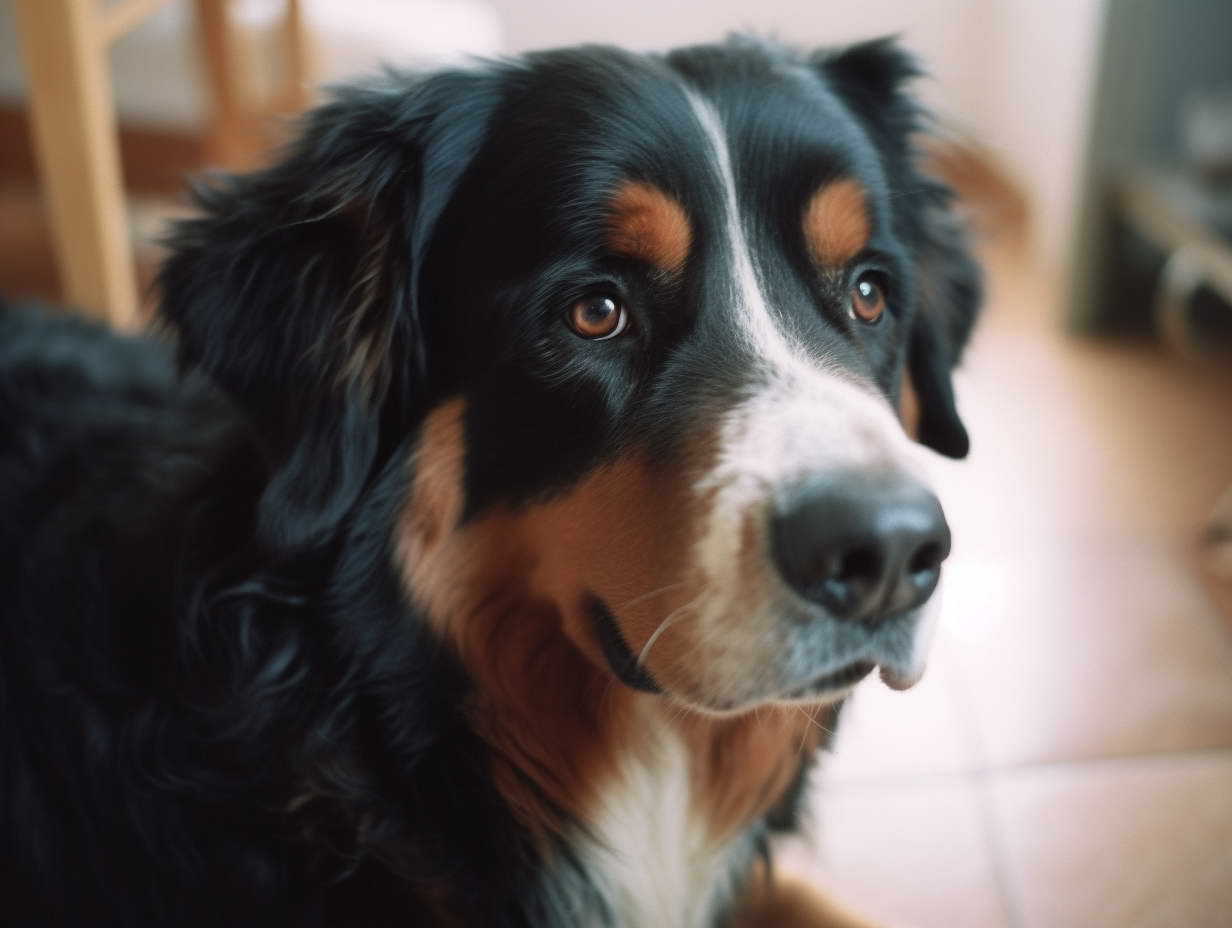
    Bernese Mountain Dogs are large, sturdy dogs known for their tri-color coats – black base coats with white and rust markings on the chest, face, and legs. This thick dense coat helps them stay warm during colder temperatures. These dogs also boast wide heads with floppy ears and friendly expressions.

    What are the characteristics of a Bernese Mountain Dog?

    Bernese Mountain Dogs are beloved family companions. Known for their peaceful demeanor and loving loyalty to their owners, these breeds can also be wary of strangers. Additionally, Bernese Mountain Dogs make excellent family pets; however, they may require consistent training sessions.

    How much exercise does a Bernese Mountain Dog require?

    Bernese Mountain Dogs are large breeds that need daily exercise to remain healthy and content. These pups enjoy long walks, hikes, and yard playtime; however, it’s important not to overexert them when young as this could lead to joint issues in later years.

    What level of grooming do Bernese Mountain Dogs require?

    Bernese Mountain Dogs feature thick double coats that require regular grooming to avoid matting and tangles, as they shed moderately year-round but heavily during shedding season. Brushing them twice a week can keep their coat healthy and shiny.

    What health issues do Bernese Mountain Dogs experience?

    Bernese Mountain Dogs can be susceptible to several health conditions, including hip dysplasia, elbow dysplasia, and cancer. Additionally, these breeders should screen their breeding stock for any genetic health problems to minimize the risks.

    How long is the average lifespan of a Bernese Mountain Dog?

    Bernese Mountain Dogs generally live between 7 to 8 years with proper care, however, some Bernese Mountain Dogs may live for 10 or even more.

    Are Bernese Mountain Dogs good with children?

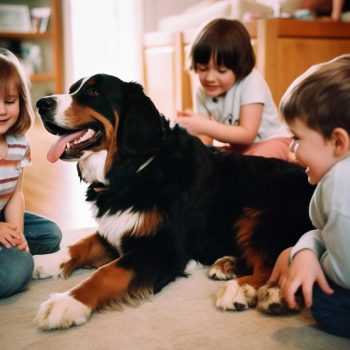
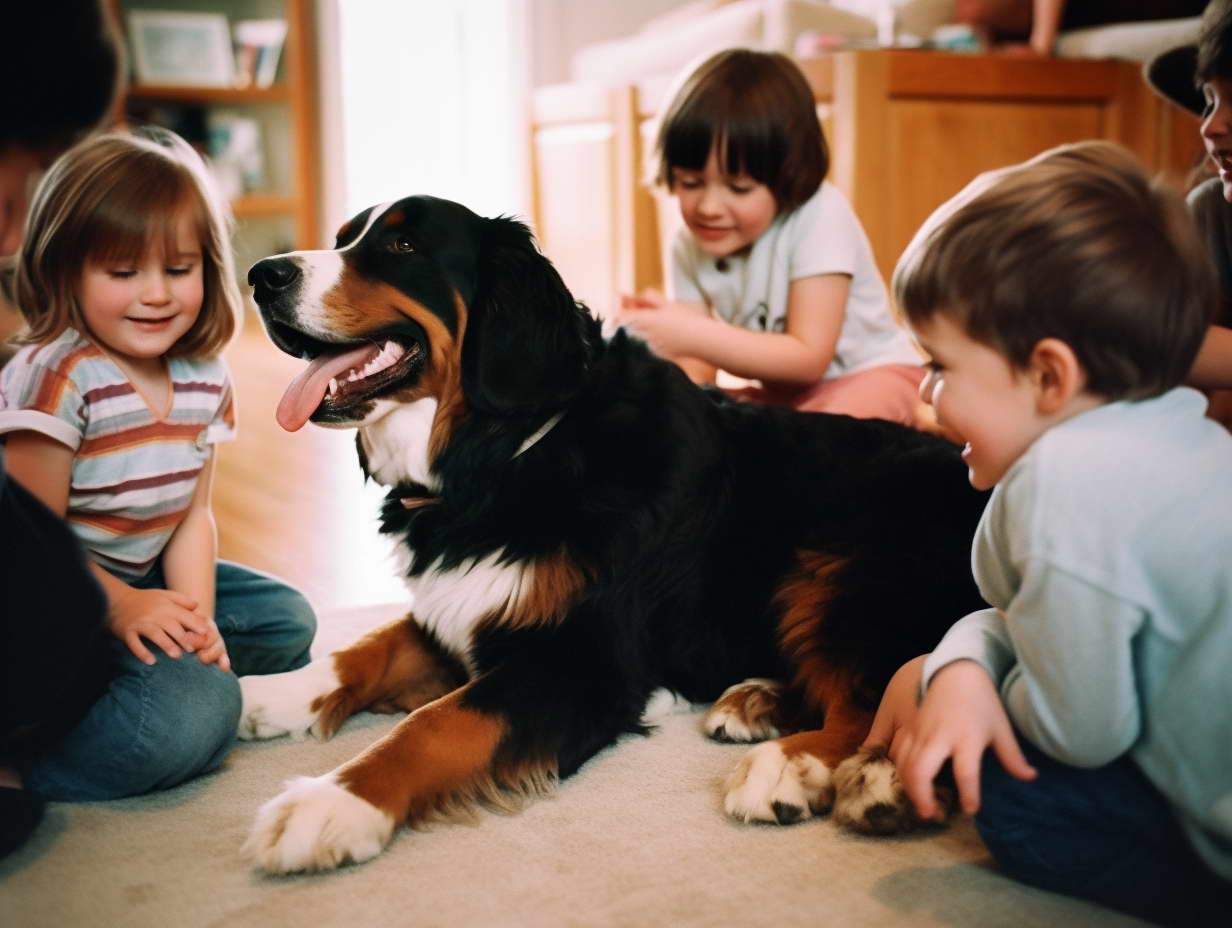
    Yes, Bernese Mountain Dogs tend to get along well with children. Their gentle and patient disposition makes them great playmates for children of any age; however, as with any breed, interactions between children and dogs must remain safe for both parties involved.

    Are Bernese Mountain Dogs suitable to live alongside other pets?

    Bernese Mountain Dogs can make great companion pets if properly socialized and trained, however, their strong prey drive means that they may pursue smaller animals – it is, therefore, crucial that you supervise your Bernese around other pets.

    How much do Bernese Mountain Dogs cost?

    Bernese Mountain Dogs can be costly; prices can range anywhere from $1,500 to $5,000 or higher depending on the breeder and dog’s lineage. When shopping for one, make sure that it comes from a reputable breeder who screens all breeding stock for genetic health issues and checks to see whether any genetic diseases exist within its breeding program.

    Where can I adopt Bernese Mountain Dogs?

    If you’re interested in adopting a Bernese Mountain Dog, your first stop should be local animal shelters and breed rescue organizations. Often these organizations offer dogs for adoption at reduced costs than buying directly from breeders.

    How can I train a Bernese Mountain Dog?

    Bernese Mountain Dogs are intelligent yet stubborn dogs. Positive reinforcement techniques such as reward-based and clicker training may be successful at training them; socialization should begin early to prevent behavior problems later.

    How can I socialize my Bernese Mountain Dog?

    Socializing a Bernese Mountain Dog means exposing them to various people, animals, and environments from an early age. This helps ensure they become well-adjusted and confident canines; puppy classes and socialization events may help foster this process.

    What should I know before getting a Bernese Mountain Dog?

    Before purchasing a Bernese Mountain Dog, it’s essential to carefully consider its size and exercise needs. They require daily activity and may not be suitable for apartment living; additionally, they shed heavily requiring regular grooming sessions. Furthermore, it’s vitally important that buyers purchase from reputable breeders while being prepared for potential health concerns associated with the ownership of such an animal.

    Conclusion

    In conclusion, Bernese Mountain Dogs are a beautiful and loyal breed that makes great companions for families. However, as with any breed, it’s important to do your research and understand their needs before bringing one home. By properly caring for and training your Bernese Mountain Dog, you can enjoy many happy years together.

  • Uncovering the Truth: Bernese Mountain Dog Breeder Red Flags

    Uncovering the Truth: Bernese Mountain Dog Breeder Red Flags

    Bernese Mountain Dog Breeder Red Flags

    Discovering the Truth: Bernese Mountain Dog Breeder Red Flags

    Are You Searching for a Bernese Mountain Dog to Adopt? These friendly, loyal giants are popular pet choices, yet it’s important to find a reputable breeder to ensure their health and well-being. Unfortunately, not all breeders provide equal care; some may cut corners or prioritize profits over animal wellbeing; in this blog post we’ll look at Bernese Mountain Dog Breeder Red Flags: What to Watch Out For to help make an informed decision.

    Red Flags for Bernese Mountain Dog Breeders: What to Keep an Eye Out for

    When searching for a Bernese Mountain Dog breeder, there are certain red flags you should watch out for. These indicators could signal that the breeder may not prioritize the health and well-being of their dogs as promised. Here are some red flags to watch out for when selecting one:

    Noncompliance With Health Certifications

    One of the primary factors when selecting a breeder is to ensure the health of their dogs or Bernese mountain dogs. Reputable breeders will conduct screenings with certification from organizations like Orthopedic Foundation for Animals (OFA) or Canine Health Information Center (CHIC), to demonstrate that each dog has been checked for common health issues with positive results.

    If a breeder cannot provide health certifications or screen their dogs for common health issues, this could be seen as a red flag and could indicate they’re cutting corners and prioritizing profits over the welfare of their canines.

    Lack of Socialization

    Socialization is vitally important to all puppies, particularly Bernese Mountain Dogs. These dogs are known for their gentle demeanor, so socialization must take place early so they become well-behaved adult dogs. When breeders fail to prioritize this step with their pups it could result in behavioral issues later.

    When searching for a breeder, inquire into their socialization practices. A reputable breeder will ensure their puppies have access to various people, places, and experiences that ensure they become well-adjusted and confident adults.

    No Interaction With Bernese Mountain Mix Puppies

    Reputable breeders welcome potential adopters into their facility and allow them to spend time with their puppies, allowing them to see living conditions, interact with them, and get an understanding of their temperaments.

    If a breeder refuses to allow you to interact with or view their puppies, this could indicate they are not providing sufficient care for the dogs in their care.

    Puppy Sales Before They Are Age-Appropriate

    Puppies must remain with their mother and littermates until at least 8 weeks of age to ensure proper socialization and development. Any breeder selling puppies before 8 weeks could be an indication that profits come before care for the pups.

    Lack of Information and Assistance

    Reputable breeders provide you with all of the information and support needed to care for their Bernese Mountain Dog, such as feeding instructions, vaccination schedules, training tips, and ongoing support throughout your dog’s life. If they do not offer such support it could be seen as an indicator that their only aim is selling more dogs rather than making sure their puppies go to good homes.

    Overbreeding

    Unethical breeders frequently engage in overbreeding practices that place the health and welfare of both mother and her puppies at risk. A reputable breeder will only breed their dogs when necessary and allow enough rest time between litters.

    When breeders breed dogs excessively or produce multiple litters simultaneously, this should raise alarm bells. It could indicate that they are more interested in making money than in providing quality care to their canines.

    Lack of Transparency

    Reputable breeders will always be open and honest about their breeding practices and willing to answer any queries from prospective clients. If a breeder refuses to share information about their dogs or breeding practices, that should raise an alarm bell – perhaps because it indicates they may be hiding something!

    Uncovering the Truth Bernese Mountain Dog Breeder Red Flags

    FAQs

    How do I find a reputable Bernese Mountain Dog breeder?

    To find a reputable Bernese Mountain Dog breeder, start by researching breeders in your area. Look for breeders who prioritize the health and well-being of their dogs and who have a good reputation within the community. You can also ask for recommendations from local veterinarians or other pet owners.

    How much should I expect to pay for a Bernese Mountain Dog from a reputable breeder?

    The cost of a Bernese Mountain Dog from a reputable breeder can vary depending on the breeder and the dog’s pedigree. Expect to pay anywhere from $1,500 to $4,000 for a Bernese Mountain Dog from a reputable breeder.

    Can I adopt a Bernese Mountain Dog from a shelter or rescue organization?

    Yes, you can adopt a Bernese Mountain Dog from a shelter or rescue organization. However, keep in mind that these dogs may have unknown health or behavioral issues, and you may not know their history. If you choose to adopt from a shelter or rescue organization, be sure to do your research and choose a reputable organization.

    Conclusion

    Adopting a Bernese Mountain Dog can be a wonderful experience, but it’s important to choose a reputable breeder. By watching out for Bernese Mountain Dog Breeder Red Flags, you can ensure that your dog is healthy and well-cared for. Remember to always do your research, ask questions, and prioritize the health and well-being of the dog over anything else.

  • Bernese Mountain Dog Genetics and Health Testing

    Bernese Mountain Dog Genetics and Health Testing

    Bernese Mountain Dog Genetics and Health Testing

    Bernese Mountain Dog Genetics and Health Testing: Ensuring a Bright Future for Your Furry Friend

    Bernese Mountain Dogs are beloved companions, beloved for their friendly disposition and eye-catching looks. Unfortunately, these beautiful canines may suffer from certain health problems that impact their quality of life – which makes educating oneself on Bernese Mountain Dog genetics and health testing so essential.

    In this article, we’ll delve deep into Bernese Mountain Dog genetics and health testing. We will look at common health issues experienced by these dogs as well as the importance of genetics on their well-being as well as testing options available to ensure your furry friend remains in top shape. Let’s get going!

    Understanding Bernese Mountain Dog Genetics

    Bernese Mountain Dogs, like other breeds of canines, inherit specific traits and characteristics from both parents. These traits are determined by genes – the building blocks of heredity. Understanding Bernese Mountain Dog genetics is vital to detect potential health issues as well as ensure the long-term well-being of your companion animal.

    Common Health Concerns in Bernese Mountain Dogs

    Bernese Mountain Dogs can suffer from various health conditions. Some of the more prevalent include:

    • Hip Dysplasia: When the hip joint doesn’t form correctly, causing pain and mobility issues.
    • Elbow Dysplasia: Similar to Hip Dysplasia, elbow dysplasia affects elbow joints as well and may result in pain or lameness.
    • Bloat: Bloat is a serious life-threatening condition in which gas builds up in the stomach and twists onto itself.
    • Cancer: Bernese Mountain Dogs have an increased risk of cancers such as lymphoma and histiocytic sarcoma.

    Genetic Factors in Bernese Mountain Dog Health

    Genetics plays a pivotal role in the health of Bernese Mountain Dogs. While certain genes may increase the risk of certain health conditions, others can protect them.

    Studies published in BMC Veterinary Research revealed that certain genes were associated with an increased risk of hip dysplasia among Bernese Mountain Dogs. By understanding these genetic factors, breeders can make informed decisions regarding which dogs to breed with to lessen the chance of passing along these genes to offspring.

    Bernese Mountain Dog Health Testing Options Available

    Genetic Factors in Bernese Mountain Dog Health

    Health testing is an integral component of responsible breeding and pet ownership, providing insights into potential problems with Bernese Mountain Dogs. There are various tests available that can identify possible issues for these beautiful canines; among the more popular tests are:

    • Hip and elbow evaluations: These tests examine joints for signs of dysplasia or other issues.
    • DNA testing: Numerous DNA tests exist that can identify genetic markers associated with various health issues, including hip dysplasia and cancer.
    • Eye Exams: Bernese Mountain Dogs can be susceptible to certain eye issues, including cataracts and progressive retinal atrophy. Routine eye exams can help detect these problems early and detect them early before any significant damage is done.

    By conducting these tests and using their results to guide breeding decisions, breeders can help decrease the prevalence of specific health conditions in Bernese Mountain Dog populations.

    Frequent Questions About Bernese Mountain Dog Genetics and Health Testing

    1. How can I locate a reliable breeder who offers health testing services?
      Look for breeders that are transparent about their breeding practices and offer documentation of health testing on their breeding dogs. Ask breed clubs or organizations for referrals when searching.
    2. Can Bernese Mountain Dogs with genetic health problems still lead happy, fulfilling lives?
      Yes. With proper management and treatment, many dogs with genetic health issues can still lead happy lives. You must work closely with your veterinarian in creating a treatment plan to maximize the quality of life for your furry friend.
    3. Are Bernese Mountain Dogs predisposed to genetic health issues?
      Although it’s impossible to completely avoid genetic health problems in Bernese Mountain Dogs, responsible breeding practices and health testing may help decrease their prevalence and support overall wellness and well-being. Furthermore, nutrition, exercise, and preventive care services all play an essential role in maintaining good health in this breed.
    4. How often should my Bernese Mountain Dog be checked for health issues?
      Testing frequency depends on many factors, including age, overall health status, and breed-specific risk factors. Your veterinarian can help develop an ideal testing schedule that suits your pet.

    Summary

    Understanding Bernese Mountain Dog genetics and health testing is vital to provide your beloved Bernese with a long, happy, healthy life. By working with responsible breeders who prioritize health testing as well as providing ongoing preventive care and early intervention services, you can help give them the best chance at living a long and fulfilling life.

    Remember, genetics is just one factor when it comes to maintaining the health and happiness of your Bernese Mountain Dog. With proper veterinary care, nutrition, exercise, socialization activities, and enough affection from you and other family members, your furry companion could thrive for many years ahead.

    If you are thinking about adopting Bernese Mountain Dogs, read here: https://petsidi.com/bernese-mountain-dogs-for-sale/

  • Bernese Mountain Dog Activities for Kids

    Bernese Mountain Dog Activities for Kids

    Bernese Mountain Dog Activities for Children

    Bernese Mountain Dog Activities for Children

    Bernese Mountain Dogs make wonderful companions for children. Known for their intelligence and adaptability, these intelligent yet playful canines need regular exercise and activities in order to remain happy and healthy. Here we explore some fun activities children can share with their Bernese Mountain Dog.

    Daily Walks

    Bernese Mountain Dogs require daily exercise to remain healthy and content, making walks an excellent way of both spending quality time together as well as getting some fresh air. Take your pup for an excursion around your neighborhood or into a nearby park; encourage him or her to sniff around while also providing water and treats!

    Hiking

    Bernese Mountain Dogs love adventure. To bond with them while getting some exercise outside, taking your Bernese on a hike is an amazing opportunity for bonding – make sure that the trail you select fits their age and fitness level, and bring plenty of water and snacks – you might both need them for survival!

    Agility Training

    Agility training is an ideal way to engage the mind and body of your Bernese Mountain Dog. Set up a backyard agility course or sign your pup up for classes; both options offer obstacles like tunnels, jumps, and weave poles which provide challenges that help build coordination, confidence, and fitness in dogs of any breed or size.

    Bernese Mountain Dogs love playing fetch! Simply throw a ball or frisbee for them and watch as they race after it – playing fetch can improve agility, speed, and bonding between you two, as well as help improve their overall fitness and agility levels.

    Swimming

    Bernese Mountain Dogs are natural swimmers that adore playing in the water. Take your Bernese to a nearby lake or river and let him or her enjoy playing and splashing about in its clean waters – swimming provides low-impact physical therapy that’s great for joints, muscles, and overall fitness!

    Obedience Training

    Obedience training is key for all dogs, Bernese Mountain Dogs included. Teaching basic commands such as sit, stay, and come can keep your pup safe and well-behaved – consider enrolling them in an obedience class in your neighborhood or working with a professional trainer for best results.

    Dog Sports

    Bernese Mountain Dogs can excel at numerous dog sports, such as obedience, agility, and tracking. Consider getting involved with one or more of these activities together – not only will this provide your canine with ample opportunity for exercise and socialization – it may also prove a rewarding experience for both of you.

    Playdates

    Bernese Mountain Dogs are social animals who thrive when playing with other canines, so set up playdates between dogs in your neighborhood or bring him/her along to an area dog park – it will allow him/her to exercise, socialize and interact with their fellow four-legged peers! This can provide invaluable opportunities for exercise and companionship!

    Bike Rides

    If your Bernese Mountain Dog has plenty of energy to expend, try taking him or her for a bike ride! Use either a special dog bike trailer or leash and set out safely from home on an adventure together – not only will your furry pal enjoy themselves immensely while exercising in nature and getting exercise, but this could be an enjoyable way for both of you to stay fit together while bonding as best friends!

    Cuddles

    Bernese Mountain Dogs are well known for their loving and affectionate personalities, so spending some quality cuddling time can be an excellent way to strengthen bonds and show love and affection towards your furry pal.

    Bernese Mountain Dogs make fantastic companions for children

    Bernese Mountain Dogs make fantastic companions for children, yet require regular exercise and activities to remain happy and healthy. From daily walks to agility training sessions, Bernese Mountain Dogs can participate in many fun and engaging activities with kids that help maintain a healthy environment for them both – with regular play dates between them all, these Bernese Mountain Dogs need routine activities in their day to keep active, happy lives! By including these into their routine schedule you can ensure their well-being stays active, joyful, and vibrant for years!

    Keep in mind, however, that not all activities are suitable for every dog. Before engaging in any new activity with your Bernese Mountain Dog it’s advisable to consult with their veterinarian to ensure it will be safe and suitable for his age, health status, and fitness level.

    Keep your Bernese Mountain Dog safe by always being present when engaging in any physical activities to ensure its well-being and ensure many enjoyable years together! By following these guidelines, you will enjoy many happy years with your Bernese Mountain Dog companion!

    Are You Searching For Fun And Engaging Ways to Spend Time with Your Bernese Mountain Dog? Consider One Of These Activities Today! From hiking to swimming, everyone in your household is sure to have something they enjoy; with some creativity and effort from yourself, you can ensure your Bernese Mountain Dog remains healthy, happy, and active for many years ahead!

    FAQs

    1. What breed of Bernese Mountain Dog can I trust with children?
      Bernese Mountain Dogs are well known for their gentle temperaments, making them excellent choices as companion animals for children. 
    2. How much exercise do Bernese Mountain Dogs require?
      Bernese Mountain Dogs need at least 30-60 minutes of daily physical exercise to remain healthy and happy. 
    3. Can Bernese Mountain Dogs swim?
      Bernese Mountain Dogs are natural swimmers and love playing in the water. 
    4. What must I consider before taking my Bernese Mountain Dog on an outing?
      Before embarking on any hike with your Bernese Mountain Dog, be mindful of their age, fitness level, and difficulty of the trail. Pack plenty of water and snacks as well as keep them on a leash at all times. 
    5. Do Bernese Mountain Dogs require obedience training?
      Yes, obedience training for Bernese Mountain Dogs is necessary for their wellbeing and well-being. Learning basic commands will keep them safe and well-behaved at home and with other humans.

    Read More about how to get Bernese Mountain Dogs here: https://petsidi.com/bernese-mountain-dogs-for-sale/

  • Bernese Mountain Dog Temperament and Personality Traits

    Bernese Mountain Dog Temperament and Personality Traits

    Bernese Mountain Dog Temperament and Character Traits

    Bernese Mountain Dog Temperament and Character Traits: Understanding This Adorable Breed

    Bernese Mountain Dogs are an increasingly popular and beloved breed known for their large size, striking appearance, and gentle disposition. While these dogs make ideal family pets and loyal companions, their unique temperament and personality traits must be carefully considered before adding one to your home. In this blog post, we will examine these aspects further and gain more insight into what makes Bernese Mountain Dogs special.

    Bernese Mountain Dogs, commonly referred to as Berners, are a large breed of dog that originated in Switzerland’s Alpine regions. Although originally used for pulling carts and herding livestock, Berners have since become popular family pets with friendly natures, striking appearance, and their signature coat featuring black, white, and rust colors.

    If you are considering adopting a Bernese Mountain Dog into your family, you must learn their distinct temperament and personality traits. Though these dogs tend to be friendly and loving companions, they still require lots of love, care, exercise, and socialization activities – which we will discuss further in subsequent sections.

    Bernese Mountain Dog History and Origins

    Bernese Mountain Dogs boast an extraordinary history dating back to Roman Empire times. These working-bred canines were first utilized as cart-pulling, livestock herding, and watchdogging companions in Switzerland during the Roman era; later revived by breeders in the early 20th century.

    Bernese Mountain Dogs have long been recognized by the American Kennel Club and are popular breeds worldwide. While some still use Bernese Mountain Dogs for working purposes, many more keep them as family pets today.

    Physical Characteristics of Bernese Mountain Dogs

    Bernese Mountain Dogs are large breed dogs, typically weighing 80-115 pounds in male form and 70-95 for females. Males typically range between 80 and 115 pounds while females average 70 to 95. These unique dogs boast an eye-catching tri-color coat: black on the back, sides, chest & legs as well as cheeks/brows rust rust-colored coat. Furthermore, Bernese Mountain Dogs feature broad heads with floppy ears & thick bushy tails!

    Bernese Mountain Dog Temperament and Personality Traits

    Temperament and Personality Traits of Bernese Mountain Dog

    Bernese Mountain Dogs are beloved family companions known for their gentle demeanor, friendly disposition, and loyalty – qualities that have earned them many fans across generations of families with young kids. Yet these unique personality traits should be carefully considered before welcoming one into your home.

    – Loyal and Affectionate

    Bernese Mountain Dogs are beloved companions, famously loyal and affectionate pets known for forming strong bonds with their owners while protecting them fiercely from harm. One of their main characteristics is loyalty. These pups form strong relationships with those they care for while fiercely protecting them in return.

    – Gentle and Calm

    Bernese Mountain Dogs are widely revered for their gentle and submissive temperament, often showing great patience around children and other animals while never becoming aggressive or dominant. Each Berner is individual; some may show more dominant or aggressive tendencies.

    – Intelligent and Willing to Please.

    Bernese Mountain Dogs are highly intelligent dogs who strive to please their owners. As fast learners and responsive participants in positive reinforcement training techniques, these Bernese can often learn quickly; yet at times can become stubborn so it is crucial that early in your relationship establish yourself as the pack leader and take charge.

    – Refractive and Independent Behavior Analysis.

    Bernese Mountain Dogs may be eager to please their owners, yet can sometimes be stubborn and independent. Bred for working independently in Switzerland’s Alpine regions, these Berners may require less obedience training than other breeds; to ensure you get the maximum benefit out of training your Berner, regular socialization should take place to make him or her respond well to commands and be well-behaved!

    – Protective and Watchful

    Bernese Mountain Dogs are well known for their protective and watchful qualities, being especially vigilant around families they perceive to be threatened and territorial if this sense is violated. Though this characteristic makes it an effective watchdog, training your Bernese Mountain Dog to distinguish real threats from harmless visitors should always take priority over instinctual protectiveness.

    Training and Socialization of Bernese Mountain Dog

    Training and Socialization of Bernese Mountain Dog

    Bernese Mountain Dogs require both training and socialization as they may become stubborn or independent at times. Establish yourself early as a pack leader while offering consistent positive reinforcement training sessions to ensure that they become compliant and well-behaved members of your household.

    Socializing Bernese Mountain Dogs from an early age is also key, as these breeds tend to be wary of strangers or unfamiliar environments. Introduce your Bernese to as many people, animals, and environments as possible so they are well-adjusted and comfortable in various circumstances.

    Exercise and activity requirements of Bernese Mountain Dog

    Bernese Mountain Dogs are high-energy breeds that need plenty of physical exercise to remain healthy and content. These energetic canines enjoy long walks, hikes, and outdoor pursuits where they can run around freely – environments that foster this activity are their preferred environments!

    However, it’s essential not to overexert your Berner when exercise occurs during periods of high temperature or humidity; they are vulnerable to overheating and could potentially suffer heatstroke if not given ample rest and water breaks.

    Health Concerns and Considerations for Bernese Mountain Dogs

    Bernese Mountain Dogs tend to be healthy breeds; however, like all canines, they are susceptible to certain health concerns like hip dysplasia, elbow dysplasia, bloat, and cancer. These concerns have become prevalent with Berners.

    When purchasing a Bernese Mountain Dog, you must work with an established breeder as this will give you access to information regarding both parents and relatives of your pup. Regular vet check-ups and preventative measures will ensure you keep your new best friend healthy by helping manage any possible health concerns or preventing new ones.

    Finding a Bernese Mountain Dog: Tips for Potential Owners

    When looking to bring home a Bernese Mountain Dog as part of your family, do your research carefully and select an animal that matches both your lifestyle and needs. A few helpful hints include:

    • Consider working with a reputable breeder who can offer reliable information regarding the health history and temperament of each dog for sale, your living situation, and whether there is enough space and appropriate environment for such a pet, and make sure that you can accommodate its high energy and exercise needs as soon as you bring him or her home.
    • Understand grooming requirements of Bernese Mountain breed, such as regular brushing and grooming sessions; prepare yourself for possible health issues associated with these dogs; as well as consider costs related to ownership such as food, veterinary bills, and any additional expenses related to owning one of these large-breed pets.

    Summary

    Bernese Mountain Dogs are remarkable dogs with unique and varied characteristics that make them wonderful family companions and watchdogs. From being gentle, calm, intelligent, eager to please, and protective they make great family companions or watchdogs.

    However, Bernese Mountain Dogs require regular training, socialization, and activity for optimal health and happiness. Furthermore, owners must become familiar with any health-related risks related to this breed while working with reputable breeders when purchasing one.

    Overall, if you want a reliable companion who also makes for an outstanding watchdog then the Bernese Mountain Dog may be ideal.