Author: Julia

  • How To Get Into Dog Training

    How To Get Into Dog Training

    How To Get Into Dog Training

    How To Get Into Dog Training: A Comprehensive Guide

    Dog training is not just about teaching your furry companion tricks; it’s about building a strong bond and ensuring a harmonious coexistence. If you’re passionate about dogs and eager to make a difference in their lives, you’ve come to the right place. In this comprehensive guide, we’ll explore the ins and outs of how to get into dog training, from the fundamentals to becoming a true expert.

    The Path to Becoming a Dog Trainer

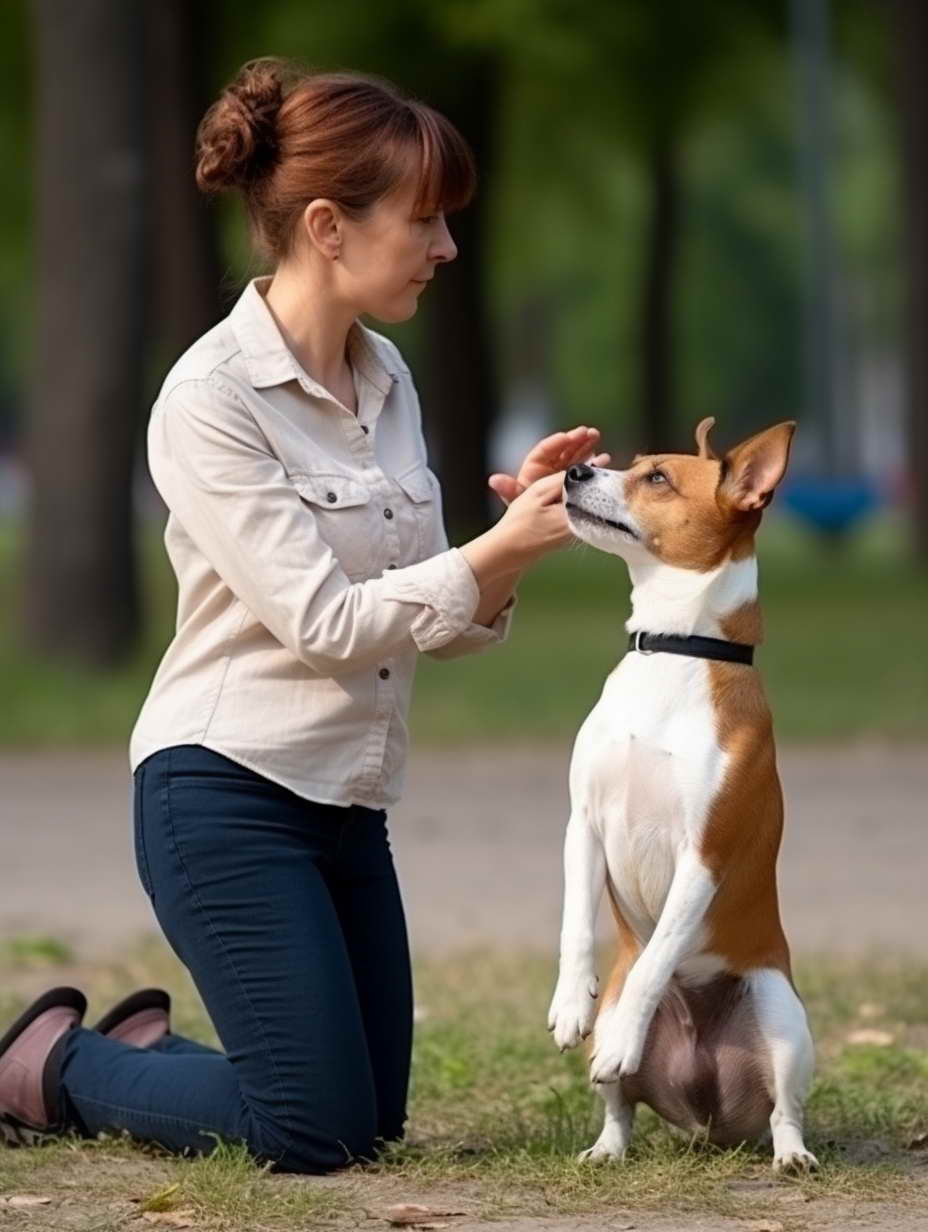
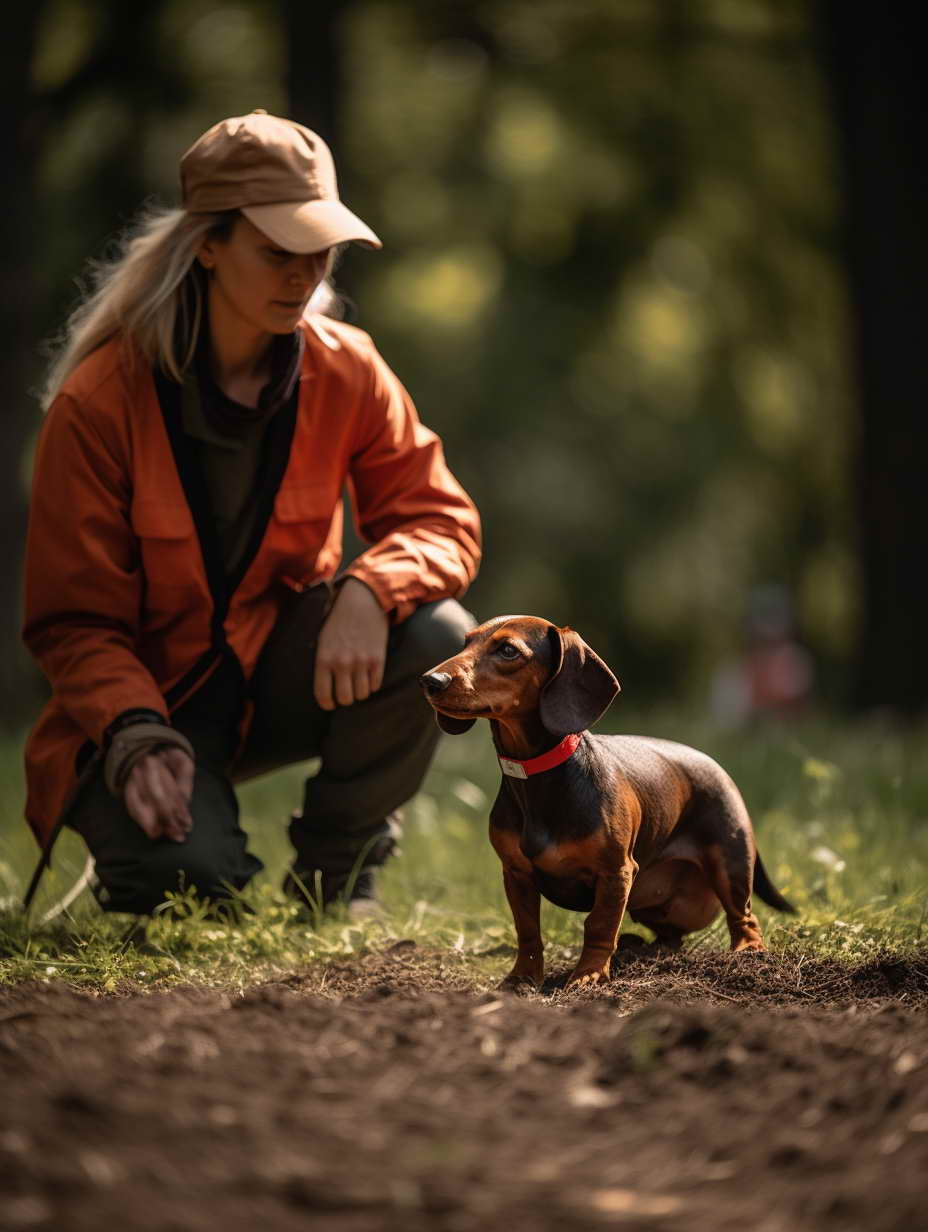
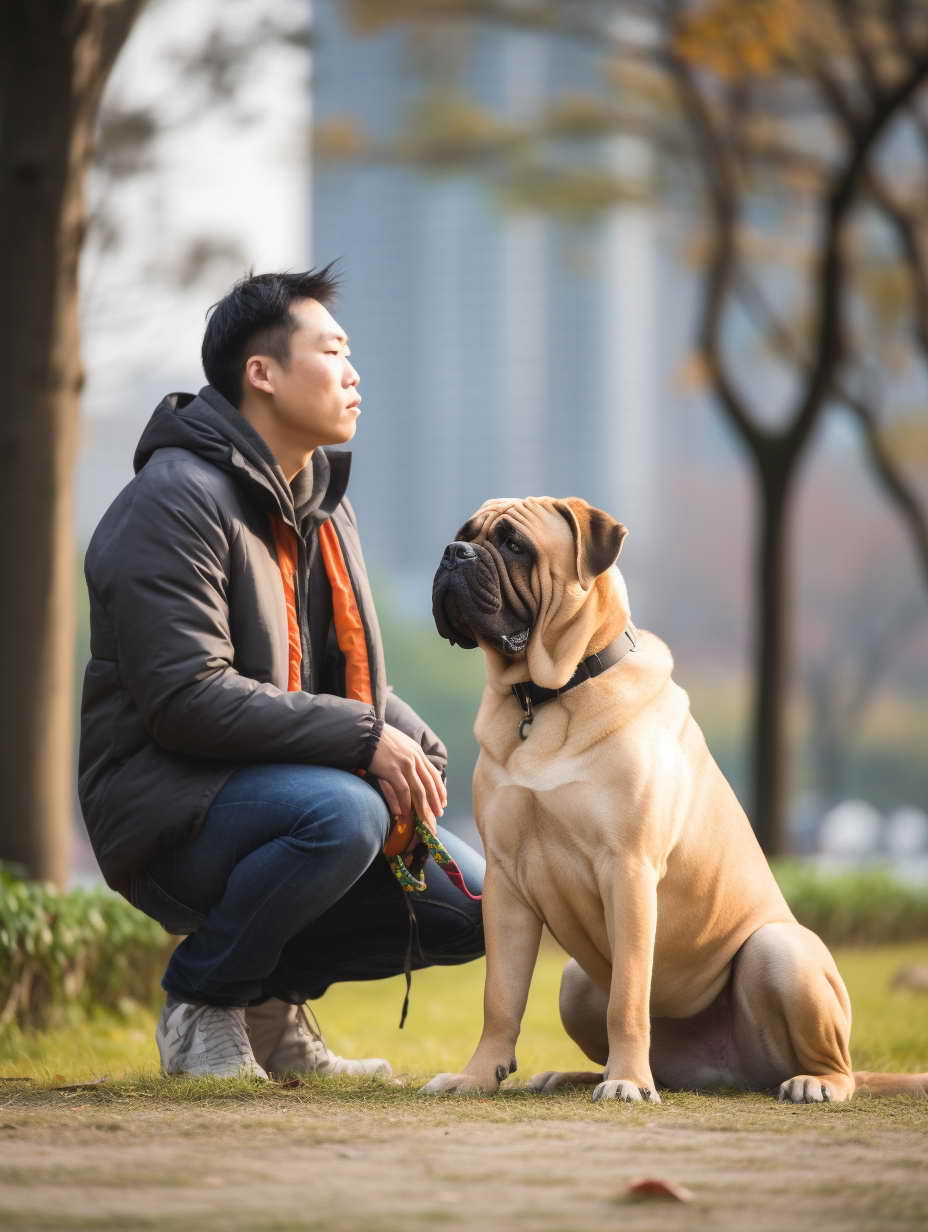
    Becoming a dog trainer is an exciting and rewarding journey that involves not only a deep love for dogs but also a commitment to continuous learning and professional development. In this section, we will explore the path to becoming a dog trainer in greater detail, providing you with a roadmap to follow if you aspire to embark on this fulfilling career.

    Education and Certification

    Formal Education

    While there are no strict educational requirements to become a dog trainer, obtaining formal education in animal behavior, psychology, or a related field can be immensely beneficial. Many aspiring dog trainers pursue degrees in fields such as animal science, veterinary medicine, or psychology. These educational backgrounds provide a solid foundation in understanding the intricacies of canine behavior.

    Specialized Courses

    To gain specific knowledge and skills in dog training, enrolling in specialized courses is highly recommended. Look for reputable dog training schools or programs that offer a comprehensive curriculum and hands-on training. These courses cover topics such as canine communication, training techniques, and behavior modification.

    Certification

    Certification is not mandatory but can significantly enhance your credibility as a dog trainer. Organizations like the International Association of Canine Professionals (IACP) and the Association of Professional Dog Trainers (APDT) offer certification programs. Earning a certification demonstrates your commitment to professional standards and can help attract clients.
    How To Get Into Dog Training Path to Becoming a Dog Trainer

    Apprenticeship Opportunities

    Learning by Doing

    One of the most valuable ways to gain practical experience in dog training is through apprenticeships. Working closely with experienced trainers allows you to observe, assist, and gradually take on training responsibilities. This hands-on experience is invaluable in honing your skills and understanding how to work effectively with dogs and their owners.

    Finding a Mentor

    Seeking out a mentor in the dog training industry can be a game-changer. A mentor can provide guidance, share their expertise, and offer insights into the nuances of the profession. Building a mentor-mentee relationship can open doors to opportunities and help you refine your training techniques.

    Building a Portfolio

    During your apprenticeship, document your experiences, successes, and challenges. Building a portfolio of your work as a trainee can showcase your progress and serve as evidence of your capabilities when you decide to launch your own dog training business.

    Building Your Expertise

    Continuous Learning

    The world of dog training is dynamic, with new techniques and methods constantly emerging. To stay at the forefront of the field, commit to lifelong learning. Attend seminars, workshops, and conferences conducted by experts in the industry. These events provide opportunities to learn, network, and stay updated on the latest trends.

    Understanding Canine Psychology

    Deepen your understanding of canine psychology. Dogs have unique behaviors, instincts, and communication styles. The more you comprehend their thought processes, the better equipped you’ll be to train them effectively and address behavioral issues.

    Specialization

    Consider specializing in specific areas of dog training, such as obedience, agility, or therapy dog training. Specialization can set you apart in the market and allow you to cater to the diverse needs of dog owners.
    How To Get Into Dog Training Building Trust and Reputation

    Building a Strong Foundation

    Before embarking on a successful career as a dog trainer, it’s essential to establish a strong foundation of knowledge and skills. This section will guide you through the crucial steps in building that solid base, ensuring you are well-prepared to train dogs effectively and help them become well-behaved companions.

    Understanding Canine Behavior

    Canine Psychology

    To become an effective dog trainer, you must first delve into the fascinating world of canine psychology. Understanding how dogs think, communicate, and interpret the world around them is fundamental. Key aspects of canine psychology include:

    • Pack Instinct: Dogs are pack animals by nature, and they thrive in environments where they feel they belong to a group. Understanding pack dynamics is essential for successful training.
    • Learning Styles: Dogs have different learning styles, which may include visual, auditory, or kinesthetic preferences. Recognizing these preferences can help tailor your training methods to individual dogs.
    • Body Language: Dogs communicate primarily through body language. Learning to read and interpret their signals is crucial for effective communication.
    • Emotional Responses: Dogs experience emotions such as fear, joy, and anxiety. Recognizing these emotions and addressing them appropriately is vital in training.

    Basic Training Techniques

    Positive Reinforcement

    Positive reinforcement is a cornerstone of effective dog training. This technique involves rewarding dogs for good behavior with treats, praise, or toys. It encourages dogs to repeat the desired behavior. When employing positive reinforcement:

    • Use treats or toys that your dog finds highly motivating.
    • Be consistent in rewarding the behavior immediately after it occurs.
    • Pair verbal praise with rewards to reinforce the connection between the behavior and the reward.

    Clicker Training

    Clicker training is a specific form of positive reinforcement that employs a distinct sound, typically from a small handheld device called a clicker, to mark the desired behavior. Key principles of clicker training include:

    • Timing is crucial; the click must immediately follow the desired behavior.
    • The clicker serves as a precise marker, signaling to the dog exactly which behavior is being rewarded.
    • Clicker training can be highly effective for teaching complex behaviors and tricks.

    Reward-Based Training

    Reward-based training encompasses various rewards, not just food or toys. It can also include verbal praise, petting, or access to preferred activities. The key is to find what motivates each dog and use those rewards strategically.

    Communication Skills

    Verbal Cues

    Clear and consistent verbal cues are essential in dog training. Use short, distinct commands such as “sit,” “stay,” and “heel.” When giving commands:

    • Use a confident and clear tone of voice.
    • Repeat the command consistently until the dog responds.
    • Avoid shouting or using overly harsh tones.

    Non-Verbal Communication

    Dogs rely heavily on non-verbal cues and body language. When working with dogs:

    • Use hand signals in conjunction with verbal cues to reinforce understanding.
    • Maintain good posture and body language to convey confidence and assertiveness.
    • Pay attention to the dog’s body language to gauge its emotional state and response to training.
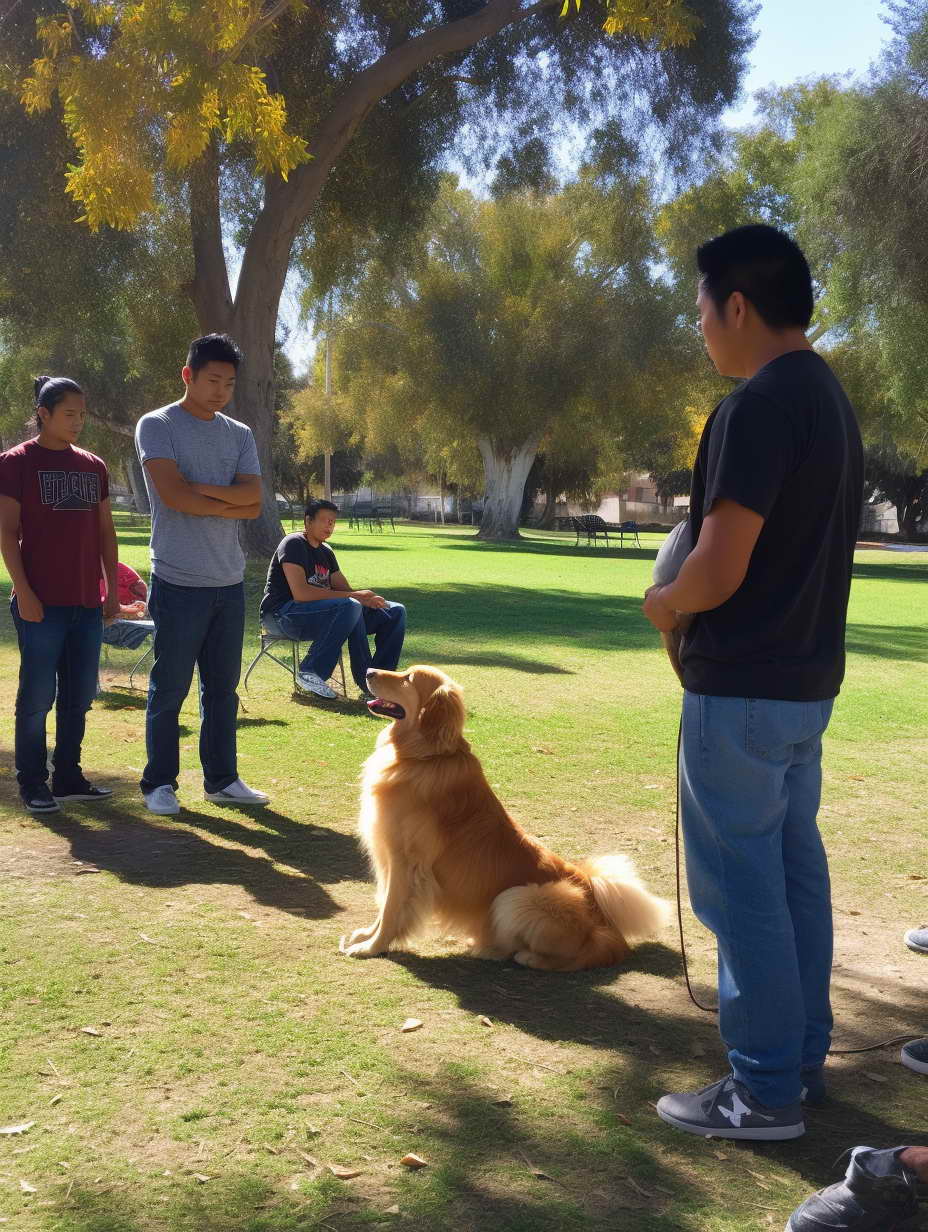
    How To Get Into Dog Training Education and Certification

    Setting Up Your Dog Training Business

    Launching and running a dog training business can be a fulfilling endeavor, allowing you to turn your passion for dogs into a thriving career. In this section, we’ll explore the essential steps and considerations for setting up your dog training business.

    Business Plan

    Define Your Services

    Start by outlining the services you plan to offer. These could include:

    • Basic Obedience Training: Teaching fundamental commands like “sit,” “stay,” and “come.”
    • Behavior Modification: Addressing specific behavioral issues such as aggression or anxiety.
    • Puppy Training: Helping puppies develop good habits and socialization skills.
    • Specialized Training: Offering advanced training in areas like agility, therapy, or service dog training.

    Target Market

    Identify your target market. Consider factors like location, demographics, and the specific needs of dog owners in your area. Understanding your audience will help you tailor your services and marketing strategies.

    Competition Analysis

    Research local competitors to understand their strengths and weaknesses. Differentiate your business by offering unique services or a more personalized approach.

    Marketing Strategy

    Develop a comprehensive marketing strategy that includes online and offline tactics. Consider building a professional website, utilizing social media, and networking with local pet-related businesses.

    Legal Considerations

    Business Structure

    Choose a legal structure for your business, such as a sole proprietorship, LLC, or corporation. Consult with legal and financial professionals to determine the best option for your situation.

    Licenses and Permits

    Check local and state regulations regarding dog training businesses. You may need specific licenses or permits to operate legally.

    Insurance

    Obtain liability insurance to protect your business in case of accidents or injuries during training sessions.

    Marketing and Branding

    Brand Identity

    Create a memorable brand identity for your dog training business. This includes designing a professional logo, choosing a color scheme, and creating a consistent visual identity.

    Online Presence

    Build a strong online presence through a professional website and active social media profiles. Use these platforms to showcase your expertise, share training tips, and engage with potential clients.

    Client Testimonials

    Encourage satisfied clients to leave reviews and testimonials on your website and social media. Positive feedback builds trust and credibility.

    Pricing and Services

    Pricing Strategy

    Determine your pricing structure based on factors such as your location, competition, and the services you offer. Consider offering package deals or discounts for multiple sessions.

    Service Packages

    Offer a variety of service packages to cater to different client needs. For example, you could provide basic obedience training packages, behavior modification packages, and puppy training packages.

    Scheduling and Availability

    Establish clear scheduling and availability policies. Ensure that clients can easily book sessions and understand your cancellation policy.

    Continuing Education

    Stay Informed

    The field of dog training is continually evolving, with new techniques and research emerging. Stay informed by attending workshops, seminars, and industry conferences.

    Certification

    Consider obtaining additional certifications or advanced training to demonstrate your commitment to excellence and stay competitive in the market.
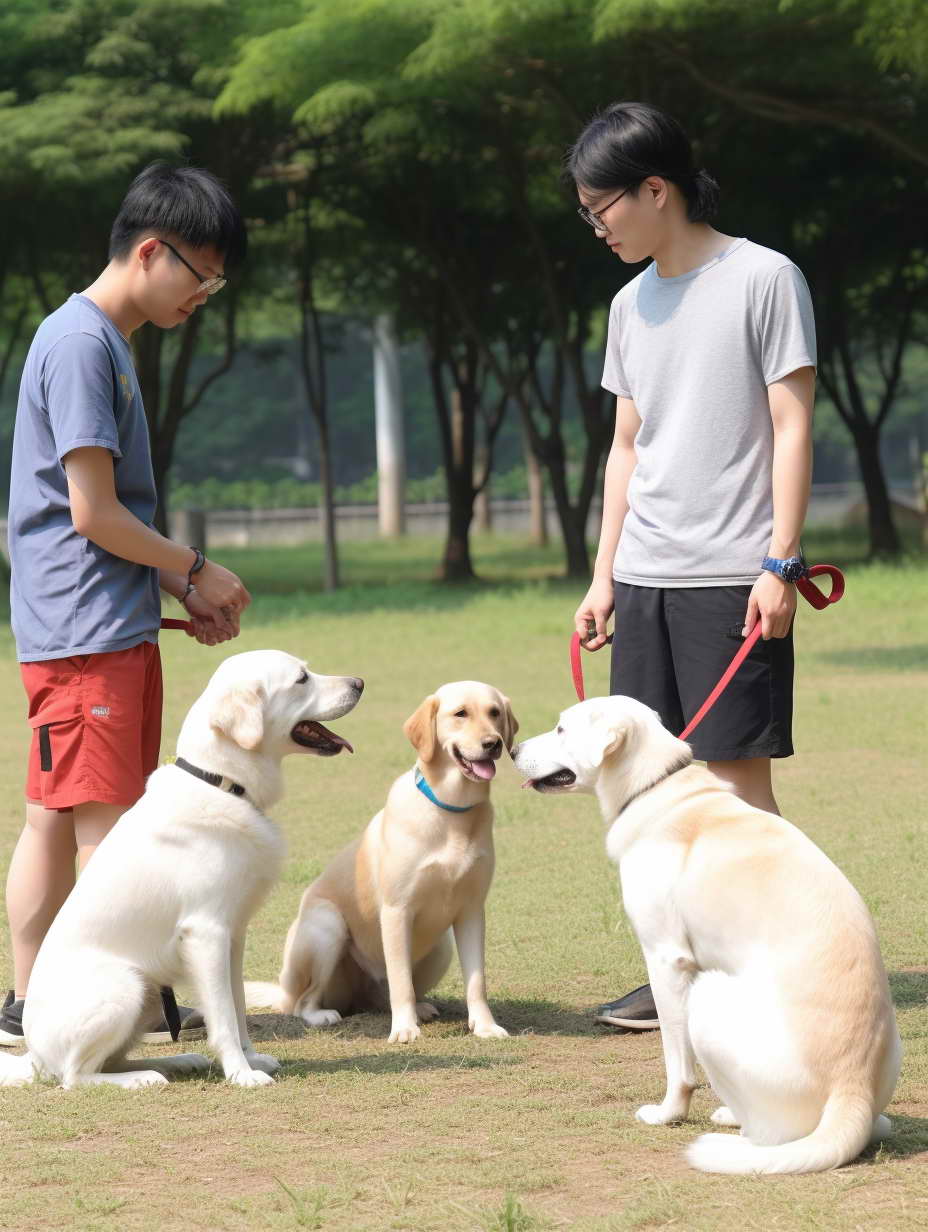
    How To Get Into Dog Training Understanding Canine Behavior

    Advanced Dog Training Techniques

    Once you’ve built a solid foundation in dog training, it’s time to explore advanced techniques that can take your skills to the next level. This section will delve into the intricacies of advanced dog training methods, offering insights into specialized areas of training.

    Specialized Training

    Working Dogs

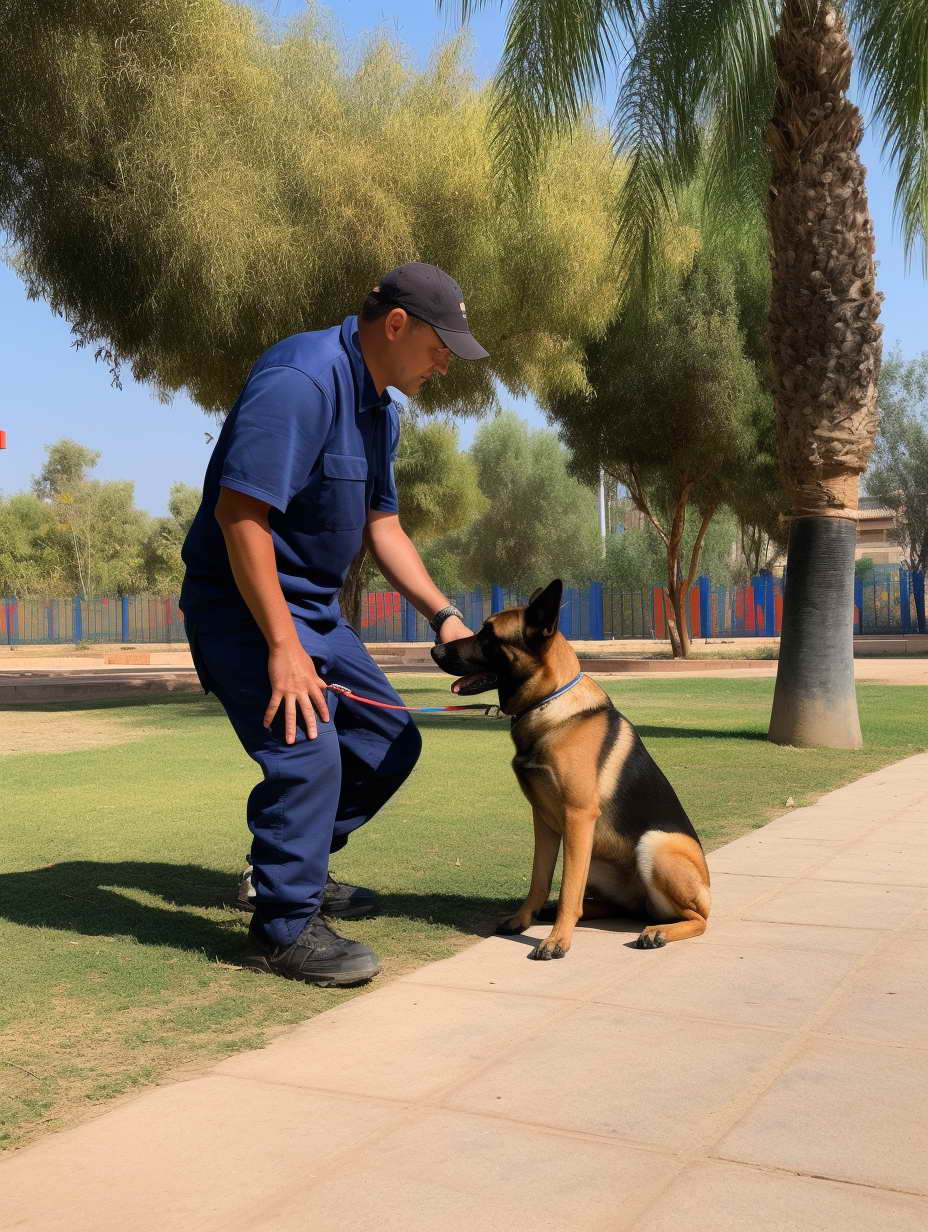
    Training working dogs, such as police K9 units, search and rescue teams, or service dogs, requires specialized skills. These dogs are often taught advanced tasks, including apprehension, tracking, and detection. Key considerations for training working dogs include:

    • Task-Specific Training: Identify the specific tasks the dog will perform and tailor training accordingly.
    • Handler Communication: Work closely with the dog’s handler to ensure seamless teamwork.
    • Realistic Scenarios: Simulate real-life situations to prepare the dog for on-the-job challenges.

    Therapy Dogs

    Therapy dogs provide comfort and companionship to individuals in hospitals, nursing homes, and other healthcare settings. To train therapy dogs:

    • Temperament Evaluation: Assess a dog’s temperament to ensure they are well-suited for therapy work.
    • Socialization: Expose the dog to various environments, people, and situations to build confidence.
    • Gentle and Calm Behavior: Train therapy dogs to remain calm and gentle in stressful situations.

    Search and Rescue Dogs

    Search and rescue dogs play a vital role in locating missing persons in various scenarios. Training these dogs requires:

    • Scent Detection: Teach dogs to recognize and track human scents over long distances.
    • Obedience in Chaotic Environments: Train dogs to remain obedient and focused in challenging, high-stress situations.
    • Effective Communication: Work closely with handlers to ensure clear communication during search missions.

    Behavior Modification

    Aggression Rehabilitation

    Dealing with aggressive behavior in dogs requires a deep understanding of the underlying causes and appropriate interventions. Advanced techniques for aggression rehabilitation include:

    • Desensitization and Counterconditioning: Gradually expose the dog to triggers while rewarding calm behavior.
    • Positive Reinforcement: Emphasize positive experiences to change the dog’s emotional response to aggression triggers.
    • Mediation: In some cases, medication prescribed by a veterinarian may complement behavior modification.

    Fear and Anxiety

    Dogs suffering from fear and anxiety can benefit from advanced training techniques that address their emotional well-being. These techniques include:

    • Desensitization: Gradually introduce the dog to fear-inducing stimuli at a manageable pace.
    • Counterconditioning: Replace fearful responses with positive associations.
    • Therapeutic Exercises: Incorporate exercises that build the dog’s confidence and reduce anxiety.

    Compulsive Behaviors

    Some dogs exhibit compulsive behaviors like excessive digging, chasing their tail, or repetitive movements. Advanced training for compulsive behaviors involves:

    • Identifying Triggers: Identify what triggers the compulsive behavior and remove or modify those triggers.
    • Enrichment and Mental Stimulation: Provide mental challenges and engage the dog’s mind to redirect their focus.
    • Medication: In severe cases, medication prescribed by a veterinarian may be necessary to manage compulsive behaviors.

    Agility and Sports Training

    Agility

    Agility training is an exhilarating sport that involves dogs navigating obstacle courses with precision and speed. Advanced agility training includes:

    • Complex Sequences: Create intricate sequences of obstacles to challenge the dog’s agility and problem-solving skills.
    • Handler Communication: Enhance communication between the dog and the handler for seamless navigation of the course.
    • Competitive Training: Prepare dogs and handlers for competitive agility events and competitions.

    Canine Sports

    Explore various canine sports, such as flyball, dock diving, or competitive obedience. These sports provide both physical and mental stimulation for dogs and can be a fun way to bond. Advanced training in canine sports includes:

    • Specialized Training: Tailor training to the specific requirements of the chosen sport.
    • Conditioning and Fitness: Focus on the dog’s physical conditioning to excel in athletic competitions.
    • Consistency and Precision: Fine-tune the dog’s performance for competitive events.
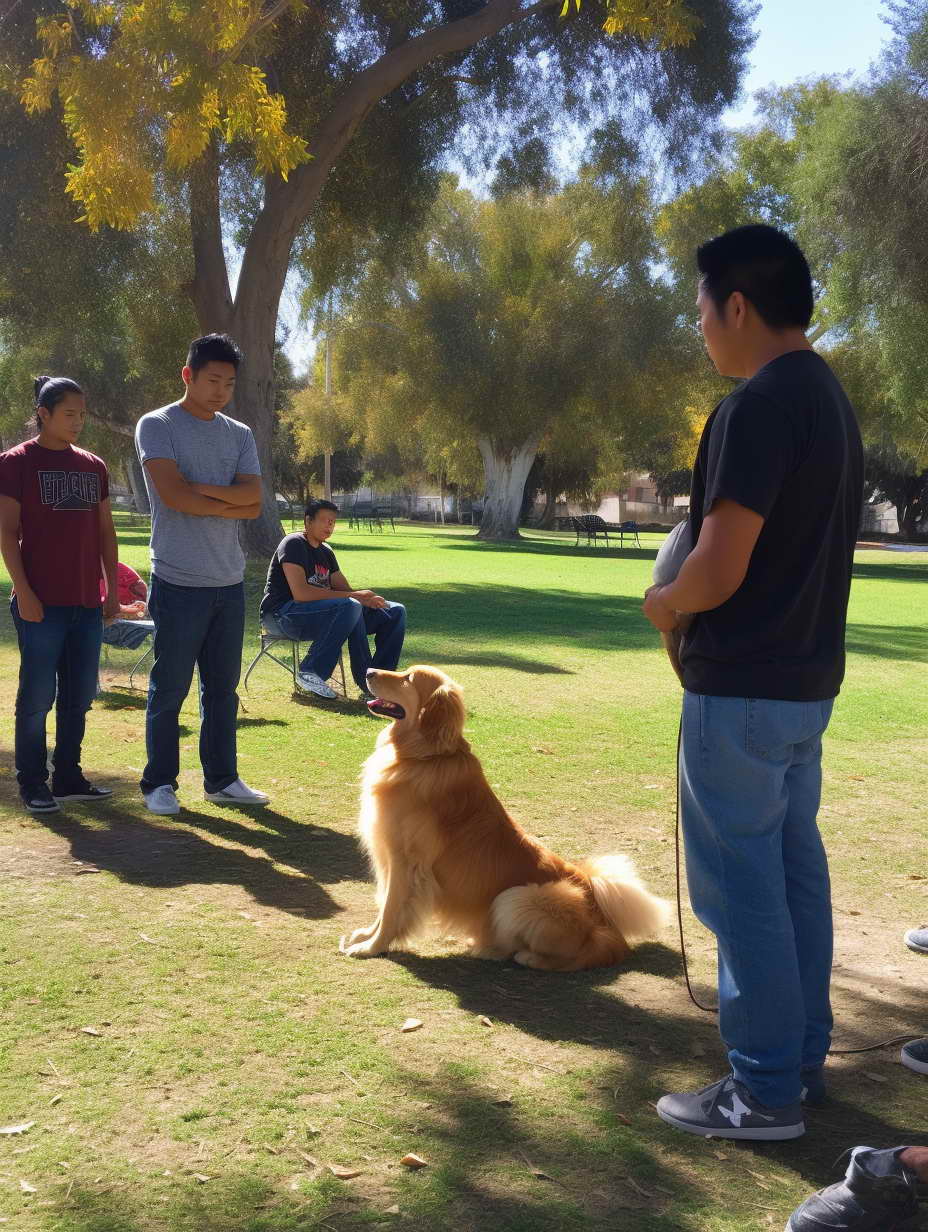
    How To Get Into Dog Training Advanced Dog Training Techniques

    Building Trust and Reputation

    In the world of dog training, building trust and a positive reputation is not only essential but also a continuous process. Clients are more likely to seek your services and refer you to others if they trust your abilities and believe in your expertise. This section explores strategies for establishing trust and cultivating a stellar reputation in the dog training industry.

    Client Relationships

    Effective Communication

    Effective communication is the bedrock of any successful client-trainer relationship. Here’s how you can foster good communication:

    • Active Listening: Listen attentively to your client’s concerns, questions, and goals.
    • Clear Expectations: Set clear expectations regarding training outcomes, timelines, and what clients can expect from your services.
    • Regular Updates: Keep clients informed about their dog’s progress during training.

    Personalization

    Tailor your training approach to meet the unique needs of each client and their dog. Recognize that one size does not fit all, and personalized training plans are more likely to yield positive results.

    Patience and Empathy

    Clients may come to you with a variety of concerns and frustrations related to their dogs’ behavior. Show patience and empathy by understanding their perspective and addressing their concerns with compassion.

    Reviews and Testimonials

    Encourage Feedback

    Encourage clients to provide feedback after training sessions. Constructive feedback can help you improve your services and demonstrate your commitment to continuous improvement.

    Showcase Success Stories

    Highlight success stories on your website and social media platforms. Share before-and-after videos or photos, along with testimonials from satisfied clients. These stories serve as powerful endorsements of your expertise.

    Online Reputation Management

    Monitor online review platforms and respond professionally to both positive and negative reviews. Your responses to negative reviews can demonstrate your commitment to resolving issues and improving your services.

    Continuing Education

    Stay Current

    Stay up-to-date with the latest developments in dog training, behavior modification, and canine psychology. Continuously improving your knowledge and skills enhances your credibility as a professional.

    Attend Seminars and Workshops

    Participate in seminars, workshops, and conferences conducted by experts in the field. These events not only provide valuable insights but also offer networking opportunities to connect with fellow professionals.

    Certifications and Accreditations

    Consider obtaining certifications and accreditations from reputable organizations. These credentials demonstrate your commitment to industry standards and best practices.

    Community Involvement

    Volunteering

    Engage in community outreach by volunteering your services at local animal shelters, rescue organizations, or schools. This not only gives back to the community but also showcases your expertise and dedication.

    Educational Workshops

    Offer educational workshops or seminars for the community on dog training and responsible pet ownership. Sharing your knowledge can position you as a trusted authority in your area.

    Collaborations

    Collaborate with other pet professionals, such as veterinarians, groomers, or pet sitters. Building relationships within the pet industry can lead to referrals and partnerships.

    Continuing Education

    Stay at the forefront of the industry by attending seminars and workshops.

    Embarking on the journey of becoming a dog trainer is a rewarding and fulfilling endeavor. By understanding the basics, gaining expertise, and building a strong reputation, you can create a meaningful impact on the lives of dogs and their owners. So, take the first step, and let your love for dogs guide you towards a successful career in dog training.
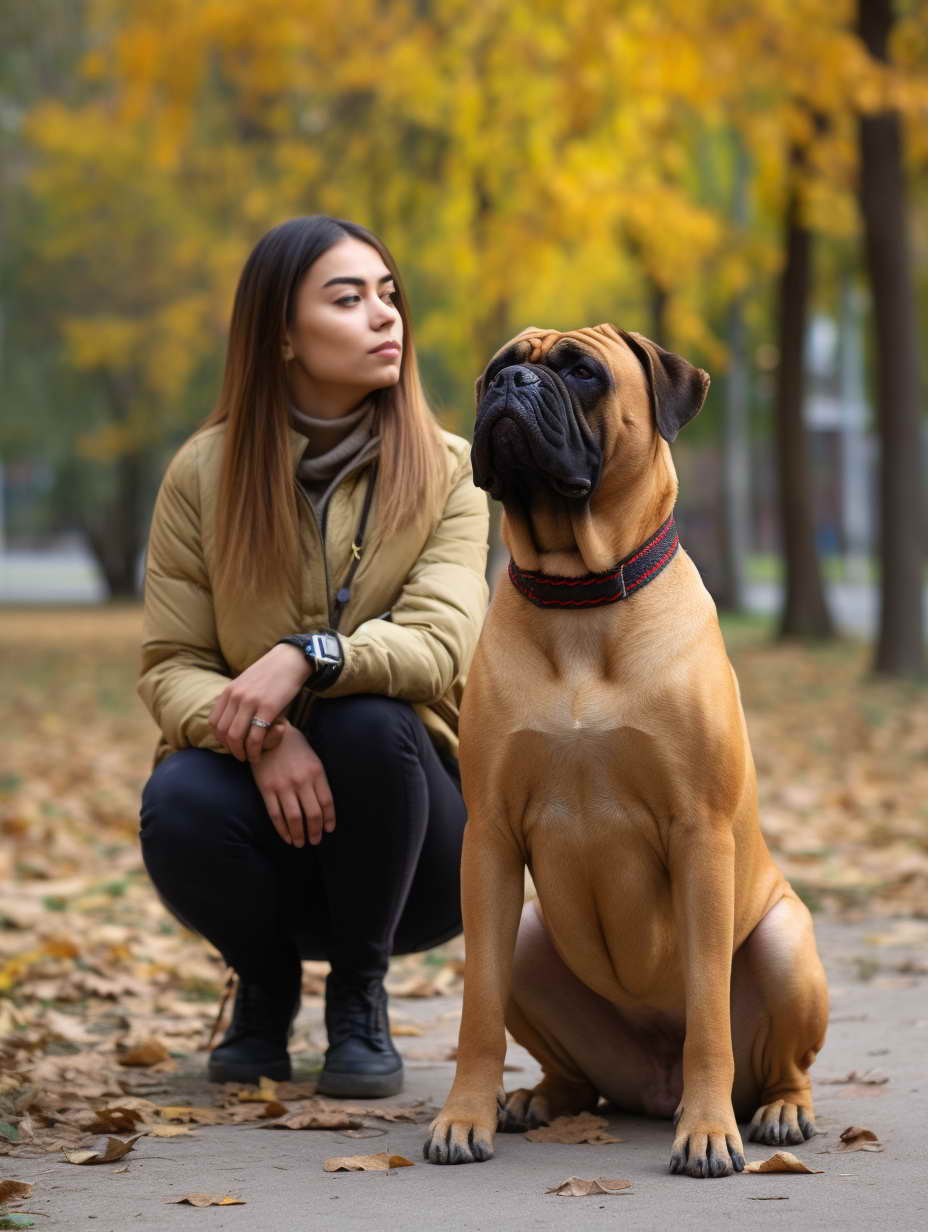
  • Unleash the Power of Dog Training Release Word

    Unleash the Power of Dog Training Release Word

    Dog Training Release Word

    Unleash the Power of Dog Training Release Word

    Dog training is an art, and every dog owner aspires to have a well-behaved, obedient canine companion. In this quest, one of the most powerful tools at your disposal is the Dog Training Release Word. This article will guide you through the ins and outs of this technique, helping you unleash the full potential of your furry friend’s training journey.

    Understanding the Dog Training Release Word

    The Dog Training Release Word is a foundational concept in the world of dog training, and comprehending its significance is the first step to successful canine education. In this section, we’ll delve deeper into what the release word is, why it matters, and how it can transform your dog’s learning experience.

    What Is the Dog Training Release Word?

    At its core, the Dog Training Release Word is a verbal cue or command that informs your dog that they have completed a specific task or behavior and is now free to stop. This simple yet powerful word acts as a bridge of communication between you and your furry friend during training sessions.

    The Role of Clarity

    Imagine teaching your dog to sit. You give the command, “Sit,” and your dog obediently follows. Now, what comes next? This is where the release word steps in. Instead of relying solely on silence or vague cues, the release word clarifies to your dog that they’ve done exactly what you asked for.

    Why the Release Word Matters

    1. Clear Communication: Dogs thrive on clear communication. The release word helps eliminate ambiguity in your dog’s mind. They know precisely when to start and stop a particular behavior.
    2. Enhanced Learning: The use of a release word aids in the learning process. Dogs are more likely to grasp commands when they understand the exact moment when they’ve fulfilled your expectations.
    3. Reduced Confusion: Without a release word, your dog might remain in a sit position indefinitely, unsure of when they can relax. This can lead to confusion and frustration for both you and your pet.

    The Psychology Behind the Release Word

    To truly understand the significance of the release word, it’s essential to delve into the psychology of dog training. Dogs thrive on routine, structure, and clarity. When you introduce a release word, you’re providing them with a structured framework for behavior.

    Think of it as a contract between you and your dog. When they follow a command, they’re fulfilling their part of the agreement. The release word signifies that you acknowledge their compliance and that they can now return to their default state.

    The Building Blocks of Effective Training

    The Dog Training Release Word serves as one of the fundamental building blocks of effective training. It promotes a positive and productive learning environment, setting the stage for more complex commands and behaviors.

    As you progress in your dog training journey, keep in mind that consistency is key. Your chosen release word should remain the same throughout all training sessions, ensuring that your dog associates it with the desired behavior.

    Unleash the Power of Dog Training Release Word

    The Importance of Consistency

    Consistency is key when it comes to training your dog. Your chosen release word should remain the same throughout the training process. Variations or frequent changes can confuse your furry friend and hinder their progress.

    Selecting the Right Release Word

    Choosing the perfect release word is a critical decision. Opt for a word that is short, distinctive, and easy to remember. Common choices include “okay,” “release,” or “free,” but you can personalize it to suit your preferences.

    Incorporating the Release Word in Commands

    To effectively use the release word, introduce it into your training sessions. For instance, when teaching your dog to sit, say, “Sit” and wait for them to obey. Once they do, say your chosen release word and offer praise or a treat.

    Timing Is Everything

    Precision in timing is vital. Always use the release word immediately after your dog completes the desired action. This helps them associate the word with the correct behavior.

    Avoid Overusing the Release Word

    While it’s essential to be clear and consistent, overusing the release word can dilute its effectiveness. Only use it when your dog has successfully followed a command.

    Positive Reinforcement

    Positive reinforcement is a powerful tool in dog training. When your dog responds correctly to the release word, reward them with treats, affection, or playtime. This positive association encourages them to repeat the desired behavior.

    Correcting Misbehavior

    In cases where your dog doesn’t follow a command, resist the urge to scold them. Instead, calmly repeat the command and provide guidance. The release word should only be used when the desired behavior is achieved.

    The Role of Patience

    Training your dog takes time, and patience is essential. Consistently applying the release word, along with praise and rewards, will lead to gradual improvements in your dog’s behavior.

    Incorporating the Dog Training Release Word into your dog’s training regimen is a powerful way to enhance obedience and strengthen your bond. Remember, success in training comes from consistency, positive reinforcement, and patience. With these principles in mind, you can unlock your dog’s full potential and enjoy a harmonious relationship with your furry companion.

  • Hunting Dog Training Colorado

    Hunting Dog Training Colorado

    Hunting Dog Training Colorado

    The Ultimate Guide to Hunting Dog Training Colorado Cost

    Welcome to the ultimate guide on the cost of hunting dog training in Colorado. If you’re a dog owner in the picturesque state of Colorado, you likely appreciate the stunning landscapes and outdoor adventures it offers. And what better way to enhance those experiences than by having a well-trained hunting dog by your side? In this guide, we will explore the various aspects of hunting dog training in Colorado, including the expenses involved, training techniques, and commonly asked questions. So, let’s embark on this journey of turning your furry friend into a skilled hunting companion.

    Hunting Dog Training Colorado Cost

    Training your hunting dog is an investment that pays off in the long run. Understanding the costs associated with it is crucial before you embark on this journey.

    Initial Costs

    When it comes to hunting dog training in Colorado, the initial expenses can vary widely. It largely depends on the age, breed, and existing behavior of your dog. On average, you can expect to pay anywhere from $500 to $2,500 for basic obedience training. More specialized training, such as bird hunting or scent tracking, may cost upwards of $3,000.

    Ongoing Costs

    Hunting dog training is not a one-time expense. You’ll need to budget for ongoing training sessions, equipment, and maintenance. These costs can include:

    • Training Sessions: Regular training sessions typically range from $50 to $150 per hour.
    • Equipment: Hunting dog training often requires specific equipment like collars, leashes, and decoys. These can add up to several hundred dollars.
    • Food and Supplements: Maintaining your dog’s health and stamina during training may require a specialized diet, which can be pricier than regular dog food.

    Guide to Hunting Dog Training Colorado

    Training Techniques: Methods and Costs

    Hunting dog training in Colorado employs various techniques and methods to develop a well-trained and reliable hunting companion. The choice of training technique can significantly impact the effectiveness of the training and, consequently, the cost. Below, we explore different training techniques and their associated price ranges in USD.

    • Positive Reinforcement Training:
      • Price Range: $500 to $1,500
      • Positive reinforcement training relies on rewards like treats, praise, and toys to reinforce desired behaviors. This method is generally less expensive and is suitable for basic obedience training.
    • E-Collar Training:
      • Price Range: $800 to $2,500
      • E-collar or electronic collar training involves using a remote-controlled collar that delivers mild stimulation to reinforce commands. The cost varies based on the quality of the collar and the trainer’s expertise.
    • Clicker Training:
      • Price Range: $600 to $1,800
      • Clicker training uses a clicker to mark desired behaviors, followed by rewards. It’s effective for teaching precise actions and behaviors and is often used in combination with other methods.
    • Force Fetch Training:
      • Price Range: $1,500 to $3,500
      • Force fetch training is an advanced technique used for retrievers to ensure they reliably retrieve the game. It involves controlled pressure and can be more expensive due to its complexity.
    • Bird and Game Exposure:
      • Price Range: Varies
      • Some trainers emphasize exposing dogs to the sights, sounds, and scents of game birds or animals to build familiarity and enthusiasm. The cost depends on the frequency and variety of exposures.
    • Professional Guided Hunts:
      • Price Range: $200 to $800 per day
      • Some trainers offer guided hunts as part of the training process. This allows your dog to apply their training in real hunting scenarios. The cost depends on the location and duration of the hunt.
    • Specialized Training Techniques:
      • Price Range: Varies
      • Techniques like pointing, flushing, or blood tracking may require specialized training methods, which can be more expensive due to their unique nature.
    • Combination Training Packages:
      • Price Range: $2,000 to $6,000
      • Many training programs combine various techniques to provide a comprehensive training experience. The cost can vary depending on the duration and depth of the program.
    • DIY Training Materials:
      • Price Range: $20 to $300
      • Some hunters opt for self-training and purchase training books, DVDs, or online courses. These materials can be cost-effective but may not offer the same level of guidance as professional training.

    When selecting a training technique, it’s essential to consider your dog’s temperament, breed, and your specific hunting needs. The cost of training techniques can vary, and it’s not always a case of “the more expensive, the better.” Instead, focus on finding a trainer who is experienced in the techniques that align with your goals and your dog’s personality. Additionally, inquire about the overall training program’s structure, duration, and what is included in the price to make an informed decision about the best training approach for your hunting dog.

    Positive Reinforcement

    Positive reinforcement is a widely adopted training method. It involves rewarding your dog with treats, praise, or toys when they exhibit desired behavior. This method builds a strong bond between you and your dog and encourages them to repeat the desired actions.

    Hunting Dog Training Colorado Cost

    E-Collar Training

    Electronic collar training, or e-collar training, uses remote-controlled collars to deliver a mild shock or vibration as a correctional measure. While controversial, when used correctly, e-collar training can be highly effective in teaching commands and controlling your dog in the field.

    Group Classes vs. Private Training

    Hunting dog owners in Colorado often have the option to choose between group classes and private training. Group classes are generally more affordable and offer socialization opportunities for your dog. On the other hand, private training sessions can be tailored to your dog’s specific needs but come at a higher cost.

    Conclusion

    In conclusion, hunting dog training in Colorado is an investment that pays off in the form of a skilled and reliable hunting companion. While it comes with its expenses, the rewards of having a well-trained hunting dog by your side during your outdoor adventures are immeasurable. Remember to choose the training method that best suits your dog’s needs and consult with professional trainers to ensure a successful training journey. So, go ahead and embark on this exciting journey of transforming your beloved pet into the ultimate hunting partner.

  • Sit Stay Play Dog Training

    Sit Stay Play Dog Training

    Sit Stay Play Dog Training

    Sit Stay Play Dog Training: Unleashing Your Pup’s Full Potential

    Are you tired of your dog’s unruly behavior, endless barking, and disobedience? Look no further! Stay Play Dog Training is the key to nurturing a well-behaved and joyful canine companion. In this comprehensive guide, we will delve into the intricacies of dog training, offering insights, advice, and solutions that will turn your four-legged friend into a model pet.

    Unveiling Sit Stay Play Dog Training: A Transformative Approach

    Sit Stay Play Dog Training is not just a phrase; it’s a philosophy that can transform your dog’s life, as well as yours. This innovative training approach emphasizes positive reinforcement, patience, and consistency, setting the stage for a harmonious relationship between you and your four-legged companion.

    The Art of Positive Reinforcement

    At the core of Sit Stay Play Dog Training is the art of positive reinforcement. This technique involves rewarding your dog with treats, praise, or affection when they exhibit desired behavior. It’s a powerful concept that encourages your dog to repeat the actions that earn them these rewards.

    Positive reinforcement creates a mutually beneficial dynamic. Your dog feels happy and appreciated when they receive rewards, and you feel the satisfaction of seeing your pet’s progress. Over time, this approach builds trust and a strong bond between you and your furry friend.

    Patience: The Key to Success

    Dog training can be challenging, but patience is your greatest ally. Every dog learns at its own pace, and understanding this is vital to your success. Frustration and impatience can hinder your dog’s progress and damage the bond you share.

    By remaining patient, you allow your dog the time it needs to grasp new concepts and behaviors. Celebrate small victories and understand that setbacks are a natural part of the learning process. With time and patience, your dog will flourish under your guidance.

    Consistency Yields Results

    Consistency is the linchpin of effective dog training. Everyone in your household must follow the same training techniques and rules. Dogs thrive on routine and predictability, so a consistent approach minimizes confusion.

    Ensure that commands, rewards, and expectations remain the same across all family members. Consistency helps your dog understand what’s expected of them, making it easier for them to respond appropriately.

    Trust the Process

    As you embark on your journey with Sit Stay Play Dog Training, remember to trust the process. Building a well-behaved and happy canine companion takes time and effort, but the rewards are immeasurable.

    Establishing a Strong Foundation for Successful Training

    Before delving into the specifics of Sit Stay Play Dog Training, it’s essential to establish a solid foundation. A strong foundation ensures that your training sessions are effective and that your dog learns with enthusiasm. Here are key considerations for laying the groundwork:

    Choosing the Right Training Environment

    Selecting an appropriate training environment is the first step toward success. Look for a quiet, distraction-free space where you can conduct your training sessions. This setting will help your dog focus and minimize external factors that might lead to confusion or anxiety.

    An ideal training space could be your backyard, a spacious living room, or even a dedicated area at your local park. The goal is to create an environment where your dog feels comfortable and can concentrate on learning.

    Investing in the Proper Training Gear

    Quality training gear plays a significant role in your dog’s training journey. Ensure you have the right tools to facilitate effective communication and control during training sessions. Here are some essential training gear items:

    1. Leash: A leash provides you with control and helps guide your dog during training. Choose one that suits your dog’s size and strength.
    2. Collar or Harness: A comfortable collar or harness is essential for attaching the leash. Make sure it fits well without causing discomfort.
    3. Treats: High-quality treats are powerful motivators. Use small, tasty treats that your dog loves to reward them during training.
    4. Clicker (Optional): Some trainers use a clicker as a marker for desired behavior. It’s a sound cue that signals to your dog that they’ve done something right.
    5. Training Mat or Bed: Having a designated spot for training can help your dog understand where the training sessions take place.
    6. Toys: Interactive toys can be used as rewards during play-based training.

    Investing in the right training gear ensures that your training sessions are safe, effective, and enjoyable for both you and your dog.

    Understanding Your Dog’s Personality

    Every dog is unique, and their temperament plays a significant role in how they respond to training. Before starting formal training, take the time to understand your dog’s personality. Consider the following aspects:

    1. Energy Level: Some dogs are high-energy and require more active training sessions, while others are calmer and may prefer a more relaxed approach.
    2. Motivation: Identify what motivates your dog. Some dogs are food-driven, while others respond better to praise and affection. Tailor your rewards to what your dog values most.
    3. Socialization Needs: Assess your dog’s socialization needs. Some dogs are naturally outgoing and love meeting new people and dogs, while others may be more reserved.
    4. Fear or Anxiety: If your dog has any fears or anxieties, take these into account during training. Gradual desensitization and counter-conditioning may be necessary.

    Understanding your dog’s personality allows you to adapt your training methods to their unique needs and preferences. This personalized approach increases the likelihood of success and ensures that your dog enjoys the training process.

    Unveiling Sit Stay Play Dog Training

    The Sit-Stay Play Dog Training Process

    Now that we’ve laid the groundwork, let’s delve into the Sit Stay Play Dog Training process. These step-by-step instructions will guide you toward a well-behaved canine companion.

    Step 1: Teaching Basic Commands

    Start with fundamental commands like “sit,” “stay,” and “come.” These commands are essential for safety and effective communication.

    Step 2: Positive Reinforcement

    Remember to reward your dog generously when they obey commands. This reinforces good behavior and encourages your dog to repeat it.

    Step 3: Consistent Training Schedule

    Establish a regular training schedule to create a routine for your dog. Short, frequent sessions are more effective than long, sporadic ones.

    Step 4: Socialization

    Expose your dog to various people, animals, and environments to ensure they develop proper social skills and confidence.

    Step 5: Addressing Behavioral Issues

    If your dog exhibits unwanted behavior, such as excessive barking or aggression, consult a professional dog trainer for guidance.

    Conclusion

    Sit Stay Play Dog Training is a remarkable approach to nurturing a well-behaved and happy canine companion. By emphasizing positive reinforcement, patience, and consistency, you can unlock your dog’s full potential and enjoy a harmonious relationship. Remember, training takes time and effort, but the rewards are immeasurable. Start your journey today, and watch your furry friend transform into the perfect companion.

  • Questions About Dog Training

    Questions About Dog Training

    Questions About Dog Training

    Questions About Dog Training From Cost and Techniques

    Welcome to the ultimate guide for dog enthusiasts and owners alike who are seeking answers to their Questions About Dog Training From Cost and Techniques. In this detailed article, we’ll delve into the essential aspects of dog training, from understanding the financial commitment involved to exploring the most effective training techniques. Whether you’re a novice dog owner or looking to enhance your existing knowledge, we aim to provide you with a well-rounded understanding of the subject. So, let’s get started!

    The Cost of Dog Training

    When considering dog training, understanding the associated costs is crucial. The expense of training your canine companion can vary significantly depending on various factors. Below, we’ll break down the cost of dog training, providing you with a clear picture of what to expect in terms of financial investment.

    Factors Influencing Cost

    Several key factors influence the cost of dog training, making it essential to evaluate your specific needs and budget:

    1. Breed-specific Training: Different dog breeds have distinct temperaments and learning curves. As a result, some breeds may require more intensive training than others. Typically, larger or more stubborn breeds may incur higher training costs.
    2. Training Methods: The training methods employed by professional trainers can vary in terms of complexity and effectiveness. Basic obedience training tends to be more affordable, while specialized services such as agility training or behavior modification may come at a premium.
    3. Duration of Training: The length of the training program directly affects the cost. Longer training programs, which cover a wider range of skills and behaviors, naturally cost more. Short-term programs may be suitable for basic obedience, while more extended programs are ideal for advanced training or addressing behavioral issues.
    4. Trainer Expertise: The experience and qualifications of the dog trainer also impact the cost. Highly skilled and experienced trainers often charge higher rates, but they may deliver faster and more effective results.

    Budgeting for Dog Training

    To effectively budget for dog training, it’s essential to consider the price range associated with these factors:

    • Basic Obedience Training: Basic obedience classes, typically lasting six to eight weeks, can range from $100 to $200. These classes cover essential commands like sit, stay, and come.
    • Advanced Training: For more advanced training, such as off-leash training or specialty commands, expect to pay between $200 to $500 or more, depending on the duration and complexity of the program.
    • Behavior Modification: If your dog exhibits behavioral issues like aggression or fear, behavior modification training may be necessary. This can be more costly, ranging from $300 to $1,000 or more, depending on the severity of the problem and the length of the program.
    • Agility Training: Agility training, a popular activity for both dogs and owners, typically costs between $125 to $300 for a six-week course. This training not only improves your dog’s physical fitness but also enhances their mental agility.
    • Private Sessions: Individualized, one-on-one training sessions with a professional dog trainer can range from $50 to $150 per hour. These sessions are tailored to your dog’s specific needs and can be an excellent option for addressing unique behavior challenges.

    By considering these price ranges and evaluating your dog’s requirements, you can plan your budget effectively and choose the most suitable training program for your furry friend.

    Questions About Dog Training From Cost and Techniques

    Effective Dog Training Techniques

    When it comes to dog training, the techniques you choose can significantly impact the success of your efforts. Effective dog training not only fosters good behavior but also strengthens the bond between you and your furry friend. Here, we’ll explore several tried-and-true training techniques that have proven to be successful in teaching dogs valuable skills and behaviors.

    Positive Reinforcement

    Positive reinforcement is a highly regarded and widely used dog training technique. It revolves around the concept of rewarding your dog for exhibiting desirable behaviors. This positive feedback system helps your dog understand what you expect from them and motivates them to repeat those behaviors. Here’s how positive reinforcement works:

    • Rewards: You can reward your dog with treats, praise, toys, or affection whenever they perform a desired action, such as sitting when asked or walking calmly on a leash.
    • Timing: Timing is crucial in positive reinforcement. The reward should be immediate, so your dog associates it directly with the behavior you’re reinforcing.
    • Consistency: Be consistent in rewarding the behavior you want. This clarity helps your dog understand what’s expected of them.

    Positive reinforcement is not only effective but also fosters a positive and loving relationship between you and your dog.

    Clicker Training

    Clicker training is a precise and efficient technique that uses a small handheld clicker device to signal to your dog when they’ve performed a correct action. This immediate feedback helps your dog understand which behavior is being rewarded. Here’s how clicker training works:

    • Clicker Sound: The clicker emits a distinct sound when pressed. This sound serves as a marker to let your dog know they’ve done something right.
    • Timing: Just like with positive reinforcement, timing is critical in clicker training. The click should occur the moment your dog performs the desired action.
    • Reward: Following the click, immediately reward your dog with a treat or praise. This pairing helps your dog associate the click with a positive outcome.

    Clicker training is particularly effective for teaching complex tricks and behaviors and is often used in agility training.

    Obedience Training

    Obedience training focuses on teaching fundamental commands and behaviors that help your dog become well-behaved and responsive. Common commands include sit, stay, come, and heel. Here’s how obedience training works:

    • Clear Commands: Use clear and consistent verbal cues and hand signals to teach your dog each command.
    • Repetition: Repetition is key to reinforcing obedience commands. Practice regularly to ensure your dog retains what they’ve learned.
    • Rewards: Positive reinforcement plays a significant role in obedience training. Reward your dog for following commands correctly.

    Obedience training lays the foundation for good behavior and is essential for creating a harmonious living environment with your dog.

    Behavior Modification

    For dogs with specific behavioral issues, behavior modification techniques are crucial. These techniques address problem behaviors such as aggression, fear, or excessive barking. Here’s how behavior modification works:

    • Assessment: A professional dog trainer or behaviorist assesses your dog’s behavior to understand the underlying causes of the problem.
    • Tailored Plan: Based on the assessment, a customized training plan is developed to address the specific issue.
    • Consistency: Consistent training and positive reinforcement are vital to changing unwanted behaviors over time.

    Behavior modification can be a more intensive and longer-term process, but it can help your dog overcome challenging issues and lead a happier, healthier life.

    Agility Training

    Agility training is a fun and physically stimulating activity that not only provides exercise for your dog but also enhances their mental agility. It involves navigating a course of obstacles, and it’s a great way to bond with your pet. Here’s how agility training works:

    • Obstacle Course: Agility courses include hurdles, tunnels, weave poles, and more. Your dog learns to navigate these obstacles under your guidance.
    • Communication: Agility training enhances communication between you and your dog, as you guide them through the course using verbal and non-verbal cues.
    • Reward-Based: Like other training techniques, agility training relies on positive reinforcement. Reward your dog for successfully completing the course.

    Agility training is an enjoyable way to keep your dog physically and mentally engaged while strengthening your partnership.

    Conclusion

    In this comprehensive guide, we’ve addressed the most pressing Questions About Dog Training From Cost and Techniques. We’ve explored the financial aspects of dog training, delved into effective training techniques, and answered common FAQs to equip you with the knowledge you need to embark on a successful training journey with your furry friend.

  • PK 9 Dog Training

    PK 9 Dog Training

    PK 9 Dog Training

    Pk 9 Dog Training Cost: A Comprehensive Guide

    Owning a dog is a delightful experience, but ensuring they are well-behaved and obedient is equally important. If you’re considering professional dog training for your beloved Pk 9, you’ve come to the right place. In this comprehensive guide, we’ll explore everything you need to know about Pk 9 Dog Training Cost, ensuring you make an informed decision for your furry friend.

    Pk 9 Dog Training Cost: What to Expect

    When considering Pk 9 Dog Training, it’s essential to have a clear understanding of what to expect in terms of cost. This section delves deeper into the factors that influence the cost of training your Pk 9 and provides you with valuable insights.

    Training Type

    The type of training you choose for your Pk 9 significantly impacts the cost. Each training category serves a distinct purpose, and the complexity of the training involved can vary widely.

    • Obedience Training: This is the foundational training that covers basic commands like sit, stay, come, and heel. It’s an essential starting point for any dog and typically comes at a reasonable cost.
    • Behavioral Training: If your Pk 9 has specific behavioral issues, such as aggression, anxiety, or excessive barking, you may need behavioral training. This type of training is more specialized and may require more time and resources, consequently increasing the cost.
    • Specialized Training: For some Pk 9s, specialized training is necessary. This could include training for activities like search and rescue, therapy, or service work. Such training is highly specialized and can be the most expensive due to the advanced skills required.

    Duration of Training

    The length of the training program directly affects the cost. Short-term training programs, such as basic obedience training, are generally more affordable. These programs usually last a few weeks and focus on teaching essential commands and behaviors.

    In contrast, more comprehensive training programs, like those for behavioral issues or specialized tasks, can extend over several months. The extended duration requires more time and effort from the trainer, which is reflected in the higher cost.

    Location

    Where you reside plays a significant role in determining the cost of Pk 9 Dog Training. Urban areas typically have higher living costs, which are passed on to consumers, including dog owners seeking training services. In contrast, training services in rural areas tend to be more affordable.

    It’s essential to factor in your location when budgeting for training costs and be prepared for potential variations.

    Trainer’s Experience

    The level of experience and expertise of the trainer can have a substantial impact on the cost. Experienced trainers often charge higher fees due to their track record of success and in-depth knowledge of dog behavior.

    While it might be tempting to opt for a more affordable, less experienced trainer, investing in an experienced professional can lead to more effective and efficient training, ultimately saving you time and money in the long run.

    Group vs. Individual Training

    Training can be conducted in a group setting or through individual sessions, and the choice you make will affect the overall cost.

    • Group Training Classes: These are typically more budget-friendly as the cost is shared among multiple participants. Group classes offer socialization opportunities for your Pk 9, but the trainer’s attention is divided among the group.
    • Individual Training Sessions: If you prefer one-on-one attention for your dog, individual training sessions are available. While more expensive, these sessions allow for personalized instruction tailored to your Pk 9’s specific needs.

    Training Equipment

    Some training programs may require specialized equipment, such as electronic collars, agility gear, or training aids. The cost of these materials can add to the overall training expenses. It’s essential to discuss potential equipment costs with your trainer upfront to avoid any surprises.

    Pk 9 Dog Training Cost

    Budgeting for Pk 9 Dog Training

    Budgeting for Pk 9 Dog Training is a crucial step in ensuring that your beloved furry companion receives the necessary training while keeping your finances in check. To help you plan effectively, we’ll explore the typical price ranges for various training options in USD and provide valuable tips for creating a reasonable budget.

    Research and Compare

    Before you commit to any dog training program, it’s essential to research and compare the options available in your area. This step is vital in understanding the range of prices you might encounter.

    • Group Classes: Group classes are often the most cost-effective option, with prices typically ranging from $100 to $600. These classes offer basic obedience training and provide opportunities for socialization with other dogs.
    • Individual Sessions: If you prefer one-on-one training, individual sessions are available at higher price points, typically ranging from $300 to $1,200. Individual training allows for personalized attention and addresses specific behavioral issues.

    Set a Realistic Budget

    Once you’ve gathered information on training options and their associated costs, it’s time to set a realistic budget for your Pk 9’s training. Consider your financial situation and how much you’re willing and able to invest in your dog’s education.

    • Basic Obedience: For basic obedience training in group classes, aim for a budget within the range of $100 to $600.
    • Behavioral Training: If your Pk 9 requires behavioral training or individual sessions, prepare for a budget in the range of $300 to $1,200.

    Remember that this is an investment in your dog’s well-being, and the benefits of well-trained dogs are numerous, from enhanced safety to a more enjoyable and harmonious relationship with your pet.

    Prioritize Needs

    Not all dogs require the same level of training. Consider your Pk 9’s specific needs when budgeting. Focus on the areas of training that are most crucial for your dog’s safety, happiness, and peace of mind.

    • Essential Commands: Prioritize basic obedience commands like sit, stay, and recall, which are fundamental for your dog’s safety.
    • Behavioral Issues: If your Pk 9 exhibits specific behavioral problems like aggression or anxiety, allocate a portion of your budget to address these issues effectively.

    Consider Long-Term Benefits

    When budgeting for Pk 9 Dog Training, it’s important to consider the long-term benefits. Well-trained dogs are generally happier and easier to live with, which can lead to a higher quality of life for both you and your pet. This improved behavior can also prevent potential damage to your home or harm to other pets and people.

    Payment Plans

    Some trainers offer payment plans or training packages that can help you manage the cost more effectively. Inquire with potential trainers about these options, as they can provide cost savings and make it easier to fit training expenses into your budget.

    Additional Costs

    While planning your budget, don’t forget to account for potential additional costs associated with dog training:

    • Training Equipment: Depending on the training program, you may need to purchase specific equipment or training aids.
    • Treats and Rewards: You’ll likely need treats or rewards to reinforce positive behavior during training sessions.
    • Transportation: Consider transportation costs if you need to commute to training sessions.

    Conclusion

    Investing in Pk 9 Dog Training is not just about cost; it’s about nurturing a happy and well-behaved companion. By understanding the factors influencing the cost and budgeting effectively, you can provide the best training for your furry friend. Remember, a well-trained dog is a joy to be around.