Author: Julia

  • Dog Training For The Disabled

    Dog Training For The Disabled

    Dog Training For The Disabled

    How To Find Dog Training For The Disabled and What Cost?

    Training a dog can be a rewarding experience, but it becomes even more crucial when the dog is intended to assist someone with disabilities. In this comprehensive guide, we will explore the various aspects of finding dog training for the disabled and the associated costs. Whether you’re seeking a service dog or simply looking to train your own pet to provide assistance, this article will equip you with the knowledge you need to make an informed decision.

    Where to Begin

    Identifying Your Needs

    Before embarking on the journey of finding the right dog training for the disabled, it’s essential to identify your specific needs. Ask yourself what tasks or assistance you require from the dog. Whether it’s mobility support, guiding the visually impaired, or providing emotional support, defining your needs will steer you in the right direction.

    Researching Certified Trainers

    Finding a qualified trainer is paramount. Look for trainers who specialize in training dogs for individuals with disabilities. Ensure they possess the necessary certifications and experience in this field. Word-of-mouth recommendations and online reviews can be valuable resources in your search.

    Types of Assistance Dogs

    Service Dogs

    Service dogs are specially trained to perform specific tasks for people with disabilities. They are highly trained to assist with mobility, hearing impairments, and various medical conditions. Organizations like Canine Companions for Independence provide trained service dogs to those in need.

    Therapy Dogs

    Therapy dogs provide emotional support and comfort to individuals dealing with emotional or psychological challenges. They are often found in hospitals, schools, and rehabilitation centers, helping people cope with stress and anxiety.

    Emotional Support Animals (ESAs)

    Emotional support animals offer companionship and comfort to individuals with emotional or mental health issues. While they don’t require extensive training, they do need to be well-behaved in public settings.

    Training Costs: What to Expect

    When it comes to training a dog for the disabled, understanding the associated costs is crucial. Training costs can vary significantly based on several factors, and it’s essential to have a clear picture of what to expect. Here, we delve into the specifics of training costs to help you plan effectively.

    Factors Influencing Training Costs

    Several factors play a role in determining how much you’ll need to invest in training your dog for the disabled:

    1. Type of Assistance Required

    The type of assistance your dog needs to provide is a significant factor in cost determination. Dogs trained for mobility assistance, such as guiding individuals with mobility impairments, may require more extensive and specialized training, impacting the overall cost.

    2. Age and Breed of the Dog

    The age and breed of the dog can also affect training costs. Puppies may require more time and effort to train compared to adult dogs. Additionally, certain breeds are more suitable for specific tasks, and the availability and cost of such breeds can vary.

    3. Duration of Training

    The duration of the training program is a critical factor in cost assessment. Training a dog for a few basic tasks will typically cost less than comprehensive training for a wide range of assistance tasks. Be prepared for longer training programs to come with higher costs.

    Average Training Costs

    While it’s challenging to provide an exact figure due to the variables mentioned, it’s possible to offer a rough estimate of what you can expect to pay for dog training for the disabled:

    • Basic Training: Basic training for a service dog can start at around $1,000 to $2,500. This typically covers obedience training and the development of essential skills.
    • Specialized Training: For more specialized tasks, such as guiding the visually impaired or alerting to medical conditions, training costs can range from $5,000 to $10,000 or more.
    • Therapy Dog Training: Training for therapy dogs, which focus on providing emotional support, may be less expensive, with costs averaging between $1,000 and $2,500.

    It’s important to keep in mind that these are ballpark figures, and actual costs may vary widely based on your specific requirements and location.
    How To Find Dog Training For The Disabled

    Financial Assistance Options

    The financial burden of dog training for the disabled can be daunting, but there are options available to help ease the costs:

    1. Grants and Scholarships

    Several organizations and foundations offer grants and scholarships to individuals in need of service dogs or training. These programs aim to make assistance dogs more accessible to those who require them.

    2. Fundraising

    Consider launching fundraising campaigns through platforms like GoFundMe to raise funds for your dog’s training. Friends, family, and even strangers who support your cause may contribute to your campaign.

    3. Assistance Dog Organizations

    Some established assistance dog organizations provide trained dogs at reduced or no cost to individuals with disabilities. Research and reach out to these organizations to explore your options.

    4. Tax Deductions

    In some regions, the costs associated with training a service dog may be tax-deductible. Consult with a tax professional to determine if you qualify for any deductions.

    Making an Informed Decision

    Before committing to a training program, it’s essential to obtain detailed quotes and thoroughly research the trainers or organizations you are considering. Ensure that the training program aligns with your specific needs and goals, and inquire about any hidden costs that may arise during the training process.

    Finding the Right Training Program: Your Path to Success

    Selecting the right training program for your dog when dealing with disabilities is a pivotal decision that will shape the future of both you and your canine companion. To ensure a successful and fulfilling training experience, it’s crucial to explore your options and make an informed choice.

    In-Person Training

    In-person training programs involve face-to-face sessions with a professional dog trainer. This traditional approach offers several advantages:

    Personalized Attention

    One of the primary benefits of in-person training is the personalized attention your dog will receive. Trainers can tailor the program to address your dog’s unique needs and challenges.

    Real-time Feedback

    In-person training allows for real-time feedback and correction. Trainers can observe your dog’s behavior firsthand and make immediate adjustments to the training regimen.

    Controlled Environment

    Training sessions are conducted in a controlled environment, which can be particularly beneficial for dogs with specific behavioral issues or distractions.

    Socialization Opportunities

    In-person training often includes socialization opportunities for your dog to interact with other dogs and people, helping them become well-adjusted and confident.

    Online Training

    Online training programs have gained popularity due to their flexibility and accessibility. Here are some considerations if you’re contemplating this option:

    Convenience

    Online training allows you to work at your own pace and on your schedule. This is especially advantageous for individuals with disabilities who may have limited mobility.

    Variety of Resources

    Online programs offer a wide range of resources, including video tutorials, written guides, and interactive exercises. These resources can be revisited as often as needed.

    Cost-Effective

    Online training programs can be cost-effective compared to in-person options, making it an attractive choice for those on a budget.

    Self-discipline Required

    Online training relies heavily on self-discipline and consistency. You’ll need to ensure you follow the training plan diligently to achieve success.

    Evaluating Training Programs

    Whether you opt for in-person or online training, evaluating potential programs is essential. Here are some key factors to consider:

    Curriculum and Approach

    Examine the curriculum and training approach. Ensure they align with your goals and the specific needs of your dog. Ask for details on what the program covers and how progress is assessed.

    Trainer Qualifications

    Verify the qualifications and experience of the trainers or instructors. Look for certifications from reputable organizations in dog training and disability assistance.

    Success Stories

    Explore success stories and testimonials from individuals who have completed the program. Positive reviews and real-world results are indicators of a program’s effectiveness.

    Training Methods

    Understand the training methods used in the program. Ensure they are humane and based on positive reinforcement techniques rather than punitive measures.

    Flexibility and Support

    Consider the level of flexibility and ongoing support the program offers. Will they provide assistance if you encounter challenges along the way?

    Cost Transparency

    Request a detailed breakdown of costs, including any potential additional fees. Avoid programs with hidden charges that can inflate your budget.

    Accessibility

    For individuals with disabilities, ensure that the training location (if in-person) is accessible and accommodating to your needs.

    Conclusion

    Finding the right dog training for individuals with disabilities is a critical step toward enhancing their quality of life. By identifying your needs, researching certified trainers, and understanding the costs and options available, you can make an informed decision. Remember that assistance dogs can be life-changing companions, providing not only practical help but also emotional support to those in need.
  • Dog Training Baltimore Maryland

    Dog Training Baltimore Maryland

    Dog Training Baltimore Maryland

    The Ultimate Guide to Dog Training Baltimore Maryland

    Are you a proud pet parent in Baltimore, Maryland, looking to enhance your furry friend’s obedience and behavior? Dog training is the key to ensuring a well-behaved and happy canine companion. In this comprehensive guide, we will delve into the world of Dog Training in Baltimore Maryland Cost, shedding light on the expenses, methods, and benefits. Whether you’re a newbie in the pet world or a seasoned dog owner, this article is your one-stop resource for all things related to dog training.

    Dog Training Baltimore Maryland Cost: Getting Started

    Understanding the Basics

    Before we jump into the cost details, let’s clarify what dog training is all about. It’s not just about teaching your pup to sit or fetch but also about instilling good behavior and social skills. Dog training encompasses a wide range of skills, from basic obedience commands to advanced tricks and agility training.

    The Importance of Professional Training

    While some dog owners may attempt to train their pets themselves, it’s often recommended to seek the expertise of a professional dog trainer. Professional trainers have the experience and knowledge to tailor training programs to your dog’s specific needs, ensuring better results.

    Factors Influencing Cost

    The cost of dog training in Baltimore, Maryland, can vary significantly depending on several factors. These include the type of training, the trainer’s experience, the dog’s age and breed, and the duration of the training program. It’s essential to understand these factors to get a clear picture of what you can expect to pay.

    Types of Dog Training in Baltimore

    Puppy Training

    Puppy training is the foundation of good behavior. It focuses on basic commands, socialization, and housebreaking. This type of training is often less expensive than more advanced programs.

    Obedience Training

    Obedience training is designed to teach your dog essential commands like sit, stay, and come. It’s a crucial step in ensuring your dog’s safety and well-being.

    Behavior Modification

    For dogs with behavioral issues like aggression or fear, behavior modification training is necessary. This type of training requires specialized techniques and may be more costly.

    Advanced Training

    Advanced training includes agility training, tricks, and specialized skills. It’s ideal for owners who want to take their dog’s training to the next level.

    The Cost Breakdown: Understanding Dog Training Expenses

    Now that we’ve covered the various types of dog training available in Baltimore, Maryland, let’s delve deeper into the specifics of Dog Training Baltimore Maryland Cost. Understanding the cost breakdown will help you make an informed decision when choosing a training program for your beloved canine companion.

    Puppy Training Costs

    Puppy training is often the first step in your dog’s training journey. It’s essential for socialization, teaching basic commands, and preventing future behavioral problems. The cost of puppy training can vary based on several factors:

    1. Training Program Duration: Most puppy training programs run for approximately six weeks. On average, you can expect to pay between $100 and $200 for this foundational training. However, if you opt for a more extended program with additional advanced training, the cost may increase to around $600.
    2. Location: The cost of puppy training can also depend on your location within Baltimore, Maryland. Trainers in more affluent areas may charge higher rates, so it’s advisable to shop around and compare prices.
    3. Trainer’s Reputation and Expertise: Well-known trainers with a strong reputation for success often charge higher fees. While this may seem like a significant investment, their expertise can lead to faster and more effective results.
    4. Group vs. Private Sessions: Some trainers offer group puppy training sessions, which can be more cost-effective than one-on-one private sessions. However, private sessions may provide more personalized attention to your pup’s specific needs.

    Obedience Training Costs

    Basic obedience training is the next step in your dog’s development. This training focuses on fundamental commands and behaviors, making your dog well-mannered and safe. Here’s a breakdown of obedience training costs:

    1. Training Program Duration: Similar to puppy training, basic obedience programs typically run for six weeks. The cost for these programs generally falls between $150 and $300. However, if you opt for more advanced obedience training, such as off-leash or specialized commands, the cost can range from $600 to $1,200.
    2. Location: As mentioned earlier, the location of the training facility can influence the cost. Consider whether it’s more cost-effective to choose a nearby trainer or one with a specific specialization.
    3. Trainer’s Expertise: Highly experienced trainers often charge more for their services. However, their ability to tailor training to your dog’s unique needs can lead to quicker and more effective results, potentially saving you time and money in the long run.
    4. Group vs. Private Sessions: Like puppy training, obedience training may be available in group or private sessions. Group sessions tend to be more budget-friendly, while private sessions offer a more personalized experience.

    The Ultimate Guide to Dog Training Baltimore Maryland

    Behavior Modification Costs

    For dogs with behavioral issues such as aggression, fear, or anxiety, behavior modification training is crucial. This specialized training requires patience and expertise. Here’s what you need to know about its costs:

    1. Customized Programs: Behavior modification programs are highly individualized to address your dog’s specific issues. Consequently, providing an exact cost can be challenging. Expect to pay between $300 and $1,500, depending on the complexity and severity of the behavioral problems.
    2. Consultation Fees: Many behavior modification trainers charge an initial consultation fee to assess your dog’s issues and create a tailored training plan. This fee is typically separate from the cost of the training program itself.
    3. Trainer’s Expertise: When dealing with behavior modification, it’s crucial to choose a trainer with extensive experience and a proven track record of success. While their fees may be higher, their ability to address complex issues is invaluable.

    Advanced Training Costs

    Advanced training programs, such as agility training, trick training, or specialized skills, cater to dog owners looking to take their pet’s abilities to the next level. Here’s a breakdown of the costs associated with advanced training:

    1. Training Program Duration: These programs usually run for six weeks, similar to other training types. The cost can range from $200 to $600, depending on the specific skills being taught.
    2. Equipment Costs: Keep in mind that advanced training often requires specialized equipment, such as agility obstacles or props for trick training. These additional costs should be factored into your budget.

    Conclusion: Investing in Your Furry Friend’s Future

    In conclusion, Dog Training in Baltimore Maryland Costs may vary, but the benefits are priceless. A well-trained dog is a joy to be around, and it strengthens the bond between you and your pet. So, don’t hesitate to invest in your furry friend’s future by enrolling them in a professional dog training program. Remember, a well-behaved dog is a happy dog, and a happy dog means a happy owner.

  • Bird Dog Training Texas

    Bird Dog Training Texas

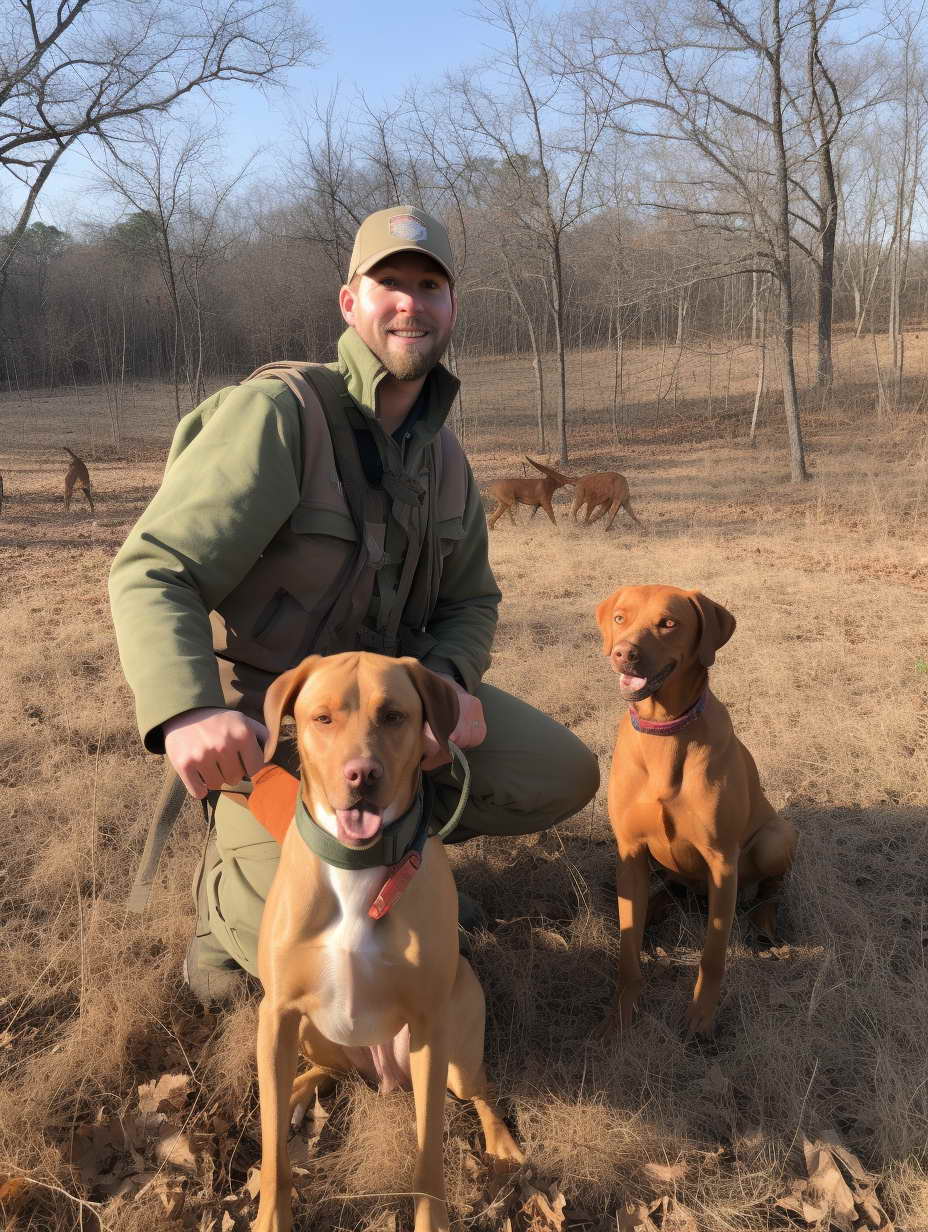
    Bird Dog Training Texas

    Bird Dog Training Texas Cost: A Comprehensive Guide

    If you’re considering bird dog training in Texas, one of your top concerns is likely the cost involved. Bird dog training can be a rewarding experience for both you and your canine companion, but it’s essential to understand the financial aspects before embarking on this journey. In this comprehensive guide, we will delve into the world of Bird Dog Training Texas Cost, covering everything from the initial expenses to potential hidden fees. By the end of this article, you’ll have a clear understanding of what to expect and how to plan your budget effectively.

    Bird Dog Training Texas Cost: What to Expect

    Initial Training Package

    When it comes to bird dog training, the first expense you’ll encounter is the initial training package. This package typically includes a set number of training sessions, basic obedience training, and an evaluation of your dog’s abilities. Prices can vary widely depending on the trainer’s expertise and location within Texas, but you can expect to pay anywhere from $500 to $1,500 for this package.

    Ongoing Training Sessions

    After the initial package, most bird dog training programs offer ongoing training sessions. These sessions are essential for reinforcing your dog’s skills and ensuring they continue to improve. On average, expect to pay around $50 to $100 per session, and most dogs benefit from weekly or bi-weekly sessions.

    Boarding Fees

    Some bird dog training programs offer boarding services for your dog during their training. This can be convenient, but it comes with an additional cost. Boarding fees typically range from $500 to $1,000 per month, depending on the facility’s amenities and location.

    Equipment and Supplies

    To properly train your bird dog, you’ll need specific equipment and supplies, such as bird launchers, training dummies, and tracking collars. The cost for these items can vary, but you should budget around $200 to $500 for essential training gear.

    Travel Expenses

    If you’re not located near the training facility, don’t forget to account for travel expenses. This includes gas, accommodations, and meals during your visits to the training center. Depending on the distance, you might spend an additional $200 to $500 or more on travel costs.

    Hidden Costs

    It’s crucial to be aware of potential hidden costs that may arise during bird dog training. These can include veterinary bills for unexpected health issues, additional training sessions if progress is slower than expected, and travel-related expenses. While it’s challenging to predict these costs precisely, having a financial buffer can provide peace of mind.

    Bird Dog Training Texas Cost

    FAQs

    What breeds are suitable for bird dog training in Texas?

    Bird dog training is most commonly associated with retrievers, pointers, setters, and spaniels. These breeds have natural instincts for bird hunting and can excel in this type of training.

    How long does bird dog training typically last?

    The duration of bird dog training varies depending on the dog’s age, prior training, and the desired level of expertise. On average, it can take anywhere from 3 to 6 months for comprehensive training.

    Are there any age restrictions for bird dog training?

    While it’s ideal to start bird dog training when your dog is between 6 and 12 months old, older dogs can also be trained. However, younger dogs tend to adapt more quickly.

    Can I train my bird dog myself instead of hiring a professional?

    While some owners successfully train their bird dogs, professional trainers have the expertise and equipment to provide more comprehensive training. If you’re new to bird dog training, it’s advisable to seek professional help.

    Are there any scholarships or financial assistance options for bird dog training?

    Some organizations and clubs offer scholarships or financial aid for individuals interested in bird dog training. It’s worth researching these options if cost is a concern.

    What should I look for in a reputable bird dog trainer?

    When choosing a trainer, look for experience, positive reviews from past clients, and a training philosophy that aligns with your goals and values.

    Conclusion

    Bird dog training in Texas can be a fulfilling experience, both for you and your four-legged friend. Understanding the costs involved is essential for effective planning. Remember that while the expenses may seem significant, the skills and bonds you’ll develop with your bird dog are priceless. By following this guide, you’ll be well-prepared to embark on this exciting journey of training your bird dog to be a skilled and reliable hunting companion.

  • Aggressive Dog Training Utah

    Aggressive Dog Training Utah

    Aggressive Dog Training Utah

    Aggressive Dog Training Utah Cost: Effective Solutions for a Happier Pooch

    Aggressive dog behavior can be a daunting challenge for pet owners in Utah. Whether your furry friend is displaying signs of aggression towards people, other pets, or even objects, it’s essential to address this issue promptly and effectively. However, many pet owners are concerned about the cost associated with aggressive dog training in Utah.

    In this comprehensive guide, we will delve into the world of Aggressive Dog Training Utah Cost, offering insights, solutions, and expert advice to help you make an informed decision for your four-legged friend.

    Introduction

    Aggressive behavior in dogs can lead to stressful situations and strained relationships with your pet. Fortunately, there are professional training services available in Utah to help modify and manage this behavior. In this article, we will explore the various aspects of aggressive dog training, including its cost, techniques, and the benefits it can bring to both you and your furry companion.

    Understanding Aggressive Dog Training

    Aggressive dog training is a specialized field of dog behavior modification that focuses on addressing and correcting aggressive behaviors in dogs. It requires a deep understanding of canine psychology, behavior, and effective training techniques. Let’s delve into the key aspects of understanding aggressive dog training:

    Recognizing Aggressive Behavior

    Before embarking on aggressive dog training, it’s essential to recognize and understand the various signs and manifestations of aggression in dogs. These behaviors are often the primary reasons pet owners seek professional help. Here are some common signs of aggressive behavior:

    • Growling: Growling is a vocalization that indicates your dog is feeling threatened, uncomfortable, or challenged. It’s a warning sign that should not be ignored.
    • Biting: Aggressive biting is a severe form of aggression and can cause physical harm to people and other animals. Understanding the triggers and causes of biting is crucial to address this issue effectively.
    • Barking: While barking is a natural form of communication for dogs, excessive and aggressive barking can be distressing and disruptive. Aggressive barking may occur in response to perceived threats or territorial issues.
    • Snapping: Sudden and unprovoked lunges or snaps at people, other dogs, or objects can be a clear indication of aggression. This behavior can be dangerous and requires immediate attention.
    • Resource Guarding: Some dogs exhibit aggression when it comes to protecting their possessions, such as food, toys, or even a particular spot in the house. Resource guarding can lead to conflicts in multi-pet households.

    Understanding these signs is the first step in addressing aggressive behavior in dogs. It allows pet owners and trainers to identify the specific issues that need to be addressed during training.

    The Importance of Professional Training

    Aggressive dog training is a complex and delicate process that requires expertise and experience. While some pet owners may attempt to address aggression issues themselves, professional training is often the safest and most effective solution. Here’s why:

    • Safety: Aggressive dogs can pose a risk to themselves, their owners, and others. Professional trainers are skilled in managing and controlling aggressive behavior, ensuring the safety of all parties involved.
    • Tailored Approach: Professional trainers assess each dog individually, taking into account their unique personality, triggers, and history. This allows for a customized training plan that addresses the specific aggression issues of your dog.
    • Positive Reinforcement: Reputable trainers employ positive reinforcement techniques, which involve rewarding desirable behaviors rather than punishing aggressive ones. This humane approach helps build trust and encourages your dog to make positive choices.
    • Behavior Modification: Aggressive dog training is not just about suppressing aggressive behaviors; it’s about modifying them. Trainers work to change your dog’s emotional response to triggers, reducing the likelihood of aggression in the future.
    • Long-Term Results: Professional training aims for long-term results. It equips pet owners with the knowledge and tools to manage and prevent aggression, ensuring a harmonious relationship between you and your dog.

    The Role of Socialization

    Socialization plays a crucial role in aggressive dog training. Many aggressive behaviors stem from fear, anxiety, or a lack of exposure to different people, animals, and environments during a dog’s critical developmental stages. Professional trainers often incorporate controlled socialization into their training programs to help dogs become more comfortable and confident in various situations.

    Understanding the importance of socialization and its role in aggressive dog training can be a game-changer for both pet owners and their dogs. It can help reduce fear-based aggression and improve your dog’s overall behavior and temperament.

    Aggressive Dog Training Utah Cost

    Factors Influencing Aggressive Dog Training Utah Cost

    Understanding the factors that influence the cost of aggressive dog training in Utah is crucial for making an informed decision and managing your expectations. Here, we will explore these factors in more detail:

    1. Severity of Aggression

    The severity of your dog’s aggressive behavior is a significant factor in determining the cost of training. Dogs with mild aggression issues may require a shorter and less intensive training program, which can be less expensive. On the other hand, if your dog exhibits severe aggression, such as unprovoked biting or extreme territorial behavior, a more extended and intensive training regimen will be necessary. This typically comes with a higher price tag.

    2. Duration of Training

    The length of the training program plays a vital role in cost considerations. Training sessions can vary from a few weeks to several months, depending on the complexity of the aggression and the progress your dog makes. Longer training durations generally result in higher costs, as they require more time and resources from the trainer.

    3. Training Methodology

    Different trainers may employ various methodologies for aggressive dog training. While positive reinforcement methods are generally considered humane and effective, some trainers may use alternative approaches. The training methodology can impact the cost, as trainers with specialized or unique techniques may charge differently. It’s essential to choose a training method that aligns with your values and goals for your pet.

    4. Location within Utah

    The location of the training facility or trainer can also influence the cost of aggressive dog training. Urban areas tend to have higher living and operating costs, which may translate to higher training fees. In contrast, rural or less densely populated areas may offer more competitive pricing.

    5. Inclusions in the Training Package

    When considering the cost, it’s essential to understand what is included in the training package. Some trainers may offer comprehensive packages that cover not only the training sessions but also follow-up consultations and support. Others may provide a basic training program with additional services available at an extra cost. Be sure to clarify what is included before committing to a training program.

    6. Trainer’s Experience and Reputation

    Experienced trainers with a proven track record of successfully addressing aggressive behavior may charge higher fees. While their expertise can be an investment in your dog’s well-being, it’s essential to balance cost considerations with the quality of training offered. Reading reviews, asking for references, and conducting thorough research can help you find a reputable trainer within your budget.

    7. Group vs. Individual Training

    Some trainers offer group training sessions, which can be more cost-effective than one-on-one individual training. Group sessions provide dogs with the opportunity to socialize and learn in a group setting. However, individualized training may be necessary for dogs with severe aggression issues, and it typically comes at a higher cost.

    8. Additional Expenses

    In addition to the core training fee, consider any additional expenses that may arise during the training process. This could include the cost of specialized equipment, such as muzzles or training aids, as well as travel expenses if the trainer is not located nearby.

    By taking these factors into account and discussing them with potential trainers, you can better understand the Aggressive Dog Training Utah Cost and make an informed decision that aligns with both your budget and your dog’s needs. Remember that investing in your dog’s training is an investment in their well-being and the safety of those around them.

    Aggressive dog behavior can be a challenging issue, but with the right approach and professional guidance, it can be effectively managed. The cost of aggressive dog training in Utah is a small price to pay for a happier, well-behaved, and safer pet.

  • Bullet Proof Dog Training San Antonio

    Bullet Proof Dog Training San Antonio

    Bullet Proof Dog Training San Antonio

    Bullet Proof Dog Training San Antonio Cost: Your Comprehensive Guide

    Are you a proud dog owner in San Antonio, looking to give your furry friend the best training possible? Bullet Proof Dog Training San Antonio Cost is a topic that concerns many pet parents in the area. In this detailed guide, we will delve deep into the various aspects of dog training costs, helping you make an informed decision. Whether you’re a first-time pet owner or looking to improve your dog’s behavior, read on to discover everything you need to know.

    Introduction

    Bullet Proof Dog Training San Antonio Cost is a crucial consideration for anyone seeking professional dog training services. Training your dog is not just about obedience; it’s about building a strong and lasting bond with your four-legged companion. This guide will provide you with valuable insights into the cost factors, what to expect, and how to ensure your dog receives top-notch training in San Antonio.

    Understanding the Basics

    Before we dive into the nitty-gritty details, let’s establish a foundation by understanding the basics of dog training costs.

    What is Bullet Proof Dog Training?

    Bullet Proof Dog Training is a renowned dog training facility in San Antonio, known for its effective and comprehensive training programs. Their methods focus on ensuring that your dog becomes obedient, well-mannered, and a joy to be around.

    Why Invest in Professional Dog Training?

    Investing in professional dog training can make a world of difference in your dog’s behavior. It can help address issues like excessive barking, leash pulling, aggression, and more. It also ensures that your dog is well-socialized and safe around other animals and people.

    The Importance of Cost Considerations

    While dog training is essential, it’s also crucial to be aware of the costs involved. Understanding these costs will help you budget effectively and choose the right program for your furry friend.

    Breaking Down the Costs: A Closer Look

    Now that we’ve touched on the various factors that influence the cost of Bullet Proof Dog Training San Antonio, let’s take a closer look at each aspect to help you make a well-informed decision.

    1. Training Program Selection

    The choice of training program plays a pivotal role in determining the overall cost. Bullet Proof Dog Training offers a range of programs tailored to different needs. Here’s a breakdown of some of the common training programs and their associated costs:

    a. Basic Obedience Training

    Basic obedience training is an excellent choice for puppies or dogs new to training. It typically covers commands like sit, stay, come, and leash walking. Expect to pay a moderate fee for this program, making it an affordable option for many pet owners.

    b. Advanced Training

    For dogs that require more advanced training or have specific behavioral issues, advanced training programs are available. These programs often involve in-depth training sessions and may cost slightly more than basic obedience training.

    c. Behavioral Modification

    If your dog exhibits challenging behavior problems like aggression, anxiety, or fear, behavioral modification programs are essential. These programs involve intensive training and may require a more significant financial investment.

    Bullet Proof Dog Training San Antonio Cost

    2. Duration of Training

    The length of your dog’s training program directly impacts the cost. Bullet Proof Dog Training offers flexible durations to cater to your dog’s unique needs. Here’s a general guideline:

    a. Short-term Programs

    Short-term programs, typically lasting a few weeks, are budget-friendly and suitable for basic obedience training.

    b. Medium-term Programs

    Medium-term programs, spanning several weeks to a few months, are ideal for addressing moderate behavior issues. They offer a balance between cost and training depth.

    c. Long-term Programs

    Long-term programs, spanning several months to a year, provide the most comprehensive training. While they come with a higher price tag, they ensure thorough and lasting results.

    3. Individual or Group Training

    Bullet Proof Dog Training San Antonio offers both individual and group training sessions, each with its associated costs and benefits:

    a. Individual Training

    Individual training sessions provide one-on-one attention for your dog and are customized to address specific issues. While they offer maximum personalization, they tend to be more expensive due to the exclusive focus on your pet.

    b. Group Training

    Group training sessions are conducted in a class setting with multiple dogs and owners. These sessions are cost-effective but may offer less individualized attention. They are excellent for socializing your dog with others.

    4. Trainer’s Experience

    The trainer’s experience and expertise can significantly impact the cost of your dog’s training. Highly experienced trainers often charge higher fees because of their proven track record and ability to deliver faster results. While it may seem like a larger upfront cost, the long-term benefits of effective training are well worth it.

    5. Additional Services

    Consider whether your dog may benefit from additional services offered by Bullet Proof Dog Training:

    a. Boarding

    If you require your dog to stay at the training facility, boarding services may be necessary. This incurs an extra cost but provides continuous training and supervision.

    b. Grooming

    Some training programs include grooming services. While this adds to the overall cost, it can be convenient to have your dog groomed during training.

    c. Follow-Up Sessions

    After completing the primary training program, you may opt for follow-up sessions to reinforce the learned behaviors. These sessions come at an additional cost but are valuable for maintaining your dog’s training.

    6. Location

    The location of the training facility can also influence the cost. Training centers in urban areas often have higher overheads, which may translate into higher fees. If you’re looking for cost savings, consider exploring options in suburban or rural areas.

    7. Discounts and Packages

    Bullet Proof Dog Training may offer discounts or packages that can help you save on training costs. Be sure to inquire about any special offers or bundled services when discussing your dog’s training plan.

    Bullet Proof Dog Training San Antonio Cost is a vital aspect to consider when embarking on your dog’s training journey. Investing in professional training not only transforms your dog’s behavior but also enhances the quality of life for both you and your beloved pet. Remember, the cost reflects the expertise, dedication, and results you can expect from the team at Bullet Proof Dog Training San Antonio.

  • Dog Training Classes Price

    Dog Training Classes Price

    Dog Training Classes Price

    The Complete Guide About Dog Training Classes Price

    Are you considering enrolling your furry friend in dog training classes? If so, you’ve come to the right place. In this comprehensive guide, we will walk you through everything you need to know about the prices associated with dog training classes. Whether you’re a first-time dog owner or looking to enhance your canine companion’s behavior, understanding the costs involved is crucial. So, let’s delve into the world of dog training class prices.

    Factors Influencing Dog Training Class Prices

    When it comes to the pricing of dog training classes, several key factors come into play. Understanding these factors is essential as they can significantly impact the cost of enrolling your furry friend in a training program. Here’s a closer look at the factors that influence dog training class prices:

    1. Dog’s Age and Breed

    The age and breed of your dog play a pivotal role in determining the cost of training classes. Puppies and certain breeds may require specialized training due to their unique characteristics and behaviors. For example, puppy training classes often focus on socialization and basic obedience, while breeds with specific traits may need tailored training to address their tendencies. Consequently, specialized training for puppies or certain breeds can be more expensive than general obedience classes.

    2. Class Duration

    The duration of the training program is another critical factor affecting pricing. Short, basic obedience courses that span a few weeks will generally cost less than longer, more advanced programs. Extended programs provide more in-depth training and practice, which can translate to higher costs. It’s essential to choose a program duration that aligns with your dog’s needs and your budget.

    3. Trainer’s Expertise

    The experience and qualifications of the trainer can significantly influence the pricing of dog training classes. Certified trainers or those with extensive experience and a proven track record may charge higher fees due to their expertise. While these trainers often command higher prices, they can offer a more comprehensive and effective training experience.

    4. Location

    The geographical location where you reside also plays a role in determining the cost of dog training classes. Prices may vary from one region to another, with urban areas generally having higher fees due to increased demand and living costs. Rural areas may offer more affordable training options, but access to specialized trainers could be limited.

    5. Training Methods

    Different trainers employ various training methods and philosophies. Some trainers focus on positive reinforcement, while others may use specialized techniques like clicker training or specific behavior modification approaches. The choice of training method can affect pricing, with some specialized methods requiring more time and expertise.

    6. Group vs. Private Classes

    The format of the training classes also impacts pricing. Group classes, where multiple dog owners and their pets attend sessions together, tend to be more affordable than private one-on-one sessions. Group classes provide socialization opportunities for dogs and are generally sufficient for basic obedience. Private classes offer personalized attention and may be necessary for addressing specific behavioral issues but come at a higher cost.

    7. Additional Services

    Some training programs offer additional services beyond standard training sessions. These extras can include boarding services, grooming, follow-up sessions, or even access to online resources and support. While these services can enhance the training experience, they may also contribute to an increase in overall costs.

    8. Reputation of the Training School

    The reputation and standing of the training school or facility can affect pricing. Well-established training schools with a positive track record may charge higher fees due to their demand and the perceived quality of their services. While these schools often deliver high-quality training, it’s essential to consider both cost and reputation when making your choice.

    9. Specialized Training

    Dogs with unique needs, such as those training for therapy or service roles, may require specialized training programs. These specialized programs demand specific expertise and resources, resulting in higher costs. However, they are essential for ensuring that dogs are adequately prepared for their specialized roles.

    The Complete Guide About Dog Training Classes Price

    Understanding Average Dog Training Class Costs

    When considering enrolling your furry friend in dog training classes, it’s essential to have a clear understanding of the average costs you might encounter. While prices can vary widely depending on various factors, having a ballpark figure in mind can help you budget effectively and make an informed decision. Here, we’ll delve deeper into the average cost of dog training classes based on different types of programs and services:

    Basic Obedience Classes

    Basic obedience classes are often the first choice for dog owners looking to instill essential commands and behaviors in their pets. These classes typically cover commands like sit, stay, and come, as well as leash training and basic manners. The cost for basic obedience classes can range from $100 to $300 for a multi-week course. Keep in mind that the duration and quality of these programs may vary, so it’s crucial to research and choose a reputable trainer.

    Advanced Obedience or Specialized Training

    For dogs that require more advanced training or have specific behavioral issues, advanced obedience or specialized training programs may be necessary. These classes often address complex behaviors or focus on particular skills, such as agility training or therapy dog preparation. Prices for advanced or specialized training can range from $300 to $1,000 or more, depending on the program’s duration and the expertise of the trainer.

    Private Sessions

    Some dog owners prefer one-on-one attention for their pets, making private training sessions an attractive option. During private sessions, trainers can tailor their approach to address your dog’s unique needs and challenges. The cost of private training sessions typically falls between $50 and $150 per hour, with variations based on the trainer’s experience and location.

    Board and Train Programs

    Board and train programs offer a comprehensive training experience where your dog stays with the trainer for an extended period. This immersive approach can be highly effective for certain dogs but comes at a higher cost. Prices for board and train programs can range from $1,000 to $2,500 or more, depending on the duration of the program and the services included, such as boarding and follow-up sessions.

    Additional Costs to Consider

    While the above price ranges provide a general idea of what to expect, it’s essential to be aware of potential additional costs that may arise during your dog’s training journey. These costs can include:

    • Training Materials: Some trainers may require you to purchase training materials, such as books, clickers, or specific collars or harnesses.
    • Certification Fees: If you’re pursuing specialized training or certification, there may be fees associated with exams or certification processes.
    • Equipment Costs: Depending on the training program, you might need to invest in specific training equipment, such as agility props or scent detection tools.

    It’s crucial to discuss these potential additional costs with your chosen trainer to ensure there are no surprises as you progress through the training program.

    Finding the Right Balance

    While cost is undoubtedly a factor to consider when enrolling your dog in training classes, it’s equally important to prioritize the quality of the training and the trainer’s expertise. Ultimately, the goal of dog training is to foster a positive and enriching experience for both you and your canine companion. By understanding the average costs and factors that influence them, you can make an informed decision that benefits your pet’s well-being and strengthens your bond with them.

    In this complete guide about dog training class prices, we’ve explored the factors that influence costs, provided average price ranges, and answered common questions. Remember that the right training can have a profound impact on your dog’s behavior and your relationship with them. While prices may vary, the investment in your pet’s happiness and well-being is priceless.