Author: Julia

  • Inside the World of Pitbull Farms: Dispelling Myths About Controversial Breeding Facilities

    Inside the World of Pitbull Farms: Dispelling Myths About Controversial Breeding Facilities

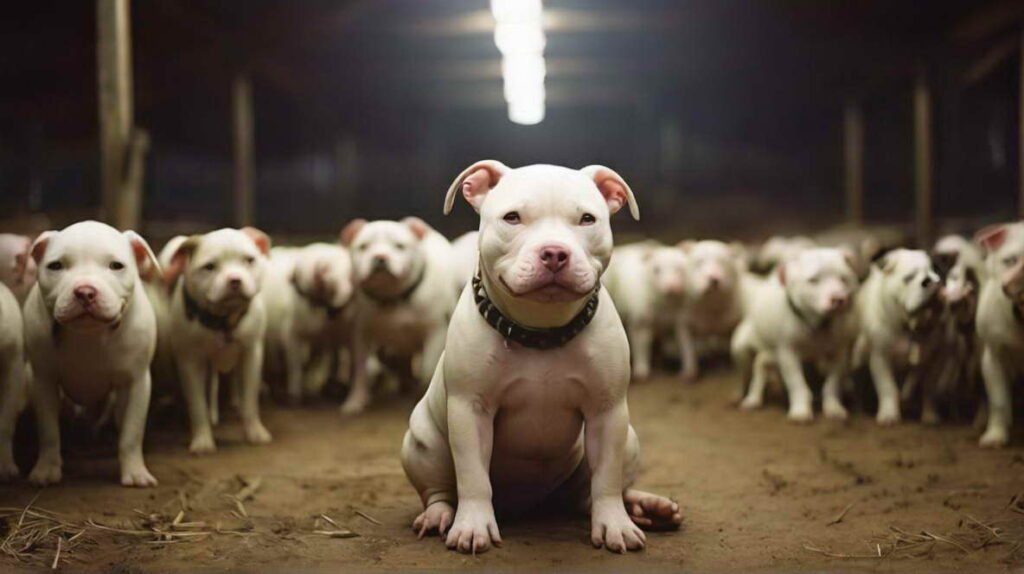
    Pitbull Farms

    The World of Pit Bull Farms and Breeders

    PETSIDI – Pit Bulls are one of the most popular and also controversial dog breeds in America. While Pit Bull breeds such as the American Pit Bull Terrier are often viewed negatively in the media, there are many responsible and reputable Pit Bull breeders, kennels, and facilities across the country focused on preserving and improving the breed.

    An Overview of Pit Bull Breeding Facilities

    There are several types of facilities involved in Pit Bull breeding and bloodline development:

    • Breeding programs and kennels: Reputable breeding kennels carefully select stud dogs and females for breeding to produce dogs meeting the breed standard for health, temperament, and conformation. They utilize pedigree analysis, genetic health testing, and temperament evaluations when planning pairings.
    • Training facilities: Many kennels have professional training staff to provide early socialization, obedience, and bite inhibition training for Pit Bull puppies to ensure they grow into well-mannered companions.
    • Pit Bull advocacy groups: Non-profit organizations involved in Pit Bull rescue, foster programs, rehabilitation, training, and adoption services. They aim to find good homes for Pit Bulls in need and change public perceptions of the breed.
    • Puppy mills: Unethical, profit-driven breeders who mass-produce Pit Bull litters without regard for the dogs’ welfare. Responsible breeding practices are not followed. These facilities should be avoided.
    • Dog fighting rings: Illegal organizations that breed Pit Bulls for exploitation and abuse in dog fighting. They often focus on aggression rather than health or temperament. Supporting these operations only encourages further cruelty.

    Responsible Pit Bull Breeding Practices

    Reputable Pit Bull breeders and facilities should follow responsible practices such as:

    • Rigorous health testing for issues like hip dysplasia, heart conditions, eye disorders, allergies, and autoimmune disorders.
    • Genetic testing for known inherited conditions. Dogs who carry defective genes are not used for breeding.
    • Temperament testing from an early age to identify dogs with sound temperaments for training and breeding.
    • Early and ongoing socialization and positive training methods to shape puppies into good canine citizens. This should continue through adoption.
    • Careful record keeping for multi-generational pedigree analysis to inform breeding decisions.
    • Only breeding dogs who meet breed standards for conformation, temperament, and health.
    • Limited breeding cycles for females and small litter sizes to avoid over-breeding.
    • Thorough veterinary care and health monitoring of all dogs.
    • Clean, spacious housing, balanced diets, exercise, affection, and enrichment opportunities to ensure dogs’ physical and mental well-being.

    Following such practices produces the healthiest, best socialized Pit Bull puppies and preserves the positive traits of the breed.

    What Happens at Pit Bull Breeding Facilities

    Reputable breeding, training, and advocacy facilities aim to improve Pit Bull breeding stock each generation. Here are some standard practices:

    • Rigorous health testing of breeding dogs. Dogs with disqualifying conditions are not bred.
    • Breeding only dogs meeting standards for health, conformation, and temperament. This improves odds of producing quality puppies.
    • Keeping meticulous pedigree records and analyzing bloodlines to inform breeding decisions.
    • Providing excellent veterinary care including vaccinations, deworming, and prompt treatment of any health issues.
    • Caring for pregnant and nursing females with high quality nutrition and monitoring by staff.
    • Whelping puppies in a safe, clean environment and monitoring newborns for health issues.
    • Beginning temperament testing and socialization of puppies at 3-4 weeks old.
    • Enrolling puppies in early positive reinforcement obedience training and bite inhibition classes.
    • Thoroughly screening potential owners prior to adoption. Matching puppies with compatible owners committed to training.
    • Providing lifetime breeder support including training advice, health information, and taking back dogs if needed.

    Reputable facilities focus on each dog’s well-being, not profits. Producing mentally and physically healthy, well-socialized Pit Bulls is the top priority.

    Why Proper Socialization and Training Matters

    Positive socialization and training from an early age are crucial to shaping Pit Bulls into well-adjusted companions. Well-run facilities place emphasis on these areas:

    • Puppy socialization classes allow controlled positive interactions with people, dogs, sights and sounds. This builds confidence and friendliness.
    • Obedience training utilizes reward-based methods to strengthen the human-canine bond and reinforce desirable behaviors like walking politely on a leash.
    • Bite inhibition training teaches a soft mouth and careful jaw control when playing. This prevents injury and reduces risk of aggression.
    • Continuing socialization into adulthood through group training classes, dog parks, play dates, and public outings.
    • Behavior modification under guidance of trainers can help Pit Bulls with specific issues like dog reactivity, fear, or hyperactivity.
    • Canine Good Citizen training and testing ensures Pit Bulls have the manners and temperament to be community ambassadors for the breed.

    Proper socialization and training yields Pit Bulls that are relaxed, friendly, and able to safely interact with people and animals. This benefits owners and improves public perceptions of Pit Bulls.

    Sports, Events, and Activities for Pit Bulls

    In addition to breeding and training facilities, many organizations and events cater to Pit Bull owners and fans. These include:

    • Conformation shows allow breeders to showcase dogs meeting Pit Bull breed standards and have them evaluated by judges.
    • Obedience and agility trials demonstrate well-trained Pit Bulls’ abilities in structured competitions.
    • Rally obedience events involve dogs navigating short courses and completing various maneuvers.
    • Tracking and scent work allow Pit Bulls’ strong sense of smell to be put to work finding objects based on human direction.
    • Therapy dog certification qualifies Pit Bulls with calm demeanors to visit hospitals, nursing homes, schools, and provide comfort.
    • Fun competitions like musical freestyle dancing, “kissing booths,” and obstacle courses show off Pit Bulls’ talents.
    • Fundraisers and adoption events bring Pit Bull supporters together to help dogs in need find loving homes.

    Such organized events allow Pit Bull owners to bond with their dogs while refuting negative stereotypes about the breed. They showcase Pit Bulls positively.
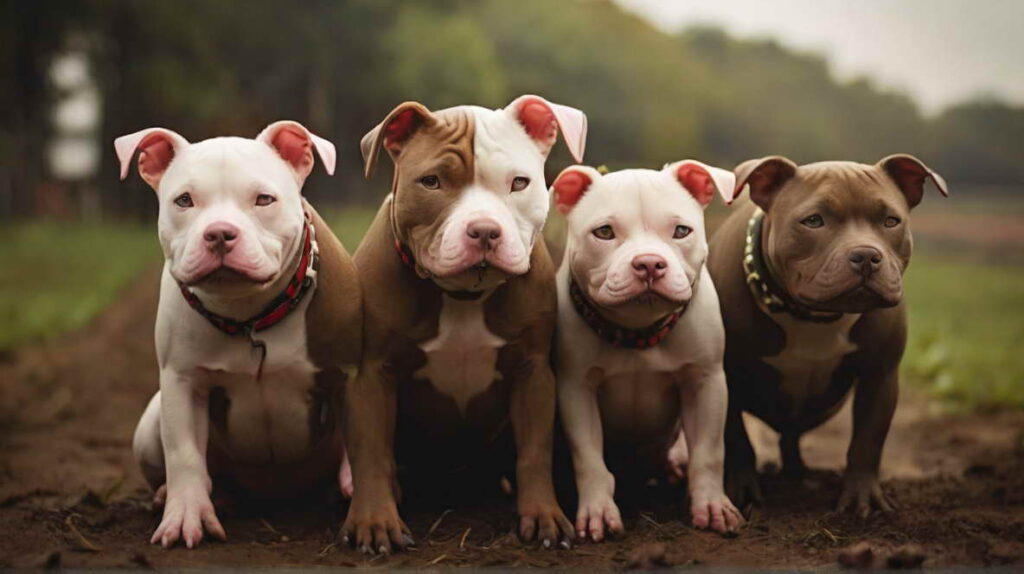
    How To Find Pitbull Farms

    Pit Bull Health and Genetic Issues

    Responsible Pit Bull breeders aim to prevent or reduce breed-specific health conditions including:

    • Hip and elbow dysplasia – Malformed joints that cause arthritis and lameness. X-rays screen breeding dogs.
    • Skin problems – Allergies, rashes, and infections. Affected dogs are not bred.
    • Heart conditions – Congenital defects can cause problems like arrhythmia. Cardiac exams check for issues.
    • Eye diseases – Issues like cataracts and progressive retinal atrophy. Veterinary ophthalmologists evaluate eye health.
    • Obesity – Excess weight stresses joints and organs. Overfed dogs are not bred. Recommended diets and exercise prevent obesity.
    • Bloat – Twisting of stomach. Avoiding overfeeding, strenuous exercise after eating, and monitoring for symptoms helps manage risk.
    • Cancers – Mast cell tumors, lymphoma and bone cancer occur more often in Pit Bull breeds. Veterinary screening identifies affected dogs.

    By testing for these conditions and only breeding clear dogs, occurrences decrease over generations, improving the breed’s health.

    Finding a Responsible Pit Bull Breeder

    For those seeking a Pit Bull puppy, locating a responsible, ethical breeder is crucial. Warning signs of unethical breeders:

    • No health testing or genetic screening of parent dogs
    • Dogs displayed in poor conditions
    • Pressuring buyers to purchase “today only”
    • Unwilling to show parents on premises
    • No pedigree records or titles/health clearances
    • Puppies appear lethargic or ill
    • Requires payment in cash only

    Reputable breeders will:

    • Prove health testing and genetic screening status of breeding dogs
    • Provide pedigree information and explain their breeding decisions
    • Have a clean, spacious facility where dogs appear happy and well-cared for
    • Let buyers meet parent dogs and see whelping areas
    • Thoroughly screen potential buyers to place puppies wisely
    • Offer lifetime health and training guidance and take back dogs if needed

    Doing research is important to get a healthy, well-socialized Pit Bull puppy and avoid supporting unethical breeders. Don’t rush into a decision.

    Pit Bull Ownership Laws and Public Policies

    Laws and public policies regarding Pit Bull ownership vary considerably depending on location:

    • Breed-specific legislation (BSL): Some areas ban ownership of Pit Bull breeds entirely. Others place severe restrictions – mandatory spay/neuter, muzzle laws, special permits, etc. These are highly controversial.
    • Liability insurance requirements: Some locales require owners carry substantial liability policies in case of biting incidents, making ownership cost-prohibitive for many.
    • Housing restrictions: Many apartments, condos, and rentals prohibit Pit Bull breeds, limiting housing options for owners.
    • Public area bans: Some public parks, beaches, and hiking trails prohibit Pit Bull breeds, regardless of temperament or training.

    Pit Bull advocacy groups actively campaign against BSL and restrictions they view as discriminatory, using adoption events, media campaigns and lobbying to change public perceptions and overturn legislation.

    Responsible ownership and public outreach help counteract stereotypes and promote community acceptance. Ongoing societal dialogue continues around public policy for Pit Bull and bully breed dogs.

    The Pit Bull Personality

    Despite their imposing appearance, most Pit Bulls have friendly, affectionate personalities when properly socialized and trained. Their temperament can be described as:

    • Outgoing, energetic, and playful – they love playing with toys and interacting with their favorite people.
    • Loyal and people-oriented – Pit Bulls bond very closely with their owners and aim to spend time with them whenever possible.
    • Sweet-natured and gentle – Despite myths, well-bred, properly trained Pit Bulls display very little aggression and are extremely affectionate with their families.
    • Eager to please – Their devotion and sensitivity to emotion makes them highly trainable when positive reinforcement is used.
    • Clownish – Pit Bulls delight in entertaining their owners with their amusing antics and clown-like playfulness.
    • Strong-willed – They are highly intelligent and may test boundaries if owners do not use consistent training. Their willful nature requires patient, firm guidance.

    When raised with proper early socialization, training, and responsible ownership, the iconic Pit Bull temperament shines through as a loving, hilarious and fun-loving companion.

    Pit Bull Advocacy and Public Education

    Despite being one of the most popular breeds in the U.S., Pit Bulls still face major stigma and discrimination stemming from inaccurate stereotypes. Responsible Pit Bull organizations aim to dispel myths through advocacy and public education. They:

    • Organize adoption events, fundraisers, and media campaigns portraying Pit Bulls positively.
    • Lobby to overturn breed-specific legislation that restricts Pit Bull ownership.
    • Use websites, social media outreach, blogs, and vlogs to counter negative breed perceptions.
    • Create documentary films, books, magazines and podcasts sharing facts on Pit Bull history, temperament, and lives with families.
    • Offer temperament and obedience testing demonstrating stable, trainable temperaments.
    • Stage events like “kissing booths” and talent shows that highlight Pit Bulls’ friendliness in public settings.
    • Certify Pit Bulls as therapy dogs and canine good citizens to showcase them as community ambassadors.
    • Provide resources and guidance to help owners be responsible Pit Bull stewards and properly manage behaviors.

    With persistent positive public outreach and advocacy, progress is being made to overcome unjust prejudice, ensure fair treatment, and preserve the Pit Bull breeds for future generations.

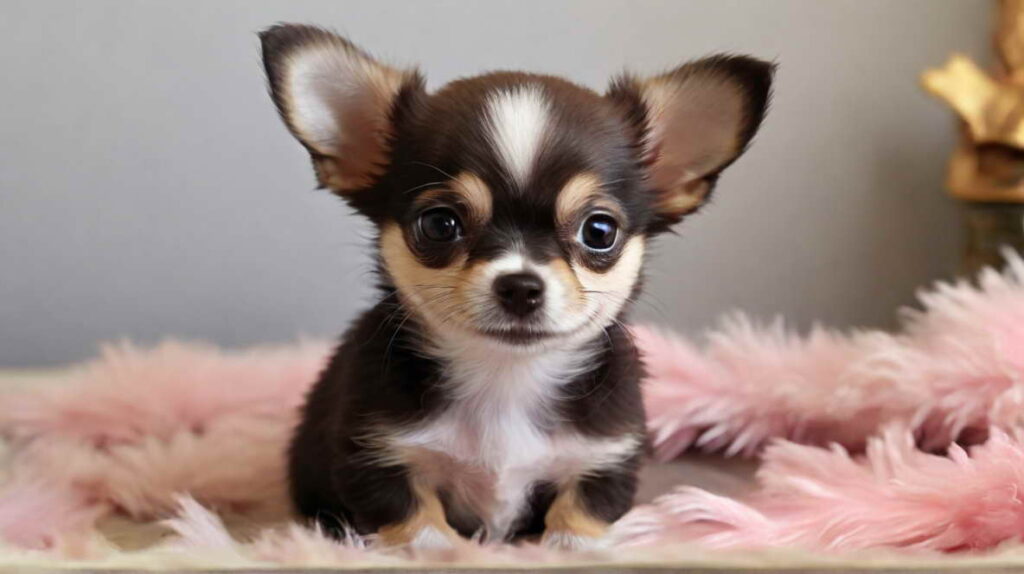
  • Chihuahua Puppy For Sale $150 Craigslist

    Chihuahua Puppy For Sale $150 Craigslist

    Chihuahua Puppy For Sale $150 Craigslist

    How To Find Chihuahua Puppy For Sale $150 Craigslist

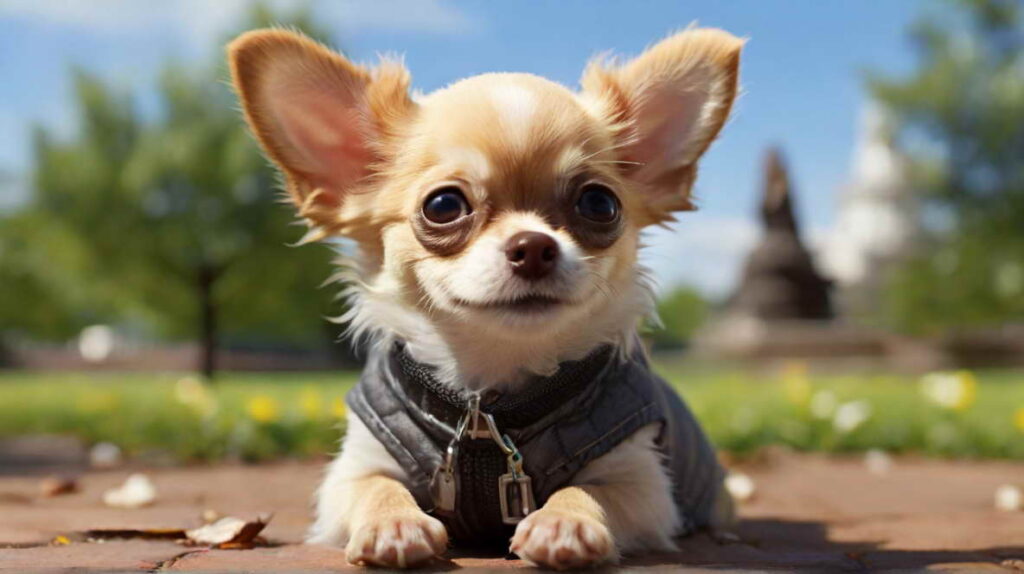
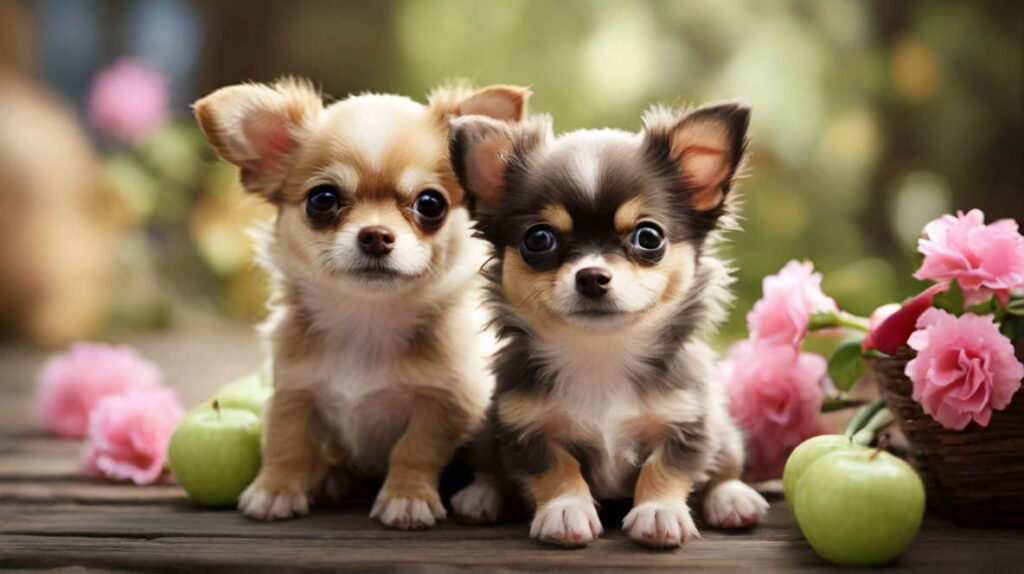
    PETSIDI – Hey friend! Looking for an adorable new furry friend to join your family? Chihuahuas are one of the most popular small dog breeds, known for being lively, loyal, and absolutely cute as a button. While Chihuahua puppies can be expensive from a breeder, you can sometimes find deals on Craigslist for rehoming by owners or accidental litters. With some patience and perseverance, you might just find your perfect Chihuahua puppy for cheap or even free on Craigslist!

    In this article, I’ll walk you through the process of searching for and adopting a Chihuahua puppy on Craigslist for a bargain price of $150 or less. We’ll cover:

    • Understanding Chihuahua Backgrounds and Costs
    • Searching Craigslist for Chihuahua Listings
    • Contacting Sellers and Screening Listings
    • Visiting and Choosing Your Puppy
    • Bringing Your New Puppy Home

    Let’s dive in and find your perfect new fur baby!

    Understanding Chihuahua Backgrounds and Costs

    To find your dream Chihuahua puppy for cheap, it helps to understand where they usually come from and what impacts the price. Here’s a quick rundown:

    Where Do Cheap Chihuahuas Come From?

    Cheap Chihuahua puppies on Craigslist are often:

    • Accidental litters from people’s pet Chihuahuas
    • Retired breeding dogs that owners want to rehome
    • Shelter/rescue pups
    • Imported from Mexico/South America (can be risky)

    Reputable breeders usually charge $500-$2000+ for Chihuahua puppies, depending on lineage and location. But everyday pet Chihuahuas often end up having accidental litters, and owners then need to rehome the puppies quickly.

    Backyard breeders also produce litters cheaply, but may not health test breeding dogs or puppies. It’s best to avoid these.

    What Impacts Chihuahua Puppy Prices?

    Factors that increase a Chihuahua puppy’s price include:

    • Age – younger puppies cost more
    • Size – “teacup” Chihuahuas under 3 lbs are pricier
    • Coloring – rare colors like merle cost more
    • Lineage – well-bred puppies from champion bloodlines are expensive
    • Location – puppies in cities/urban areas tend to cost more

    Cheaper puppies often come from accidental pet litters and are older, standard-sized, common colors, and non-show lineage.

    Average Chihuahua Puppy Costs

    SourceAverage Price
    Breeders$500 – $2000+
    Pet stores$500 – $1000
    Accidental litters$50 – $300
    Rescues$50 – $350
    Imports$20 – $800

    From this, we can see the average price range for cheaper chihuahua puppies from accidental litters, rescues, or imports is approximately $50 – $350.

    So if you’re patient and persistent, you can likely find a Chihuahua puppy under $150 on Craigslist! Now let’s look at how to search.

    How To Find Chihuahua Puppy For Sale $150 Craigslist

    Searching Craigslist for Chihuahua Listings

    Craigslist can be a bit of a disorganized mess, but here are some tips for narrowing down the search for Chihuahua puppies under $150:

    Check the Right Sections

    Focus on these sections:

    • Pets » Dogs
    • Community » Pets » Dogs

    Also look under:

    • Lost + Found » Pets

    Sometimes young puppies are listed here.

    Use Search Terms

    Try searches like:

    • “Chihuahua”
    • “Chihuahua puppies”
    • “Chihuahua pups”
    • “Chi puppies” “Chi pups”
    • “teacup Chihuahua” “teacup Chi”

    Can also add “-mix” to eliminate mixes.

    Filter By Price

    Check the “$100” and “$150” price filter options to narrow it down. You can sometimes find puppies listed for cheap even if they don’t specify a price.

    Browse All Areas

    Don’t just restrict yourself to your own city or suburb. Look at the full coverage area, as you may find better deals a bit farther out.

    Check Daily

    New posts come up all the time, so check back daily and be ready to contact sellers promptly. The cute ones go fast!

    Expand Your Search

    If Craigslist isn’t yielding results, also look on sites like Facebook Marketplace, Nextdoor, and local rescue/shelter adoption sites.

    Contacting Sellers and Screening Listings

    Once you’ve found some potential Chihuahua puppies under $150 on Craigslist, it’s time to reach out to sellers. Here are some tips:

    Ask Lots of Questions

    To screen listings, make sure to ask about:

    • Puppy’s age, sex
    • Breeding background – accidental litter? retired breeder?
    • Health and vet records – shots, deworming, health issues
    • Temperament and behavior
    • Reason for rehoming
    • Meeting the parents (if still with them)

    Watch for Red Flags

    Avoid listings if sellers seem:

    • Evasive or reluctant to provide info
    • Unable/unwilling to provide vet records
    • Rehoming at very young age (under 8 weeks)
    • Offering to ship the puppy
    • Asking for extra fees for vaccinations/registration

    Request Photos/Videos

    Ask for recent pics/videos to help gauge the pup’s health, age, and environment. Are the living conditions clean and safe? Does the puppy look healthy and vibrant?

    Arrange a Meet & Greet

    If all checks out, schedule a time to meet the puppy and parents (if possible) before adopting. This will help confirm everything in person.

    Meeting in a neutral location is safest when buying from strangers.

    Visiting and Choosing Your Puppy

    You’re finally going to meet potential Chihuahua puppies in person! Here are some things to look out for:

    Assess Health & Energy

    Gently interact with the puppy and see that they are:

    • Alert, active, curious
    • Clear eyes, nose, skin
    • Shiny coat
    • Healthy weight
    • Muscular limbs
    • No coughing or runny nose

    Puppies should seem vibrant and excited to play/explore. Lethargy, eye/nose discharge, or swelling can indicate illness.

    Check for Signs of Neglect

    Look for indicators like:

    • Matted/dirty coat
    • Long nails
    • Skin irritation
    • Fleas/ticks
    • Underweight or pot-bellied

    While not definitive, these may hint at neglect.

    Observe Behavior

    Does the puppy seem:

    • Friendly and social
    • Comfortable being handled
    • Playful and energetic

    Avoid puppies that seem anxious, aggressive, or fearful.

    Meet the Parents (if possible)

    Meeting Mom and Dad can provide insight into size, temperament, and health. Watch their interaction with puppies – attentive and protective? Nervous or indifferent?

    See if you can handle the parents as well. Their reaction may indicate if aggression runs in the bloodline.

    Choose Your Puppy

    When deciding on a particular pup, let your heart guide you too! The one that bonds with you immediately may just be the perfect match.

    Don’t feel rushed into deciding – make sure you are comfortable before committing.

    Bringing Your New Puppy Home

    Congratulations on finding your new furry friend! Here are some tips for bringing home and caring for your Chihuahua puppy:

    Puppy-Proof Your Home

    Before pickup, prepare your home by:

    • Removing hazardous objects/chemicals
    • Securing electric wires
    • Blocking off unsafe areas

    Chihuahua puppies are tiny and quick! Better to be safe.

    Get Supplies

    Have essentials ready like:

    • Collar + leash
    • ID tag
    • Food and water bowls
    • Puppy food
    • Dog bed
    • Potty training pads
    • Toys
    • Grooming supplies

    Shopping beforehand reduces stress for you and pup!

    Schedule a Vet Visit

    Book the puppy’s first vet visit within a few days to:

    • Confirm health
    • Deworm, vaccinate
    • Discuss care, nutrition

    Establishing vet care early on is important.

    Pet-Proof Your Home

    In addition to safety proofing, also:

    • Remove valuables and clutter
    • Block access to hazards like stairs, balconies
    • Create allowed chewing zones

    Puppies are curious and love to chew – be prepared!

    Potty Train

    • Take out every few hours
    • Reward outdoor potties with treats
    • Limit access until fully trained
    • Clean accidents thoroughly with enzyme cleaner

    Patience and consistency are key for potty training success!

    Socialize Your Puppy

    Safely expose your puppy to:

    • New people
    • Other friendly pets
    • Children
    • Various environments

    This prevents fearfulness and improves temperament. Go slowly and positively.

    With preparation and diligent care, your new Chihuahua puppy will settle into your family and bring you years of joy and companionship! I wish you the very best finding your perfect pup.

  • Mini German Shepherd Price

    Mini German Shepherd Price

    Mini German Shepherd Price

    Mini German Shepherds – A Petite Version of Man’s Best Friend

    PETSIDI – Hey friend! Have you heard about Mini German Shepherds? They’re a smaller version of the classic German Shepherd dog. If you love Shepherds but don’t have the space or lifestyle for a large dog, a Mini could be perfect for you!

    Mini German Shepherds are rapidly growing in popularity. Let’s take a look at why people love them so much, their general price range, and some things to consider before bringing one of these petite pups home.

    What is a Mini German Shepherd?

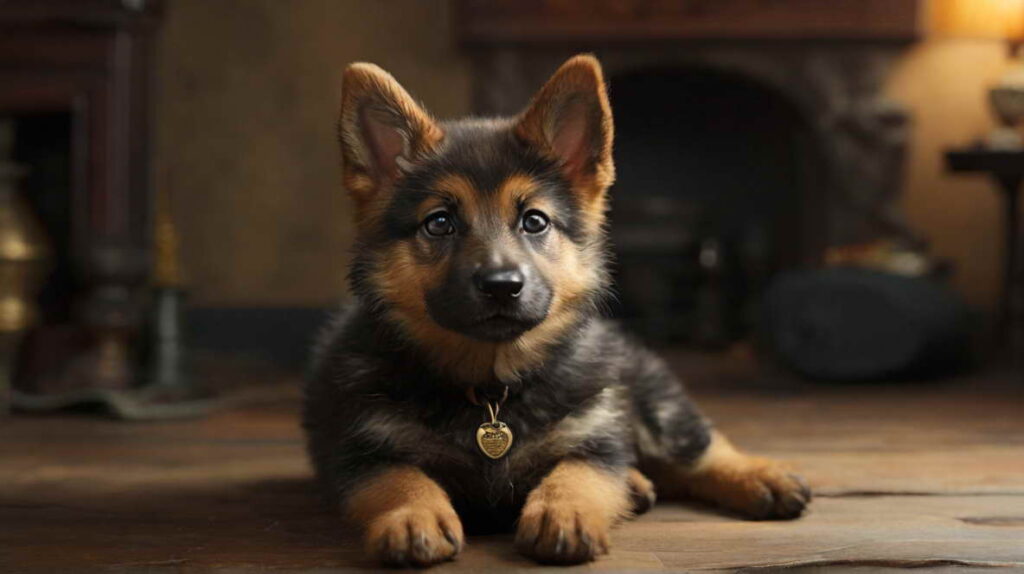
    A Mini German Shepherd is exactly what it sounds like – a small-sized GSD. They look just like their larger counterparts, with the classic black and tan coloring and pointy ears. Minis are typically bred by crossing a standard German Shepherd with a smaller dog like a Pomeranian or Toy Poodle.

    Mini German Shepherds generally range from 16 to 22 inches tall at the shoulder and weigh 20 to 50 pounds fully grown. That’s less than half the size of a standard German Shepherd!

    So if you love the German Shepherd temperament and personality but want a more compact companion, a Mini German Shepherd could be perfect. Let’s look at some of their pros:

    Pros of Mini German Shepherds

    • Small size – More suited to apartments or smaller homes without yards. Easier to travel with.
    • All the GSD traits – Loyal, intelligent, eager to please. Great watch dogs who bond closely with their people.
    • Lower exercise needs – Don’t need as much space and activity as standard GSDs. 30-60 minutes of walking per day is usually sufficient.
    • Easier to handle – Their small stature makes them easier to control on leash, pick up, and manage for most owners.
    • Long lifespans – Minis often live 2-3 years longer than standard German Shepherds, who have a lifespan of 9-13 years.

    As you can see, Mini German Shepherds offer much of the appeal of a regular GSD in a more compact and convenient package. But what about the price of these petite pups?

    How Much Does a Mini German Shepherd Cost?

    The price of Mini German Shepherd puppies can vary quite a bit based on the breeder, lineage, location, and other factors. However, here’s a general overview of what to expect:

    • Average Price Range$500 – $1500
    • Budget/Backyard Breeder Pricing$300 – $800
    • Reputable Breeder Pricing$1200 – $3000+

    As you can see, you can pay anywhere from a few hundred dollars for a Mini Shepherd up to several thousand for a top pedigree from an elite breeder. Let’s break the pricing down a bit more:

    Factors Affecting Mini German Shepherd Prices

    • Breeder reputation – Well-reviewed breeders with extensive experience command higher prices. Avoid backyard breeders or puppy mills only focused on profits.
    • Bloodline – Minis from champion show or working lines cost more.
    • Age – Puppies 8-12 weeks old are most expensive. Older dogs or young adults cheaper.
    • Coat color – Rarer colors like solid black, white, or blue can increase price.
    • Training – Basic obedience training adds value. Housebreaking, leash training, etc may raise cost.
    • Location – Puppies shipped from popular breeders nationwide can be pricier.
    • Gender – Some breeders charge more for females since they can be bred.
    • Health testing – Extensive genetic and health screening results in higher pricing.

    Reputable breeders invest heavily in their dogs, so higher pricing often reflects quality. Be wary of anything too cheap, as those breeders likely cut corners.

    Ideally focus your search on breeders who:

    • Have decades of reputable breeding experience
    • Prove their dogs are health screened and genetically sound
    • Offer health guarantees on their puppies
    • Provide references and praise from previous buyers
    • Are focused on temperament and breeding miniaturized but standard German Shepherds

    Doing your homework will help find a quality breeder and avoid backyard breeders just trying to cash in on mini demand. Expect to invest $1,500 to $3,000+ for a Mini German Shepherd from an excellent breeder.

    Other Costs of Owning a Mini German Shepherd

    The initial purchase price of your Mini German Shepherd puppy is just the beginning. Here are some other expenses to factor in:

    One-Time Initial Costs

    • Leash, collar, bowls, crate, bed – $200-$500
    • Training treats, toys, starter foods, grooming supplies – $200-$300
    • Spay/neuter surgery (if not included) – $100-$500
    • Microchipping and/or registration – $50-$100

    Recurring Expenses

    • High quality dog food – $50-$100/month
    • Treats, chews, toys – $20-$50/month
    • Grooming supplies, tools – $20-$50/month
    • Flea/tick/heartworm preventatives – $40-$100/month
    • Pet insurance – $30-$100/month
    • Professional grooming (optional) – $30-$80 every 6-8 weeks
    • Training classes (optional) – $100-$200 for 6 week course
    • Boarding fees (varies) – $20-$50 daily
    • Medical costs – $200-$2,000+ annually

    Estimated First Year Expenses: $2,000 – $5,000+

    As you can see, the initial purchase price is just the tip of the iceberg. Make sure you’re financially prepared to properly care for your Mini German Shepherd for life before committing.

    Tips for Finding a Reputable Breeder

    Since Mini German Shepherds are still relatively rare, finding an ethical, responsible breeder is crucial but can be challenging. Here are some tips:

    • Avoid pet stores or online ads – These often source from puppy mills or backyard breeders. Go directly to quality breeders.
    • Check pedigree databases – Research health testing and lineage on sites like the OFA and AKC.
    • Contact GSD breed clubs – Reputable clubs maintain lists of members in good standing.
    • Look for show champions – Strong show history indicates breeding quality dogs.
    • Ask for references – Good breeders will provide references from previous buyers. Follow up with them.
    • See the premises – Ensure the breeding facility is clean and puppies well cared for.
    • Review contracts – There should be health guarantees, take back policies, and defined breeder responsibility.
    • Interview extensively – Confirm the breeder is focused on temperament and good breeding practices.

    Taking your time to find just the right breeder is crucial to getting a happy, healthy Mini German Shepherd. It’s well worth the effort!

    Are Mini German Shepherds Right for You?

    While Mini German Shepherds make wonderful companions for many owners, they aren’t a good fit for everyone. Here are a few things to consider before taking the plunge on one of these petite pooches:

    • Activity needs – Minis require 30-60+ minutes of brisk walking and play time daily. If you lead a mostly sedentary lifestyle, another breed may suit you better.
    • Grooming needs – That gorgeous Shepherd coat needs regular brushing and bathing. Shedding is moderate but constant. If you hate dog hair everywhere, reconsider.
    • Training needs – Minis are eager to please and trainable, but also energetic and intelligent. They thrive best with consistent training and mental stimulation.
    • Barking tendencies – Shepherds of all sizes tend to be vocal watch dogs. Ensure your living situation allows for energetic vocalization.
    • Prey drive – Inherited from their Shepherd lineage, Minis often will instinctively chase small pets. Proper training is a must around cats, rodents, etc.
    • Separation anxiety – Minis bond tightly with their people. If left alone for long periods, they may suffer from distress and destructive behavior.

    If you can provide sufficient exercise, training, companionship and proper preventative healthcare, a Mini German Shepherd will make a delightful addition to your home. They are a big dog in a compact body, ready to be your loyal little sidekick.

    Finding Your Perfect Mini German Shepherd

    If you’ve decided a Mini German Shepherd is right for you, congratulations! Here are some final tips on finding your ideal pup:

    • Be picky and take your time finding a stellar breeder
    • Ask to see health clearances for the parents
    • Make sure you can interact with the puppy’s mother
    • Assess the litter for temperament – look for outgoing but not hyperactive puppies
    • Pick based on personality rather than appearance, color, gender, etc
    • Prepare your home for a puppy before bringing them home
    • Sign up for training classes right away for essential socialization
    • Stock up on all essential supplies – crate, collar, leash, bowls, bed, toys, enzymatic cleaner, etc
    • Puppy proof your home by removing dangers and precious items
    • Establish a consistent daily routine and schedule right away
    • Discuss microchipping, registration, spay/neuter agreements with your breeder

    Finding your Mini German Shepherd soulmate may take some work, but it will be so rewarding. Soon you’ll have your very own petite sidekick – all the classic German Shepherd traits wrapped up in a convenient compact package. Let me know if you have any other questions! Good luck on your search!

  • English Bulldog Rescue Ohio

    English Bulldog Rescue Ohio

    Finding Your New Best Friend: Adopting an English Bulldog in Ohio

    PETSIDI – Looking to add a lovable English bulldog to your family? Bulldog adoption in Ohio can help you find your perfect furry friend while also saving a life! With many great bulldog rescues and shelters across the state, you’re sure to meet your match.

    Why Adopt a Bulldog?

    Opening your heart and home to an adopted bulldog has many rewards. Here are some top reasons to consider bulldog adoption in Ohio:

    • Give a dog a second chance: Many bulldogs end up in shelters through no fault of their own when families can no longer care for them. Adoption gives them a new start.
    • Save money: Adopting a bulldog costs a fraction of what you’d pay a breeder. Adoption fees typically cover medical care and spay/neuter.
    • Find a healthy dog: Rescues thoroughly vet bulldogs before adoption, so you can be sure you’re getting a physically healthy pet.
    • Access support: Bulldog rescues provide continued support on training, care, health issues, and more to ensure a successful adoption.
    • Feel good: Choosing adoption aligns with ethical values, and you’ll feel amazing giving a bulldog a loving forever home.
    • Support a good cause: By adopting, you’re directly supporting the work of rescue organizations that care for these animals.

    All About the English Bulldog: A Breed Spotlight

    Now, let’s dive deeper into the world of English Bulldogs!

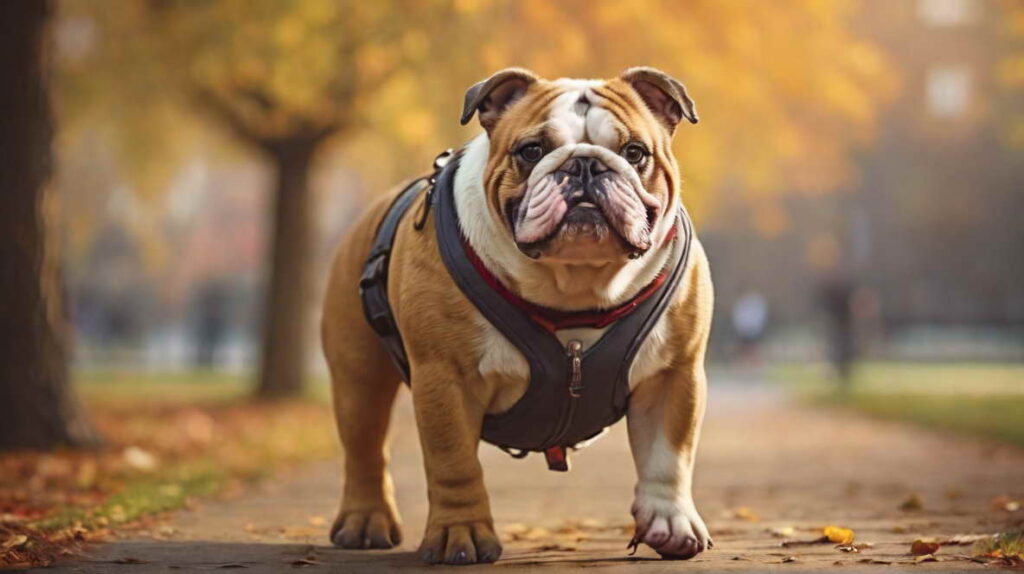
    These low-maintenance, affectionate companions are known for their wrinkled faces, stocky builds, and laid-back personalities. They’re incredibly loyal and loving with their families, making them excellent cuddle buddies and playful companions. However, it’s important to remember that every dog is an individual, so their personality can vary.

    Here are some key things to keep in mind about English Bulldogs:

    • Energy level: They’re not known for being overly energetic, but they still require regular walks and playtime.
    • Health concerns: Due to their unique body shape, they can be prone to certain health issues like breathing problems, skin allergies, and overheating.
    • Temperament: Generally gentle and friendly, but proper socialization is crucial, especially with children and other pets.
    • Snoring and snuffling: This is a common trait due to their short noses.
    • Wrinkles: Regular cleaning is essential to prevent skin infections.
    English Bulldog Rescues in Ohio

    English Bulldog Rescues in Ohio

    Many dedicated rescues work hard to save English bulldogs across Ohio. Here are some top organizations to check when looking to adopt a bulldog in the state:

    Buckeye Bulldog Rescue

    Founded in 2000, this all-volunteer group focuses solely on rescuing and rehoming bulldogs in need. They thoroughly vet dogs and work to match pets with compatible families. Check their site for adoptable bulldogs!
    Buckeye Bulldog Rescue: https://www.buckeyebulldogrescue.org/bulldogs-currently-in-our-care.html

    Badass Bulldog Rescue

    Covering all of Ohio, Badass Bulldog Rescue saves bulldogs from shelters, auctions, and neglectful situations. Their foster-based program ensures dogs are healthy and ready for new homes. Apply to adopt their available bulldogs!
    Badass Bulldog Rescue: https://www.badassbullyrescue.com/

    Ohio Bulldog Rescue

    This nonprofit rescue takes in owner surrenders as well as shelter bulldogs in Ohio. Their team vets and rehabilitates dogs before adoption. Browse their site for your potential new furry friend!
    Ohio Bulldog Rescue: https://bulldog.rescueme.org/

    Local Shelters and Rescues

    Don’t overlook your local shelters and humane societies when looking to adopt a bulldog in Ohio. Many take in bulldogs in need. Check Petfinder and Adopt-a-Pet to find adoptable bulldogs in your area.

    How to Adopt an English Bulldog in Ohio

    Adopting a bulldog in Ohio is very rewarding, but does involve some preparation and commitment. Here’s a quick rundown of the process:

    • Research breeds: Make sure the English bulldog is the right breed for your lifestyle. These dogs need moderate activity but also plenty of quality couch time! They thrive with patient, dedicated owners.
    • Find an organization: Search sites like Petfinder for local bulldog rescues and shelters with available dogs. Read about their application process and fees.
    • Apply to adopt: Most rescues have an adoption application to complete to ensure you’re ready for a bulldog. This requires info on your home, lifestyle, experience with dogs, etc.
    • Home check: If approved, a rescue representative will set up a home visit to meet you, inspect your property and ensure it’s suited for a bulldog.
    • Matchmaking: The rescue will work to match you with the perfect bulldog for your home and family based on needs, personalities, activity levels, etc.
    • Meet your bulldog! Once matched, you’ll have the exciting opportunity to meet your potential new fur baby in person! A few visits are recommended to ensure it’s a good fit.
    • Adoption day: After meeting and bonding with your bulldog, you’ll complete the adoption contract, pay fees, and take your new buddy home! It’s an amazing feeling.

    What to Expect with a Bulldog Adoption in Ohio

    Here’s a quick breakdown of what to expect with the bulldog adoption process through most Ohio rescues:

    • Adoption fees – $200 to $500. Covers medical care and preparations.
    • Application – rescue will want info on your home, experience, and lifestyle.
    • Vet references – most require contact info for current/past vets.
    • Home visit – rep will inspect your property to ensure it’s bulldog-ready!
    • Meet n’ greets – you’ll have the chance to meet and bond with your potential adoptee.
    • Adoption contract – overview of commitment, expectations, ownership transfer, etc.
    • Post-adoption support– rescues provide ongoing training and care resources to ensure success.

    The adoption process aims to ensure each bulldog finds the very best home. It’s completely rewarding meeting your perfect match!

    Bringing Home Your Newly Adopted English Bulldog

    You’ve gone through the application process, passed the home check, met your furry match and now adoption day is here – it’s time to bring your bulldog home! Here are some tips for a smooth transition:

    • Puppy-proof your home. Bulldogs are curious and like to chew! Remove hazards and delicate items.
    • Stock up on supplies. Get food, treats, bowls, bed, collar, leash, toys, etc. Ask what brand the dog’s used to.
    • Read up on training. Positive reinforcement methods work best. Bulldogs aim to please but can be stubborn. Training helps build your bond.
    • Baby-gate stairs initially. Until you know they can handle steps safely, block access. Bulldogs struggle with mobility.
    • Establish a routine. Consistent mealtimes, walks, playtime and downtime will help your bulldog settle in.
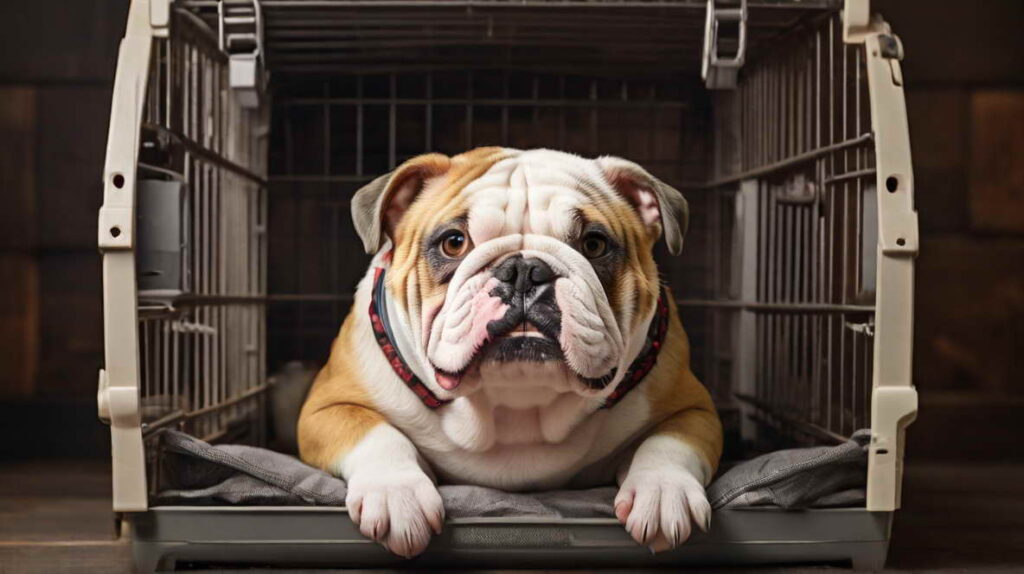
    • Give them their own space. Provide beds around house and crate for naps and quiet time. Go slow introducing whole home.
    • Limit excitement and visitors at first. Give your bulldog time to decompress and bond with your family first.
    • Ask questions! Reach out to the rescue/shelter staff for any advice needed – they want to ensure the adoption goes smoothly!

    With patience, love and the right preparations, bringing home an adopted bulldog in Ohio will be so fulfilling for both of you!

    Caring for Your English Bulldog in Ohio

    Bulldog ownership brings so much joy – but also responsibility. Here’s an overview of key elements of providing great care for your English bulldog in Ohio:

    Health and Medical Needs

    • Vet care – Establish a relationship with a vet experienced in bulldogs. Annual exams and vaccines are essential.
    • Preventatives – Use monthly flea/tick and heartworm preventatives prescribed by your vet.
    • Insurance – Consider health insurance for bulldogs, as they are prone to issues like cherry eye, allergies, hip dysplasia, and respiratory problems. Coverage can save you thousands in care costs.
    • Medication – If prescribed any long-term medication, carefully follow dosage instructions. Common meds include joint supplements, allergy meds, and treatments for cherry eye.

    Grooming Tips

    • Wrinkle care – Frequent wiping and cleaning of facial wrinkles is key to preventing infection. Never let moisture sit in folds.
    • Nail trimming – Have vet show proper nail clipping technique. Overgrown nails are painful and prone to splitting.
    • Bathing – Bathe rarely, as needed. Use gentle dog shampoo. Thoroughly dry wrinkles afterward.
    • Brushing – Brush weekly to remove dead hair. Bulldogs shed year-round.

    Feeding Your Bulldog

    • High-quality diet – Choose a vet-recommended food for bulldogs. Look for real meat as the first ingredient.
    • Single protein – Stick to a single protein food (chicken, lamb, etc) to help identify any allergies.
    • Flat face – Opt for dry kibble suited for short snouts. Add water to soften if needed. Avoid big chunks.
    • Slow feeder – Use puzzle bowls and slow feeders to prevent fast eating, burping and vomiting.
    • Avoid grains – Heavy grains can lead to excess gas. Look for grain-free or single grain foods.
    • Watch weight – Don’t overfeed. Bulldogs gain weight easily. Follow vet recommendations for calorie needs.

    Exercise and Play

    • Short walks – Bulldogs don’t need a ton of exercise. A couple short 15-20 minute walks daily is plenty. Bring water on warm days.
    • Indoor play – Low-impact play like fetching toys down a hallway suits them well. Have plenty of chew toys on hand.
    • Dog parks – For socialization, but monitor closely. Don’t allow jumping or roughhousing that can injure joints.
    • Signs of distress – Overexertion and heat are dangerous for bulldogs. End all activity if you spot panting, drooling or limping.
    • Ramps and steps – Ensure easy access around home so they don’t have to strain joints on stairs.

    Training Your Bulldog

    • Positive reinforcement – Use praise and rewards-based methods. Bulldogs aim to please and will respond well to time, patience and positivity.
    • House training – Crate training helps establish a schedule. Take them out regularly and reward all outdoor bathroom trips with high praise and treats.
    • Obedience – Practice basics like sit, stay and come. Short 5-10 minute sessions work best. Make it fun with varied rewards.
    • Socialization – Safely introduce them to new places, people, dogs, sights and sounds starting as a pup. Builds confidence.
    • Be consistent – Everyone in the home should use the same simple commands and training approach for best results.

    With proper care in these areas, your adopted bulldog will thrive as a happy, healthy part of your Ohio family! Reach out to local rescues anytime for additional tips and support.

    Finding an Ethical Bulldog Breeder in Ohio

    While adoption should always be considered first, some prospective bulldog owners in Ohio wish to go through a breeder. In this case, extreme caution is needed to find an ethical, responsible breeder focused on bulldog health and welfare.

    Warning signs of bad breeders in Ohio:

    • Keeping dogs in poor conditions
    • Breeding dogs too young or frequently
    • Offering multiple litters or designer mixes
    • Unable to provide health clearances
    • Pressuring buyers with deposits/payments
    • Unwilling to answer questions or allow home visits

    Signs of a responsible bulldog breeder in Ohio:

    • Only breeds occasional litters with goal of improving the breed
    • Does extensive health and genetic testing on all dogs
    • Requires spay/neuter of pet quality pups not placed in show homes
    • Asks you many questions to ensure their pups are matched to right homes
    • Has waiting list of vetted buyers; does not advertise puppies for immediate purchase online
    • Offers lifetime guidance and support on responsible breeding if pup is not spayed/neutered

    Avoid pet stores. No responsible breeders supply them. A reputable breeder will welcome questions and truly care about their bulldogs living happy, healthy lives. Patience may be required to get on an approved waitlist, but it’s worth it to get a Bulldog bred ethically.

    Adopting a bulldog is still highly encouraged as the best way to obtain a Bulldog in Ohio! There are many waiting for loving homes.

    The Rewarding Experience of Bulldog Ownership

    I hope this overview gets you excited about opening your heart and home to a wonderful adopted bulldog in Ohio! With their endearing wrinkles, squished faces, slobbery kisses and legendary laidback charm, these amazing companions make life so much richer. I’m sure you’ll find the adoption process extremely rewarding. Just be ready for copious amounts of snoring and farts – consider that part of their charm!

    Bringing home a bulldog is a commitment not to take lightly, but with proper vet care, training, exercise and love, an adopted bulldog truly becomes part of the family. They’ll reward you every day with devotion and their hilarious antics. Get started now looking for your perfect bulldog match through one of the many fine bulldog rescues in Ohio – your new best fur friend is waiting! Let me know if you have any other questions!

  • Golden Weiner Dog – Why You Should Consider To Adopt This Lovely Mix Dog Breed?

    Golden Weiner Dog – Why You Should Consider To Adopt This Lovely Mix Dog Breed?

    Golden Weiner Dog

    All About the Playful Golden Weiner Dog

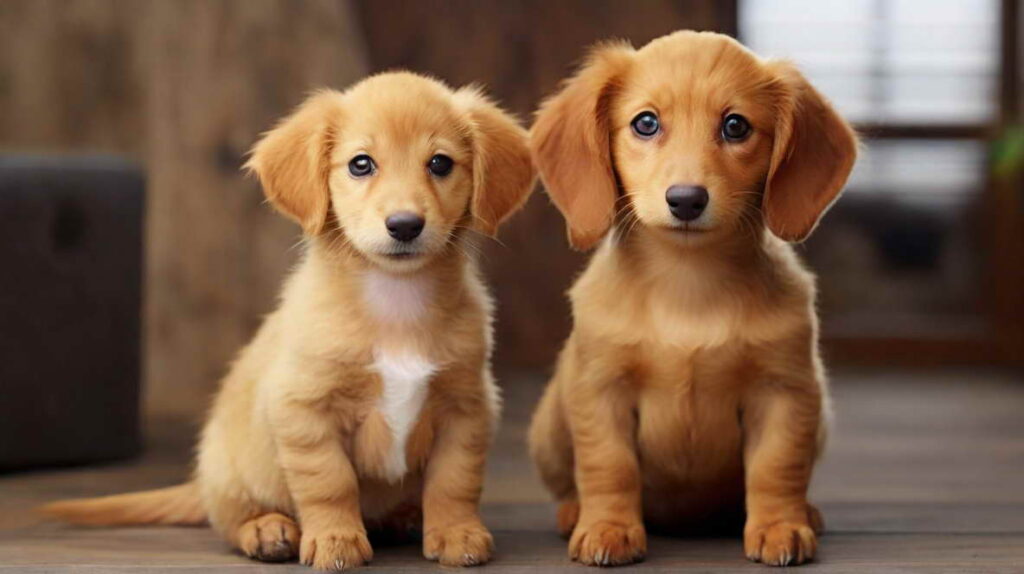
    PETSIDI – The Golden Weiner Dog, also known as a Dachshund or Wiener Dog mix with Golden Retriever, is a popular canine pet and dog breed known for its long body and short legs. This small dog makes an excellent companion, furry friend, and family pet. Let’s take a closer look at this unique short-legged and long-bodied dog!

    Overview of the Breed

    • Purebred or Hybrid: The Golden Weiner is hybrid mix between a Golden Retriever and a Dachshund or Wiener Dog. It combines the friendly, calm temperament of the Golden with the lively, tenacious personality of the Dachshund.
    • Pawstailearssnout, and fur: This cute mixed breed has the long, floppy ears of the Golden Retriever and the shorter snout and legs of the Dachshund. Its paws are compact like the Dachshund. This dog sports a medium-length, silky coat that can range from golden to reddish in color. Its tail may be long and whip-like or slightly stubbier.
    • Personality and temperament: The Golden Weiner Dog is known for being playful, loyal, affectionate, intelligent, alert, energetic, curious, friendly, and sociable. It enjoys being around people and gets along well with children and other pets when properly socialized.

    Caring for Your Golden Weiner

    Bringing home a Golden Weiner Dog comes with certain care responsibilities. Here is some advice on training, exercise, nutrition, and health for your new canine companion.

    Training and Socialization

    • Focus on obedience training and proper socialization from an early age. This will prevent behavioral problems and help your Golden Weiner be an obedient, polite pup.
    • Use positive reinforcement techniques and be patient when housetraining. Crate training can also help with potty training.
    • Leash training is a must for controlling your energetic dog on walks. Practice loose leash walking.
    • Behavior issues like excessive barking, chewing, digging, or separation anxiety can be curbed through training, exercise, and providing mental stimulation.

    Exercise and Playtime

    • Golden Weiner Dogs are energetic and need daily exercise and playtime. Take your dog on 20-30 minute walks daily and have active play sessions.
    • Fetch, chasing toys, and agility activities are great playtime ideas. Puzzle toys provide mental stimulation.
    • Rotate an assortment of chew toys to keep your dog engaged and entertained. Dachshunds love to chew!
    • Visiting dog parks and trails lets your Golden Weiner socialize and expend energy in a safe, controlled way.

    Nutrition and Food

    • Choose a high-quality dry dog food suited for a small or medium mixed breed. Follow portion guidelines based on your dog’s weight.
    • Give your Golden Weiner Dog 2-3 daily meals instead of free feeding to prevent overeating.
    • Treats should make up no more than 10% of daily calories. Use small treats for training rewards.
    • Discuss specialized nutritional needs with your vet if your dog has allergies, joint problems, or other conditions.

    Grooming and Health

    • Brush your Golden Weiner Dog’s coat 2-3 times per week to control shedding. Bathe when dirty using a dog shampoo.
    • Trim nails regularly to prevent overgrowth. Brush teeth often and check ears for infections.
    • Be aware of common ailments for the Dachshund such as back issues, joint problems, and skin allergies. Discuss prevention and vaccinations with your veterinarian.
    • Maintain preventive dental care and schedule annual wellness exams. Keep up with all recommended vaccinations.
    • Know the signs of illness and when to seek veterinary care. Keep pet insurance to cover costs.

    Lifestyle Tips

    Integrating your Golden Weiner Dog into your lifestyle takes some preparation and training. Here are some top tips for living with this active hybrid dog breed:

    • Use positive reinforcement and be consistent when training. Set your dog up for success.

    Socialize your Golden Weiner properly to have good experiences with children, other dogs, and in pet-friendly environments.

    • Puppy-proof your home and supervise your dog until fully housetrained. Confine unsupervised time to a crate or dog-safe room.
    • This breed can adapt to indoor or outdoor living but don’t leave your dog outside alone for long periods.
    • Gear like collars, leashes, harnesses, tags, and ID will keep your pet safe when embarking on outdoor adventures together.
    • Look for pet-friendly accommodations when traveling with your Golden Weiner Dog. Follow transportation guidelines for pets.

    Preparing for Senior Years

    As your Golden Weiner Dog ages, a few adjustments can ensure continued health and comfort:

    • Switch to senior dog food and monitor eating habits. Adjust nutrition as needed.
    • Supplement mobility with ramps, beds closer to floor level. Address joint health and aging challenges proactively.
    • Keep up exercise modified for your senior dog’s abilities. Short, gentle walks and play will maintain quality of life.
    • Increase vet visits and prioritize dental health. Manage chronic conditions and medicate if prescribed.
    • Focus on maximizing comfort. End of life care may involve difficult decisions. Consult your vet.
    • Honor your dog’s life. Mourning is painful but cherish memories of your beloved pet.

    10 reasons you need a Golden Weiner Dog:

    1. They’re super cute and cuddly! With their long bodies, short legs, floppy ears, and puppy dog eyes, Golden Weiner Dogs are absolutely adorable.
    2. They have the best traits of two breeds. Golden Weiner Dogs combines the friendly, loyal personality of the Golden Retriever with the spunky, tenacious attitude of the Dachshund.
    3. They are very affectionate and bond closely with their owners. Golden Weiner Dogs crave attention and love snuggling up with their favorite humans.
    4. They are fairly low maintenance when it comes to grooming and exercise needs. Daily walks and play sessions paired with weekly brushing keeps Golden Weiner Dogs looking and feeling their best.
    5. Golden Weiner Dogs are intelligent and trainable dogs. Their eagerness to please makes them receptive to reward-based obedience training.
    6. Their small size makes them an ideal pet for apartment living. Golden Weiner Dogs don’t need extensive outdoor space to be happy.
    7. They get along wonderfully with children thanks to their patience and playful nature. Golden Weiner Dogs enjoy supervised playtime with respectful kids.
    8. Golden Weiner Dogs make excellent watchdogs. They’re protective of their families and will sound the alarm at anything suspicious.
    9. These hybrids can adapt well to different climates and environments. Golden Weiner Dogs can be indoor or outdoor pets.
    10. A Golden Weiner Dog will bring laughter, fun and endless joy into any home! Their quirky personalities and playful antics provide endless entertainment.

    Why Golden Weiner Dogs Make Great Pets

    In summary, here are some of the key reasons the Golden Weiner Dog breed makes a fabulous pet:

    • Affectionate, people-oriented personality
    • Playful and energetic
    • Does well in apartments and smaller homes
    • Relatively low grooming requirements
    • Trainable and eager to please
    • Gets along great with children
    • Does not require extensive outdoor space
    • Adaptable to different climates and environments
    • Protective instincts make a good watchdog

    This unique mixed breed brings together the best personality traits of two purebreds. With proper care, training, exercise, and love, the Golden Weiner Dog makes a loyal, fun-loving pet!

    Quick Facts Comparison Table

    TraitGolden RetrieverDachshundGolden Weiner Dog
    SizeMedium to LargeSmallSmall to Medium
    Energy LevelModerateHighModerate to High
    Coat TypeLong, straightShort, silkyMedium-length, silky
    Coat ColorsGolden, black, creamRed, black, tanGolden, reddish
    Exercise Needs30 minutes/day30 minutes/day30+ minutes/day
    Life Expectancy10-12 years12-16 years11-14 years
    Kid FriendlyExcellentModerateExcellent
    Dog FriendlyExcellentModerateExcellent
    TrainabilityExcellentModerateExcellent

    The Takeaway

    For those seeking a devoted, spunky little companion, the Golden Weiner Dog is sure to delight. This hybrid breed combines favorite traits from two popular purebreds into one adorable package! With some training, exercise, and proper care, the Golden Weiner Dog makes a loyal family-friendly pet.

  • Chihuahua Puppy For Sale on Craigslist – Find Your Perfect Chihuahua Today!

    Chihuahua Puppy For Sale on Craigslist – Find Your Perfect Chihuahua Today!

    Chihuahua Puppy For Sale Craigslist

    Chihuahua Puppy For Sale on Craigslist: Your Complete Guide to Adopting or Buying This Adorable Small Breed Dog Online

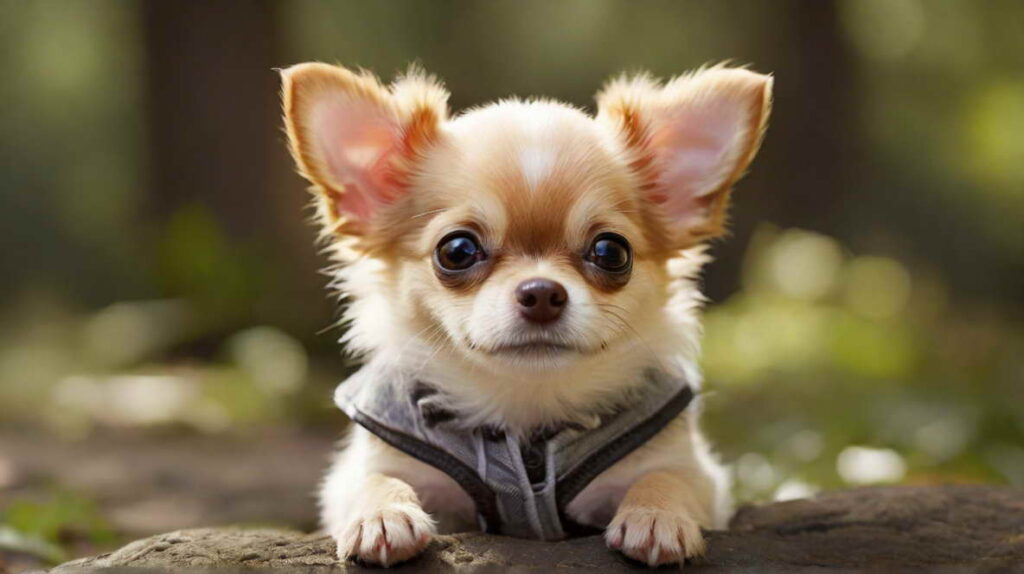
    PETSIDI – Are you looking to add a new furry friend to your family and think a Chihuahua puppy might be the perfect pet? Adopting or buying a pup on Craigslist can be an affordable way to find your new canine companion. This pint-sized breed makes a fabulous companion dog and thrives when showered with love. Here is everything you need to know about finding a Chihuahua for sale on Craigslist.

    Why Choose a Chihuahua?

    Chihuahuas are the smallest breed of dog and make ideal pets for people looking for a tiny, portable companion. Here are some of the best things about this adorable toy breed:

    • Small size – They weigh just 4-6 lbs fully grown making them easy to transport and fit in small homes.
    • Cute – With their large round eyes, perky ears and apple shaped head, these pocket-sized pups are undeniably adorable.
    • Lively – Chihuahuas are very energetic, alert and curious little dogs.
    • Loyal – They bond very strongly with their owners and don’t like to share their affections.
    • Low maintenance – Their tiny tummies mean they don’t eat too much. Grooming is easy too.
    • Long living – With an average lifespan of 15-20 years, you get to enjoy their company for a long time.

    If you want a devoted miniature companion that will be by your side at home and on adventures, a Chihuahua could be the perfect match!

    Finding Chihuahua Puppies for Sale on Craigslist

    Craigslist can be a great place to find Chihuahua puppies for sale directly from breeders or owners at affordable prices. However, you need to be cautious of puppy mills and irresponsible breeders. Here are some tips for safely buying a pup on Craigslist:

    • Search for “Chihuahua” or “teacup Chihuahua” in your local Craigslist pet section.
    • Use filters like “puppy” and the closest locations.
    • Contact sellers who provide lots of photos and details about the puppies.
    • Ask questions about lineage, health, temperament and early socialization.
    • Meet the puppy and its parents in-person before buying.
    • Avoid sellers who have multiple litters available, seem evasive or rush the sale.
    • Watch for red flags like underweight, timid or dirty puppies.
    • Expect to pay $200-$600 depending on age, color, lineage and location.

    Taking these precautions helps find a happy, healthy Chihuahua puppy and avoid supporting irresponsible backyard breeders.

    Questions to Ask the Seller Before Buying

    When you find a promising Chihuahua puppy listing on Craigslist, make sure to ask the seller these key questions before buying:

    • How old is the puppy?
    • Is it a purebred Chihuahua? Mix? Show lineage papers.
    • What is the puppy’s current diet? Feeding schedule?
    • Is the puppy housebroken yet? Using a crate?
    • What vaccines and vet care has the puppy received so far?
    • How has the puppy been socialized? With dogs/people?
    • Why are you rehoming this puppy?
    • Can I see where the puppy has been living? Meet the parents?
    • Do you have a health guarantee? What if I can’t keep the puppy?

    Thoroughly vetting the seller helps avoid health and behavior issues. Responsible sellers readily share this info. Beware if details are sketchy.

    Chihuahua Puppy For Sale on Craigslist Complete Guide

    What to Look for When Meeting a Chihuahua Puppy

    When you go meet a prospective Chihuahua puppy in-person, check that:

    • The puppy has a glossy coat, clear eyes and is lively/alert.
    • The puppy is housed in clean conditions. No signs of illness in littermates.
    • The puppy seems well socialized and comes readily to you. Not fearful or aggressive.
    • The puppy appears a healthy weight – not too thin or chubby.
    • The parents (mother at minimum) should be on-site and healthy.
    • The seller genuinely cares about puppies’ welfare and finding good homes.

    Avoid any puppies that seem sick, injured, unsocial or from dirty/unsafe housing. Keep looking for the right fit!

    Bringing Your New Chihuahua Puppy Home

    Once you’ve found the perfect pocket-sized pup, it’s time to bring them home! Be sure to:

    • Puppy-proof your home by removing dangers and securing valuables
    • Purchase essential supplies like food/water bowls, collar, leash, bed, crate, toys
    • Child-proof electrical outlets and secure cords out of reach
    • Find a trusted veterinarian and schedule first vet visit
    • Begin housebreaking, crate training and socialization right away
    • Set up a safe, confined area like a pen when you can’t supervise
    • Start implementing a consistent daily routine with schedule for feeding, playing, training
    • Give your new puppy lots of love, patience and positive reinforcement!

    With the right prep, you’ll help your Chihuahua settle into their new home quickly and comfortably.

    Tips for Owning a Chihuahua Puppy

    Bringing home a Chihuahua puppy is just the start of your journey together. Here are tips for being the best dog owner:

    • Enroll in puppy obedience classes for training and socialization
    • Chihuahuas thrive on routine – stick to regular schedules
    • Give them 30+ minutes of playtime and walks daily
    • Teach children safe petting and handling to avoid injury
    • Gently discourage dominance, barking and separation anxiety
    • Reward good behavior with praise and healthy treats
    • Feed high-quality puppy food 2-3 times per day
    • Groom every 1-2 weeks with a soft brush to remove loose hair
    • Schedule annual vet checks and update vaccines/preventatives
    • Travel with a carrier, collar tag and leash for safety
    • Dog-proof your home e.g. no small choking hazards
    • Be patient – potty training takes 4-6 months of consistency

    Owning a Chihuahua is very rewarding but requires time, training and dedication. Do your research to prepare!

    Adopting a Chihuahua from a Rescue or Shelter

    If buying a puppy from Craigslist doesn’t appeal to you, adopting an adult or senior Chihuahua can be extremely rewarding. Here are tips for adopting:

    • Search for local Chihuahua or breed-specific rescues to adopt from
    • Fill out an adoption application with your info, lifestyle, expectations
    • Ask about the dog’s health, personality, experience with kids/other pets
    • Schedule a meet-and-greet to ensure the new dog is a good match
    • Prepare your home then bring your adopted dog home!
    • An adult dog has a known personality and size which makes matching easier
    • The adoption fee of $100-$400 typically covers initial vet care

    With a rescue Chihuahua, you skip the puppy stage and give a deserving dog a loving forever home!

    Top Tips for Finding the Perfect Chihuahua

    Follow these top tips as you search for your perfect pocket-sized pup:

    • Take time researching the breed to ensure it’s a good fit
    • Be prepared for an enthusiastic, vocal and assertive petite pup
    • Set a min/max budget you can afford for the purchase or adoption fee
    • Save a couple hundred dollars for initial vet bills and supplies
    • If buying a pup, find an ethical, responsible breeder you can trust
    • Adopting a rescue allows you to skip the puppy phase!
    • Meet any prospect dog multiple times before making a commitment
    • Bring someone knowledgeable along when first meeting a potential pet
    • Trust your instincts – you’ll just “know” when you’ve found “the one”!

    With research and preparation, you can find the ideal tiny furry friend to complete your home!

    | Compare: Buying a Chihuahua Puppy vs. Adopting an Adult | |-|-| | Buying a Puppy | Adopting an Adult | | You get to experience raising a puppy | Personality and needs are predictable |
    | Can train a puppy from a young age | Skips challenging puppy behaviours | | Puppies thrive after adoption if treated well | Ready for immediate companionship | | Must wait for full vaccination schedule | Typically housetrained already | | Will likely bond very strongly with puppy | Adjustment period still required | | Higher cost for purchase price | Adoption fee of $100-$400 | | Must puppy-proof entire house | Less supervision required | | More patience required during puppy behaviors | Often calmer energy | | Could support irresponsible breeders if not cautious | Gives a shelter dog a home! |

    Both have pros and cons, so reflect on your lifestyle, experience and goals before deciding!

    Final Tips for Finding a Chihuahua on Craigslist

    We’ve covered a lot of key advice for finding your perfect Chihuahua puppy or adult dog on Craigslist or through adoption and bringing them home. Here are a few final tips:

    • Finding the right pet is worth the effort – don’t settle!
    • Take time making the right match for personality and care needs
    • Create a safe, welcoming home before bringing your new dog home
    • Puppy-proof thoroughly and keep smaller objects/dangers up high
    • Invest in training and socialization from day one
    • Schedule vet care in advance to stay on top of vaccines and preventatives
    • Stock up on essential supplies like food, bowls, collar, leash, bed, toys
    • Shower your new fur baby with lots of love and you’ll be rewarded with years of companionship!

    With the right research and preparation, you can find a wonderful new canine companion to complete your home. I wish you the very best of luck and many happy memories in your journey to adopt or buy the perfect Chihuahua puppy or dog. Please reach out if you need any other tips!