PETSIDI – Alright, let’s dive into this fun and furry topic about Dorkies, shall we? Get ready for a whirlwind of cuteness, personality, and all the quirks that make these little bundles of joy so darn lovable. Grab a snack and get cozy, ’cause this is gonna be a wild ride!
Now, I know what you’re thinking, “But why would anyone want to mix those two breeds?” Fair question, my friend. The idea behind this crossbreeding is to combine the best traits of both parent breeds into one adorable package. From the Dachshund, you get that bold, adventurous spirit and unwavering loyalty. And from the Yorkie, you get a spunky, affectionate, and hypoallergenic companion.
A Tiny Powerhouse of Personality
Speaking of personality, let me tell you, these little guys pack a serious punch! Despite their small stature, Dorkies have big personalities that will keep you on your toes. They’re curious, playful, and always up for an adventure. Whether it’s exploring the great outdoors or snuggling up on the couch for a movie marathon, these pups are game for anything.
But don’t let their size fool you – Dorkies can be stubborn and independent at times. They’re not afraid to let their voices be heard (literally, as they can be quite the barkers). However, with proper training and socialization from an early age, their willingness can be channeled into positive traits like confidence and alertness.
A Perfect Blend of Looks
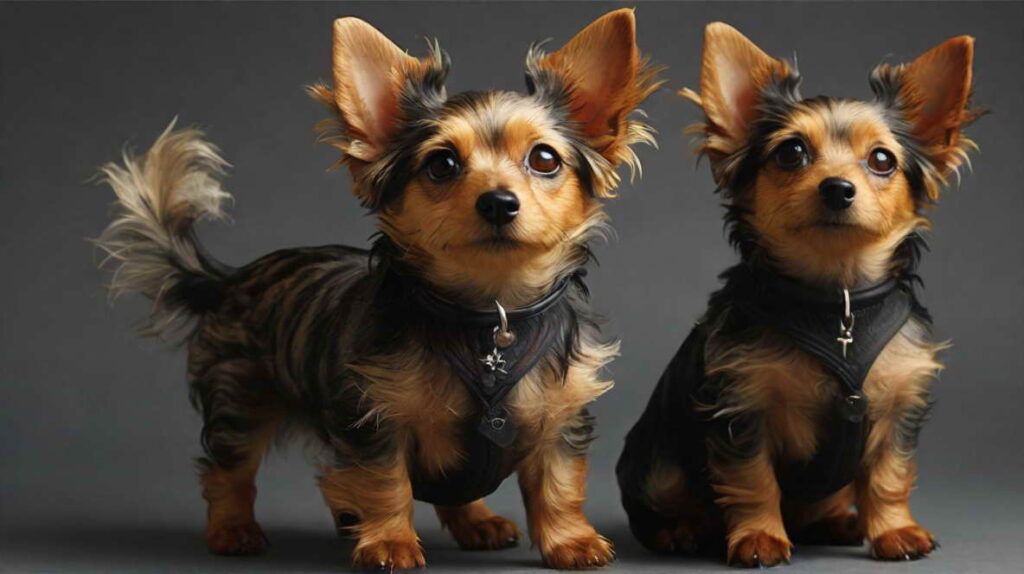
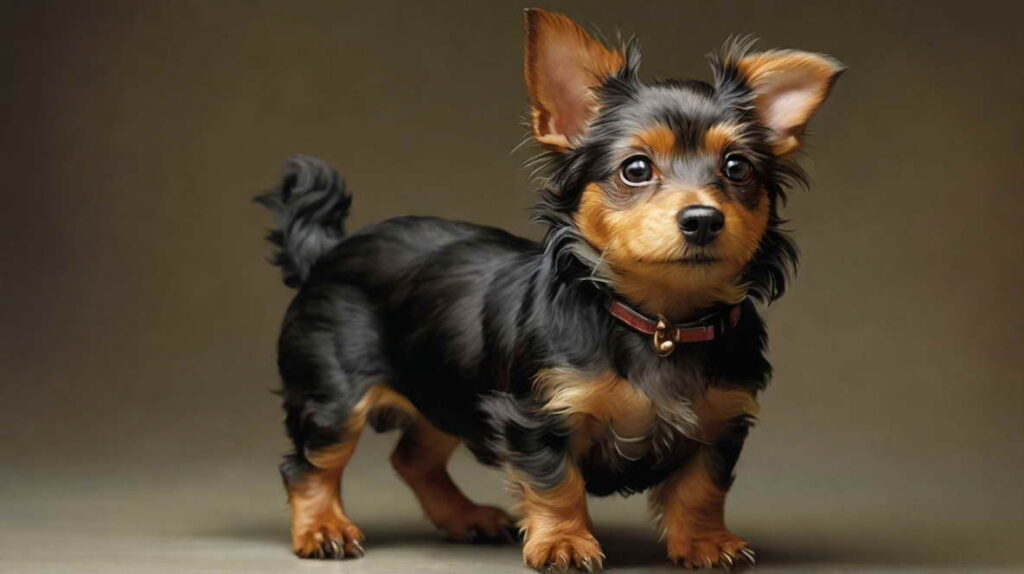
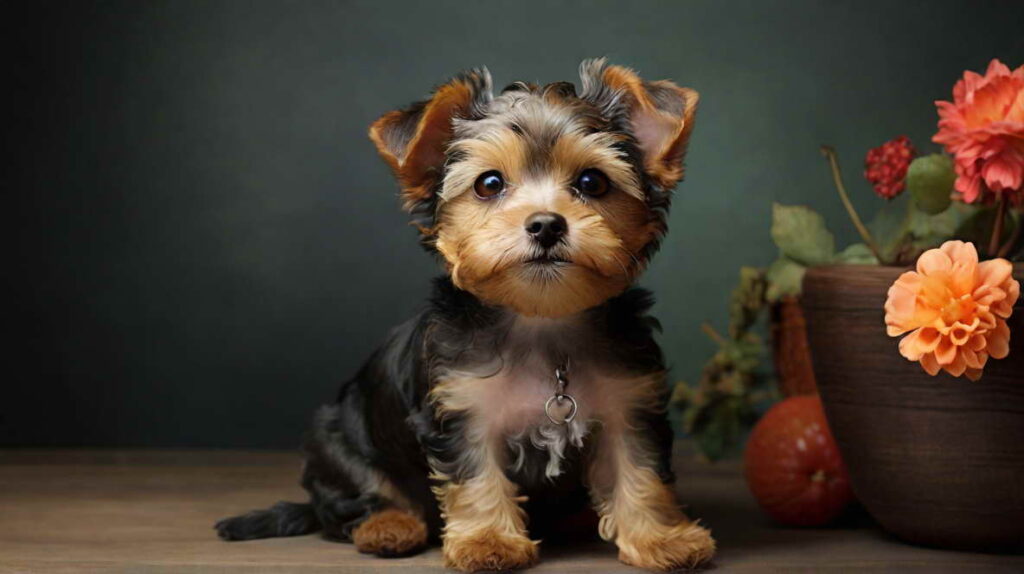
Now, let’s talk about their adorable appearance. Dorkies come in a delightful variety of colors and coat types, ranging from short and smooth to long and silky. Their ears can be floppy or erect, and their eyes are always bright and expressive, melting even the coldest of hearts.
One thing’s for sure – these pups are attention grabbers. With their cute faces, compact bodies, and distinctive elongated shapes, they’re bound to turn heads wherever they go. And let’s be real, who doesn’t love a dog that looks like a living, breathing stuffed animal?
A Companion for Every Lifestyle
Now, you might be wondering, “Are Dorkies a good fit for my lifestyle?” Well, my friend, that’s a great question, and the answer is: it depends! Dorkies can adapt to various living situations, but they do best in homes where they’ll have plenty of attention and companionship.
If you’re an apartment dweller, a Dorkie could be the perfect city pup. Their small size makes them suitable for tight spaces, and their moderate exercise needs can be met with daily walks and playtime. Just be prepared for some barking – these little watchdogs take their duties seriously!
For those with a more active lifestyle, Dorkies can be excellent hiking buddies and running companions. Their endurance and adventurous spirits make them game for outdoor adventures, as long as you’re mindful of their short legs and don’t overdo it.
And let’s not forget about families with children. Dorkies are generally great with kids, thanks to their affectionate and playful natures. However, it’s essential to supervise interactions and teach little ones how to properly handle these delicate pups.
Keeping Your Dorkie Happy and Healthy
Like any pet, Dorkies require some special care and attention to thrive. Here are a few key things to keep in mind:
Grooming Needs
Those luscious locks don’t come without a bit of maintenance. Depending on their coat type, Dorkies may need regular brushing and occasional trimming to keep their fur looking its best. And let’s not forget about those floppy ears – they’ll need to be cleaned regularly to prevent infections.
Exercise and Mental Stimulation
While Dorkies are small, they’re not couch potatoes by any means. They’ll need daily exercise in the form of walks, playtime, and maybe even a jaunt to the dog park to socialize with their furry friends. And don’t underestimate the importance of mental stimulation – these smart cookies love a good puzzle toy or training session.
Health Considerations
Like any breed, Dorkies are prone to certain health issues that owners should be aware of. These can include back problems (thanks to that long body), respiratory issues (due to their short snouts), and dental problems (those tiny jaws can be prone to overcrowding). Regular check-ups with your vet and a healthy lifestyle can help minimize these risks.
Where to Find Your Furry Soulmate
1. Reputable Breeders
Going through a reputable breeder is often the most straightforward way to acquire a Dorkie puppy. However, it’s crucial to do your research and find a breeder who prioritizes the health and well-being of their litters above all else.
Here are some tips for finding a responsible Dorkie breeder:
Ask for references: A reputable breeder should have no problem providing you with references from previous buyers.
Visit their facility: Insist on visiting the breeder’s facility to ensure the puppies and parents are kept in clean, spacious, and loving conditions.
Health certifications: Request to see health certifications for the parent dogs, such as genetic testing results and clearances for common breed-related issues.
Contract and guarantee: A good breeder will provide a detailed contract outlining their policies, as well as a health guarantee for the puppy.
Patience and waitlists: Be prepared to get on a waitlist, as responsible breeders often have a limited number of litters per year.
While going through a breeder may be more expensive upfront, you’ll have the peace of mind knowing your Dorkie pup comes from a reputable source and has a better chance of being healthy and well-socialized from the start.
2. Rescue Organizations
For those with a soft spot for rescues, adopting a Dorkie (or Dorkie mix) from a reputable rescue organization can be an incredibly rewarding experience. Not only are you giving a loving home to a pup in need, but you’re also supporting a noble cause.
When looking into Dorkie rescues, consider the following:
General dog rescues: Don’t overlook your local animal shelters and general dog rescue organizations, as they sometimes have Dorkie mixes in need of forever homes.
Foster-to-adopt programs: Many rescues offer foster-to-adopt programs, which allow you to take a potential furry friend for a trial run before making a permanent commitment.
Adoption fees and requirements: Be prepared for adoption fees (which help support the rescue’s operations) and potential requirements like home visits or references.
Adopting a rescue Dorkie can be a bit more unpredictable than going through a breeder, as you may not have access to the pup’s full history or background. However, with patience and an open heart, you could find your perfect furry soulmate while giving a deserving dog a second chance at happiness.
3. Online Classifieds and Forums
In today’s digital age, online classifieds and forums can be another avenue for finding Dorkies in need of new homes. However, this option comes with more risks and uncertainties, so it’s essential to proceed with caution.
If you decide to explore online listings, keep these tips in mind:
Verify the seller: Always ask for clear, close-up photos of the pup and its parents, as well as detailed information about their health, temperament, and living conditions.
Beware of puppy mills: Steer clear of listings that seem too good to be true, as they could be fronts for unethical puppy mills or backyard breeders.
Consider rehoming fees: While rehoming fees should be reasonable, be wary of exorbitant prices that could indicate a profit-driven operation.
Meet in a public place: For your safety, always insist on meeting the seller in a public, neutral location before bringing the pup home.
Get the pup checked by a vet: As soon as possible, have your new furry friend examined by a licensed veterinarian to ensure they’re in good health.
While online listings can be a mixed bag, there’s always a chance you could stumble upon a legitimate Dorkie in need of a loving home. Just remember to exercise caution and trust your instincts throughout the process.
No matter which route you choose, the most important thing is finding a Dorkie that’s the perfect fit for your lifestyle and family. With patience, research, and an open heart, you’re bound to discover your furry soulmate in no time!
In Conclusion
Well, there you have it, folks – a comprehensive guide to the wonderful world of Dorkies. From their quirky personalities to their adorable looks, these pint-sized pups are sure to steal your heart. Just remember, owning a Dorkie is a commitment, but one that’s well worth it for the right pet parent.
So, what do you say? Are you ready to embark on the Dorkie adventure? Trust me, these little dynamos will keep you on your toes, but they’ll also fill your life with so much joy and laughter. Who knows, you might just find your new best friend in one of these furry bundles of love.
Thanks for joining me on this journey, my friend. Now go forth and spread the Dorkie love!
PETSIDI – Hey, buddy! Let me tell you all about one of the most unique and captivating dog breeds out there – the Blue Alsatian Puppy. These adorable canine companions will surely steal your heart with their stunning blue-coated fur and endearing personalities. Get ready to embark on an exciting journey into the world of these furry friends!
I. Introduction
A. Definition of a Blue Alsatian Puppy
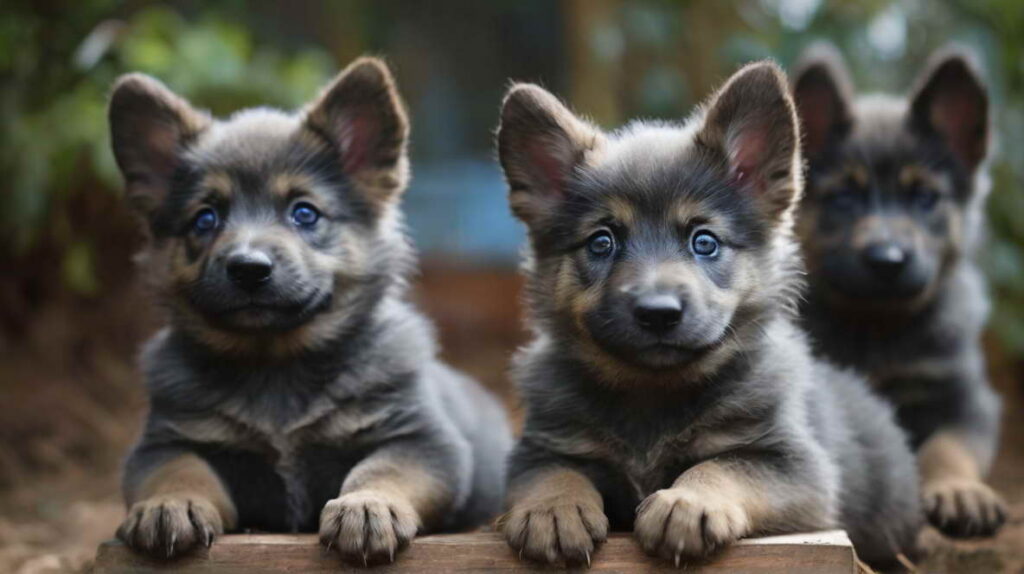
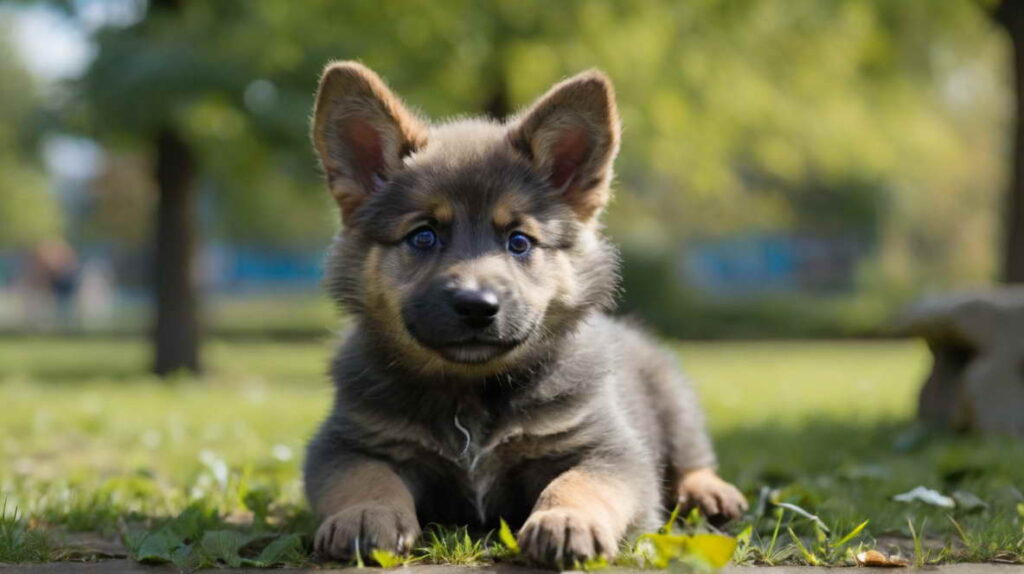
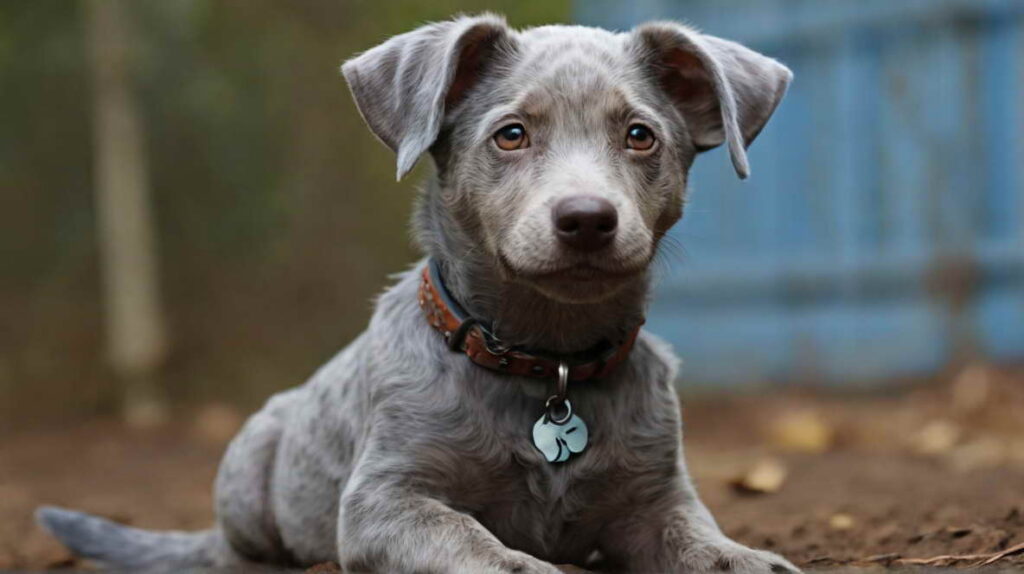
A Blue Alsatian Puppy is an Alsatian mix that inherits a striking bluish-gray coat color due to a genetic variation. These pups are a visually striking twist on the classic German Shepherd breed while retaining many of their beloved traits.
B. Brief overview of the topic
In this comprehensive guide, we’ll dive deep into the world of Blue Alsatian Puppies. From their origins and unique characteristics to their care, training, and health needs, we’ll cover all the essential details you need to know about these captivating canine companions. So, get cozy, and let’s explore the wonder of these blue-furred beauties!
II. Understanding the Blue Alsatian Breed
A. Origin and History
The Blue Alsatian is a relatively new dog breed that emerged from the selective breeding of German Shepherds with a rare genetic mutation that produces a diluted blue-gray coat color. While the exact origins are uncertain, these blue-coated dogs have gained popularity among dog enthusiasts for their striking appearance.
B. Characteristics of the Blue Alsatian
Just like their German Shepherd cousins, Blue Alsatians are large, muscular dogs with a regal and confident demeanor. They typically stand between 22-26 inches tall and weigh between 50-90 pounds, depending on their gender. Their blue fur is a result of a diluted black pigment, giving them a unique and eye-catching coat.
C. Unique traits and features
Beyond their stunning blue coat variations, Blue Alsatians are known for their intelligence, loyalty, and protective nature. They make excellent watchdogs and are highly trainable, making them ideal companions for active families. Their Alsatian temperament is generally friendly and affectionate with their owners, but they can be wary of strangers.
III. Care and Maintenance
A. Puppy Adoption and Selection Process
If you’re considering adding a Blue Alsatian Puppy to your family, it’s essential to find a reputable breeder who prioritizes genetic health and follows ethical breeding practices. Research breeders thoroughly, ask questions about the parents’ temperaments and health history, and be prepared for a waiting list, as these pups are in high demand.
B. Nutrition and Diet Requirements
Like all growing pups, Blue Alsatian Puppies have specific nutritional needs to support their development. Look for high-quality, age-appropriate puppy food formulated for large breed dogs, and consult with your veterinarian for portion recommendations. Proper nutrition is crucial for their overall health and well-being.
C. Grooming and Coat Care
While their blue fur is stunning, Blue Alsatians require regular grooming to maintain their coat’s health and appearance. Weekly brushing, occasional bathing, and regular nail trims are essential. Additionally, their unique coat care needs may include specialized shampoos and conditioners to enhance the vibrancy of their blue hue.
D. Exercise and Activity Needs
As energetic and athletic breeds, Blue Alsatians thrive on plenty of exercise. Daily walks, runs, and playtime are essential to keep them physically and mentally stimulated. Consider enrolling your pup in agility training or other dog sports to channel their energy and intelligence constructively.
IV. Training and Socialization
A. Importance of Early Training
Early training and socialization are crucial for Blue Alsatian Puppies to develop into well-mannered, confident adults. Positive reinforcement-based training techniques are highly effective for this intelligent breed, and consistent, patient guidance from a young age will set them up for success.
B. Basic Obedience Commands
Start with essential obedience commands like sit, stay, come, and heel. These basic commands will establish a strong foundation for further training and help you maintain control in various situations. Consistency and repetition are key when teaching these commands to your puppy.
C. Socialization with Humans and Other Animals
Puppy socialization is vital for Blue Alsatians to develop well-rounded personalities and prevent fear or aggression toward unfamiliar people, animals, or environments. Introduce your pup to various sights, sounds, and experiences in a positive and controlled manner to ensure they grow into confident and well-adjusted companions.
D. Addressing Behavioral Issues
Like any breed, Blue Alsatian Puppies may exhibit undesirable behaviors, such as excessive barking, jumping, or chewing. Seek guidance from a professional dog trainer or behavior counselor to address these issues promptly and effectively using positive reinforcement techniques.
V. Health and Wellness
A. Common Health Concerns in Blue Alsatians
While generally healthy, Blue Alsatians may be prone to certain breed-specific health concerns, such as hip and elbow dysplasia, bloat, and degenerative myelopathy. Working with a reputable breeder and staying up-to-date on routine veterinary care can help mitigate these risks.
B. Veterinary Care and Regular Check-ups
Regular veterinary check-ups and preventative care are essential for your Blue Alsatian Puppy’s well-being. Follow your vet’s recommendations for vaccinations, parasite prevention, and routine screenings to ensure your pup stays healthy and happy.
C. Vaccinations and Preventative Measures
Vaccinations protect your puppy from potentially life-threatening diseases like parvovirus, distemper, and rabies. Follow your veterinarian’s recommended schedule for core and non-core vaccinations, as well as preventative measures like flea, tick, and heartworm prevention.
D. Mental and Emotional Well-being
In addition to physical health, it’s crucial to nurture your Blue Alsatian Puppy’s mental and emotional well-being. Provide plenty of mental stimulation through puzzle toys, training sessions, and enrichment activities to prevent boredom and destructive behaviors.
VI. Community and Resources
A. Connecting with Alsatian Breeders and Clubs
Joining a breed club or connecting with other Blue Alsatian enthusiasts can be a valuable resource for owners. These communities can provide guidance, support, and networking opportunities to help you navigate the joys and challenges of owning this unique breed.
B. Online Forums and Communities for Blue Alsatian Owners
The internet has made it easier than ever to connect with fellow Blue Alsatian owners through online forums, social media groups, and dedicated websites. These digital communities offer a wealth of information, advice, and support from experienced owners who understand the nuances of this breed.
C. Recommended Reading and Resources for Further Learning
To deepen your understanding of Blue Alsatian Puppies, consider exploring recommended reading materials, such as breed-specific books, articles, and online resources. These sources can provide valuable insights into the breed’s history, care, training, and more.
VII. Conclusion
A. Recap of Key Points
From their striking blue coats and intelligent nature to their unique care and training needs, Blue Alsatian Puppies are truly remarkable companions. By understanding their origins, characteristics, and specific requirements, you can provide them with the love, care, and guidance they deserve.
B. Importance of Responsible Ownership
Owning a Blue Alsatian Puppy is a significant commitment that requires patience, dedication, and responsible ownership. These dogs thrive in environments where their physical, mental, and emotional needs are met, and their owners are committed to their well-being.
C. Final Thoughts on the Joy of Blue Alsatian Companionship
Despite the challenges, owning a Blue Alsatian Puppy can be an incredibly rewarding experience. These loyal, intelligent, and affectionate companions will enrich your life with their unwavering devotion and endless enthusiasm. Embrace the unique bond that comes with welcoming a Blue Alsatian into your family, and enjoy the countless moments of joy and laughter they’ll bring.
Remember, my friend, a Blue Alsatian Puppy is not just a pet – they’re a lifelong companion and a cherished member of your family. So, if you’re up for the adventure, get ready to embark on an unforgettable journey filled with love, laughter, and a whole lot of blue fur!
The Magnificent Norwegian Husky: A True Canine Companion
PETSIDI– Hey there, my friend! Get ready to embark on an exhilarating journey into the world of one of the most captivating and remarkable dog breeds out there – the Norwegian Husky. These stunning canines have stolen the hearts of dog enthusiasts worldwide with their striking appearance, unwavering loyalty, and adventurous spirit. So, grab a cozy spot, and let’s dive deep into the realm of these incredible pups!
The Roots and Origins of the Norwegian Husky
Before we delve into the nitty-gritty details of this breed, let’s take a quick trip down memory lane to uncover their fascinating history. The Norwegian Husky’s roots can be traced back to the icy lands of Norway, where they were originally bred by the Sami people as working dogs.
These hardy and resilient canines were invaluable companions to the Sami, assisting them in various tasks such as herding reindeer, hunting, and hauling sleds across the rugged and unforgiving Arctic landscapes. Their incredible endurance, strength, and intelligence made them the perfect partners for life in the harsh Nordic regions.
Can you imagine the bond that must have formed between these dogs and their owners as they braved the elements together, relying on each other for survival? It’s no wonder the Norwegian Husky has earned a reputation for being a loyal and devoted companion.
A Physical Appearance That Demands Attention
Now, let’s talk about what truly sets the Norwegian Husky apart from other breeds – their breathtaking looks. These pups are absolute showstoppers, and once you lay eyes on them, you’ll understand why they’ve captured the hearts of so many.
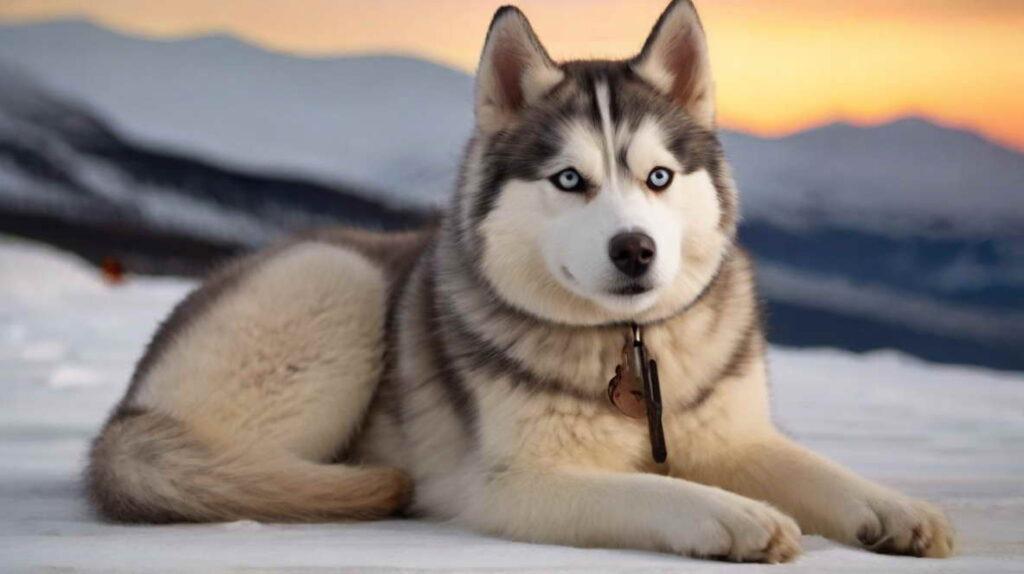
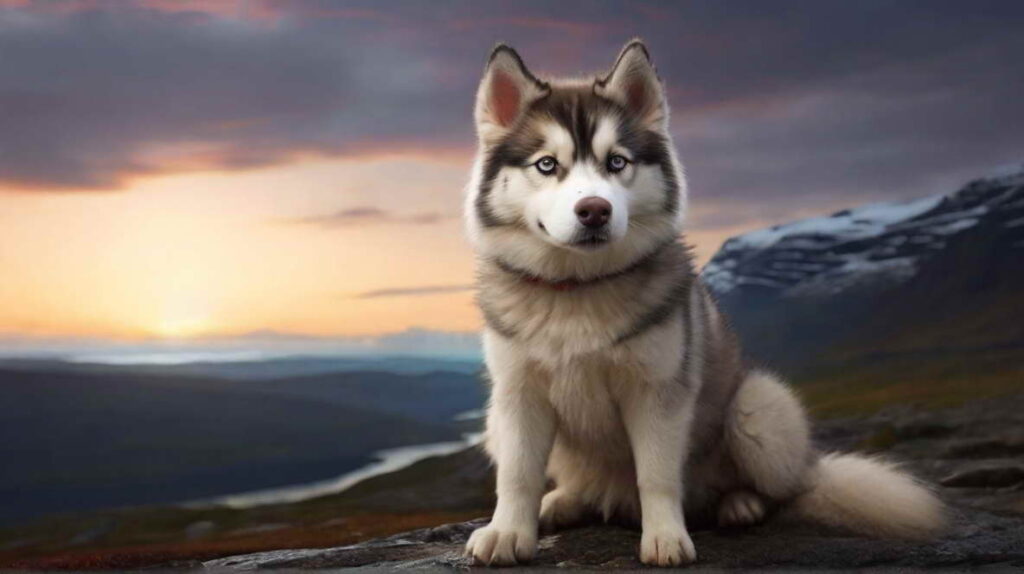
Picture this: a muscular yet lean body, with a thick, double-coat that ranges from various shades of gray to striking black and white patterns. Their almond-shaped eyes, often a piercing blue or brown, seem to hold a world of wisdom and intelligence within them.
But wait, there’s more! The Norwegian Husky’s unique facial markings, often resembling a mask, give them an air of mystery and intrigue. And let’s not forget their erect, triangular ears that seem to pick up every sound in the vicinity, keeping them ever vigilant and alert.
Physical Trait
Description
Body Build
Muscular, lean, and athletic
Coat
Thick, double-coat in shades of gray, black, and white
Eyes
Almond-shaped, piercing blue or brown
Facial Markings
Often resembling a mask, adding an air of mystery
Ears
Erect, triangular, and highly attentive
Trust me, when you see a Norwegian Husky in person, you’ll be captivated by their striking beauty and regal presence. It’s no wonder these pups have garnered such a devoted following among dog lovers around the globe!
A Personality That Shines Brighter Than the Northern Lights
While their physical appearance is undoubtedly breathtaking, the true charm of the Norwegian Husky lies in their vibrant personalities. These pups are a perfect blend of energy, intelligence, and affection, making them an absolute joy to be around.
Let’s start with their high energy levels. Norwegian Huskies are born adventurers, always eager to explore and discover new territories. Whether you’re an avid hiker, runner, or simply enjoy long walks in nature, these pups will be your ultimate companions, always ready to accompany you on your outdoor escapades.
But don’t let their boundless energy fool you – these dogs are also highly intelligent and eager to learn. With their quick wit and eagerness to please, training a Norwegian Husky can be an incredibly rewarding experience. Just be prepared to keep their active minds engaged with plenty of mental stimulation and challenging activities.
And let’s not forget their affectionate nature. While they may have been bred as working dogs, Norwegian Huskies are incredibly loyal and devoted to their human families. They thrive on companionship and attention, and you can expect them to shower you with unconditional love and unwavering devotion.
Personality Trait
Description
Energy Levels
High energy, born adventurers
Intelligence
Quick wit, eager to learn
Affection
Loyal, devoted, and loving
Outdoor Enthusiasts
Perfect companions for hiking, running, and exploring
Mental Stimulation
Need plenty of challenging activities
Imagine coming home after a long day to be greeted by your Norwegian Husky’swagging tail and excited barks. These pups have a way of melting your heart and brightening your day with their infectious enthusiasm and unwavering companionship. Trust me, having one of these furry friends by your side is an experience like no other!
The Care and Maintenance of Your Norwegian Husky Companion
Now, before you decide to welcome a Norwegian Husky into your life, it’s essential to understand the commitment and dedication required to care for these remarkable canines properly. After all, owning a dog is a long-term responsibility, and you want to make sure you’re prepared to give your furry friend the love and attention they deserve.
Let’s start with their exercise needs. As we’ve already established, Norwegian Huskies are high-energy pups that thrive on physical activity. They need plenty of daily exercise to keep them happy and healthy. We’re talking about long walks, runs, hikes, and even outdoor adventures like sledding or skijoring (being pulled on skis by a dog).
If you’re an active individual who loves spending time outdoors, a Norwegian Husky could be your perfect companion. But if you lead a more sedentary lifestyle, this breed might not be the best fit for you. Remember, a bored and under-exercised Norwegian Husky can become destructive and develop behavioral issues, so it’s crucial to ensure they get the physical and mental stimulation they need.
Next up, grooming. While their thick double coat is absolutely stunning, it also requires regular maintenance. Brushing your Norwegian Husky on a weekly basis is essential to remove loose hair and prevent matting. During shedding seasons (typically spring and fall), you might need to brush them more frequently to keep their coat in top condition.
And let’s not forget about their living arrangements. Norwegian Huskies are active and energetic dogs that thrive in spacious environments where they can run and play. While they can certainly adapt to apartment living, they’ll need plenty of daily exercise and mental stimulation to prevent boredom and destructive behavior.
Care Need
Description
Exercise
Plenty of daily exercise (walks, runs, hikes, sledding)
Grooming
Regular brushing, especially during shedding seasons
Living Arrangements
Thrive in spacious environments, but can adapt to apartments with proper exercise
Mental Stimulation
Need challenging activities to prevent boredom
Remember, caring for a Norwegian Husky is a long-term commitment, and it’s crucial to consider their needs and lifestyle before bringing one home. But trust me, the love and companionship you’ll receive from these incredible pups make every effort worthwhile.
Adventures Await with Your Norwegian Husky Sidekick
One of the most exciting and rewarding aspects of owning a Norwegian Husky is the opportunity to embark on incredible adventures together. These pups were born to explore and conquer the great outdoors, and having one by your side will open up a world of possibilities.
Imagine hiking through breathtaking trails, taking in the fresh mountain air and stunning vistas with your loyal Norwegian Husky companion. Picture camping under the stars, snuggling up with your furry friend as you listen to the soothing sounds of nature. Or perhaps you’re more of a winter sports enthusiast, in which case you can try your hand at sledding or skijoring, letting your Norwegian Husky lead the way as you glide across the pristine snow.
But the adventures don’t have to be limited to the great outdoors. Norwegian Huskies are highly adaptable and versatile, making them excellent companions for urban adventures as well. Imagine exploring your city’s parks and hiking trails, or even taking a leisurely stroll through the neighborhood, turning heads with your stunning canine companion by your side.
Regardless of where your adventures take you, one thing is certain – your Norwegian Husky will be by your side, ready and eager to tackle any challenge that comes your way. These pups are not just pets – they’re partners in exploration, always up for the next thrilling escapade.
So, what are you waiting for? It’s time to embrace the adventurous spirit of the Norwegian Husky and embark on a journey like no other!
The Norwegian Husky: A Breed Like No Other
By now, you’re probably captivated by the unique charm and allure of the Norwegian Husky. These pups are truly one-of-a-kind, and their combination of striking looks, adventurous spirits, and loving personalities make them stand out from the crowd.
But owning a Norwegian Husky is not just about their physical beauty or their love of adventure. It’s about forging a deep bond and connection with a loyal and devoted companion who will enrich your life in ways you never thought possible.
Imagine sharing your home with a furry friend who not only brightens your day with their infectious energy and affection, but also motivates you to embrace an active and adventurous lifestyle. A Norwegian Husky will encourage you to explore the great outdoors, challenge yourself, and create unforgettable memories along the way.
And let’s not forget the emotional support and unconditional love these pups provide. In a world that can often feel hectic and overwhelming, having a Norwegian Husky by your side can be a calming presence, a furry shoulder to lean on when you need it most.
So, are you ready to embark on an unforgettable journey with one of these amazing canine companions? If you’re an active individual who loves the great outdoors, a Norwegian Husky could be the perfect addition to your life.
But remember, owning a Norwegian Husky is not just a commitment – it’s a lifestyle. These pups thrive on attention, exercise, and mental stimulation. If you’re prepared to dedicate the time and effort required to care for them properly, the rewards will be immeasurable.
So, what do you say? Are you ready to welcome one of these magnificent canines into your life? If so, embrace the adventure, cherish the companionship, and brace yourself for a lifetime of unforgettable moments with your Norwegian Husky.
Yorky or Yorkie Poo: The Ultimate Hybrid Canine Companion
PETSIDI – What’s up, my friend? Today, we’re going to take a deep dive into the world of the Yorky Poo, a hybrid dog that’s capturing hearts left and right. Get ready to fall head over heels for this designer dog breed!
The Yorkie Poo: A Crossbreed Like No Other
The Yorkie Poo, also affectionately known as the Yorkie Poodle Mix, is a canine companion that combines the best of two iconic breeds: the Yorkshire Terrier and the Poodle. This small dog breed is a true toy dog, but don’t let its compact size fool you – the Poodle Terrier Mix packs a massive personality!
Breed Breakdown
Yorkshire Terrier
Poodle
Terrier Group
Non-Sporting Group
Confident, Bold
Intelligent, Active
Hypoallergenic
Hypoallergenic
By combining these two distinct breeds, breeders have created a mixed-breed dog that truly embodies the phrase “good things come in small packages.”
A Personality to Fall in Love With
One of the standout features of the Yorkshire Terrier Poodle Mix is its dynamic and lovable mixed breed temperament. These pet companions are known for being:
Affectionate: The Yorkie Poo loves nothing more than snuggling up with its family. Prepare for lots of cuddles and kisses from this little bundle of joy!
Intelligent: Thanks to its Poodle heritage, this crossbreed dog is incredibly smart and eager to learn new tricks and commands. You’ll be amazed at how quickly your Yorkie Poo picks things up!
Playful: With its terrier mix roots, the Yorkie Poodle Mix has a mischievous streak and loves to play games. Get ready for endless hours of fun and laughter with this energetic pooch!
The Perfect Family Dog?
The Yorkie Doodle is often touted as the ideal family dog, and for good reason. This dog breed has a range of qualities that make it a fantastic addition to any household:
Adaptable: Whether you live in a bustling city apartment or a spacious suburban home, the Yorkie Poo can adjust to its surroundings with ease.
Loving: With its affectionate nature, the Poodle Cross will shower you and your loved ones with unconditional love and cuddles. Who doesn’t want a furry friend that adores them unconditionally?
Protective: Don’t let its small size fool you – the Yorkie Poo can be a fierce watchdog when needed, alerting you to any potential threats or visitors.
Grooming and Care: Keeping Your Yorkie Poo Looking Fabulous
As a hypoallergenic dog, the Yorkie Poo is a great choice for those with allergies or sensitivities to pet dander. However, this companion animal does require regular grooming to maintain its beautiful coat and keep it looking its best. Proper grooming not only enhances your pup’s appearance but also promotes good health and hygiene.
Brushing: A Daily Routine
Brushing your Yorkie Poo daily is essential to prevent matting and keep its coat looking fabulous. Regular brushing also helps distribute natural oils throughout the coat, promoting a healthy shine. Here are some tips for brushing your pet dog:
Tools of the Trade: Invest in a quality slicker brush or metal comb designed for double-coated breeds like the Poodle Terrier Mix. These tools can effectively remove loose hair and prevent tangles from forming.
Technique: Start at the base of your pup’s coat and work your way up in small sections, gently detangling any knots or mats you encounter. Be careful not to pull or tug too hard, as this can cause discomfort or breakage.
Patience: Brushing can be a time-consuming process, especially if your crossbreed dog has a thick or curly coat. Break it up into manageable sessions, and make it a bonding experience by offering treats and praise for good behavior.
Trimming: Keeping it Tidy
The Yorkie Poo will need regular trims every 6-8 weeks to keep its coat tidy and prevent overgrowth. Here are some trimming tips:
Professional Grooming: Consider taking your toy breed to a professional groomer for trims, as they have the expertise and tools to ensure a precise, even cut.
Home Grooming: If you prefer to trim your pup at home, invest in a good pair of grooming scissors or clippers designed specifically for dogs. Take your time, and be careful not to cut too close to the skin.
Paw Care: Don’t forget to trim the hair around your Yorkie Poo’s paws to prevent matting and keep them looking neat and tidy.
Bathing: Fresh and Clean
Bathe your Yorkie Poo every 4-6 weeks with a gentle, hypoallergenic shampoo to keep it smelling fresh and clean. Here are some bathing tips:
Pre-Bath Brushing: Brush your pup thoroughly before bathing to remove any loose hair or tangles, as wet fur can quickly become matted.
Gentle Shampoo: Look for a mild, hypoallergenic shampoo formulated specifically for dogs. Avoid human shampoos, as they can strip your pup’s coat of natural oils.
Post-Bath Brushing: After bathing, gently towel-dry your Yorkie Poo and brush through its coat to prevent tangles and ensure a smooth, even finish.
Nail Trimming: A Necessary Chore
Keeping your Yorkie Poo’s nails trimmed is important for their comfort and to prevent scratches or damage to your floors and furniture. Here are some tips:
Frequent Trims: Aim to trim your pup’s nails every 4-6 weeks, or as needed based on growth rate.
Proper Tools: Invest in a high-quality pair of dog nail clippers or a nail grinder designed specifically for pets.
Take it Slow: If your Yorkie Poo is anxious about nail trimming, take it slow and offer plenty of treats and praise to create a positive association.
By following these grooming and care tips, you’ll keep your Yorkie Poo looking and feeling its best, ensuring a happy, healthy, and well-groomed companion animal for years to come.CopyRetry
Training Your Dog Hybrid: Patience Is Key
If you’re considering adding a Poodle Terrier Cross to your family, be prepared for a spirited and sometimes stubborn companion. Training is crucial for this Yorkie Poo breed, and positive reinforcement is key. With patience, consistency, and plenty of tasty treats, your terrier mix will blossom into an obedient and well-behaved miniature dog.
Here are some tips for training your Yorkie Poo:
Start Early: Begin training your Yorkie Poo as early as possible, ideally from the moment you bring them home. Puppies are like sponges; they’ll soak up commands and behaviors more easily at a young age.
Use Positive Reinforcement: Reward-based training techniques, such as offering treats or praise when your pup exhibits desired behaviors, are highly effective for the intelligent dog that is the Yorkie Poo.
Be Consistent: Consistency is key when training any dog, but it’s especially important for the sometimes stubborn Yorkie Poo. Make sure everyone in the household is on the same page with commands and expectations.
Keep Sessions Short: The Yorkie Poo has a relatively short attention span, so keep training sessions brief (5-10 minutes) and engaging to prevent boredom or frustration.
With patience and a positive attitude, your Yorkie Poo will quickly learn basic commands, tricks, and proper manners, making them an even more enjoyable companion animal.
The Perfect Hybrid Canine for Your Lifestyle
Whether you’re looking for a loyal lap dog, a playful small breed dog, or a brilliant designer breed, the Yorkie Poo ticks all the boxes. This intelligent dog will keep you entertained with its antics and steal your heart with its loving nature.
But don’t just take our word for it – let’s hear from some Yorkie Poo owners themselves:
“My Yorkie Poo is the perfect family pet. She’s gentle and affectionate with my kids but also loves to play and go on adventures with us. She’s truly a part of our family.” – Sarah, Yorkie Poo owner
“I was a little hesitant about getting a crossbred dog at first, but my Yorkie Poo has completely won me over. He’s so smart and eager to please, and his hypoallergenic coat means I don’t have to worry about allergies.” – Mike, Yorkie Poo owner
“My Yorkie Poo is the perfect companion animal for my active lifestyle. She loves going on hikes and runs with me, but she’s also content to cuddle up on the couch after a long day. She’s truly the best of both worlds.” – Emily, Yorkie Poo owner
So, what are you waiting for? If you’re ready to welcome a Yorkie Poo into your life, start your search for reputable breeders or rescue organizations today. Trust us, this hybrid canine will quickly become your new best friend and a cherished member of your family!
Blue Heeler Weimaraner Mix: The Ultimate Energetic Companion
PETSIDI– Hey there, buddy! Let me tell you about one of the coolest crossbreeddogs out there – the Blue Heeler Weimaraner Mix. This hybrid is a combination of two incredible purebredbreeds: the Australian Cattle Dog (also known as the Blue Heeler) and the mighty Weimaraner. Can you imagine the awesomeness that comes from mixing these two iconic canines? Buckle up, because this companion is one heck of a ride!
Genetics and Breeding
Now, before we dive into the nitty-gritty details, let’s talk about how this mix came to be. You see, when two dogs from different breeds get together and have little furry bundles of joy, their genetics intermingle, creating a unique hybrid. In the case of the Blue Heeler Weimaraner Mix, we’re dealing with the union of an Australian Cattle Dog and a Weimaraner – talk about a power couple!
Traits and Characteristics
Alright, let’s get into the good stuff – what makes this mix so darn special? Well, buckle up, because this crossbreed is a true jack-of-all-trades when it comes to traits and characteristics.
Appearance
One of the first things you’ll notice about the Blue Heeler Weimaraner Mix is its striking appearance. These dogs typically have a muscular, athletic build and can inherit the Blue Heeler’s coat colors (blue or red speckled) or the Weimaraner’s sleek, silver-gray coat. Their ears can be floppy or erect, and their tails are often long and whip-like. As for size and weight, they can range from medium to large, depending on which parent breed they take after more.
Temperament and Energy Level
Now, let’s talk about the personality of these canine rockstars. The Blue Heeler Weimaraner Mix is known for being an intelligent, energetic, and loyal companion. They have an impressive energy level that requires plenty of daily exercise and mental stimulation. These dogs are often eager to please and can excel in various training endeavors, thanks to their intelligence and obedience.
Herding, Hunting, and Guarding Instincts
Thanks to their Blue Heeler heritage, these mixes may display a strong herding instinct, which can make them excellent working dogs. On the other hand, the Weimaraner side brings a natural hunting instinct to the table, making them great companions for active outdoor enthusiasts. Additionally, both parent breeds have guarding tendencies, so your Blue Heeler Weimaraner Mix might also be a fantastic watchdog for your family.
Family Life and Living Conditions
While the Blue Heeler Weimaraner Mix can make an excellent family dog, it’s essential to consider your living situation and lifestyle. These dogs tend to do best in homes with larger yards or access to open spaces where they can burn off their boundless energy. Apartment living might not be ideal unless you’re prepared to provide them with ample daily exercise and playtime.
Health and Care
Like any dogbreed, the Blue Heeler Weimaraner Mix has its share of potential health concerns. Some common health issues to watch out for include hip and elbow dysplasia, eye problems, and deafness (inherited from the Blue Heeler side). Regular visits to the veterinarian and a balanced diet are crucial for maintaining your pup’s well-being.
Grooming and Shedding
When it comes to grooming, the Blue Heeler Weimaraner Mix is relatively low-maintenance. Their short to medium-length coats require weekly brushing to keep shedding under control. However, it’s worth noting that these dogs can be moderate to heavy shedders, especially during seasonal changes. If you or someone in your household has allergies, you may want to consider this factor.
Training and Socialization
Now, let’s talk about training and socialization – two essential components for raising a well-rounded Blue Heeler Weimaraner Mix. These intelligent dogs thrive on positive reinforcementtraining methods, such as clicker training, and respond well to consistency and clear communication. Socialization from an early age is also crucial to prevent any potential behavior problems like excessive barking, digging, or chewing.
Bonding and Compatibility
One of the best things about the Blue Heeler Weimaraner Mix is their ability to form strong bonds with their human families. These dogs are devoted and loyal companions, but they also need plenty of attention, exercise, and mental stimulation to stay happy and well-adjusted.
When it comes to compatibility with children and other pets, the Blue Heeler Weimaraner Mix can make a great addition to a household with proper introduction and supervision. However, it’s essential to teach children how to interact respectfully with dogs and never leave them unsupervised, as these mixes can be protective and may try to “herd” little ones.
Activities and Enrichment
To keep your Blue Heeler Weimaraner Mix physically and mentally engaged, it’s essential to provide plenty of exercise and enrichment opportunities. Regular walks, hikes, and playtime in a securely fenced area are a must. You can also explore various canine sports like agility training, rally obedience, tracking, or even search and rescue work, where these dogs can put their impressive skills to the test.
If you’re looking for a companion dog that can be your partner in outdoor adventures, the Blue Heeler Weimaraner Mix might be the perfect match. These dogs love hiking, swimming, playing fetch, and catching frisbees. Just make sure to have plenty of interactive toys and treats on hand for some fun and rewarding playtime.
Communication and Body Language
One of the most fascinating aspects of owning a Blue Heeler Weimaraner Mix is learning to understand their unique communication styles. These dogs are expressive and use a combination of body language, vocalizations like whining, growling, and howling, and good old-fashioned tail wagging to convey their moods and needs.
Socialization and Training Opportunities
To help your Blue Heeler Weimaraner Mix develop into a well-rounded companion, it’s essential to provide ample socialization opportunities from an early age. This can include regular visits to the dog park, socialization classes, and obedience training sessions.
Leadership and Pack Dynamics
Like their parent breeds, the Blue Heeler Weimaraner Mix can be strong-willed and may try to assert dominance if they don’t receive proper leadership and training. It’s crucial to establish yourself as the pack leader and consistently reinforce submission cues to maintain a harmonious pack dynamic.
Final Thoughts
Whew, that was a lot of information, wasn’t it? But hey, that’s what happens when you’re dealing with a breed as awesome as the Blue Heeler Weimaraner Mix. These dogs are truly one-of-a-kind companions that offer a perfect blend of intelligence, energy, loyalty, and overall awesomeness.
If you’re an active individual or family looking for a dog that can keep up with your adventurous lifestyle, the Blue Heeler Weimaraner Mix might just be the perfect fit. But remember, owning any dog is a big responsibility, so make sure you’re prepared to provide them with the exercise, training, and love they deserve.
So, what do you say? Are you ready to embark on the adventure of a lifetime with one of these incredible canine companions? Trust me; once you meet a Blue Heeler Weimaraner Mix, you’ll never look at dogs the same way again!
Tables
Here are a couple of tables summarizing some key information about the Blue Heeler Weimaraner Mix:
Appearance
Trait
Description
Size
Medium to Large
Weight
35-65 lbs
Coat
Short to Medium, Blue/Red Speckled or Silver-Gray
Ears
Floppy or Erect
Tail
Long and Whip-like
Markings
Can inherit markings from either parent breed
Temperament and Needs
Trait
Description
Energy Level
High
Exercise Needs
At least 1-2 hours per day
Trainability
Intelligent and eager to please
Socialization
Essential from an early age
Instincts
Herding, Hunting, Guarding
Compatibility
Good with children and other pets with proper introduction and supervision
There you have it, buddy! Everything you need to know about the incredible Blue Heeler Weimaraner Mix. If you’re looking for a loyal, energetic, and all-around awesome companion, this crossbreed might just be the perfect fit for you!
The Golden Pitbull Mix: A Guide to This Beautiful Canine Crossbreed
PETSIDI – The Golden Pitbull is an increasingly popular mix breed resulting from crossing two extremely popular dog breeds: the Golden Retriever and the American Pitbull Terrier. As with all canine crossbreeds, there is endless fascination around animal hybrids like the Golden Pitbull due to the countless possibilities that emerge from crossbreeding two purebreds. Will the Golden Pitbull exhibit hybrid vigor and the best traits of both parent breeds? Read on to learn all about this friendly and affectionate dog!
Introducing the Golden Pitbull
The Golden Pitbull is a designer dog that blends the appealing traits of two very different crossbred canines. The friendly, devoted Golden Retriever is America’s second most popular dog breed renowned for its trainable nature and family-friendly demeanor. Meanwhile, the strong, athletic American Pitbull Terrier has an unfortunate reputation as an aggressive breed, but those who know Pitbulls understand their sweet, people-oriented character when properly socialized and handled.
Crossing these two pedigrees results in an eye-catching mixed-breed dog that exhibits hybrid vigor – meaning increased health, intelligence, and longevity from diversifying the gene pool. For those seeking an outgoing and lovable canine companion, the Golden Pitbull promises to deliver the best qualities of both its parent breeds in one pet adoption package!
Here’s a quick overview of the key traits and characteristics to expect in a typical Golden Pitbull:
Medium-large size, 50-80 lbs
Stocky, muscular build
Short, dense coat in gold, brown, cream, gray, or brindle patterns
Alert, expressive eyes
Floppy or cropped ears
Affectionate, playful personality
Loyal and protective of family members
Intelligent and eager to please owners
Active, energetic, and athletic
Friendly with children and strangers
Trainable if socialized and handled properly
Keep reading to gain deeper insight into what makes Golden Pitbulls such exceptional canine companions!
The Origin of the Golden Pitbull
All crossbred canines and designer dogs have murky origins, with breeders experimenting by mixing pedigrees to achieve dogs with unique traits and vigor. The Golden Pitbull likely first emerged in the early 2000s as part of the growing popularity of Pitbull mixes seeking to soften the temperament of purebred Pitbull Terriers.
Dog breeders recognized that blending Pitbulls with gentle, amiable breeds like the Golden Retriever could produce an ideal family pet. The demand for adoptable rescue dogs with a blend of parental traits also increased interest in deliberately breeding Golden Pitbulls. Within shelters and animal rescue organizations, accidental Pitbull mixes were often affectionately dubbed “Golden Pits”.
Today, the Golden Pitbull continues generating interest from:
Pet adoption advocates seeking more Pitbull mixes to counter the breed’s negative reputation.
Families desiring an affectionate, loyal dog with protective instincts.
Those attracted to the unique appearance and colors of Pitbull mixed-breed dogs.
Owners who appreciate the athleticism and trainability of the parent breeds.
Rather than seeking purebred canine companions, many modern dog lovers are drawn to hybrids like the Golden Pitbull that exhibit genetic diversity. For its blend of desirable characteristics from two extremely popular pedigrees, the crossbreed makes an excellent choice for both novice and experienced pet owners.
Golden Pitbull Mix Size, Appearance and Coat
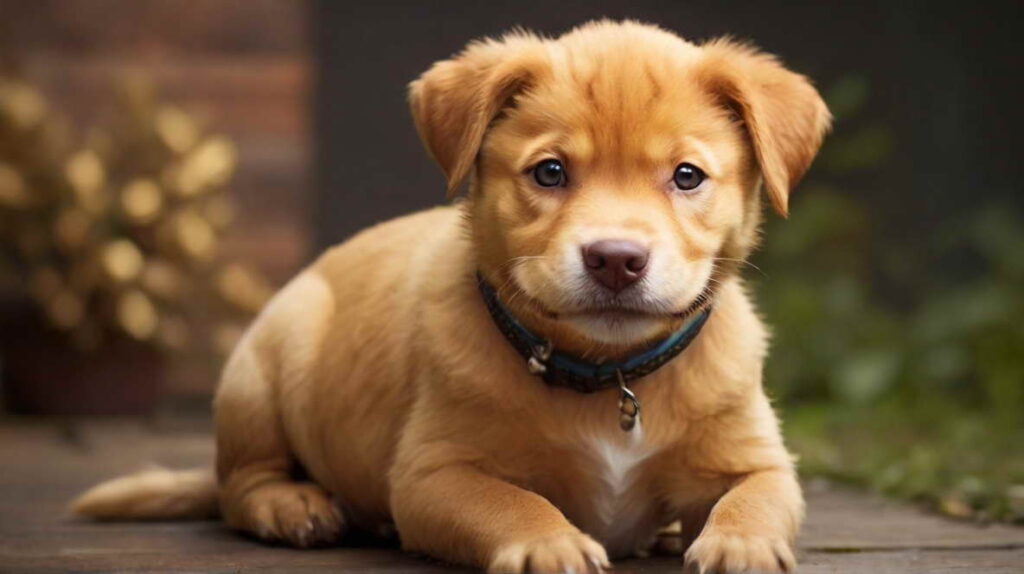
Since the Golden Pitbull is not an established breed, its size and appearance can vary significantly between different breeders and litters. These crossbred canines generally reach 18-24 inches tall at the shoulder and weigh 50-80 pounds at maturity.
The Pitbull genes tend to make Golden Pitbulls stocky, muscular dogs, while the Golden Retriever lineage lends more height and length to the body. You may see Golden Pits with the Golden’s trademark long, feathery tail, or the Pitbull’s short tail or bobbed tail. The coat is usually short, smooth and dense, and may display the Golden’s gold and cream hues, the Pit’s brindle patterns, or a mix of both colors.
Common coat colors in Golden Pitbulls include:
Golden brown
Light brown
Dark golden
Cream
White
Gray
Brindle
Black
Facial features are usually a blend of the parent breeds, with the Pitbull’s square jaw but softer eyes and expressions from the Golden Retriever. Ears may be floppy and long like the Golden, cropped like the Pitbull, or somewhere in between. Overall, no two Golden Pits will look exactly the same – that’s part of the appeal of hybrid vigor in crossbred canines!
Temperament and Personality
Perhaps the most intriguing trait of any dog breed mix like the Golden Pitbull is the resulting temperament, personality and behaviors. Since both parent breeds are notoriously friendly and affectionate, most Golden Pits exhibit similarly amiable qualities and make wonderful family pets when properly trained and socialized.
From the Golden Retriever side, you can expect the crossbreed to be:
Affectionate
Gentle
Eager to please owners
Playful and patient with children
Trusting towards strangers
Highly intelligent
Easily trainable
The American Pitbull Terrier contributes:
Strong protective instincts
Courage and athleticism
Loyalty and devotion to family
Eagerness for human attention and touch
High energy
Strong-willed nature
Proper socialization and obedience training from a young age are vital for any Pitbull mix like the Golden Pit. With early positive exposure to people, other animals, sights and sounds, these dogs can develop into well-rounded canine citizens. Like Pitbulls, Golden Pits have strong instincts to bond closely with their family while being initially wary of strangers. But this wariness can become exaggerated aggression without careful training techniques.
In general, Golden Pitbulls thrive when showered with affection, given sufficient activity and exercise, and treated with firm consistency by knowledgeable owners. Their temperament combines the unwavering loyalty of Pitbulls with the fun-loving, eager-to-please nature of Goldens – making them ideal companions for individuals or families.
Common Health Issues
All pedigreed dogs tend to have certain health conditions related to their conformation and genetics. But deliberately crossing breeds can minimize the chances of inheriting breed-specific disorders. The phenomenon of hybrid vigor suggests that Golden Pitbulls enjoy stronger overall health by blending the gene pools of their parent breeds.
Still, reputable breeders perform health screening on breeding dogs to reduce the odds of passing on genetic conditions. It’s important to be aware of the health issues most prevalent in Golden Retrievers and Pitbull Terriers when considering a Golden Pitbull pet adoption:
Golden Retriever:
Hip and elbow dysplasia
Eye disorders like cataracts
Heart disease
Cancer
Von Willebrand’s disease (bleeding disorder)
Skin allergies
Pitbull Terrier:
Hip dysplasia
Skin allergies
Thyroid dysfunction
Knee issues like luxating patella
Heart disease
Eye problems like cataracts
With diligent health testing by breeders, regular veterinary care, proper nutrition and exercise, and responsible dog breeding practices, Golden Pitbulls can enjoy excellent well-being throughout their lifespan. Monitor your dog closely for any signs of developing health issues that may require veterinary attention.
Exercise and Activity Needs
From their Golden Retriever parentage, Golden Pitbulls inherit high energy levels and enthusiasm for activity. The Pitbull side contributes athleticism, strength and stamina. You can expect your Golden Pit to need at least 60-90 minutes of vigorous daily exercise!
These mixed-breed dogs thrive when given both mental and physical stimulation. Make sure to provide:
Long daily walks – Golden Pits need more than just bathroom breaks!
Jogging or hiking – Their athleticism excels with running and swimming.
Interactive play like chasing balls and frisbees. Their Retrieve heritage makes them natural players.
Canine sports like agility, dock diving, or flyball. Fun activities that burn energy.
Swimming – Great low-impact exercise for their joints.
Mental stimulation with training exercises, puzzle toys and games.
When their activity needs are unmet, Golden Pits may exhibit destructive behaviors or aggression out of frustration. Ensure your crossbreed gets sufficient outlets for their energy to be a content, well-adjusted dog. If properly exercised, they will happily settle down and snuggle at home.
Training and Temperament
Early socialization and obedience training is strongly advised for any Pitbull mix like the Golden Pitbull. Though eager to please, their Pitbull lineage makes them strong-willed with a tendency to dominate. Positive reinforcement training with firm consistency works best to shape desired behaviors.
Start puppy training as soon as your Golden Pitbull comes home, enrolling in structured classes if possible. Expose them carefully to new sights, sounds, people, and other animals in a controlled setting during the critical socialization period.
Use reward-based methods like food treats, praise, toys and play to motivate learning. Never use punishment or force like scolding, yelling or physical discipline.
Practice basic cues like sit, stay, come, down, heel, and drop it. Gradually build up distraction levels to proof skills.
Help your Golden Pitbond strongly with all family members through shared playtime, training, walking, grooming, and other experiences.
Socialize frequently with other vaccinated puppies and friendly adult dogs. Well-socialized Golden Pits thrive with canine friends.
Ongoing training is essential even into adulthood. Practice advanced skills like ignoring distractions, greeting manners, loose leash walking, waiting at doors, long stays etc.
Proper handling, management and training allows Golden Pitbulls to become incredible companions and ambassadors for bully breed mixes!
Grooming, Shedding and Coat Care
The short, dense coat of Golden Pitbulls is quite easy to groom and maintain. However, their moderate to heavy year-round shedding does require some effort to control loose hair.
Brush thoroughly at least 1-2 times per week using a slicker brush, undercoat rake or grooming gloves. Frequent brushing reduces shedding and keeps their coat tidy.
Bathe occasionally when dirty, but over-bathing will dry out their skin. Use a moisturizing dog shampoo and conditioner.
Trim their nails regularly to prevent cracks and splitting. Get them comfortable with handling their paws early on.
Clean their floppy ears weekly using a dog ear wash to prevent infections. Never insert anything into the ear canal.
Brush their teeth or use dental chews 2-3 times a week to maintain oral health.
Pitbulls often develop skin allergies, so monitor your Golden Pit for excessive licking, scratching, hot spots, and skin irritation. Consult your vet if these signs occur.
With weekly brushing and bathing every month or two, Golden Pits maintain a handsome, healthy coat and skin. Their grooming needs are quite manageable even for novice dog owners.
Ideal Home and Living Conditions
While adaptable, Golden Pitbulls do best in active homes able to provide sufficient daily exercise, training, and attention. Their moderate to high energy level and powerful build makes them better suited to homes with:
Backyards – They love to play and run outdoors! Supervise to prevent escape artists.
Fenced yards – Keep your Golden Pit safely confined. Solid fences should be 5-6 feet tall.
Dog-friendly parks/trails nearby – Find outlets for their exercise needs!
Active families or owners who enjoy the outdoors.
Room for toys and activities – Puzzle feeders, chew toys, kongs, etc.
Golden Pitbulls can adapt to apartment living with sufficient walks, playtime, training, and enrichment. But they do best with access to a private yard for zoomies and play. These dogs thrive when included in family activities and adventures!
Diet and Nutrition
As a medium-large, high-energy breed, Golden Pitbulls need a high-quality diet with the following nutritional balance:
Protein: 22% minimum for muscle maintenance. Look for quality animal-based proteins as first ingredients like chicken, beef, fish or eggs.
Fats: 13-15% for energy, skin/coat health, immune function and brain development. Omega fatty acids are ideal from fish, flaxseed etc.
Carbs/fiber: Avoid fillers like corn, wheat, soy. Stick to whole grains like brown rice, barley or oats. Fiber aids digestion.
Vitamins/minerals: Support bone, muscle, enzymes, hormones and immunity. Calcium and phosphorus are crucial for growth in puppies.
Feeding recommendations:
Puppies: 3-4 meals per day. Around 3 cups total of high quality puppy formula.
Adults: 2 meals per day. Around 3-4 cups total of adult large breed dog food. Monitor weight and adjust as needed.
Seniors: Higher protein, lower fat. Supplements for joint health. Monitor for weight changes.
High-quality kibble: Look for meat as first ingredients, avoid by-products.
Home cooking: Follow vet-approved recipes with balanced nutrition.
All life stages: Formulas provide the right nutrients for puppy to senior.
Consult your vet on the ideal diet and quantity for your Golden Pitbull based on their age, health status, and activity level. Monitor their growth, weight, and body condition, adjusting food as needed.
Training Tips for Golden Pitbulls
Here are some top training techniques to use with your Golden Pitbull:
Reward-based training
Use plenty of treats, praise and play to positively reinforce desired behaviors. This builds a strong bond.
Clear communication
Use consistent verbal and hand commands so your pup understands what you want from them.
Short, fun sessions
Practice short 5-15 minute training intervals to keep your Golden Pit engaged and attentive.
Patience is key
Remain calm and patient with your intelligent but strong-willed crossbreed during training.
Motivational toys
Use interactive puzzle toys stuffed with treats to mentally stimulate your dog during independent play.
Learn canine body language
Know when your Golden Pitbull is focused, stressed or needing a break based on subtle body language cues.
Challenge your dog
Build their training skills gradually by adding distractions and working on more advanced cues.
Address problem behaviors
Get professional help from trainers and behaviorists if your Golden Pit develops anxiety, reactivity or aggression issues.
Prevent separation anxiety
Gradually build up alone time tolerance in your Golden Pits starting from puppyhood to adulthood.
With smart, reward-based training techniques, consistent leadership and early socialization, Golden Pitbulls can become incredibly well-behaved companions! Their loyal nature means they thrive when working cooperatively with their favorite people.
Finding a Golden Pitbull Puppy
High demand for Golden Pitbulls means finding a pup can take time and patience. Never support irresponsible breeders who focus only on profiting from trendy mixes! Seek breeders who:
Specialize in Pitbull/Golden crosses – This signals dedication to preserving hybrid vigor in their litters.
Screen breeding dogs for health issues like hip dysplasia, heart conditions etc.
Provide health clearances from OFA and genetic testing results.
Allow you to meet parents to assess temperament and inspect living conditions.
Socialize and handle pups extensively from birth for best temperament outcomes.
Wait until 8 weeks old for puppy adoption minimum, with some litter training begun.
Reputable breeders will welcome your questions and screen potential owners too. If no quality breeders are available, consider adopting a young Golden Pitbull from a local animal shelter or rescue organization. Many adolescent and adult Golden Pits need loving forever homes!
Bringing Home Your Golden Pitbull
Here are some tips for getting your new Golden Pitbull mix settled into your home and family:
Puppy-proof your home by keeping hazardous objects/chemicals locked away and setting up safe confinement areas.
Slowly introduce your Golden Pit to any resident pets and supervise closely, keeping early interactions positive.
Establish a feeding, walking and potty routine immediately for quick housebreaking. Take them out every 2 hours initially.
Provide plenty of chew toys and puzzles to keep their brain engaged.
Start crate training right away so their crate becomes a den-like safe space.
Enroll in puppy socialization classes for controlled exposure to children, strangers, noises etc.
Introduce handling like paw touches, teeth brushing and body rubs to groom them for vet visits.
Keep first few days low-key until they adjust, then begin leash walking, short training sessions and playtime.
The first few weeks are crucial for shaping your Golden Pitbull puppy into a confident, well-adjusted member of your family!
Golden Pitbull Products and Accessories
Here are some must-have supplies for your new Golden Pitbull pup or adult dog:
Collar & leash – Use a front-clip harness to avoid pulling and slipping out.
Chew toys – Strong rubber or nylon toys last longest. Supervise rope toys.
Crate – Get one large enough for their full grown size. Add blankets & toys.
Dog bed – Plush orthopedic beds provide joint support as they age.
Dog bowls – Get sturdy ceramic or stainless steel no-tip bowls.
Puppy gates – Limit access until fully housebroken.
Interactive toys – Treat dispensing puzzles, Kongs, fetch balls etc.
Dog ramps/steps – Help avoid joint issues getting in/out of vehicles.
Car safety restraint – Protect your pooch in case of accidents.
Dog clothing – For warmth and visibility on walks.
Invest in quality supplies that will stand up to their chewing and activity levels! Proper equipment makes owning an energetic Golden Pitbull much easier.
Golden Pitbull Fun Facts
Here are some fun facts about Golden Pitbulls to share with kids and fellow dog lovers:
Golden Pitbulls blend two of the most popular dog breeds in America – Golden Retrievers and Pitbull Terriers!
They are sometimes called Golden Bullies. Other nicknames include Golden Pits and Bulliten Retrievers.
Golden Pitbulls can come from breeding a Golden Retriever with an American Pit Bull Terrier or Staffordshire Bull Terrier.
Golden Pits usually have short, smooth coats, but some have longer fur that needs occasional trimming. Their coats come in many colors, including brindle!
These energetic crossbreeds need 45-60 minutes of vigorous exercise every day! They love activities like hiking, jogging and swimming.
Golden Pitbulls make excellent family pets because they adore children and enjoy playing games. But supervision is still important, as with any breed.
Thanks to their Golden Retriever heritage, Golden Pits love playing fetch! They happily retrieve balls and frisbees for hours.
Golden Pitbulls are highly intelligent and trainable dogs, especially when positive reinforcement is used. But they need early socialization to minimize aggression.
They are loyal and affectionate companions that form extremely close bonds with their owners. They don’t like being left alone for long periods.
Golden Pits have hybrid vigor, meaning their crossbred genetics helps them stay healthier than purebred dogs vulnerable to genetic disorders.
Let your friendly Golden Pitbull pup or adult dog put a smile on your face every day with their antics! They might just be the perfect canine companion for you.
Frequently Asked Questions
Q: How big do Golden Pitbulls get?
A: They typically reach 18-24 inches tall at the shoulder and 50-80 pounds at maturity, with males on the larger end of the range.
Q: What is their life expectancy?
A: The average lifespan is 10-15 years with proper care and health, longer than many larger purebreds.
Q: Are Golden Pits aggressive dogs?
A: With early socialization and training, Golden Pitbulls are quite friendly, loyal and devoted to their families. However, supervision with strangers is still recommended. Proper handling prevents aggression in this intelligent crossbreed.
Q: Do Golden Pitbulls bark a lot?
A: Moderate to high barking levels are common, as Golden Retrievers and Pitbulls are both somewhat vocal breeds. Providing sufficient exercise and stimulation reduces nuisance barking behaviors.
Q: How often should you bathe a Golden Pitbull?
A: Golden Pits only need bathing every 4-8 weeks. Over-bathing can dry out their skin. Brush them weekly to keep their coats clean.
Q: What colors do Golden Pitbulls come in?
A: Common coat colors include golden, brown, black, gray, cream, white, brindle, and mixes of those hues. No two have the exact same coat patterns or markings.
Q: Are Golden Pitbulls easy to train?
A: Yes, they are intelligent and eager to please, especially when positive reinforcement training is used. But their willfulness means they need firm, consistent leadership. Early socialization and training prevents behavior issues.
Q: Do Golden Pitbulls get along with cats?
A: Early socialization can allow Golden Pits to live harmoniously with cats and other pets. However, their high prey drive means interactions should always be supervised.
Q: Do Golden Retrievers and Pitbulls get along?
A: Yes, with proper introductions and handling, Golden Retrievers and Pitbulls can become fast friends. Caution is still advised, given the Pitbull’s potential dog aggression. But Golden Pits tend to be quite amiable and social with other canines.