Author: Julia

  • Mixing Dry Dog Food With Water

    Mixing Dry Dog Food With Water

    Mix Dry Dog Food With Water

    Mixing Dry Dog Food With Water for Health and Hydration

    Introduction

    As pet owners, we always want the best for our beloved furry companions. Ensuring their health and well-being is a top priority, and one way to achieve this is by optimizing their diet. In this comprehensive guide, we will delve into the practice of mixing dry dog food with water. This simple yet effective technique can have a significant impact on your dog’s overall health and hydration levels.

    Why Mix Dry Dog Food With Water?

    The Importance of Hydration

    Dogs, like humans, require proper hydration to maintain their health. Dehydration can lead to a range of health issues, including kidney problems, urinary tract infections, and even heatstroke. By adding water to your dog’s dry food, you can help them stay well-hydrated, especially during hot weather.

    Enhanced Palatability

    Some dogs can be picky eaters, and dry kibble may not always appeal to their taste buds. Mixing water with dry dog food can make it more palatable, enticing your pet to eat heartily. This is especially beneficial for dogs with dental issues or older pets with reduced appetite.

    Improved Digestibility

    Dry dog food can sometimes be challenging for dogs to digest, leading to digestive discomfort. The addition of water can soften the kibble and make it easier to digest, reducing the risk of gastrointestinal issues.

    How to Mix Dry Dog Food With Water

    Step 1: Gather Your Supplies

    Before you begin, make sure you have the following items on hand:

    • High-quality dry dog food
    • Clean bowl
    • Fresh, clean water

    Step 2: Determine the Right Amount

    Check the packaging of your dog’s dry food for recommended serving sizes. Measure out the appropriate amount based on your dog’s size and age.

    Step 3: Add Warm Water

    Pour warm (not hot) water over the dry food in the bowl. Use a 1:1 ratio of food to water for a standard mix. Adjust the amount of water based on your dog’s preferences; some may prefer a soupier consistency.

    Step 4: Mix Thoroughly

    Stir the food and water mixture well to ensure the kibble absorbs the water evenly. Let it sit for a few minutes to soften further.

    Step 5: Serve to Your Dog

    Place the bowl in front of your furry friend and watch them enjoy their hydrated meal. Remember to provide fresh water alongside the meal for additional hydration.

    Mixing Dry Dog Food With Water

    Benefits of Mixing Dry Dog Food With Water

    1. Improved Digestibility

    When you mix dry dog food with water, you create a more easily digestible meal for your furry friend. Here’s how it benefits your dog’s digestive system:

    Enhanced Moisture Content

    Dry dog food typically contains only about 10% moisture, which is significantly lower than a dog’s natural prey or wet dog food. By adding water, you increase the moisture content, making it closer to the natural moisture levels found in a dog’s diet. This extra moisture aids in the breakdown of food in the stomach and helps the body absorb nutrients more efficiently.

    Reduced Risk of Gastrointestinal Issues

    Some dogs, especially those with sensitive stomachs, may struggle with digesting dry kibble. The hard texture of dry food can be tough on the digestive tract, leading to issues like constipation or diarrhea. Hydrating the kibble softens it, reducing the risk of these uncomfortable gastrointestinal problems.

    Ideal for Senior Dogs

    As dogs age, their digestive systems may become less efficient. They might have difficulty chewing and digesting dry kibble. Mixing their food with water can make it easier for senior dogs to enjoy their meals without straining their teeth or digestive organs.

    2. Better Nutrient Absorption

    Hydrating dry dog food not only improves digestion but also enhances nutrient absorption:

    Maximizing Nutrient Intake

    When kibble is softened, it’s more readily broken down in the digestive system. This means that your dog can extract more essential nutrients, vitamins, and minerals from their meal. This is especially beneficial for puppies and older dogs with nutritional requirements that may be more challenging to meet with dry food alone.

    Promoting Skin and Coat Health

    Improved nutrient absorption can lead to healthier skin and a shinier coat. Omega-3 fatty acids and other essential nutrients found in dog food become more bioavailable when the food is hydrated, resulting in a lustrous and healthy appearance for your pet.

    3. Weight Management

    For dogs prone to weight issues, mixing dry dog food with water can be part of an effective weight management strategy:

    Portion Control

    Hydrated kibble tends to expand in the stomach, helping your dog feel fuller on a smaller portion. This can prevent overeating and contribute to weight control, which is especially important for dogs predisposed to obesity.

    Satiety and Reduced Begging

    A hydrated meal is often more satisfying for dogs, reducing their tendency to beg for extra treats or food between meals. This can help you maintain a healthy feeding routine and prevent excessive snacking.

    4. Enhanced Flavor and Aroma

    Mixing dry dog food with water can make mealtime more appealing to your pet:

    Releasing Aromas

    Hydration enhances the aroma of the dog food, making it more enticing to your dog. The stronger scent can stimulate their appetite, especially if your pet is a picky eater.

    Variety in Texture

    The combination of moistened kibble and water creates a different texture compared to dry food alone. Dogs often appreciate this variation, and it can add an element of novelty to their meals, reducing mealtime monotony.

    Incorporating the practice of mixing dry dog food with water into your pet’s feeding routine can have numerous benefits for their health and overall well-being. Whether you’re looking to improve their digestion, nutrient intake, weight management, or simply enhance their mealtime experience, this simple technique is a valuable addition to your pet care arsenal. Always remember to consult with your veterinarian for personalized dietary recommendations tailored to your dog’s specific needs and preferences.

    Frequently Asked Questions (FAQs)

    Is it safe to mix dry dog food with water?

    Yes, it’s safe and can be beneficial for your dog’s health and hydration.

    How much water should I add to the dry dog food?

    A 1:1 ratio of food to water is a good starting point, but you can adjust based on your dog’s preferences.

    Can I mix wet dog food with water too?

    Mixing wet dog food with water is unnecessary as wet food already contains moisture.

    Will mixing dry dog food with water spoil quickly?

    If left out for an extended period, it can spoil. Ensure you discard any uneaten portions promptly.

    Can I mix other ingredients with dry dog food and water?

    Yes, you can add ingredients like vegetables or broth for extra nutrition and flavor.

    Are there any specific types of dry dog food best suited for mixing with water?

    Any high-quality dry dog food can be mixed with water, but consult your veterinarian for brand recommendations.

    Conclusion

    Mixing dry dog food with water is a simple yet effective way to enhance your furry friend’s health and hydration. By following the steps outlined in this guide and considering the benefits, you can provide your dog with a delicious and nutritious meal that supports their well-being. Remember that every dog is unique, so be attentive to your pet’s preferences and consult your veterinarian if you have specific dietary concerns. Keep your canine companion happy, healthy, and well-hydrated with this easy feeding technique.

  • How to Create Healthy Dog Food Treat Recipe – A Tail-Wagging Delight

    How to Create Healthy Dog Food Treat Recipe – A Tail-Wagging Delight

    Dog Food Treat Recipe

    How to Create Healthy Dog Food Treat Recipe: A Tail-Wagging Delight

    Introduction

    When it comes to pampering your furry friend, homemade dog food treats can be a fantastic way to show your love. Not only do they allow you to control the ingredients, ensuring your pet gets only the best, but they also make tails wag with excitement. In this comprehensive guide, we’ll explore the art of crafting healthy dog food treat recipes that are both delicious and nutritious.

    How to Create Healthy Dog Food Treat Recipe

    Dog food treats are more than just snacks. They can contribute to your pet’s overall health and well-being. Let’s dive into the step-by-step process of creating these delectable delights:

    Choosing the Right Ingredients

    Before embarking on your journey to create healthy and delectable dog food treats for your furry companion, the first and most crucial step is to gather the right ingredients. Just like in any culinary adventure, the quality and suitability of your ingredients will significantly impact the final result. Here’s a closer look at how to gather the perfect components for your homemade dog treats:

    Choose Quality Proteins

    Lean proteins are the foundation of your dog’s treats. Opt for high-quality meats like chicken, turkey, or beef. These proteins are not only delicious but also provide essential nutrients that contribute to your dog’s overall health. When purchasing meat, consider the following tips:

    • Freshness Matters: Always choose fresh meats from reputable sources. Check for any signs of spoilage or discoloration.
    • Lean Cuts: Select lean cuts to avoid excessive fat, which can upset your dog’s stomach. Trim any visible fat before use.
    • Cooking Options: You can use these meats both cooked and raw, depending on your recipe and your dog’s preferences. Cooking can enhance the flavor and make treats easier to digest.

    Whole Grains for Fiber and Energy

    Whole grains are an excellent source of fiber and energy for your dog. They add substance to your treats while ensuring your pup gets the necessary carbohydrates. Consider these options:

    • Brown Rice: A nutritious and easily digestible choice. It’s a great source of energy and contains essential minerals.
    • Oats: Rich in fiber, oats help with digestion and can give treats a pleasant texture.
    • Barley: Another whole grain option that provides dietary fiber and essential vitamins.

    When using grains, cook them as per the recipe’s instructions and allow them to cool before mixing them with other ingredients.

    Incorporate Healthy Vegetables

    Vegetables are a fantastic addition to your dog’s treats, providing vitamins and minerals. They can add both flavor and texture to the treats. Popular choices include:

    • Carrots: A crunchy and vitamin-rich option that dogs often love. Carrots also contribute to dental health.
    • Peas: Packed with vitamins and minerals, peas offer a burst of flavor and color to your treats.
    • Sweet Potatoes: These are a fantastic source of dietary fiber, vitamins, and antioxidants.

    When including vegetables, chop or dice them finely to make them easier for your dog to consume. In some cases, you may need to cook them to ensure they are tender.

    Fresh Fruits for Natural Sweetness

    For a touch of natural sweetness and added nutrients, consider incorporating fresh fruits. Some fruits that dogs typically enjoy include:

    • Apples: Remove seeds and cores and chop apples into small pieces.
    • Bananas: Mash ripe bananas and mix them into your treat mixture.
    • Blueberries: These tiny powerhouses are rich in antioxidants.

    Ensure you remove any inedible parts, like apple seeds or pits, and use fruits in moderation due to their natural sugars.

    Special Flavorings and Additives

    To enhance the taste and nutritional value of your treats, you can include special flavorings such as:

    • Peanut Butter: Dogs adore the taste of peanut butter, and it’s an excellent source of protein and healthy fats.
    • Cheese: A small amount of cheese can make treats irresistible for many dogs.
    • Bacon Bits: Bacon adds a savory aroma and flavor that dogs find irresistible.

    However, it’s essential to use these flavorings in moderation to maintain the overall healthiness of your treats.

    Remember, your dog’s well-being is of utmost importance. Always double-check the safety of ingredients with your veterinarian, especially if your dog has allergies or specific dietary requirements. By carefully selecting and gathering these ingredients, you’ll set the stage for creating homemade dog treats that are not only healthy but also utterly delightful to your furry friend.
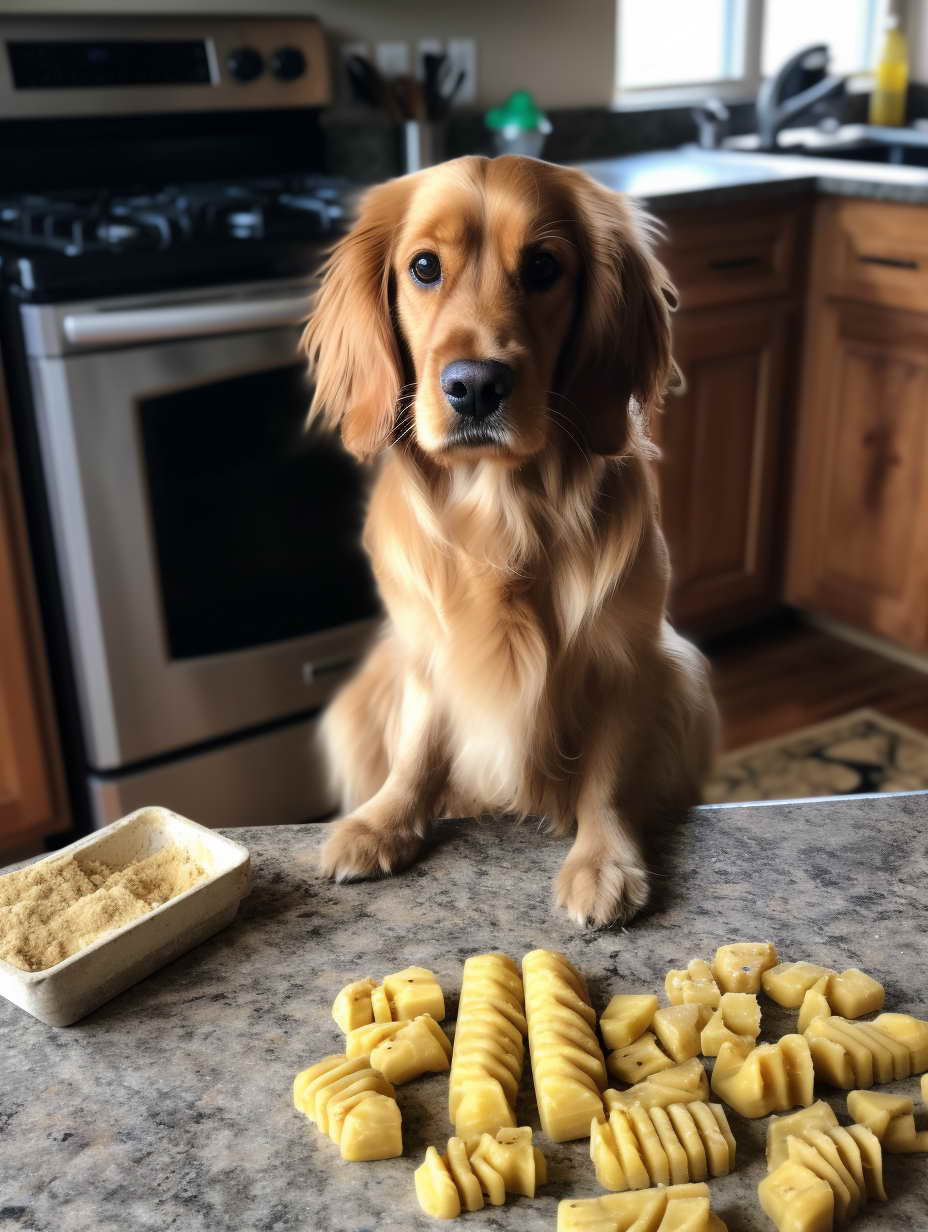
    How to Create Dog Food Treat Recipe

    Create a Balanced Recipe

    Creating a balanced recipe for your homemade dog treats is crucial to ensure that your furry friend receives the right combination of nutrients, keeping them healthy and happy. Just like humans, dogs benefit from a well-rounded diet. Here’s how to strike the perfect nutritional balance in your dog’s treats:

    Understanding Nutritional Balance

    A balanced recipe for dog treats should encompass three primary components: proteins, carbohydrates, and vegetables. Each of these elements plays a unique role in supporting your dog’s health:

    1. Proteins: Proteins are essential for muscle development, repair, and overall growth. They also provide energy. Opt for lean meat sources such as chicken, turkey, or beef, as they offer ample protein without excessive fat.
    2. Carbohydrates: Carbohydrates provide a source of energy for your dog. Whole grains like brown rice, oats, or barley are excellent choices. They also contain fiber, aiding in digestion.
    3. Vegetables: Vegetables not only add variety and flavor to treats but also supply essential vitamins, minerals, and antioxidants. Options like carrots, peas, and sweet potatoes are nutritious and appealing to dogs.

    Balanced Treat Recipe Ratios

    Achieving the right balance between these components requires understanding the appropriate ratios:

    • Protein: Aim for around 15-30% of the treat’s total composition. This ensures your dog receives enough protein without overwhelming their digestive system.
    • Carbohydrates: Carbs should make up approximately 30-50% of the treat. They provide the energy needed for daily activities and play.
    • Vegetables: Reserve 20-30% of the treat for vegetables. They contribute vital nutrients and add texture and flavor variety.

    By following these ratios, you can create treats that are both nutritious and satisfying for your furry friend.

    Considering Dietary Needs

    Keep in mind that every dog is unique, and their dietary needs may vary based on factors such as age, size, and activity level. Therefore, it’s essential to tailor your balanced treat recipe to your specific dog.

    • Puppies: Growing puppies require slightly higher protein levels to support their development.
    • Senior Dogs: Older dogs may benefit from treats that have lower fat content to maintain a healthy weight.
    • Active Dogs: If your dog is highly active, consider treats with a higher carbohydrate content to provide the necessary energy.

    Moderation is Key

    While creating a balanced recipe is essential, remember that treats should be given in moderation. Even healthy treats can contribute to excessive calorie intake if overindulged. Treats should comprise no more than 10% of your dog’s daily caloric intake.

    Additionally, always monitor your dog’s reaction to new treats. Some dogs may have sensitivities or allergies to certain ingredients. If you notice any adverse reactions, consult your veterinarian for guidance.

    Storage and Serving

    After you’ve lovingly prepared your homemade dog treats, it’s essential to store them properly to maintain freshness, flavor, and safety. Improper storage can lead to spoilage or loss of texture, which could disappoint your furry friend. Here’s how to ensure your homemade dog treats stay in their prime:

    Use Airtight Containers

    The cornerstone of proper treat storage is the use of airtight containers. These containers create a sealed environment that prevents moisture, air, and external odors from infiltrating the treats. Here are some tips for choosing and using airtight containers:

    • Select the Right Size: Choose a container that fits the quantity of treats you’ve prepared. An excessively large container can lead to excess air inside, potentially causing treats to become stale.
    • Quality Matters: Invest in high-quality airtight containers made of materials like plastic, glass, or metal. Ensure that the lids are sealed securely to prevent air leaks.

    Consider Refrigeration

    Not all homemade dog treats require refrigeration, but some may benefit from it, especially if they contain perishable ingredients like meat or dairy. Here’s what to know about refrigerating dog treats:

    • Meat-Based Treats: If your treats contain cooked meat, consider refrigerating them to extend their shelf life. Use a container that seals well and label it with the date of preparation.
    • Dairy Treats: Treats with ingredients like yogurt or cheese should also be refrigerated to prevent spoilage. These treats can develop mold if left at room temperature for too long.
    • Check Recipe Instructions: Always consult your recipe for specific storage instructions. Some recipes may require refrigeration while others can be stored at room temperature.

    Label and Date

    Proper labeling is essential for managing the freshness of your homemade dog treats. Use labels or stickers to indicate what the treats are and when they were made. This practice ensures you can identify and use treats before they expire. Here’s how to go about it:

    • Label Contents: Clearly label the container with the type of treats inside, especially if you have multiple treat varieties. This prevents confusion and ensures you give your dog the right treat.
    • Date Each Batch: Write the date of preparation on the container. Treats typically have a shelf life of 1-2 weeks at room temperature and up to 3 months when refrigerated.

    Keep Out of Direct Sunlight

    Sunlight and heat can affect the texture and flavor of your homemade dog treats. To maintain their quality, store treats away from direct sunlight and in a cool, dry place. Avoid leaving treats on countertops or near windows where they may be exposed to sunlight.

    Freeze for Longevity

    If you’ve prepared a large batch of treats or want to extend their shelf life, consider freezing them. Freezing can preserve treats for several months. Here’s how to do it:

    • Wrap Treats Individually: Wrap each treat separately in plastic wrap or place them in an airtight container with layers of parchment paper in between to prevent sticking.
    • Label and Date: As with refrigeration, label the frozen treats with the date of preparation. This helps you keep track of freshness.
    • Thaw Before Serving: When you’re ready to treat your pup, allow the frozen treats to thaw at room temperature for a few minutes to make them more palatable.

    How to Create Healthy Dog Food Treat Recipe

    Healthy Dog Treat Recipe: Peanut Butter and Banana Bliss

    If you’re looking to create a dog treat recipe that’s not only healthy but also downright irresistible, we’ve got just the thing for you. Our Peanut Butter and Banana Bliss dog treats are a hit with pups of all sizes and breeds. This simple yet delicious recipe combines two canine favorites – peanut butter and bananas – into a treat that will have your furry friend begging for more. Let’s get started on crafting these delectable goodies:

    Ingredients:

    • 1 ripe banana
    • 1/2 cup natural peanut butter (make sure it doesn’t contain xylitol, which is harmful to dogs)
    • 1 1/2 cups whole wheat flour
    • 1 egg

    Instructions:

    1. Preheat the Oven: Begin by preheating your oven to 350°F (175°C). This will ensure that it’s nice and toasty when it’s time to bake your treats.
    2. Mash the Banana: In a mixing bowl, peel the ripe banana and mash it until it’s smooth. Bananas are not only tasty but also provide your dog with essential vitamins and potassium.
    3. Add Peanut Butter: Add 1/2 cup of natural peanut butter to the mashed banana. Peanut butter is a dog favorite and serves as the primary flavor in this recipe. Mix it well with the banana.
    4. Incorporate the Flour: Gradually add the 1 1/2 cups of whole wheat flour to the banana-peanut butter mixture. Mix until the dough comes together. Whole wheat flour adds healthy fiber and nutrients to the treats.
    5. Add the Egg: Crack the egg into the mixture and stir until it’s fully integrated. The egg not only binds the dough but also provides a source of protein.
    6. Roll and Cut: Dust your work surface with a little extra flour to prevent sticking. Roll out the dough to about 1/4-inch thickness. Use dog-themed cookie cutters or any shape you prefer to cut out the treats. Place them on a baking sheet lined with parchment paper.
    7. Bake to Perfection: Pop your treats into the preheated oven and bake for approximately 10-12 minutes or until they turn golden brown. Keep an eye on them to avoid overcooking.
    8. Cool and Serve: Once baked, let the treats cool on a wire rack. When they’ve reached room temperature, it’s time to treat your pup to some Peanut Butter and Banana Bliss!

    Tips:

    • Store these treats in an airtight container at room temperature for up to two weeks or in the refrigerator for an extended shelf life.
    • Remember to introduce new treats gradually into your dog’s diet to ensure they don’t have any allergies or sensitivities.
    • These treats are perfect for training sessions or just as a special reward for your furry friend’s good behavior.

    Creating this delightful dog treat recipe is not only fun but also a rewarding way to show your love and care for your four-legged family member. Watch as your pup’s tail wags with excitement every time they catch a whiff of these homemade Peanut Butter and Banana Bliss treats.
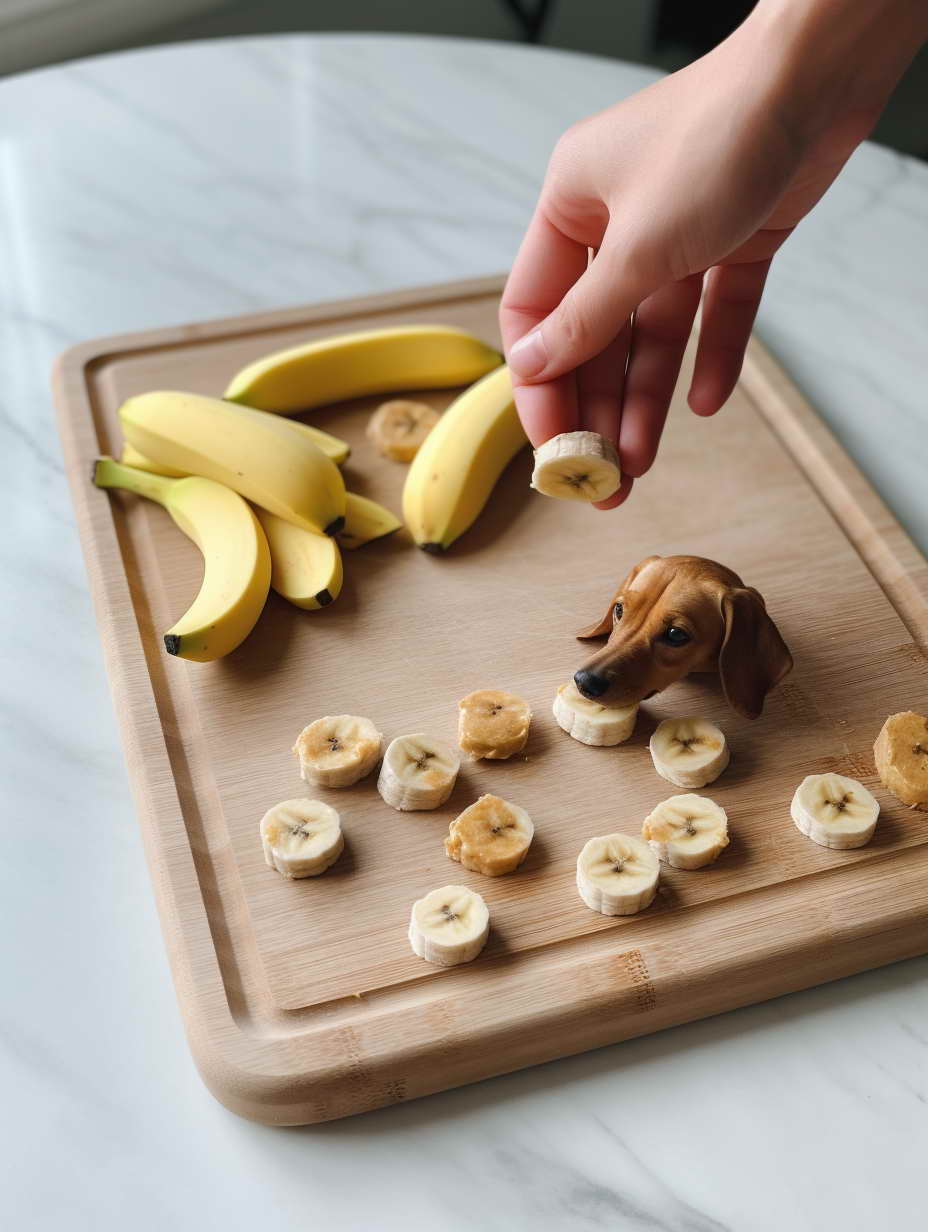
    Healthy Dog Treat Recipe Peanut Butter and Banana Bliss

    Frequently Asked Questions

    Are homemade dog treats healthier than store-bought ones?

    Yes, homemade treats allow you to control the ingredients, ensuring they are free from additives and preservatives. This can be a healthier option for your dog.

    Can I customize the recipe based on my dog’s dietary restrictions?

    Absolutely! You can tailor the ingredients to suit your dog’s specific dietary needs, whether they have allergies or sensitivities.

    How long can I store homemade dog treats?

    Homemade dog treats can last for up to two weeks if stored in an airtight container. For longer storage, consider freezing them.

    Are there any ingredients I should avoid using in dog treats?

    Avoid ingredients like onions, garlic, chocolate, and nuts, as they can be toxic to dogs. Always research ingredients for safety.

    Can I make treats for puppies?

    Yes, you can make treats for puppies, but ensure the ingredients are suitable for their age and size. Consult your veterinarian if you have any doubts.

    What are some creative shapes I can make for dog treats?

    Get creative with cookie cutters to make fun shapes like bones, hearts, or paw prints. Your dog will appreciate the effort!

    Conclusion

    Creating healthy dog food treat recipes is a rewarding endeavor that not only pleases your furry companion but also ensures they receive the best nutrition. By following our guide and customizing recipes to suit your dog’s needs, you can embark on a delicious journey that will make tails wag with joy.
  • Adding Olive Oil To Dog Food

    Adding Olive Oil To Dog Food

    Adding Olive Oil To Dog Food

    Adding Olive Oil To Dog Food: A Healthy Choice for Your Furry Friend

    Introduction

    When it comes to our beloved furry companions, their health and well-being are of utmost importance. As responsible pet owners, we constantly seek ways to improve their diet and overall quality of life. One such dietary enhancement gaining popularity is adding olive oil to dog food. In this article, we will delve into the numerous benefits of this practice, sharing insights, expert tips, and frequently asked questions regarding Adding Olive Oil To Dog Food.

    The Power of Olive Oil

    Olive oil has long been celebrated for its health benefits in human nutrition, and it turns out that this natural wonder can also play a significant role in enhancing the health of our four-legged friends. Let’s explore the remarkable power of olive oil when added to your dog’s food.

    Why Choose Olive Oil for Your Dog?

    Rich in Beneficial Nutrients

    One of the primary reasons to choose olive oil for your dog is its impressive nutritional profile. Extra virgin olive oil, in particular, is packed with essential nutrients that can contribute to your pet’s overall well-being. Here are some of the key components:

    • Omega-3 Fatty Acids: Olive oil is abundant in omega-3 fatty acids, specifically alpha-linolenic acid (ALA). These essential fats are known for their anti-inflammatory properties, which can benefit dogs with conditions like arthritis and allergies.
    • Antioxidants: Olive oil contains powerful antioxidants, such as vitamin E and polyphenols, which help protect cells from damage caused by harmful free radicals. This protection extends to your dog’s skin, coat, and overall health.
    • Monounsaturated Fats: The monounsaturated fats in olive oil are heart-healthy and can support cardiovascular health in dogs. They help reduce bad cholesterol levels and may improve circulation.
    • Vitamins: Olive oil is a source of vitamins E and K, which are crucial for maintaining healthy skin and aiding in blood clotting.

    Improved Coat Health

    One noticeable benefit of adding olive oil to your dog’s food is the positive impact it has on their coat. The omega-3 fatty acids in olive oil work wonders for your dog’s fur, promoting a lustrous, shiny, and healthy coat. This is especially beneficial for breeds prone to dry or dull fur. With regular use, you’ll likely notice a significant improvement in your dog’s appearance.

    Enhanced Skin Health

    Olive oil can do wonders for your dog’s skin as well. If your pet suffers from dryness, itchiness, or skin irritations, the application of olive oil can offer relief. The vitamin E and antioxidants in olive oil can soothe irritated skin and aid in the healing process. It’s a natural remedy that can be particularly beneficial for dogs with allergies or dermatological issues.

    Joint Support

    As your dog ages, joint health becomes a primary concern. Olive oil’s anti-inflammatory properties may help alleviate joint pain and stiffness in older dogs, potentially improving their mobility and overall comfort. While not a replacement for veterinary care, the addition of olive oil to your dog’s diet can be a supportive measure in managing joint health.

    Weight Management

    Olive oil can also play a role in weight management for dogs. When used in moderation and as part of a balanced diet, it can help maintain a healthy weight. The monounsaturated fats in olive oil provide a feeling of satiety, reducing the chances of overeating. This can be particularly useful for dogs prone to weight gain or those on a weight loss plan.

    Adding Olive Oil To Dog Food: The Process

    Simple Steps to Incorporate Olive Oil

    1. Choose High-Quality Olive Oil: Opt for extra virgin olive oil as it retains the most nutrients.
    2. Start Slowly: Introduce olive oil gradually to your dog’s diet to avoid digestive upset.
    3. Mix Thoroughly: Ensure the oil is evenly distributed in your dog’s food to entice them to eat.

    Adding Olive Oil To Dog Food The Process

    Frequently Asked Questions (FAQs)

    Is olive oil safe for all dogs?

    Yes, olive oil is generally safe for most dogs. However, it’s essential to consult your veterinarian before making any dietary changes, especially if your dog has underlying health issues.

    Can I use any type of olive oil?

    While any type of olive oil can be used, extra virgin olive oil is the most recommended because it contains the highest levels of beneficial nutrients.

    How often should I add olive oil to my dog’s food?

    The frequency of adding olive oil to your dog’s food can vary. Many pet owners add it a few times a week, but the best approach depends on your dog’s specific needs and your veterinarian’s guidance.

    Can olive oil help with digestive problems in dogs?

    Yes, olive oil can help alleviate mild digestive issues in dogs, such as constipation. However, always consult your vet for proper guidance in case of persistent digestive problems.

    Will olive oil make my dog gain weight?

    When used in moderation, olive oil is unlikely to cause weight gain in dogs. In fact, it can be a useful addition to a weight management plan when combined with a balanced diet and exercise.

    How long does it take to see results?

    The time it takes to see results from adding olive oil to your dog’s diet can vary depending on the specific health issue you’re addressing. In general, improvements in coat and skin health may be noticeable within a few weeks.

    Conclusion

    Adding Olive Oil To Dog Food is a simple yet effective way to enhance your furry friend’s health and well-being. With its numerous benefits and minimal risk when used correctly, olive oil can be a valuable addition to your dog’s diet. Remember to consult with your veterinarian before making any dietary changes, and enjoy watching your dog thrive with this small but significant improvement.

  • How Much Dog Food Should A Dog Eat

    How Much Dog Food Should A Dog Eat

    How Much Dog Food Should A Dog Eat

    How Much Dog Food Should A Dog Eat: A Comprehensive Guide

    Introduction

    Welcome to our comprehensive guide on the crucial topic of “How Much Dog Food Should A Dog Eat.” If you’re a dog owner, you know that providing the right amount of food is essential for your furry friend’s health and well-being. In this article, we will delve into all aspects of dog food portions, helping you become an expert in understanding your dog’s nutritional needs.

    Understanding Your Dog’s Dietary Needs

    When it comes to understanding your dog’s dietary needs, it’s essential to recognize that dogs, like humans, have unique requirements based on factors such as their age, size, breed, and activity level. Tailoring their diet to meet these specific needs is crucial for their overall health and well-being. Let’s delve deeper into these factors to gain a better understanding of how to provide the right nutrition for your furry companion.

    Age Matters

    Puppies

    Puppies are like growing children—they require more energy and nutrients to support their rapid development. As a general guideline, puppies should be fed three to four times a day. The exact amount of food they need depends on their breed and size. Smaller breeds may need slightly less than larger breeds. Consult the packaging of your chosen dog food for recommended serving sizes based on your puppy’s weight.

    Adult Dogs

    Once your dog reaches adulthood, their nutritional needs change. Most adult dogs do well with two meals a day. Again, the serving size should be determined by their weight. Larger dogs need more food than smaller ones. To ensure you’re providing the right amount, check the label on your dog food for guidance.

    Senior Dogs

    As dogs age, their activity levels often decrease, and their metabolism may slow down. Consequently, senior dogs require fewer calories. However, their nutritional needs may change. It’s essential to consult with your veterinarian to determine the best diet for your senior dog. They may recommend a senior-specific dog food formulated to address their unique requirements, such as joint health or weight management.

    Other Factors Affecting Food Consumption

    Breed and Size

    The breed and size of your dog play a significant role in determining their food requirements. Larger breeds, such as Great Danes, need more food to sustain their bigger bodies, while smaller breeds, like Chihuahuas, require less.

    Activity Level

    An active dog burns more calories than a sedentary one. Working dogs or those engaged in agility and sports may need a higher calorie intake to support their energy expenditure.

    Individual Metabolism

    Just like people, dogs have varying metabolic rates. Some dogs naturally burn calories more efficiently than others. Monitor your dog’s weight and energy levels to adjust their food intake accordingly.

    Creating a Feeding Schedule

    Establishing a proper feeding schedule for your dog is not just about routine; it’s a critical component of responsible pet ownership. A well-planned feeding schedule can contribute to your dog’s overall health and well-being by ensuring they receive the right amount of food at the right times. Let’s explore how to create an effective feeding schedule for your furry friend.

    The Importance of a Routine

    Dogs thrive on routines, and a consistent feeding schedule provides numerous benefits:

    Digestive Health

    A regular feeding schedule helps regulate your dog’s digestive system. Knowing when to expect meals allows their body to prepare for food intake and digest it efficiently.

    Prevents Overeating

    Free-feeding or leaving food out all day can lead to overeating and obesity in dogs. A scheduled feeding routine allows you to control portion sizes, ensuring your dog doesn’t consume excessive calories.

    Housetraining

    A consistent feeding schedule also aids in housetraining. When you know when your dog has eaten, you can anticipate when they are likely to need a bathroom break, making the training process smoother.

    Meal Timing

    When planning your dog’s feeding schedule, consider the following meal timing guidelines:

    Frequency

    • Puppies: As mentioned earlier, puppies require more frequent meals, typically three to four times a day. This frequency supports their rapid growth and higher energy needs.
    • Adult Dogs: Most adult dogs do well with two meals a day, one in the morning and one in the evening.
    • Senior Dogs: Senior dogs can generally follow the same schedule as adult dogs but may require adjustments in portion sizes to account for their reduced activity level.

    Timing

    • Try to feed your dog at the same times each day. Consistency is key to establishing a routine that your dog can rely on.
    • Avoid feeding immediately before or after strenuous exercise to prevent digestive issues. It’s best to wait at least an hour after exercise before feeding.

    Portion Control

    Portion control is a crucial aspect of a feeding schedule. Here’s how to maintain it effectively:

    Measuring Cups

    Use a measuring cup to portion out your dog’s food. This ensures accuracy and helps prevent overfeeding. Refer to the feeding guidelines on the dog food packaging to determine the appropriate serving size based on your dog’s weight.

    Avoid Free-Feeding

    Leaving food out for your dog to graze on throughout the day can lead to weight gain. Stick to scheduled meal times, and if your dog doesn’t finish their meal, pick up the uneaten portion until the next feeding.

    Treats and Snacks

    Remember to account for treats and snacks in your dog’s daily calorie intake. Excessive treats can disrupt your carefully planned feeding schedule.

    Creating a Feeding Schedule How Much Dog Food Should A Dog Eat

    Frequently Asked Questions (FAQs)

    Can I Leave Food Out for My Dog to Eat Whenever?

    It’s not recommended. Controlled portions at scheduled times are healthier for your dog.

    How Can I Tell If My Dog Is Overweight?

    Check for visible waist indentation behind the ribcage and consult your vet for evaluation.

    Should I Adjust My Dog’s Food Portions in Winter?

    Yes, dogs may need slightly more food in colder months to maintain body temperature.

    Can My Dog’s Food Portions Change with Age?

    Absolutely. Adjust portions as your dog matures and becomes less active.

    What if My Dog Is a Picky Eater?

    Consult with your vet to rule out health issues and consider switching to a different dog food brand.

    Is It Safe to Share Human Food with My Dog?

    Certain human foods are safe in moderation, but it’s best to stick to dog-specific treats.

    Conclusion

    Understanding “How Much Dog Food Should A Dog Eat” is crucial for your pet’s health and happiness. By following the guidelines outlined in this article and consulting with your veterinarian, you can ensure that your furry companion receives the right amount of nourishment. Remember, a well-fed dog is a happy dog.

    Check out our recommended dog food on Amazon here: https://amzn.to/3PL4tH7

  • Raw Dog Food Florida

    Raw Dog Food Florida

    Raw Dog Food Florida

    Raw Dog Food Florida

    Introduction

    When it comes to providing the best nutrition for your furry friend, raw dog food is gaining popularity. In Florida, where the sunny climate keeps dogs active year-round, ensuring they have the right diet is essential. This article will guide you through everything you need to know about Raw Dog Food Florida, from its benefits to where to find it, and answer some common questions.

    Raw Dog Food Florida: A Healthy Choice

    When it comes to providing the best nutrition for your four-legged friend, Raw Dog Food Florida stands out as a remarkably healthy choice. This diet, also known as a raw diet or BARF (Bones and Raw Food), is gaining popularity among pet owners who want to ensure their dogs receive the best possible nutrition. In this section, we will delve deeper into the reasons why Raw Dog Food Florida is an excellent option for your furry companion.

    Benefits of Raw Dog Food

    1. Improved Digestion: One of the primary benefits of feeding your dog raw food is that it is much easier for them to digest compared to heavily processed commercial kibble. This improved digestion leads to fewer stomach issues and can be especially beneficial for dogs with sensitive digestive systems.
    2. Healthier Coat and Skin: Many dog owners who switch to a raw diet notice a significant improvement in their pet’s coat and skin health. Raw food provides essential fatty acids, vitamins, and minerals that promote a shinier, smoother coat and healthier skin overall.
    3. Stronger Teeth and Gums: Chewing on raw bones, a common component of a raw diet, can have a profound impact on your dog’s dental health. It acts as a natural toothbrush, helping to remove plaque and tartar buildup, leading to stronger teeth and healthier gums.
    4. Weight Management: For dogs struggling with weight issues, Raw Dog Food Florida offers a fantastic solution. You have precise control over portion sizes and can tailor your dog’s diet to their specific needs, helping them maintain a healthy weight.
    5. Higher Energy Levels: Dogs on raw diets often exhibit increased energy levels and vitality. This is because raw food provides a more natural source of energy, allowing your dog to be more active and engaged.
    6. Fewer Allergies: Processed dog food often contains fillers and additives that can trigger allergies in some dogs. By switching to a raw diet, you can eliminate many of these potential allergens, leading to fewer allergic reactions and skin irritations.
    7. Better Overall Health: The combination of improved digestion, dental health, and a well-balanced diet can contribute to your dog’s overall well-being. Many owners report that their dogs have fewer health issues and require fewer trips to the veterinarian after making the switch to raw food.
    8. Enhanced Immune System: A diet rich in raw, natural ingredients can help boost your dog’s immune system. This means your furry friend is better equipped to fend off illnesses and infections, keeping them healthier in the long run.

    Where to Find Raw Dog Food in Florida

    Finding raw dog food in Florida is easier than you might think. Many pet stores and online retailers offer a wide variety of options to suit your dog’s specific needs.

    Local Pet Stores

    Visit your local pet store or specialty pet food shop, and you’re likely to find a selection of raw dog food brands. These stores often carry frozen or freeze-dried options.

    Online Retailers

    Online shopping provides convenience and a broader range of choices. Websites like Chewy and Amazon offer a vast selection of raw dog food brands, making it easy to find the best fit for your pup.

    Raw Dog Food Delivery Services

    Several companies in Florida specialize in delivering raw dog food straight to your doorstep. This option is perfect for busy pet owners who want top-quality food without the hassle.

    Raw Dog Food Florida A Healthy Choice

    Frequently Asked Questions

    Is Raw Dog Food Safe for My Pet?

    Yes, when prepared and handled properly, raw dog food is safe. Make sure to follow recommended guidelines and consult your veterinarian for advice tailored to your dog’s specific needs.

    How Do I Transition My Dog to a Raw Diet?

    Transitioning to a raw diet should be gradual. Start by mixing a small amount of raw food with your dog’s current diet and gradually increase the portion of raw food over a few weeks.

    Can I Feed My Dog Raw Fish from Florida Waters?

    While Florida has abundant seafood, it’s essential to be cautious when feeding raw fish. Some species may contain parasites or harmful bacteria. Consult your vet for safe options.

    Is It Expensive to Feed My Dog Raw Food in Florida?

    Raw dog food can be more expensive than traditional kibble, but the health benefits may outweigh the cost. Consider it an investment in your pet’s well-being.

    Should I Consult a Veterinarian Before Switching to Raw Dog Food?

    Yes, it’s advisable to consult your veterinarian before making any significant dietary changes for your dog. They can provide guidance based on your pet’s unique health requirements.

    Are There Any Raw Dog Food Recipes I Can Make at Home?

    Certainly! Many dog owners prepare raw food at home. However, it’s essential to ensure a balanced diet with all necessary nutrients. Consult with a canine nutritionist for homemade recipes.

    Conclusion

    Choosing Raw Dog Food Florida is a great way to ensure your canine companion enjoys a healthy and vibrant life. From improved digestion to a shinier coat, the benefits are clear. Whether you shop at a local store or order online, providing the best nutrition for your dog has never been easier in the Sunshine State. One of our recommended online stores is the Amazon, you can get a special offer here: https://amzn.to/44Uz5u4

  • What Are Dog Food Made In Texas: A Comprehensive Guide

    What Are Dog Food Made In Texas: A Comprehensive Guide

    Dog Food Made In Texas

    What Are Dog Food Made In Texas: A Comprehensive Guide

    Introduction

    When it comes to our beloved furry friends, we want nothing but the best. In recent years, there has been a growing interest in the origin of pet food, with many pet owners seeking products made in specific regions. In this article, we will delve into the world of dog food made in Texas. What sets it apart, where it comes from, and what you should know before choosing it for your canine companion?

    What Are Dog Food Made In Texas?

    Dog food made in Texas refers to pet food products manufactured within the state of Texas, USA. The Lone Star State is not just known for its vast landscapes and friendly locals; it also boasts a thriving pet food industry. Here, we will explore why dog food made in Texas has gained popularity and what you can expect from these products.

    The Texan Difference

    Texas takes pride in its dog food industry, and for good reason. Here are some key factors that set Texan dog food apart:

    Quality Ingredients

    Texan dog food manufacturers prioritize quality. They source ingredients from reputable suppliers, ensuring that your dog gets the best nutrition possible. Locally sourced ingredients often mean fresher and healthier meals for your furry friend.

    Unique Flavors

    Texan dog food often incorporates regional flavors. From savory barbecue to hearty Tex-Mex, these unique tastes can make mealtime exciting for your dog.

    Stringent Regulations

    Texas has strict regulations governing pet food production. This means that dog food made in Texas is subject to rigorous quality control measures, giving you peace of mind about the safety of what you’re feeding your pet.

    The Manufacturing Process

    Understanding how dog food is made in Texas can help you make an informed choice. The process typically involves these steps:

    Ingredient Selection

    High-quality ingredients are carefully chosen, ensuring they meet the nutritional needs of dogs.

    Mixing

    Ingredients are mixed together to create a balanced blend of proteins, carbohydrates, and fats.

    Cooking

    The mixture is cooked at precise temperatures to kill harmful bacteria and ensure digestibility.

    Packaging

    The final product is packaged in airtight containers to maintain freshness.

    Top Brands

    Several renowned brands produce dog food in Texas. These brands have earned the trust of pet owners nationwide:

    1. TexPet Delights

    TexPet Delights is known for its use of local ingredients and commitment to pet health. Their products feature a range of flavors to satisfy even the pickiest eaters.

    2. Lone Star Paws

    Lone Star Paws specializes in grain-free options, making their dog food suitable for dogs with dietary sensitivities.

    3. Hill Country Canine

    Hill Country Canine offers a variety of recipes, each inspired by the flavors of the Texas Hill Country. Their commitment to sustainability is also worth noting.

    What Are Dog Food Made In Texas

    FAQs About Dog Food Made In Texas

    Is dog food made in Texas safe for my pet?

    Yes, dog food made in Texas is subject to strict regulations, making it generally safe for your pet. Always check the label for any specific information related to your dog’s dietary needs.

    Are Texan dog food brands available nationwide?

    Many Texan dog food brands are available online and can be shipped nationwide. Check the brand’s website or local pet stores for availability.

    What makes Texan dog food unique?

    Texan dog food often includes regional flavors and high-quality ingredients sourced locally, making it stand out in terms of taste and nutrition.

    Can I trust Texan dog food brands?

    Yes, Texan dog food brands are known for their commitment to quality and safety. However, it’s essential to research specific brands and read reviews to find the best fit for your pet.

    Are there Texan dog food options for dogs with dietary restrictions?

    Certainly. Many Texan dog food brands offer specialized products, such as grain-free or hypoallergenic options, to cater to dogs with dietary restrictions.

    Where can I buy dog food made in Texas?

    You can purchase dog food made in Texas from pet supply stores, online retailers, or directly from the manufacturer’s website.

    Conclusion

    Choosing the right food for your dog is a crucial decision. Dog food made in Texas offers unique flavors, quality ingredients, and rigorous safety standards. With brands like TexPet Delights, Lone Star Paws, and Hill Country Canine, you can be confident that your furry companion is getting the best. So, treat your dog to a taste of Texas with dog food made in the Lone Star State.