Author: Julia

  • Difference Between Dog Food And Puppy Food

    Difference Between Dog Food And Puppy Food

    Difference Between Dog Food And Puppy Food

    Difference Between Dog Food And Puppy Food: A Comprehensive Guide

    Introduction

    When it comes to caring for our beloved pets, nutrition plays a crucial role in their overall health and well-being. Understanding the Difference Between Dog Food And Puppy Food is essential for providing your furry friend with the best possible care. In this comprehensive guide, we will delve into the intricacies of these two types of pet food, shedding light on the distinctions, benefits, and considerations for each.

    Key Distinctions in Dog Food and Puppy Food

    When it comes to choosing the right nutrition for your canine companion, understanding the differences between dog food and puppy food is paramount. These differences stem from the unique nutritional requirements of dogs at various life stages. Let’s delve deeper into the key distinctions:

    1. Nutritional Requirements

    Puppies are akin to human infants—they undergo rapid growth and development during their first months of life. This growth phase demands a diet rich in essential nutrients, including protein, fats, vitamins, and minerals. Puppy food is meticulously formulated to meet these specific nutritional needs. It provides higher levels of these essential components to support healthy growth.

    In contrast, adult dog food is designed for dogs in their mature stage of life, where growth has ceased. The nutritional profile of adult dog food is balanced to maintain the overall health and well-being of fully grown dogs.

    2. Protein Content

    Protein is the building block of muscles and tissues. Puppies require more protein than adult dogs to support their rapid muscle development and tissue growth. Puppy food contains higher protein levels to ensure that young dogs receive the necessary amino acids for building a strong foundation for a healthy life.

    Adult dog food, while still containing a sufficient amount of protein, has a lower protein content compared to puppy food. This protein level is suitable for maintaining muscle mass and overall health in fully-grown dogs.

    3. Caloric Density

    The energy requirements of puppies are significantly higher than those of adult dogs due to their playful and active nature. Puppy food is denser in calories to accommodate these elevated energy needs. The extra calories provided by puppy food support the high metabolism and increased activity levels of puppies.

    On the other hand, adult dog food has a lower caloric density to prevent excess weight gain in dogs with lower energy expenditure. It caters to the maintenance phase of a dog’s life.

    4. Calcium and Phosphorus Levels

    Calcium and phosphorus are essential minerals for the development of strong bones and teeth. Puppies need a carefully balanced ratio of these minerals to ensure proper skeletal development without promoting issues like hip dysplasia or other bone-related problems.

    Puppy food is designed with these considerations in mind, providing the ideal calcium and phosphorus levels for growing puppies. In contrast, adult dog food contains lower levels of these minerals to maintain bone health without promoting excessive growth.

    5. Feeding Frequency

    Puppies have smaller stomachs and higher metabolic rates than adult dogs. As a result, they require more frequent meals throughout the day to meet their nutritional demands. It’s common practice to feed puppies three to four times a day, ensuring they receive a steady supply of energy and nutrients.

    Adult dogs, on the other hand, typically follow a regular feeding schedule of two meals per day. Their digestive systems are equipped to handle less frequent feeding, given their slower metabolism.

    6. Special Formulations

    Some puppies may have specific dietary requirements or sensitivities. Specialized puppy food formulations cater to these needs, offering options for puppies with allergies, digestive issues, or other health concerns. These specialized formulations ensure that even puppies with unique dietary needs can thrive.

    In contrast, adult dog food may not offer the same variety of specialized options, making puppy food a more suitable choice for dogs with specific dietary concerns.

    Understanding these key distinctions between dog food and puppy food allows you to make informed choices for your furry friend’s nutrition. By selecting the right type of food based on their age and nutritional needs, you can contribute to their overall health and happiness. Always consult your veterinarian for personalized dietary recommendations to ensure your dog receives the best possible care.
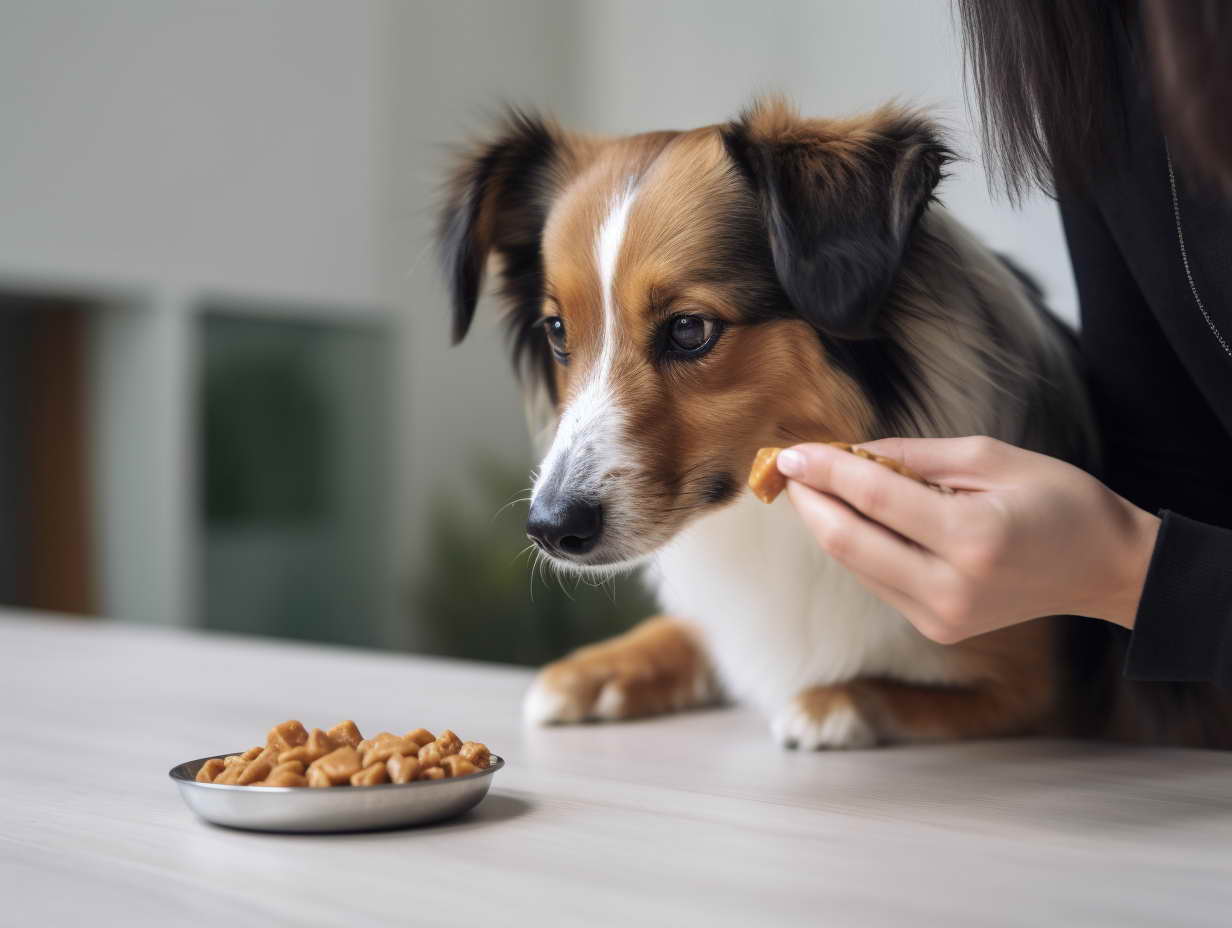
    Key Distinctions in Dog Food and Puppy Food

    FAQs

    Is it okay to feed my adult dog puppy food?

    Feeding adult dog food to puppies is not recommended, as it may not provide the essential nutrients required for growth. Puppy food is specifically formulated to meet the needs of growing dogs.

    Can I mix puppy food with adult dog food?

    Yes, mixing puppy food with adult dog food during the transition phase is acceptable. Gradually increase the ratio of adult dog food as your puppy matures.

    How do I know when to switch from puppy food to adult dog food?

    Consult your veterinarian for guidance on when to make the switch, as it depends on your puppy’s breed and size. Typically, the transition occurs between 12 to 24 months of age.

    Are homemade dog food recipes a good alternative?

    Homemade dog food can be an option, but it must be well-balanced and meet your dog’s nutritional needs. Consult with a veterinarian or canine nutritionist to ensure your homemade meals are safe and complete.

    Can I feed my senior dog puppy food?

    Senior dogs have different nutritional requirements, so it’s best to provide them with specialized senior dog food. Consult your vet for the most appropriate diet for your aging pet.

    What should I do if my dog has allergies to certain ingredients in puppy food?

    If your dog has allergies, consult your vet for guidance on hypoallergenic or limited-ingredient dog food options tailored to your pet’s specific needs.

    Conclusion

    Understanding the Difference Between Dog Food And Puppy Food is essential for ensuring your canine companion receives the right nutrition at every stage of life. By choosing the appropriate food for your dog’s age and needs, you can contribute to their overall health and happiness. Remember to consult your veterinarian for personalized dietary recommendations, and always prioritize your pet’s well-being.

  • The Power of Green Tripe Dog Food

    The Power of Green Tripe Dog Food

    The Power of Green Tripe Dog Food

    The Power of Green Tripe Dog Food

    In the realm of pet nutrition, one term that’s been creating quite a buzz is “Green Tripe Dog Food.” Pet owners, always on the lookout for the best ways to nourish their four-legged companions, are increasingly turning to this unique dietary option. In this comprehensive guide, we’ll delve deep into the world of Green Tripe Dog Food, exploring its benefits, drawbacks, and everything in between.

    Introduction

    In recent years, pet owners have become more discerning about their furry friends’ diets. They’re moving away from conventional pet foods and seeking more natural, nutritious options. Green Tripe Dog Food has emerged as a popular choice, and it’s not just a passing trend. This article will provide you with a detailed understanding of Green Tripe Dog Food, its advantages, and how it can enhance your dog’s well-being.

    Green Tripe Dog Food: Unveiling the Basics

    Green Tripe Dog Food is not your average kibble or canned dog food. It’s made from the stomach lining of ruminating animals, like cows or sheep. What sets it apart is that it’s left unbleached, unprocessed, and untouched by artificial additives. Here’s why it’s gaining traction among pet enthusiasts:

    Nutrient-Rich Goodness

    Green Tripe is packed with essential nutrients like protein, healthy fats, and digestive enzymes. This powerhouse of nutrition ensures your dog gets the sustenance it needs for a vibrant life.

    Improved Digestion

    The natural enzymes in Green Tripe promote better digestion, reducing the risk of digestive issues and food sensitivities.

    Enhanced Coat and Skin

    The omega-3 fatty acids in Green Tripe contribute to a glossy coat and healthy skin, keeping your dog looking and feeling great.

    Immune System Boost

    A strong immune system is crucial for your dog’s health. Green Tripe contains beneficial bacteria that can support and strengthen your dog’s immune system.

    Why Green Tripe Dog Food Stands Out

    The Organic Advantage

    Green Tripe Dog Food is an organic option that steers clear of artificial chemicals. This can be a game-changer for dogs with sensitivities or allergies.

    Ideal for Picky Eaters

    Even the fussiest of eaters often find Green Tripe Dog Food irresistible due to its natural aroma and flavor.

    A Natural Teeth Cleaner

    The texture of Green Tripe can help clean your dog’s teeth as they chew, reducing the risk of dental issues.

    Green Tripe Dog Food Unveiling the Basics

    Common Questions About Green Tripe Dog Food

    Is Green Tripe Dog Food Suitable for All Dogs?

    Absolutely. Green Tripe Dog Food is generally suitable for dogs of all ages and sizes. However, it’s essential to consult your veterinarian before making significant dietary changes.

    How Can I Introduce Green Tripe to My Dog’s Diet?

    Start slowly by mixing a small amount of Green Tripe with your dog’s regular food. Gradually increase the portion over a week or two until it becomes their primary diet.

    Can Green Tripe Dog Food Replace All Other Dog Food?

    While Green Tripe is highly nutritious, it’s best used as part of a balanced diet. Consult with your vet to ensure your dog gets all the nutrients they need.

    Are There Any Downsides to Green Tripe Dog Food?

    Some pet owners find the smell of Green Tripe unpleasant, but most dogs love it. Additionally, it can be more expensive than commercial dog food.

    Where Can I Find Green Tripe Dog Food?

    You can purchase Green Tripe Dog Food from specialty pet stores or online retailers. Ensure you choose a reputable brand for the best quality.

    Can Green Tripe Dog Food Help with Allergies?

    Some dogs with food allergies or sensitivities may benefit from a switch to Green Tripe Dog Food. Consult with your vet to determine if it’s the right choice for your dog.

    Conclusion

    Green Tripe Dog Food is a nutritious, natural, and organic option that can enhance your dog’s health and well-being. Its nutrient-rich composition, digestive benefits, and overall appeal to dogs make it a worthy addition to your pet’s diet. While it may not be for every dog, consulting with your veterinarian can help you determine if Green Tripe Dog Food is the right choice for your furry friend.

  • What Ingredients Are In Farmers Dog Food

    What Ingredients Are In Farmers Dog Food

    What Ingredients Are In Farmers Dog Food

    What Ingredients Are In Farmers Dog Food: A Detailed Guide

    Introduction

    When it comes to our beloved canine companions, their health and well-being are of utmost importance. One crucial aspect of their health is the food they consume. If you’ve been wondering, “What ingredients are in Farmers Dog Food?” you’ve come to the right place. In this informative article, we’ll delve into the ingredients that make up Farmers Dog Food, shedding light on their nutritional value and benefits for your furry friend.

    The Foundation of Farmers Dog Food: Quality Ingredients for Optimal Health

    When it comes to providing your beloved canine companion with the best nutrition possible, Farmers Dog Food stands out as a top choice. This section delves deeper into the key components that form the solid foundation of Farmers Dog Food, emphasizing their quality and the benefits they offer for your furry friend’s overall health and well-being.

    Real Meat: The Cornerstone of Nutrition

    At the heart of Farmers Dog Food is the use of real, high-quality meat. Unlike many commercial dog food brands that rely on meat by-products and fillers, Farmers Dog Food prioritizes human-grade meats such as chicken, beef, and turkey. This commitment to quality ensures that your dog receives a protein source that is not only delicious but also packed with essential amino acids.

    Real meat serves as the cornerstone of your dog’s nutrition, contributing to:

    • Muscle Development: Protein is vital for muscle growth and maintenance. The real meat in Farmers Dog Food provides the necessary amino acids to support your dog’s muscle development, keeping them active and strong.
    • Energy: Dogs are naturally energetic animals, and they need a consistent source of energy to thrive. The high-quality meat in Farmers Dog Food provides the energy necessary for your dog’s daily activities.
    • Palatability: Real meat is not only nutritious but also highly palatable. Your dog will love the taste of Farmers Dog Food, making mealtime a delightful experience.

    Fresh Vegetables: Nutrient-Rich and Digestive-Friendly

    In addition to real meat, Farmers Dog Food incorporates a variety of fresh vegetables into its recipes. These vegetables, including sweet potatoes, carrots, and peas, offer a wealth of nutrients that contribute to your dog’s overall health.

    The benefits of fresh vegetables in Farmers Dog Food include:

    • Essential Vitamins and Minerals: Vegetables are rich sources of vitamins and minerals that are vital for your dog’s well-being. These nutrients support everything from a shiny coat to strong bones.
    • Fiber for Digestion: Vegetables provide dietary fiber, aiding in healthy digestion. A well-functioning digestive system ensures that your dog absorbs maximum nutrients from their food.
    • Antioxidants for Immunity: Many vegetables contain antioxidants that help bolster your dog’s immune system, providing protection against illnesses.

    Healthy Grains: Balanced Nutrition for Sustained Energy

    Farmers Dog Food understands the importance of balanced nutrition, and that’s why they include healthy grains in their recipes. Grains like brown rice and quinoa offer complex carbohydrates that are beneficial for your dog’s health.

    The inclusion of healthy grains means:

    • Sustained Energy: Complex carbohydrates release energy slowly, providing your dog with sustained energy throughout the day.
    • Nutrient Variety: Grains bring a variety of essential nutrients to the table, ensuring your dog receives a well-rounded diet.
    • Satisfying Meals: Grains add texture and flavor to the food, making every meal enjoyable for your furry friend.

    Natural Fats: Promoting a Shiny Coat and Healthy Skin

    To support your dog’s coat and skin health, Farmers Dog Food includes natural fats in its recipes. These fats, derived from sources like flaxseed and fish oil, are rich in omega-3 fatty acids.

    The advantages of natural fats include:

    • Skin and Coat Health: Omega-3 fatty acids are renowned for their ability to promote healthy skin and a shiny coat. Your dog will not only feel great but also look great.
    • Anti-Inflammatory Properties: Omega-3s have anti-inflammatory properties that can benefit dogs with joint issues or allergies.
    • Overall Well-Being: Healthy fats contribute to your dog’s overall well-being, ensuring they feel their best every day.

    By prioritizing these quality ingredients, Farmers Dog Food sets a high standard for canine nutrition. When you choose Farmers Dog Food, you’re providing your dog with the foundation they need for a healthy, happy life.

    What Ingredients Are In Farmers Dog Food A Detailed Guide

    What Makes Farmers Dog Food Stand Out

    Farmers Dog Food stands out in the market due to its commitment to using whole, real ingredients that are minimally processed. This dedication to quality and nutrition ensures that your dog receives the best possible diet.

    No Fillers or Artificial Additives

    Unlike some commercial dog foods, Farmers Dog Food contains no fillers or artificial additives. This means no corn, wheat, soy, or preservatives that can be harmful to your dog’s health.

    Customized Meal Plans

    Farmers Dog Food offers customized meal plans tailored to your dog’s specific needs. This personalization ensures that your furry friend gets the right balance of nutrients.

    Vet-Approved

    Farmers Dog Food is not just loved by dogs; it’s also approved by veterinarians. The brand collaborates with vets to create recipes that cater to various life stages and health conditions.

    Frequently Asked Questions

    Are Farmers Dog Food ingredients safe for all dog breeds?

    Absolutely. Farmers Dog Food uses ingredients that are safe for all dog breeds, and they offer customized meal plans to suit individual needs.

    Can I switch my dog to Farmers Dog Food if they have allergies?

    Yes, many pet owners have successfully transitioned their dogs with allergies to Farmers Dog Food due to its minimal and wholesome ingredients.

    Is Farmers Dog Food more expensive than other dog food brands?

    While Farmers Dog Food may have a higher upfront cost, the quality of ingredients and personalized meal plans can lead to savings on potential vet bills in the long run.

    How do I transition my dog to Farmers Dog Food?

    To transition your dog to Farmers Dog Food, gradually introduce it by mixing it with their current food over several days, following the feeding guidelines provided.

    Is Farmers Dog Food suitable for puppies?

    Yes, Farmers Dog Food offers specific recipes formulated for puppies to support their growth and development.

    Can I trust the quality of Farmers Dog Food?

    Absolutely. Farmers Dog Food sources high-quality ingredients and undergoes rigorous quality control processes to ensure your dog receives the best nutrition.

    Conclusion

    Choosing the right dog food is a crucial decision for any pet owner, and Farmers Dog Food makes that choice easier by prioritizing quality and nutrition. The ingredients used in Farmers Dog Food are not only safe but also tailored to meet your dog’s specific needs. So, when you ask, “What ingredients are in Farmers Dog Food?” you can trust that you’re providing your furry friend with a wholesome and nutritious meal.

  • Dog Food Amounts To Feed

    Dog Food Amounts To Feed

    Dog Food Amounts To Feed

    How to Determine the Right Dog Food Amounts To Feed?

    Introduction

    When it comes to caring for your beloved canine companion, one crucial aspect is ensuring they receive the right amount of food. Determining the correct dog food amounts to feed your furry friend can be a bit tricky, as it depends on various factors such as breed, age, activity level, and more. In this comprehensive guide, we’ll walk you through everything you need to know to keep your four-legged friend well-nourished and thriving.

    How to Determine the Right Dog Food Amounts

    Understanding Your Dog’s Needs

    Before diving into the specifics, it’s essential to understand that each dog is unique. Factors such as age, size, breed, and activity level all play a role in determining the right amount of food.

    Breed-Specific Considerations

    Different breeds have different nutritional requirements. For instance, larger breeds may require more food to support their growth and energy needs, while smaller breeds may need less.

    Age Matters

    Puppies, adult dogs, and seniors have varying nutritional needs. Growing puppies need more calories, while senior dogs may require fewer calories but more specific nutrients to support aging joints and overall health.

    Activity Level

    Active dogs burn more calories than sedentary ones. Ensure your dog’s food intake aligns with their activity level to maintain a healthy weight.

    How to Determine the Right Dog Food Amounts To Feed

    Dog Food Amounts To Feed

    Determining the appropriate dog food amounts can be simplified into the following steps:

    Step 1: Read the Label

    Start by checking the feeding guidelines on your dog food’s packaging. These guidelines are typically based on your dog’s weight and provide a good starting point.

    Step 2: Consider Your Dog’s Weight

    Weigh your dog regularly to monitor any fluctuations. Adjust their food intake accordingly to maintain a healthy weight.

    Step 3: Monitor Body Condition

    Keep an eye on your dog’s body condition. You should be able to feel their ribs without seeing them. If they are too prominent, increase their food; if not, decrease it.

    Step 4: Be Mindful of Treats

    Treats are a delicious way to reward your furry friend, but they can contribute to overfeeding. Account for treating calories in your dog’s daily intake.

    Step 5: Consult Your Vet

    If you’re unsure about the right amount to feed your dog, consult your veterinarian. They can provide personalized recommendations based on your dog’s unique needs.

    FAQs

    How often should I feed my dog?

    Dogs typically thrive on two meals a day, but some may do better with three smaller meals. Consult your vet for a feeding schedule that suits your dog.

    Can I feed my dog human food?

    While some human foods are safe for dogs, it’s crucial to know which ones are harmful. Foods like chocolate, grapes, and onions should be avoided at all costs.

    Should I choose wet or dry food?

    Both wet and dry dog food have their advantages. Dry food is convenient and can help maintain dental health, while wet food can be more appealing to picky eaters.

    What should I do if my dog is overweight?

    If your dog is overweight, consult your vet for a weight management plan. This may involve adjusting their diet and increasing exercise.

    Is it okay to switch dog food brands?

    Switching dog food should be done gradually to avoid digestive issues. Mix the old and new food over a week, gradually increasing the new food’s proportion.

    Can I give my dog supplements?

    Supplements should only be given under the guidance of a veterinarian. Over-supplementing can be harmful to your dog’s health.

    Conclusion

    In conclusion, determining the right dog food amounts to feed your furry friend is a crucial aspect of responsible pet ownership. By considering factors such as breed, age, and activity level, monitoring your dog’s weight and body condition, and consulting your veterinarian when in doubt, you can ensure your dog receives the nutrition they need to thrive. Keep your four-legged companion happy and healthy by providing them with the right amount of love and care, starting with their food.

  • At What Age Can A Puppy Eat Dog Food

    At What Age Can A Puppy Eat Dog Food

    At What Age Can A Puppy Eat Dog Food

    At What Age Can A Puppy Eat Dog Food

    Introduction

    Bringing home a new puppy is an exciting journey filled with love and responsibility. One of the key aspects of puppy care is their diet. As a responsible pet owner, you may wonder, “At what age can a puppy eat dog food?” In this comprehensive guide, we will answer this question and provide you with invaluable information on the nutritional needs of your furry friend. Let’s embark on this journey to ensure your puppy grows up happy and healthy.

    At What Age Can A Puppy Eat Dog Food: A Closer Look

    The journey of a puppy’s nutritional development is a fascinating one, and knowing when they can begin to eat dog food is a crucial aspect of responsible pet ownership. Let’s delve deeper into this critical stage of a puppy’s life.

    Factors Affecting the Timing

    The age at which a puppy can safely transition to dog food can vary depending on several factors:

    Breed Size

    The size of the breed plays a significant role in determining when a puppy can start eating dog food. Smaller breeds tend to mature faster and can begin the transition earlier than larger breeds. Smaller puppies have smaller mouths and teeth that develop sooner, making it easier for them to chew and digest solid food.

    Weight and Growth Rate

    A puppy’s weight and growth rate are essential considerations when deciding when to introduce dog food. Puppies should ideally double their birth weight in the first week or two of life. Once they reach this milestone, they are usually ready to start the weaning process and transition to solid food.

    Mother’s Milk vs. Commercial Puppy Formula

    Puppies initially rely on their mother’s milk for essential nutrients and antibodies. However, in situations where the mother is unavailable or unable to nurse, commercial puppy formula can be a suitable substitute. Puppies on formula may start the transition to solid food slightly earlier than those nursing from their mother.

    Signs of Readiness

    While there are general guidelines, paying attention to your puppy’s cues is essential to determine when they are ready for solid food. Here are some signs to look for:

    Interest in Mother’s Food

    Puppies will naturally become curious about their mother’s food and may attempt to sample it. This curiosity is a positive sign that they are ready to explore different textures and flavors.

    Improved Coordination

    As puppies grow, their motor skills improve. They will start to display better coordination, including the ability to lap up liquids and pick up small pieces of food with their mouths.

    Teething

    Puppies start teething at around three weeks of age. The discomfort of teething can make them more interested in solid food, as chewing can alleviate their discomfort.

    The Weaning Process

    The weaning process is a gradual transition from mother’s milk or formula to solid food. Here’s how it typically unfolds:

    1. Introduction of Softened Puppy Food: At around 3 to 4 weeks of age, you can introduce high-quality puppy food softened with water or specialized puppy formula. This helps puppies make the leap from liquid to solid textures.
    2. Monitoring Milk Intake: As you introduce solid food, monitor your puppy’s milk intake. Gradually, they will rely less on milk and more on solid sustenance.
    3. Weaning Completion: By 6 to 8 weeks, most puppies will have completed the weaning process and should be primarily eating solid puppy food.

    Navigating the Transition

    The transition to solid food is a critical period for a puppy’s growth. Here are some tips to ensure a smooth transition:

    • Choose High-Quality Puppy Food: Opt for puppy food specially formulated to meet the unique nutritional needs of growing dogs. Look for brands that meet AAFCO (Association of American Feed Control Officials) guidelines.
    • Gradual Transition: Make the switch to solid food gradually. Mix a small amount of the new food with their current food, increasing the proportion of new food over several days.
    • Monitor Their Weight: Keep a close eye on your puppy’s weight during the transition. Adjust their portion sizes as needed to maintain healthy growth.
    • Stay Hydrated: Ensure your puppy has access to fresh water at all times, especially as they transition to solid food.

    By understanding the factors influencing the timing of introducing dog food, recognizing the signs of readiness, and navigating the weaning process, you’ll be well-equipped to provide your puppy with the nutrition they need during this essential phase of their development. Remember, each puppy is unique, so consult with your veterinarian for personalized guidance tailored to your furry friend’s specific needs.

    At What Age Can A Puppy Eat Dog Food A Closer Look

    Frequently Asked Questions

    When should I introduce treats to my puppy’s diet?

    You can start introducing treats into your puppy’s diet around 8 to 10 weeks of age. Opt for small, soft treats designed for puppies, and use them as rewards during training sessions.

    Is it safe to feed my puppy human food?

    While some human foods are safe for puppies, it’s best to stick to high-quality puppy food to ensure they receive the necessary nutrients. Consult your vet for guidance on safe human foods for your specific breed.

    How often should I feed my puppy?

    Puppies have small stomachs and need to eat more frequently than adult dogs. Aim for three to four meals a day until they are around 6 months old, then you can transition to two meals a day.

    Can I make homemade puppy food?

    Homemade puppy food can be made, but it’s essential to consult with a veterinarian or canine nutritionist to ensure it meets all the necessary nutritional requirements for your puppy’s breed and age.

    What signs indicate my puppy is ready for solid food?

    Signs that your puppy is ready for solid food include increased interest in their mother’s food, improved coordination, and the ability to chew easily.

    What should I do if my puppy refuses to eat solid food?

    If your puppy is hesitant to eat solid food, try warming it slightly to enhance the aroma. Mix it with a small amount of warm water to make it more appealing.

    Conclusion

    As a loving pet owner, understanding when your puppy can start eating dog food is crucial for their growth and development. Remember that each puppy is unique, and their readiness for solid food may vary. Always consult with your veterinarian for personalized advice based on your puppy’s breed, age, and health.

  • How To Transition From Chicken And Rice To Dog Food – A Comprehensive Guide

    How To Transition From Chicken And Rice To Dog Food – A Comprehensive Guide

    How To Transition From Chicken And Rice To Dog Food

    How To Transition From Chicken And Rice To Dog Food: A Comprehensive Guide

    Introduction

    Transitioning your beloved canine companion from a diet of chicken and rice to commercial dog food can be a crucial step in ensuring their long-term health and well-being. This process must be approached with care and consideration to prevent any digestive issues or dietary discomfort. In this comprehensive guide, we will walk you through the entire process, providing expert insights and practical tips to make the transition as smooth as possible.

    The Transition Process: A Detailed Approach

    Transitioning your beloved dog from a diet primarily composed of chicken and rice to commercial dog food requires careful planning and execution. In this section, we’ll delve deeper into each step of the process, providing you with a comprehensive understanding of how to make this dietary shift as smooth as possible for your furry friend.

    Understanding the Need for Transition

    Before embarking on this journey, it’s crucial to comprehend why transitioning to commercial dog food is essential. While chicken and rice can serve as a temporary solution or a homemade treat, they lack the essential nutrients required for your dog’s overall health. Commercial dog food is specially formulated to provide a balanced diet that meets all your pet’s nutritional needs. It contains the right mix of proteins, vitamins, and minerals that are vital for their well-being.

    Consult Your Veterinarian

    Your first step should always be consulting a veterinarian. They are the experts who can assess your dog’s specific health requirements and dietary needs. Factors such as your dog’s age, breed, weight, and any existing health conditions play a crucial role in determining the best transition plan. Your vet will offer personalized advice to ensure a successful dietary shift.

    Choose the Right Dog Food

    Not all commercial dog foods are created equal. The market is flooded with options, each catering to different needs. To make an informed choice, consider your dog’s age, size, activity level, and any health concerns they might have. Some dogs may require specialized diets due to allergies or sensitivities, so be sure to discuss these factors with your vet when selecting the right dog food.

    Gradual Introduction

    A gradual transition is key to preventing digestive upset and ensuring your dog’s system adjusts smoothly to the new food. Start by mixing a small amount of the new dog food with their current chicken and rice diet. Initially, aim for a ratio of 25% dog food to 75% chicken and rice.

    Monitor Your Dog’s Response

    Throughout the transition, closely observe your dog’s reaction to the new food. Look for signs of digestive discomfort, allergies, or any behavioral changes. Keep a diary to track their progress. If any issues arise, don’t hesitate to reach out to your vet for guidance. They can provide solutions or recommend adjustments to the transition plan.

    Slowly Increase the Proportion

    Over about a week, gradually increase the proportion of dog food in their meals. Your goal is to reach a balanced 50/50 mix of dog food and chicken and rice by the end of the week. By taking it slow, you give your dog’s digestive system time to adapt and avoid overwhelming its stomach.

    Full Transition

    After successfully achieving the 50/50 mix, you can now move forward with the full transition. This means that your dog’s diet will consist entirely of the new commercial dog food. Continue to monitor their well-being to ensure a seamless switch.

    Maintain a Consistent Schedule

    Consistency is essential during this transition period. Stick to a regular feeding schedule, and avoid making sudden changes in portion sizes or meal times. Dogs thrive on routine, and this will help them adjust to their new diet more easily.

    How To Transition From Chicken And Rice To Dog Food A Comprehensive Guide

    Frequently Asked Questions

    Here are some common questions that pet owners often have when transitioning their dogs to commercial dog food:

    Is it necessary to transition gradually?

    Yes, a gradual transition minimizes digestive upset and allows your dog’s system to adapt to the new diet gradually.

    Can I use any commercial dog food?

    No, it’s essential to choose a high-quality dog food that matches your dog’s specific needs. Consult your vet for recommendations.

    What if my dog refuses to eat the new food?

    If your dog is reluctant to eat the new food, try mixing in a small amount of their old diet to encourage them to try it.

    How long does the transition process take?

    The transition typically takes about a week, but it may vary depending on your dog’s response.

    What signs should I watch for during the transition?

    Keep an eye out for diarrhea, vomiting, or any unusual behavior. If these symptoms persist, consult your vet.

    Can I transition back to the old diet if needed?

    In some cases, you may need to revert to the old diet temporarily. Consult your vet for guidance in such situations.

    Conclusion

    Transitioning your dog from a chicken and rice diet to commercial dog food is a crucial step in providing them with a balanced and nutritious diet. By following the gradual transition process outlined in this guide and consulting your veterinarian, you can ensure a smooth and successful dietary shift for your furry friend.