Author: Julia

  • What Is The Ideal Amount Of Protein In Dog Food ?

    What Is The Ideal Amount Of Protein In Dog Food ?

    What Is The Ideal Amount Of Protein In Dog Food

    What Is The Ideal Amount Of Protein In Dog Food?

    Introduction

    When it comes to our furry friends, we want nothing but the best for them. One crucial aspect of their well-being is their diet, and protein plays a significant role in it. But how much protein is ideal in your dog’s food? In this article, we’ll delve deep into the world of canine nutrition and explore the topic of “What Is The Ideal Amount Of Protein In Dog Food?”.

    What Is The Ideal Amount Of Protein In Dog Food?

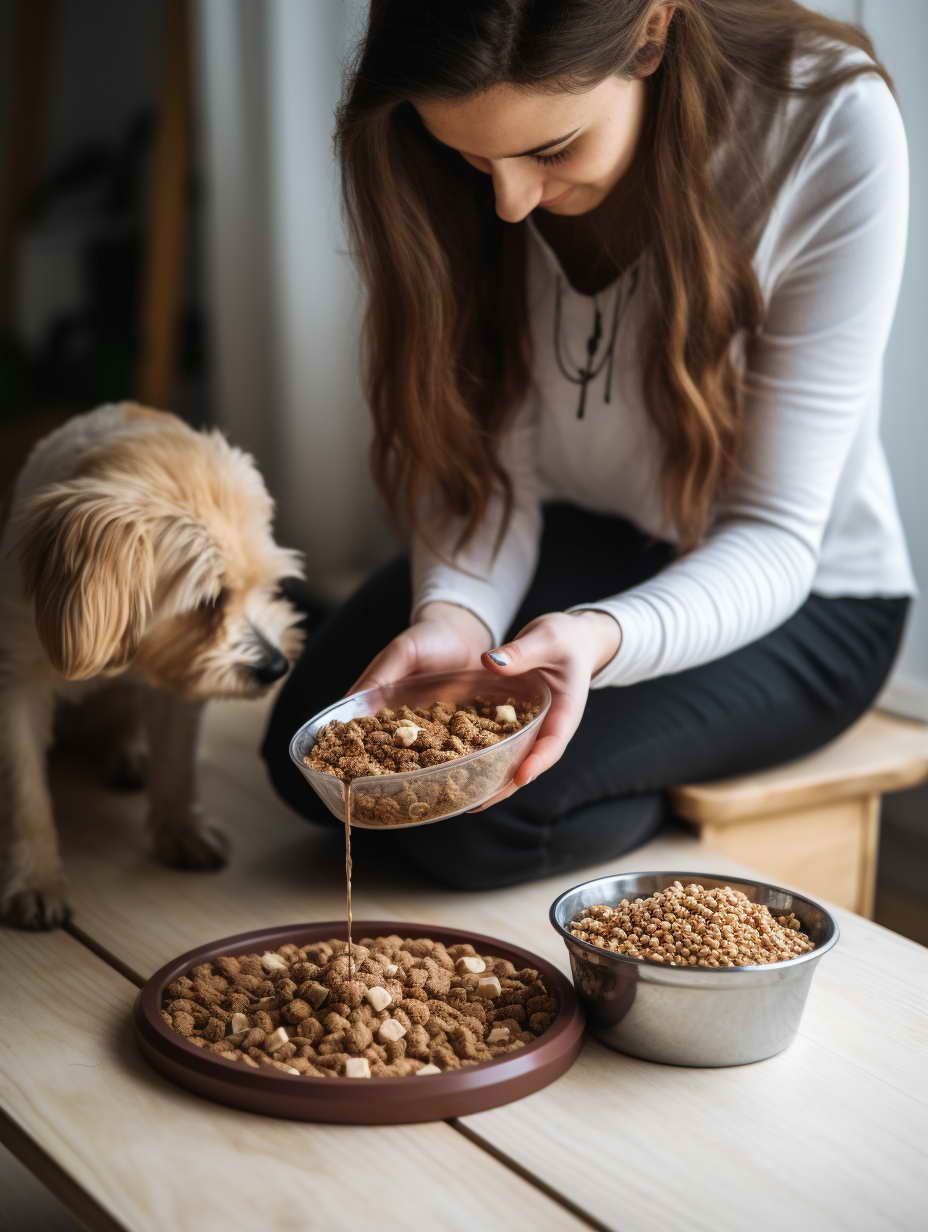
    Determining the ideal amount of protein in your dog’s food is a pivotal aspect of responsible pet ownership. It goes beyond simply choosing any dog food off the shelf; it’s about ensuring that your furry friend receives the right balance of nutrients to support their overall health and well-being.

    The Significance of Protein

    Protein is often referred to as the “building blocks of life,” and this holds true for our canine companions as well. This vital nutrient plays several critical roles in your dog’s body:

    1. Tissue Maintenance and Repair: Protein is essential for the maintenance and repair of tissues in your dog’s body. This includes muscles, skin, hair, and internal organs. Without an adequate supply of protein, your dog’s body may struggle to heal and regenerate effectively.
    2. Immune Function: Protein is a key component of the immune system. It helps in the production of antibodies and other immune cells, strengthening your dog’s ability to fend off infections and diseases.
    3. Enzyme Production: Enzymes are essential for various metabolic processes in your dog’s body. Many enzymes are, in fact, proteins. Without these enzymes, vital processes like digestion and energy production wouldn’t occur efficiently.
    4. Transport of Nutrients: Proteins are involved in transporting essential nutrients, such as vitamins and minerals, throughout your dog’s body. This ensures that these nutrients reach the cells where they are needed.

    Factors Influencing Protein Needs

    The ideal amount of protein in your dog’s food isn’t a one-size-fits-all concept. Several factors come into play when determining the right protein content for your furry friend.

    Breed-Specific Requirements

    Different dog breeds have varying protein requirements. Here’s a general guideline:

    • Large and Active Breeds: Larger, more active breeds, such as Labrador Retrievers or German Shepherds, typically require a higher protein intake. This is because they have more muscle mass and expend more energy.
    • Small Breeds: Smaller dog breeds, like Chihuahuas or Shih Tzus, may require slightly less protein. Their smaller size and lower activity levels mean they don’t need as much to thrive.

    Life Stage Considerations

    Your dog’s age also plays a significant role in determining their protein needs:

    • Puppies: Growing puppies have high protein requirements to support their rapid growth and development. Puppy-specific food is formulated with this in mind.
    • Adult Dogs: Adult dogs have more stable protein needs, which can vary depending on their activity level and overall health.
    • Senior Dogs: Senior dogs may benefit from slightly lower protein levels to ease the burden on their kidneys. However, it’s crucial not to reduce protein intake too drastically, as some level is still necessary for muscle maintenance.

    Activity Level

    Your dog’s activity level is a crucial factor in determining protein requirements.

    • Highly Active Dogs: Working dogs, such as police or search-and-rescue dogs, as well as dogs that engage in regular intense exercise, need more protein to support their energy expenditure and muscle maintenance.
    • Less Active Dogs: Dogs with a more sedentary lifestyle, like indoor companion animals, require less protein to avoid excessive calorie intake and potential weight gain.

    Health Conditions

    If your dog has specific health conditions, their protein requirements may differ:

    • Kidney Disease: Dogs with kidney disease may require a lower-protein diet to reduce the workload on their kidneys. However, this should always be done under the guidance of a veterinarian.
    • Allergies or Sensitivities: Some dogs may have allergies or sensitivities to certain protein sources. In such cases, it’s essential to choose a dog food that avoids these allergens.

    In essence, determining the ideal amount of protein in your dog’s food involves a careful balance between these factors. It’s essential to consult your veterinarian to create a tailored nutrition plan that meets your dog’s specific needs, ensuring they live a long, healthy, and happy life.
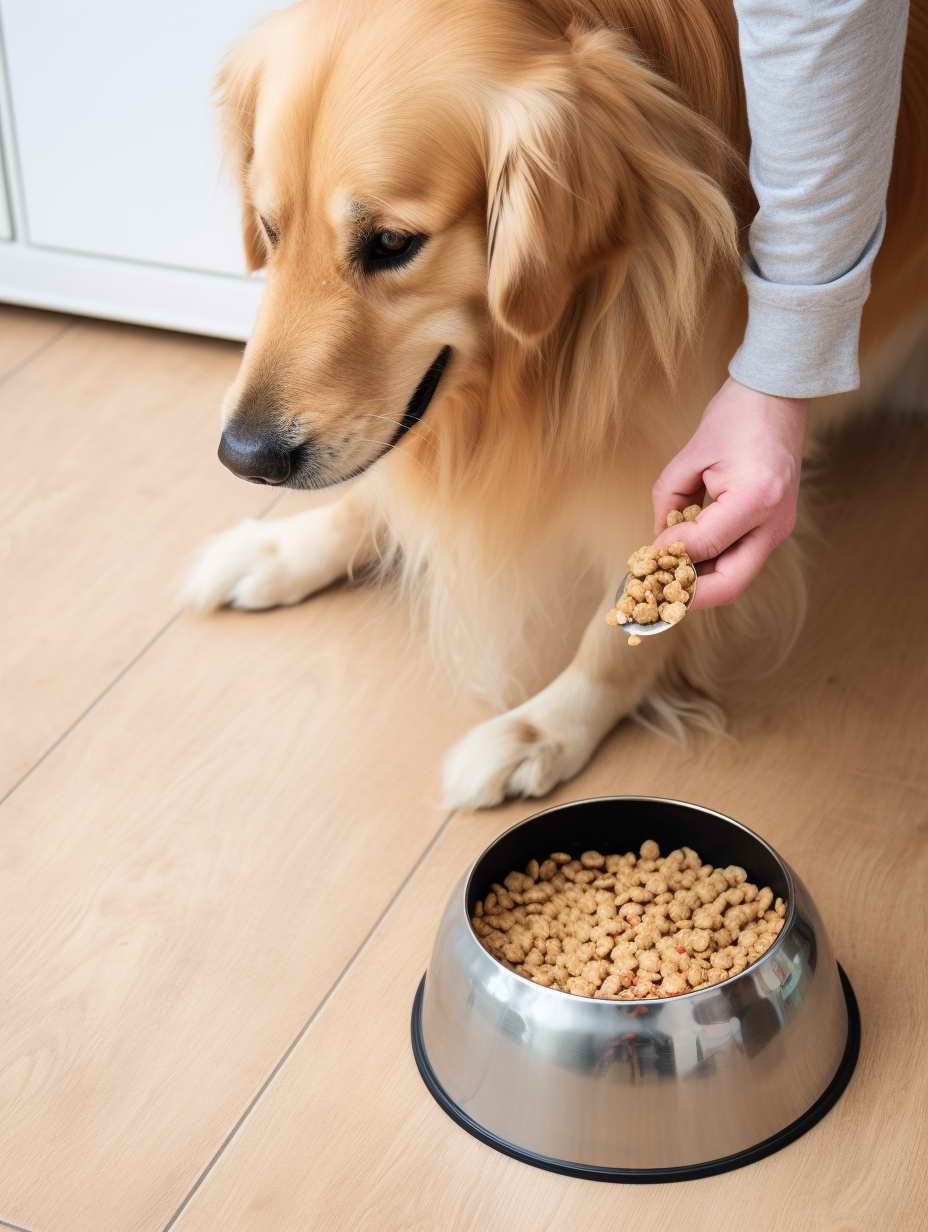
    Amount Of Protein In Dog Food

    How to Determine the Right Amount

    Now that we’ve explored the significance of protein in your dog’s diet and the various factors influencing their protein requirements, let’s delve deeper into how to calculate the ideal amount of protein for your beloved canine companion.

    Consult Your Vet

    The first and most crucial step in determining the right protein content for your dog’s diet is to consult with your veterinarian. Your vet is your best source of expert guidance because they can provide personalized recommendations based on your dog’s individual needs.

    During your veterinary visit:

    • Provide Relevant Information: Share details about your dog’s breed, age, weight, and activity level. Inform your vet of any existing health conditions or dietary restrictions.
    • Discuss Your Concerns: If you have any specific concerns or goals for your dog’s nutrition, such as muscle development or weight management, be sure to discuss them with your vet.
    • Review Diet History: Your vet may ask about your dog’s current diet and any previous foods you’ve tried. This information can help in making appropriate recommendations.

    Your vet will take all these factors into account to recommend a suitable protein level for your dog. Remember that your vet’s guidance is invaluable in ensuring your dog’s diet aligns with their overall health and well-being.

    Read Labels

    If you’re choosing commercial dog food for your pet, it’s essential to become a label-savvy shopper. Here’s what to look for when reading dog food labels:

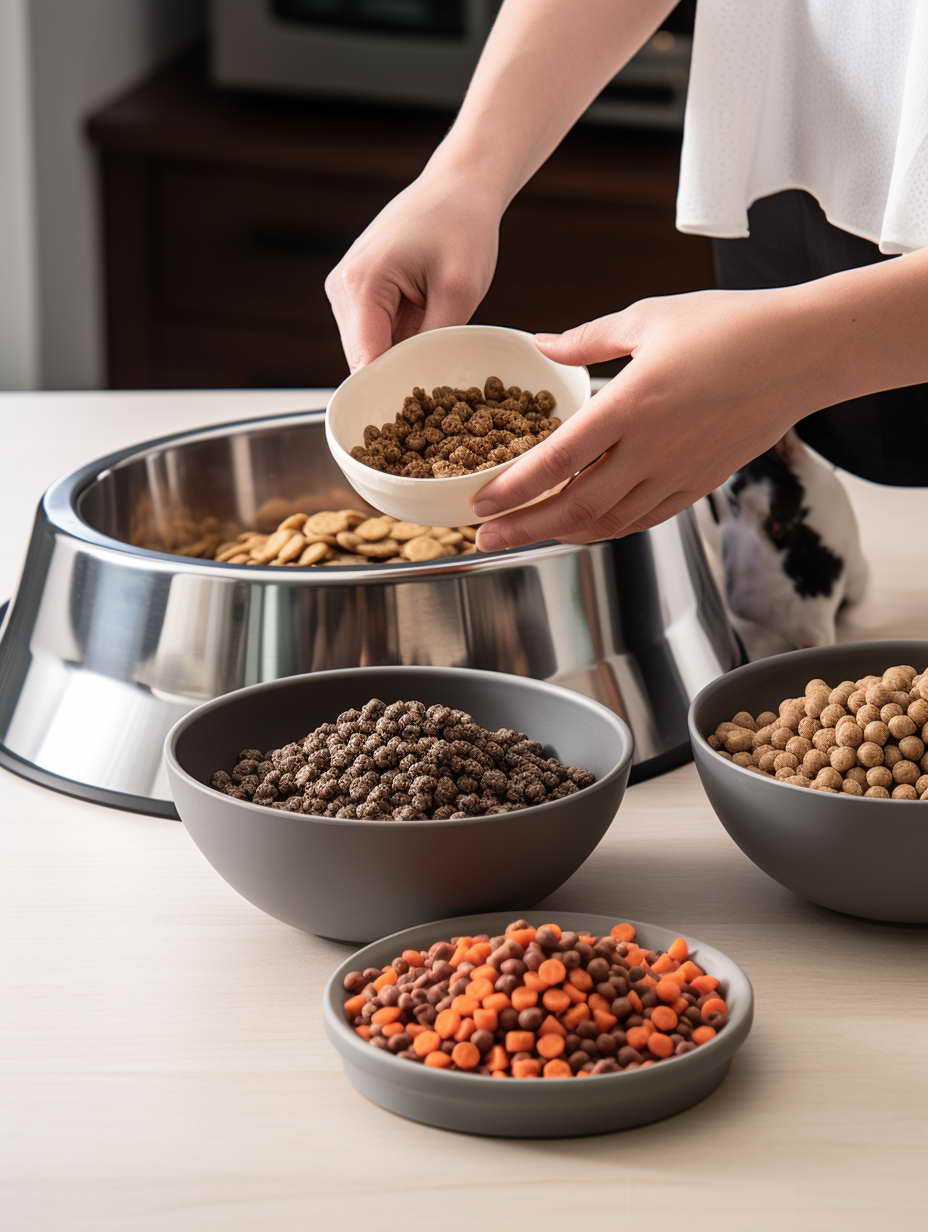
    • Specific Protein Sources: Seek out dog foods that specify the protein source, such as “chicken” or “beef,” rather than generic terms like “meat by-products” or “animal protein.” Clear labeling ensures you know exactly what your dog is consuming.
    • Protein Percentage: The protein content should be clearly stated on the label as a percentage of the overall ingredients. Be mindful of the protein percentage and choose one that aligns with your vet’s recommendations.
    • Ingredient List: Pay attention to the ingredient list. The protein source should be among the top ingredients, indicating a higher protein content in the food.
    • Avoid Fillers: Be cautious of dog foods that contain excessive fillers like corn, wheat, or soy. These can dilute the protein content and provide less nutritional value.

    Consider Protein Quality

    While the quantity of protein is important, the quality of that protein matters too. High-quality protein sources are more biologically appropriate for dogs and provide better nutrition. Here’s what to consider regarding protein quality:

    • Animal-Based Proteins: Dogs are carnivores, and their bodies are adapted to thrive on animal-based proteins like chicken, beef, fish, and turkey. These sources are rich in essential amino acids and nutrients.
    • Avoid Plant-Based Fillers: Some dog foods use plant-based proteins, which may not provide the same nutritional benefits as animal-based sources. While some plant ingredients are acceptable, a diet primarily based on plants may not meet your dog’s protein needs adequately.

    Home-Cooked Diets

    If you prefer to prepare your dog’s meals at home, it’s essential to consult a veterinary nutritionist. Creating a well-balanced, home-cooked diet can be complex, as you need to ensure your dog receives all the necessary nutrients, including protein.

    A veterinary nutritionist can:

    • Formulate Balanced Recipes: They can create customized recipes that meet your dog’s protein requirements while considering their individual needs.
    • Provide Guidance: A nutritionist can guide you on ingredient selection, preparation methods, and portion sizes to ensure your dog’s nutritional needs are met.
    • Adjust Over Time: As your dog’s needs change with age or health conditions, a nutritionist can modify their diet accordingly to maintain optimal protein intake.

    How to Determine the Right Amount Of Protein In Dog Food

    FAQs (Frequently Asked Questions)

    Can my dog get too much protein?

    Yes, excessive protein intake can strain your dog’s kidneys. It’s crucial to strike the right balance, so consult your vet for guidance.

    Are all protein sources equal?

    No, not all proteins are created equal. Animal-based proteins like chicken and fish are more biologically appropriate for dogs than plant-based sources.

    Can I supplement my dog’s diet with protein?

    Supplements should only be used under the guidance of a veterinarian. It’s usually unnecessary if your dog is on a balanced diet.

    Is there such a thing as too little protein?

    Insufficient protein can lead to muscle loss and a weakened immune system. It’s essential to provide the right amount based on your dog’s needs.

    Are there any signs of protein deficiency in dogs?

    Symptoms of protein deficiency in dogs may include lethargy, muscle loss, and poor coat quality. Consult your vet if you notice these signs.

    Can I transition my dog to a higher-protein diet?

    Switching to a higher protein diet should be done gradually to prevent digestive upset. Consult your vet for a safe transition plan.

    Conclusion

    In conclusion, determining the ideal amount of protein in your dog’s food is a crucial aspect of responsible pet ownership. By considering factors like breed, age, and activity level, consulting your vet, and reading labels carefully, you can ensure your furry friend receives the nutrition they need for a healthy and happy life.
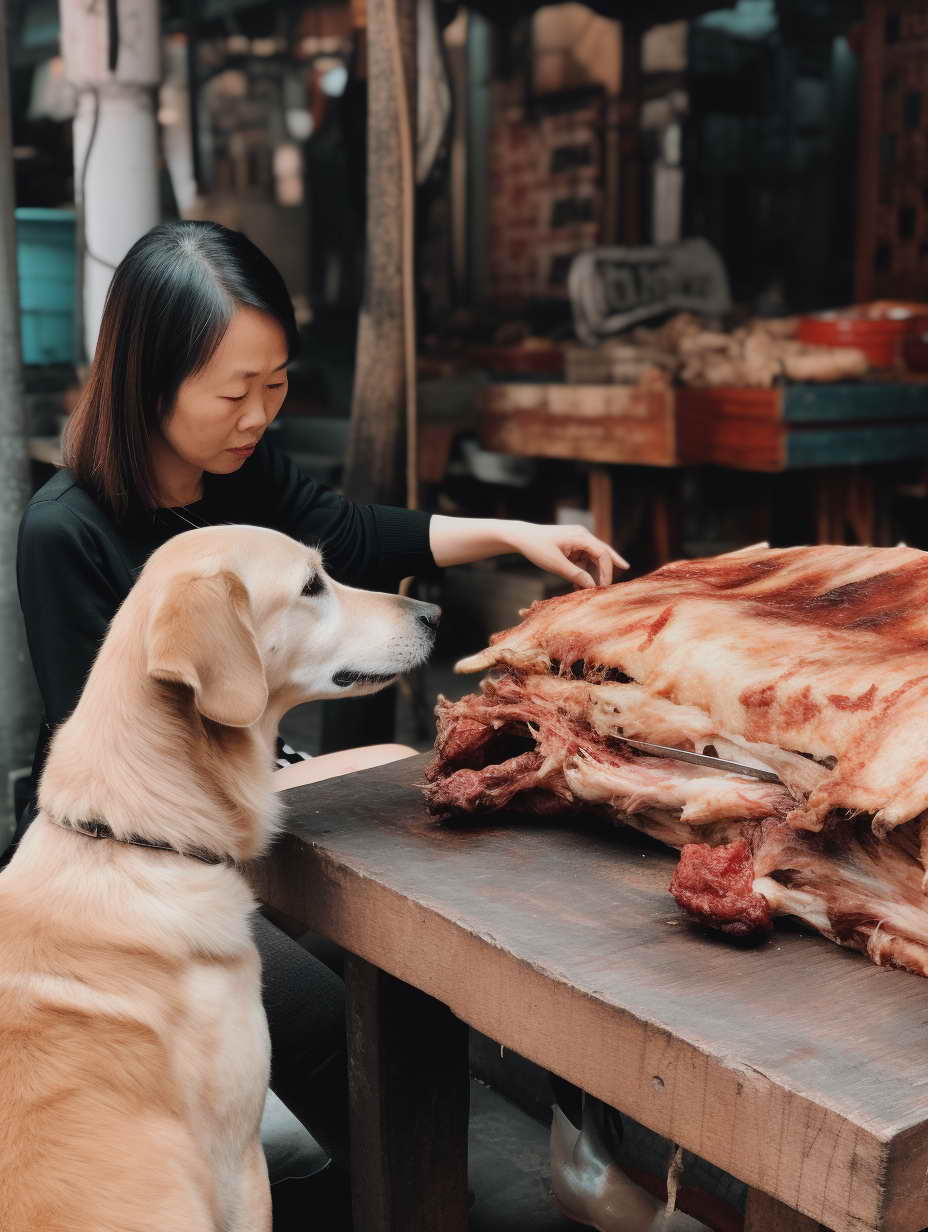
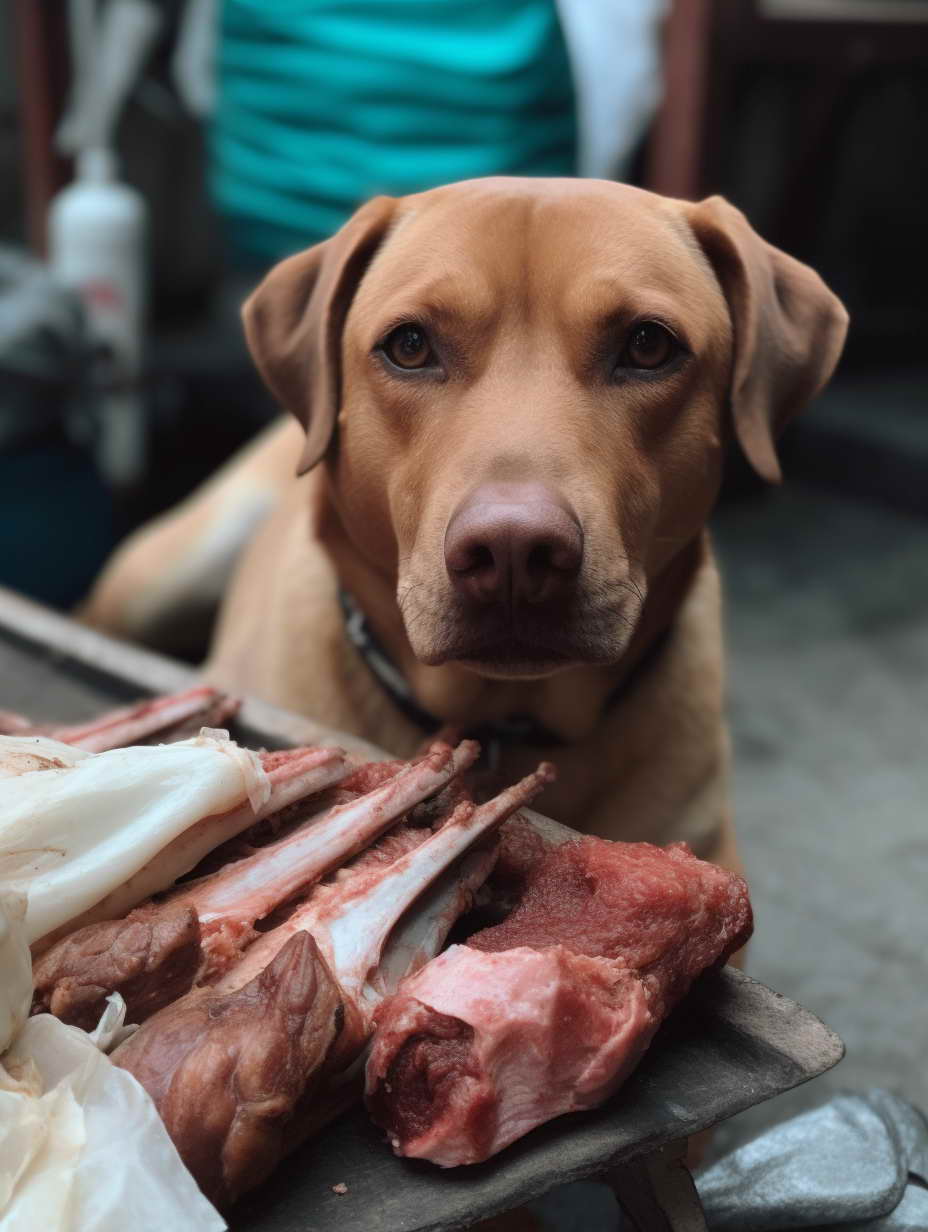
  • What Can You Feed A Dog Besides Dog Food

    What Can You Feed A Dog Besides Dog Food

    What Can You Feed A Dog Besides Dog Food

    What Can You Feed A Dog Besides Dog Food: A Comprehensive Guide

    In today’s fast-paced world, we often wonder if our canine companions are getting the nutrition they need. While dog food is a convenient option, there are numerous alternatives to consider. In this comprehensive guide, we’ll explore the diverse options available to answer the question, “What can you feed a dog besides dog food?”

    Introduction

    Our beloved dogs deserve the best nutrition to thrive. While commercial dog food is a popular choice, diversifying their diet can be beneficial. We’ll delve into 25+ alternatives that can supplement or replace traditional dog food, ensuring your furry friend enjoys a healthy and balanced diet.

    What Can You Feed A Dog Besides Dog Food?

    When considering alternative foods for your canine companion, it’s important to remember that dogs have specific dietary needs. While balanced commercial dog food is designed to meet these needs, there are safe and nutritious options that can supplement or replace traditional dog food. Here are more details on what you can feed your dog besides dog food:

    1. High-Quality Homemade Meals

    Creating homemade dog meals is a labor of love that allows you to provide your furry friend with a tailored diet. You can use a variety of ingredients, including lean meats like chicken, turkey, or beef. Add vegetables such as carrots, peas, or green beans, and incorporate grains like rice or quinoa. Homemade meals can be an excellent way to ensure your dog gets the best nutrition.

    2. Raw Food Diet (BARF)

    The Biologically Appropriate Raw Food (BARF) diet consists of raw meat, bones, and vegetables. This diet aims to mimic a dog’s ancestral diet, promoting overall health. However, it’s crucial to consult with a veterinarian or canine nutritionist before transitioning your dog to a raw diet to ensure it’s properly balanced and safe.

    3. Commercial Raw Dog Food

    For the convenience of a raw diet without the preparation, consider commercial raw dog food. These products are formulated to provide the benefits of a raw diet while ensuring your dog receives all the necessary nutrients. Opt for reputable brands that prioritize quality ingredients.

    4. Canned Sardines

    Sardines are a nutritional powerhouse for dogs. They are rich in omega-3 fatty acids, which can improve joint health and contribute to a shiny coat. When offering sardines, choose boneless varieties packed in water to avoid unnecessary additives.

    5. Cooked Eggs

    Eggs are an excellent source of protein and essential amino acids. You can prepare scrambled or boiled eggs as an occasional treat or mix them into your dog’s regular meals to boost their protein intake.

    6. Cottage Cheese

    Low-fat cottage cheese is a dairy option that many dogs find palatable. It’s packed with protein and calcium, making it a valuable addition to your dog’s diet. Additionally, it’s gentle on their digestive system.

    7. Peanut Butter

    Peanut butter is a favorite treat for dogs, providing a good source of protein and healthy fats. Ensure you choose unsalted peanut butter without artificial sweeteners like xylitol, which can be toxic to dogs.

    8. Yogurt

    Plain, unsweetened yogurt is a probiotic powerhouse that supports digestive health by promoting the growth of beneficial gut bacteria. Many dogs enjoy a spoonful of yogurt as a treat.

    9. Fruits

    Several fruits are safe for dogs and offer essential vitamins and antioxidants. Apples (without seeds), blueberries, and watermelon chunks are excellent choices. Remember to offer fruits in moderation due to their natural sugar content.

    10. Vegetables

    Dogs can benefit from certain vegetables such as carrots, green beans, and sweet potatoes. These options are low in calories and rich in fiber, making them suitable for dogs watching their weight.

    11. Rice

    Boiled rice is a gentle, easily digestible carbohydrate that can be served plain or mixed with cooked meats for a balanced meal.

    12. Oatmeal

    Oatmeal is a nutritious and filling option for dogs. Cook it plain without added sugar or flavorings to ensure it remains healthy.

    13. Pumpkin

    Canned, unsweetened pumpkin puree is a valuable addition to your dog’s diet, providing fiber that aids digestion. It can be particularly helpful for dogs with digestive issues.

    14. Bone Broth

    Homemade bone broth is nutrient-rich and can enhance the taste of your dog’s food. It’s especially beneficial for picky eaters.

    15. Organ Meats

    Liver and kidney meats are nutrient-dense, offering essential nutrients like iron and vitamin A. However, these should be cooked and served in moderation due to their high vitamin content.

    16. Freeze-Dried Treats

    Freeze-dried treats are convenient, nutrient-packed snacks ideal for training or as occasional rewards. They come in various flavors to keep your dog engaged.

    17. High-Quality Kibble

    If you prefer commercial dog food, opt for high-quality kibble with real meat as the primary ingredient. Look for brands that prioritize your dog’s health and well-being.

    18. Specially Formulated Diets

    Dogs with unique dietary needs, such as allergies or sensitivities, may require specially formulated diets recommended by a veterinarian to address specific health concerns.

    19. Insects

    Surprisingly, certain insects like crickets and mealworms are safe and nutritious for dogs. These protein-packed snacks can be an environmentally friendly addition to your dog’s diet.

    20. Goat’s Milk

    Goat’s milk is easier to digest than cow’s milk and provides essential nutrients like calcium. It can be an occasional treat for your dog.

    21. Fish Oil Supplements

    Fish oil supplements, rich in omega-3 fatty acids, can improve your dog’s coat health and support joint function. Consult with your veterinarian for the correct dosage.

    22. Baby Food

    Plain, unseasoned baby food without harmful ingredients can serve as a quick and easy meal option for your dog. It’s especially helpful for dogs with dental issues or those recovering from illness.

    23. Fresh Water

    Never underestimate the importance of providing your dog with fresh, clean water at all times. Hydration is key to their overall health and well-being.

    By exploring these alternative food options, you can add variety and nutrition to your dog’s diet. Remember to consult your veterinarian before making significant changes to your dog’s nutrition to ensure their specific needs are met.

    What Can You Feed A Dog Besides Dog Food A Comprehensive Guide

    Frequently Asked Questions

    Can dogs eat fruits and vegetables every day?

    Yes, many fruits and vegetables can be part of your dog’s daily diet. Just ensure they are safe and served in moderation.

    Is a raw diet safe for all dogs?

    A raw diet can be safe for most dogs, but it’s essential to consult with a veterinarian to ensure it meets your dog’s specific nutritional needs.

    How can I transition my dog to a new diet?

    Gradually introduce new foods to your dog’s diet to avoid digestive upset. Mix the new food with their current diet and increase the proportion over time.

    Are there any foods dogs should never eat?

    Yes, some human foods like chocolate, grapes, and onions are toxic to dogs and should be avoided at all costs.

    Can I give my dog supplements?

    Supplements should be administered under the guidance of a veterinarian to address specific health concerns or deficiencies.

    Should I consult a vet before changing my dog’s diet?

    Yes, it’s advisable to consult a veterinarian before making significant dietary changes to ensure they are appropriate for your dog’s health.

    Conclusion

    Now that you know the answer to “What can you feed a dog besides dog food?” you can provide your furry friend with a variety of nutritious options. Remember to consult with your veterinarian before making any major dietary changes, and always prioritize your dog’s health and happiness.

  • Making Dog Food In Instant Pot

    Making Dog Food In Instant Pot

    Making Dog Food In Instant Pot

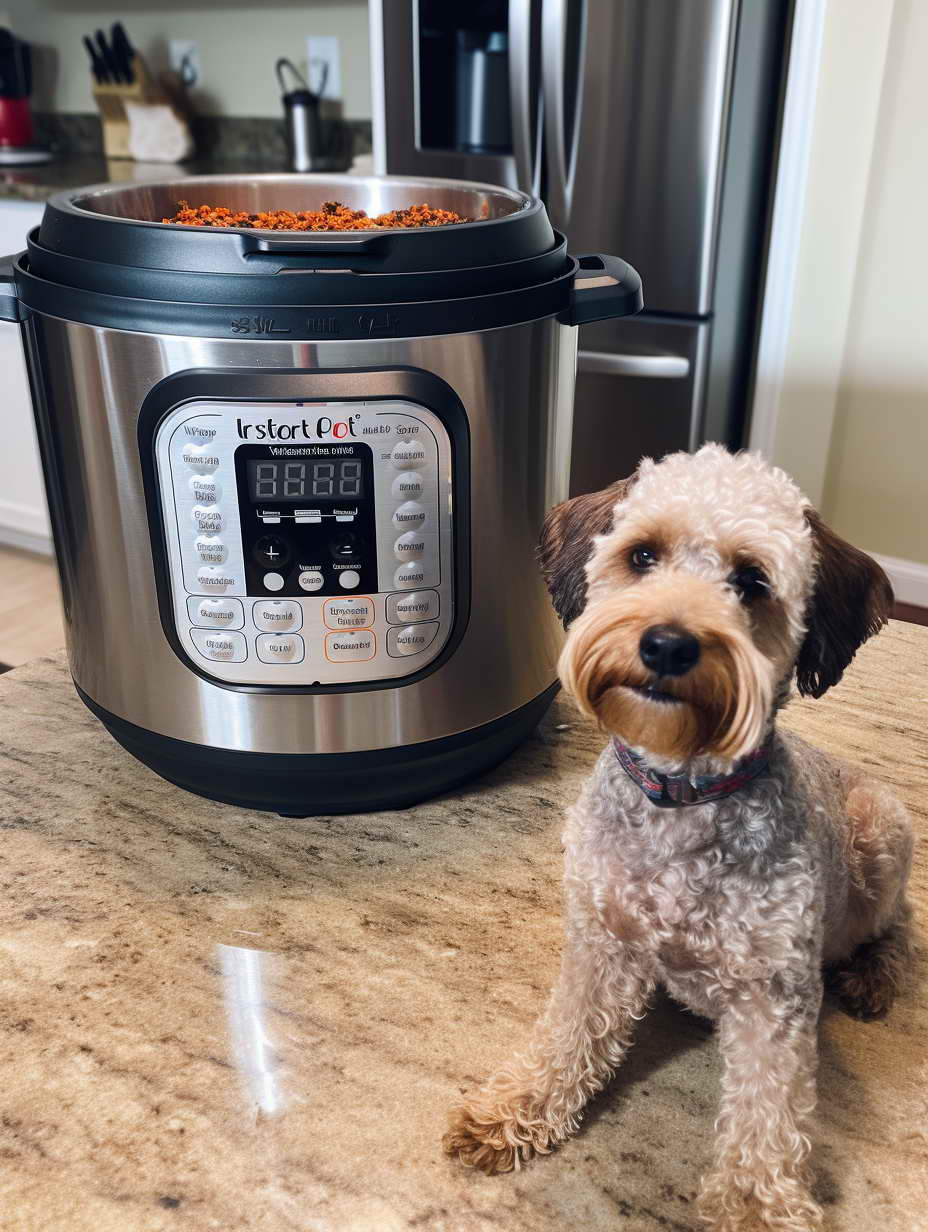
    Making Dog Food In Instant Pot – A Nutritious and Time-Saving Guide

    Introduction

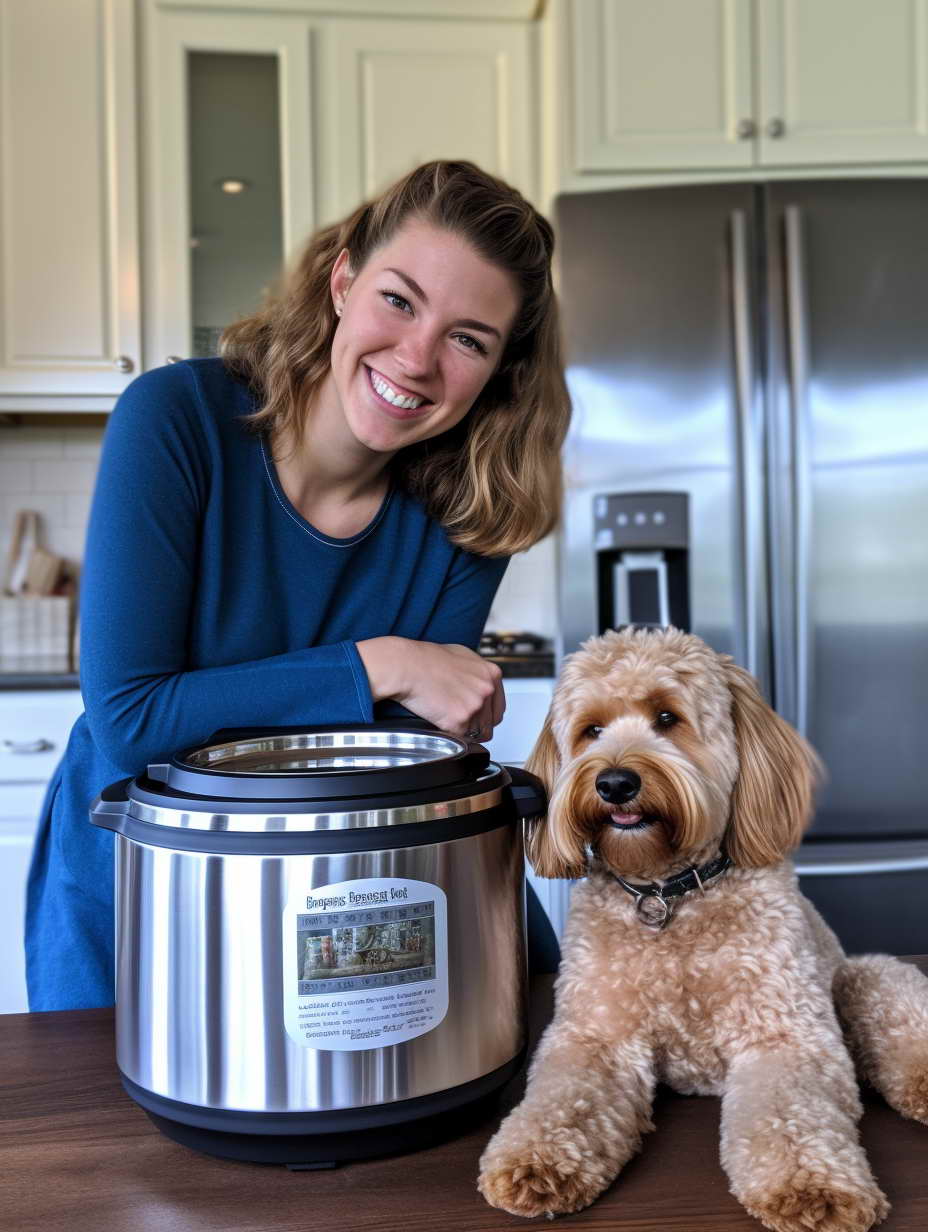
    In today’s fast-paced world, we often seek convenient solutions to ensure the well-being of our furry friends. Making dog food in an Instant Pot is a game-changer for pet owners looking to provide nutritious meals without compromising on time. In this comprehensive guide, we will walk you through the process of making homemade dog food using your Instant Pot. From recipes to safety precautions, we’ve got you covered.

    crucial to grasp the fundamental principles. This section will serve as your roadmap to ensure a safe and successful cooking experience for your furry friend.

    Instant Pot Essentials

    Selecting the Right Ingredients

    The foundation of any nutritious dog food recipe lies in the choice of ingredients. Your canine companion’s health depends on the quality and variety of the components you select. Here are some key considerations:

    Protein Sources: Dogs are omnivores, but they require a substantial amount of high-quality protein in their diet. Opt for lean meats like chicken, turkey, beef, or fish. These protein sources provide essential amino acids necessary for muscle growth and repair.

    Vegetables and Grains: Dogs benefit from a mix of vegetables and grains. Incorporate vegetables like carrots, peas, and sweet potatoes for vitamins and fiber. Whole grains like brown rice and quinoa offer valuable carbohydrates for energy.

    Healthy Fats: Fats are essential for maintaining your dog’s healthy coat and skin. Include sources like salmon oil or flaxseed oil to provide omega-3 fatty acids. These fats also support overall immune system health.

    Understanding Nutritional Needs

    Just like humans, dogs have specific nutritional requirements. To ensure your homemade dog food meets these needs, consider the following:

    Protein: The Building Block: Protein is the foundation of your dog’s diet. It’s vital for muscle development, repair, and overall growth. Ensure that protein sources are a significant component of each meal.

    Carbohydrates: Energy Source: Carbohydrates provide the energy needed for daily activities and play. Whole grains offer a healthy source of carbohydrates, ensuring your dog stays active and lively.

    Essential Fats: Coat and Skin Health: Healthy fats, such as those found in fish or flaxseed oil, contribute to a shiny coat and healthy skin. They also support various bodily functions and help absorb fat-soluble vitamins.

    Safety First: Instant Pot Guidelines

    While your Instant Pot can streamline the cooking process, safety should always be a top priority when preparing meals for your dog. Here are some essential safety precautions:

    Avoid Harmful Ingredients: Some human foods are toxic to dogs. Avoid using ingredients like onions, garlic, grapes, raisins, chocolate, and macadamia nuts, as they can be harmful or even fatal to your furry friend.

    Portion Control: Overfeeding can lead to obesity and health issues. Consult with your veterinarian to determine the right portion sizes for your dog based on their size, age, and activity level.

    Proper Cooking Times: Follow Instant Pot cooking times and temperatures meticulously. Cooking ingredients thoroughly ensures that harmful bacteria are eliminated, and your dog’s food is safe to eat.

    By acquainting yourself with these Instant Pot essentials, you’re well-prepared to create wholesome and delectable homemade dog food. In the following sections, we’ll delve deeper into the intricacies of crafting nutritious recipes that will have your canine companion licking their bowl clean.

    Making Dog Food In Instant Pot - A Nutritious and Time-Saving Guide

    Selecting the Right Ingredients

    To create a balanced and nutritious meal for your canine companion, start by selecting the right ingredients. Remember, the quality of the ingredients directly impacts your dog’s health.

    Ingredients Matter

    • Protein Sources
    • Vegetables and Grains
    • Healthy Fats

    Understanding Nutritional Needs

    Dogs, like humans, have specific nutritional requirements. To meet these needs, you must understand what goes into a well-rounded dog food recipe.

    Nutritional Essentials

    • Protein: The Building Block
    • Carbohydrates: Energy Source
    • Essential Fats: Coat and Skin Health

    Safety First: Instant Pot Guidelines

    While the Instant Pot makes cooking easier, it’s essential to follow safety guidelines to ensure your dog’s food is prepared to perfection without any risks.

    Safety Precautions

    • Avoid Harmful Ingredients
    • Portion Control
    • Proper Cooking Times

    Mouth-Watering Recipes

    Now that you have a solid understanding of the basics of making dog food in an Instant Pot, it’s time to dive into the kitchen and whip up some tantalizing meals for your furry friend. These mouth-watering recipes are not only nutritious but also bursting with flavors that your dog will adore.

    Delicious Dog Food Recipes

    Chicken and Rice Delight

    Ingredients:

    • 2 cups of boneless chicken breast, diced
    • 1 cup of brown rice
    • 1/2 cup of peas
    • 1/2 cup of carrots, chopped
    • 4 cups of water or low-sodium chicken broth

    Instructions:

    1. Combine the chicken, brown rice, peas, carrots, and water (or broth) in your Instant Pot.
    2. Seal the Instant Pot and set it to the “Manual” mode. Cook on high pressure for 15 minutes.
    3. Once cooking is complete, allow the pressure to release naturally for 10 minutes, then use the quick-release valve.
    4. Let the mixture cool before serving it to your dog.

    This wholesome recipe is a favorite among many dogs. It provides a balanced combination of protein, carbohydrates, and vegetables to keep your furry companion healthy and satisfied.

    Beefy Stew for Pooches

    Ingredients:

    • 1 pound of lean beef stew meat, cubed
    • 1 cup of sweet potatoes, diced
    • 1/2 cup of green beans, chopped
    • 1/2 cup of carrots, sliced
    • 4 cups of low-sodium beef broth
    • 1 cup of water

    Instructions:

    1. Place the beef, sweet potatoes, green beans, carrots, beef broth, and water into your Instant Pot.
    2. Seal the Instant Pot and set it to the “Stew” mode. Cook on high pressure for 20 minutes.
    3. After cooking, allow the pressure to release naturally for 10 minutes, then use the quick-release valve.
    4. Allow the stew to cool slightly before serving.

    This hearty beef stew is packed with protein and essential nutrients. The combination of beef and vegetables makes it a flavorful and nutritious choice for your four-legged friend.

    Veggie-Packed Treats

    Ingredients:

    • 1 cup of pumpkin puree
    • 1/4 cup of peanut butter (unsalted and unsweetened)
    • 2 cups of whole wheat flour
    • 2 eggs
    • 1/2 cup of carrots, grated

    Instructions:

    1. Preheat your oven to 350°F (175°C) and line a baking sheet with parchment paper.
    2. In a mixing bowl, combine pumpkin puree, peanut butter, eggs, and grated carrots.
    3. Gradually add the whole wheat flour until a dough forms.
    4. Roll out the dough on a floured surface and use cookie cutters to create fun shapes.
    5. Place the treats on the baking sheet and bake for about 25 minutes, or until they are golden brown.
    6. Allow the treats to cool completely before serving them to your dog.

    These homemade treats are not only delicious but also a fantastic way to reward your pup. Pumpkin and carrots provide fiber and vitamins, while peanut butter adds a delightful flavor.

    Frequently Asked Questions (FAQs)

    Can I use any Instant Pot model for cooking dog food?

    Yes, most Instant Pot models work well for dog food preparation. Just ensure it has a suitable capacity for your recipe.

    Is it necessary to add supplements to homemade dog food?

    It depends on your dog’s specific needs. Consult your vet for personalized advice.

    How do I store homemade dog food?

    Store it in airtight containers in the refrigerator for up to three days or freeze it for a longer shelf life.

    Are there any ingredients I should avoid when making dog food?

    Yes, avoid ingredients like onions, garlic, grapes, and raisins, as they can be toxic to dogs.

    Can I tailor the recipes to my dog’s preferences?

    Absolutely! Feel free to experiment with ingredients to cater to your dog’s taste.

    How do I transition my dog to homemade food?

    Gradually introduce the new food alongside their current diet to avoid digestive issues.

    Conclusion

    By now, you have the knowledge and confidence to embark on the journey of making dog food in an Instant Pot. Providing your furry friend with homemade meals not only ensures their health but also strengthens the bond between you. Remember to prioritize safety, use quality ingredients, and consult your vet for personalized guidance. Your dog will thank you with tail wags and slobbery kisses.

  • Should Dog Food Have Grains ?

    Should Dog Food Have Grains ?

    Should Dog Food Have Grains

    Should Dog Food Have Grains? A Comprehensive Guide

    Introduction

    When it comes to choosing the right food for your beloved canine companion, you may have encountered the ongoing debate: Should dog food have grains? As a responsible pet owner, it’s essential to make informed decisions about your furry friend’s nutrition. In this comprehensive guide, we will delve deep into the topic, exploring the pros and cons, addressing common questions, and helping you decide what’s best for your canine companion.

    What Are Grains in Dog Food?

    In the world of dog nutrition, the term “grains” refers to a category of cereal grains commonly used as ingredients in commercial dog food. These grains include wheat, corn, rice, oats, barley, and rye, among others. Grains serve as a source of carbohydrates and play a vital role in the formulation of dog food. To understand their significance, let’s delve deeper into what grains provide in dog nutrition:

    Carbohydrates

    Grains are rich in carbohydrates, which serve as a primary energy source for dogs. Carbohydrates are essential for fueling your canine companion’s daily activities, from running and playing to simply staying active and alert. While dogs are omnivores and can derive energy from both carbohydrates and fats, carbohydrates from grains are a readily available and digestible source of energy.

    Fiber

    Fiber is a key component of grains, particularly in whole grains. Fiber is crucial for maintaining proper digestive health in dogs. It promotes regular bowel movements, prevents constipation, and can help manage diarrhea. Additionally, fiber contributes to a sense of fullness, which can be beneficial in weight management for dogs prone to obesity.

    Nutrients

    Grains also provide essential nutrients, including vitamins and minerals, that are important for your dog’s overall health. These nutrients can vary depending on the type of grain used in the dog food. For example, whole grains like brown rice contain more nutrients than refined grains like white rice. Nutrient-rich grains can contribute to a well-balanced diet for your furry friend.

    Digestibility

    The digestibility of grains can vary among different types and breeds of dogs. Some dogs have no trouble digesting grains and can derive significant nutritional benefits from them. However, others may have sensitivities or allergies to certain grains, making it important for pet owners to monitor their dogs’ reactions to specific ingredients.

    Texture and Taste

    Grains also add texture and flavor to dog food. The combination of textures in kibble, which often includes grains, can make the food more appealing to dogs. It’s worth noting that dogs, like humans, have individual taste preferences, so some may enjoy foods with grains, while others may prefer grain-free options.

    In summary, grains in dog food encompass a variety of cereal grains that contribute carbohydrates, fiber, essential nutrients, and texture to your pet’s diet. While grains are a common ingredient in many commercial dog foods and offer several nutritional benefits, it’s crucial to consider your dog’s individual needs and sensitivities when selecting the right food for them. Consulting with your veterinarian can provide valuable guidance in determining whether grains are a suitable choice for your furry companion

    The Pros of Dog Food with Grains

    Improved Digestibility: Dog food with grains can be easier for some dogs to digest. They provide a valuable source of fiber, aiding in proper digestion and regular bowel movements.

    Cost-Effective Option: Grains are often more affordable than some alternative ingredients, making dog food with grains a budget-friendly choice for pet owners.

    Energy and Nutrient Source: Grains are a source of carbohydrates, which can provide a steady source of energy for your furry friend. They also contain essential nutrients, including vitamins and minerals.

    The Pros and Cons of Dog Food with Grains

    The Cons of Dog Food with Grains

    Allergies and Sensitivities: Some dogs may have allergies or sensitivities to certain grains, leading to skin issues, digestive problems, or discomfort.

    Weight Management Challenges: The carbohydrate content in grains can contribute to weight gain if not properly managed. This may not be suitable for dogs with weight concerns.

    Preference Variability: Dogs have individual tastes and preferences. While some dogs thrive on grains, others may not enjoy or benefit from them.

    Should Dog Food Have Grains?

    The answer to this question isn’t one-size-fits-all. It depends on your dog’s unique needs, preferences, and any existing health concerns. Here are some factors to consider:

    1. Your Dog’s Health

    Consult with your veterinarian to determine if your dog has any specific health issues or allergies that could be affected by grains. They can provide valuable guidance on the best dietary choice.

    2. Your Dog’s Activity Level

    Active dogs may benefit from the energy provided by grains, while less active dogs might do better with a grain-free option to manage their weight.

    3. Age Matters

    Puppies, adult dogs, and seniors have different nutritional requirements. Grains may be more suitable for some life stages than others.

    4. Allergies and Sensitivities

    If your dog has a history of allergies or sensitivities to grains, a grain-free option may be a safer choice.

    Frequently Asked Questions (FAQs)

    Q: Can grains be harmful to dogs?

    A: Grains are not inherently harmful, but some dogs may have allergies or sensitivities to them. It’s essential to monitor your dog’s reaction to grains in their food.

    Q: Are grain-free diets better for dogs?

    A: Not necessarily. Grain-free diets are suitable for some dogs, but they may not be necessary or beneficial for all. It depends on your dog’s specific needs.

    Q: How can I tell if my dog is allergic to grains?

    A: Watch for signs like itching, digestive issues, or skin problems. Consult your vet for an accurate diagnosis.

    Q: What are some grain alternatives in dog food?

    A: Some grain alternatives include sweet potatoes, peas, and tapioca. These can be suitable for dogs with grain sensitivities.

    Q: Is homemade dog food a better option?

    A: Homemade dog food can be a great choice if you have the time and knowledge to ensure a balanced diet. Consult with a veterinarian or canine nutritionist for guidance.

    Q: How can I transition my dog to a new diet?

    A: Gradually introduce the new food over several days to avoid digestive upset. Mix it with the old food, increasing the ratio of the new food each day until your dog is fully transitioned.

    Conclusion

    In the debate over whether dog food should have grains, there is no definitive answer. Your dog’s individual needs, health, and preferences should guide your decision. Consult with your veterinarian, consider your dog’s activity level, and monitor for any adverse reactions to make the best choice for your furry friend. Remember, what matters most is providing your dog with a balanced and nutritious diet that keeps them happy and healthy.

  • 10 Steps to Make Perfect Instant Pot Homemade Dog Food

    10 Steps to Make Perfect Instant Pot Homemade Dog Food

    Instant Pot Homemade Dog Food

    10 Steps to Make Perfect Instant Pot Homemade Dog Food

    Introduction

    When it comes to providing the best nutrition for your furry friend, making homemade dog food in your Instant Pot is a fantastic choice. Not only does it give you control over the ingredients, but it can also be a more cost-effective option in the long run. In this comprehensive guide, we’ll walk you through the process step by step, ensuring your pup gets the nutrition they deserve. So, let’s dive into the world of homemade dog food and learn how to create instant pot homemade dog food that your canine companion will love.

    Preparing Instant Pot Homemade Dog Food

    Creating homemade dog food in your Instant Pot is a wonderful way to ensure your furry friend receives the best nutrition. Let’s delve deeper into each step of this process to ensure your dog’s health and happiness.

    Step 1: Gather High-Quality Ingredients

    The foundation of any nutritious homemade dog food is the quality of the ingredients. Opt for lean meats such as chicken, turkey, or beef. These meats provide essential protein without excessive fats. Be sure to trim off any excess fat and remove bones, as these can be harmful to your pet.

    Incorporate a variety of vegetables like carrots, peas, and sweet potatoes. These veggies add vitamins, minerals, and dietary fiber to your dog’s diet. Remember to chop everything into small, manageable pieces for easy digestion.

    Choose your grains wisely. Brown rice and quinoa are excellent choices, offering complex carbohydrates that provide sustained energy for your pup.

    Step 2: Safe Food Preparation

    Safety is paramount when preparing homemade dog food. Ensure that your cooking utensils, cutting boards, and hands are clean to prevent contamination. Avoid using ingredients like onions, garlic, and excessive salt, which can be toxic to dogs.

    Step 3: Instant Pot Setup

    Before diving into cooking, it’s essential to set up your Instant Pot correctly. Place the gathered ingredients into the Instant Pot, ensuring that they are evenly distributed. Add enough water to cover everything. Using the sauté function, gently cook the meat and vegetables. This step not only enhances the flavor but also helps retain valuable nutrients.

    Step 4: Introduce Grains

    Once the meat and vegetables have been lightly cooked, introduce your choice of grains. Grains are a vital source of carbohydrates, providing your dog with the energy they need for their daily activities. Stir the mixture well to ensure that the grains are evenly distributed and cook alongside the other ingredients.

    Step 5: Pressure Cooking

    Now, it’s time to let your Instant Pot work its magic. Close the lid securely and set the Instant Pot to pressure cook. Cooking times may vary depending on your specific Instant Pot model, so consult your device’s manual for guidance. Generally, cooking for 10-15 minutes should suffice.

    Step 6: Natural Pressure Release

    After pressure cooking, allow the Instant Pot to release pressure naturally. This step is crucial for locking in flavors and ensuring that the food is tender and easily digestible for your furry friend. It also minimizes the risk of hot food splattering when opening the Instant Pot.

    Step 7: Serve at the Right Temperature

    Before serving the homemade dog food, make sure it has cooled to a safe temperature for your dog to enjoy. Hot food can be harmful, so exercise patience during this phase.

    Step 8: Portion Control

    Portion control is a vital aspect of maintaining your dog’s health. Consult with your veterinarian to determine the appropriate portion size for your dog’s breed, size, age, and activity level. It’s essential to monitor your dog’s weight and adjust their food portions accordingly to keep them in optimal health.

    Step 9: Proper Storage

    If you find yourself with leftover homemade dog food, store it in airtight containers in the refrigerator. This preserves freshness and makes it convenient for reheating when it’s time for your dog’s next meal.

    Step 10: Monitor and Adjust

    Your dog’s nutritional needs may change over time. Regularly monitor their weight, energy levels, and overall health. Consult your veterinarian for guidance on adjusting their diet as necessary to ensure a happy and healthy pup.

    By following these detailed steps, you’ll not only provide your dog with a nutritious meal but also strengthen the bond between you and your beloved furry companion. Homemade dog food made in your Instant Pot offers peace of mind, knowing exactly what goes into your pet’s dish, and contributes to their overall well-being.

    10 Steps to Make Perfect Instant Pot Homemade Dog Food

    FAQs

    Can I use different meats in homemade dog food?

    Yes, you can use various lean meats like chicken, turkey, or beef. Just ensure they are boneless and well-cooked.

    Is it safe to include vegetables in dog food?

    Absolutely! Vegetables like carrots and peas provide essential vitamins and minerals. Just avoid onions, garlic, and other toxic options.

    Can I substitute grains with something else?

    Certainly, you can replace grains with alternatives like sweet potatoes or quinoa for a grain-free option.

    How do I know the right portion size for my dog?

    Consult your veterinarian to determine the ideal portion size based on your dog’s breed, size, and activity level.

    Can I make a batch and freeze it?

    Yes, you can make a larger batch and freeze portions for future use. Just ensure proper storage to maintain freshness.

    Is homemade dog food more expensive than commercial options?

    While initial costs may vary, making homemade dog food can be cost-effective in the long run, especially if you buy ingredients in bulk.

    Conclusion

    Creating instant pot homemade dog food is a rewarding way to provide your canine companion with nutritious and delicious meals. By following our 10-step guide and addressing common FAQs, you can ensure your dog enjoys a healthier and happier life. Remember to consult your veterinarian for personalized advice and enjoy the satisfaction of knowing you’re giving your furry friend the best.

  • Glycerin In Dog Food – A Comprehensive Guide

    Glycerin In Dog Food – A Comprehensive Guide

    Glycerin In Dog Food

    Glycerin In Dog Food: A Comprehensive Guide

    Introduction

    When it comes to providing the best nutrition for our canine companions, understanding the ingredients in their food is crucial. Glycerin, a common component in many dog food products, has sparked interest and curiosity among pet owners. In this comprehensive guide, we will delve deep into the world of glycerin in dog food, addressing its benefits, and concerns, and answering frequently asked questions. By the end of this article, you’ll be equipped with the knowledge needed to make informed choices for your furry friend’s diet.

    Glycerin In Dog Food: A Versatile Ingredient

    Glycerin, often referred to as glycerol, is a versatile ingredient commonly found in dog food formulations. Its multifaceted nature allows it to serve various essential functions, making it a valuable component of many canine diets. In this section, we will explore the diverse roles that glycerin plays in dog food, shedding light on how it benefits our furry friends.

    1. Moisture Retention

    One of the primary roles of glycerin in dog food is its ability to act as a humectant. Humectants are substances that retain moisture, and in the context of pet food, this property is invaluable. Glycerin helps dog food maintain an optimal level of moisture, preventing it from becoming dry and unappetizing.

    For pet owners, this means that the kibble or wet food they serve to their beloved companions remains fresh and palatable for longer periods. The moisture retention provided by glycerin ensures that your dog can enjoy their meals without encountering the unpleasantness of stale or dry food.

    2. Texture Improvement

    Dogs, like humans, have preferences when it comes to the texture of their food. Some may be picky eaters, and the texture of the food plays a significant role in their willingness to eat. Glycerin contributes to the texture of dog food, making it more appealing to our canine companions.

    By enhancing the texture, glycerin can turn a bland or uninteresting meal into a more enjoyable dining experience for your dog. This aspect is particularly beneficial when dealing with dogs that are hesitant or selective about their food.

    3. Enhanced Flavor

    While dogs may not have the same taste preferences as humans, the flavor of their food remains essential. Glycerin can subtly enhance the flavor of dog food, making it more enticing for your furry friend. This can be especially useful when transitioning to a new diet or trying to encourage a dog with a diminished appetite to eat.

    The enhanced flavor brought about by glycerin can make mealtime a more enjoyable and satisfying experience for your pet, ultimately contributing to their overall well-being.

    4. Dental Health

    Dental health is a critical aspect of canine well-being, and glycerin can play a role in this regard as well. Some dog dental treats and products incorporate glycerin as an ingredient. Glycerin’s presence can help promote oral health by reducing the buildup of tartar and plaque on your dog’s teeth.

    By using glycerin-containing dental products in conjunction with regular dental care, you can contribute to maintaining your dog’s oral hygiene, potentially preventing dental issues that could lead to discomfort or health problems.

    5. Caloric Value

    In addition to its textural and moisture-related benefits, glycerin also provides calories. For dogs that require additional energy, such as working dogs or those with high activity levels, glycerin can be a valuable source of calories to support their nutritional needs.

    While it’s essential to ensure that glycerin intake is balanced with your dog’s overall dietary requirements, its caloric contribution can be advantageous in specific situations where extra energy is warranted.

    Benefits of Glycerin in Dog Food

    Benefits of Glycerin in Dog Food: Ensuring Canine Well-being

    Glycerin, also known as glycerol, is a common ingredient in many dog food products, and it offers a range of benefits for our canine companions. In this section, we’ll delve deeper into the advantages of including glycerin in your dog’s diet, highlighting how it can positively impact their overall well-being.

    1. Digestibility

    One of the primary benefits of glycerin in dog food is its exceptional digestibility. Dogs tend to have sensitive stomachs, and some may struggle with food that is difficult to digest. Glycerin, however, is highly digestible, making it an excellent choice for dogs with digestive sensitivities.

    When you feed your dog food that contains glycerin, you can have confidence that their digestive system will process it efficiently. This means less likelihood of gastrointestinal discomfort, such as bloating or diarrhea, allowing your furry friend to enjoy their meals without any digestive issues.

    2. Dental Care

    Glycerin isn’t just beneficial for the internal health of your dog; it can also contribute to their oral well-being. Dental hygiene is crucial for dogs, and glycerin-containing dental treats can play a role in maintaining clean teeth and gums.

    These treats are designed to reduce tartar buildup and promote good oral health. By incorporating glycerin dental products into your dog’s routine, you can help prevent dental issues that could lead to pain and discomfort.

    3. Texture Appeal

    Texture can be a deciding factor for dogs when it comes to food preferences. Glycerin improves the texture of dog food, making it more appealing to your pet. This can be especially useful if you have a picky eater who tends to turn their nose up at certain foods.

    The enhanced texture provided by glycerin can make mealtime a more enjoyable experience for your dog, ensuring they receive the necessary nutrients without any fuss.

    4. Moisture Retention

    As mentioned earlier, glycerin acts as a humectant, which means it helps retain moisture. This property is vital for keeping dog food fresh and preventing it from becoming dry and unpalatable. Moisture retention ensures that your dog’s food remains appetizing, even if the bag has been open for a while.

    Your pet will appreciate the consistent taste and texture of their food, and you’ll appreciate the reduced waste that comes from stale kibble.

    Glycerin In Dog Food - A Comprehensive Guide

    Concerns About Glycerin in Dog Food: What Pet Owners Should Consider

    While glycerin offers several benefits when included in dog food, it’s essential for pet owners to be aware of potential concerns associated with this ingredient. In this section, we will address these concerns, providing you with the information you need to make informed decisions about your dog’s diet.

    1. Caloric Content

    One potential concern with glycerin in dog food is its caloric content. Glycerin does provide calories, which can be advantageous for dogs that require additional energy. However, for dogs with weight management issues or those prone to obesity, excessive glycerin intake can contribute to weight gain.

    It’s crucial to consider your dog’s specific dietary needs and activity level when choosing dog food with glycerin. Ensure that the caloric content aligns with your pet’s requirements to maintain a healthy weight.

    2. Allergies and Sensitivities

    While glycerin is generally well-tolerated by most dogs, a small percentage may have allergies or sensitivities to this ingredient. Allergic reactions can manifest as itching, gastrointestinal distress, vomiting, or diarrhea. If you suspect your dog may be allergic to glycerin, it’s essential to monitor their response to glycerin-containing products and consult with your veterinarian if adverse reactions occur.

    3. Source Quality

    The quality of glycerin used in dog food can vary depending on the manufacturer and supplier. To ensure your dog receives the best possible nutrition, opt for dog food brands that source glycerin from reputable suppliers. High-quality glycerin is less likely to contain impurities or contaminants that could potentially harm your pet.

    Before purchasing a specific dog food product, research the brand’s sourcing practices and ingredient quality standards to make an informed choice.

    4. Moderation

    As with any ingredient in your dog’s diet, moderation is essential when it comes to glycerin. While glycerin can offer various benefits, excessive consumption can lead to imbalances in your dog’s overall nutrition. Ensure that glycerin intake is balanced with the rest of your dog’s dietary components to prevent overconsumption.

    Monitoring your dog’s overall diet and consulting with a veterinarian can help you strike the right balance to maintain their health and well-being.

    FAQs About Glycerin in Dog Food

    Is glycerin safe for dogs?

    Yes, glycerin is generally safe for dogs when used in moderation and sourced from reputable suppliers.

    Can glycerin cause digestive issues in dogs?

    Glycerin is highly digestible for dogs and is unlikely to cause digestive problems when used appropriately.

    Should I be concerned about glycerin in dental treats?

    Glycerin in dental treats can be beneficial for oral health and is generally safe for dogs.

    How do I know if my dog is allergic to glycerin?

    Monitor your dog for signs of allergies, such as itching, vomiting, or diarrhea, after introducing glycerin-containing products.

    Can glycerin be used in homemade dog treats?

    Yes, you can use glycerin in homemade dog treats, but ensure you use it in moderation and follow a trusted recipe.

    Where can I find dog food with glycerin?

    Many commercial dog food brands include glycerin in their recipes. Check the ingredient list to confirm.

    Conclusion

    Glycerin in dog food plays a multifaceted role, benefiting canine nutrition in various ways. While it offers advantages such as improved texture and dental care, it’s essential to be mindful of potential concerns like caloric content and allergies. By understanding the role of glycerin and its impact on your dog’s diet, you can make informed decisions to ensure your furry friend’s health and happiness.