Author: Julia

  • Is It Okay To Change Dog Food

    Is It Okay To Change Dog Food

    Is It Okay To Change Dog Food

    Is It Okay To Change Dog Food: A Comprehensive Guide

    Introduction

    Changing your dog’s food is a decision that many pet owners contemplate at some point. It could be due to various reasons, such as dietary concerns, allergies, or simply wanting to introduce some variety into their meals. But is it okay to change your dog’s food? In this detailed guide, we will explore this topic from every angle, providing you with expert advice and insights to make an informed decision regarding your furry friend’s diet.

    Is It Okay To Change Dog Food?

    When it comes to our beloved canine companions, their health and well-being are of utmost importance. One significant aspect of their care revolves around their diet, and inevitably, the question arises: Is it okay to change your dog’s food? Let’s delve deeper into this crucial query to help you make the best decisions for your furry friend.

    The Importance of Proper Nutrition

    Before addressing the issue of switching dog food, it’s essential to emphasize the critical role that proper nutrition plays in your dog’s life. Just as humans need a balanced diet to thrive, dogs require a well-rounded nutritional intake to maintain their health and vitality.

    A proper canine diet should encompass a range of essential nutrients, including:

    1. Protein: Vital for muscle development and overall growth.
    2. Carbohydrates: Provide a source of energy for daily activities.
    3. Fats: Necessary for healthy skin and a shiny coat.
    4. Vitamins: Play a role in various bodily functions.
    5. Minerals: Essential for bone and teeth health.

    The right balance of these nutrients is crucial, and it’s essential to choose a dog food brand that meets these requirements. Always check the label for an Association of American Feed Control Officials (AAFCO) statement, indicating that the food meets the basic nutritional needs of dogs.

    Assessing the Need for Change

    Identifying Allergies and Sensitivities

    One common reason for contemplating a change in your dog’s food is the presence of allergies or sensitivities. Dogs, like humans, can develop allergies to certain ingredients in their diet. If you notice symptoms like persistent itching, skin irritations, gastrointestinal issues, or ear infections, these might be signs of a food allergy or sensitivity.

    In such cases, changing your dog’s food to one with different ingredients may be necessary. Always consult your veterinarian for proper diagnosis and guidance on selecting hypoallergenic or limited-ingredient diets if allergies are suspected.

    Dietary Preferences

    Much like humans, dogs have their own taste preferences. They may show a clear preference for certain flavors or types of food. If your dog consistently refuses to eat their current food or displays disinterest during mealtime, it might be time to consider switching to a different brand or flavor that aligns with their preferences.

    Nutritional Requirements

    Dogs go through various life stages, including puppyhood, adulthood, and senior years. Each stage comes with its unique nutritional requirements. Puppies, for example, need food that supports their rapid growth, while senior dogs may require lower-calorie diets to maintain a healthy weight.

    It’s essential to adjust your dog’s diet to meet their specific life stage and activity level. Consult with your veterinarian to ensure you’re providing the right nutrition at each stage of your dog’s life.

    The Transition Process

    If you’ve determined that a food change is necessary for your dog, it’s crucial to execute it gradually. Abruptly switching to a new food can upset your dog’s digestive system and lead to gastrointestinal issues such as diarrhea or vomiting.

    To make the transition smoother:

    1. Start Slowly: Begin by mixing a small amount of the new food with your dog’s current food. Gradually increase the proportion of the new food over several days or even a week.
    2. Observe Your Dog: Pay close attention to how your dog reacts to the new food during the transition period. Monitor their stool consistency and overall well-being. Adjust the transition timeline based on their response.
    3. Hydration: Ensure your dog stays well-hydrated throughout the transition. Provide access to fresh water at all times.

    In conclusion, changing your dog’s food can be a beneficial step to improve their overall health and well-being, but it should be approached with care and consideration. Always prioritize your dog’s nutritional needs, consult with your veterinarian, and be attentive to their preferences and any signs of allergies or sensitivities. A healthy diet is the cornerstone of a happy and active life for your furry family member.
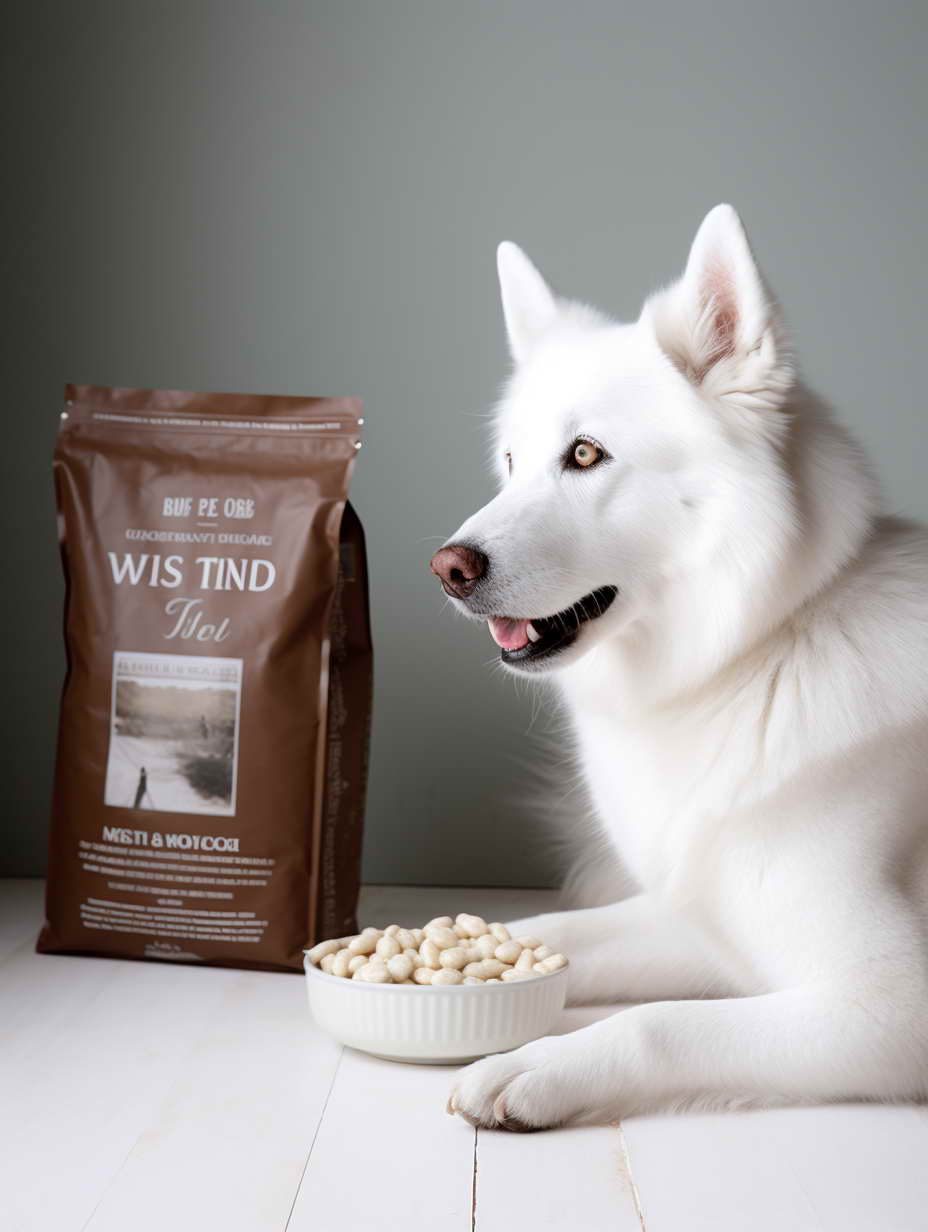
    Is It Okay To Change Dog Food A Comprehensive Guide

    FAQs about Changing Dog Food

    Can I switch my dog’s food abruptly?

    While it’s generally recommended to transition gradually, some dogs may adapt well to an immediate switch. However, consult your veterinarian before making a sudden change, as individual circumstances vary.

    How long should the transition period be?

    The transition period typically lasts for about seven to ten days, but it can vary depending on your dog’s response. Monitor your pet’s digestion and adjust the timeline as needed.

    Should I consult a vet before changing my dog’s food?

    Yes, consulting your vet before changing your dog’s food is advisable, especially if you have concerns about allergies, sensitivities, or specific dietary requirements.

    What signs indicate that the new food isn’t suitable for my dog?

    Watch for signs of digestive upset, such as diarrhea, vomiting, or excessive gas. Also, monitor for any allergic reactions, including itching, hives, or swelling.

    Can I mix different brands of dog food?

    Mixing different high-quality dog food brands can provide variety and balance. However, ensure that the nutritional content is similar to avoid digestive issues.

    Are homemade dog diets a good option?

    Homemade diets can be suitable if well-balanced, but they require careful planning to meet all nutritional needs. Consult with a veterinary nutritionist to create a safe and nutritious homemade diet.

    Conclusion

    Changing your dog’s food can be a positive step towards improving their overall health and well-being, but it should be done with careful consideration and guidance. Always prioritize your dog’s nutritional needs and consult with a veterinarian for personalized advice. Remember that a healthy diet plays a vital role in ensuring a happy and active life for your beloved pet.
  • Dog Food Slow Cooker Recipes: A Tasty and Nutritious Treat for Your Furry Friend

    Dog Food Slow Cooker Recipes

    Dog Food Slow Cooker Recipes: A Tasty and Nutritious Treat for Your Furry Friend

    Introduction

    If you’re a dog owner who cares deeply about the well-being of your furry friend, you’ve come to the right place. Dog Food Slow Cooker Recipes are a fantastic way to ensure your canine companion gets the best nutrition while enjoying a variety of flavors. In this comprehensive guide, we’ll explore the world of slow cooker recipes for dogs, providing you with valuable insights, expert advice, and mouthwatering recipes to try at home. From the basics to advanced techniques, we’ve got it all covered.

    Getting Started: Dog Food Slow Cooker Recipes

    Why Opt for Homemade Dog Food?

    When it comes to your beloved canine companion’s diet, opting for homemade dog food provides numerous advantages. Here’s why:

    1. Quality Control:

    Preparing dog food at home allows you to have complete control over the ingredients. You can ensure that only the highest quality, freshest, and most nutritious components go into your pet’s meal.

    2. Tailored Nutrition:

    Every dog is unique, with individual dietary needs and preferences. Homemade dog food lets you tailor your recipes to cater to your dog’s specific requirements, whether they need a high-protein diet, have allergies, or are picky eaters.

    3. Avoid Harmful Additives:

    Many commercial dog foods contain additives, preservatives, and artificial flavors that may not be the best choice for your pet’s health. By cooking at home, you can eliminate these harmful elements from your dog’s diet.

    4. Cost-Effective:

    Contrary to popular belief, making dog food at home can be cost-effective in the long run, especially if you buy ingredients in bulk and plan your recipes efficiently.

    The Essentials of Slow Cooking for Dogs

    Before you embark on your journey of preparing slow cooker recipes for your furry friend, it’s crucial to understand the basics of this cooking method. Slow cooking offers several benefits, such as enhanced flavor and tenderness, but there are essential considerations:

    1. Low and Slow:

    Slow cooking involves using low temperatures over an extended period, typically several hours. This gentle cooking process ensures that the ingredients retain their flavor and nutrients while becoming tender and delicious.

    2. Choose the Right Cuts:

    When selecting meat for your dog’s slow cooker recipes, opt for lean cuts with minimal fat. Remove any bones to prevent choking hazards, and ensure that the meat is thoroughly cooked to eliminate bacteria.

    3. Balanced Ingredients:

    A well-balanced dog food recipe should include not only protein sources like meat but also vegetables and grains. These components provide essential vitamins, minerals, and fiber.

    4. Avoid Harmful Ingredients:

    Some ingredients are toxic to dogs, so be cautious when choosing vegetables and seasonings. Avoid onions, garlic, and excessive amounts of salt, as they can be harmful to your pet.

    5. Portion Control:

    Just like with commercial dog food, it’s important to feed your dog the right portion size. Consult with your veterinarian to determine the appropriate serving size for your dog’s age, breed, and activity level.

    By understanding these essentials, you’ll be better equipped to create delicious and nutritious slow cooker recipes that your furry friend will adore. Homemade dog food offers a level of care and quality that can truly make a difference in your pet’s health and happiness.

    The Essentials of Slow Cooking for Dogs

    Dog Food Slow Cooker Recipes: A Delectable Journey

    Chicken and Sweet Potato Delight

    Indulge your canine companion with this mouthwatering Chicken and Sweet Potato Delight. Not only is this recipe packed with flavor, but it’s also loaded with essential nutrients to keep your dog healthy and satisfied.

    Ingredients:

    • 2 boneless, skinless chicken breasts
    • 2 sweet potatoes, peeled and chopped
    • 1 cup green beans, chopped
    • 1 cup carrots, sliced
    • 4 cups low-sodium chicken broth
    • 1 cup brown rice (optional)

    Instructions:

    1. Place the chicken breasts at the bottom of your slow cooker.
    2. Add the chopped sweet potatoes, green beans, and carrots on top of the chicken.
    3. Pour in the low-sodium chicken broth to cover the ingredients.
    4. Cook on low heat for 6-8 hours or until the chicken is fully cooked and the vegetables are tender.
    5. If desired, prepare the brown rice separately according to package instructions and serve it with the chicken and vegetable mixture.

    This recipe is a delightful blend of protein from the chicken, fiber from the sweet potatoes and vegetables, and carbohydrates from the brown rice (if added). It’s a balanced meal that supports your dog’s overall health and keeps their taste buds excited.

    Beef and Vegetable Medley

    Treat your furry friend to a hearty Beef and Vegetable Medley that’s not only delicious but also nutritious. This recipe is perfect for dogs who love the rich taste of beef.

    Ingredients:

    • 1 pound lean ground beef
    • 1 cup broccoli florets
    • 1 cup peas
    • 1 cup carrots, diced
    • 1 cup brown rice
    • 4 cups water

    Instructions:

    1. In a skillet, cook the lean ground beef over medium heat until browned. Drain any excess fat.
    2. Transfer the cooked beef to the slow cooker.
    3. Add the broccoli, peas, carrots, brown rice, and water.
    4. Cook on low heat for 6-8 hours, or until the rice is cooked, and the vegetables are tender.

    This Beef and Vegetable Medley is a protein-packed meal with the goodness of vegetables and grains. It’s an excellent choice for dogs that need a balanced diet with ample protein and fiber.

    Salmon and Brown Rice Bliss

    For dogs who adore fish, the Salmon and Brown Rice Bliss recipe is a winner. It’s not only delicious but also provides essential omega-3 fatty acids for a healthy coat and skin.

    Ingredients:

    • 2 salmon fillets
    • 1 cup brown rice
    • 1 cup spinach, chopped
    • 1/2 cup peas
    • 1/2 cup carrots, diced
    • 4 cups low-sodium chicken broth

    Instructions:

    1. Place the salmon fillets at the bottom of your slow cooker.
    2. Add brown rice, chopped spinach, peas, and carrots on top of the salmon.
    3. Pour in the low-sodium chicken broth to cover the ingredients.
    4. Cook on low heat for 4-6 hours or until the salmon flakes easily with a fork and the rice is cooked.

    This Salmon and Brown Rice Bliss recipe not only satisfies your dog’s taste buds but also contributes to their overall well-being with the benefits of omega-3s from the salmon.

    Lamb and Spinach Savory Stew

    If your dog has a more refined palate, the Lamb and Spinach Savory Stew is a wholesome option. This delectable recipe combines tender lamb with nutrient-packed spinach.

    Ingredients:

    • 1 pound lamb, diced
    • 1 cup spinach, chopped
    • 1 cup sweet potatoes, peeled and chopped
    • 1/2 cup carrots, sliced
    • 1/2 cup peas
    • 4 cups low-sodium beef broth

    Instructions:

    1. In a skillet, brown the diced lamb over medium heat. Drain any excess fat.
    2. Transfer the lamb to the slow cooker.
    3. Add chopped spinach, sweet potatoes, carrots, peas, and low-sodium beef broth.
    4. Cook on low heat for 6-8 hours or until the lamb is tender and the vegetables are cooked.

    This Lamb and Spinach Savory Stew offers a unique flavor profile for your dog while providing a mix of protein, vitamins, and minerals from the lamb and vegetables.

    Prepare these delightful slow cooker recipes for your furry friend, and watch their tail wag with joy as they savor every bite of these homemade, nutritious meals.

    FAQs

    Is it safe to feed my dog slow-cooked meals every day?

    Absolutely! Slow-cooked dog food is safe for daily consumption as long as it meets your dog’s nutritional requirements.

    Can I freeze slow-cooked dog food for later use?

    Yes, you can freeze slow-cooked dog food in portion-sized containers. It’s a convenient way to have meals ready for your pup.

    What vegetables are safe for dogs in slow cooker recipes?

    Dogs can enjoy a variety of vegetables, including carrots, sweet potatoes, peas, and green beans. Be sure to research any specific dietary restrictions for your breed.

    How can I store homemade dog food safely?

    Store homemade dog food in airtight containers in the refrigerator for up to three days or freeze it for a longer shelf life.

    Are there any ingredients I should avoid in dog slow cooker recipes?

    Avoid using ingredients like onions, garlic, grapes, and raisins, as they can be harmful to dogs. Always double-check ingredient safety.

    Can I consult a vet for personalized dog food recipes?

    Certainly! Your veterinarian can provide recommendations based on your dog’s age, breed, and any dietary restrictions or allergies.

    Conclusion

    Cooking nutritious and delicious meals for your furry friend can be a rewarding experience. Dog Food Slow Cooker Recipes offer a perfect solution for providing your dog with the best ingredients and flavors. Remember to consult with your vet if you have specific concerns about your dog’s dietary needs. With these recipes and tips, you’re well on your way to becoming a master chef for your canine companion.

  • White Dog Food – The Ultimate Diet Dog Food and Why Is So Important

    White Dog Food – The Ultimate Diet Dog Food and Why Is So Important

    White Dog Food

    White Dog Food – The Ultimate Diet Dog Food and Why Is So Important

    Introduction

    When it comes to our four-legged companions, we want nothing but the best. One area where this rings especially true is in their diet. You may have heard about “white dog food” but are left wondering, “What is white dog food?” In this comprehensive article, we will delve deep into this topic, exploring what white dog food is, its benefits, and how it can positively impact your beloved pet’s health. Let’s embark on this enlightening journey to provide the best care for our furry friends.

    What Is White Dog Food?

    White dog food is a specialized dietary choice for your canine companion. It’s a pet food variant that primarily features white meat or protein sources, often excluding red meats like beef. This dietary choice is designed to cater to specific health needs and preferences, both for your dog’s well-being and your peace of mind.

    White dog food comes in various forms, including kibble, canned food, and freeze-dried options. Each of these products is thoughtfully formulated to meet the nutritional requirements of dogs while focusing on specific protein sources. Here’s a closer look at what white dog food entails:

    1. Protein Sources

    The cornerstone of white dog food is its use of white meat protein sources. These may include:

    • Turkey: Turkey is a lean and easily digestible protein option for dogs. It is rich in essential amino acids and provides a high-quality source of nutrition.
    • Chicken: Chicken is another white meat that features prominently in white dog food. It offers a balance of protein and essential nutrients, making it a popular choice.
    • Fish: Some white dog food formulations incorporate fish, such as salmon or whitefish. Fish is an excellent source of omega-3 fatty acids, which can benefit your dog’s skin and coat.
    • Duck: Duck is a novel protein source that can be less allergenic than common options like beef or chicken. It adds variety to your dog’s diet and may be suitable for dogs with food sensitivities.

    2. Dietary Benefits

    White dog food provides several key dietary benefits for your furry friend:

    • Improved Digestibility: White meat proteins are generally easier for dogs to digest compared to red meat. This can be particularly advantageous for dogs with sensitive stomachs or digestive issues.
    • Allergen Management: Many dogs develop allergies or sensitivities to specific protein sources. White dog food helps alleviate these issues by offering alternative protein options, reducing the risk of allergic reactions.
    • Weight Management: If your dog needs to manage their weight, white dog food is often a suitable choice. It typically contains leaner protein sources, helping your pet maintain a healthy weight.
    • Dental Health: Certain types of white dog food, like dry kibble, contribute to dental health by reducing plaque and tartar buildup as dogs chew.

    3. Variety and Novelty

    White dog food introduces variety and novelty into your dog’s diet. Offering alternative protein sources keeps mealtime interesting for your pet and reduces the risk of them becoming bored with their food. This variety can also be beneficial for dogs with specific dietary preferences or sensitivities.

    4. Dietary Preferences

    Just as humans have dietary preferences, dogs may have preferences for certain protein sources. White dog food allows pet owners to cater to their dogs’ tastes while still ensuring they receive the necessary nutrition.

    The Benefits of White Dog Food

    White dog food offers a range of benefits for our canine companions that go beyond just being a unique dietary choice. Here, we’ll explore these advantages in greater detail, shedding light on why white dog food is gaining popularity among pet owners.

    1. Improved Digestibility

    One of the primary advantages of white dog food is its improved digestibility. This can be especially beneficial for dogs with sensitive stomachs or digestive issues. Unlike some red meat sources, such as beef, white dog food often contains leaner protein options like turkey, chicken, or fish.

    These leaner protein sources are easier for dogs to break down, making the digestion process smoother and reducing the likelihood of gastrointestinal discomfort. This feature is particularly valuable for dogs prone to digestive problems, as it can help alleviate issues such as gas, bloating, and diarrhea.

    2. Allergen Management

    Food allergies and sensitivities are not uncommon among dogs. Some canines develop adverse reactions to common protein sources like beef or chicken, leading to skin issues, gastrointestinal distress, or other health problems. White dog food comes to the rescue by offering alternative protein sources that are less likely to trigger allergic reactions.

    By incorporating novel protein options like turkey, duck, or fish, white dog food provides an excellent solution for dogs with food sensitivities. Switching to white dog food can help reduce or even eliminate allergic reactions, allowing your furry friend to enjoy their meals without discomfort.

    3. Weight Management

    Maintaining a healthy weight is crucial for your dog’s overall well-being. Obesity can lead to various health problems, including joint issues, heart conditions, and diabetes. White dog food can play a significant role in weight management due to its emphasis on lean protein sources.

    Many white dog food brands are formulated to be lower in fat than their red meat counterparts. This makes them an excellent choice for dogs that need to shed a few pounds or maintain a healthy weight. By providing the necessary nutrients without excess calories, white dog food can help your pet reach and maintain an ideal weight.

    4. Dental Health

    Dental health is often overlooked but is a critical aspect of your dog’s overall well-being. Neglecting oral hygiene can lead to dental problems, including gum disease and tooth decay. Fortunately, certain types of white dog food, particularly dry kibble, contribute to better dental health.

    The texture of dry kibble promotes chewing, which can help reduce plaque and tartar buildup on your dog’s teeth. Additionally, some white dog food formulas may include ingredients designed to support oral health further. By choosing white dog food with dental benefits, you can help ensure that your furry friend’s teeth remain strong and healthy.

    White Dog Food The Ultimate Diet Dog Food

    FAQs About White Dog Food

    Is white dog food suitable for all dog breeds?

    White dog food can be suitable for most dog breeds, but it’s essential to consult with your veterinarian to ensure it meets your specific dog’s dietary requirements.

    Can white dog food help with food allergies?

    Yes, white dog food can be beneficial for dogs with food allergies, as it often uses novel protein sources that are less likely to trigger allergic reactions.

    How do I transition my dog to a white dog food diet?

    To transition your dog to a white dog food diet, mix the new food with their existing diet gradually. Monitor your dog’s response and adjust as needed.

    Are there any downsides to feeding my dog white dog food?

    While white dog food offers many benefits, it’s essential to ensure it meets your dog’s nutritional needs. Some white dog food brands may not provide a complete and balanced diet, so consult with your veterinarian.

    Can I mix white dog food with other types of dog food?

    Yes, you can mix white dog food with other dog food types, but be mindful of your dog’s dietary needs and consult with your vet for guidance.

    Where can I purchase white dog food?

    You can find white dog food at most pet supply stores, and it’s often available online through various retailers.

    Conclusion

    Understanding what white dog food is and its potential benefits is crucial for every dog owner. This dietary choice can help address specific health concerns, provide novel protein sources, and improve your furry friend’s overall well-being. Always consult with your veterinarian before making significant dietary changes for your dog to ensure it aligns with their individual needs.

  • Dog Food Allergy Itching

    Dog Food Allergy Itching

    Dog Food Allergy Itching

    Dog Food Allergy Itching

    Introduction

    If you’re a dog owner, you know that our furry companions deserve the best care possible. However, when your beloved pet starts scratching excessively, it can be distressing. One common culprit behind this discomfort is dog food allergy itching. In this comprehensive guide, we will explore everything you need to know about this issue, from its causes to effective remedies and prevention tips.

    Understanding Dog Food Allergy Itching

    Dog food allergy itching is a prevalent problem among pet owners. It occurs when a dog’s immune system reacts negatively to certain ingredients in their food, leading to various discomforting symptoms.

    Symptoms of Dog Food Allergy Itching

    • Persistent scratching
    • Skin redness and inflammation
    • Ear infections
    • Gastrointestinal issues
    • Hair loss
    • Hot spots

    These symptoms can significantly affect your dog’s quality of life. To help your furry friend, it’s crucial to identify the root causes of their allergy.

    What Triggers Dog Food Allergy Itching?

    Understanding the triggers of dog food allergy itching is the first step in finding relief for your pet.

    Common Allergens

    1. Grains: Wheat, corn, and soy are known allergens for many dogs.
    2. Proteins: Beef, chicken, and dairy products can trigger allergies.
    3. Additives: Artificial colors and preservatives may cause reactions.
    4. Fillers: Low-quality dog food with excessive fillers can be problematic.

    Understanding Dog Food Allergy Itching

    Diagnosis and Treatment

    How to Diagnose Dog Food Allergy Itching

    Diagnosing your dog’s food allergies requires patience and a systematic approach.

    • Elimination Diet: Your vet may recommend a diet of novel protein and carbohydrate sources to pinpoint the allergen.
    • Skin and Blood Tests: These tests can help identify specific allergens.

    Treating Dog Food Allergy Itching

    Once you’ve identified the allergen, treatment options include:

    • Dietary Changes: Switching to hypoallergenic dog food.
    • Medications: Antihistamines and corticosteroids can alleviate symptoms.
    • Immunotherapy: In severe cases, your vet may recommend allergy shots.

    Preventing Dog Food Allergy Itching

    Prevention is key to keeping your dog itch-free and healthy.

    Choosing the Right Dog Food

    Select high-quality dog food that avoids common allergens and fillers.

    Gradual Transitions

    When changing your dog’s diet, do it gradually to minimize the risk of allergic reactions.

    Regular Vet Check-Ups

    Schedule regular visits to the vet to monitor your dog’s health and address any concerns promptly.

    FAQs about Dog Food Allergy Itching

    Can dog food allergies develop over time?

    Yes, dogs can develop allergies to ingredients they’ve previously tolerated.

    Are some dog breeds more prone to food allergies?

    Yes, certain breeds are more susceptible to food allergies, such as the Bulldog and the Boxer.

    Can I prepare homemade dog food to avoid allergies?

    Homemade diets can be an option, but consult your vet for balanced recipes.

    How long does it take to see improvements with dietary changes?

    Improvement timelines vary, but you may notice positive changes within a few weeks.

    Can food allergies be cured?

    While there is no cure, allergies can be managed effectively with the right diet and treatments.

    What should I do if my dog’s symptoms worsen despite treatment?

    Consult your vet immediately for a reevaluation of the treatment plan.

    Conclusion

    Dog food allergy itching can be distressing, but with the right knowledge and care, you can help your furry friend live a comfortable, itch-free life. By understanding the causes, symptoms, and treatment options, you can make informed decisions for your pet’s well-being. Remember, a happy dog is a healthy dog!

  • How Can I Make Dog Food

    How Can I Make Dog Food

    How Can I Make Dog Food

    How Can I Make Dog Food? – A Common Question From First Time Dog Owner

    Introduction

    As pet owners, we all want the best for our beloved furry companions. One significant aspect of their well-being is their diet. Many pet owners are now opting to prepare homemade dog food to ensure their pets receive the highest quality nutrition. In this guide, we will explore the ins and outs of making dog food at home, using the keyword “How Can I Make Dog Food” as our compass. From choosing the right ingredients to addressing common concerns, we’ve got you covered.

    How Can I Make Dog Food

    Creating homemade dog food is a rewarding and thoughtful way to show your love for your four-legged friend. Let’s delve into the details and learn how to make nutritious and delicious dog food right in your kitchen.

    The Essentials

    Before we start, let’s gather the essential information and supplies you’ll need to prepare homemade dog food.

    Ingredients

    • High-quality protein source (e.g., chicken, beef, or fish)
    • Carbohydrate source (e.g., brown rice, sweet potatoes, or oats)
    • Vegetables (e.g., carrots, peas, or spinach)
    • Healthy fats (e.g., olive oil or flaxseed oil)
    • Calcium source (e.g., eggshells or calcium supplements)
    • Multivitamin supplements (ensure they are dog-specific)

    The Recipe

    Here’s a simple recipe to get you started on making your dog’s food.

    Ingredients:

    • 1 pound of lean ground beef
    • 1 cup of brown rice
    • 1 cup of carrots, finely chopped
    • 1 cup of peas
    • 1/4 cup of olive oil
    • 1 1/2 cups of water
    • 1/2 teaspoon of calcium supplement

    Instructions:

    1. In a large skillet, cook the ground beef over medium heat until it’s no longer pink. Drain the fat.
    2. In a separate pot, cook the brown rice according to the package instructions.
    3. Steam the carrots and peas until they are tender.
    4. In a large mixing bowl, combine the cooked beef, rice, carrots, peas, olive oil, and calcium supplements.
    5. Mix thoroughly, and let it cool before serving.

    Nutritional Considerations

    It’s crucial to ensure your homemade dog food meets your furry friend’s nutritional needs. Consult your veterinarian or a canine nutritionist to create a balanced diet plan tailored to your dog’s specific requirements.

    How Can I Make Dog Food - A Common Question From First Time Dog Owner

    FAQs

    Can I use any meat for homemade dog food?

    Yes, you can use any meat for homemade dog food such as meat like chicken, beef, or fish. Just ensure they are lean and cooked thoroughly.

    How can I determine the right portion size for my dog?

    You can determine the right portion size for your dog by depending on your dog’s size, age, and activity level. Consult your veterinarian for precise guidelines.

    Can I substitute grains with grain-free options?

    Yes, you can substitute grains with grain-free options, you can use grain-free alternatives like sweet potatoes or quinoa for dogs with grain allergies.

    Is it safe to add supplements to homemade dog food?

    Supplements should be used cautiously and under the guidance of a veterinarian. Too many supplements can harm your dog.

    Can I prepare dog food in batches and freeze it?

    Yes, you can prepare larger quantities and freeze them in portions for convenient feeding.

    What signs indicate that my dog is allergic to homemade food?

    Common signs of food allergies in dogs include itching, digestive issues, and skin problems. Consult your vet if you suspect an allergy.

    Conclusion

    Preparing homemade dog food is a wonderful way to ensure your furry friend gets the best nutrition and care. Remember to tailor your dog’s diet to their specific needs and consult with a professional if you have any concerns. By following these guidelines, you can show your love through delicious and nutritious meals.

  • Canadian Raw Dog Food

    Canadian Raw Dog Food

    Canadian Raw Dog Food

    Canadian Raw Dog Food: A Nutritional Powerhouse

    In today’s fast-paced world, pet owners are becoming increasingly conscious of their furry companions’ health and well-being. One topic that’s gained significant attention is Canadian Raw Dog Food. This article explores the world of raw dog food, its benefits, and how it can enhance your pet’s life.

    Introduction

    As pet parents, we want nothing but the best for our four-legged friends. Canadian Raw Dog Food has emerged as a popular choice among pet owners looking for a natural and nutritious diet for their canine companions. In this comprehensive guide, we’ll delve into the ins and outs of Canadian Raw Dog Food, covering everything from its advantages to FAQs that will help you make informed choices for your pet’s health.

    The Essence of Canadian Raw Dog Food

    The essence of Canadian Raw Dog Food lies in its commitment to providing our beloved canine companions with a diet that closely resembles what their ancestors thrived on in the wild. This approach to canine nutrition is gaining popularity among pet owners seeking to prioritize their pets’ well-being and longevity. Let’s delve deeper into the core principles and key aspects that make Canadian Raw Dog Food so essential:

    A Return to Ancestral Roots

    Imagine a time when dogs roamed the wilderness, hunting and foraging for their meals. Their diet primarily consisted of raw meat, bones, and organs, making them hearty and robust. Canadian Raw Dog Food is a modern-day attempt to replicate this natural and ancestral diet, recognizing that dogs have evolved as carnivores.

    The Building Blocks: Meat, Bones, and Organs

    At the heart of Canadian Raw Dog Food are three essential components:

    1. Meat: Meat serves as the foundation of this diet, providing dogs with a rich source of protein. Opt for high-quality, lean cuts of meat such as chicken, beef, or turkey. The protein content helps maintain muscle mass and provides energy for an active lifestyle.

    2. Bones: Raw bones are more than just a tasty treat for dogs. They play a vital role in dental health, helping to clean teeth and prevent plaque buildup. Additionally, bones are a natural source of calcium, contributing to strong bones and teeth.

    3. Organs: Organs like liver and kidneys are nutritional powerhouses, packed with essential vitamins and minerals. These organs provide dogs with vital nutrients, including vitamin A, B vitamins, and iron. Incorporating them into the diet ensures a well-rounded nutritional profile.

    Nutrient Density

    One of the key principles of Canadian Raw Dog Food is nutrient density. Unlike some commercial dog foods that may be filled with fillers and additives, raw dog food focuses on providing essential nutrients in their most natural form. This nutrient-dense approach means that dogs can thrive on smaller portions of food, leading to better digestion and reduced risk of overeating.

    Enhanced Digestibility

    Another vital aspect of the essence of Canadian Raw Dog Food is its digestibility. Raw food is less processed than kibble, making it gentler on a dog’s digestive system. This can be particularly beneficial for dogs with sensitive stomachs or food allergies. Many pet owners report that their dogs experience less bloating, gas, and digestive discomfort when switching to a raw food diet.

    The Importance of Variety

    Variety is key to Canadian Raw Dog Food. Dogs benefit from a diverse diet, just like humans do. While meat is the primary component, incorporating a variety of proteins, such as chicken, beef, lamb, and fish, ensures a well-rounded nutritional profile. Additionally, some vegetables and fruits can be included to provide fiber and additional nutrients.

    Consultation with Veterinarians

    It’s crucial to emphasize that transitioning to a raw dog food diet should be done under the guidance of a veterinarian. Not all dogs have the same nutritional requirements, and some may have specific dietary restrictions or health concerns. Consulting with a vet ensures that the diet is tailored to your dog’s individual needs and monitored for any potential issues.

    In essence, Canadian Raw Dog Food is a return to a more natural and ancestral way of nourishing our canine companions. By embracing this approach, pet owners aim to provide their dogs with a diet that enhances their overall health, vitality, and longevity. While it may require more planning and preparation than commercial dog food, the rewards in terms of improved well-being are often well worth the effort.

    Canadian Raw Dog Food A Nutritional Powerhouse

    Canadian Raw Dog Food: What to Include

    When embarking on the journey of feeding your furry friend a Canadian Raw Dog Food diet, it’s essential to understand the key components that make up a balanced and nutritious meal. Here, we’ll explore in detail what you should include in your dog’s raw food diet to ensure they receive all the essential nutrients they need for optimal health and vitality:

    1. Meat: The Foundation of the Diet

    Meat is the cornerstone of Canadian Raw Dog Food. It provides your dog with the essential protein needed to build and maintain muscle mass, support a healthy immune system, and provide energy for their daily activities. When selecting meat for your dog’s diet, consider the following:

    • Variety: Offer a variety of meats to ensure your dog receives a broad spectrum of nutrients. Common options include chicken, turkey, beef, lamb, and fish. Each type of meat offers different nutrients, so rotating them can be beneficial.
    • Lean Cuts: Opt for lean cuts of meat to prevent excessive fat intake. Lean meats like chicken breast or lean ground beef are excellent choices.
    • Whole Prey: Some pet owners choose to include whole prey items like small rodents or birds. These items include bones and organs, providing a complete and balanced meal.

    2. Organs: Nature’s Nutrient Storehouses

    Including organs in your dog’s raw diet is crucial for providing them with essential vitamins and minerals. Organs, such as liver and kidney, are nutrient-dense and offer various health benefits:

    • Liver: The liver is a nutritional powerhouse, rich in vitamin A, B vitamins, and iron. It’s essential for maintaining healthy skin, eyes, and overall vitality.
    • Kidneys: Kidneys are a great source of essential minerals like phosphorus and selenium. They also contribute to your dog’s overall nutrient intake.

    Ensure that organs make up a small but regular portion of your dog’s diet to maintain balanced nutrition.

    3. Bones: Dental Health and Calcium Source

    Bones serve a dual purpose in a raw dog food diet. They provide essential dental benefits and serve as a natural source of calcium:

    • Dental Health: Chewing on raw bones helps keep your dog’s teeth clean and reduces the risk of dental issues like plaque and tartar buildup.
    • Calcium Source: Calcium is vital for bone and teeth health. Including bones in the diet ensures that your dog receives this essential mineral.

    Choose raw bones that are appropriate for your dog’s size and chewing habits. Larger bones are suitable for larger dogs, while smaller bones or bone fragments are safer for smaller breeds.

    4. Vegetables: A Touch of Fiber and Variety

    While dogs are primarily carnivores, including vegetables in their diet can add fiber, vitamins, and variety to their meals:

    • Fiber: Vegetables like carrots, broccoli, and spinach can provide beneficial fiber for digestive health.
    • Vitamins and Minerals: Some vegetables, such as sweet potatoes and peas, offer vitamins and minerals that complement the nutritional profile of meat and organs.

    While vegetables can be part of a raw dog food diet, they should make up a smaller portion compared to meat, organs, and bones. Consider blending or lightly steaming vegetables to make them more digestible for your dog.

    5. Supplements: Tailored to Your Dog’s Needs

    Supplements may be necessary to ensure your dog receives all the essential nutrients. Consult with your veterinarian to determine if your dog requires any specific supplements based on their age, breed, and health condition. Common supplements include:

    • Omega-3 Fatty Acids: For a healthy coat and skin.
    • Probiotics: To support gut health.
    • Joint Supplements: For dogs with joint issues or arthritis.
    • Multivitamins: To fill in any nutritional gaps.

    Incorporating these supplements as advised by your veterinarian can help maintain your dog’s overall health and well-being.

    In summary, creating a balanced Canadian Raw Dog Food diet involves careful selection and preparation of meat, organs, bones, vegetables, and, if necessary, supplements. By providing your dog with a diverse and nutritious diet, you can help them thrive, ensuring they receive the vital nutrients needed for a long and healthy life. Always consult with your veterinarian to tailor the diet to your dog’s specific needs.

    Canadian Raw Dog Food FAQs

    Is raw dog food safe?

    Raw dog food is generally safe when handled and prepared correctly. It’s essential to follow hygiene guidelines and source high-quality ingredients.

    How much should I feed my dog?

    The ideal amount depends on your dog’s size, age, and activity level. Consult your veterinarian for a personalized feeding plan.

    Can puppies eat raw food?

    Yes, puppies can benefit from a raw food diet, but it’s crucial to ensure they receive all the necessary nutrients for growth.

    Should I consult a vet before switching to raw food?

    Yes, consulting a veterinarian is crucial before making any dietary changes to ensure it’s suitable for your dog’s specific needs.

    Are there any risks associated with raw food?

    Raw food can pose risks if not handled properly, such as bacterial contamination. Ensure proper storage and hygiene.

    How do I transition my dog to a raw food diet?

    Gradually introduce raw food into your dog’s diet to avoid digestive upset. Start by mixing small amounts with their current food and increase the ratio over time.

    Conclusion

    Canadian Raw Dog Food is a promising choice for pet owners seeking to provide their dogs with a natural and nutritious diet. By understanding its benefits and following best practices, you can enhance your furry friend’s overall health and happiness. Remember always to consult with your veterinarian to tailor the diet to your dog’s specific needs.