Author: Julia

  • Is Grain Free Dog Food Bad For Your Dog

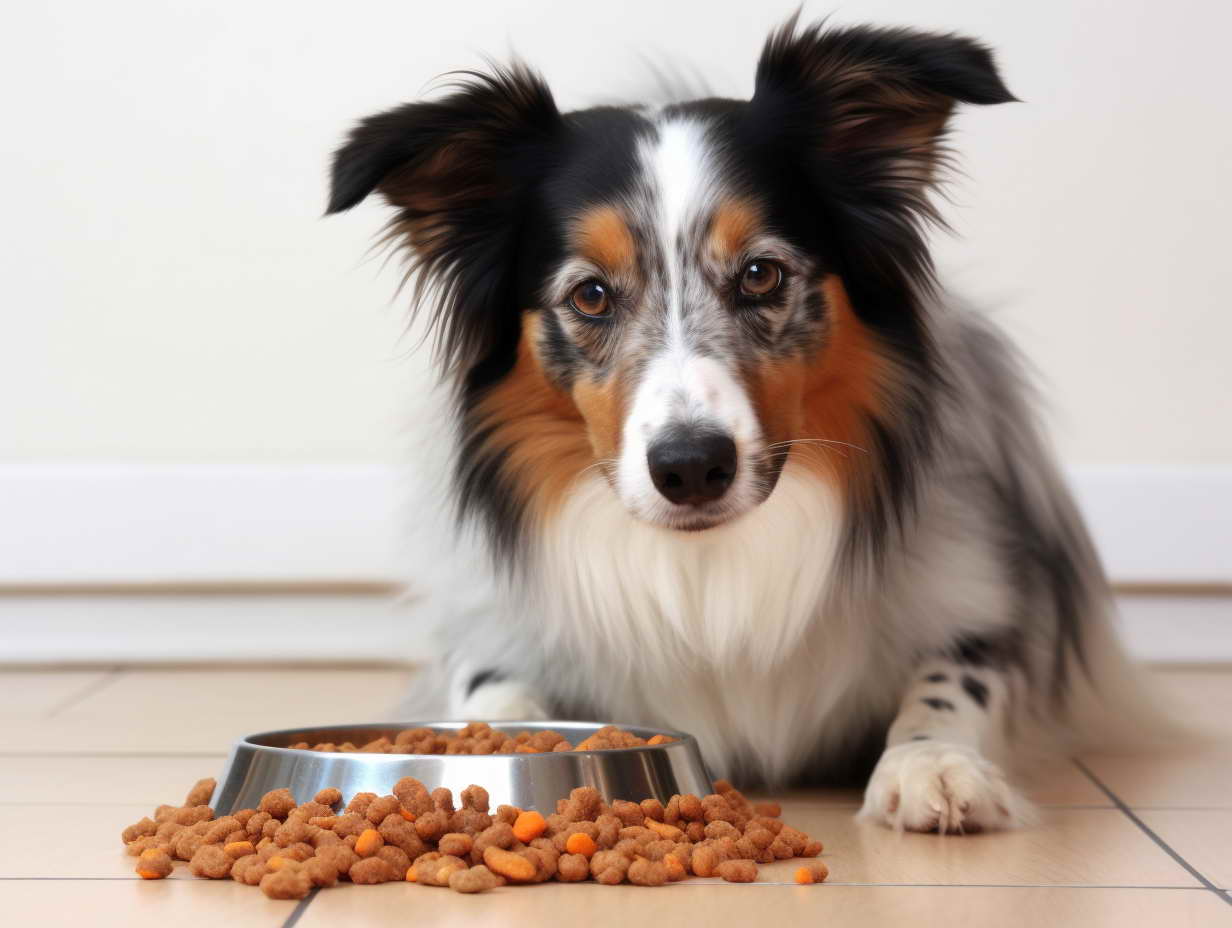
    Is Grain Free Dog Food Bad For Your Dog

    Is Grain Free Dog Food Bad For Your Dog

    Is Grain Free Dog Food Bad For Your Dog: Uncovering the Truth

    Introduction

    When it comes to our beloved canine companions, their health and well-being are of utmost importance. One topic that has sparked considerable debate in recent years is whether grain-free dog food is good or bad for dogs. In this comprehensive article, we will delve deep into the world of grain-free dog food, exploring its benefits and potential drawbacks. By the end, you’ll have a clear understanding of whether or not this type of diet is suitable for your furry friend.

    The Controversy Surrounding Grain-Free Dog Food

    The question of whether grain-free dog food is bad for your dog has sparked a significant amount of controversy and debate in recent years. To provide a clearer understanding of this issue, let’s delve deeper into both sides of the argument.

    Proponents of Grain-Free Dog Food

    1. Digestive Health Improvement

    One of the primary arguments in favor of grain-free dog food revolves around its potential to improve digestive health. Some dogs may have sensitivities or allergies to grains, leading to gastrointestinal issues such as bloating, gas, diarrhea, or vomiting. By eliminating grains from their diet, proponents argue that these digestive problems can be alleviated, leading to a happier and healthier canine companion.

    2. Allergy Management

    For dogs with food allergies, grains can often be a common trigger. These allergies can manifest as itching, skin irritations, ear infections, or gastrointestinal upset. Grain-free diets are believed to help manage these allergies by removing the potential allergen, allowing dogs to lead more comfortable lives free from the discomfort of allergic reactions.

    3. Weight Management

    Another point raised by supporters of grain-free dog food is the potential for improved weight management. Grain-free diets typically contain higher levels of protein and lower levels of carbohydrates compared to traditional dog foods. This protein-rich diet can aid in weight control, muscle development, and overall fitness, particularly for active dogs.

    4. Enhanced Energy and Vitality

    Many pet owners who have switched to grain-free diets report an increase in their dogs’ energy levels and overall vitality. Dogs appear more active, engaged, and enthusiastic about their daily activities. This improved vigor often translates to a happier and more fulfilling life for both the dog and its owner.

    Critics of Grain-Free Dog Food

    1. Nutritional Imbalance

    Critics argue that removing grains from a dog’s diet can potentially lead to nutritional imbalances if not carefully managed. Grains can be a source of essential nutrients, including fiber, vitamins, and minerals. By excluding grains, there’s a risk of depriving dogs of these vital elements unless the grain-free diet is properly formulated.

    2. Cost Considerations

    It’s important to note that grain-free dog food can be considerably more expensive than traditional options. This cost factor can be a significant drawback for pet owners, especially those on a tight budget. The higher price tag may deter some from opting for grain-free food, even if it might benefit their dogs.

    3. Lack of Diet Variety

    Restricting grains in a dog’s diet may limit the variety of food available to them. This could potentially lead to taste fatigue or picky eating habits. Variety in a dog’s diet can be important not only for their enjoyment but also to ensure they receive a wide range of nutrients from different sources.

    4. Consult Your Veterinarian

    Perhaps the most critical point raised by critics of grain-free dog food is the importance of consulting with a veterinarian before making any dietary changes. Every dog is unique, with different dietary needs and sensitivities. A veterinarian can provide personalized recommendations based on your dog’s specific health and nutritional requirements.

    In conclusion, the question of whether grain-free dog food is bad for your dog doesn’t have a one-size-fits-all answer. It depends on various factors, including your dog’s individual needs, sensitivities, and preferences. While grain-free diets offer potential benefits, they also come with potential drawbacks. The key is to make an informed decision, consult your veterinarian, and monitor your dog’s health and happiness closely. Ultimately, the well-being of your furry friend should always be your top priority.

    Is Grain Free Dog Food Bad For Your Dog Uncovering the Truth

    Frequently Asked Questions

    Can all dogs eat grain-free food?

    While many dogs can thrive on grain-free diets, it’s essential to consult your veterinarian to determine if it’s suitable for your dog.

    Are there specific breeds that benefit more from grain-free diets?

    Certain breeds may have a higher likelihood of grain allergies or sensitivities. Breeds like the Labrador Retriever, Golden Retriever, and Boxer may benefit from grain-free options.

    Should I transition my dog gradually to grain-free food?

    Yes, transitioning slowly is recommended to prevent digestive upset. Mix the new food with the old and gradually increase the proportion of the new food.

    Can grain-free diets help with dog allergies?

    Yes, some dogs with allergies may find relief in a grain-free diet, but individual responses vary. Consult your vet for guidance.

    Are there any specific grain-free brands you recommend?

    Several reputable grain-free dog food brands are available, including Blue Buffalo, Taste of the Wild, and Wellness CORE. Consult with your vet to find the best fit for your dog.

    Is homemade grain-free dog food a good option?

    Homemade diets require careful planning to ensure your dog receives all necessary nutrients. Consult with a veterinary nutritionist to create a balanced homemade grain-free diet.

    Conclusion

    In the ongoing debate over whether grain-free dog food is bad for your dog, the answer isn’t one-size-fits-all. It depends on your dog’s individual needs, sensitivities, and preferences. While grain-free diets have benefits, they also come with potential drawbacks. The key is to consult your veterinarian, make an informed decision, and monitor your dog’s health and happiness closely.

  • How to Get Rid of Ants From Dog Food

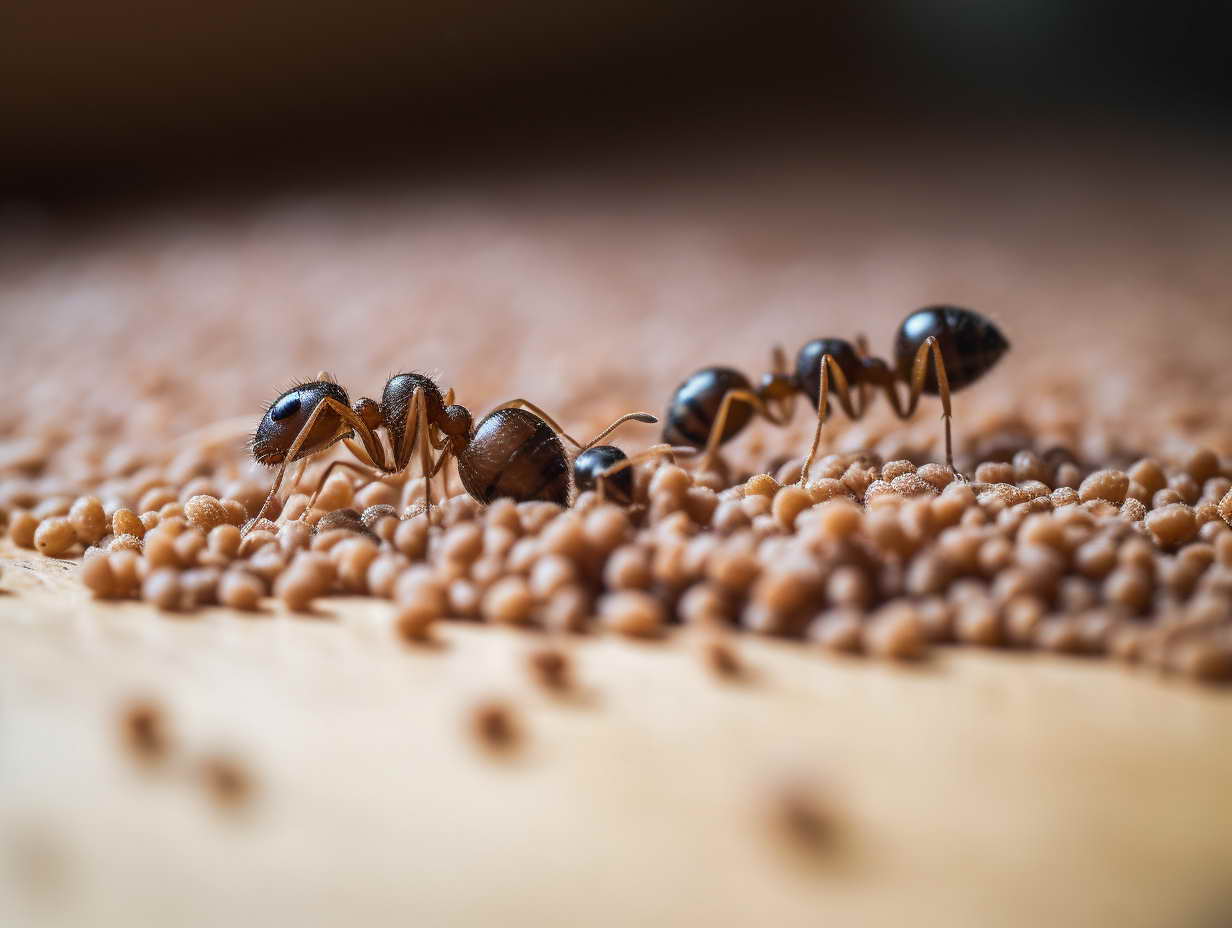
    How to Get Rid of Ants From Dog Food

    How to Get Rid of Ants From Dog Food The Ultimate Guide

    How to Get Rid of Ants From Dog Food – The Ultimate Guide

    Introduction

    Ants invading your dog’s food can be a pesky problem that needs a swift solution. In this comprehensive guide, we will explore how to get rid of ants from dog food effectively. We’ll cover practical steps, share expert insights, and address common questions to ensure your furry friend enjoys their meals in peace. Let’s dive in!

    How To Get Rid Of Ants From Dog Food

    Ensuring that your dog’s meals are ant-free is crucial for their well-being. Here, we will delve deeper into effective methods to eliminate ants from your dog’s food:

    1. Regular Inspection

    Begin by routinely inspecting your dog’s feeding area. Look for any signs of ant activity, such as ant trails or scattered food crumbs. Detecting the issue early can prevent a full-blown infestation.

    2. Relocate the Food Bowl

    Consider moving your dog’s food bowl to a different location. Choose a spot that is less susceptible to ant intrusion. For example, placing the bowl on a hard, smooth surface rather than on grass can make it more challenging for ants to access the food.

    3. Employ Double-Sided Tape

    Double-sided tape can be a simple yet effective ant deterrent. Place the tape sticky-side-up around the base of your dog’s food bowl. Ants will get stuck on the tape when attempting to reach the food.

    4. Create a Barrier

    Draw a line of defense around the food area using natural repellents like chalk, cinnamon, or baby powder. Ants are deterred by these substances, making them less likely to cross the barrier.

    5. Diatomaceous Earth

    Diatomaceous earth is a non-toxic, pet-safe powder that can be sprinkled around your dog’s food bowl. It works by dehydrating ants and other insects on contact, effectively keeping them away from the food.

    6. Invest in Ant-Proof Bowls

    Ant-proof bowls are designed with moats or barriers that ants cannot cross. These specialized bowls are an excellent long-term solution to keep ants away from your dog’s food.

    7. Ant Baits and Traps

    Strategically place ant baits and traps near the feeding area but out of your dog’s reach. These traps will attract ants, effectively reducing the ant population.

    8. Cleanliness Is Key

    Maintain a rigorous cleaning routine for your dog’s feeding area. Clean the food bowl and surrounding area immediately after each meal to remove any food residue that may attract ants.

    9. Store Food Properly

    Ensure that your dog’s food is stored securely in airtight containers. This prevents ants from detecting the scent of the food and infiltrating your storage area.

    10. Remove Outdoor Attractants

    If ants are entering your home from the outside, take steps to remove outdoor attractants. Keep trash cans sealed, and trim back any vegetation that may be serving as a bridge for ants to reach your home.

    11. Professional Pest Control

    In severe cases where ant infestations persist despite your efforts, it’s advisable to seek the assistance of professional pest control services. They have the expertise and tools to effectively eradicate ants from your home.

    By implementing these strategies, you can ensure that your dog’s meals remain ant-free, providing them with a safe and enjoyable dining experience. Remember that consistency and vigilance are key to successfully keeping ants away from your furry friend’s food.

    How to Get Rid of Ants From Dog Food

    FAQs

    Are ants harmful to dogs if they eat contaminated food?

    Ants themselves are not harmful to dogs, but consuming contaminated food might lead to gastrointestinal issues. It’s best to prevent ants from accessing your dog’s food.

    Can I use pesticides near my dog’s feeding area?

    Avoid using chemical pesticides near your dog’s food, as these can be toxic to your pet. Opt for natural repellents to ensure your dog’s safety.

    How often should I clean my dog’s feeding area?

    Cleaning the feeding area daily is ideal to keep ants at bay. Regular maintenance is key to preventing infestations.

    What if ants are coming from outside?

    Seal any cracks or openings in your home’s exterior to prevent ants from entering. You can also use ant baits and traps outside to reduce the ant population.

    Are there any dog-safe ant repellents?

    Yes, many natural repellents like diatomaceous earth are safe for dogs. Always ensure the chosen repellent won’t harm your pet.

    How long does it take to get rid of ants from dog food?

    The time it takes to eliminate ants from your dog’s food can vary. With consistent preventive measures, you can typically see results within a few days to a week.

    Conclusion

    Your dog’s well-being is a top priority, and keeping ants away from their food is part of ensuring their health and happiness. By following these strategies and staying proactive, you can bid farewell to unwanted guests and provide your furry friend with a mealtime free of interruptions.

  • Dog Food That Cause Heart Disease

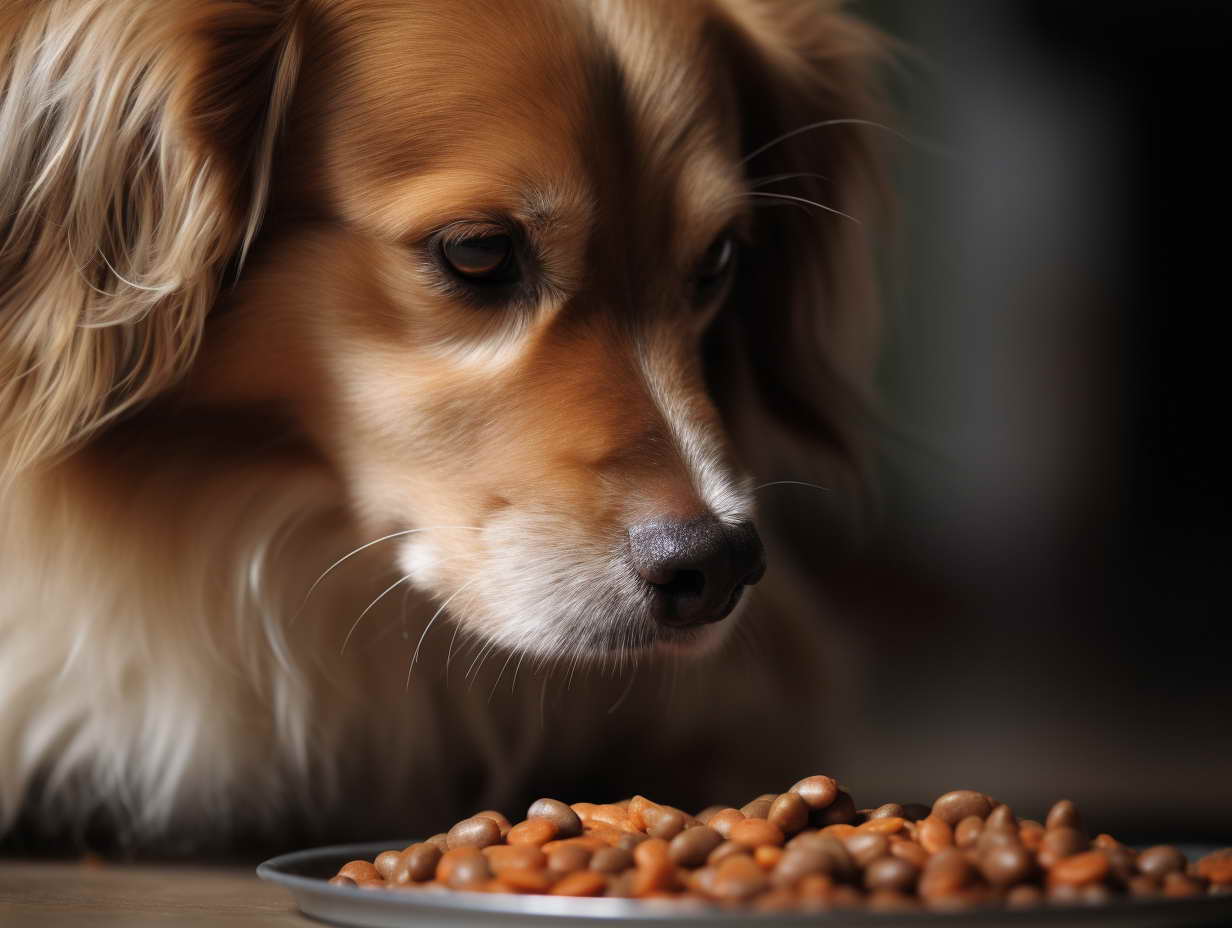
    Dog Food That Cause Heart Disease

    Dog Food That Cause Heart Disease

    Dog Food That Cause Heart Disease

    Introduction

    When it comes to our beloved pets, their health is a top priority. One concerning issue that has been gaining attention in recent years is the potential link between certain dog foods and heart disease. In this informative article, we’ll delve into the topic of “Dog Food That Causes Heart Disease.” We’ll explore the factors at play, the types of dog food that might be problematic, and most importantly, how you can ensure your furry friend stays heart-healthy.

    The Connection: Dog Food and Heart Disease

    The link between dog food and heart disease is a topic of growing concern among pet owners and veterinarians. While many factors can contribute to heart disease in dogs, diet plays a significant role in their overall cardiovascular health. In this section, we will delve deeper into the connection between the food we feed our furry friends and their heart health.

    Understanding Canine Heart Disease

    Before we explore the specific elements of dog food that can influence heart health, it’s essential to understand the two primary types of heart disease that affect dogs:

    1. Dilated Cardiomyopathy (DCM): DCM is a condition in which the heart’s chambers become enlarged and weakened, leading to poor pumping of blood. Breeds like Golden Retrievers, Doberman Pinschers, and Boxers are more susceptible to this condition. Research has suggested a potential link between DCM and diet.
    2. Mitral Valve Disease (MVD): MVD typically affects smaller dog breeds, such as Cavalier King Charles Spaniels and Dachshunds. It involves the gradual degeneration of the heart’s mitral valve, leading to improper blood flow.

    Diet-Related Factors

    Several diet-related factors can contribute to heart disease in dogs:

    1. Nutrient Deficiencies

    A well-balanced diet is essential for dogs to receive the necessary nutrients to maintain overall health. Inadequate intake of specific nutrients, such as taurine, can lead to heart problems. Taurine is an amino acid that plays a vital role in cardiac function. Some dog foods may not provide sufficient levels of taurine, which could increase the risk of heart disease.

    2. Excessive Sodium

    Excess sodium intake can lead to high blood pressure in dogs. A diet high in sodium can put additional strain on the heart, making it harder to pump blood. Commercial dog foods with high sodium content can contribute to this issue.

    3. Low-Quality Ingredients

    The quality of ingredients in dog food matters significantly. Some low-quality dog foods contain fillers, by-products, and artificial additives, which can have a negative impact on a dog’s overall health. Diets lacking essential nutrients can increase the risk of heart disease and other health problems.

    4. Grain-Focused Diets

    While dogs are omnivores and can digest grains to some extent, an excessive reliance on grains in their diet may not be ideal. Dogs primarily thrive on a diet rich in animal proteins. Diets heavy in grains can lead to obesity and related health problems, indirectly affecting the heart.

    The Role of Breed Susceptibility

    It’s essential to note that breed susceptibility can also influence the relationship between diet and heart disease. Certain breeds are more prone to specific heart conditions, making them more vulnerable to dietary factors. As such, it’s crucial to tailor your dog’s diet to their breed and individual needs.

    Types of Dog Food That May Cause Heart Disease

    Types of Dog Food That May Cause Heart Disease

    The types of dog food you choose can have a significant impact on your pet’s heart health. Understanding which dog foods may potentially lead to heart disease is essential for responsible pet owners. In this section, we’ll explore in-depth the categories of dog food that could pose a risk to your furry friend’s cardiovascular well-being.

    1. Commercial Dog Food High in Grains

    One of the primary concerns regarding dog food and heart disease is the excessive inclusion of grains in commercial pet food. Dogs are, by nature, carnivores, and their digestive systems are designed to process animal proteins efficiently. However, many commercial dog food brands include grains as a primary ingredient in their recipes. These grains, such as corn, wheat, and soy, may lead to various health issues, including obesity and heart problems.

    Impact on Obesity

    Diets rich in grains can contribute to obesity in dogs. When dogs consume excessive carbohydrates from grains, their bodies convert the surplus into fat. Obesity is a known risk factor for heart disease in dogs, as it can lead to additional strain on the heart and circulatory system.

    2. Excessive Sodium Content in Dog Food

    Sodium is an essential mineral for dogs, but excess sodium intake can lead to heart-related issues. Some commercial dog foods contain high levels of sodium, primarily to enhance flavor. However, dogs do not require as much sodium as humans, and excessive sodium can result in hypertension (high blood pressure).

    The Impact on the Heart

    High blood pressure can place increased stress on the heart as it works harder to pump blood throughout the body. Over time, this added strain can contribute to the development of heart conditions, such as hypertrophic cardiomyopathy.

    3. Low-Quality Ingredients

    The quality of ingredients in your dog’s food matters significantly. Some lower-quality dog foods contain subpar ingredients like meat by-products, fillers, and artificial additives. These ingredients may not provide the essential nutrients required for overall health, including heart health.

    Nutritional Deficiencies

    When a dog’s diet lacks essential nutrients, it can result in nutritional deficiencies, potentially affecting the heart. For example, inadequate levels of taurine, an amino acid critical for heart function, can lead to dilated cardiomyopathy (DCM), a heart condition in dogs.

    4. Lack of Taurine

    Taurine is an amino acid essential for maintaining a healthy heart in dogs. Some dog food brands may not include sufficient taurine levels in their recipes. Breeds that are predisposed to taurine-deficiency-related heart issues include Golden Retrievers, Cocker Spaniels, and Doberman Pinschers.

    Impact on Heart Health

    A taurine deficiency can lead to weakened heart muscles and potentially result in dilated cardiomyopathy (DCM). Therefore, ensuring that your dog’s food contains an adequate amount of taurine is crucial for heart health.

    Ensuring Heart Health

    Ensuring the heart health of your beloved furry friend is a top priority for responsible pet owners. While we’ve discussed the potential risks associated with certain types of dog food, this section will provide you with proactive steps and strategies to safeguard your dog’s cardiovascular well-being.

    1. Consult Your Veterinarian Regularly

    Regular veterinary check-ups are the foundation of maintaining your dog’s heart health. These visits allow your veterinarian to monitor your dog’s overall health, detect early signs of heart disease, and provide guidance on dietary choices. Depending on your dog’s age and breed, your vet may recommend more frequent check-ups.

    Early Detection

    Heart issues are often asymptomatic in their early stages, making regular check-ups crucial for early detection and intervention. Your veterinarian can perform necessary tests, such as echocardiograms, to assess your dog’s heart function.

    2. Opt for High-Quality Dog Food

    Choosing the right dog food can significantly impact your pet’s heart health. High-quality dog food brands prioritize the use of premium ingredients and balanced nutritional profiles. Look for options that feature real meat as the primary ingredient and avoid those with excessive grains, fillers, or artificial additives.

    Breed and Size Considerations

    Different breeds and sizes of dogs have varying dietary requirements. Consult with your veterinarian to determine the most suitable dog food for your pet based on their specific needs.

    3. Read Labels Carefully

    A responsible pet owner carefully examines the labels on dog food packaging. Look for brands that transparently list their ingredients and nutritional information. When evaluating dog food options, consider the following:

    Meat as the Main Ingredient

    Ensure that meat, such as chicken, beef, or fish, is listed as the primary ingredient. High-quality protein sources are essential for your dog’s overall health.

    Limited Grains

    While some grains are acceptable in a dog’s diet, aim for options with minimal grain content. Excessive grains can lead to obesity and indirectly affect the heart.

    4. Control Portion Sizes

    Overfeeding can contribute to obesity, which is a risk factor for heart disease. Follow the recommended portion sizes provided by the dog food manufacturer or your veterinarian’s guidance. Adjust portion sizes based on your dog’s age, activity level, and weight management goals.

    5. Consider Homemade Dog Food

    Preparing homemade dog food allows you to have full control over the ingredients your dog consumes. However, it’s essential to create balanced meals that meet your dog’s nutritional requirements. Consult with your veterinarian or a veterinary nutritionist for guidance on crafting homemade meals that promote heart health.

    6. Supplements

    Discuss the use of supplements with your veterinarian. In some cases, supplements such as taurine, omega-3 fatty acids, and Coenzyme Q10 (CoQ10) can be beneficial for maintaining your dog’s heart health. Your veterinarian can recommend the appropriate supplements and dosage.

    Caring for your dog’s heart health involves a combination of regular veterinary care, informed dietary choices, and a commitment to their overall well-being. By consulting your veterinarian, selecting high-quality dog food, monitoring portion sizes, and considering homemade meals or supplements as needed, you can take proactive steps to ensure that your furry friend enjoys a long and healthy life with a strong and resilient heart. Remember that your veterinarian is your best resource for personalized advice tailored to your dog’s specific needs and circumstances.

    The Connection Dog Food and Heart Disease

    FAQs

    Can my dog’s diet really lead to heart disease?

    Yes, your dog’s diet can contribute to heart disease, so it’s crucial to choose their food wisely.

    How can I tell if my dog has heart disease?

    Signs may include coughing, difficulty breathing, and fatigue. Regular vet check-ups are essential for early detection.

    Are all grains bad for dogs?

    Not necessarily. Some grains can be part of a healthy diet, but excessive consumption may be problematic.

    Can homemade dog food really be better for my dog?

    Homemade dog food allows you to control the ingredients, which can be beneficial for dogs with specific dietary needs.

    What should I do if I suspect my dog has heart disease?

    Contact your veterinarian immediately for a thorough examination and guidance on the next steps.

    How can I find high-quality dog food?

    Look for well-established brands with a reputation for using quality ingredients. Your vet can also recommend suitable options.

    Conclusion

    In conclusion, the connection between dog food and heart disease is a matter of concern for pet owners. By making informed choices about your dog’s diet, consulting your veterinarian regularly, and being attentive to their health, you can significantly reduce the risk of heart disease in your furry friend. Remember, your dog’s well-being starts with the right diet and care.

  • Dog Food That Kills Dogs: A Comprehensive Guide to Keeping Your Dog Safe

    Dog Food That Kills Dogs: A Comprehensive Guide to Keeping Your Dog Safe

    Dog Food That Kills Dogs

    Dog Food That Kills Dogs: A Comprehensive Guide to Keeping Your Canine Companion Safe

    Introduction

    As devoted pet owners, we all want the best for our four-legged friends. However, the market is flooded with various dog food options, and not all of them are safe. In this comprehensive guide, we will explore the topic of Dog Food That Kills Dogs to ensure you have the knowledge needed to protect your beloved canine companion. From understanding the risks to making informed choices, let’s embark on this journey together.

    The Importance of Safe Dog Food

    Ensuring that your dog’s food is safe is paramount. After all, our furry friends are part of our family and their health and well-being matter. Let’s delve into the crucial aspects of dog food safety.

    What Constitutes Unsafe Dog Food?

    Understanding the factors that contribute to unsafe dog food is paramount in making informed choices for your furry friend’s well-being. Unsafe dog food can jeopardize your dog’s health and even be life-threatening. Here are some key elements that can constitute unsafe dog food:

    1. Harmful Chemicals

    One of the primary factors that can render dog food unsafe is the presence of harmful chemicals. These chemicals may be intentionally added as preservatives or inadvertently introduced during the manufacturing process. Common harmful chemicals found in low-quality dog food include:

    • Artificial Preservatives: Some dog food brands use artificial preservatives like BHA, BHT, and ethoxyquin. These chemicals have been associated with various health concerns, including cancer and organ damage.
    • Artificial Colors and Flavorings: These additives may make the food more appealing to pet owners but offer little to no nutritional value for dogs. They can potentially lead to allergies and behavioral issues in dogs.

    2. Low-Quality Ingredients

    The quality of ingredients used in dog food plays a significant role in its safety. Unsafe dog food often includes low-quality ingredients, such as:

    • Fillers: Low-quality dog food may contain a high proportion of fillers like corn, wheat, and soy. These ingredients offer little nutritional value and can lead to digestive issues and food allergies.
    • Unspecified Meat By-Products: Some dog food labels may list vague ingredients like “meat by-products” without specifying the source. This lack of transparency can make it difficult to determine the quality and safety of the ingredients.

    3. Contaminated Products

    Contamination can occur at various stages of the manufacturing and distribution process, making it a significant concern for dog food safety. Common contaminants that can render dog food unsafe include:

    • Bacteria: Bacterial contamination, such as Salmonella or E. coli, can lead to serious health issues for dogs and even pose a risk to humans who handle the food.
    • Mold and Mycotoxins: Mold growth in dog food can produce mycotoxins, which are toxic substances that can harm your dog’s health. Symptoms of mycotoxin poisoning in dogs include vomiting, diarrhea, and neurological issues.

    4. Lack of Quality Control

    Unsafe dog food may come from manufacturers that lack stringent quality control measures. This can result in inconsistencies in ingredient sourcing, production processes, and product testing. Without proper quality control, the risk of contamination and safety issues increases.

    5. Insufficient Nutritional Value

    Dog food that lacks essential nutrients or provides an unbalanced diet can also be considered unsafe. Dogs require a well-balanced diet to thrive, and feeding them food with inadequate nutrition can lead to various health problems over time.

    Identifying Safe Dog Food: A Guide for Discerning Pet Owners

    Ensuring your canine companion’s safety begins with being able to identify safe dog food options in a crowded and often confusing market. With numerous brands and products available, distinguishing between safe and potentially hazardous choices can be challenging. In this section, we will explore the essential criteria for identifying safe dog food.

    1. Quality Ingredients

    Safe dog food starts with high-quality ingredients. When evaluating a dog food product, look for:

    • Named Protein Sources: The primary protein source should be clearly identified, such as “chicken,” “beef,” or “salmon,” rather than vague terms like “meat” or “animal by-products.”
    • Whole Grains and Vegetables: If the dog food contains grains or vegetables, they should be whole and easily identifiable, like “brown rice” or “sweet potatoes.”
    • Limited Fillers: A safe dog food minimizes the use of fillers like corn, wheat, and soy, as they provide little nutritional value and can trigger allergies.

    2. Transparency in Labeling

    Transparency in labeling is crucial for identifying safe dog food. Look for brands that provide detailed information about the ingredients, sourcing, and production processes. A trustworthy dog food label should include:

    • Complete Ingredient List: The label should list all ingredients, and they should be easy to understand and pronounce.
    • Guaranteed Analysis: This section provides information about the nutrient content of the food, including protein, fat, and fiber percentages.
    • Contact Information: The manufacturer’s contact information should be readily available in case you have questions or concerns.

    3. Positive Customer Reviews

    Customer reviews can offer valuable insights into the safety and quality of a dog food product. Look for brands with positive reviews from other pet owners who have had positive experiences with their products. Pay attention to reviews that mention improvements in the dog’s health, coat condition, and overall well-being.

    4. Product Recalls and Safety Records

    Research the brand’s history of product recalls and safety records. A reputable dog food manufacturer should have a clean track record with minimal or no recalls due to safety concerns. The absence of recalls is a positive indicator of a brand’s commitment to product safety.

    5. Veterinary Recommendations

    Consult your veterinarian for recommendations on safe dog food brands. Veterinarians can provide valuable insights into your dog’s specific dietary needs and any health concerns that may affect their food choices. They can recommend products that align with your dog’s unique requirements.

    6. Independent Testing and Certifications

    Some dog food brands undergo independent testing and hold certifications that attest to their safety and quality. Look for certifications from reputable organizations like the Association of American Feed Control Officials (AAFCO) or the National Animal Supplement Council (NASC).

    7. Allergen Considerations

    If your dog has food allergies or sensitivities, consider specialized dog food formulas designed to address these issues. Safe dog food for allergic dogs should clearly state that it is free from common allergens like wheat, corn, soy, or specific proteins.

    Understanding the Dangers

    1. Contaminants like Bacteria and Mold

    One of the primary dangers associated with dog food that can potentially harm our canine companions is contamination. Contaminants such as bacteria and mold can find their way into dog food during various stages of production and storage. These contaminants can multiply and thrive in moist environments, posing significant health risks to dogs.

    • Bacterial Contamination: Common bacteria like Salmonella and Escherichia coli (E. coli) can be present in contaminated dog food. When ingested by dogs, these bacteria can lead to severe gastrointestinal distress, including vomiting, diarrhea, and even life-threatening conditions.
    • Mold Growth: Inadequate storage conditions or prolonged exposure to moisture can result in mold growth in dog food. Mold can produce mycotoxins, which are toxic substances harmful to dogs. Consumption of mycotoxin-contaminated food can lead to symptoms like tremors, seizures, and organ damage.

    2. Harmful Additives

    Some dog food products contain harmful additives and preservatives that are used to extend shelf life but can have adverse effects on dogs’ health.

    • Chemical Preservatives: Certain chemical preservatives like BHA (butylated hydroxyanisole) and BHT (butylated hydroxytoluene) are commonly used in dog food. Prolonged exposure to these chemicals has been linked to health concerns, including cancer and organ damage.

    3. Allergenic Ingredients

    Some dogs may have food allergies or sensitivities, and certain dog food ingredients can trigger allergic reactions.

    • Common Allergens: Ingredients like wheat, soy, corn, and certain protein sources can be common allergens for dogs. Feeding a dog food containing ingredients to which they are allergic can lead to skin irritations, itching, digestive problems, and discomfort.

    Notable Cases

    Several high-profile incidents have highlighted the dangers of dog food that can potentially harm dogs. These cases serve as cautionary tales and underscore the importance of staying informed about the products we feed our pets.

    1. Recalls and Safety Concerns

    Throughout the years, various dog food brands and products have been subject to recalls due to contamination, inadequate quality control, or safety concerns. Staying up-to-date on recalls and safety alerts is essential for responsible pet owners.

    2. Health Consequences

    Reports of dogs falling ill or experiencing severe health issues after consuming certain dog food products have garnered significant attention. These incidents emphasize the need for vigilant monitoring of your dog’s health and diet.

    In conclusion, the issue of “Dog Food That Kills Dogs” is a grave concern for pet owners worldwide. Understanding the dangers, such as contamination, harmful additives, and allergenic ingredients, is essential to protect our beloved canine companions. Staying informed about notable cases and recalls ensures that we make informed choices when selecting dog food products, ultimately safeguarding the health and well-being of our furry friends.
    The Importance of Safe Dog Food

    Making Safe Choices: Protecting Your Canine Companion

    The safety and well-being of your dog depend on the choices you make when it comes to their food. Making safe choices in selecting and providing dog food is a crucial responsibility for every pet owner. In this section, we will explore the strategies and considerations for ensuring the safety of your furry friend’s diet.

    Reading Labels

    1. Understanding Ingredients

    A critical step in making safe choices for your dog’s food is reading and understanding the labels. Look for the following:

    • Named Protein Sources: Ensure that the primary protein source is clearly specified, such as “chicken,” “beef,” or “fish.” Avoid vague terms like “meat by-products.”
    • Whole Grains and Vegetables: If the dog food includes grains or vegetables, they should be whole and identifiable, such as “brown rice” or “carrots.”
    • Minimal Fillers: Choose dog food with minimal fillers like corn, wheat, and soy, which offer limited nutritional value and may trigger allergies.

    2. Guaranteed Analysis

    The guaranteed analysis section on the label provides crucial information about the nutrient content of the food, including protein, fat, fiber, and moisture percentages. Ensure that these values align with your dog’s dietary needs.

    Consulting Your Vet

    1. Personalized Dietary Recommendations

    Your veterinarian is a valuable resource when it comes to making safe dietary choices for your dog. They can offer personalized recommendations based on your dog’s age, breed, size, activity level, and any specific health concerns.

    2. Allergies and Sensitivities

    If your dog has known food allergies or sensitivities, consult your vet to identify potential triggers. Your vet can recommend hypoallergenic or specialized diets that cater to your dog’s specific needs.

    Homemade Dog Food

    1. Full Control Over Ingredients

    Some pet owners choose to prepare homemade dog food to have complete control over the ingredients. If you opt for this approach, ensure that you research and follow balanced recipes that meet your dog’s nutritional requirements. Consulting your veterinarian or a veterinary nutritionist is advisable.

    2. Freshness and Quality

    Homemade dog food allows you to use fresh, high-quality ingredients. Be diligent in sourcing ingredients and maintaining proper hygiene during food preparation to minimize the risk of contamination.

    Monitoring Your Dog’s Health

    1. Observe for Allergic Reactions

    After introducing a new dog food, closely monitor your dog for any allergic reactions or adverse effects. Common signs of food allergies include itching, skin irritations, digestive problems, and changes in behavior. If you notice any concerning symptoms, consult your vet.

    2. Regular Check-Ups

    Schedule regular check-ups with your veterinarian to assess your dog’s overall health and discuss their dietary needs. Routine vet visits are essential for detecting any health issues early and making necessary adjustments to their diet.

    In conclusion, making safe choices for your dog’s food is a fundamental aspect of responsible pet ownership. By carefully reading labels, consulting your veterinarian, considering homemade options, and monitoring your dog’s health, you can ensure that their diet is safe, nutritious, and tailored to their unique needs. Remember that your dog’s health and well-being depend on the choices you make, so prioritize their safety and happiness with every meal.

    FAQs

    Is there a specific brand or type of dog food that I should avoid?

    While there isn’t a single brand to avoid universally, you should stay vigilant by researching and reading reviews. Look for any recent recalls or safety concerns related to specific brands or types of dog food.

    Can I trust organic or premium dog food brands?

    Organic and premium dog food brands can be a safer choice, but it’s crucial to review their ingredients and certifications. Always research the brand’s reputation and consult your veterinarian for guidance.

    What are the common symptoms of food poisoning in dogs?

    Common symptoms of food poisoning in dogs include vomiting, diarrhea, lethargy, loss of appetite, and in severe cases, seizures or organ failure. If you suspect food poisoning, seek immediate veterinary care.

    How can I report a potentially dangerous dog food product?

    To report a potentially dangerous dog food product, contact your local regulatory authority for pet food safety. You can also reach out to the manufacturer and inform them of your concerns.

    Can I feed my dog human food instead of commercial dog food?

    While some human foods are safe for dogs, it’s essential to research and consult your vet before introducing them to your dog’s diet. Not all human foods are suitable for dogs and can even be harmful.

    Are there any natural supplements I can add to my dog’s diet for better health?

    Yes, some natural supplements like fish oil, glucosamine, and probiotics can benefit your dog’s health. However, always consult your vet before adding any supplements to your dog’s diet.

    Conclusion

    Your dog’s health is in your hands, and choosing safe dog food is a crucial responsibility. By staying informed about the potential risks and making wise choices, you can ensure that your furry friend enjoys a healthy and happy life. Remember, it’s not just about feeding them—it’s about nourishing them with love and care.
  • Raw Dog Food Supply: Providing Optimal Nutrition for Your Dog

    Raw Dog Food Supply: Providing Optimal Nutrition for Your Dog

    Raw Dog Food Supply

    Raw Dog Food Supply: Providing Optimal Nutrition for Your Canine Companion

    Introduction

    In the quest to provide our canine companions with the best nutrition possible, many pet owners have turned to a raw dog food supply. This article delves deep into the world of raw dog food, shedding light on its advantages, sourcing options, and answering common questions. Whether you’re a seasoned raw feeder or a newbie looking to switch, this guide will equip you with valuable insights.

    Exploring the Raw Dog Food Supply

    Raw dog food, often referred to as a “BARF” (Biologically Appropriate Raw Food) diet, aims to mimic a dog’s ancestral diet, rich in natural ingredients. It’s gaining popularity for several reasons:

    Why Choose Raw Dog Food?

    Choosing a raw dog food diet for your beloved canine companion is a decision rooted in the pursuit of optimal health and well-being. This section explores the compelling reasons behind the growing popularity of raw dog food and why it may be the right choice for your furry friend.

    1. Enhanced Health and Vitality:
      Raw dog food is celebrated for its ability to elevate a dog’s overall health. Many pet owners report remarkable improvements in their dogs’ well-being after transitioning to a raw diet. From shinier coats to increased energy levels, the benefits are undeniable.
    2. Improved Digestion:
      One of the key advantages of raw dog food is its digestibility. Raw ingredients are more natural for dogs to process, reducing the likelihood of digestive problems such as diarrhea, gas, or bloating. This improved digestion can lead to a happier and more comfortable pet.
    3. Allergen Management:
      If your dog has allergies or food sensitivities, a raw diet can be a game-changer. By carefully selecting and controlling the ingredients, you can eliminate potential allergens and provide relief for your furry friend’s discomfort.
    4. Weight Control:
      Maintaining a healthy weight is crucial for your dog’s overall well-being. Raw diets allow you to monitor and adjust portion sizes more effectively, helping your dog achieve and maintain their ideal weight.
    5. Improved Dental Health:
      Chewing on raw bones and tough meats can naturally clean your dog’s teeth, reducing the risk of dental issues such as plaque buildup and gum disease. A raw diet can contribute to a healthier mouth and fresher breath.
    6. Reduction in Foul Odors:
      Some pet owners find that dogs on a raw diet have less offensive body odor and breath. The absence of fillers and artificial additives can result in a more pleasant-smelling pet.
    7. Increased Mental Stimulation:
      Chewing on raw bones and working to extract meat from bones and other raw ingredients can provide mental stimulation for your dog. This engagement can be particularly beneficial for high-energy breeds.
    8. Closer to Natural Diet:
      Raw dog food aims to replicate what canines would eat in the wild—a diet rich in protein, vegetables, and minimal grains. This natural approach aligns with a dog’s evolutionary history and can contribute to their overall health.
    9. Better Stool Quality:
      Many dog owners notice that their pets on a raw diet have firmer and smaller stools. This is a result of the dog’s body efficiently absorbing the nutrients from the raw ingredients, leaving less waste.

    In summary, choosing raw dog food goes beyond a dietary choice; it’s a commitment to your dog’s health and happiness. The benefits include enhanced vitality, improved digestion, allergy management, weight control, dental health, reduced odors, mental stimulation, a natural diet, and better stool quality. When considering a raw diet, consult with your veterinarian to ensure it aligns with your dog’s specific needs and health requirements. Your furry friend may thank you with a wagging tail and boundless energy.

    Sourcing Raw Dog Food

    When embarking on a raw dog food journey, sourcing high-quality ingredients is paramount. This section delves into the various methods of obtaining raw dog food, providing insights into the options available and their considerations.

    Commercial Brands:

    Commercially prepared raw dog food is a convenient choice for pet owners seeking a hassle-free feeding solution. These products are meticulously formulated to provide balanced nutrition, making it easy to ensure your dog receives all the necessary nutrients. When opting for commercial brands, consider factors such as brand reputation, ingredient quality, and the specific needs of your dog. Look for options with a range of proteins and minimal fillers. Prices for commercial raw dog food can vary, with premium options sometimes exceeding $7 per pound.

    Homemade Meals:

    Preparing raw dog food at home offers complete control over your dog’s diet. It allows you to select specific ingredients, tailor meals to your dog’s preferences, and monitor ingredient quality closely. When creating homemade raw meals, focus on a variety of proteins, vegetables, and organ meats to ensure a balanced diet. Keep in mind that this option can be cost-effective, with prices averaging between $2 and $5 per pound, depending on ingredient choices and sourcing.

    Local Suppliers:

    Many regions have local butchers or specialty pet stores that offer fresh, high-quality raw ingredients. Sourcing from local suppliers allows you to support small businesses and potentially access unique proteins or cuts not readily available in commercial brands. Prices can vary depending on your location and the availability of raw dog food ingredients, typically ranging from $2.50 to $6 per pound.

    Subscription Services:

    Subscription-based raw dog food delivery services provide the convenience of regular, scheduled deliveries to your doorstep. These services often offer a range of protein options and pre-portioned meals, ensuring dietary variety. While convenient, subscription services can be on the higher end of the price spectrum, with costs ranging from $4 to $8 per pound. Consider the benefits of convenience and variety when evaluating these options.

    Online Retailers:

    Online retailers offer a wide selection of raw dog food brands and ingredients, allowing you to explore options beyond what may be available locally. Be sure to read product reviews, check for ingredient transparency, and consider shipping costs when ordering from online sources.

    Local Farms and Farmers’ Markets:

    Some pet owners prefer to source raw dog food directly from local farms or farmers’ markets. This option not only supports local agriculture but also provides access to fresh and minimally processed ingredients. Prices can vary widely based on your location and the availability of raw ingredients.

    When sourcing raw dog food, prioritize ingredient quality, variety, and your dog’s specific dietary needs. Consult with your veterinarian to ensure you’re providing a balanced diet, especially if you’re preparing homemade meals. Regardless of your sourcing method, the key is to prioritize your dog’s health and well-being, ensuring they receive the best possible nutrition.

    Exploring the Raw Dog Food Supply

    The Benefits of Variety in Your Dog’s Diet

    Dietary variety is a cornerstone of a healthy raw dog food supply. In this section, we’ll explore the importance of offering diverse ingredients to your furry friend’s diet and the numerous benefits it brings.

    Nutrient Balance:

    Variety ensures that your dog receives a wide spectrum of nutrients. Different proteins, vegetables, and fruits offer unique vitamins, minerals, and antioxidants. By rotating ingredients, you can help prevent nutrient deficiencies and promote overall health. For example, different proteins provide varying amino acid profiles, essential for muscle development and organ function.

    Preventing Food Apathy:

    Dogs, like humans, can become bored with repetitive meals. Offering a variety of ingredients keeps mealtime exciting and engaging for your pup. It can help prevent food apathy, ensuring your dog looks forward to each meal. When your dog enjoys their meals, it’s more likely that they’ll receive the necessary nutrients.

    Allergen Avoidance:

    If your dog has known food allergies or sensitivities, varying their diet can be especially beneficial. By avoiding overexposure to a single allergenic ingredient, you reduce the risk of developing sensitivities. This can provide relief for dogs prone to itching, gastrointestinal upset, or other allergic reactions.

    Holistic Health:

    Just like humans benefit from a diverse diet, dogs can experience holistic health improvements when exposed to various ingredients. A balanced mix of proteins, vegetables, and fruits contributes to a robust immune system, healthy coat, and strong teeth and bones. Additionally, antioxidants from different plant sources can support your dog’s overall well-being.

    Adapting to Preferences:

    Each dog is unique, and their preferences can vary. By offering variety, you can adapt to your dog’s taste and dietary preferences. For instance, some dogs may prefer lean meats like chicken, while others enjoy the richness of beef or the novelty of fish. Tailoring meals to your dog’s liking can encourage better eating habits.

    Reducing Sensitivities:

    Rotating ingredients can help reduce sensitivities or intolerances your dog may develop. This is especially crucial for dogs with sensitive stomachs or skin issues. By avoiding overexposure to a single ingredient, you minimize the risk of developing adverse reactions.

    To incorporate variety into your dog’s raw diet, consider rotating proteins such as chicken, beef, turkey, lamb, and fish. Include a mix of vegetables like carrots, broccoli, spinach, and sweet potatoes. Fruits like apples, berries, and bananas can also provide additional nutrients and natural sweetness.

    In conclusion, the benefits of variety in your dog’s raw diet are numerous and undeniable. It promotes nutrient balance, prevents food apathy, aids in allergen avoidance, supports holistic health, adapts to your dog’s preferences, and reduces sensitivities. By embracing variety, you can ensure your canine companion enjoys a nutritionally rich and satisfying diet, contributing to their overall health and happiness.

    FAQs About Raw Dog Food

    Is a raw diet suitable for all dogs?

    Yes, most dogs can thrive on a raw diet. However, consult your veterinarian before transitioning, especially if your dog has underlying health conditions.

    How do I ensure my dog gets all the necessary nutrients?

    Balancing a raw diet is crucial. Include a variety of proteins, vegetables, and organ meats, or consider commercial raw food that’s designed to meet your dog’s nutritional needs.

    Can I mix kibble and raw food?

    While it’s not ideal, some pet owners do combine kibble and raw food. However, be cautious, as mixing different types of diets can lead to digestive upset in some dogs.

    Should I be concerned about bacteria in raw meat?

    Handling raw meat requires care. Wash your hands and food bowls thoroughly after meal preparation, and ensure proper storage to minimize bacterial risks.

    Is a raw diet expensive?

    The cost of a raw diet can vary. While it may seem more expensive upfront, the long-term health benefits may offset the initial expense.

    How should I transition my dog to a raw diet?

    Gradually introduce raw food by mixing it with your dog’s current diet. Increase the proportion of raw food over several weeks to allow their digestive system to adjust.

    Conclusion

    A raw dog food supply offers numerous benefits, from improved health to allergy management. By exploring various sourcing options and providing dietary variety, you can ensure your furry friend enjoys a nutritious and satisfying diet. Remember to consult your veterinarian before making any dietary changes and enjoy the positive changes you’ll see in your dog’s well-being.

  • Dog Food Butcher Cost: Unveiling the Secrets of Premium Canine Cuisine

    Dog Food Butcher Cost: Unveiling the Secrets of Premium Canine Cuisine

    Dog Food Butcher

    Dog Food Butcher Cost: Unveiling the Secrets of Premium Canine Cuisine

    Introduction

    When it comes to pampering our beloved pets, we often seek the very best. As a dog owner, you might have heard about the term “Dog Food Butcher Cost” floating around the pet-loving community. In this comprehensive guide, we will delve into the world of premium dog cuisine, exploring the various aspects that contribute to the cost, and how you can make informed decisions to ensure your furry companion enjoys top-notch culinary delights.

    Understanding Dog Food Butcher Cost

    What Is Dog Food Butcher Cost?

    Dog Food Butcher Cost refers to the expense associated with premium-quality dog food made from fresh, high-quality ingredients, often prepared by skilled butchers. It’s about offering your canine companion a dining experience akin to a gourmet meal.

    The Importance of High-Quality Dog Food

    Providing your dog with the finest ingredients not only enhances their overall health but also contributes to their longevity and happiness. High-quality dog food can lead to a shinier coat, improved digestion, and increased energy levels.

    Factors Affecting Dog Food Butcher Cost

    Ingredient Quality

    The primary factor that influences Dog Food Butcher Cost is the quality of ingredients used. Premium dog food often includes human-grade meat, fresh vegetables, and other wholesome components that come at a higher price.

    Preparation Process

    Skilled butchers carefully prepare premium dog food, which involves precise techniques and attention to detail. This craftsmanship contributes to the overall cost.

    Brand Reputation

    Well-established brands with a reputation for quality and transparency tend to charge more for their products. However, this cost is often justified by the trustworthiness of the brand.

    Packaging and Presentation

    Premium dog food is typically packaged attractively, emphasizing the exclusivity and quality of the product. This can add to the overall cost but enhance the overall experience.

    Benefits of Investing in Dog Food Butcher Cost

    When you choose to invest in Dog Food Butcher Cost, you’re not just purchasing dog food; you’re investing in your furry friend’s well-being. Here, we’ll explore the various advantages of opting for premium dog cuisine prepared by skilled butchers:

    Enhanced Nutritional Value

    Premium dog food is crafted with a keen focus on providing optimal nutrition for your canine companion. Unlike generic commercial dog food, which may contain fillers and low-quality ingredients, premium options prioritize quality and balance. These foods often include:

    • High-Quality Protein Sources: Premium dog food typically features top-tier protein sources such as lean meats, poultry, and fish. These proteins are essential for muscle development, immune function, and overall vitality.
    • Balanced Nutrients: Premium dog food is carefully formulated to meet the specific nutritional needs of dogs at different life stages. This means your dog will receive a well-rounded diet that includes essential vitamins, minerals, and antioxidants.
    • Limited Fillers and Additives: Unlike lower-quality alternatives, premium dog food tends to minimize fillers, artificial additives, and preservatives. This ensures that your dog’s diet is free from unnecessary additives that can contribute to health issues.

    Improved Taste and Palatability

    Dogs are known for their discerning palates, and premium dog food is designed to cater to their taste preferences. Here’s how:

    • High-Quality Ingredients: Premium dog food often uses real, high-quality ingredients that are not only nutritious but also flavorful. These ingredients are chosen to make mealtime an enjoyable experience for your pet.
    • Variety and Novelty: Many premium dog food brands offer a variety of flavors and novel ingredient combinations to keep your dog interested in their meals. This variety can help prevent mealtime boredom and picky eating habits.

    Healthier Skin and Coat

    A dog’s skin and coat are outward reflections of their overall health. When you invest in premium dog food, you can expect:

    • Shinier Coat: High-quality ingredients, particularly those rich in essential fatty acids like omega-3 and omega-6, can contribute to a glossy and lustrous coat. Your dog will look healthier and more vibrant.
    • Reduced Skin Issues: Premium dog food often avoids common allergens and artificial additives that can trigger skin allergies and irritations. This means less itching and discomfort for your furry friend.

    Better Digestion

    Digestive health is crucial for your dog’s overall well-being. Premium dog food can offer:

    • Easier Digestibility: These foods are carefully formulated to be easily digestible, reducing the risk of gastrointestinal discomfort, gas, and bloating.
    • Balanced Fiber Content: Premium dog food typically contains an appropriate amount of dietary fiber, which aids in regular bowel movements and maintains a healthy digestive tract.

    Long-Term Health Benefits

    Investing in Dog Food Butcher Cost isn’t just about providing immediate benefits; it’s about ensuring your dog’s long-term health and happiness. High-quality nutrition can lead to:

    • Increased Lifespan: Dogs fed with premium food often enjoy longer, healthier lives, as their bodies receive the essential nutrients needed to ward off disease and aging-related issues.
    • Reduced Veterinary Bills: While the initial cost of premium dog food may seem higher, it can ultimately lead to fewer visits to the veterinarian and lower healthcare costs, as your dog is less likely to develop diet-related health problems.

    In conclusion, the benefits of investing in Dog Food Butcher Cost go far beyond mere sustenance. By choosing high-quality, expertly prepared dog food, you’re providing your beloved canine companion with the gift of health, happiness, and longevity. It’s a decision that not only reflects your love for your pet but also ensures they thrive in every aspect of their lives.

    Understanding Dog Food Butcher Cost

    Dog Food Butcher Cost: A Worthwhile Investment

    Is It Worth the Expense?

    Investing in Dog Food Butcher Cost may initially seem expensive, but the long-term benefits far outweigh the cost. A healthy, happy dog is priceless, and premium dog food plays a crucial role in achieving that.

    Finding the Right Balance

    You don’t have to break the bank to provide your dog with high-quality food. Many options cater to various budgets while still offering excellent nutrition.

    Frequently Asked Questions

    What are some reputable brands that offer Dog Food Butcher Cost options?

    Premium dog food brands such as Blue Buffalo, Merrick, and Wellness often provide high-quality options.

    Can I prepare premium dog food at home to reduce costs?

    While it’s possible to prepare homemade dog food, it requires careful planning and a commitment to providing balanced nutrition.

    How can I ensure that my dog enjoys premium dog food?

    Gradually transition your dog to the new food, mix it with their current diet, and monitor their preferences.

    Are there any risks associated with premium dog food?

    While rare, some dogs may have allergies or sensitivities to certain ingredients. Consult with your veterinarian if you notice any adverse reactions.

    Can I mix premium dog food with regular dog food?

    Yes, mixing premium and regular dog food can help you strike a balance between quality and cost.

    Where can I find reputable information on Dog Food Butcher Costs?

    Trustworthy sources such as pet nutritionists, veterinarians, and reputable pet food review websites can provide valuable insights.

    Conclusion

    In the realm of Dog Food Butcher Cost, quality, and care come at a premium. By investing in high-quality dog food, you’re not only providing your furry friend with a delectable dining experience but also promoting their overall health and well-being. Remember, a happy and healthy dog is a true testament to a loving pet owner.