Author: Julia

  • Toy Size Dog Breeds

    Toy Size Dog Breeds

    Toy Size Dog Breeds
    Toy Size Dog Breeds

    The Allure of Toy Size Dog Breeds

    Welcome to the enchanting universe of Toy Size Dog Breeds. These delightful canines may be small in stature, but they boast immense personalities and charm. If you’re considering bringing a compact companion into your life, you’ve come to the right place. In this guide, we’ll dive into the world of Toy Size Dog Breeds, exploring their characteristics, care, and much more. Whether you’re a first-time pet parent or an experienced dog lover, there’s always something new to discover about these pint-sized pups.

    Toy Size Dog Breed: A Brief Introduction

    The Definition of “Toy Size”

    When we refer to Toy Size Dog Breeds, we’re talking about dogs that belong to the miniature category. These are the pint-sized pups that steal our hearts with their tiny frames and enormous personalities.

    Popular Toy Size Breeds

    When it comes to Toy Size Dog Breeds, you’ll find a charming array of petite pups, each with its unique traits and personality. These breeds are known for their small stature, making them ideal for individuals and families who live in apartments or have limited space. Let’s explore some of the most beloved Toy Size Dog Breeds:
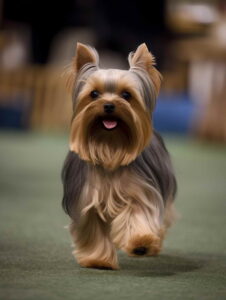
    Toy Size Dog Breeds Yorkshire Terrier
    Toy Size Dog Breeds Yorkshire Terrier

    Yorkshire Terrier

    The Yorkshire Terrier, often affectionately called the “Yorkie,” is a small but feisty breed. With a silky, straight coat and a sprightly personality, Yorkies are known for their confidence and big hearts. They’re a great choice for families and individuals who seek a loyal and spirited companion.
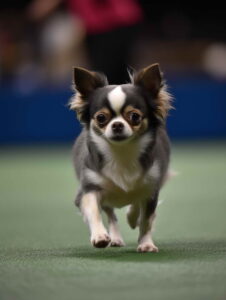
    Toy Size Dog Breeds Chihuahua
    Toy Size Dog Breeds Chihuahua

    Chihuahua

    Chihuahuas are famous for their diminutive size and huge personalities. These little dogs have big, expressive eyes and an alert, inquisitive nature. Chihuahuas are ideal for those looking for a pocket-sized friend with a lot of character.
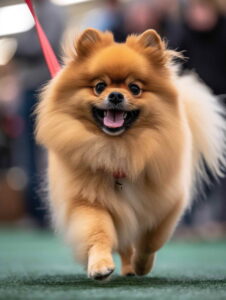
    Toy Size Dog Breeds Pomeranian
    Toy Size Dog Breeds Pomeranian

    Pomeranian

    Pomeranians are fluffy and charming Toy Size Dogs. They have a vibrant personality and are often described as extroverted and confident. With their fluffy double coats and perky ears, Pomeranians are a delight to have around.
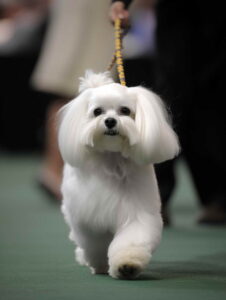
    Toy Size Dog Breeds Maltese
    Toy Size Dog Breeds Maltese

    Maltese

    Maltese dogs are known for their long, flowing white coats and elegant appearance. They are gentle, affectionate, and love being the center of attention. Maltese dogs make wonderful companions for those who appreciate beauty and grace.
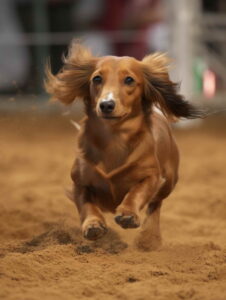
    Toy Size Dog Breeds Dachshund
    Toy Size Dog Breeds Dachshund

    Dachshund

    Dachshunds, often lovingly referred to as “wiener dogs,” are known for their elongated bodies and short legs. Despite their unique appearance, Dachshunds are lively and spirited. They come in various coat types and colors, making them a diverse and exciting addition to any family.

    These are just a few examples of the delightful Toy Size Dog Breeds you can consider as your future four-legged friend. Each breed has its distinct characteristics and quirks, so take the time to research and choose the one that best aligns with your lifestyle and preferences. Whether you opt for a Yorkshire Terrier’s spunk or a Maltese’s elegance, you’re sure to find a loyal and loving companion among these toy-sized treasures.

    Characteristics of Toy Size Dog Breeds

    Toy Size Dog Breeds may be small in stature, but they are big on personality and charm. Their petite size doesn’t limit their ability to capture the hearts of dog lovers worldwide. Let’s delve into the captivating characteristics that make these little canines so special:

    Tiny but Mighty

    Despite their diminutive size, Toy Size Dog Breeds often possess larger-than-life personalities. They exude confidence and fearlessness, which can be utterly endearing. You’ll find that these small dogs have a remarkable ability to stand their ground and assert their presence, often displaying remarkable courage when faced with new experiences.

    Their small size also makes them incredibly portable, allowing you to take them along on various adventures and trips. Whether it’s a weekend getaway or a daily commute, they’re always ready to accompany you, making them the perfect travel companions.

    Temperament

    Toy Size Dog Breeds are known for their friendly and affectionate nature. These tiny dogs tend to form strong bonds with their human companions. They thrive on love, attention, and being part of the family. Their loyalty knows no bounds, and they are likely to shadow you wherever you go.

    Their amiable disposition makes them excellent for families, singles, and seniors alike. They are adaptable and can provide companionship and comfort to people from all walks of life. Toy Size Dogs often have a special way of brightening up your day with their charming antics and devotion.

    Lifespan

    One of the advantages of choosing a Toy Size Dog Breed is their longer lifespan. These diminutive dogs often outlive their larger counterparts, providing many years of companionship and joy. With proper care and attention to their specific needs, you can enjoy your furry friend’s company for a significant portion of your life.

    It’s important to note that a longer lifespan means a more extended commitment to their well-being. Be prepared for the responsibilities that come with ensuring their health and happiness throughout their lives.

    Exercise Needs

    While Toy Size Dog Breeds may not require the same level of exercise as larger breeds, they still benefit from regular physical activity. Daily walks and indoor playtime are essential to keep them healthy and happy. Since they are small, their exercise needs are more manageable, making them an excellent choice for individuals who may not have extensive outdoor spaces.

    However, it’s crucial to strike a balance. While they enjoy playtime, they also appreciate their downtime and cozying up with their human family members. Be mindful of their energy levels and adapt your exercise routines accordingly to keep them content.

    Toy Size Dog Breeds bring an abundance of love and joy into your life, making them ideal companions for those who seek affectionate and loyal pets. Their distinctive characteristics, from their fearless attitude to their adaptability, ensure that they can fit seamlessly into a variety of lifestyles. By understanding and meeting their specific needs, you can enjoy a long, happy, and loving relationship with your toy-sized furry friend.

    Caring for Your Toy Size Dog Breed

    Diet and Nutrition

    A balanced diet is crucial for the health of Toy Size Dog Breeds. Their petite size means they have unique nutritional requirements.

    Grooming

    Toy Size Dog Breeds often have long, luxurious coats that require regular grooming to keep them looking their best. Brushing, bathing, and occasional trips to the groomer are all part of the routine.

    Training

    These intelligent pups can be trained with patience and positive reinforcement. Obedience training is essential to ensure they’re well-behaved companions.

    Health Considerations

    Toy Size Dog Breeds are prone to certain health issues, such as dental problems and luxating patella. Regular veterinary check-ups are vital for their well-being.

    FAQs about Toy Size Dog Breeds

    How big do Toy Size Dog Breeds grow?

    Toy Size Dog Breeds typically weigh between 2 to 12 pounds and stand about 6 to 12 inches tall.

    Do they get along with children and other pets?

    Many Toy Size Dog Breeds are friendly and sociable, making them great companions for families with children and other pets.

    What’s their exercise routine like?

    These little dogs enjoy short, regular walks and indoor playtime. They don’t need extensive exercise but enjoy staying active.

    Are Toy Size Dog Breeds suitable for apartment living?

    Absolutely! Their small size makes them well-suited for apartment or condo living.

    Do they shed a lot?

    It varies by breed, but many Toy Size Dog Breeds have minimal shedding or are considered hypoallergenic.

    What’s their life expectancy?

    Toy Size Dog Breeds often live between 12 to 16 years, depending on the breed and individual care.

    Conclusion

    Toy Size Dog Breeds may be small, but their love and companionship are immeasurable. In this guide, we’ve explored the world of these charming canines, from their unique characteristics to their specific care needs. Whether you’re a seasoned dog owner or a novice, a Toy Size Dog Breed can bring joy and laughter into your life. So, if you’re considering adding one of these pint-sized pups to your family, remember to provide them with the love and care they deserve. Your tiny companion will undoubtedly bring immeasurable happiness to your life.
  • Best Dog Breed For PTSD

    Best Dog Breed For PTSD

    Best Dog Breed For PTSD
    Best Dog Breed For PTSD

    Best Dog Breed For PTSD: Finding Your Perfect Companion

    Introduction

    Living with post-traumatic stress disorder (PTSD) can be challenging, but the unconditional love and support of a four-legged companion can make a world of difference. This article delves into the world of the “Best Dog Breed For PTSD.” Whether you’re a veteran, a survivor, or someone seeking a loyal friend, we’ve got you covered. Let’s embark on this journey together.

    Understanding the Impact of PTSD and How Dog Can Help
    Understanding the Impact of PTSD and How Dogs Can Help

    Understanding the Impact of PTSD and How Dogs Can Help

    PTSD is a complex condition that affects individuals differently. Before we delve into the ideal dog breeds, it’s essential to understand the condition’s impact.

    The Struggles of PTSD

    Living with PTSD often involves dealing with anxiety, flashbacks, and a range of emotional challenges. The right dog breed can provide comfort and emotional support.

    How Dogs Can Help

    Dogs are renowned for their ability to offer emotional support and companionship. They sense your emotions, providing a soothing presence during difficult times.

    Best Dog Breed For PTSD

    When seeking the best dog breed to assist with Post-Traumatic Stress Disorder (PTSD), it’s essential to consider a variety of factors to ensure the ideal match for your unique needs and lifestyle. Not all dogs are created equal when it comes to providing support and comfort during the challenging moments that often accompany PTSD. Here, we delve deeper into the top breeds known for their suitability in assisting individuals with PTSD.

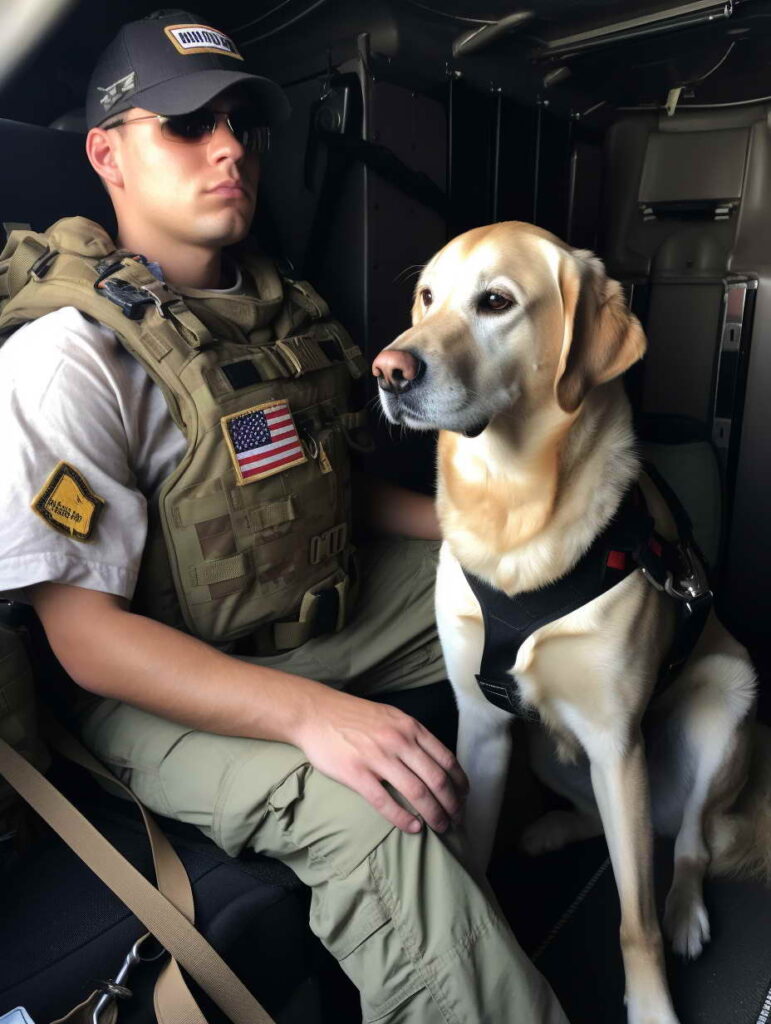
    Best Dog Breed For PTSD Labrador Retriever
    Best Dog Breed For PTSD Labrador Retriever

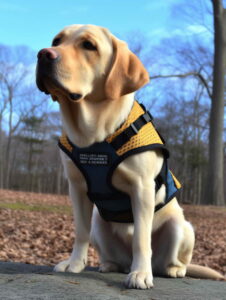
    1. Labrador Retriever

    Labrador Retrievers are renowned for their gentle and loving nature, making them one of the most popular choices for individuals dealing with PTSD. Their calm and patient demeanor is incredibly soothing, and they are known for their ability to sense the emotional needs of their owners. Labradors are highly trainable, which is a significant advantage when it comes to teaching them specific tasks to support those with PTSD. Whether it’s providing deep pressure therapy during moments of anxiety or alerting you to an impending panic attack, Labradors are incredibly versatile and dependable.

    Best Dog Breed For PTSD Golden Retriever
    Best Dog Breed For PTSD Golden Retriever

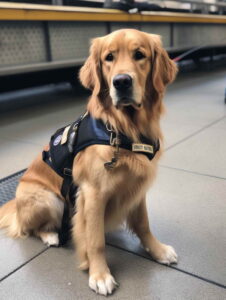
    2. Golden Retriever

    Golden Retrievers are celebrated for their friendly disposition and unwavering loyalty. Their gentle nature and intuitive sense make them ideal companions for individuals dealing with PTSD. Golden Retrievers excel at providing emotional support, and their intuitive nature allows them to pick up on changes in their owner’s mood, offering comfort and solace during difficult times. This breed’s patience and calm demeanor are incredibly valuable for individuals who may experience anxiety or mood swings associated with PTSD.

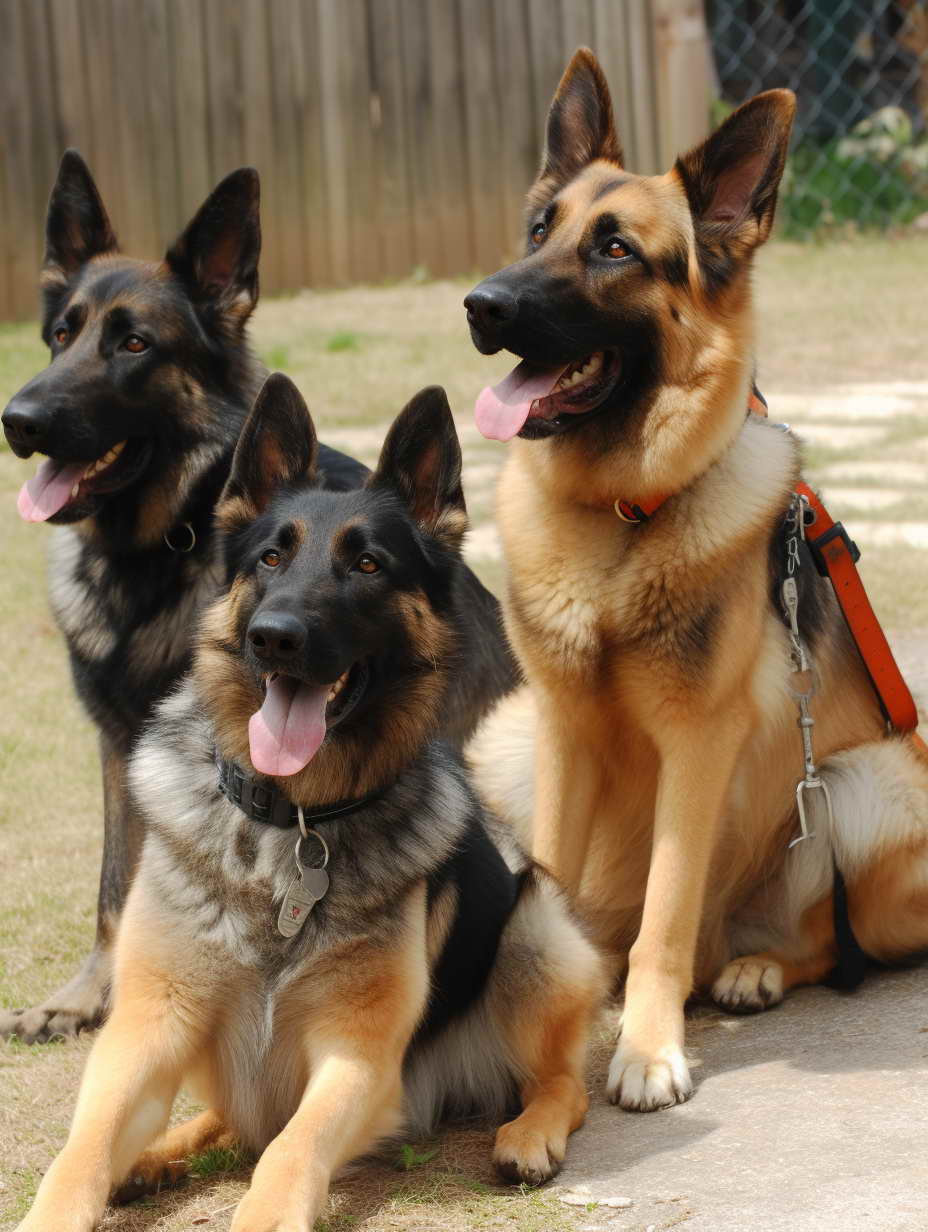
    Best Dog Breed For PTSD German Shepherd
    Best Dog Breed For PTSD German Shepherd

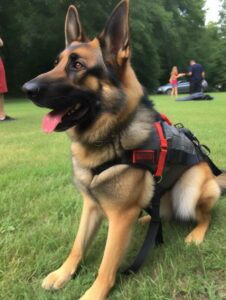
    3. German Shepherd

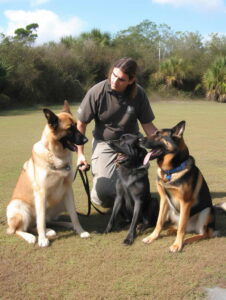
    German Shepherds are known for their intelligence, protective instincts, and strong work ethic, making them excellent service dogs for individuals with PTSD. These dogs are quick learners and can be trained to perform specific tasks that cater to the needs of their owners. German Shepherds provide not only emotional support but also a sense of security. Their protective nature ensures that those with PTSD feel safe in their presence. Moreover, their loyalty and dedication to their owners make them invaluable companions on the path to recovery.

    Best Dog Breed For PTSD Australian Shepherd
    Best Dog Breed For PTSD Australian Shepherd

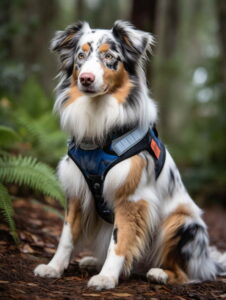
    4. Australian Shepherd

    Australian Shepherds are energetic, intelligent, and highly attuned to their owners’ needs. While they may not have the size and strength of some of the other breeds on this list, their keen senses and boundless energy make them excellent emotional support animals. Australian Shepherds thrive in active households, and their playful disposition can help bring joy and laughter to an otherwise challenging day. Their ability to pick up on their owner’s emotional cues and provide comfort is remarkable.

    Best Dog Breed For PTSD Boxer
    Best Dog Breed For PTSD Boxer

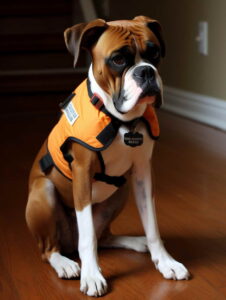
    5. Boxer

    Boxers are strong, affectionate, and protective. Their exuberance and loyalty make them excellent choices for individuals with PTSD. Boxers excel at providing emotional support and companionship, and their protective instincts ensure that their owners feel safe and secure. This breed is known for its unwavering dedication, making them reliable and reassuring companions during the challenging moments that can come with PTSD.

    Most Questions from People About The Best Dog Breed For PTSD

    What is the Best Dog Breed For PTSD?

    The best dog breed for PTSD varies depending on your specific needs. However, Labrador Retrievers, Golden Retrievers, German Shepherds, Australian Shepherds, and Boxers are known to be excellent choices.

    How Can a Dog Help with PTSD?

    Dogs offer emotional support, companionship, and a sense of security. They can sense changes in your mood and provide comfort during difficult times.

    Is Training Required for PTSD Service Dogs?

    Yes, training is crucial for service dogs. Professional training ensures they can assist individuals with PTSD effectively.

    Can Any Dog Be a PTSD Companion?

    While any dog can provide comfort, certain breeds are better suited due to their temperament and characteristics.

    What Should I Consider When Choosing a PTSD Service Dog?

    Consider the dog’s temperament, size, energy level, and your specific needs when selecting a PTSD service dog.

    How Do I Train My Dog to Assist with My PTSD?

    Professional dog trainers can help you train your dog to provide assistance and emotional support tailored to your needs.

    Final Thoughts

    Finding the “Best Dog Breed For PTSD” is a personal journey that depends on your unique needs and lifestyle. Labrador Retrievers, Golden Retrievers, German Shepherds, Australian Shepherds, and Boxers are known for their suitability in assisting individuals with PTSD. Their unwavering loyalty and emotional support can make a profound difference in your life.

  • Bullmastiff Puppy – The Important 6 Key Points Before You Adopt One

    Bullmastiff Puppy – The Important 6 Key Points Before You Adopt One

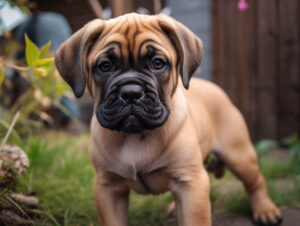
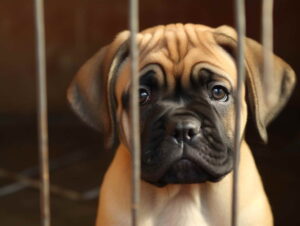
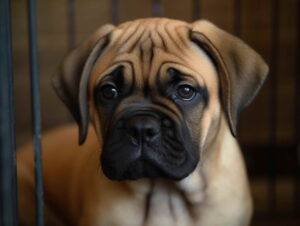
    Bullmastiff Puppy
    Bullmastiff Puppy

    Unleashing the Charm of Bullmastiff Puppy

    Introduction

    Welcome to the world of Bullmastiff puppies! These adorable furballs are not just pets; they are companions, protectors, and bundles of love. If you’re considering bringing home a Bullmastiff puppy, this comprehensive guide is your roadmap to understanding, training, and caring for these majestic canines. So, let’s embark on this journey to discover the charm of Bullmastiff puppies.

    Bullmastiff Puppy Basics
    Bullmastiff Puppy Basics

    1. Bullmastiff Puppy Basics

    Bullmastiff puppies are a unique breed known for their unwavering loyalty and protective nature. In this section, we’ll delve into the fundamental aspects of Bullmastiff puppies.

    What Makes Bullmastiff Puppies Special?

    Bullmastiff puppies are a breed like no other. Their strong, imposing presence is balanced by a gentle and affectionate demeanor. These dogs are renowned for their protective instincts and make excellent family pets.

    Choosing the Perfect Bullmastiff Puppy

    Selecting the right Bullmastiff puppy is crucial. Look for reputable breeders who prioritize the health and well-being of their dogs. Bullmastiffs come in various coat colors, so choose one that captures your heart.

    The Bullmastiff Puppy Temperament

    Understanding your puppy’s temperament is key. Bullmastiff puppies are known for their calm and affectionate nature. They are great with children, making them wonderful family pets.

    Bullmastiff Puppy Breeder
    Bullmastiff Puppy Breeder

    2. Bullmastiff Puppy Breeder

    Finding the right Bullmastiff puppy breeder is a crucial step in your journey to welcoming a new furry family member. A responsible breeder can ensure the health, temperament, and overall well-being of your Bullmastiff puppy. Here are some essential factors to consider when selecting a breeder:

    Reputation and Accreditation

    Start your search by looking for breeders with a solid reputation. Word-of-mouth recommendations from fellow Bullmastiff enthusiasts or referrals from breed clubs can be valuable. Additionally, reputable breeders often belong to recognized kennel clubs and breed associations, which can serve as a mark of credibility.

    Health Screening

    A responsible breeder prioritizes the health of their dogs. They conduct health screenings for genetic conditions that Bullmastiffs may be prone to, such as hip dysplasia, elbow dysplasia, and certain heart conditions. Ask the breeder for the health clearances of the puppy’s parents.

    Ethical Breeding Practices

    Ethical breeders adhere to high standards of care and ethics. They provide a clean and safe environment for the puppies, ensuring they are well-socialized. The breeder should also be willing to answer your questions and concerns about the breed and the puppy’s upbringing.

    Parental Temperament

    The temperament of a Bullmastiff puppy’s parents can be an indicator of what to expect in your new pet. Bullmastiffs should be protective and affectionate. Observing the behavior of the parent dogs can give you insight into the likely disposition of your puppy.

    Contracts and Guarantees

    A good breeder will provide a written contract that outlines the responsibilities of both the breeder and the buyer. This contract often includes health guarantees, return policies, and other essential details. Be sure to read and understand this document thoroughly.

    Home Visit

    Visiting the breeder’s home or kennel can provide you with valuable information. You can assess the living conditions of the puppies, meet the parent dogs, and interact with the breeder. This visit can help you ensure that the breeder is genuine and that the puppies are well cared for.

    Questions and Communication

    Ask the breeder about their experience with Bullmastiffs and how long they have been breeding them. Inquire about the puppy’s diet, vaccination history, and socialization. A transparent and communicative breeder is a positive sign.

    References

    Don’t hesitate to request references from past buyers of the breeder’s puppies. Speaking to people who have already had the Bullmastiff puppy experience with that breeder can provide valuable insights.

    Bullmastiff Puppy Rescue
    Bullmastiff Puppy Rescue

    3. Bullmastiff Puppy Rescue

    If you’re considering bringing a Bullmastiff puppy into your life, another option to explore is adopting one from a rescue or shelter. Adopting a Bullmastiff puppy through rescue organizations can be a rewarding experience that provides a loving home to a pup in need. Here’s what you need to know about Bullmastiff puppy rescue:

    Why Choose Bullmastiff Puppy Rescue

    1. Saving Lives: By adopting from a rescue organization, you’re giving a Bullmastiff puppy a second chance at a happy life. Many rescue puppies have been abandoned or surrendered due to various reasons, and your adoption can make a significant difference in their lives.
    2. Supporting Responsible Breeding Practices: Choosing rescue over buying from breeders discourages irresponsible breeding. It promotes ethical treatment of animals by giving homes to those in need instead of perpetuating mass breeding practices.
    3. Health and Vaccination Records: Most rescue organizations ensure that their puppies are up-to-date on vaccinations and receive proper medical care. This means that your adopted Bullmastiff puppy will likely have a clean bill of health.
    4. Temperament Assessment: Rescue organizations often assess the temperament of their puppies and provide detailed information about their behavior and needs. This can help you find a Bullmastiff puppy that matches your lifestyle and expectations.

    Finding a Bullmastiff Puppy Rescue

    1. Local Shelters: Start your search for a Bullmastiff puppy at local animal shelters or rescue groups. Many shelters have Bullmastiff mixes and purebreds available for adoption.
    2. Breed-Specific Rescues: Some rescue organizations specialize in specific breeds, including Bullmastiffs. These groups are knowledgeable about the breed’s unique needs and can be a great resource for finding a Bullmastiff puppy.
    3. Online Adoption Platforms: Several websites and apps, such as Petfinder and Adopt-a-Pet, allow you to search for Bullmastiff puppies available for adoption in your area. You can filter your search by age, gender, and location.
    4. Social Media and Networking: Joining Bullmastiff-related forums, groups, and social media communities can connect you with individuals who may be rehoming Bullmastiff puppies. Keep an eye out for adoption posts or discussions in these communities.

    The Adoption Process

    1. Application: When you find a Bullmastiff puppy that captures your heart, you’ll need to complete an adoption application. This is a standard procedure that helps rescue organizations ensure that their puppies are going to loving and responsible homes.
    2. Home Visit: Some rescue organizations may conduct a home visit or ask for photos of your living space to ensure it’s a safe and suitable environment for a Bullmastiff puppy.
    3. Adoption Fees: Be prepared to pay an adoption fee, which usually covers the puppy’s vaccinations, spaying/neutering, and other medical expenses. This fee is a fraction of what you would pay for a puppy from a breeder.
    4. Transition Period: Understand that Bullmastiff puppies from rescue organizations may have had challenging pasts. Be patient and prepared to offer love, support, and guidance as your new puppy adjusts to their forever home.
    Training Your Bullmastiff Puppy
    Training Your Bullmastiff Puppy

    4. Training Your Bullmastiff Puppy

    Training a Bullmastiff puppy is a rewarding journey that ensures your pet grows up to be a well-behaved and obedient companion.

    House Training

    Start with the basics – house training. Establish a routine and use positive reinforcement to teach your puppy where and when to do their business.

    Obedience Training

    Bullmastiffs are intelligent dogs, but they can be a bit stubborn. Consistent and patient obedience training is essential. Use treats and praise to motivate your puppy.

    Socialization

    Expose your Bullmastiff puppy to various environments, people, and other animals. This helps them develop good social skills and become confident adults.

    Exercise and Play

    Bullmastiffs require regular exercise to stay healthy and happy. Daily walks and playtime are essential. Don’t overexert them, though, as they are prone to overheating.

    Bullmastiff Puppy Health
    Bullmastiff Puppy Health

    5. Bullmastiff Puppy Health

    Ensuring your Bullmastiff puppy’s well-being is of utmost importance. In this section, we’ll cover common health concerns and how to keep your pup in top shape.

    Common Health Issues

    Bullmastiffs are prone to certain health issues, such as hip dysplasia and bloat. Regular vet check-ups and a balanced diet can help mitigate these risks.

    Grooming

    Despite their short coat, Bullmastiffs do shed, so regular brushing is necessary. Keep their wrinkles clean to prevent infections. Trim their nails and brush their teeth regularly.

    Feeding Your Bullmastiff Puppy

    A high-quality, balanced diet is essential for your puppy’s growth. Consult your vet for recommendations and follow a feeding schedule.

    How Much Does it Cost to Adopt a Mastiff Puppy
    How Much Does it Cost to Adopt a Mastiff Puppy?

    6. How Much Does it Cost to Adopt a Mastiff Puppy?

    When it comes to adopting a Mastiff puppy, the cost can vary considerably based on several factors, including the rescue organization, the region you’re in, and the specific services included in the adoption fee. To provide a better understanding, let’s explore the typical price range in USD for adopting a Mastiff puppy:

    Adoption Fees

    Adoption fees for Mastiff puppies usually range from $200 to $500. These fees are determined by rescue organizations to cover the expenses incurred in preparing the puppy for adoption. Here’s a breakdown of what these fees generally include:

    • Spaying or Neutering: Mastiff puppies are typically spayed or neutered before adoption to promote responsible pet ownership. This surgical procedure is usually included in the adoption fee.
    • Vaccinations: Puppies require a series of vaccinations to protect them from common diseases. The initial rounds of vaccinations are often covered by the adoption fee.
    • Microchipping: Microchipping is a crucial form of identification, and it is typically included in the adoption fee.
    • Basic Health Check: To ensure the puppy is in good overall health, rescue organizations provide a basic health check.
    • Deworming and Flea Prevention: Most puppies receive treatment for common parasites like worms, and they may be provided with flea prevention.
    • Food and Care: The cost of food and general care, which includes feeding and housing the puppies, is often incorporated into the adoption fee.
    • Emergency Medical Care: Some rescue organizations offer limited coverage for emergency medical care shortly after adoption in case unforeseen health issues arise.

    It’s important to note that while these adoption fees may appear to be a significant upfront cost, they are a fraction of what you would spend on these services if you were to acquire a Mastiff puppy through other means.

    Additional Costs

    Apart from the adoption fee, there are additional expenses to consider when bringing a Mastiff puppy into your home:

    • Supplies: Initial supplies such as a collar, leash, food and water dishes, bedding, and toys can cost between $100 and $200.
    • Training and Socialization: Proper training and socialization are crucial for Mastiff puppies. The cost of training classes or private sessions can range from $100 to $500 or more.
    • Food: High-quality dog food is essential for your Mastiff’s health. Plan for ongoing food costs, which can range from $50 to $100 per month.
    • Grooming: Grooming expenses vary based on your Mastiff’s coat type. Basic grooming may cost around $50 to $75 per session, while more extensive grooming services can cost upwards of $100.
    • Vet Care: Although the initial vaccinations and spaying/neutering are usually covered in the adoption fee, ongoing veterinary care, including routine check-ups and vaccinations, should be budgeted for. Regular vet visits may range from $100 to $300 per year.

    Budgeting for Your Mastiff Puppy

    In total, adopting a Mastiff puppy and providing for their needs can require an initial investment of $500 to $800 or more, depending on various factors. However, it’s crucial to consider the ongoing costs associated with pet ownership, which can add up to several hundred dollars per year. Budgeting for your Mastiff puppy’s needs is essential to ensure they receive the care and attention they require throughout their life.

    Common Questions About Bullmastiff Puppy
    Common Questions About Bullmastiff Puppy?

    Common Questions About Bullmastiff Puppy

    How big do Bullmastiff puppies get?

    Bullmastiffs can grow to be around 24 to 27 inches tall and weigh between 100 to 130 pounds.

    Are Bullmastiff puppies good with children?

    Yes, Bullmastiffs are known for being excellent with children. They are protective and gentle, making them great family pets.

    How much exercise do Bullmastiff puppies need?

    Bullmastiff puppies need moderate exercise, including daily walks and playtime. Be mindful of their size and avoid overexertion.

    Do Bullmastiff puppies drool a lot?

    Yes, Bullmastiffs are prone to drooling, so keep a towel handy!

    When should I start training my Bullmastiff puppy?

    Start training as early as possible to establish good habits and socialization.

    How can I find a reputable Bullmastiff breeder?

    Look for breeders who prioritize health and ethics. Seek recommendations from Bullmastiff clubs and do thorough research.

    Final thoughts

    In conclusion, Bullmastiff puppies are a fantastic addition to any family. Their loyalty, protective nature, and loving demeanor make them the perfect companions. Remember, training and proper care are the keys to raising a healthy and happy Bullmastiff. So, go ahead and embrace the joy of having a Bullmastiff puppy in your life!

  • What Is the Best Dog Breed for Hiking

    What Is the Best Dog Breed for Hiking

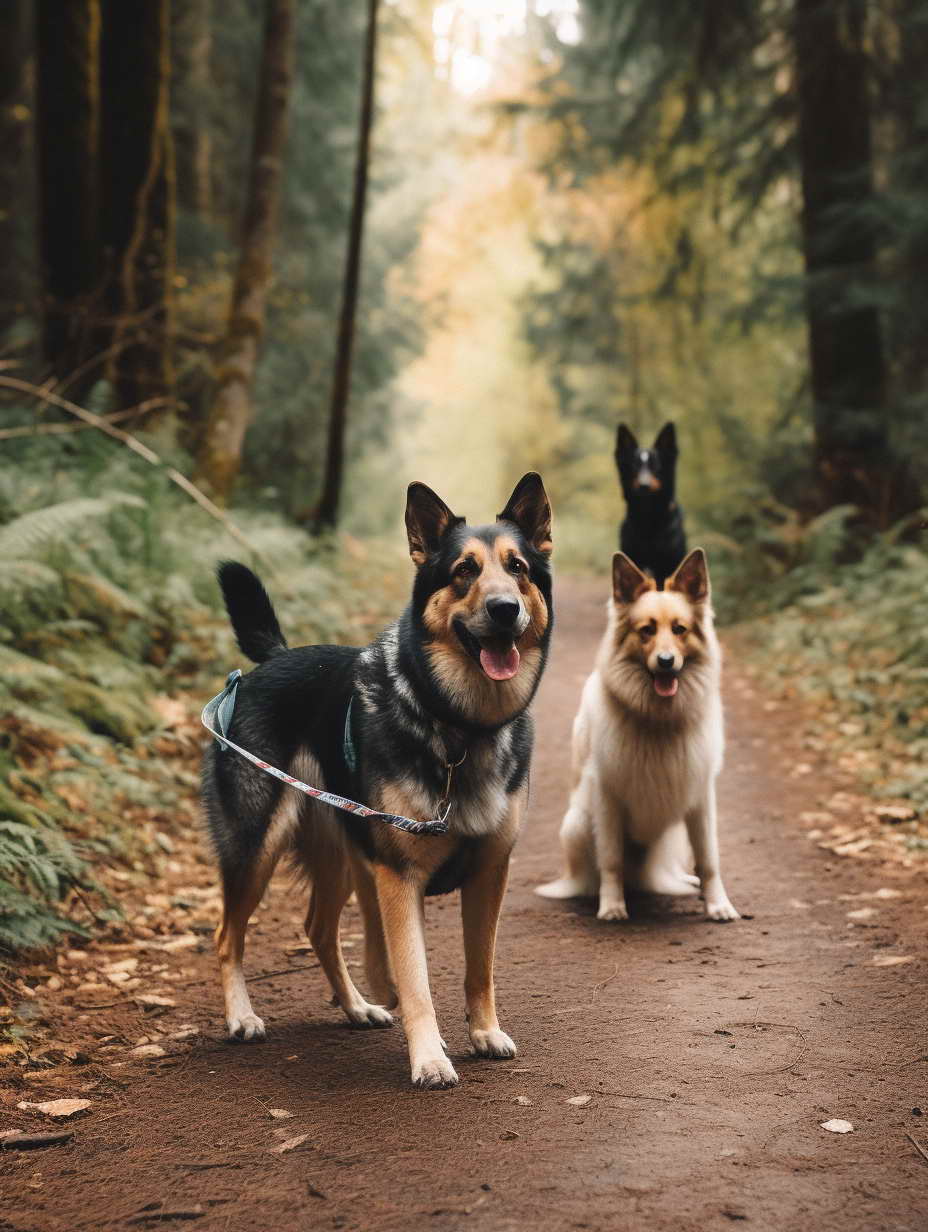
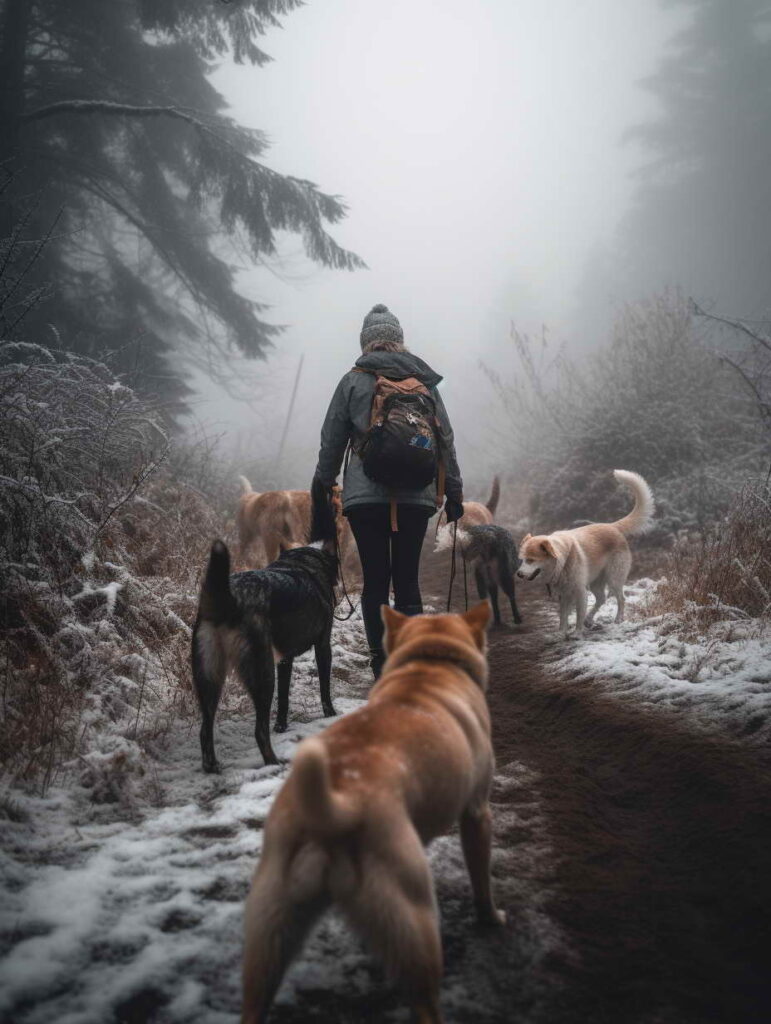
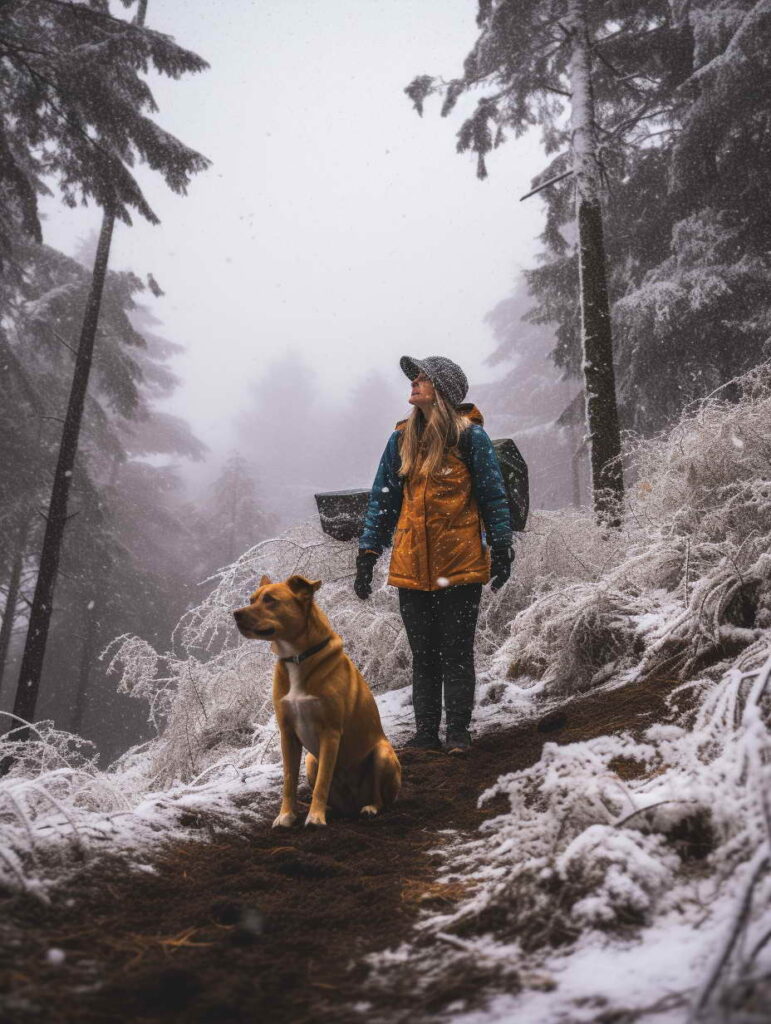
    Best Dog Breed for Hiking

    What Is the Best Dog Breed for Hiking: Exploring the Perfect Companion

    Are you an outdoor enthusiast looking for a furry hiking buddy? Choosing the right dog breed for hiking can make all the difference in your adventures. In this comprehensive guide, we’ll explore the best dog breeds that are perfect for hiking, ensuring you have a trustworthy and adventurous companion by your side. From energetic trailblazers to steadfast hikers, we’ve got you covered.

    Introduction

    Hiking is not just a great way to connect with nature; it’s also an excellent form of exercise. But to make the most of your hiking experience, having the right canine companion is crucial. Your dog should be energetic, adaptable, and a true partner on the trails. Let’s dive into the world of hiking with dogs and find the best breed for you.

    What Is the Best Dog Breed for Hiking

    What the Best Dog Breed for Hiking Offers

    Are you wondering what makes a specific dog breed ideal for hiking? Well, here are some common traits that the best hiking dog breeds possess:

    1. Endurance: Hiking often involves long treks, so a dog with endurance is essential.
    2. Energetic: Dogs with boundless energy will keep you motivated and active on the trail.
    3. Size: Consider the size of the dog. Smaller dogs are more agile, while larger ones can handle rough terrains.
    4. Temperament: A good hiking dog should be friendly, obedient, and easy to train.
    5. Adaptability: Dogs that can handle various weather conditions and terrains are perfect for hiking.
    6. Health: Ensure your dog is healthy, free from joint issues, and up-to-date on vaccinations.

    Now, let’s explore the best dog breeds for hiking:

    Labrador Retriever

    Labrador Retrievers are the golden standard of hiking companions. They are not only friendly and energetic but also highly adaptable to different terrains. Their intelligence and obedience make them easy to train, making them a favorite choice for many hikers.

    Border Collie

    Border Collies are known for their agility and intelligence. They make excellent hiking partners due to their boundless energy and loyalty. Their herding instincts will keep you on the right path, and their love for the outdoors is unmatched.

    German Shepherd

    German Shepherds are not only protective but also great hiking companions. Their strength and endurance are perfect for long hikes. Plus, their intelligence makes them easy to train and ensures they follow your lead on the trails.

    Australian Shepherd

    Australian Shepherds are highly active and thrive in outdoor environments. They’re intelligent and obedient, and their herding instincts will keep you safe and on track. With their striking appearance, they make for fantastic hiking buddies.

    Golden Retriever

    Golden Retrievers are known for their friendly and lovable nature. They are great with kids and make wonderful family hiking partners. Their enthusiasm and loyalty will ensure you have a great time on the trails.

    Siberian Husky

    Siberian Huskies are bred for endurance and thrive in cold climates. If you’re an avid winter hiker, this breed is perfect for you. Their striking appearance and playful nature make them a unique choice.

    Beagle

    Beagles might be small, but they are full of energy and curiosity. Their size makes them agile, and their hunting instincts will keep your hikes exciting. Be prepared to stop and explore as your Beagle sniffs out interesting scents.

    Vizsla

    Vizslas are often called “Velcro dogs” because of their loyalty. They are incredibly affectionate and will stay by your side on every hiking adventure. Their boundless energy and agility make them a great choice for the trails.

    What the Best Dog Breed for Hiking Offers

    FAQs

    How do I prepare my dog for a hiking trip?

    To prepare your dog for a hiking trip, start with short walks and gradually increase the distance. Ensure they are trained and well-behaved, carry enough water and food for your dog, and be aware of the terrain and weather conditions.

    Are there any specific dangers while hiking with dogs?

    Yes, there are dangers like wildlife encounters, heatstroke, and rough terrains. It’s essential to keep your dog on a leash, watch out for signs of exhaustion, and be prepared with a first-aid kit.

    What is the best way to introduce a puppy to hiking?

    Start with short, easy hikes and gradually increase the difficulty. Ensure your puppy is old enough to handle the physical demands of hiking and consider obedience training.

    Should I invest in hiking gear for my dog?

    Yes, investing in hiking gear for your dog, such as a harness, boots, and backpack, can improve their comfort and safety on the trails.

    Can any dog breed go hiking?

    While many breeds can hike, not all are suited for it. Consider your dog’s energy level, size, and health before taking them on a hike.

    How do I protect my dog from wildlife encounters while hiking?

    To protect your dog from wildlife encounters, keep them on a leash, make noise to alert animals to your presence, and be knowledgeable about the wildlife in your hiking area.

    Conclusion

    Choosing the right dog breed for hiking can transform your outdoor adventures into memorable experiences. Labrador Retrievers, Border Collies, German Shepherds, and other breeds mentioned here all have unique qualities that make them exceptional hiking companions. Remember to consider your dog’s temperament, energy level, and the type of hikes you plan to embark on.

  • Basenji Dog Breed For Sale

    Basenji Dog Breed For Sale

    Basenji Dog Breed For Sale

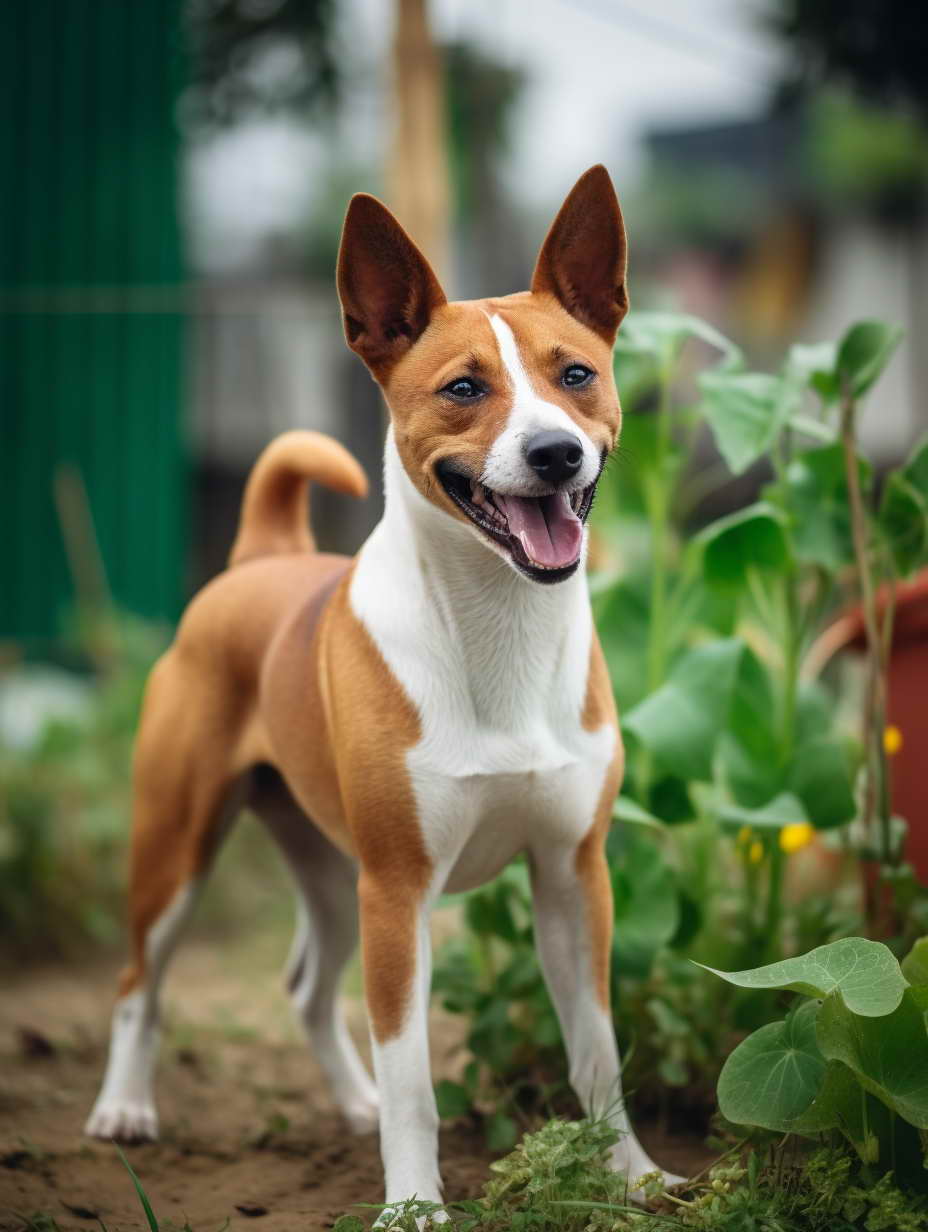
    How To Find Basenji Dog Breed For Sale

    Introduction

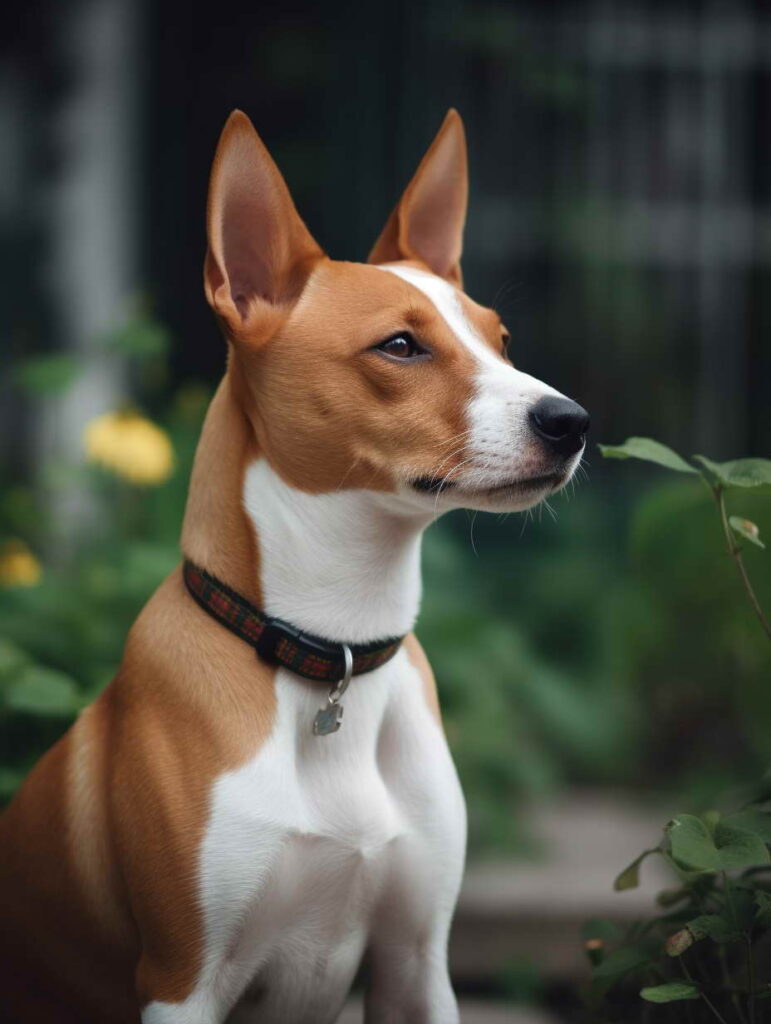
    So, you’ve decided to bring a Basenji dog into your life, but you’re wondering how to find one for sale. Worry not! This article will guide you through the process step by step. Basenjis are known for their distinctive appearance and intelligent personalities. By the end of this article, you’ll have a solid understanding of where and how to find Basenji dog breeds for sale.

    Where to Start Your Search

    If you’re eager to find a Basenji dog for sale, it’s crucial to begin your search in the right places. Here are some key options to consider:

    Local Pet Shelters and Rescue Organizations

    Local pet shelters and rescue organizations are often the unsung heroes in the quest to find a Basenji. While these facilities primarily focus on rescuing dogs of all breeds, they can occasionally have Basenjis available for adoption. Here’s why you should give them a chance:

    • Saving a Life: Adopting a Basenji from a shelter means you’re giving a dog a second chance at a happy life. These dogs may have had unfortunate circumstances in the past, and your loving home can provide them with a brighter future.
    • Purebred Possibilities: It’s a common misconception that shelters only have mixed-breed dogs. Basenjis, being a distinctive breed, do find their way into shelters. It’s an excellent option for those who want a purebred dog without supporting the breeding industry.
    • Lower Costs: Adopting a Basenji from a shelter is typically more budget-friendly than purchasing from a breeder. The adoption fee often covers vaccinations, spaying/neutering, and sometimes even microchipping.
    • Personal Satisfaction: There’s a unique sense of fulfillment that comes from giving a rescued Basenji a loving home. You become their hero and the bond that forms can be incredibly strong.

    Reputable Breeders

    Reputable breeders are another viable route to finding a Basenji dog for sale. However, it’s crucial to exercise due diligence to ensure you’re dealing with a responsible breeder who genuinely cares about the breed’s welfare. Here’s what you should keep in mind:

    • Ethical Breeding Practices: A reputable breeder adheres to high ethical standards in their breeding practices. They prioritize the health and well-being of their dogs over profit.
    • Health Clearances: Ask the breeder for health clearances for the puppy’s parents. This ensures that the puppy is less likely to inherit genetic health issues.
    • Meet in Person: Whenever possible, visit the breeder’s facilities in person. This allows you to see the conditions in which the dogs are raised and gauge the breeder’s professionalism.
    • References and Reviews: Seek references from previous customers or check online reviews. Positive feedback from others who’ve purchased puppies from the breeder is a good sign.

    Online Pet Adoption Websites

    The internet has made it easier than ever to find Basenji dogs for sale through online pet adoption websites. Some popular platforms to consider include:

    • Petfinder: Petfinder is a widely used platform that lists pets available for adoption. You can narrow your search based on location, breed, age, and other preferences to find a Basenji that suits your needs.
    • Adopt-a-Pet: Similar to Petfinder, Adopt-a-Pet allows you to search for Basenjis available for adoption. The platform often provides detailed information about the dogs and their history.
    • Communication is Key: When you find a Basenji that interests you, be sure to communicate with the current owner or organization. Ask questions about the dog’s behavior, health, and any specific requirements.

    How To Find Basenji Dog Breed For Sale

    How Much Does It Cost to Adopt a Basenji Dog Breed?

    When considering adopting a Basenji dog, it’s essential to understand the potential costs involved. The price can vary significantly depending on various factors. Here’s an overview of the typical price range for adopting a Basenji in the United States:

    Price Range

    The cost of adopting a Basenji dog breed can range from approximately $800 to $2,500. This price range can fluctuate due to several factors:

    1. Breeder Reputation: Reputable breeders who have established themselves in the Basenji community tend to charge higher prices. Their experience, commitment to breed standards, and the quality of their breeding program can command a premium.
    2. Bloodline and Pedigree: The lineage of the Basenji puppy plays a significant role in pricing. Dogs from champion bloodlines or with exceptional pedigrees may cost more.
    3. Geographic Location: The cost of living in your area can influence the price. In urban areas with higher living expenses, you might find Basenjis priced at the upper end of the range.
    4. Inclusions: Some breeders may include additional services or benefits in the adoption fee, such as initial vaccinations, microchipping, or spaying/neutering. These inclusions can affect the overall cost.
    5. Age of the Basenji: Puppies are generally more expensive than adult Basenjis. If you’re open to adopting an older Basenji, you may find them at the lower end of the price range.
    6. Demand and Availability: The demand for Basenjis in your region can impact pricing. In areas with fewer available Basenjis, prices may be higher.

    It’s important to note that while adopting a Basenji from a reputable breeder tends to be more expensive, you are likely to receive a puppy that has received proper care, socialization, and health checks. This can save you money on potential veterinary expenses in the long run.

    Additional Costs

    In addition to the adoption fee, you should also consider the ongoing costs of Basenji ownership:

    • Veterinary Care: Regular check-ups, vaccinations, and preventive care are essential for your Basenji’s well-being.
    • Food and Supplies: Budget for high-quality dog food, treats, toys, and other supplies.
    • Training and Socialization: Basenjis are intelligent but independent dogs. Professional training may be necessary to ensure they are well-behaved.
    • Grooming: Basenjis have short, low-maintenance coats, but grooming needs should still be considered.
    • Licensing and Identification: Ensure your Basenji is properly licensed and identified with tags or microchipping.
    • Emergency Expenses: Have a financial cushion for unexpected veterinary bills or emergencies.

    While the initial adoption cost is a significant consideration, the long-term expenses of Basenji ownership should also be factored into your decision. Remember that the love, companionship, and joy a Basenji can bring to your life are priceless and well worth the investment.

    Frequently Asked Questions

    How much should I expect to pay for a Basenji puppy?

    • The price of a Basenji puppy varies depending on factors like the breeder’s reputation and bloodline.
    • On average, you can expect to pay between $800 and $2,500 for a Basenji puppy.

    What health considerations should I keep in mind?

    • Basenjis are generally healthy dogs, but they can be prone to specific conditions.
    • Ensure that the breeder provides health clearances for the puppy’s parents.
    • Regular veterinary check-ups are essential for maintaining your Basenji’s well-being.

    How do I know if the breeder is reputable?

    • Research the breeder’s history and reputation.
    • Ask for references from previous customers.
    • A reputable breeder will be open and transparent about their breeding practices and the puppy’s living conditions.

    Is adopting a Basenji a good option?

    • Adopting a Basenji from a shelter or rescue organization is a noble choice.
    • Many well-adjusted Basenjis are looking for loving homes.
    • Be prepared to provide patience and understanding, as adopted dogs may have experienced trauma.

    Are Basenjis suitable for families with children?

    • Basenjis can be great family pets but require early socialization.
    • Teach children how to interact with the dog and respect its boundaries.
    • Always supervise interactions between your Basenji and young children.

    What should I look for in a Basenji puppy?

    • Look for a Basenji puppy with a good temperament and social behavior.
    • Observe their energy levels and compatibility with your lifestyle.
    • Ensure the puppy has received proper vaccinations and care.

    Conclusion

    Finding a Basenji dog breed for sale is an exciting journey that requires careful research and consideration. Whether you choose to adopt or purchase from a breeder, ensure that you provide a loving and suitable home for your new furry friend. By following the tips provided in this guide, you’ll be well on your way to welcoming a Basenji into your life.
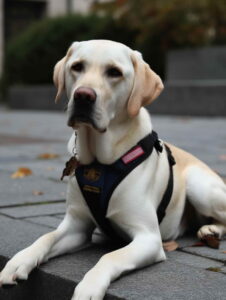
  • Best Dog Breed For Service Dogs – Why These 5 Dog Breeds Are The Perfect Choice!

    Best Dog Breed For Service Dogs – Why These 5 Dog Breeds Are The Perfect Choice!

    Best Dog Breed For Service Dogs Poodle

    Best Dog Breed For Service Dogs

    Introduction

    Selecting the best dog breed for service dogs is a crucial decision that requires careful consideration. Service dogs play an invaluable role in assisting individuals with disabilities and special needs. Their unique abilities and qualities make a world of difference in the lives of their owners. In this article, we’ll delve into the world of service dogs and explore the top dog breeds known for their intelligence, temperament, and suitability for various tasks.

    The Ultimate Companions: Service Dogs

    Service dogs are not just pets; they are highly trained professionals who provide essential assistance to individuals with disabilities. These incredible canines are trained to perform a wide range of tasks, from guiding the visually impaired to alerting those with hearing impairments to life-saving responses for individuals with medical conditions. To ensure they excel in their roles, choosing the right breed is paramount.

    Best Dog Breed For Service Dogs Labrador Retriever

    1. The Versatile Labrador Retriever

    When it comes to selecting the best dog breed for service dogs, the Labrador Retriever stands out as a top choice. These lovable canines have earned their place as one of the most popular service dog breeds for a variety of compelling reasons.

    Intelligence and Obedience

    Labrador Retrievers are renowned for their exceptional intelligence and willingness to obey commands. These traits are fundamental in service dog, as they need to learn and perform a wide range of tasks to assist their owners effectively. Their ability to quickly grasp commands and execute them with precision is a hallmark of the breed.

    Calm and Friendly Temperament

    One of the Labrador Retriever’s most endearing qualities is their calm and friendly temperament. Their affable nature makes them well-suited for service roles that require interaction with individuals who may be going through challenging situations. Whether it’s providing emotional support or assisting children with disabilities, Labradors are known for their gentle and patient demeanor.

    Versatility in Service Roles

    Labradors excel in a diverse array of service roles, making them an ideal choice for individuals with various needs. They are commonly used as guide dogs for the visually impaired, where their exceptional training and keen sense of direction help their owners navigate safely. Additionally, Labradors are often employed as therapy dogs, offering emotional support to those in hospitals, nursing homes, and rehabilitation centers.

    Mobility Assistance

    Another crucial service area where Labradors shine is in mobility assistance. They are trained to help individuals with mobility impairments by providing support and stability. Labradors can assist their owners in standing up, walking, and even fetching items. Their strength, combined with their gentle nature, makes them the perfect companion for people with physical disabilities.

    Exceptional Problem-Solving Skills

    Labradors are known for their problem-solving abilities. In service roles, this quality is invaluable. They can quickly assess situations and adapt to meet the specific needs of their owners. Whether it’s responding to medical emergencies, alerting their owners to sounds, or providing comfort during times of distress, Labradors demonstrate their remarkable problem-solving skills.

    Bond with Owners

    The strong bond that Labradors form with their owners is truly special. They become not just service animals but beloved family members. This deep connection ensures that Labradors are always attuned to their owner’s needs and can provide the required assistance promptly and effectively.

    Best Dog Breed For Service Dogs Golden Retriever

    2. The Gentle and Caring Golden Retriever

    When it comes to service dogs, the Golden Retriever is a breed known for its gentle and caring nature. These beautiful canines are not only striking in appearance but also possess a host of qualities that make them an excellent choice for service roles.

    Gentle and Patient Temperament

    One of the defining features of Golden Retrievers is their gentle and patient temperament. They have a natural affinity for empathy and are exceptionally attuned to the emotions and needs of those around them. This makes them perfect for roles that require emotional support, especially when working with children and individuals with disabilities.

    High Intelligence and Trainability

    Golden Retrievers are highly intelligent dogs. Their willingness to learn and respond to training commands makes them stand out in service roles. They can quickly grasp a wide range of tasks, from retrieving items for individuals with mobility impairments to alerting to medical issues. Their intelligence and trainability contribute to their effectiveness as service dogs.

    Comfort and Emotional Support

    One of the areas where Golden Retrievers shine is in providing comfort and emotional support. They have an uncanny ability to sense when their owners are feeling anxious, stressed, or sad. In response, they offer comfort and companionship, which can be incredibly soothing for those facing emotional challenges. This quality is particularly valuable in therapy and emotional support roles.

    Adaptability

    Golden Retrievers are incredibly adaptable, which is crucial for service roles where the environment and tasks can vary greatly. Whether they are accompanying their owner to a bustling shopping center or providing support at a quiet therapy session, Golden Retrievers adjust well to diverse situations. This adaptability ensures they can perform their service tasks effectively in various scenarios.

    Excellent with Children

    Golden Retrievers have a special affinity for children. Their patient and friendly demeanor makes them ideal companions for youngsters with disabilities. They not only offer physical assistance but also emotional support, creating a strong bond with their young owners. This bond can be transformative, boosting the child’s confidence and independence.

    Retrieval and Alert Abilities

    Golden Retrievers excel in tasks that require retrieving items or alerting their owners to specific situations. For individuals with mobility impairments, these dogs can fetch objects, open doors, or even assist with dressing. In medical alert roles, they can detect changes in their owner’s condition and signal for help when necessary.

    Best Dog Breed For Service Dogs German Shepherd

    3. The Loyal and Protective German Shepherd

    When it comes to selecting the best dog breed for service dogs, the German Shepherd stands as a prime example of loyalty, intelligence, and protectiveness. These remarkable canines are renowned for their versatility in service roles and their unwavering dedication to their owners.

    Loyalty and Protective Instincts

    German Shepherds are celebrated for their unwavering loyalty to their owners. They have a strong protective instinct that makes them ideal for roles where safeguarding their owners is paramount. Whether it’s guiding a visually impaired person or assisting in search and rescue operations, the German Shepherd’s protective nature shines through.

    Versatility in Service Roles

    German Shepherds excel in a wide range of service roles. Their versatility is one of their defining qualities, making them suitable for tasks that require intelligence, agility, and adaptability. These roles include guiding the visually impaired, mobility support, search and rescue, and even police work. Their ability to quickly respond to changing situations is a key asset in these roles.

    Exceptional Senses

    German Shepherds possess exceptional senses, including acute hearing and a keen sense of smell. These attributes are invaluable when it comes to detecting changes in their owner’s environment or health. They can alert individuals with hearing impairments to sounds and signals, or they can identify shifts in a person’s medical condition, providing timely assistance.

    Agility and Athleticism

    German Shepherds are known for their agility and athleticism. This physical prowess is advantageous in roles that require them to perform tasks such as opening doors, navigating obstacles, and providing mobility support. Their strength and dexterity enable them to assist their owners effectively in various situations.

    Problem-Solving Skills

    German Shepherds exhibit remarkable problem-solving skills, which are essential in service roles. They can assess complex situations, make decisions, and adapt their actions to meet their owner’s needs. This ability to think on their paws is particularly valuable during search and rescue operations, where they may need to locate missing persons in challenging environments.

    Strong Work Ethic

    German Shepherds have a strong work ethic and thrive when they have a sense of purpose. This dedication to their tasks is a cornerstone of their success as service dogs. They are willing to put in the effort required to perform their duties, and this dedication greatly benefits their owners.

    Best Dog Breed For Service Dogs Poodle

    4. The Astute Poodle: A Service Dog Extraordinaire

    The Poodle, often recognized for its distinctive appearance and hypoallergenic coat, is a breed with exceptional intelligence and adaptability, making it a superb choice for service dog roles.

    Hypoallergenic Coat

    One notable feature of Poodles is their hypoallergenic coat. This unique quality makes them an ideal option for individuals with allergies or asthma. Poodle hair is less likely to trigger allergic reactions, allowing more people to benefit from their services without compromising their health.

    Remarkable Intelligence

    Poodles are consistently ranked as one of the most intelligent dog breeds. Their sharp minds and quick learning abilities are essential attributes for service dogs. This intelligence allows them to understand and execute a wide range of tasks, from medical alert duties to mobility assistance.

    Alertness and Agility

    Poodles are known for their alertness and agility. These qualities are invaluable in roles where a service dog needs to respond swiftly to changes in their owner’s condition or environment. They can navigate obstacles, open doors, or provide physical support with grace and precision.

    Ideal for Medical Alert

    Due to their intelligence and keen senses, Poodles are often selected for medical alert roles. They can detect changes in their owner’s health, such as drops in blood sugar or impending seizures, and provide timely warnings. This capability can be life-saving for individuals with specific medical conditions.

    Versatility in Service Roles

    Poodles’ adaptability allows them to excel in various service roles, ranging from mobility support to emotional assistance. Their versatile skill set makes them an excellent choice for individuals with diverse needs, as Poodles can be trained to provide specific assistance tailored to their owner’s requirements.

    Affectionate and Loyal

    Poodles are also known for their affectionate and loyal nature. They form strong bonds with their owners, providing not only practical assistance but also emotional support. Their companionship can greatly enhance the well-being of individuals with disabilities or those in need of emotional comfort.

    Best Dog Breed For Service Dogs Great Dane

    5. The Gentle Giant: The Great Dane in Service Roles

    The Great Dane, often referred to as the “gentle giant,” may not be the first breed that comes to mind for service dog roles due to their size, but these remarkable dogs have qualities that make them an excellent choice, especially for tasks requiring mobility support and stability.

    Calm and Friendly Disposition

    Great Danes are renowned for their calm and friendly disposition. Despite their imposing size, they are incredibly gentle and well-mannered. This calm nature is a valuable asset in service roles, particularly when providing assistance to individuals with mobility issues or balance challenges.

    Ideal for Mobility Support

    One of the key areas where Great Danes excel is in providing mobility support. Their size and strength make them the perfect choice for individuals who require assistance with standing, walking, or maintaining balance. Great Danes can be trained to support their owners, allowing them to lead more independent lives.

    Steady and Stable

    Great Danes are incredibly steady and stable, both in their temperament and physical presence. They are not easily startled, which is advantageous in situations where sudden movements or noises might cause distress to their owners. This steadiness ensures that individuals with anxiety or sensory sensitivities can rely on their Great Dane service dogs for support.

    Adaptability

    While their size may lead to the assumption that Great Danes are only suited for specific roles, they are, in fact, quite adaptable. Their gentle and affable nature makes them versatile companions for various service tasks, including providing emotional support, therapy, or aiding individuals with specific medical conditions.

    Emotional Support

    Great Danes have a special knack for providing emotional support. Their gentle demeanor and strong bond with their owners allow them to offer comfort during times of stress or anxiety. They can sense when their owner needs reassurance and provide a calming presence.

    Loyal Companions

    Great Danes are known for their loyalty and deep attachment to their owners. They form strong bonds that go beyond mere service. Great Dane service dogs become beloved members of the family, offering unwavering companionship and a sense of security to their owners.

    FAQ’s

    What breeds are most commonly used as service dogs?

    Labrador Retrievers, Golden Retrievers, German Shepherds, Poodles, and Great Danes are some of the most common breeds used as service dogs.

    Are there specific breeds best for children with disabilities?

    Golden Retrievers and Labrador Retrievers are often recommended for children with disabilities due to their gentle nature and adaptability.

    What tasks can service dogs perform?

    Service dogs can perform a wide range of tasks, including guiding the visually impaired, alerting the hearing impaired, providing emotional support, and even assisting in medical emergencies.

    Do service dogs require special training?

    Yes, service dogs undergo extensive training to perform their specific tasks. This training ensures they can assist their owners effectively.

    Can any breed become a service dog?

    While any breed has the potential to be a service dog, certain breeds are better suited due to their temperament, intelligence, and physical attributes.

    How can I get a service dog?

    To obtain a service dog, individuals typically go through accredited organizations specializing in service dog training. They will match you with a dog that suits your specific needs and provide the necessary training.

    Conclusion

    Choosing the best dog breed for service dogs is a significant decision that impacts the quality of life for individuals with disabilities. Each of the mentioned breeds has unique qualities that make them suitable for various service roles. However, it’s essential to remember that individual temperament and training play a significant role in a service dog’s success. When selecting a service dog, consult with professionals and organizations to ensure a perfect match that will enhance your quality of life.