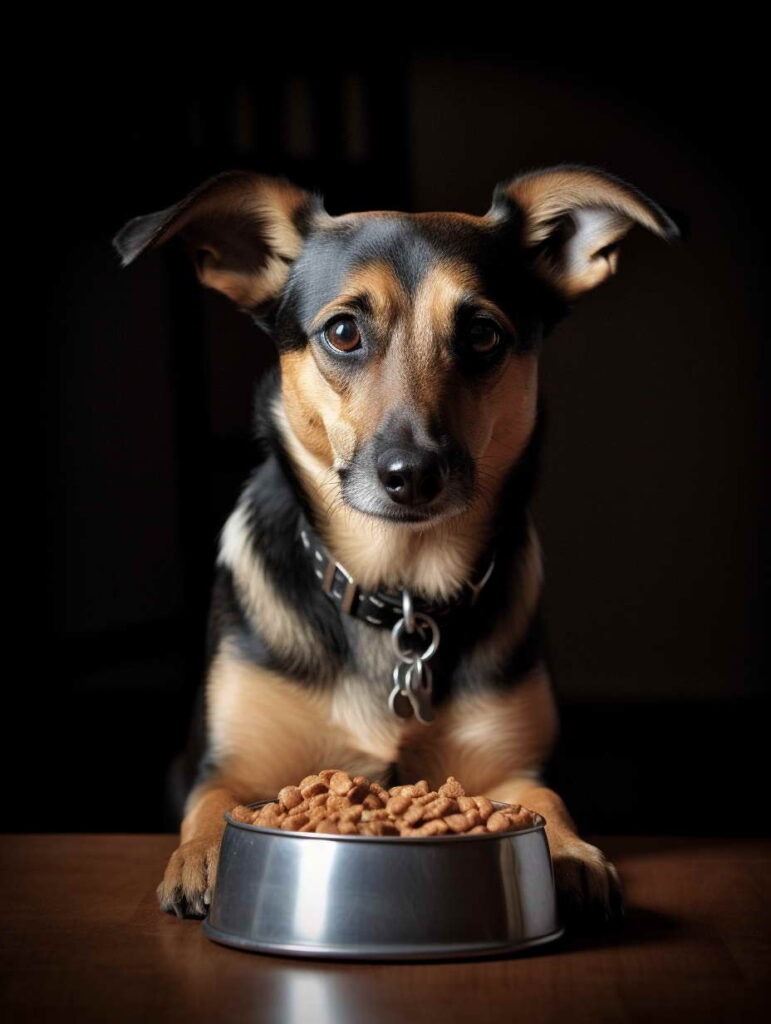
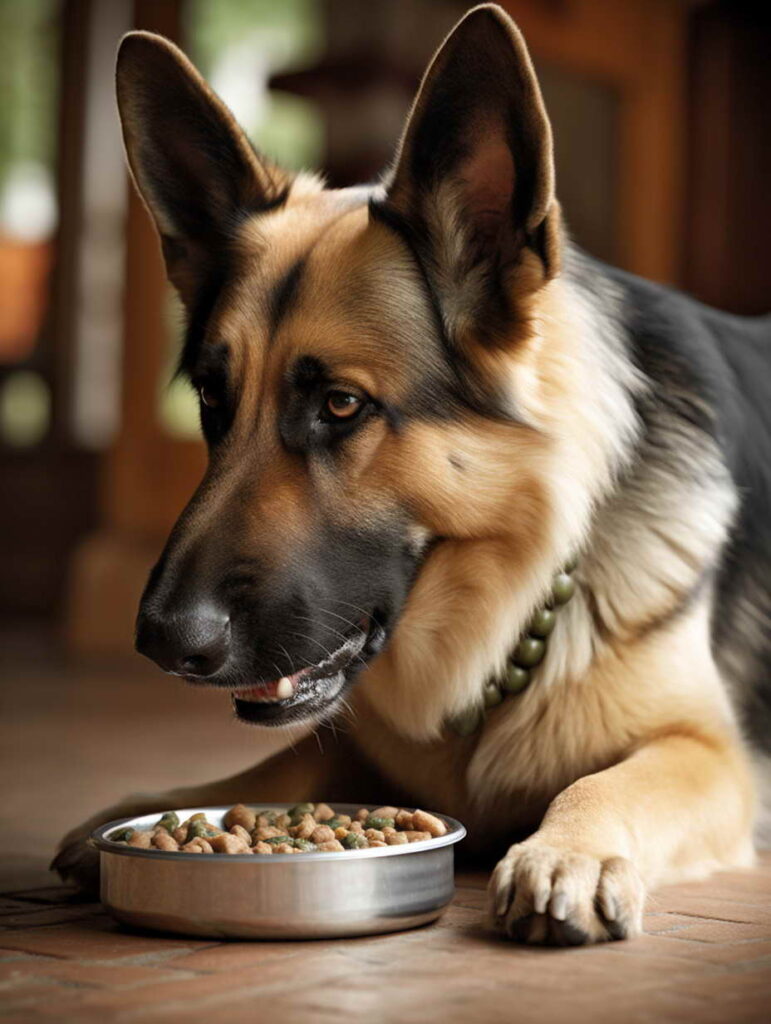
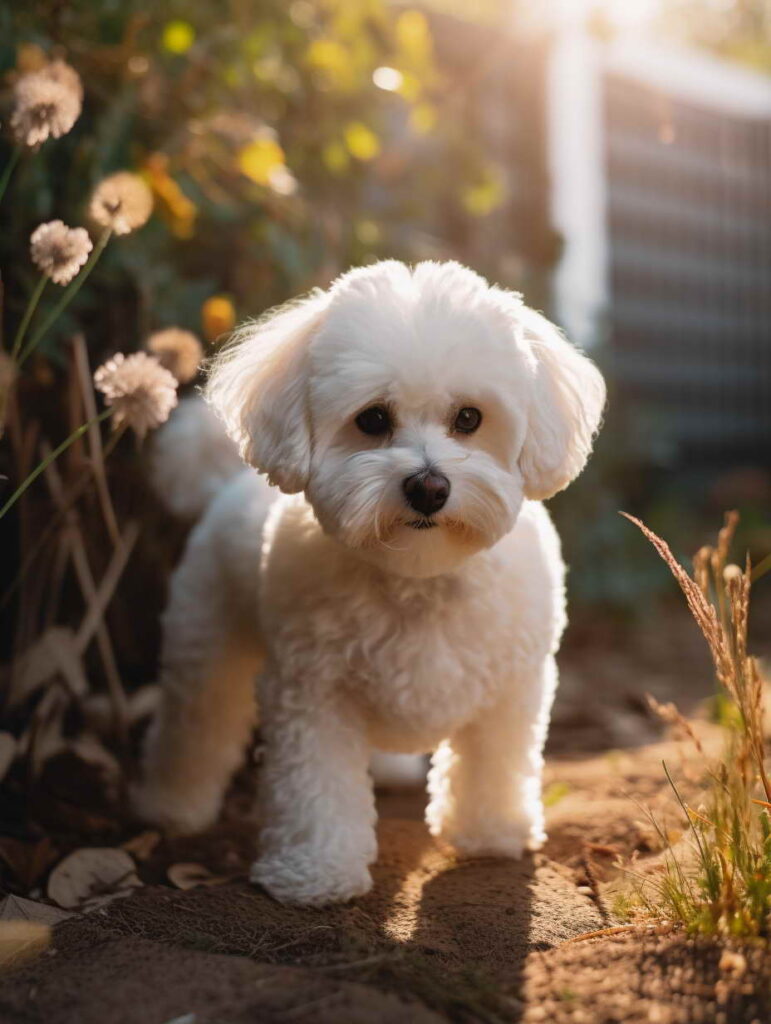
Dog owners are often concerned about their pets’ health and well-being, and rightly so. Canine nutrition plays a significant role in their overall health, and one common question that arises is, “Can dog food cause heart disease?” In this comprehensive article, we will explore the relationship between dog food and heart disease, providing you with insights based on expertise and credible sources.
Can Dog Food Cause Heart Disease
It’s no secret that a dog’s diet is intrinsically linked to their overall health, including the health of their heart. Just as human beings need to maintain a healthy diet to prevent heart disease, the same goes for our beloved canine companions. In this section, we’ll delve deeper into the relationship between dog food and heart disease, shedding light on the key factors you should be aware of.
Dietary Impact on Canine Hearts
The dietary choices you make for your furry friend have a profound impact on your heart’s well-being. The heart is a vital organ responsible for pumping blood and supplying oxygen and nutrients to the entire body, and it’s essential to ensure its optimal functioning.
High Sodium Content: One of the most critical factors to consider is the sodium content in dog food. Excessive sodium intake can lead to high blood pressure, placing additional strain on the heart. Over time, this can result in heart disease. To safeguard your dog’s heart, opt for dog food with moderate sodium levels.
Unbalanced Nutrients: A diet lacking in essential nutrients can also be detrimental to a dog’s heart. Just like humans, dogs require a balanced intake of vitamins, minerals, and proteins. Inadequate nutrition can weaken the heart muscle and lead to cardiovascular issues.
Obesity and Heart Disease: Overfeeding or providing excessive treats can lead to obesity in dogs. Obesity is a significant risk factor for heart disease. The extra weight puts extra pressure on the heart and can lead to various heart-related conditions.
Preservatives and Additives: Some dog foods contain preservatives and additives that may hurt heart health. It’s crucial to read labels carefully and choose dog food with minimal artificial additives.
The Grain-Free Debate
In recent years, the popularity of grain-free dog food has soared. Many dog owners have opted for grain-free diets, believing them to be a healthier choice. However, the grain-free trend has also stirred controversy, particularly regarding its potential link to heart disease.
While some studies have suggested that certain grain-free diets might increase the risk of heart disease in dogs, the evidence remains inconclusive. Researchers continue to investigate this matter, aiming to provide more clarity on the subject.
Breed-Specific Considerations
It’s important to note that different dog breeds have varying susceptibility to heart disease. Some breeds, like Doberman Pinschers and Boxers, are more prone to specific heart conditions. This emphasizes the need for personalized care and dietary choices tailored to your dog’s breed.
Exploring the 10 Essential Facts About Dog Food and Heart Disease
Exploring the 10 Essential Facts About Dog Food and Heart Disease
Dog food plays a pivotal role in the overall well-being of our furry companions, and when it comes to their heart health, it becomes even more critical. Let’s dive deeper into these ten essential facts about dog food and its connection to heart disease:
Fact 1: Certain Ingredients Matter
The ingredients in your dog’s food can significantly impact their heart health. Excessive salt, often found in lower-quality dog foods, can lead to hypertension and heart issues in dogs. It’s essential to choose dog food that prioritizes high-quality, nutritious ingredients while keeping a close eye on sodium levels.
Fact 2: The Grain-Free Debate
Grain-free dog food has gained popularity, but it’s not without controversy. While some grain-free options can be nutritious, others may lack essential nutrients crucial for heart health. To ensure your dog receives a well-rounded diet, consult with your veterinarian before opting for grain-free alternatives.
Fact 3: The Danger of Human Food
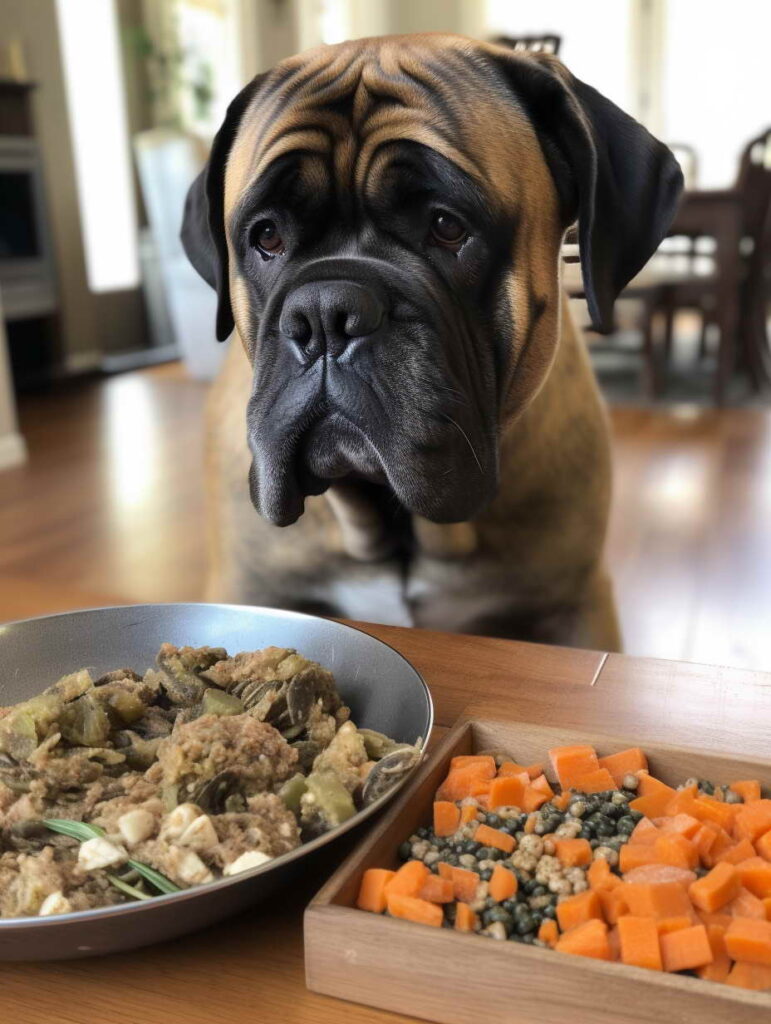
Those pleading eyes at the dinner table may be irresistible, but feeding your dog human food can be a slippery slope. Many human snacks are high in sodium, which can be detrimental to your dog’s heart. Resisting those puppy-dog eyes can help protect their cardiovascular health.
Fact 4: Varying Quality in Commercial Dog Food
Not all commercial dog foods are created equal. Some brands prioritize nutritional value, while others focus on cost-cutting. To safeguard your dog’s heart health, opt for reputable brands known for their high-quality ingredients and commitment to pet nutrition.
Fact 5: Obesity and Heart Disease
Just as with humans, obesity is a significant risk factor for heart disease in dogs. Keeping your dog at a healthy weight is crucial. Regular exercise and portion control are key elements in maintaining cardiovascular well-being.
Fact 6: Homemade Diets
Homemade dog food can be an appealing choice for pet owners who want full control over their dog’s diet. However, it’s essential to create a well-balanced homemade diet that meets your dog’s nutritional needs. Seek guidance from a veterinarian or veterinary nutritionist to ensure you’re providing the best for your dog’s heart health.
Fact 7: Seek Expert Guidance
Selecting the right dog food for your pet’s heart health can be challenging, given the plethora of options available. Consulting with a veterinarian or veterinary nutritionist is a wise move. They can provide insights based on your dog’s individual needs and help you make an informed choice.
Fact 8: The Role of Taurine
Taurine, an amino acid, plays a vital role in maintaining a dog’s heart health. It’s essential to choose dog food that contains an adequate amount of taurine to support your furry friend’s cardiovascular well-being.
Fact 9: Tailored Diets for Small Breeds
Small breed dogs have unique dietary requirements. To ensure their heart health, choose dog food tailored to their specific needs. Smaller dogs may require a different balance of nutrients and calories, so selecting the right food is key.
Fact 10: Regular Vet Check-ups
Lastly, don’t underestimate the importance of regular veterinary check-ups. Consistent monitoring of your dog’s heart health is essential. Your veterinarian can assess your dog’s overall well-being and make necessary dietary adjustments to promote heart health.
FAQ’s
Can certain ingredients in dog food cause heart disease?
Yes, certain ingredients, such as excessive sodium, can strain a dog’s heart and potentially lead to heart disease.
Is grain-free dog food a safer choice?
The safety of grain-free dog food is still a subject of debate. While some studies suggest a link between grain-free diets and heart disease, further research is required for conclusive evidence.
Are specific dog breeds more prone to heart disease?
Yes, certain breeds, like Doberman Pinschers and Boxers, are more susceptible to particular heart conditions. It’s important to be aware of your dog’s breed-specific risks.
How can I choose the right dog food for my pet?
To choose the right dog food, consult your veterinarian. They can provide personalized recommendations based on your dog’s age, breed, and overall health.
What are the signs of heart disease in dogs?
Common signs of heart disease in dogs include coughing, difficulty breathing, fatigue, and fluid retention. If you notice any of these symptoms, consult your vet.
Is homemade dog food a safer option?
Homemade dog food can be a good option if prepared with care and under veterinary guidance. It ensures you have control over the ingredients and their quality.
Conclusion
In conclusion, the relationship between dog food and heart disease is a critical aspect of canine health. While there are potential risks associated with certain ingredients and dietary choices, it’s important to consult with your veterinarian for guidance tailored to your dog’s unique needs.
Your dog’s well-being depends on the choices you make, so ensure they receive the best nutrition and care. With the right information and professional advice, you can keep your furry friend healthy and happy.
The Bijon Dog Breed, often spelled as Bichon, is a delightful and charming companion that has won the hearts of dog lovers around the world. If you’re considering bringing a Bichon into your life or are just curious about this adorable breed, you’re in the right place. In this comprehensive guide, we’ll explore the Bijon Dog Breed from head to tail, covering their history, personality, grooming needs, and much more. Let’s dive into the wonderful world of Bijon dogs!
A Brief Introduction to the Bijon Dog Breed
The Bichon or Bijon Dog Breed, known for its fluffy white coat and bright personality, has a fascinating history. Originally bred as a companion dog, these small, fluffy canines have a unique charm that’s hard to resist. Bijons are known for their friendly, affectionate nature, making them excellent pets for families and individuals alike.
Bichon: History of the Bijon Dog Breed
The history of the Bichon or Bijon Dog Breed is a captivating tale that spans centuries and continents. These charming, fluffy canines have a heritage that can be traced back to the Mediterranean region, where their journey began. Let’s embark on a journey through time to discover the intriguing history of the Bijon Dog Breed.
Origins in the Mediterranean
The Bijon Dog Breed’s roots can be traced to the Mediterranean, a region known for its rich history and diverse cultures. Although the exact origins are somewhat shrouded in mystery, it is believed that these delightful dogs made their first appearances in this picturesque part of the world.
European Nobility’s Beloved Companions
As history unfolded, Bijon dogs found their way into the hearts and homes of European nobility, particularly in France and Italy. These aristocrats were drawn to Bijon’s charming personality and elegant appearance. The Bijon became cherished companions in the royal courts, often seen adorning the laps and chambers of kings and queens.
The Bijon’s Journey Through Time
Over the centuries, the Bijon Dog Breed continued to evolve and adapt to changing circumstances. They were no longer confined to the palaces of the elite but became beloved pets of common people as well. Their friendly disposition and enchanting looks made them sought-after companions for all.
Preservation of the Breed
While many dog breeds have faced challenges throughout history, the Bijon Dog Breed managed to preserve its unique characteristics and distinctive charm. Breed enthusiasts and dedicated breeders played a crucial role in maintaining the breed’s integrity, ensuring that the Bijon continued to enchant and captivate dog lovers worldwide.
Modern-Day Bijon Dogs
Today, Bijon dogs are celebrated and adored by people from all walks of life. Their history, marked by a journey from the Mediterranean courts to becoming cherished family members, adds to their allure. Their lively personalities, charming looks, and affectionate nature make them not just pets but beloved members of countless households.
Bichon Characteristics and Temperament
Bichon Characteristics and Temperament
The Bijon Dog Breed is known for its unique and endearing characteristics, which set it apart as a beloved and cherished companion. These fluffy canines have an unmistakable charm that extends beyond their physical appearance. Let’s delve into the characteristics and temperament of the Bijon Dog Breed.
Distinctive Appearance
One of the most noticeable features of Bijon dogs is their distinctive appearance. They are small in size, typically weighing between 10 to 18 pounds, with a height ranging from 9 to 12 inches at the shoulder. What truly captures the attention is their soft, curly, and pristine white coat. This lovely, fluffy coat gives them an almost cloud-like appearance and adds to their irresistible charm.
Friendly and Playful
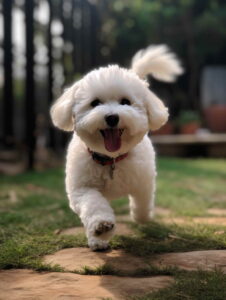
Bijons are renowned for their friendly and playful nature. They possess a sociable temperament that makes them a delight to have around. Whether you’re spending time with family, friends, or other pets, a Bijon dog is likely to be at the center of the action, wagging their tail and seeking attention.
Affectionate and Loyal
Perhaps the most endearing quality of the Bijon Dog Breed is their deep capacity for affection and loyalty. They form strong bonds with their human companions and are known for their unwavering devotion. Bijons have a knack for making their owners feel loved and appreciated, which is why they are often described as “velcro dogs” who love to be by your side.
Intelligence and Trainability
Bijons are intelligent dogs, which not only makes them quick learners but also eager to please. This combination of intelligence and willingness to be trained makes them relatively easy to work with. Positive reinforcement and consistency are key when training a Bijon, and they tend to excel in obedience and agility activities.
Social Butterflies
These dogs are social butterflies by nature. They thrive on human interaction and enjoy being part of family activities. Whether it’s a game of fetch, a walk in the park, or simply curling up on the couch with their owner, Bijon dogs are content as long as they are in the company of their loved ones.
Protective and Alert
Despite their small size and affectionate nature, Bijons have a protective instinct. They may be small, but they are alert and will often bark to alert their owners of any perceived threats. This protective nature, combined with their loyalty, makes them wonderful watchdogs for the family.
Bichon Grooming and Care
Bichon Grooming and Care
Grooming and care for the Bijon Dog Breed are essential aspects of responsible pet ownership. With their signature fluffy, white coat, Bijons require regular attention to maintain their appearance and overall health. In this section, we will delve into the grooming and care routine needed to keep your Bijon looking and feeling their best.
Coat Maintenance
The Bijon’s coat is its crowning glory. It’s soft, curly, and pure white, giving them their iconic appearance. However, maintaining this luxurious coat takes dedication. Here’s what you need to know:
Brushing: Daily brushing is recommended to prevent matting and tangling. Use a slicker brush or comb to gently work through their fur, starting from the tips and working your way to the roots.
Bathing: Bathing should be done every 4-6 weeks. Use a gentle dog shampoo and conditioner to keep the coat clean and soft. Ensure thorough rinsing to remove all traces of shampoo, as any residue can cause skin irritation.
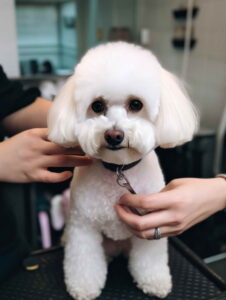
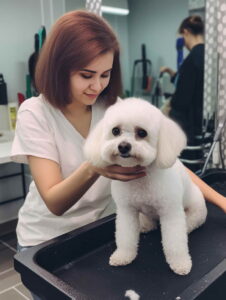
Trimming: Regular professional grooming appointments are crucial. A professional groomer can trim the coat, especially around the eyes, paws, and tail, to maintain a neat appearance.
Eye and Ear Care
Bijons are prone to tear staining, which can discolor the fur around their eyes. To manage this:
Wipe Eyes: Gently wipe the area around their eyes with a damp cloth daily to prevent staining. Be careful not to irritate their eyes.
Ear Cleaning: Inspect their ears weekly for signs of redness, odor, or discharge. Clean the ears if necessary, but avoid inserting anything deep into the ear canal to prevent injury.
Dental Hygiene
Oral health is vital for your Bijon’s overall well-being. Here’s how to care for their teeth:
Brush Teeth: Brush your Bijon’s teeth several times a week using a dog-specific toothbrush and toothpaste. This prevents tartar buildup and dental issues.
Dental Chews: Provide dental chews or toys to help keep their teeth clean and healthy.
Nail Care
Regular nail care is essential to ensure your Bijon is comfortable and can walk properly. Trim their nails every 3-4 weeks, or as needed, to prevent overgrowth and avoid causing discomfort.
Skin and Coat Health
Keep an eye on your Bijon’s skin and coat for any changes or abnormalities. This breed is prone to skin issues, and early detection is key.
Skin Checks: Examine their skin for any redness, rashes, or lumps. If you notice anything unusual, consult your veterinarian.
Flea and Tick Prevention: Use appropriate flea and tick preventatives to protect your Bijon from these pests.
Diet and Nutrition
A balanced diet is fundamental to your Bijon’s health and well-being. Feed them high-quality dog food and provide fresh water at all times. Consult with your veterinarian for dietary recommendations based on your dog’s age, weight, and activity level.
Exercise and Mental Stimulation
While Bijons are small, they are active and intelligent dogs. Regular exercise and mental stimulation are essential to keep them happy and healthy. Engage in daily walks, play fetch, and offer puzzle toys to keep their minds sharp.
Bichon Health and Common Issues
Bichon Health and Common Issues
Like all living beings, the Bijon Dog Breed is not without its health concerns. Understanding these potential issues and being proactive in their care is essential to ensuring a long and healthy life for your beloved pet. In this section, we will explore the health aspects of Bijon dogs and the common issues they may face.
Common Health Issues
Bijon dogs are generally robust and healthy, but they can be susceptible to a few common health issues. Bijon owners need to be aware of these conditions and take preventive measures. Some of the most common health issues in Bijon dogs include:
1. Hip Dysplasia
Hip dysplasia is a common orthopedic condition in dogs, including Bijons. It is a hereditary condition where the hip joint doesn’t develop properly. It can lead to arthritis and discomfort. Regular veterinary check-ups can help detect hip dysplasia early.
2. Patellar Luxation
Patellar luxation is another orthopedic issue that occurs when the kneecap (patella) moves out of its normal position. This can cause discomfort and lameness in Bijon dogs. Surgical intervention may be necessary in severe cases.
3. Allergies
Bijons are known for their hypoallergenic qualities, but they can still develop allergies to food, pollen, or environmental factors. Allergies can manifest as itching, skin irritation, and ear infections. Identifying the allergen and providing appropriate treatment is crucial.
4. Dental Issues
Dental problems, including gum disease and tooth decay, can affect Bijon dogs. Regular dental care, including brushing and professional cleanings, can help maintain their oral health.
5. Eye Conditions
Bijon dogs are prone to eye issues such as cataracts and progressive retinal atrophy (PRA). Regular eye examinations can help detect and manage these conditions early on.
Preventive Care
To keep your Bijon in optimal health, it’s essential to provide proper preventive care. This includes:
Regular Veterinary Check-ups: Schedule annual check-ups with your veterinarian to monitor your dog’s overall health and address any concerns promptly.
Balanced Diet: Feed your Bijon a well-balanced diet of high-quality dog food to ensure they receive essential nutrients for their health.
Exercise: Regular exercise is crucial to maintain your Bijon’s physical and mental health. Engage in daily walks and playtime to keep them active.
Grooming: Consistent grooming is necessary to keep their coat in good condition and to identify any skin issues or abnormalities early.
Dental Care: Brush your dog’s teeth regularly and provide dental treats or toys to promote good oral health.
Parasite Control: Protect your Bijon from parasites such as fleas and ticks by using appropriate preventatives.
By being attentive to your Bijon’s health and providing the necessary care, you can help ensure that they enjoy a long and happy life. Regular vet visits and early intervention can make a significant difference in managing and preventing health issues, allowing your Bijon to thrive as a cherished member of your family.
Bichon Training and Socialization
Bichon Training and Socialization
Training and socialization are integral parts of raising a well-adjusted and well-behaved Bijon Dog Breed. These intelligent and sociable dogs thrive when they receive proper training and opportunities to interact with the world around them. In this section, we will explore the importance of training and socialization for Bijon dogs and provide insights into effective techniques.
The Importance of Training
Training is not just about teaching your Bijon commands; it’s about establishing a strong and healthy relationship with your furry friend. Here’s why training is vital:
1. Obedience and Safety
Proper training ensures your Bijon responds to essential commands like “sit,” “stay,” and “come.” This obedience is not just convenient but crucial for their safety and the safety of others.
2. Preventing Behavioral Issues
Well-trained dogs are less likely to exhibit behavioral issues such as excessive barking, aggression, or destructive behavior. Training can help address and prevent these problems.
3. Bonding and Communication
The training fosters communication between you and your Bijon. It strengthens the bond and trust between you, leading to a more harmonious and enjoyable relationship.
Effective Training Techniques
Bijon dogs are intelligent and eager to please, making them relatively easy to train. Here are some effective techniques to consider:
1. Positive Reinforcement
Use positive reinforcement techniques such as treats, praise, and affection to reward desired behavior. Bijons respond well to positive feedback, and it encourages them to repeat the behavior.
2. Consistency
Consistency is key in training. Use the same commands and rewards consistently to avoid confusion. Ensure that all family members follow the same training guidelines.
3. Early Socialization
Socialization is essential for Bijons to ensure they are comfortable around other dogs and people. Expose them to various situations, people, and animals from a young age to build their confidence and reduce the likelihood of fear or aggression.
4. Basic Commands
Teach basic commands such as “sit,” “stay,” “down,” and “come.” These commands are not only practical but also establish you as the leader and help create a well-behaved pet.
5. House Training
House training is essential for a clean and comfortable home. Consistent routines, rewards for potty success, and patience are key to housebreaking your Bijon.
The Role of Socialization
Socializing your Bijon is as important as training. Socialization exposes them to different environments, people, and animals, helping them become well-adjusted and confident dogs. Here’s how to effectively socialize your Bijon:
Exposure: Gradually introduce your Bijon to new environments, including parks, streets, and different types of terrain.
People: Allow your Bijon to meet various people, including children, adults, and seniors. Ensure these interactions are positive and stress-free.
Other Dogs: Arrange playdates with other dogs or visit a dog park for interactions. Monitor these interactions to ensure they are safe and enjoyable.
Sights and Sounds: Expose your Bijon to various sights and sounds, including cars, bicycles, and everyday noises. This will help prevent fear or anxiety in new situations.
Bichon Exercise Needs
Despite their small size, Bijon Dog Breeds are active and energetic little companions. Regular exercise is essential to keep them physically and mentally stimulated, ensuring their overall well-being and happiness. In this section, we will explore the exercise needs of Bijon dogs and provide insights into suitable activities to keep them healthy and content.
The Importance of Exercise
Exercise is not just a luxury for Bijon dogs; it’s a necessity. Regular physical activity offers several benefits for these lively canines:
1. Physical Fitness
Exercise helps maintain the physical health of your Bijon. It keeps their muscles toned and their joints limber, promoting overall fitness.
2. Mental Stimulation
Physical activity also provides essential mental stimulation. It prevents boredom, which can lead to behavioral issues, and keeps your Bijon’s mind sharp.
3. Weight Management
Bijons are prone to weight gain, and regular exercise is vital for weight management. It helps them stay at a healthy weight, reducing the risk of obesity-related health problems.
4. Bonding
Exercise is an excellent opportunity for you and your Bijon to bond. Whether it’s a game of fetch, a brisk walk, or a playdate at the park, these shared experiences strengthen your relationship.
Suitable Activities for Bijon Dogs
To meet your Bijon’s exercise needs, consider the following activities:
1. Daily Walks
Regular walks are a fundamental form of exercise for your Bijon. Aim for at least one or two walks per day, with each walk lasting around 20 to 30 minutes. This not only provides physical activity but also mental stimulation as your dog explores the environment.
2. Interactive Play
Engage in interactive playtime with your Bijon. Use toys like squeaky balls, puzzle toys, or plush toys to keep them entertained. Tug-of-war and hide-and-seek games are also great choices.
3. Obedience Training
Incorporate exercise into your obedience training sessions. Training not only keeps your Bijon physically active but also mentally engaged. Short, structured training sessions are effective.
4. Socialization
Arrange playdates with other dogs or visit a dog park. Socialization provides exercise as well as opportunities for your Bijon to interact with other dogs, which can be stimulating and fun.
5. Agility and Mini Obstacle Courses
Set up mini obstacle courses in your yard or a local park. These courses can include jumps, tunnels, and weave poles. Engaging your Bijon in agility training can be an excellent source of exercise and mental stimulation.
6. Indoor Activities
On days when outdoor exercise is not feasible due to weather or other constraints, consider indoor activities. You can play fetch indoors or create a mini agility course in your living room.
Tailoring Exercise to Your Bijon
It’s important to note that while Bijons are active dogs, their exercise needs can vary depending on age, health, and individual temperament. Be attentive to your Bijon’s cues and adjust the intensity and duration of exercise accordingly. If you have a puppy, start with shorter, more frequent playtimes and gradually increase the duration as they grow.
Bijon Dog Breed FAQs
Are Bijon dogs hypoallergenic?
Yes, Bijon dogs are considered hypoallergenic due to their low-shedding coats. However, individual reactions can vary, so spend time with one to ensure compatibility.
What is the average lifespan of a Bijon dog?
The average lifespan of a Bijon dog is around 12 to 15 years, but with proper care, some can live even longer.
Do Bijon dogs get along well with children and other pets?
Yes, Bijon dogs are known for their friendly and sociable nature, making them great companions for both children and other pets.
How often should I groom my Bijon dog?
Regular grooming is essential for Bijon dogs. Plan to groom them every 4-6 weeks to keep their coat in top condition.
Are Bijons easy to train?
Yes, Bijons are intelligent and eager to please, making them relatively easy to train. Consistency and positive reinforcement are key.
What is the best diet for a Bijon dog?
A well-balanced diet with high-quality dog food is essential for Bijons. Consult with your veterinarian to determine the best diet for your specific dog.
Conclusion
In conclusion, the Bijon Dog Breed is a delightful, charming, and affectionate companion. Their fascinating history, friendly temperament, and unique grooming needs make them a favorite among dog lovers. Whether you’re considering adding a Bijon to your family or just want to learn more about this wonderful breed, we hope this guide has provided you with the information you need.
Best Dog Breed For Anxiety: Finding Your Furry Companion
Introduction
Are you in search of a loyal and loving companion to help alleviate anxiety? Look no further, as we delve into the world of the “Best Dog Breed For Anxiety.” These remarkable canines offer comfort, support, and a sense of security that can work wonders for those experiencing anxiety. In this article, we’ll explore various dog breeds renowned for their calming and empathetic nature, share some expert insights, and address frequently asked questions (FAQs) to assist you in making an informed choice.
Best Dog Breed For Anxiety
When it comes to selecting the perfect breed to help ease anxiety, it’s essential to consider temperament, size, and lifestyle compatibility. Let’s explore the top breeds known for their therapeutic qualities.
Labrador Retriever
Labrador Retrievers top the list as one of the best dog breeds for anxiety. Their friendly, affectionate, and easygoing nature makes them ideal for those in need of emotional support. Their innate ability to empathize with their owners is truly heartwarming.
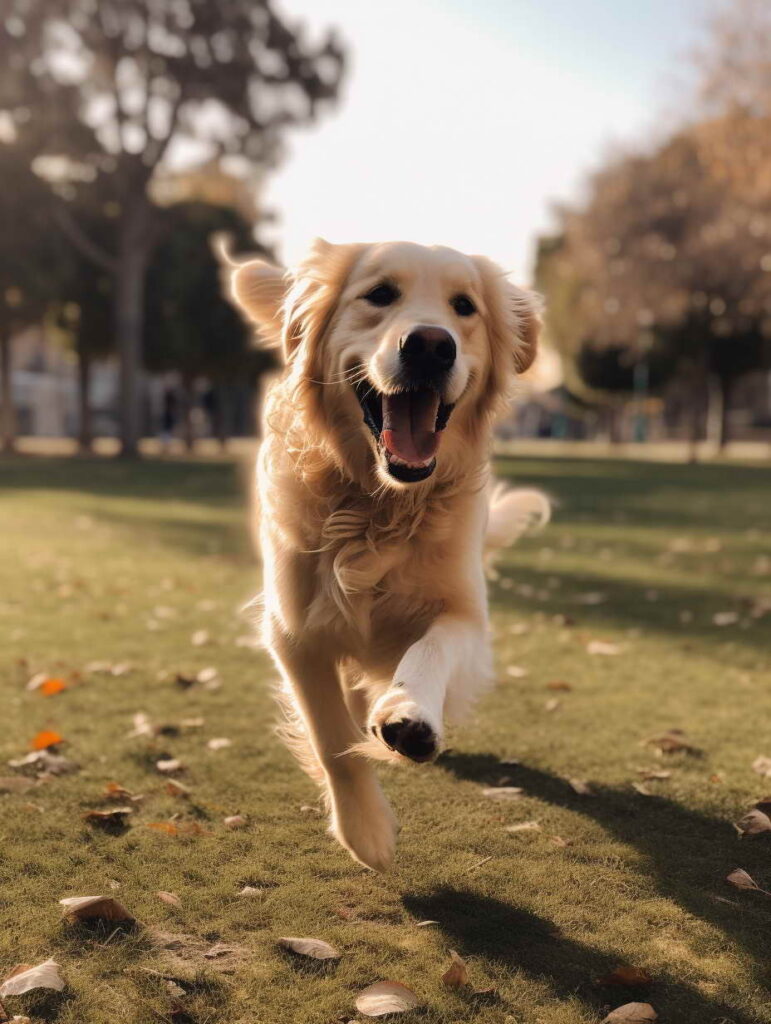
Golden Retriever
Golden Retrievers are renowned for their gentle and patient demeanor. They are excellent listeners and provide unwavering companionship. Their soft, golden coat and expressive eyes exude warmth and comfort.
Cavalier King Charles Spaniel
The Cavalier King Charles Spaniel is a small breed with a big heart. They are affectionate, adaptable, and always ready to offer comfort. Their sweet disposition and love for cuddling make them excellent anxiety-busting companions.
Pomeranian
Pomeranians may be small in size, but they have enormous personalities. Their playful and vivacious nature can help brighten your day, even in the most challenging moments. Their loyalty and devotion are boundless.
Bichon Frise
Bichon Frises are known for their cheerful and playful attitude. These little bundles of joy can effortlessly lift your spirits with their lively antics. Their hypoallergenic coat is an added bonus for those with allergies.
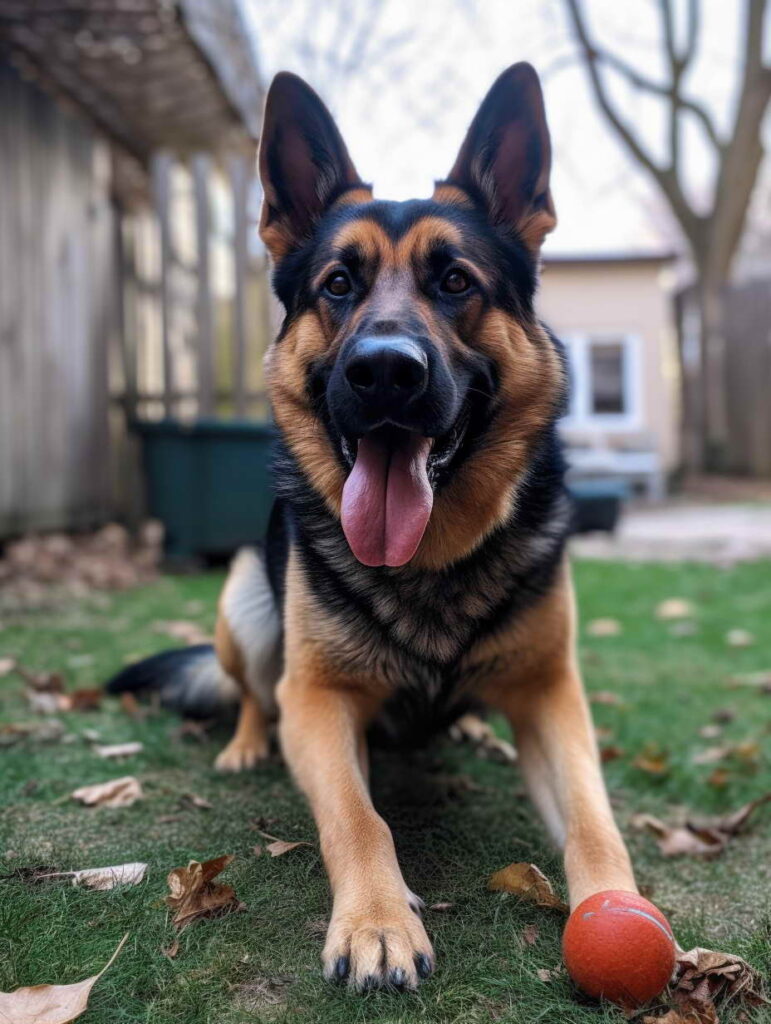
German Shepherd
German Shepherds are not only highly intelligent but also incredibly loyal. Their protective instincts can provide a sense of security and ease anxiety. With proper training, they make for steadfast and reliable companions.
Boxer
Boxers are known for their boundless energy and enthusiasm. Their affectionate nature and playful disposition can be a great source of comfort and distraction during anxious moments. They are a ray of sunshine on a cloudy day.
FAQs
What Makes Labrador Retrievers Good for Anxiety?
Labrador Retrievers have a naturally empathetic and friendly disposition. Their loyalty and gentle nature make them excellent companions for those dealing with anxiety.
2. Are Golden Retrievers Easy to Train?
Yes, Golden Retrievers are highly trainable and eager to please, making them an excellent choice for those who may need a therapy dog.
3. Do Pomeranians Require a Lot of Exercise?
Pomeranians are lively but don’t need excessive exercise. Regular playtime and short walks can keep them content.
4. Can German Shepherds Be Good Family Dogs?
Yes, German Shepherds can be wonderful family dogs when properly trained. Their protective instincts can be comforting for both adults and children.
5. Are Boxers Suitable for Apartment Living?
Boxers have a lot of energy and may require more space, but with regular exercise, they can adapt to apartment living.
6. How Do I Choose the Right Breed for My Anxiety?
Selecting the right breed depends on your lifestyle, living situation, and personal preferences. Consult with a reputable breeder or rescue organization for guidance.
Conclusion
Finding the best dog breed for anxiety can be a life-changing decision. These loyal companions offer unwavering support and boundless love. Whether you choose a Labrador Retriever, Golden Retriever, Cavalier King Charles Spaniel, Pomeranian, Bichon Frise, German Shepherd, or Boxer, you’re sure to find a furry friend who will help you face life’s challenges with a wagging tail and a warm heart.
Best Dog Breed Personality: Unleashing the Perfect Canine Companion
Introduction
When it comes to finding your perfect furry friend, it’s all about the personality. Selecting the right dog breed personality to match your lifestyle and preferences is crucial. This guide will help you navigate the world of dog breeds, providing insights and expert advice to ensure you choose the best canine companion. From playful pups to loyal protectors, we’ve got you covered.
Best Dog Breed Personality
Understanding Your Canine Companion
Your dog’s personality isn’t just about their breed; it’s also influenced by their individual history and upbringing. Before we delve into specific breeds, let’s explore some common dog personalities you might encounter.
The Socialite: These dogs are outgoing, friendly, and love meeting new people and other animals. They thrive on interaction and are perfect for families or those with an active social life.
The Guardian: If you’re looking for a loyal protector, this personality is for you. Guardian dogs are alert, watchful, and fiercely protective of their families.
The Adventurer: Energetic and always up for a challenge, these dogs are ideal for active individuals who enjoy outdoor activities and exercise.
The Gentle Giant: Big dogs with big hearts, these breeds are known for their gentle and friendly nature. They are often great with kids and make excellent family pets.
The Independent Thinker: These dogs are intelligent and self-reliant, which can sometimes come across as stubborn. They are a good fit for experienced dog owners who appreciate a bit of a challenge.
The Clown: Playful and mischievous, clownish dogs bring joy and laughter to your life. They’re perfect for families with a sense of humor.
Now, let’s dive into the best dog breed personalities based on specific breeds.
Best Dog Breed Personality Labrador Retriever
Labrador Retriever: The Sociable Family Companion
When it comes to the best dog breed personalities, the Labrador Retriever reigns supreme in the category of sociability and friendliness. These lovable canines are often referred to as the “people’s dog,” and it’s not hard to see why.
Social Butterflies
Labrador Retrievers are true social butterflies. They have an innate love for people, and their sociable nature shines through in every interaction. Whether you have a big family, live in a bustling neighborhood, or enjoy inviting friends over, Labradors will be right at home, wagging their tails and ready to make new friends.
Gentle Giants
One of the remarkable aspects of Labradors is their gentle disposition. Despite their relatively large size, Labradors are incredibly gentle, especially with children. They are known for their patience and tolerance, making them an ideal choice for families. Labradors are less likely to get agitated or exhibit aggressive behavior, which is a huge plus if you have kids around.
Easy to Train
Labrador Retrievers are not only friendly but also highly trainable. Their eagerness to please their owners makes them quick learners. Whether you want them to fetch a ball, perform tricks, or simply follow basic commands, Labradors are up for the challenge. This trainability makes them suitable for both novice and experienced dog owners.
Energetic Companions
These dogs are also incredibly energetic. If you lead an active lifestyle and enjoy outdoor activities, Labradors are the perfect companions. They have a boundless enthusiasm for play, exercise, and adventures. A day at the beach, a long hike, or a game of fetch in the park are all activities that Labradors relish.
Loyal Friends
Loyalty is another hallmark of the Labrador Retriever’s personality. Once they become a part of your family, they form a deep bond with their owners. They are known to be fiercely loyal, and protective, and will do whatever it takes to keep their loved ones safe.
Great with Other Pets
If you have other pets, you’ll be delighted to know that Labradors usually get along well with them. Whether you have cats, birds, or other dogs, Labradors tend to be friendly and non-aggressive. Of course, proper socialization is key, but their sociable nature makes this process relatively easy.
Low Maintenance
In addition to their wonderful personality traits, Labradors are relatively low-maintenance dogs. They have short, dense coats that don’t require extensive grooming. Regular brushing and the occasional bath are usually sufficient to keep them looking their best.
Best Dog Breed Personality German Shepherd
German Shepherd: The Ultimate Guardian
German Shepherds are synonymous with the term “guardian” for all the right reasons. These intelligent and loyal canines are known for their protective instincts and unwavering commitment to their owners.
Fearless Protectors
German Shepherds are often chosen as police and military dogs due to their fearless nature. They are highly protective of their families and will do whatever it takes to keep them safe. Their protective instincts are hardwired, and they can quickly assess situations and act accordingly.
Intelligent Problem Solvers
What sets German Shepherds apart is their exceptional intelligence. They are quick problem solvers and can learn complex commands and tasks with ease. This makes them not only loyal protectors but also versatile and adaptable companions.
Loyal Companions
Loyalty is a hallmark trait of the German Shepherd. Once they form a bond with their owners, it is unbreakable. They will follow you wherever you go and are always on guard, ensuring your safety and well-being.
Alert Watchdogs
German Shepherds are alert and watchful by nature. Their keen senses make them excellent watchdogs. They are quick to detect unusual sounds or movements, which can provide an added layer of security to your home.
Energetic and Agile
These dogs are not just protectors; they are also highly active and agile. German Shepherds thrive on physical and mental stimulation. They require regular exercise and enjoy activities like obedience training, agility, and fetch.
Great for Families
Contrary to their tough exterior, German Shepherds can be gentle and loving with children. Their protective nature extends to the little ones in the family, making them an excellent choice for families looking for a loyal and reliable companion.
Proper Socialization
While German Shepherds are naturally protective, proper socialization from a young age is essential. This ensures that they are comfortable around other dogs, animals, and people, making them well-rounded pets.
Best Dog Breed Personality Golden Retriever
Golden Retriever: The Golden Standard of Family Companions
When it comes to family-friendly dog breeds, the Golden Retriever shines as a symbol of warmth, loyalty, and intelligence.
Family-Centric
Golden Retrievers are renowned for their family-centric personalities. They thrive when they are part of a loving household and often become an integral member of the family. Their affectionate nature and love for human companionship make them an excellent choice for families of all sizes.
Sociable and Friendly
One of the most prominent traits of Golden Retrievers is their friendliness. They are social butterflies, enjoying the company of both humans and other animals. Their gentle disposition and enthusiasm for meeting new people make them an ideal choice for those with active social lives.
Playful and Energetic
Golden Retrievers maintain their puppy-like playfulness well into adulthood. They have a zest for life that is contagious, making them the perfect companions for active individuals and families. Games of fetch, frisbee, and long walks in the park are all welcomed activities.
Highly Intelligent
Golden Retrievers are not only charming but also highly intelligent. They are quick learners and excel in obedience training. Their intelligence allows them to adapt to various situations and environments, making them versatile and easy to handle.
Empathetic and Gentle
Their empathetic nature is a remarkable quality. Golden Retrievers have an uncanny ability to sense human emotions and provide comfort when needed. This makes them excellent therapy dogs, offering support and solace during challenging times.
Kid-Friendly
For families with children, Golden Retrievers are a perfect choice. Their patience and gentle demeanor are well-suited for kids of all ages. They can tolerate the energy and curiosity of little ones, making them wonderful playmates.
Minimal Aggression
Golden Retrievers are known for their low aggression levels. While they are protective of their families, they are not prone to aggressive behavior. This peaceful disposition is a breath of fresh air for households with children and other pets.
Easy to Groom
Grooming a Golden Retriever is relatively simple. Their luscious double coat requires regular brushing to keep it in top shape. They do shed, but their beautiful personalities more than makeup for the extra fur.
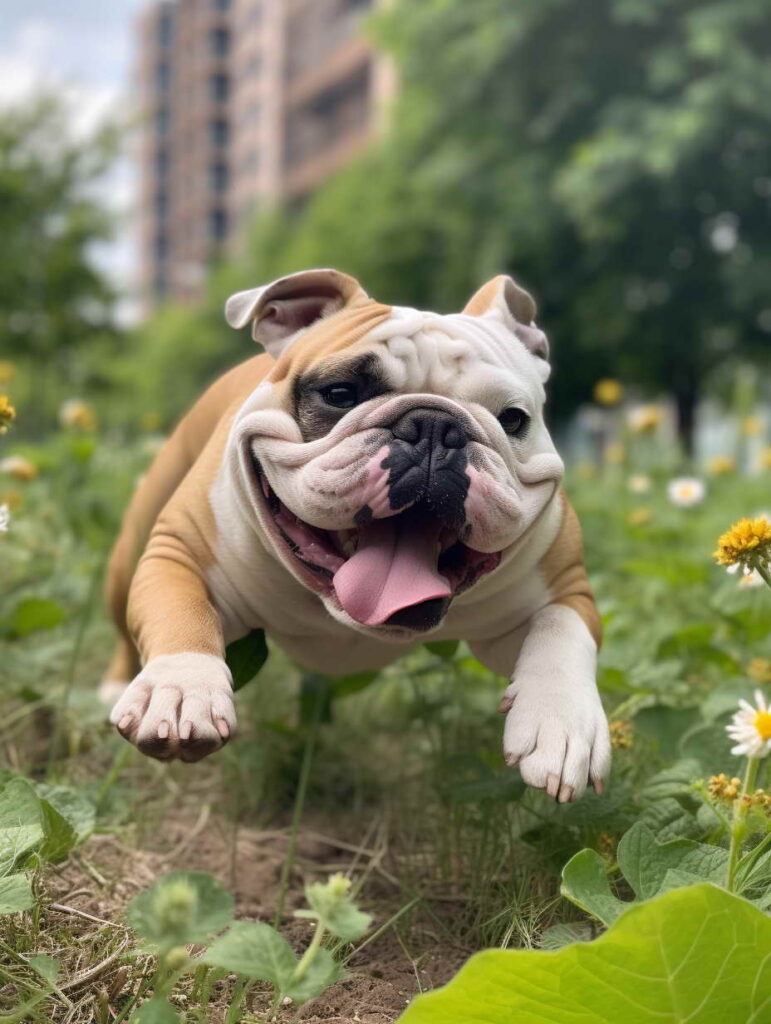
Best Dog Breed Personality Bulldog
Bulldog: The Laid-Back Gentle Giant
Bulldogs, with their unmistakable appearance, embody a unique personality that is a delightful blend of calmness and loyalty.
Calm and Easygoing
Bulldogs are the epitome of calm and easygoing canines. Their temperament is one of the most relaxed among all dog breeds. They are content with lounging on the couch or taking leisurely strolls. This calm disposition makes them perfect for individuals with a less active lifestyle or those living in apartments.
Stubborn Yet Loyal
While Bulldogs are known for their stubborn streak, their loyalty to their owners is unwavering. They may be determined when it comes to certain things, but they are always devoted and affectionate towards their human companions.
Affectionate Companions
Bulldogs are incredibly affectionate. They form strong bonds with their owners and enjoy spending quality time together. Their love for cuddles and companionship makes them an excellent choice for those looking for a dog that enjoys being close to their family.
Good with Children
Bulldogs have a gentle nature that extends to children. They are known for their patience and tolerance, making them fantastic playmates for kids. Their sturdy build also provides an added sense of security for families with little ones.
Low Exercise Requirements
If you’re not a fan of long, energetic walks or vigorous play, Bulldogs are an ideal choice. Their low exercise requirements mean you won’t need to engage in high-intensity activities to keep them happy. Short daily walks and some indoor playtime are sufficient to keep them content.
Low-Maintenance Grooming
Maintaining a Bulldog’s appearance is relatively easy. They have short, fine coats that require minimal grooming. Regular brushing and occasional baths are typically all that’s needed to keep them clean and tidy.
Ideal Apartment Companions
Bulldogs are often touted as ideal apartment dogs due to their low exercise needs and relatively quiet nature. They don’t bark excessively, and their calm demeanor suits apartment living perfectly.
Best Dog Breed Personality Beagle
Beagle: The Playful and Mischievous Companion
Beagles are beloved for their merry and mischievous personalities, making them the ideal choice for families and individuals who enjoy a good dose of laughter and playfulness.
Playful Pups
One of the most notable characteristics of Beagles is their playful nature. These dogs are like eternal puppies, and their boundless enthusiasm for play and exploration is truly infectious. Beagles have a knack for turning even the most mundane moments into a delightful game.
Curious Explorers
Beagles are natural-born explorers. They have an insatiable curiosity and an exceptional sense of smell. These traits make them great at tracking scents, which is why they are often used as detection dogs. Their curiosity also means that they love to investigate their surroundings, making them great companions for adventurous individuals.
Friendly and Sociable
Beagles are incredibly friendly and sociable. They get along well with humans, other dogs, and often other pets. Their friendly disposition makes them a wonderful choice for families and households with multiple animals.
Vocal Communicators
Beagles are known for their distinctive howls and barks. They are quite vocal and use their voices to express themselves. While this can be seen as a charming trait, it’s important for owners to be aware of their vocal tendencies and provide appropriate training and socialization.
Energetic Athletes
Despite their small size, Beagles are athletic and energetic dogs. They require regular exercise to keep both their minds and bodies active and healthy. Long walks, games of fetch, and interactive toys are great ways to channel their energy.
Training Challenges
While Beagles are highly intelligent, their independent nature can sometimes make training a bit of a challenge. They have a mind of their own and can be easily distracted by their strong hunting instincts. Consistent, positive reinforcement training is essential for these mischievous pups.
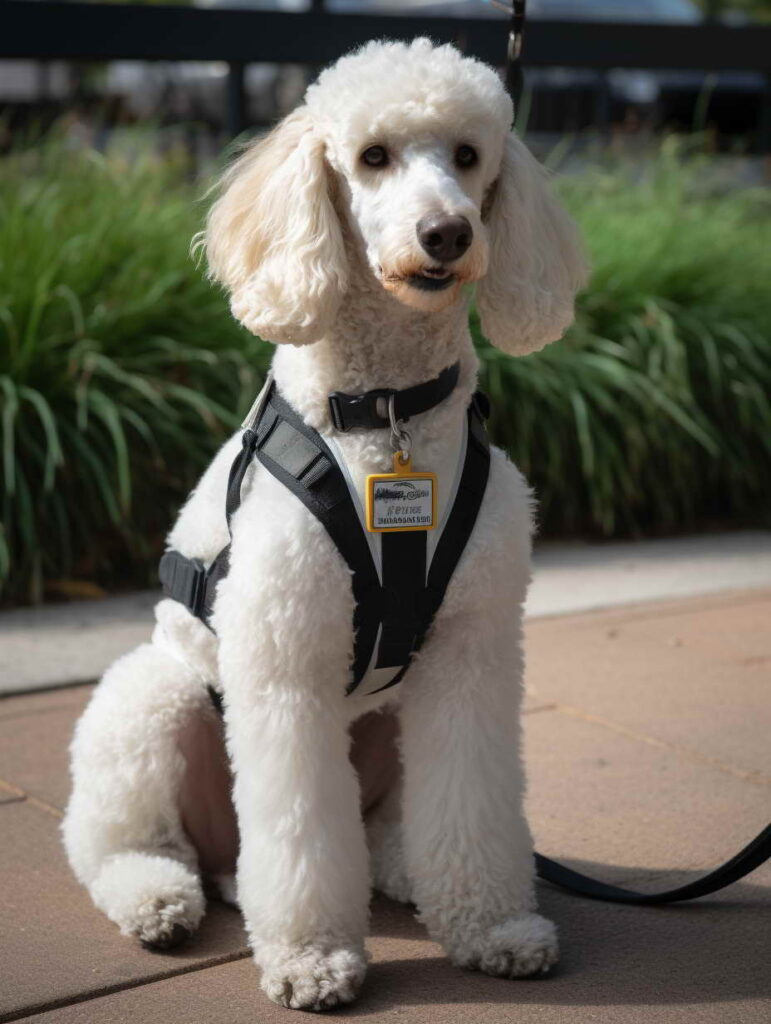
Best Dog Breed Personality Poodle
Poodle: The Intelligent and Independent Thinker
Poodles are known for their intelligence, distinctive appearance, and independent yet charming personalities.
Exceptional Intelligence
One of the most remarkable qualities of Poodles is their exceptional intelligence. They are often ranked among the smartest dog breeds. Their intelligence makes them quick learners, allowing them to master various commands and tasks with ease.
Independent Thinkers
Poodles are independent thinkers, and their intelligence often translates into a sense of self-reliance. While this can be a positive trait, it can sometimes lead to a bit of stubbornness. Owners of Poodles should be prepared to engage in patient and consistent training to ensure their dogs respond well to commands.
Versatile Sizes
Poodles come in a range of sizes, from standard to miniature. This versatility means you can choose a Poodle that best fits your living situation, whether it’s a spacious family home or a cozy apartment. Their hypoallergenic coats make them a popular choice for allergy sufferers.
Elegant Appearance
Poodles are known for their elegant and distinctive appearance. Their curly, non-shedding coats and stylish grooming give them a regal look. Their unique appearance is a source of pride for many Poodle owners.
Great Companions
Despite their independent nature, Poodles are also great companions. They are loyal to their owners and form strong bonds. They enjoy being close to their human family and thrive on love and affection.
Agility and Trainability
Poodles excel in agility and obedience training. They are often seen participating in dog sports and competitions. Their high trainability and athleticism make them versatile and adaptable in various activities.
FAQs
What is the best dog breed for families with children?
Golden Retrievers and Labrador Retrievers are excellent choices due to their friendly and gentle nature.
Which dog breeds are best for apartments?
Bulldogs and Poodles, particularly the miniature variety, are well-suited to apartment living.
What are some low-maintenance dog breeds?
Bulldogs and Beagles require less grooming and are relatively low-maintenance.
Which breeds are highly trainable?
Labrador Retrievers, Golden Retrievers, and German Shepherds are known for their trainability.
Are there any hypoallergenic dog breeds?
Poodles are a hypoallergenic breed, making them a great choice for allergy sufferers.
What is the best dog breed for first-time dog owners?
Labrador Retrievers are a good option for first-time dog owners due to their friendly and easygoing nature.
Conclusion
In your quest to find the perfect canine companion, understanding the best dog breed personality for your lifestyle is key. Remember that a dog’s personality is as unique as your own, so choose a breed that aligns with your preferences and living situation. Whether you opt for a Labrador’s social charm, a German Shepherd’s protective instincts, or a Poodle’s intelligence, your new furry friend will undoubtedly bring joy and companionship to your life.
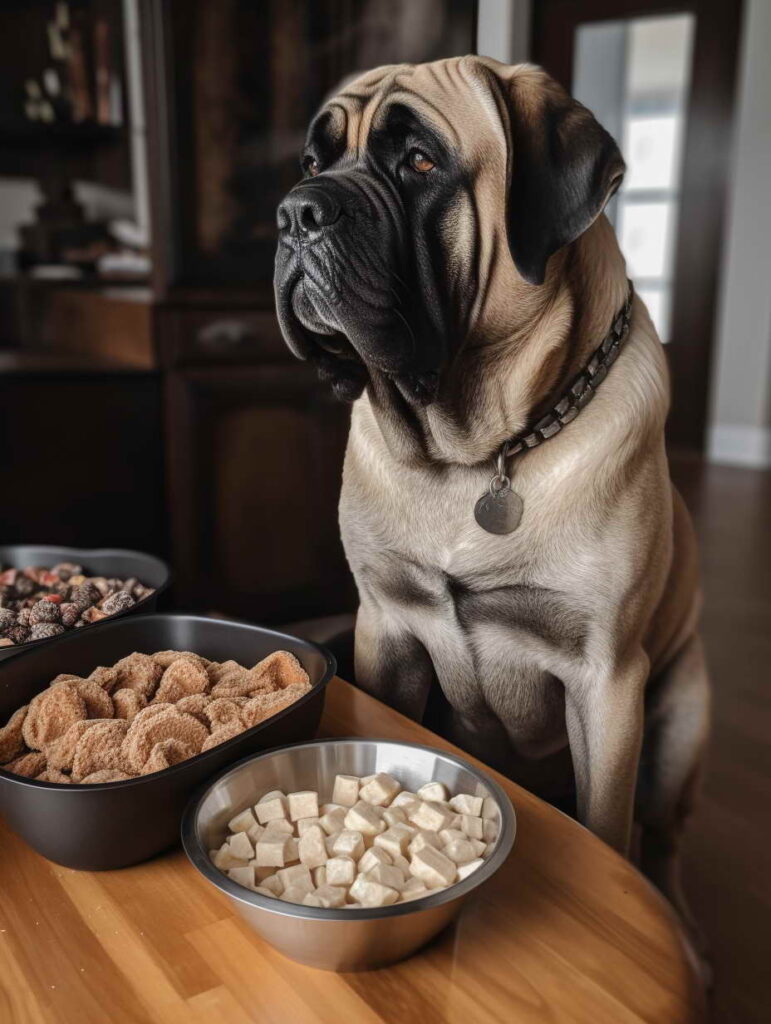
Giant dog breeds, such as Saint Bernards, Great Danes, and Newfoundlands, have unique dietary needs due to their size and growth rate. In this comprehensive guide, we’ll delve into the world of Giant Dog Breed Food. From choosing the right food to addressing common concerns, we’ve got you covered. Let’s ensure your big fur baby enjoys a long, healthy, and happy life!
Giant Dog Breed Food Selection
Selecting the right food for your giant canine companion is a crucial decision that can significantly impact their health and well-being. Giant dog breeds, such as Saint Bernards, Great Danes, and Newfoundlands, have unique dietary requirements due to their size and growth rate. Let’s explore this topic in more detail to help you make an informed choice.
The Importance of High-Quality Ingredients
When choosing Giant Dog Breed Food, it’s essential to prioritize high-quality ingredients. Look for products that feature real meat as the first ingredient, such as chicken, beef, or lamb. This ensures your dog receives a protein source that is both delicious and packed with essential nutrients. Avoid foods that list fillers like corn, soy, or artificial additives at the top of their ingredient list. Giant breeds need optimal nutrition, and quality ingredients are the foundation of their diet.
The Significance of Protein
Protein is a vital component of your giant dog’s diet. Aim for a food that contains at least 25% protein, as it supports muscle development, tissue repair, and overall health. High-protein diets are especially important for giant breeds that need extra strength to support their large frames. Protein-rich food will help your dog maintain their energy levels and thrive.
Fats for Energy
In addition to protein, fats play a critical role in your giant dog’s nutrition. Look for foods with a fat content ranging from 10% to 15%. Fats are an excellent energy source and are essential for maintaining healthy skin and a shiny coat. Giant breeds may require a little extra fat to meet their energy needs, so a balanced fat content is crucial.
Balancing Calcium and Phosphorus
Giant dogs have unique requirements for calcium and phosphorus. These minerals are essential for strong bones and teeth. Look for foods that provide a balanced ratio of calcium to phosphorus. An imbalance can lead to skeletal problems, so it’s crucial to ensure the food you choose meets these specific requirements.
Specialized Formulas
Many reputable pet food brands offer specialized formulas tailored to the needs of giant dog breeds. These formulas take into account the unique nutritional requirements of giants, such as joint health and digestion. Consider trying brands like Royal Canin, Hill’s Science Diet, or Nutro Max, which offer quality options for giant breeds.
Monitor Your Dog’s Weight
Lastly, it’s essential to monitor your giant dog’s weight. Giant breeds are more susceptible to obesity due to their size and slower metabolism. Follow the recommended feeding guidelines provided on the food label and adjust portions according to your dog’s activity level, age, and overall health. Regularly check your dog’s weight and make adjustments as needed to maintain their ideal body condition.
Selecting the right Giant Dog Breed Food is a responsible and caring choice that can contribute to the longevity and happiness of your beloved pet. By focusing on high-quality ingredients, proper nutrition, and monitoring their weight, you’re taking significant steps to ensure your giant dog enjoys a healthy and fulfilling life.
Nutritional Requirements
Giant dog breeds, with their towering stature and impressive size, come with specific nutritional requirements to support their growth, vitality, and overall health. In this section, we will delve deeper into these vital nutritional needs that are essential for the well-being of your beloved giant dog.
Adequate Protein Intake
Protein is the cornerstone of your giant dog’s diet. With their substantial musculature and size, they require an ample supply of high-quality protein. Look for Giant Dog Breed Food that contains a minimum of 25% protein. Protein is essential for muscle development, tissue repair, and overall vitality. It’s particularly crucial for giant breeds as they need the strength to support their substantial frames.
Balancing Fat Levels
In addition to protein, fats play a significant role in your giant dog’s nutrition. A moderate fat content of around 10% to 15% is ideal for these breeds. Fats are a concentrated source of energy and help maintain a healthy skin and coat. For giant breeds, a bit more fat might be necessary to meet their energy requirements. Adequate fat levels keep your dog energetic and their coat gleaming with health.
Calcium and Phosphorus for Strong Bones
Giant dog breeds are known for their impressive bone structures. Proper development and maintenance of these bones require an appropriate balance of calcium and phosphorus. The ideal ratio of calcium to phosphorus is critical for ensuring your dog’s bones stay robust and healthy. Imbalances in these minerals can lead to skeletal problems, making it essential to select a Giant Dog Breed Food that prioritizes this balance.
Joint Health Support
Giant breeds are prone to joint issues due to their size and weight. To keep their joints healthy and pain-free, consider foods that include glucosamine and chondroitin. These are vital compounds that help maintain joint health and mobility. Foods formulated to support joint health can be particularly beneficial for giant dogs as they age.
Vitamins and Minerals
A well-rounded Giant Dog Breed Food should also contain a wide spectrum of vitamins and minerals. These micronutrients are essential for various bodily functions, including immune system support, skin and coat health, and overall well-being. Look for foods with added vitamins like A, D, E, and minerals like zinc and selenium to ensure your giant dog receives all the necessary nutrients.
Specialized Formulas
Several renowned pet food brands offer specialized formulas explicitly designed for giant dog breeds. These formulas take into account the unique nutritional needs of giants, including their joint health, digestion, and overall vitality. Brands like Royal Canin, Hill’s Science Diet, and Nutro Max provide top-quality options tailored to the requirements of your giant dog.
Understanding and meeting the nutritional requirements of your giant dog is a significant step in ensuring their health and longevity. By focusing on an appropriate balance of protein, fats, minerals, and specialized nutrients, you can help your beloved giant breed companion lead a healthy and active life. Always consult with your veterinarian to make sure you’re meeting your specific dog’s nutritional needs.
Popular Giant Dog Breed Food Brands
Choosing the right food brand for your giant dog breed is just as important as selecting the type of food itself. Reputable brands often provide specialized formulas that cater to the unique needs of giant breeds. Let’s explore some of the most popular and trusted Giant Dog Breed Food brands in the market.
1. Royal Canin
Royal Canin is a well-respected name in the pet food industry and offers a range of products designed specifically for giant breeds. Their formulas take into account the size, age, and unique nutritional needs of large dogs. They are known for their quality ingredients and extensive research in animal nutrition. When choosing Royal Canin, you can have confidence in the specialized nutrition your giant dog receives. Check out Royal Canin on Amazon to get a discount. https://amzn.to/40fxq1g
2. Hill’s Science Diet
Hill’s Science Diet is another brand that provides balanced and nutritious options for giant dog breeds. Their formulas aim to support joint health, which is crucial for larger dogs. With a history of scientific research and quality control, Hill’s Science Diet has earned a reputation for producing food that meets the specific dietary requirements of giant breeds.
3. Nutro Max
Nutro Max offers a selection of dog food options suitable for large and giant breeds. They emphasize using wholesome ingredients that promote overall well-being. Their recipes are known for being free of artificial additives and preservatives, which can be a significant consideration for many dog owners. Nutro Max strives to provide a well-rounded diet for your giant dog.
4. Purina Pro Plan
Purina Pro Plan is a brand that understands the importance of tailored nutrition for giant breeds. They offer a range of formulas that focus on providing dogs with high-quality protein and balanced nutrition. Many of their options also incorporate ingredients for joint health and enhanced digestion. Purina Pro Plan is trusted by pet owners and recommended by veterinarians.
5. Blue Buffalo
Blue Buffalo is well-known for its emphasis on natural ingredients and balanced nutrition. While they don’t have specific giant breed formulas, they offer a variety of products suitable for large dogs. Blue Buffalo’s commitment to real meat as the first ingredient and their avoidance of artificial additives makes them a popular choice among dog owners seeking quality nutrition for their pets.
6. Merrick Grain-Free
Merrick offers grain-free options for dogs, including large and giant breeds. Their focus on real, deboned meat as the primary ingredient ensures your giant dog receives the protein they need. Merrick’s grain-free formulas are well-suited for dogs with sensitivities or allergies and have gained recognition for their nutritional value.
When choosing a Giant Dog Breed Food brand, it’s essential to consider your dog’s specific dietary requirements and preferences. These popular brands are trusted by many pet owners and have a reputation for delivering quality nutrition. Consult with your veterinarian to determine which brand and formula align best with your giant dog’s individual needs.
How Much to Feed?
Determining the appropriate portion size for your giant dog breed is a crucial aspect of their nutrition. These larger-than-life canines have unique requirements, and understanding how much to feed them can help maintain their ideal weight and overall health. Let’s dive into the factors that influence portion size and provide guidance on how to ensure your giant dog gets the right amount of food.
Following Feeding Guidelines
The first step in deciding how much to feed your giant dog is to consult the feeding guidelines on the food packaging. Most reputable Giant Dog Breed Food brands provide these recommendations based on the dog’s weight, age, and activity level. These guidelines offer a helpful starting point, ensuring your dog receives adequate nutrition.
Adjusting for Age and Growth
Giant dog breeds have a prolonged growth period, and their nutritional needs change as they age. Puppies require more calories and nutrients to support their rapid development, while adult dogs have different requirements. It’s essential to transition your dog to an age-appropriate formula when they reach adulthood to ensure they receive the correct nutrients for their life stage.
Monitoring Weight and Activity
While feeding guidelines are a valuable reference, it’s vital to customize your giant dog’s portion size based on their specific needs. Keep a close eye on your dog’s weight and adjust their food accordingly. If they are gaining weight, reduce their portion size; if they are losing weight or seem lethargic, consider increasing it.
Additionally, your dog’s activity level plays a significant role in determining portion size. More active dogs burn more calories and may require larger portions to maintain their energy levels. In contrast, less active dogs may need smaller portions to prevent overfeeding and weight gain.
Meal Frequency
Dividing your giant dog’s daily intake into two meals can help prevent a common issue in large breeds—bloat. Bloat is a potentially life-threatening condition in which the stomach fills with gas and can twist on itself. Feeding your dog smaller, more frequent meals reduces the risk of bloat and ensures a more comfortable digestion process.
Consulting Your Veterinarian
Every giant dog is unique, and their dietary needs can vary based on their health and genetics. To determine the ideal portion size for your specific dog, consult your veterinarian. They can provide tailored recommendations based on your dog’s health, age, activity level, and any existing medical conditions.
Be Cautious with Treats
While monitoring their main meals is crucial, don’t forget to account for treats and snacks in your giant dog’s daily calorie intake. Treats should be considered part of their overall diet and should not exceed 10% of their daily calorie intake to prevent overindulgence.
By following these guidelines, staying attentive to your dog’s weight and activity level, and consulting with your veterinarian, you can ensure that your giant dog receives the right amount of food to maintain a healthy weight and overall well-being.
Giant Dog Breed Food: FAQs
Can I feed my giant dog regular dog food?
It’s best to choose food formulated for giant breeds to meet their unique nutritional needs.
What’s the ideal feeding schedule?
Split their daily intake into two meals to prevent bloat, a common issue in giant breeds.
Should I add supplements to their diet?
Consult your vet before adding supplements to ensure they’re necessary and safe.
Is homemade food a good option?
Homemade diets can work, but consult a vet to ensure they meet all nutritional requirements.
Can giant dogs eat raw food?
Raw diets can be risky due to bacterial contamination; consult your vet for guidance.
What are common food allergies in giant breeds?
Giant dogs can be sensitive to grains and some proteins; choose hypoallergenic options if needed.
Conclusion
Proper nutrition is the cornerstone of your giant dog’s health. By selecting the right Giant Dog Breed Food and adhering to feeding guidelines, you’ll ensure a happy and healthy life for your beloved pet. Remember to consult your veterinarian for personalized advice and enjoy the companionship of your giant fur baby to the fullest.
Dog Breed Organizations: Unleashing the Benefits of Adopting Dogs from Trusted Breed Organizations
Introduction:
As animal lovers, we often hear about the incredible companionship that dogs offer us. However, adopting a furry friend involves more than just bringing home a cute pup; it requires research and responsibility. That’s where breed organizations come into play – they provide guidance and resources to help people make informed decisions about owning a dog. From training tips to health care advice, these organizations ensure that our beloved pets receive the best possible care. In this article, we explore the significance of dog breed organizations and how they contribute to making our four-legged friends happier and healthier.
Understanding Dog Breed Organizations
Definition – What Are Dog Breed Organizations?
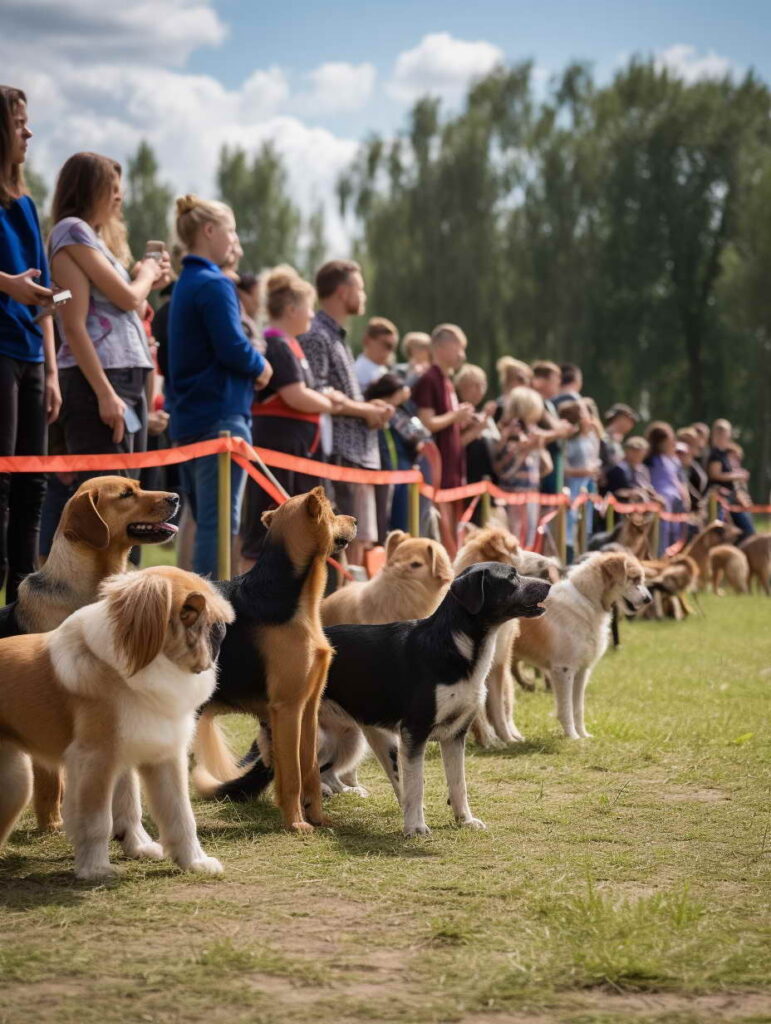
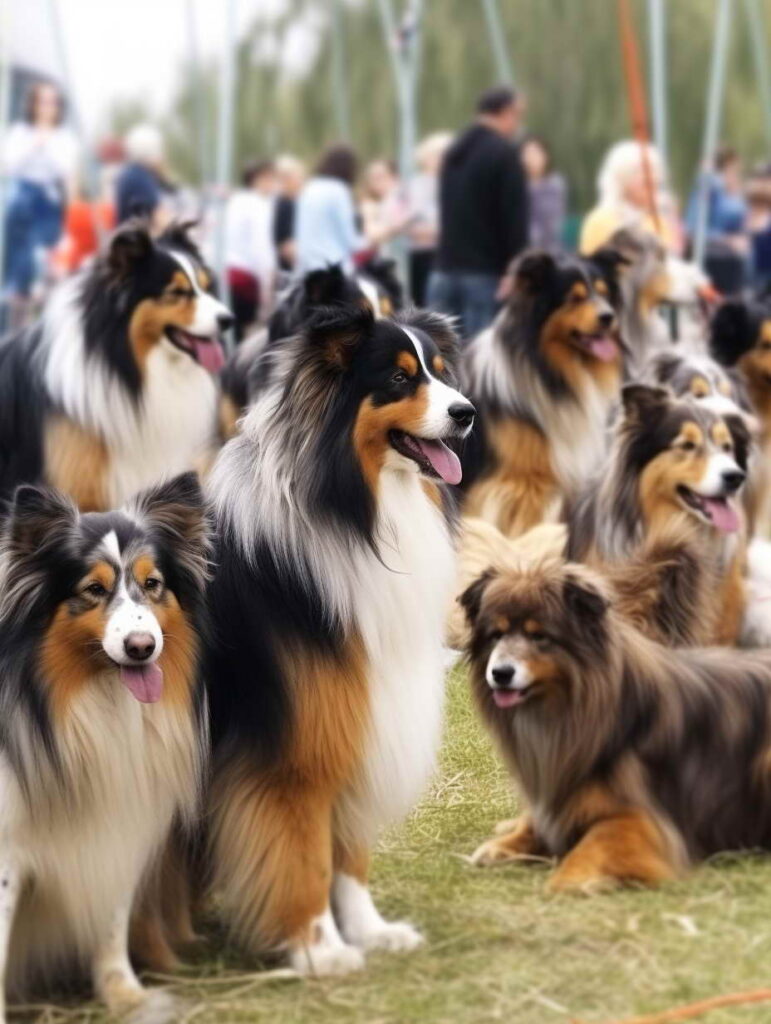
Breed organizations refer to nonprofit entities dedicated to promoting specific dog breeds through education, conservation efforts, and genetic preservation initiatives. They function as community hubs for like-minded individuals who share common goals regarding their chosen breeds. These groups work towards improving breed standards, organizing events such as shows and competitions, offering assistance during emergencies, and advocating for responsible pet ownership practices.
History & Evolution – How Did Breed Organizations Come About?
The origins of dog breed clubs date back to late nineteenth-century Europe, where fanciers (dog enthusiasts) formed associations to promote purebred dogs’ interests. Their primary focus was preserving distinctive traits within each breed, which helped differentiate them from others. Over time, these societies evolved to encompass broader aspects related to breed welfare and public awareness campaigns aimed at preventing cruelty towards animals. Today, many countries have established national breed councils to oversee various activities and represent their respective communities internationally.
Benefits of Joining A Breed Organization
Access To Information And Resources – What Can Members Expect?
Joining a breed organization provides access to valuable resources and insightful knowledge that helps members become better pet owners. Through regular meetings, seminars, workshops, and webinars, members learn about breed characteristics, grooming techniques, nutrition requirements, behavioral patterns, and health issues. Additionally, some groups publish magazines, newsletters, and online blogs containing articles on topics ranging from genetics and pedigree analysis to legal matters concerning breed registration and transfer agreements.
Community Support – Who Else Is On Board?
Becoming part of a breed club also grants membership to a group of like-minded people committed to upholding the breed standard and its values. This shared commitment creates a sense of camaraderie and social bonding amongst members, fostering a supportive network of peers willing to lend a helping hand whenever needed. Furthermore, these relationships facilitate collaboration between breeders, veterinary practitioners, judges, trainers, and other professionals associated with the breed.
Promoting Responsibility In Pet Ownership – The Role Of Breed Clubs
Healthcare Advice For Pets – How Do Breed Clubs Contribute?
One critical aspect of responsible pet ownership is ensuring optimal healthcare for dogs. Many breed organizations collaborate with veterinary clinics and specialists to provide medical guidelines tailored to individual breeds. These recommendations address preventive measures against diseases specific to each breed, vaccination schedules, dietary restrictions, and treatment options for illnesses commonly affecting the species. By disseminating this vital data, breed clubs aim to enhance the overall health and longevity of the breed population.
Education For Prospective Owners – How Do Breed Clubs Help?
Prospective dog owners may seek out breed clubs to obtain practical knowledge about caring for a particular breed. These organizations conduct educational programs covering various areas of interest, including basic obedience, housebreaking procedures, crate training methods, puppy development stages, and socialization protocols. Such sessions aid potential owners in understanding the nature and temperament of the breed, allowing them to prepare adequately for parenthood.
Preserving Genetic Integrity – How Does It Matter?
Conservation Efforts – What Do Breed Clubs Do?
Preservation of genetic purity is crucial for maintaining breed integrity and preventing hybridization. Some breed organizations undertake conservation initiatives focused on promoting breeding between healthy stock within the same lineage. These schemes assist in strengthening desirable genes, minimizing defects or recessive traits, and reducing inherited disorders’ frequency. By actively contributing to breed improvement projects, clubs aspire to preserve the essence of traditional breed types and enhance their quality.
Pedigree Analysis – How Do Breed Clubs Facilitate It?
Pedigrees serve as a vital recordkeeping tool used to trace an animal’s ancestral history accurately. Breed organizations often maintain databases to store detailed records of registered breeds, documenting key features like physical attributes, health status, performance statistics, and breeding histories. Members can use these archives to identify suitable mates based on factors such as bloodline compatibility, conformation conformities, and disease resistance capabilities. Moreover, breed clubs offer genealogy services to interested parties seeking information about a specific dog’s heritage.
Summary
In conclusion, dog breed organizations serve multiple purposes beyond providing companionship to pet lovers. They foster responsible pet ownership by sharing essential healthcare tips, educating prospective owners, facilitating conservation efforts, and encouraging genetic preservation strategies. As more and more people embrace dog ownership, joining a breed society becomes increasingly popular due to the benefits mentioned above. Consequently, as responsible stewards of our furry friends, it’s imperative to support and participate in breed club activities, creating a better future for both us and our beloved pets.
FAQs about Dog Breed Organizations
How can I find a Dog Breed Organization for my favorite breed?
You can start by searching online, visiting breed-specific websites, or contacting breeders in your area. Many breed clubs have a presence on social media platforms as well.
Are Dog Breed Organizations only for purebred dogs?
Not necessarily. While many Dog Breed Organizations focus on purebred dogs, some are inclusive and welcome mixed-breed enthusiasts who share a passion for the breed.
Do I need to own a dog of a specific breed to join an organization?
No, many organizations welcome enthusiasts and supporters who may not currently own a dog of the breed but share a genuine interest and love for it.
How can I actively contribute to a Dog Breed Organization?
You can contribute by volunteering, participating in events, supporting health initiatives, and promoting responsible breeding and ownership.
Can I join multiple Dog Breed Organizations?
Yes, you can join multiple organizations if you have a passion for more than one breed. However, make sure you can commit to active participation in each.
Are there any age restrictions for joining these organizations?
The age requirements may vary, but many organizations welcome members of all ages, including juniors and adults.