Author: Julia

  • How Long Can Canned Dog Food Last In The Fridge?

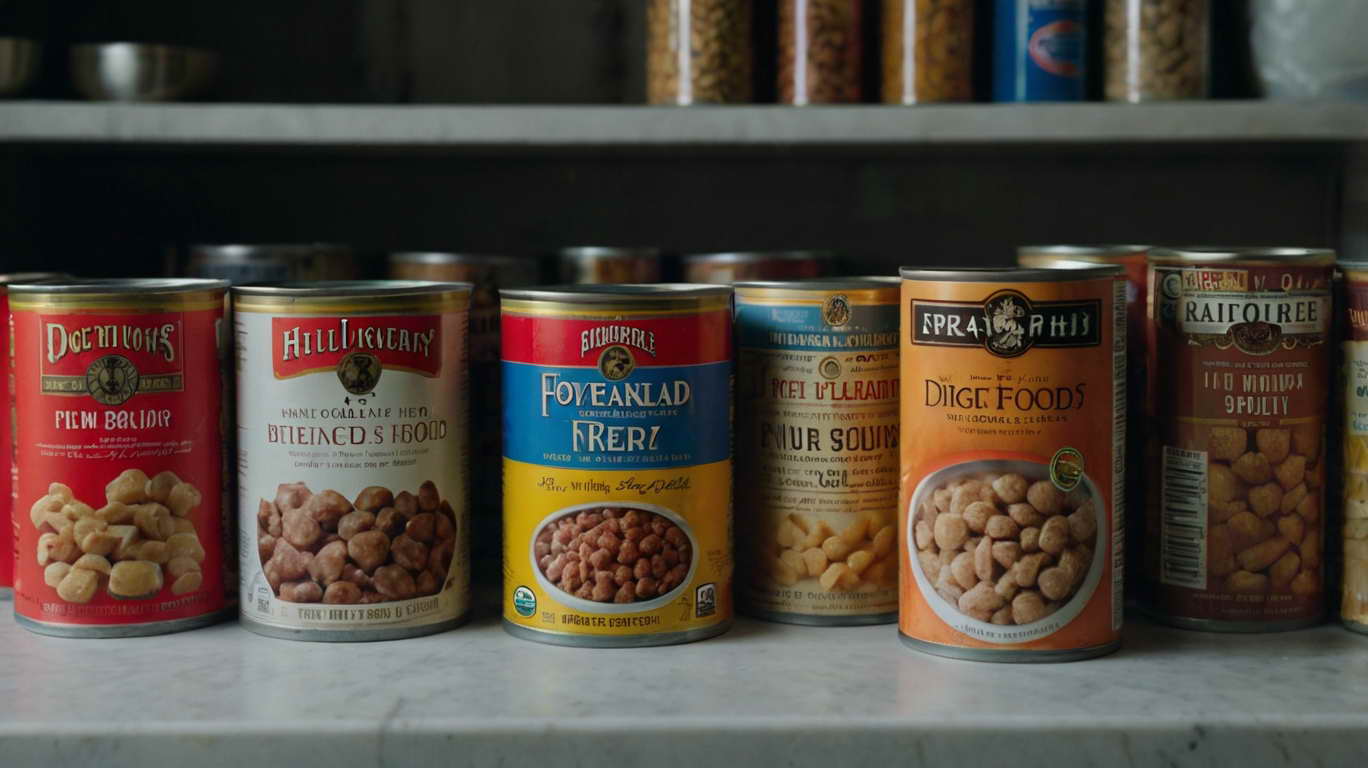
    How Long Can Canned Dog Food Last In The Fridge?

    Introduction

    Hey there, fellow dog lover! As a professional dog trainer, I get asked all sorts of questions about our furry friends, but one that comes up surprisingly often is about storing canned dog food. So, grab a cup of coffee (or a cold one if it’s that time of day), and let’s dive into refrigerated dog food storage. Trust me, it’s more interesting than it sounds!

    The Basics: Why We’re Even Talking About This

    Before we get into the nitty-gritty of fridge storage, let’s chat about why this is even a topic worth discussing. I mean, why not just leave the can on the shelf until you need it, right? Well, here’s the deal:

    1. Opened cans need proper storage: Once you crack open that can of doggy deliciousness, you’ve introduced air and potential contaminants. Proper storage becomes crucial.
    2. Leftovers are common: Unless you’ve got a Great Dane with an appetite to match, chances are you’ll have some food left over after feeding your pup.
    3. Food safety matters: Just like with human food, dog food can go bad and potentially make your furry friend sick. And let me tell you, dealing with a sick dog is no walk in the park (pun intended).
    4. Cost-effective: Knowing how to store food properly means less waste and more savings. Who doesn’t like that?

    Now that we’ve covered the “why,” let’s get into the meat of the matter (pun absolutely intended, again).

    The Golden Rule: 3-5 Days

    Alright, here’s the headline you’ve been waiting for: opened canned dog food typically lasts 3-5 days in the refrigerator. But before you go marking your calendar, there’s a bit more to it than that.

    Factors Affecting Shelf Life

    The 3-5 day rule is a good general guideline, but several factors can influence how long your dog’s canned food stays fresh in the fridge:

    1. Temperature: Your fridge should be set at or below 40°F (4°C). Any warmer, and you’re giving bacteria a cozy environment to multiply.
    2. Storage method: How you store the food matters. We’ll get into the details later, but airtight containers are your best friend here.
    3. Ingredients: Some ingredients spoil faster than others. Foods with a higher fat content, for instance, tend to go rancid more quickly.
    4. Preservatives: Many commercial dog foods contain preservatives that can extend shelf life, even after opening.
    5. Contamination: If you’ve used a dirty spoon or let your dog lick directly from the can (we’ve all been there), you’ve introduced bacteria that can speed up spoilage.

    Signs Your Canned Dog Food Has Gone Bad

    Now, I know what you’re thinking: “But how do I know if it’s still good?” Great question! Here are some telltale signs that it’s time to toss that canned food:

    1. Smell: Trust your nose. If it smells off, rancid, or just plain weird, it’s probably not good anymore.
    2. Appearance: Look for any signs of mold, discoloration, or texture changes.
    3. Texture: If the food seems slimy or has an unusual consistency, it’s best to err on the side of caution and discard it.
    4. Bubbles: Bubbles or foam on the surface can indicate bacterial growth.
    5. Can condition: If the can is bulging, rusted, or damaged, don’t even think about feeding that to your dog.

    Remember, when in doubt, throw it out. It’s better to be safe than sorry when it comes to your furry friend’s health.

    Proper Storage Techniques

    Alright, now that we know how long canned dog food can last and how to tell if it’s gone bad, let’s talk about how to store it properly to maximize its shelf life.

    1. Transfer to an Airtight Container

    This is probably the most important step. Once you’ve opened the can, transfer any unused portion to an airtight container. Why? Because it:

    • Prevents contamination
    • Keeps odors from permeating your fridge (trust me, your roommates or family will thank you)
    • Maintains moisture levels
    • Makes it easier to track how long it’s been in the fridge

    Pro tip: Glass or ceramic containers are best, as they don’t absorb odors or stains like plastic can.

    2. Refrigerate Promptly

    Don’t let that opened can sit out on the counter for hours. As soon as you’re done feeding your pup, put the leftovers in the fridge. The faster you cool it down, the slower bacteria will grow.

    3. Label and Date

    This might seem like overkill, but trust me, it’s a game-changer. Slap a label on that container with the date you opened it. It takes seconds and saves you from playing the “when did I open this?” guessing game later.

    4. Use Clean Utensils

    Always use clean utensils when scooping out the food. This minimizes the introduction of new bacteria each time you open the container.

    5. Don’t Mix Old and New

    It can be tempting to top off yesterday’s leftovers with fresh food from a new can, but resist the urge! This can introduce bacteria from the older food into the fresh stuff, potentially spoiling the whole batch.

    Beyond the Fridge: Freezing Canned Dog Food

    Now, here’s a little trick I’ve learned over the years: you can freeze canned dog food to extend its shelf life even further. This is especially handy if you’ve bought in bulk or if your dog is a picky eater who likes variety.

    How to Freeze Canned Dog Food

    1. Portion it out: Divide the food into meal-sized portions. This makes it easier to thaw only what you need.
    2. Use freezer-safe containers: Freezer bags or small plastic containers work well.
    3. Remove air: If using bags, squeeze out as much air as possible before sealing.
    4. Label and date: Again, this is crucial. Frozen dog food can last up to 6 months, but it’s best to use it within 2-3 months for optimal quality.
    5. Thaw safely: When you’re ready to use it, thaw the food in the refrigerator overnight. Never thaw at room temperature, as this can allow bacteria to multiply.

    Remember, once thawed, treat the food as you would freshly opened canned food and use it within 3-5 days.

    The Great Debate: Wet vs. Dry Food

    Now, I know we’re focusing on canned food here, but I can’t resist touching on the age-old debate of wet vs. dry dog food. Both have their pros and cons, and often, a combination of the two can be beneficial.

    Wet Food Pros:

    • Higher moisture content (great for hydration)
    • Often more palatable for picky eaters
    • Can be easier for older dogs or those with dental issues

    Wet Food Cons:

    • More expensive per serving
    • Spoils faster once opened
    • Can contribute to dental issues if it’s the only food given

    Dry Food Pros:

    • More convenient to store and serve
    • Generally less expensive
    • Can help maintain dental health

    Dry Food Cons:

    • Lower moisture content
    • Some dogs find it less appealing
    • May contain more fillers and preservatives

    Ultimately, the choice between wet and dry food (or a combination) depends on your dog’s individual needs, preferences, and your lifestyle. Always consult with your vet to determine the best diet for your furry friend.

    The Impact of Diet on Your Dog’s Health

    While we’re on the topic of dog food, let’s chat about how diet impacts your dog’s overall health. As a trainer, I’ve seen firsthand how a good diet can affect a dog’s behavior, energy levels, and overall well-being.

    1. Energy Levels

    A balanced diet with appropriate protein levels can help maintain steady energy levels. This is especially important for working dogs or those that participate in agility or other high-energy activities.

    2. Coat Health

    Ever noticed how some dogs have that glossy, healthy-looking coat? Often, that’s a sign of good nutrition. Omega-3 and omega-6 fatty acids, found in many high-quality dog foods, contribute to coat health.

    3. Digestive Health

    The right diet can help maintain good digestive health, reducing issues like constipation, diarrhea, and gas. (Your nose will thank you for this one!)

    4. Weight Management

    Obesity is a growing problem in dogs, just as it is in humans. Proper portion control and a balanced diet can help keep your dog at a healthy weight, reducing the risk of various health issues.

    5. Behavioral Impact

    You might be surprised to learn that diet can affect behavior. Dogs with nutritional deficiencies or those eating foods that don’t agree with them may exhibit behavioral issues like hyperactivity or aggression.

    Common Mistakes in Feeding Canned Dog Food

    Alright, let’s talk about some common mistakes I see pet owners make when it comes to canned dog food. Don’t worry if you’ve made some of these – we’ve all been there!

    1. Overfeeding

    Canned food is often more calorie-dense than dry food, and it’s easy to overfeed. Always follow the feeding guidelines on the can, adjusting for your dog’s age, weight, and activity level.

    2. Leaving Food Out Too Long

    I get it, life gets busy. But leaving wet food out at room temperature for hours is a recipe for bacterial growth. If your dog doesn’t finish their meal within an hour, refrigerate the leftovers.

    3. Not Transitioning Gradually

    Switching foods abruptly can upset your dog’s stomach. Always transition to a new food gradually over 7-10 days, mixing increasing amounts of the new food with decreasing amounts of the old.

    4. Ignoring Individual Needs

    Not all dogs do well on all foods. Pay attention to how your dog responds to their food. Are they energetic? Is their coat shiny? Are their poops healthy? (Yeah, we’re going there – poop is important!)

    5. Forgetting Water

    Wet food has a higher moisture content than dry food, but that doesn’t mean your dog doesn’t need fresh water available at all times.

    The Environmental Impact of Canned Dog Food

    As a dog lover and trainer, I’m always thinking about how our choices affect not just our pets, but the world around us. So, let’s take a moment to consider the environmental impact of canned dog food.

    The Good:

    1. Less Food Waste: Because canned food has a longer shelf life than fresh food, it can result in less food waste.
    2. Efficient Shipping: Canned food is compact and doesn’t require refrigeration during shipping, which can reduce its carbon footprint.

    The Challenges:

    1. Packaging Waste: All those cans add up. While metal cans are recyclable, not everyone recycles properly.
    2. Energy-Intensive Production: The canning process requires more energy than producing dry kibble.
    3. Water Usage: Wet food production typically requires more water than dry food production.

    So, what can we do? Here are a few ideas:

    1. Recycle: Make sure you’re recycling those cans properly.
    2. Buy in Bulk: This can reduce packaging waste.
    3. Consider Alternatives: Some companies are experimenting with more eco-friendly packaging options.
    4. Mix It Up: Using a combination of wet and dry food can help balance the environmental impact.

    The Future of Dog Food

    As we wrap up our deep dive into the world of canned dog food storage, let’s take a quick look at what the future might hold. The pet food industry is constantly evolving, and there are some exciting trends on the horizon:

    1. Personalized Nutrition: We’re seeing a move towards customized diets based on a dog’s specific needs, age, breed, and health conditions.
    2. Alternative Proteins: With concerns about sustainability, many companies are exploring alternative protein sources like insects or plant-based proteins.
    3. Functional Foods: These are foods formulated to provide specific health benefits beyond basic nutrition.
    4. Smart Packaging: We might see packaging that can indicate freshness or even packaging made from biodegradable materials.
    5. Tech Integration: Imagine a food bowl that could track your dog’s eating habits and nutrition intake!

    Wrapping It Up

    Whew! We’ve covered a lot of ground, haven’t we? From storage times to environmental impacts, we’ve taken a comprehensive look at the world of canned dog food. Here’s a quick recap of the key points:

    • Opened canned dog food typically lasts 3-5 days in the fridge when stored properly.
    • Always transfer leftover food to an airtight container and refrigerate promptly.
    • Pay attention to signs of spoilage like odd smells, changes in texture, or mold.
    • Consider freezing portions for longer storage.
    • Remember that diet plays a crucial role in your dog’s overall health and behavior.
    • Be mindful of common feeding mistakes and the environmental impact of your choices.

    Remember, at the end of the day, the goal is to keep our furry friends healthy, happy, and well-fed. Whether you’re a seasoned dog owner or a newbie, I hope this information helps you make informed decisions about your pup’s diet and food storage.

    Got more questions? Feel free to ask! After all, talking about dogs is my favorite pastime (well, second only to actually hanging out with dogs). Until next time, keep those tails wagging and those fridges properly stocked!
  • Top 10 Best Canned Dog Foods For Constipation: Ease Your Pup’s Tummy Troubles

    Top 10 Best Canned Dog Foods For Constipation: Ease Your Pup’s Tummy Troubles

    Best Canned Dog Foods For Constipation

    What Are The Best Canned Dog Foods for Constipation?

    Hey there, buddy! I know you’ve been worried about your furry friend’s tummy troubles lately, so I thought I’d share some insights on dealing with canine constipation. As a professional dog trainer, I’ve seen my fair share of pooches struggling with this issue, and I’ve got some great tips on how canned dog food can help.

    Understanding Canine Constipation

    Before we dive into the best canned food options, let’s talk about what’s going on in your dog’s gut. Constipation in dogs is more common than you might think, and it can be caused by various factors:

    • Lack of fiber in the diet
    • Dehydration
    • Lack of exercise
    • Certain medications
    • Underlying health issues

    When your four-legged pal is constipated, they might strain to poop, produce small, hard stools, or even skip a day or two without going. It’s uncomfortable for them, and as their human, it’s pretty distressing to watch.

    Why Canned Food Can Help

    Now, you might be wondering why we’re focusing on canned food. Well, there are a few reasons:

    1. Higher moisture content: Canned food typically contains about 75-80% moisture, compared to only 10-12% in dry kibble. This extra hydration can help soften stools and make them easier to pass.
    2. Easier to digest: The softer texture of canned food is often gentler on the digestive system, which can be a real blessing for a constipated pup.
    3. Higher quality proteins: Many premium canned foods use better quality, more digestible proteins than their dry counterparts.
    4. Fewer fillers: Good quality canned foods often have fewer unnecessary fillers that can contribute to digestive issues.

    Certainly! I’ll expand on the topic of Top Canned Dog Foods for Constipation, providing 10 points with detailed information about each. Here’s an expanded list:

    Top 10 Canned Dog Foods for Constipation

    As a professional dog trainer, I’ve seen many dogs struggle with digestive issues. Here’s a comprehensive list of some of the best canned dog foods that can help alleviate constipation:

    Blue Buffalo Homestyle Recipe Chicken Dinner with Garden Vegetables

    • High-quality protein from real chicken
    • Contains fiber-rich garden vegetables like carrots and sweet potatoes
    • Includes pumpkin, known for its digestive benefits
    • No by-products, corn, wheat, or soy
    • Suitable for adult dogs of all breeds

    Hill’s Science Diet Adult Wet Dog Food, Sensitive Stomach & Skin

    • Formulated for easy digestibility
    • Contains prebiotic fiber to support a balanced gut microbiome
    • Made with high-quality protein for lean muscle maintenance
    • Includes vitamin E and Omega-6 fatty acids for skin health
    • Recommended by veterinarians

    Purina Pro Plan Focus Sensitive Skin & Stomach Wet Dog Food

    • Real salmon as the first ingredient
    • Easily digestible formula with prebiotic fiber
    • Omega-6 fatty acids and zinc for skin and coat health
    • No artificial colors, flavors, or preservatives
    • Suitable for dogs with sensitive stomachs

    Merrick Grain Free Wet Dog Food

    • Grain-free recipe suitable for dogs with grain sensitivities
    • High protein content from deboned meat
    • Includes a mix of fruits and vegetables for added nutrients and fiber
    • No artificial preservatives or additives
    • Available in various flavors to suit different preferences

    Weruva Grain-Free Natural Wet Dog Food

    • Human-grade ingredients
    • High moisture content to aid hydration and digestion
    • Minimal processing to retain nutritional value
    • Contains pumpkin for added digestive benefits
    • Low in carbohydrates, high in quality proteins

    Wellness CORE Grain-Free Wet Canned Dog Food

    • Grain-free, high-protein formula
    • Contains probiotics and prebiotic fiber for digestive health
    • Includes nutrient-rich superfoods like kale and spinach
    • No artificial preservatives, colors, or flavors
    • Suitable for adult dogs of all sizes

    Earthborn Holistic Wet Dog Food

    • Grain and gluten-free recipes
    • Contains a blend of fruits and vegetables for balanced nutrition
    • High-quality protein sources like chicken, lamb, or fish
    • Includes chelated minerals for better nutrient absorption
    • Formulated to support overall health and digestion

    Nulo Freestyle Grain-Free Wet Dog Food

    • High meat content with low carbohydrates
    • Contains patented BC30 probiotic for digestive and immune health
    • Free from artificial preservatives, colors, and flavors
    • Includes functional ingredients like chicory root and kelp
    • Suitable for dogs of all life stages

    Zignature Grain-Free Wet Dog Food

    • Limited ingredient formulas, great for dogs with food sensitivities
    • High-quality, novel protein sources like trout, duck, or kangaroo
    • Low in saturated fat and high in essential fatty acids
    • Free from common allergens like chicken, corn, wheat, soy, and dairy
    • Contains low-glycemic carbohydrates for stable blood sugar

    Instinct Original Grain Free Wet Dog Food

    • 95% real animal ingredients and nutritious oils
    • Grain-free and gluten-free for easy digestion
    • Includes fruits and vegetables for natural sources of fiber
    • Made in the USA with no artificial colors or preservatives
    • Suitable for all life stages, from puppy to senior

    Remember, when introducing any new food to your dog’s diet, it’s important to do so gradually. Start by mixing a small amount of the new food with their current diet and slowly increase the proportion over 7-10 days. This helps prevent digestive upset and allows your dog’s system to adjust to the new food.

    Also, while these foods can help with constipation, it’s always best to consult with your veterinarian if your dog is experiencing persistent digestive issues. They can provide personalized advice and ensure there are no underlying health concerns.

    Lastly, don’t forget that diet is just one part of managing your dog’s digestive health. Regular exercise, plenty of fresh water, and maintaining a consistent feeding schedule all play important roles in keeping your furry friend’s digestive system running smoothly.

    How to Transition to Canned Food

    Now, before you rush out and stock up on canned food, remember that sudden dietary changes can upset your dog’s stomach. Here’s how to make the switch safely:

    1. Start by mixing a small amount of canned food with their regular diet.
    2. Gradually increase the proportion of canned food over 7-10 days.
    3. Monitor your dog’s response and adjust accordingly.

    Beyond Canned Food: Other Tips for Canine Constipation

    While canned food can be a great help, there are other things you can do to keep your pup’s digestive system running smoothly:

    1. Ensure plenty of fresh water: Hydration is key to preventing constipation.
    2. Regular exercise: Daily walks or play sessions can help stimulate bowel movements.
    3. Consider fiber supplements: Ask your vet about adding a fiber supplement to your dog’s diet.
    4. Maintain a consistent feeding schedule: Regular meal times can help regulate bowel movements.
    5. Regular vet check-ups: Sometimes, constipation can be a sign of underlying health issues, so keep up with those vet visits!

    The Raw Meat Debate

    While we’re focusing on canned foods for constipation, it’s worth mentioning the growing trend of raw meat diets for dogs. Some pet owners swear by raw food diets, claiming they’re more natural and can lead to better digestion, shinier coats, and improved overall health. The idea is to mimic what dogs might eat in the wild. However, it’s a controversial topic in the veterinary community.

    Raw diets can carry risks of bacterial contamination and may not provide balanced nutrition unless carefully formulated. If you’re considering a raw meat diet for your constipated pup, it’s crucial to consult with your vet first. They can help you weigh the potential benefits against the risks and ensure your dog’s nutritional needs are met. Remember, whether you choose canned, dry, or raw food, the most important thing is that it provides complete and balanced nutrition for your furry friend.

    A Homemade Recipe for Constipated Dogs

    If you’re feeling adventurous, you might want to try making your own dog food. Here’s a simple recipe that can help with constipation:

    Chicken and Pumpkin Dog Food

    Ingredients:

    • 1 pound boneless, skinless chicken breast
    • 1 cup cooked brown rice
    • 1 cup canned pumpkin puree (not pumpkin pie filling)
    • 1/2 cup cooked and mashed sweet potato
    • 1/4 cup chopped carrots
    • 1/4 cup peas
    • 1 tablespoon olive oil

    Instructions:

    1. Cook the chicken in a pan until fully cooked through. Let it cool, then shred or chop into small pieces.
    2. In a large bowl, mix the cooked chicken with the brown rice, pumpkin puree, mashed sweet potato, carrots, and peas.
    3. Drizzle olive oil over the mixture and stir well to combine.
    4. Portion into meal-sized servings and store in the refrigerator or freezer.

    Remember to introduce this gradually into your dog’s diet, and always consult with your vet before making significant changes to your dog’s nutrition plan.

    Final Thoughts

    Dealing with a constipated canine companion can be tough, but with the right diet and care, you can help get things moving again. Whether you choose one of the canned foods we’ve discussed or decide to try your hand at homemade meals, the key is to prioritize your dog’s digestive health.

    Remember, every dog is unique, so what works for one might not work for another. Don’t be afraid to experiment (gradually, of course) to find what works best for your furry friend. And if constipation persists or seems severe, always consult with your veterinarian.

    Keep an eye on your pup, stay patient, and before you know it, you’ll have a happy, healthy dog with a well-functioning digestive system. After all, a dog with a happy tummy is a joy to be around – trust me, I’ve seen it countless times in my years as a trainer!

    Now, go give your four-legged friend a belly rub from me, and here’s to smooth sailing in the potty department!

  • How To Get Your Dog To Eat Dog Food Again

    How To Get Your Dog To Eat Dog Food Again

    How To Get Your Dog To Eat Dog Food Again

    10 Proven Tricks: How To Get Your Dog To Eat Dog Food Again

    Hey there, friend! I heard you’re having some trouble getting your furry companion to chow down on their regular kibble. As a professional dog trainer, I’ve seen this issue pop up more times than I can count. Don’t worry, we’ll get your pup back to their food bowl in no time. Let’s dive into why your dog might be turning their nose up at their food and what you can do about it.

    Understanding the Problem

    Before we jump into solutions, it’s important to understand why your dog might be refusing their food. There could be several reasons:

    1. Health issues: Sometimes, a loss of appetite can be a sign of underlying health problems.
    2. Dental problems: If your dog’s teeth or gums hurt, they might avoid eating.
    3. Boredom: Just like us, dogs can get tired of eating the same thing day in and day out.
    4. Spoiled by table scraps: If your dog’s been getting a lot of human food, they might be holding out for the good stuff.
    5. Changes in routine: Dogs are creatures of habit, and changes in their environment or schedule can affect their eating habits.
    6. Age: As dogs get older, their appetites and nutritional needs can change.

    Rule Out Medical Issues

    First things first, if your dog’s suddenly lost interest in their food, it’s always a good idea to check with your vet. They can rule out any health issues that might be causing the problem. Once you’ve got the all-clear from the vet, we can move on to some strategies to get your pup eating again.

    Strategies to Get Your Dog Eating Again

    1. Stick to a Feeding Schedule

    Dogs thrive on routine. Try feeding your dog at the same times each day. Put the food down for about 15-20 minutes, then take it away if they haven’t eaten. This helps create a sense of routine and can stimulate their appetite.

    2. Make Mealtime a Positive Experience

    Try to create positive associations with mealtime. You could:

    • Use a special feeding mat or puzzle feeder
    • Give lots of praise when they approach their food bowl
    • Make mealtime a fun game (more on this later)

    3. Gradually Transition to New Food

    If you’re switching to a new brand of dog food, do it gradually. Mix a small amount of the new food with the old, increasing the proportion of new food over a week or two. This helps prevent digestive upset and makes the transition easier for picky eaters.

    4. Enhance the Flavor

    Sometimes, all it takes is a little flavor boost to get your dog interested in their food again. Try:

    • Adding a splash of low-sodium chicken broth
    • Mixing in a spoonful of canned pumpkin (not pumpkin pie filling)
    • Topping the kibble with a small amount of wet dog food

    Just remember, these should be occasional tricks, not everyday additions.

    5. Exercise Before Meals

    A good walk or play session before mealtime can help stimulate your dog’s appetite. Plus, it’s a great way to bond with your pup!

    6. Warm Up the Food

    Especially for wet food or homemade meals, warming the food slightly can release more aromas and make it more appealing. Just make sure it’s not too hot!

    7. Try a Different Bowl

    Believe it or not, some dogs are picky about their dishes. Try a different material (like ceramic instead of metal) or a shallower bowl that doesn’t bump their tags while they eat.

    8. Make Mealtime a Game

    Turn mealtime into a fun activity. You could:

    • Use a puzzle feeder or treat-dispensing toy
    • Hide small amounts of food around the house for a “scavenger hunt”
    • Practice obedience commands, using kibble as rewards

    9. Limit Treats and Table Scraps

    If your dog’s been getting a lot of treats or human food, they might be holding out for something better than their regular food. Cut back on the extras and save treats for training sessions.

    10. Be Patient and Persistent

    Remember, it might take some time for your dog to get back into the habit of eating their regular food. Stay consistent with your approach and be patient.

    When All Else Fails: Homemade Dog Food

    If you’ve tried everything and your dog still isn’t interested in commercial dog food, you might want to consider making your own. However, it’s crucial to ensure that homemade food meets all your dog’s nutritional needs. Always consult with your vet or a canine nutritionist before switching to a homemade diet.

    Here’s a simple recipe you can try, but remember to adjust quantities based on your dog’s size and nutritional needs:

    Homemade Dog Food Recipe

    Ingredients:

    • 1 pound lean ground turkey
    • 2 cups brown rice
    • 1 cup chopped carrots
    • 1 cup chopped green beans
    • 1 tablespoon olive oil
    • 1/4 cup chopped parsley
    • 1 multivitamin supplement (as recommended by your vet)

    Instructions:

    1. Cook the brown rice according to package instructions.
    2. While the rice is cooking, heat the olive oil in a large skillet over medium heat.
    3. Add the ground turkey and cook until browned, breaking it up as it cooks.
    4. Add the chopped carrots and green beans to the skillet. Cook for another 5-7 minutes until the vegetables are tender.
    5. Mix in the cooked rice and chopped parsley.
    6. Allow the mixture to cool before serving.
    7. Add the multivitamin supplement as directed by your vet.

    This recipe provides a balance of protein, carbohydrates, and vegetables. However, it’s essential to rotate ingredients and ensure your dog is getting all necessary nutrients over time.

    The Raw Food Option

    When discussing how to get your dog to eat dog food again, we can’t ignore the growing trend of raw food diets. Some dog owners swear by feeding their pets raw meat, believing it more closely mimics what dogs would eat in the wild. The idea is that raw meat, bones, and organs provide a more natural and nutritionally complete diet. Proponents claim benefits like improved dental health, shinier coats, and increased energy levels.

    However, it’s crucial to note that raw diets come with risks, including potential bacterial contamination and nutritional imbalances if not properly prepared. If you’re considering switching to a raw diet to entice your picky eater, it’s essential to consult with your veterinarian first. They can guide you on whether a raw diet is appropriate for your dog and how to safely transition if it is. Remember, whether you’re feeding kibble, homemade food, or raw meat, the goal is to provide a balanced, safe diet that your dog enjoys and thrives on.

    The Importance of Consistency

    Whatever method you choose to get your dog eating again, consistency is key. Dogs are creatures of habit, and they do best with a regular routine. Once you find something that works, stick with it!

    When to Seek Professional Help

    If you’ve tried these strategies and your dog still isn’t eating, it might be time to consult a professional. A veterinary behaviorist or a certified dog trainer with experience in feeding issues can provide personalized advice and strategies.

    Prevention is Better Than Cure

    Once you’ve got your dog eating regularly again, here are some tips to prevent future issues:

    1. Maintain a consistent feeding schedule
    2. Avoid frequently changing dog food brands
    3. Limit treats and human food
    4. Ensure your dog gets regular exercise
    5. Keep up with regular vet check-ups

    Final Thoughts

    Remember, every dog is unique, and what works for one might not work for another. It might take some trial and error to find the right solution for your furry friend. The key is to be patient, persistent, and observant.

    Watching your dog refuse to eat can be stressful, but try not to let your anxiety show. Dogs are incredibly perceptive and can pick up on our emotions. Stay calm and positive, and your dog is more likely to respond well.

    Lastly, don’t forget that this is just a phase. With patience and the right approach, your dog will be back to enjoying their meals in no time. And hey, if you need any more advice or just want to chat about your progress, you know where to find me. Good luck, and give that pup a scratch behind the ears from me!

  • Fur-Free Floors: Best Dog Food That Helps With Shedding

    Fur-Free Floors: Best Dog Food That Helps With Shedding

    Best Dog Food That Helps With Shedding

    The Best Dog Food That Helps With Shedding: A Trainer’s Guide

    Hey there, fellow dog lover! As a professional dog trainer who’s been in the game for years, I’ve seen my fair share of furry friends shedding all over the place. It’s like a never-ending battle with tumbleweeds of fur, right? But here’s the thing: what you feed your pup can make a huge difference in how much they shed. So, let’s dive into the world of dog food that can help keep those fur storms at bay.

    Understanding Shedding: More Than Just a Hairy Situation

    Before we jump into the best chow for your furry friend, let’s chat about why dogs shed in the first place. It’s not just to drive us crazy (though sometimes it feels that way).

    Why Do Dogs Shed?

    1. Seasonal changes: Most dogs shed their winter coats in spring and summer coats in fall.
    2. Breed characteristics: Some breeds, like Huskies and German Shepherds, are notorious shedders.
    3. Health issues: Excessive shedding can be a sign of underlying health problems.
    4. Stress: Yep, even dogs can lose hair when they’re stressed out.
    5. Nutrition: This is where we come in – poor nutrition can lead to excessive shedding.

    The Nutrition-Shedding Connection

    Now, here’s where it gets interesting. The food you’re putting in your dog’s bowl can have a massive impact on their coat health. Think of it like this: if you ate nothing but junk food, your hair and skin wouldn’t look too hot, right? Same goes for our four-legged friends.

    Key Nutrients for a Healthy Coat

    1. Protein: The building block of hair.
    2. Omega-3 and Omega-6 fatty acids: These keep the skin moisturized and the coat shiny.
    3. Vitamins A and E: Essential for skin health.
    4. Zinc: Helps with coat growth and repair.
    5. Biotin: Promotes a healthy, shiny coat.

    Best Dog Food Ingredients That Help With Shedding

    Alright, now we’re getting to the good stuff. When you’re scanning those dog food labels (and I know it can be overwhelming), here are some ingredients you want to see:

    1. High-Quality Protein Sources

    Look for foods that list real meat as the first ingredient. We’re talking:

    • Chicken
    • Lamb
    • Beef
    • Fish (especially salmon)

    These protein sources are packed with amino acids that are crucial for healthy hair growth.

    2. Fish Oil

    This is like liquid gold for your dog’s coat. It’s rich in those omega-3 fatty acids we talked about earlier. If you see ingredients like:

    • Salmon oil
    • Menhaden fish oil
    • Cod liver oil

    You’re on the right track!

    3. Flaxseed

    Another great source of omega-3s, plus it’s got fiber to keep your pup’s digestive system happy.

    4. Sweet Potatoes

    These orange wonders are packed with beta-carotene, which converts to vitamin A in your dog’s body. Vitamin A is crucial for skin health.

    5. Eggs

    Nature’s perfect protein package, eggs also contain biotin and other B vitamins that promote a healthy coat.

    6. Fruits and Vegetables

    Look for foods that include a variety of fruits and veggies. They’re packed with antioxidants and vitamins that support overall health, including skin and coat health. Some great options include:

    • Blueberries
    • Spinach
    • Carrots
    • Pumpkin

    Raw Meat Diets: A Controversial Option

    Now, let’s talk about the elephant in the room – or should I say, the raw steak on the floor? Raw meat diets for dogs have gained popularity in recent years, with some owners swearing by their benefits for coat health and reduced shedding. The idea is that these diets mimic what dogs would eat in the wild, providing high-quality protein and natural nutrients. Proponents claim that raw diets can lead to shinier coats, healthier skin, and less shedding. However, it’s important to note that raw diets are controversial in the veterinary community. While some dogs thrive on them, there are risks of nutritional imbalances and bacterial contamination.

    If you’re considering a raw diet to help with shedding, it’s crucial to consult with your vet first. They can help you weigh the pros and cons and ensure you’re meeting all of your dog’s nutritional needs. Remember, whether you’re feeding kibble, wet food, or raw, the key is balanced nutrition tailored to your dog’s specific needs.

    Top Dog Food Brands That Help With Shedding

    Okay, I know you’re probably thinking, “Just tell me what to buy already!” I hear you. While every dog is different, here are some brands that I’ve seen work wonders for many of my clients’ shedding issues:

    1. Blue Buffalo Wilderness High Protein Grain Free

    This food is packed with real meat and fish oil. It’s grain-free, which can be beneficial for some dogs with sensitivities.

    Pros:

    • High in protein
    • Contains omega-3 and omega-6 fatty acids
    • Includes antioxidant-rich fruits and vegetables

    Cons:

    • On the pricier side
    • Not suitable for dogs who need grain in their diet

    2. Hill’s Science Diet Adult Sensitive Stomach & Skin

    This one’s great for dogs with sensitive tummies and skin issues.

    Pros:

    • Easy to digest
    • Contains vitamin E and omega-6 fatty acids for skin health
    • Prebiotic fiber for gut health

    Cons:

    • Not grain-free (though this isn’t necessarily a con for all dogs)
    • Some picky eaters might not like the taste

    3. Purina Pro Plan Focus Sensitive Skin & Stomach

    Another excellent option for dogs with sensitivities.

    Pros:

    • Real salmon as the first ingredient
    • Contains prebiotic fiber
    • Omega-6 fatty acids and zinc for skin health

    Cons:

    • Contains some by-products, which some owners prefer to avoid
    • Not suitable for dogs with fish allergies

    4. Royal Canin Breed Health Nutrition

    This brand offers breed-specific formulas, which can be great if your dog’s shedding is related to their breed characteristics.

    Pros:

    • Tailored to specific breed needs
    • Contains a blend of vitamins and nutrients for coat health
    • Kibble shape designed to encourage chewing (which can indirectly help with coat health)

    Cons:

    • More expensive than some other options
    • Limited flavor options within each breed formula

    5. Wellness CORE Natural Grain Free

    Another grain-free option that’s packed with good stuff for your dog’s coat.

    Pros:

    • High protein content
    • Contains omega fatty acids
    • Includes probiotics for digestive health

    Cons:

    • Some dogs may need an adjustment period when switching to this high-protein diet
    • Not suitable for dogs who need grains in their diet

    Homemade Additions to Combat Shedding

    Now, I know not everyone can afford premium dog food all the time. And that’s okay! There are some simple, affordable additions you can make to your dog’s regular food to help with shedding:

    1. Coconut oil: A teaspoon of coconut oil mixed into your dog’s food can work wonders for their coat. Start with small amounts to avoid digestive upset.
    2. Sardines: These little fish are packed with omega-3s. Just make sure they’re packed in water, not oil.
    3. Eggs: As mentioned earlier, eggs are a nutritional powerhouse. You can add a cooked egg to your dog’s food a few times a week.
    4. Pumpkin puree: Not only is it great for digestion, but it’s also rich in vitamins and minerals that support coat health.
    5. Bone broth: This nutrient-rich liquid can be a great addition to your dog’s diet. Just make sure it doesn’t contain any onions or garlic.

    Remember, always introduce new foods slowly and in small amounts to avoid upsetting your dog’s stomach.

    Beyond Food: Other Tips to Reduce Shedding

    While we’re focusing on food here, I’d be remiss if I didn’t mention a few other things you can do to keep shedding under control:

    1. Regular brushing: This is huge. Daily brushing can significantly reduce the amount of hair you find around your house.
    2. Bathing: Regular baths with a deshedding shampoo can help, but don’t overdo it. Too much bathing can dry out your dog’s skin.
    3. Supplements: Fish oil supplements or specific coat-health supplements can be beneficial. Always check with your vet before starting any new supplement regimen.
    4. Stay hydrated: Make sure your dog always has access to fresh, clean water. Hydration is key for skin and coat health.
    5. Regular vet check-ups: Sometimes excessive shedding can be a sign of an underlying health issue. Regular vet visits can catch these early.

    The Transition: Switching to a New Food

    So, you’ve decided to switch up your dog’s food to help with shedding. Great! But hold your horses – you can’t just swap out their old food for the new stuff overnight. Here’s how to make the transition smooth:

    1. Week 1: Mix 25% new food with 75% old food.
    2. Week 2: Go 50/50 with the new and old food.
    3. Week 3: Mix 75% new food with 25% old food.
    4. Week 4: If all has gone well, you can now feed 100% new food.

    This gradual transition helps prevent digestive upset. And trust me, you don’t want to deal with that!

    When to See a Vet

    While changing your dog’s diet can often help with shedding, sometimes excessive hair loss can be a sign of something more serious. If you notice any of the following, it’s time to book a vet appointment:

    • Bald patches or significant thinning of the coat
    • Red, inflamed, or irritated skin
    • Constant scratching or biting at the skin
    • Dull, dry, or brittle fur
    • Sudden increase in shedding
    • Other changes in behavior or appetite

    Remember, you know your dog best. If something seems off, it’s always better to err on the side of caution and get them checked out.

    The Patience Game: Results Take Time

    Here’s the thing about switching to a new food to help with shedding: it’s not an overnight fix. Your dog’s coat grows in cycles, and it can take a few months to see the full effects of a dietary change. So, don’t get discouraged if you don’t see immediate results. Stick with it, and you should start to notice improvements over time.

    Conclusion: A Holistic Approach to Shedding

    At the end of the day, managing your dog’s shedding is about more than just picking the right food (though that’s a big part of it). It’s about taking a holistic approach to your pup’s health and well-being.

    High-quality nutrition, regular grooming, plenty of exercise, and lots of love – that’s the recipe for a happy, healthy dog with a beautiful coat. And let’s face it, even if they’re still shedding more than you’d like, it’s hard to be mad when they’re looking up at you with those adorable puppy eyes, right?

    Remember, every dog is unique. What works for one might not work for another. Don’t be afraid to experiment (safely, of course) to find what works best for your furry friend. And if you’re ever in doubt, your vet is always your best resource.

    So, here’s to healthier coats and fewer fur tumbleweeds rolling across your living room floor. Your vacuum cleaner will thank you!

  • Best Dog Food For Heart Failure: Nourishing Hope for Your Furry Friend

    Best Dog Food For Heart Failure

    Best Dog Food for Heart Failure: A Comprehensive Guide

    Hey there, fellow dog lover! I know how heartbreaking it can be when your canine companion is diagnosed with heart failure. But don’t worry – with the right diet and care, we can help our dogs live longer, happier lives even with this condition. Today, I want to chat with you about the best food options for dogs with heart failure and share some tips on keeping them healthy and thriving.

    Understanding Canine Heart Failure

    Before we dive into the food talk, let’s quickly go over what heart failure means for our four-legged pals. Heart failure in dogs, just like in humans, means the heart isn’t pumping blood as efficiently as it should. This can lead to fluid buildup in the lungs or abdomen, making it harder for your dog to breathe or move comfortably.

    Some common signs of heart failure in dogs include:

    • Coughing, especially at night
    • Difficulty breathing or rapid breathing
    • Reduced exercise tolerance
    • Fatigue
    • Loss of appetite
    • Weight loss or gain due to fluid retention

    If you’ve noticed any of these symptoms, it’s crucial to get your dog checked by a vet. Early diagnosis and proper management can make a world of difference.

    The Importance of Diet in Managing Canine Heart Failure

    Now, here’s where things get interesting – and where we can really make a difference as pet parents. Diet plays a massive role in managing heart failure in dogs. The right food can help:

    1. Maintain a healthy weight
    2. Support heart function
    3. Reduce fluid retention
    4. Provide essential nutrients for overall health

    So, let’s talk about what to look for in dog food for heart failure patients.

    Key Nutrients for Dogs with Heart Failure

    When choosing the best food for a dog with heart failure, there are several key nutrients we need to consider:

    1. Sodium (Salt)

    First things first – we need to watch that salt intake! Too much sodium can lead to fluid retention, which puts extra strain on the heart. Look for dog foods labeled as “low sodium” or those specifically formulated for heart health.

    2. Protein

    Protein is crucial for maintaining muscle mass, which can deteriorate in dogs with heart failure. However, we need to balance this with the need to avoid overworking the kidneys, which can sometimes be affected in heart failure patients. Aim for high-quality, easily digestible protein sources.

    3. Taurine and L-Carnitine

    These amino acids are superstars when it comes to heart health. Taurine supports heart muscle function, while L-carnitine helps the heart use energy more efficiently. Some dogs with heart failure may benefit from supplements of these nutrients, but always check with your vet first.

    4. Omega-3 Fatty Acids

    These healthy fats have anti-inflammatory properties and can help support heart function. Look for foods rich in fish oil or consider adding a fish oil supplement to your dog’s diet (with your vet’s approval, of course).

    5. Potassium

    Heart medications can sometimes lower potassium levels, so it’s important to ensure your dog is getting enough of this essential mineral. Foods with good potassium content or a supplement might be necessary.

    6. Magnesium

    This mineral plays a role in heart rhythm and function. While it’s not always a focus in heart failure diets, ensuring adequate magnesium intake can be beneficial.

    Best Commercial Dog Foods for Heart Failure

    Alright, now that we know what to look for, let’s talk about some of the best commercial dog foods available for our heart patients. Remember, every dog is unique, so what works for one might not be perfect for another. Always consult with your vet before making any major dietary changes.

    1. Hill’s Prescription Diet h/d Heart Care

    This is often a top choice recommended by vets. It’s specially formulated with:

    • Reduced sodium
    • Balanced protein
    • Added L-carnitine and taurine
    • Omega-3 fatty acids

    2. Royal Canin Veterinary Diet Early Cardiac Dry Dog Food

    Another excellent option that offers:

    • Low sodium content
    • High levels of EPA and DHA (types of omega-3 fatty acids)
    • Added taurine
    • Antioxidants for overall health

    3. Purina Pro Plan Veterinary Diets NF Kidney Function

    While primarily designed for kidney issues, this food can also be suitable for some dogs with heart failure due to its:

    • Low sodium content
    • Restricted phosphorus (which can be beneficial if kidney function is also a concern)
    • High-quality protein sources

    4. The Honest Kitchen Dehydrated Dog Food

    If you’re looking for a less processed option, this human-grade dehydrated food might be a good choice. You can control the sodium content by choosing their low-sodium varieties and adding water to create a moisture-rich meal.

    5. Freshpet Vital Balanced Nutrition

    For those who prefer fresh food options, Freshpet offers refrigerated dog food with:

    • High-quality protein
    • No artificial preservatives
    • Omega-3 fatty acids from fish oil

    Remember, these are just a few options, and there are many other great foods out there. The key is to read labels carefully and choose a food that meets your dog’s specific needs.

    Raw Meat Diets for Dogs with Heart Failure

    Now, I know some of you might be wondering about raw meat diets, often called BARF (Biologically Appropriate Raw Food) diets. It’s a hot topic in the dog world, and I’ve had many friends ask me about it. When it comes to dogs with heart failure, though, we need to be extra cautious. Raw diets can be high in phosphorus and may not have the precise nutrient balance needed for heart patients. Plus, there’s always the risk of bacterial contamination, which can be especially dangerous for dogs with compromised health.

    That said, some dog owners swear by carefully planned raw diets. If you’re considering this route, it’s absolutely crucial to work closely with a veterinary nutritionist who can help you formulate a balanced, safe raw diet that meets your heart patient’s specific needs. Remember, the goal is to support heart health while minimizing risks, so whatever diet you choose – be it commercial, homemade, or raw – should be done with your vet’s guidance and approval.

    Homemade Diets for Dogs with Heart Failure

    Now, I know some of you might be thinking about going the homemade route. And I get it – there’s something special about preparing food for your furry best friend with your own hands. However, I can’t stress this enough: if you’re considering a homemade diet for a dog with heart failure, it’s absolutely crucial to work with a veterinary nutritionist.

    Balancing all the necessary nutrients while keeping sodium low and meeting your dog’s caloric needs is no easy task. A professionally designed homemade diet can be excellent for dogs with heart failure, but an improperly balanced one can do more harm than good.

    That said, I promised you a recipe, so here’s a simple, heart-healthy treat you can make at home. Remember, this should be given in moderation and as part of a balanced diet approved by your vet.

    Heart-Healthy Pumpkin and Banana Treats

    Ingredients:

    • 1 cup pure pumpkin puree (not pumpkin pie filling)
    • 1 ripe banana
    • 2 eggs
    • 2 1/2 cups whole wheat flour
    • 1/2 tsp cinnamon (optional)

    Instructions:

    1. Preheat your oven to 350°F (175°C).
    2. In a large bowl, mash the banana and mix it with the pumpkin puree and eggs.
    3. Gradually stir in the flour and cinnamon (if using) until a dough forms.
    4. Roll out the dough on a lightly floured surface to about 1/4 inch thickness.
    5. Cut into small shapes using cookie cutters or a knife.
    6. Place on a baking sheet lined with parchment paper.
    7. Bake for about 20 minutes or until the treats are firm and lightly golden.
    8. Allow to cool completely before serving.

    These treats are low in sodium and provide some fiber from the pumpkin and banana. The whole wheat flour adds some additional nutrients. Remember, treats should make up no more than 10% of your dog’s daily caloric intake.

    Feeding Tips for Dogs with Heart Failure

    Alright, now that we’ve covered what to feed, let’s talk about how to feed. Here are some tips I’ve found helpful when caring for dogs with heart failure:

    1. Small, frequent meals: Instead of one or two large meals a day, try feeding smaller portions more frequently. This can be easier on your dog’s system and help prevent bloating.
    2. Elevate food and water bowls: Raising your dog’s bowls can make it easier for them to eat and drink, especially if they’re having trouble breathing.
    3. Keep fresh water available: Proper hydration is crucial, but be careful not to overdo it if your dog is on diuretics. Your vet can guide you on the right amount of water.
    4. Monitor weight closely: Both weight gain (from fluid retention) and weight loss can be signs that your dog’s condition is changing. Regular weigh-ins can help you catch changes early.
    5. Be consistent with medications: If your dog is on heart medications, try to time meals around med schedules for optimal absorption.
    6. Make mealtime enjoyable: A dog with heart failure might have a reduced appetite. Make mealtimes positive experiences – maybe add a bit of low-sodium broth to kibble to make it more appealing.
    7. Avoid table scraps: I know it’s tempting, but most human foods are too high in sodium for dogs with heart issues.

    Exercise and Heart Failure

    Now, I know we’re mainly talking about food here, but I can’t stress enough how important appropriate exercise is for dogs with heart failure. It might seem counterintuitive, but moderate, controlled exercise can actually help maintain heart health and overall quality of life.

    Of course, we’re not talking about intense fetch sessions or long runs. Think more along the lines of:

    • Short, leisurely walks
    • Gentle play sessions
    • Mental stimulation games

    Always monitor your dog closely during activity and stop if you notice any signs of distress like excessive panting or coughing. Your vet can help you design an exercise plan that’s safe for your dog’s condition.

    The Importance of Regular Vet Check-ups

    Lastly, I want to emphasize the importance of regular vet visits. Your dog’s nutritional needs may change as their condition progresses, and regular check-ups allow your vet to make necessary adjustments to their diet and overall care plan.

    These visits are also a great opportunity to discuss any concerns you have, whether it’s about their food, medications, or general well-being. Don’t hesitate to ask questions or seek clarification – we’re all in this together to give our furry friends the best care possible.

    Conclusion

    Living with a dog who has heart failure can be challenging, but with the right diet and care, many dogs can maintain a good quality of life for quite some time. Remember, the best food for your dog with heart failure is one that:

    1. Is low in sodium
    2. Provides high-quality, digestible protein
    3. Contains heart-healthy nutrients like taurine, L-carnitine, and omega-3 fatty acids
    4. Meets your dog’s individual needs and preferences

    Whether you choose a commercial diet formulated for heart health or work with a veterinary nutritionist to create a homemade diet, the key is to tailor the approach to your individual dog.

    And hey, don’t forget – while managing your dog’s health is important, the most crucial thing you can give them is your love and attention. Spend quality time with your furry friend, give them lots of gentle pets and snuggles, and cherish every moment.

    Remember, you’re doing a great job taking care of your heart patient pup. It’s not always easy, but it’s so worth it. If you ever need support or have questions, don’t hesitate to reach out to your vet or local pet parent support groups. We’re all in this together, looking out for our canine companions.

    Stay pawsitive, and give your furry friend an extra belly rub from me!

  • How To Make Dog Food For Puppies: A Professional Trainer’s Guide

    How To Make Dog Food For Puppies: A Professional Trainer’s Guide

    How To Make Dog Food For Puppies

    How To Make Dog Food For Puppies: A Tail-Wagging Guide

    Hey there, fellow dog lover! I’ve seen firsthand how important proper nutrition is for puppies. Today, I’m going to share my knowledge on making homemade dog food for your little furball. It’s easier than you might think, and it can be a great way to ensure your pup gets the best start in life.

    Why Make Your Own Puppy Food?

    Before we dive into the nitty-gritty, let’s talk about why you might want to make your own puppy food:

    1. Control over ingredients: You know exactly what’s going into your puppy’s food.
    2. Freshness: Homemade food doesn’t sit on shelves for months.
    3. Customization: You can tailor the diet to your puppy’s specific needs.
    4. Bonding: Preparing food for your pup can be a great bonding experience.

    Now, let’s get into the details!

    Understanding Your Puppy’s Nutritional Needs

    First things first, puppies have different nutritional requirements than adult dogs. They need:

    • More calories: Puppies burn through energy like there’s no tomorrow!
    • Higher protein: For all that growing they’re doing.
    • Balanced calcium and phosphorus: Essential for proper bone development.
    • DHA: An omega-3 fatty acid crucial for brain and eye development.

    Essential Ingredients for Homemade Puppy Food

    Here’s a list of ingredients you’ll want to include in your homemade puppy food:

    1. Protein sources:
    • Lean meats (chicken, turkey, lean beef)
    • Fish (salmon, sardines)
    • Eggs
    1. Carbohydrates:
    • Brown rice
    • Sweet potatoes
    • Pumpkin
    • Oatmeal
    1. Vegetables:
    • Carrots
    • Green beans
    • Peas
    • Spinach
    1. Fruits (in moderation):
    • Blueberries
    • Apples (no seeds)
    • Bananas
    1. Healthy fats:
    • Fish oil
    • Flaxseed oil
    • Coconut oil
    1. Supplements:
    • Calcium (if not using bone meal)
    • Multivitamin formulated for puppies

    A Basic Puppy Food Recipe

    Alright, let’s get cooking! Here’s a basic recipe you can start with:

    Ingredients:

    • 1 pound lean ground turkey
    • 1 cup cooked brown rice
    • 1/2 cup cooked and mashed sweet potato
    • 1/4 cup finely chopped or pureed vegetables (carrots, green beans, peas)
    • 1 tablespoon fish oil
    • 1 teaspoon calcium powder (or finely ground eggshells)
    • 1 multivitamin tablet, crushed

    Instructions:

    1. Cook the ground turkey in a large skillet over medium heat until fully cooked. Drain any excess fat.
    2. In a large bowl, combine the cooked turkey with the cooked brown rice and mashed sweet potato.
    3. Add the chopped vegetables, fish oil, calcium powder, and crushed multivitamin.
    4. Mix all ingredients thoroughly.
    5. Let the mixture cool before serving.

    This recipe will make about 4-5 days worth of food for a medium-sized puppy. Remember to adjust portions based on your puppy’s size and energy level.

    Feeding Guidelines

    Now that you’ve got your homemade puppy food ready, let’s talk about how to feed it:

    1. Portion sizes: Puppies typically need 2-3 times the amount of food per pound of body weight compared to adult dogs. Consult with your vet for specific recommendations.
    2. Feeding frequency:
    • 6-12 weeks old: 4 meals per day
    • 3-6 months old: 3 meals per day
    • 6-12 months old: 2 meals per day
    1. Consistency: Keep the food consistency similar to canned puppy food – not too chunky, not too soupy.
    2. Temperature: Serve the food at room temperature or slightly warm.
    3. Fresh water: Always provide fresh, clean water alongside meals.

    Tips for Success

    Here are some pro tips to help you succeed in your homemade puppy food journey:

    1. Gradual transition: If you’re switching from commercial food, do it gradually over 7-10 days to avoid tummy upset.
    2. Variety is key: Don’t stick to just one recipe. Rotate proteins and veggies to ensure a balanced diet.
    3. Prep in bulk: Make large batches and freeze portions for convenience.
    4. Monitor weight: Keep an eye on your puppy’s weight and adjust portions as needed.
    5. Consult your vet: Always consult with your veterinarian before making significant changes to your puppy’s diet.

    Common Mistakes to Avoid

    Even with the best intentions, it’s easy to make mistakes when preparing homemade puppy food. Here are some common pitfalls to watch out for:

    1. Unbalanced nutrition: Puppies need a carefully balanced diet. Don’t just throw together whatever you have in the fridge.
    2. Overfeeding: It’s easy to overfeed when you’re making food from scratch. Stick to recommended portions.
    3. Inadequate calcium: Growing puppies need the right amount of calcium. Don’t skip the calcium supplement unless you’re using bone meal.
    4. Using unsafe ingredients: Some human foods are toxic to dogs. Avoid onions, garlic, grapes, raisins, chocolate, and xylitol.
    5. Lack of variety: Don’t stick to one recipe forever. Variety ensures a range of nutrients.
    6. Ignoring special needs: Some puppies may have allergies or sensitivities. Pay attention to how your pup reacts to different ingredients.

    Advanced Tips for Homemade Puppy Food

    Once you’ve got the basics down, you might want to explore some more advanced techniques:

    Batch Cooking and Storage

    1. Weekly prep: Set aside time each week to prepare your puppy’s meals in bulk.
    2. Proper storage: Divide the food into portion-sized containers and refrigerate (use within 3-4 days) or freeze (use within 2-3 months).
    3. Thawing safely: Thaw frozen portions in the refrigerator overnight, never at room temperature.

    Adding Variety to Your Puppy’s Diet

    1. Rotate proteins: Switch between turkey, chicken, beef, and fish to provide a range of amino acids.
    2. Seasonal vegetables: Use what’s in season for maximum nutrition and cost-effectiveness.
    3. Bone broth: Make a nutritious bone broth to use as a base for your puppy’s meals.

    Tailoring Recipes for Special Needs

    1. Allergies: If your puppy shows signs of food allergies, work with your vet to identify problem ingredients and find suitable alternatives.
    2. Weight management: For puppies that need to gain or lose weight, adjust the ratio of protein to carbs in their food.
    3. Sensitive stomachs: For puppies with sensitive digestions, try easily digestible proteins like chicken or fish, and mild vegetables like pumpkin or sweet potato.

    The Raw Debate: Dog Food Raw Meat

    When discussing how to make dog food for puppies, we can’t ignore the topic of raw meat. The raw food diet, often called BARF (Biologically Appropriate Raw Food), has gained popularity in recent years. Some pet owners swear by feeding raw meat to their puppies, claiming benefits like improved digestion, healthier coats, and cleaner teeth. However, it’s a controversial topic in the veterinary world. While raw meat can provide high-quality protein, it also carries risks of bacterial contamination like Salmonella or E. coli. If you’re considering incorporating raw meat into your puppy’s diet, it’s crucial to source it from reputable suppliers and handle it with extreme care to prevent foodborne illnesses. Always consult with your vet before introducing raw meat, as puppies have delicate digestive systems and may be more susceptible to infections. Remember, whether you choose to include raw meat or not, the goal is to provide a balanced, nutritious diet that supports your puppy’s growth and development.

    The Importance of Monitoring and Adjusting

    Making your own puppy food isn’t a set-it-and-forget-it process. It’s crucial to monitor your puppy’s health and adjust the diet as needed:

    1. Regular weigh-ins: Check your puppy’s weight weekly to ensure they’re growing at a healthy rate.
    2. Coat condition: A shiny, healthy coat is a good indicator of proper nutrition.
    3. Energy levels: Your puppy should be energetic and playful. Low energy could indicate nutritional deficiencies.
    4. Stool quality: Firm, well-formed stools are a sign of good digestion.
    5. Vet check-ups: Regular vet visits can help catch any nutritional issues early.

    The Role of Treats in Your Puppy’s Diet

    While we’re focused on meals, let’s not forget about treats! Treats are great for training, but they should be factored into your puppy’s overall diet:

    1. 90/10 rule: Treats should make up no more than 10% of your puppy’s daily calorie intake.
    2. Healthy options: Consider using small pieces of cooked chicken or tiny bits of carrot as treats.
    3. Homemade treats: You can make healthy treats at home using ingredients like pumpkin, banana, or sweet potato.
    4. Training sessions: Use meal times for training by using pieces of their regular food as rewards.

    Transitioning to Adult Food

    As your puppy grows, you’ll eventually need to transition them to adult dog food. This typically happens around 1 year of age for most breeds, or up to 2 years for large and giant breeds. Here’s how to make the switch:

    1. Gradual transition: Over the course of 7-10 days, gradually increase the proportion of adult food while decreasing puppy food.
    2. Adjust ingredients: Adult dogs need less protein and calories than puppies, so you’ll need to adjust your homemade recipe accordingly.
    3. Consult your vet: Your vet can help you determine the right time to switch based on your dog’s breed, size, and individual development.

    Final Thoughts

    Making your own puppy food can be a rewarding experience for both you and your furry friend. It allows you to have complete control over what goes into your puppy’s body during this crucial growth period. However, it’s also a big responsibility. Always do your research, consult with professionals, and pay close attention to your puppy’s health and development.

    Remember, every puppy is unique. What works for one might not work for another, so be prepared to adjust and experiment (safely, of course) to find what works best for your little buddy.

    Lastly, don’t forget that making homemade food is just one aspect of raising a happy, healthy puppy. Regular exercise, training, socialization, and lots of love are all equally important!

    So, are you ready to don that chef’s hat and whip up some puppy-approved meals? Your furry friend’s tail will be wagging in no time! Happy cooking, and give your pup a belly rub from me!