Author: Julia

  • Slow Cooker Homemade Dog Food

    Slow Cooker Homemade Dog Food

    Slow Cooker Homemade Dog Food: Healthy, Easy & Budget-Friendly Meals

    Introduction

    Are you a new dog owner looking for a healthy, easy, and cost-effective way to feed your furry friend? You’re in the right place! Slow cooker homemade dog food is a fantastic option that lets you control exactly what goes into your dog’s bowl while saving time and money. Imagine tossing a few wholesome ingredients into a slow cooker, then coming home to a batch of nutritious dog meals that smell delicious. Not only will your pup benefit from fresh, high-quality ingredients, but you’ll also enjoy the convenience and peace of mind that comes with home-cooked dog food. In this friendly guide, we’ll explore the health benefits, ease of preparation, and cost-saving advantages of making dog food at home with a slow cooker, using simple ingredients you probably already have in your kitchen.

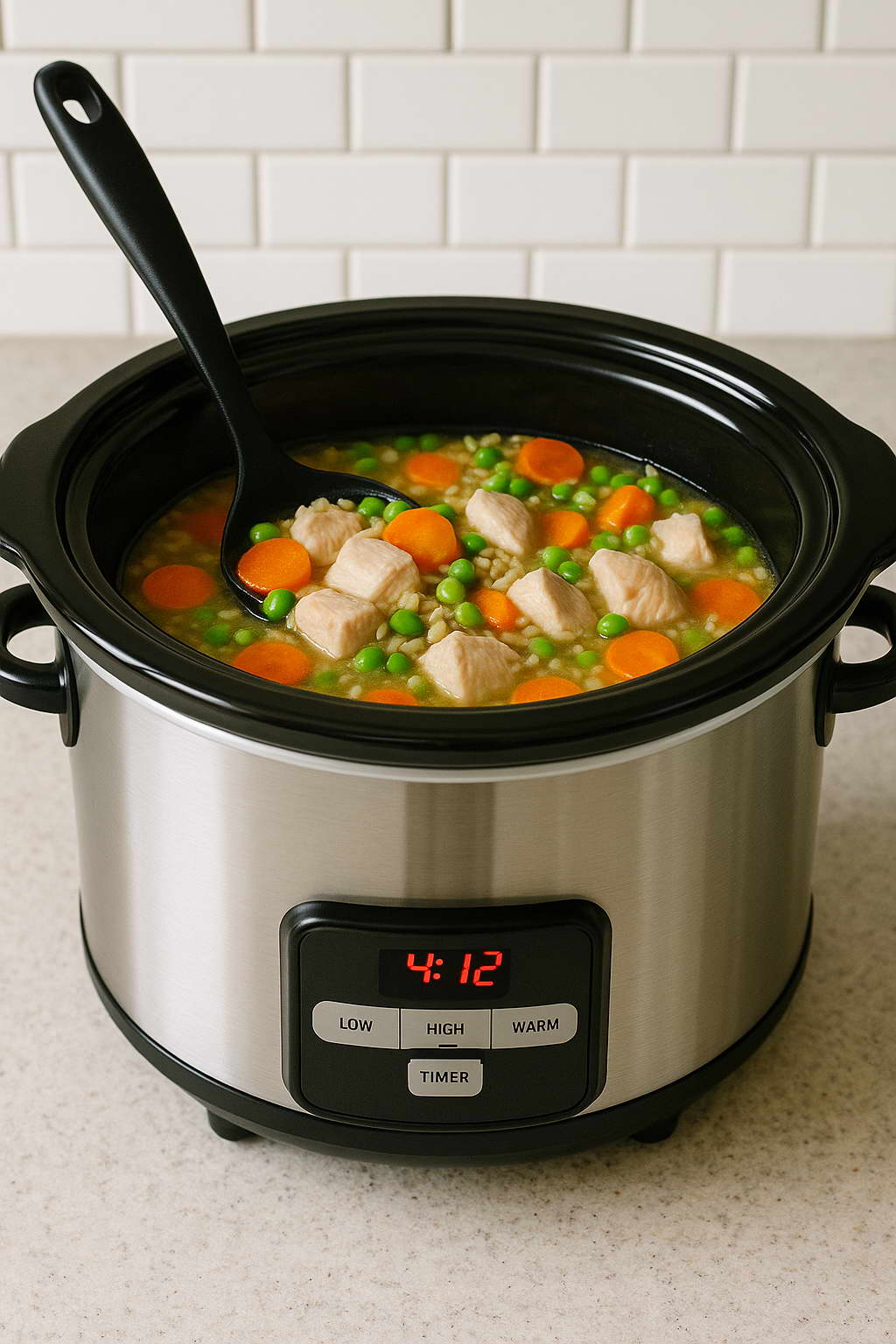
    A slow cooker filled with a mix of dog-friendly ingredients like rice, meat, and veggies, ready to cook into a healthy homemade dog food.
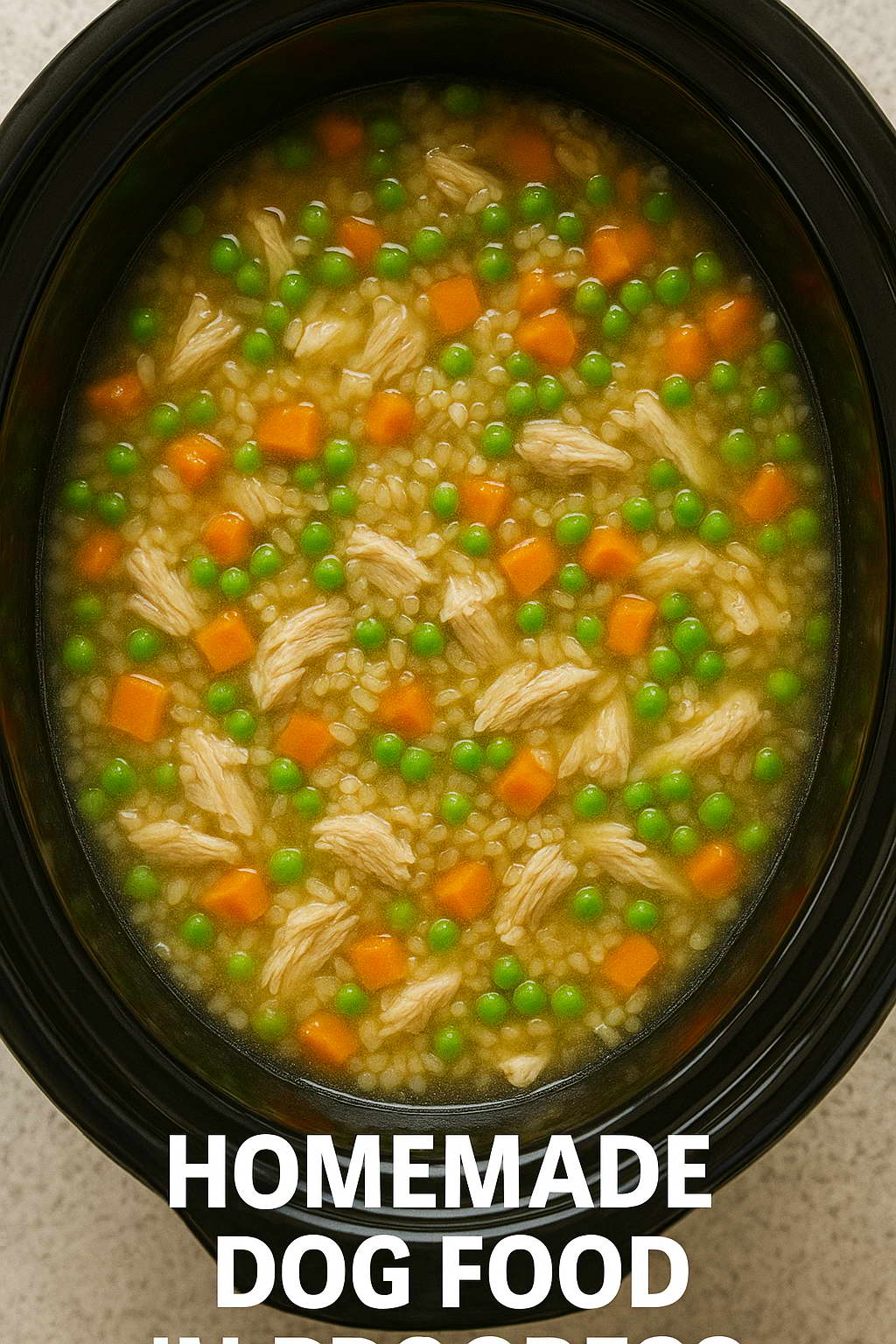
    Homemade Dog Food in Progress

    Health Benefits of Homemade Dog Food

    One of the biggest reasons pet parents turn to homemade dog food is the health benefits for their dogs. By cooking your dog’s meals at home, you have complete control over the ingredients. This means you can avoid the artificial preservatives, fillers, and mystery ingredients often found in commercial kibble holistapet.com. Many store-bought dog foods contain additives and low-quality fillers that provide little nutritional value. In contrast, homemade meals are packed with fresh, high-quality nutrients that can lead to better overall health for your pup blog.parkyourpaws.com.
    Health Benefits of Homemade Dog Food

    Here are some key health benefits of slow cooker homemade dog food:

    • Wholesome Ingredients: You decide what goes into the pot – lean meats, vegetables, and grains – ensuring every ingredient is dog-friendly and nutritious. This eliminates fillers and artificial additives, which can improve your dog’s overall health and digestion blog.parkyourpaws.com. Dogs often have better coat quality, energy levels, and fewer tummy issues when eating fresh, whole foods instead of heavily processed kibble.

    • Better Control & Fewer Allergens: Home cooking lets you cater to your dog’s specific dietary needs or allergies. If your pup is sensitive to certain proteins or grains, you can simply exclude those. You’ll know exactly what’s in each meal, so there’s no guessing or worrying about hidden allergens holistapet.com. This is a huge relief for owners of dogs with food sensitivities or picky eaters – you can customize recipes to find what works best for your individual pet.

    • Higher Nutrient Quality: Fresh meats and veggies are rich in natural vitamins and minerals. Unlike some commercial foods that lose nutrients through high-temperature processing, slow-cooking gently retains more of the goodness in ingredients. You’re essentially preparing a whole-food diet for your dog, which many pet nutritionists say can boost immune function, support healthy skin and coat, and promote better long-term health.

    • No Unwanted Additives: Homemade food means fewer preservatives and additives. Commercial dog foods often include preservatives, flavor enhancers, and colorings that your dog simply doesn’t need. By cooking at home, you avoid chemicals linked to health issues and serve up a cleaner meal housethatbarks.com. For example, you won’t find any unnecessary salt, by-product meats, or artificial dyes in a crockpot recipe you make yourself.


    Of course, when home-cooking for your dog, it’s important to ensure balanced nutrition. Dogs require a mix of protein, carbohydrates, healthy fats, vitamins, and minerals. A slow cooker makes it easy to include a variety of ingredients (like meat for protein, veggies for fiber and vitamins, and grains for energy) all in one pot. You can even add supplements like fish oil or calcium powder if recommended by your vet to make sure your pup gets all the essential nutrients holistapet.com. Always check with your veterinarian before making a full switch to homemade meals, especially if your dog has specific health conditions, to confirm that the diet is complete and balanced for long-term feeding. With a little planning, slow cooker dog food can be both delicious and nutritious for your canine companion.

    Easy Slow Cooker Preparation – “Set It and Forget It”

    Life is busy, especially when you’re adjusting to having a new dog in the family. The good news is that preparing homemade dog food can fit into a hectic schedule – thanks to the slow cooker! Using a crockpot or slow cooker to make dog food is incredibly easy and hands-off. As one pet owner put it, slow cookers allow for hands-free cooking – just set it and forget it! holistapet.com. This convenience is a game-changer for busy pet parents who want to provide fresh meals without spending hours in the kitchen.

    Here’s why slow cooker dog food is so convenient:

    • Minimal Prep Work: Making dog food in a slow cooker typically involves just a few minutes of prep. You’ll chop up some ingredients, such as meat and vegetables, and measure out grains like rice or oats. Then everything goes into the pot with some water or broth. There’s no need for constant stirring or monitoring. For example, you might throw in diced chicken, chopped sweet potatoes, carrots, rice, and water – then simply turn on the cooker.

    • Time-Saving Cooking: With a slow cooker, you can start a batch in the morning and let it cook while you do other things (or even overnight). A typical slow cooker dog food recipe might cook on low for 6-8 hours (or on high for around 3-4 hours) until all the ingredients are tender holistapet.com. During that time, you’re free to go to work, run errands, or just relax. No need to hover over the stove at all!

    • Batch Cooking for the Week: One of the best parts is you can cook large batches at once. A single slow cooker full of dog food can yield many portions – often enough to feed your dog for several days or even the whole week. Once the food is done, let it cool and portion it out. You can store meals in the refrigerator for up to 4-5 days safely holistapet.com. If you make more than you need immediately, just freeze the extra. Homemade dog food freezes well, and you can keep portions in the freezer for up to about 3 months holistapet.com. This means you might only need to cook once or twice a month and always have healthy meals on hand.

    • Simple Cleanup: Slow cookers are pretty much a one-pot solution. Fewer pots and pans mean less cleanup for you. Many slow cooker liners or a bit of coconut oil on the pot (as some dog owners do) can prevent sticking and make cleanup even easier caninecrazies.com. It’s a stress-free cooking method all around.

    Using a slow cooker is especially helpful for new dog owners who may not be used to cooking for a pet. It’s almost foolproof – toss in the ingredients, hit the start button, and come back to perfectly cooked dog food. Your kitchen will smell like a stew, which your pup will likely find very enticing! In fact, many dogs get excited when they smell their slow-cooked dinner, and even picky eaters may be more inclined to eat a warm, gentle meal rather than dry kibble.

    Lastly, don’t forget some basic safety: always cool the food completely before serving it to your dog (hot food can burn their mouth). And ensure any meats are cooked through and there are no bone fragments if you included bony cuts (best practice is to use boneless meats to avoid any choking hazard or splinters). With these simple steps, making dog food becomes as easy as making your own dinner – if not easier!

    Cost-Saving Advantages of DIY Dog Food

    Feeding your dog high-quality food doesn’t have to break the bank. In fact, one of the surprising benefits of slow cooker homemade dog food is how budget-friendly it can be. Many pet owners find that cooking for their dog at home is more cost-effective than buying premium commercial dog food brands holistapet.com. If you’ve ever browsed the prices of organic or specialty dog foods, you know they can be very expensive. By making meals yourself, you can give your pup top-notch nutrition without the premium price tag.
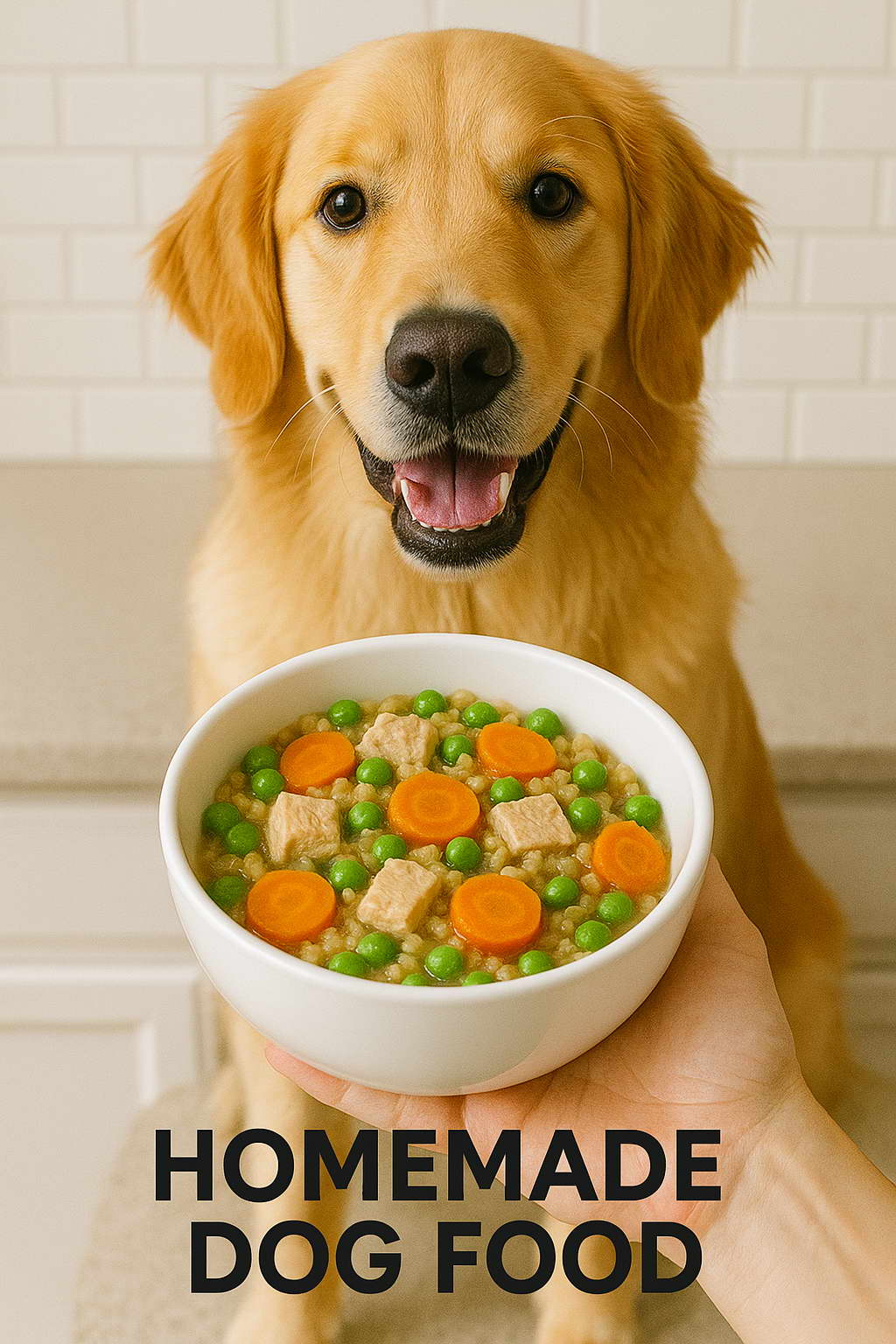
    Homemade Dog Food Cost-Saving Advantages of DIY Dog Food

    Here’s how slow cooker DIY dog food can save you money:

    • Cheaper per Meal: When you break down the numbers, homemade dog food often costs less per serving than store-bought. Some recipes can cost under $2 per pound, which is lower than many “natural” or high-end kibbles blog.parkyourpaws.com. Depending on your dog’s size and appetite, that could be just a few dollars a day to feed them a fresh, wholesome diet. One source notes that even when including supplements for balance, homemade dog food might be as low as $3 a day blog.parkyourpaws.com – a serious bargain compared to many commercial diets.

    • Bulk Buying & Shared Ingredients: Because homemade recipes use everyday ingredients (many of which you might already be buying for your own meals), you can purchase items in bulk for discounts. Think large bags of brown rice, bulk packs of chicken or ground turkey, and big bags of frozen vegetables. Buying in bulk not only lowers the cost, but you can also cook large batches (as mentioned earlier) to get the most out of those ingredients. You might prepare a slow cooker full of food that feeds your dog for a week, at a fraction of the cost of pre-made dog food. Plus, you can often use the same veggies and grains you cook for your family, which means less waste and more value from your grocery budget blog.parkyourpaws.com.

    • No Expensive “Premium” Markups: Commercial pet foods, especially the premium or vet-prescribed ones, often include markup costs for marketing, packaging, and distribution. By doing it yourself, you avoid those extra costs. You’re paying only for the food itself, not the brand’s advertising. Over time, those savings really add up. And let’s not forget, fewer vet bills down the road can be another indirect cost saving – a healthier diet can potentially mean a healthier dog with fewer medical issues, which is good for your wallet and, more importantly, great for your pup.

    • Use of Leftovers or Sales: Homemade dog food allows you to get creative and frugal. Did you find a good sale on lean beef or chicken at the supermarket? Toss it in the slow cooker for your dog’s next batch. Have leftover plain veggies or rice from your dinner? Set them aside for the dog’s meal prep. By utilizing sales, seasonal produce, and even “ugly” vegetables (slightly imperfect produce that’s often cheaper), you can further cut costs without skimping on nutrition caninecrazies.com

    Overall, making dog food at home gives you more bang for your buck. You’re investing in quality ingredients rather than paying for packaging and marketing. Many new dog owners are pleasantly surprised to see that feeding homemade isn’t just a healthy choice, but an economical one too. Your dog gets delicious, fresh meals, and you keep more money in your pocket – it’s a win-win situation!
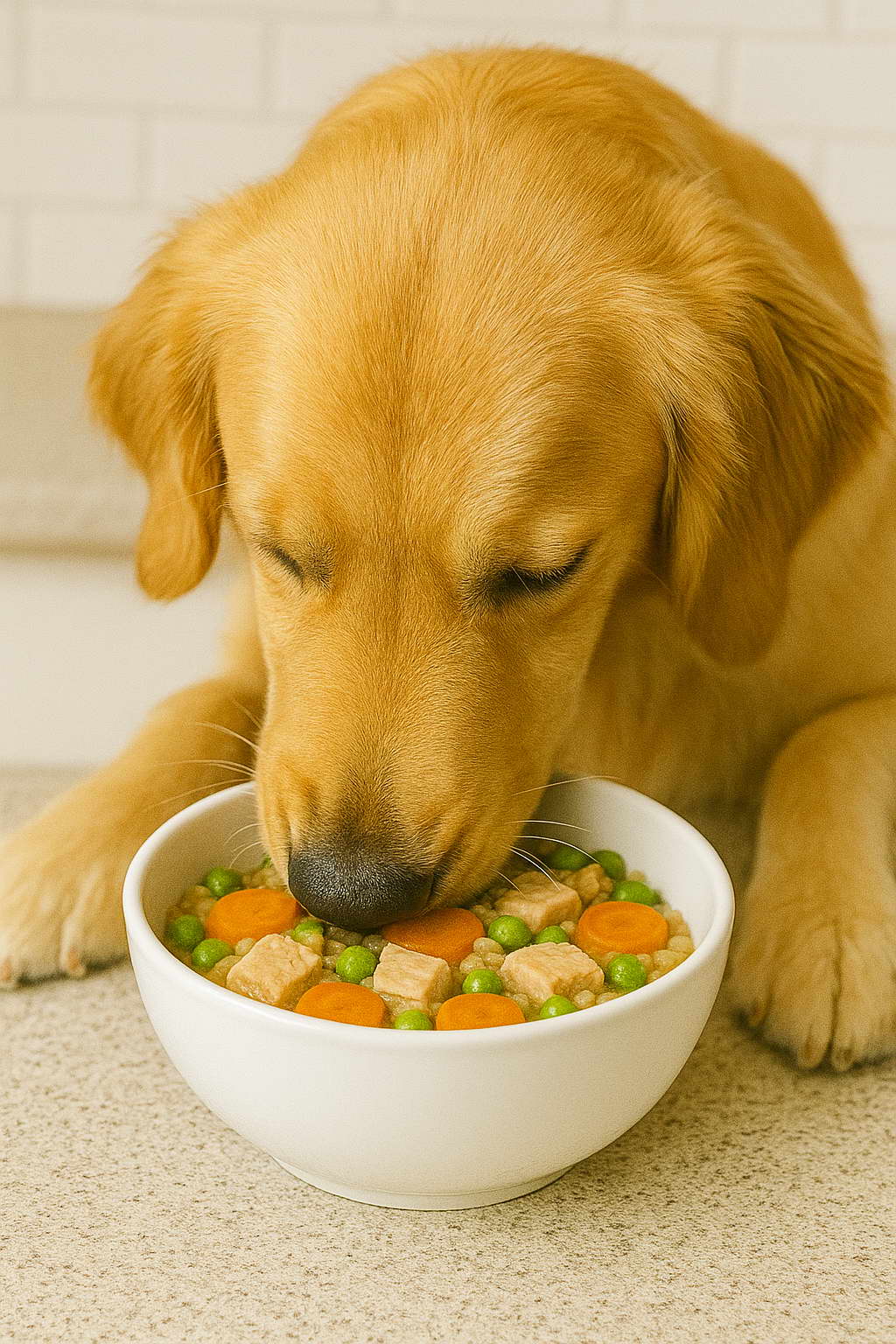
    Homemade Dog Food Simple Ingredients You Can Use

    Simple Ingredients You Can Use (and Ones to Avoid)

    One of the best things about slow cooker dog food is that it uses simple, everyday ingredients – nothing fancy or hard to find. In fact, you might have many of these items in your pantry or fridge already. Here’s a look at common ingredients that go into a balanced homemade dog food, and why they’re good for your pup:

    Ingredient Benefits for Your Dog
    Lean Proteins (chicken, turkey, beef, fish) Provide essential amino acids for strong muscles and energy. Aim for lean cuts, and always remove any bones. Proteins also supply important nutrients like B vitamins and iron.
    Whole Grains (brown rice, oats, quinoa) Offer carbohydrates for energy and fiber for digestion. These grains are gentle on the stomach and help keep your dog full. Brown rice and oats, for example, are common in crockpot dog food recipes for their easy digestibility blog.parkyourpaws.com.
    Vegetables (carrots, sweet potatoes, green beans, peas) Packed with vitamins, minerals, and fiber. Carrots and sweet potatoes are rich in vitamin A and antioxidants, great for vision and immune health. Green beans and peas add fiber and protein. Slow cooking softens veggies, making them easier for dogs to digest blog.parkyourpaws.com.
    Fruits (apple, blueberry, pumpkin) Provide natural sweetness and extra nutrients. Apples (with seeds removed) give vitamin C and fiber. Pumpkin is fantastic for digestion and is often used to soothe upset tummies. Add fruits in moderation as treats or recipe extras.
    Healthy Fats (fish oil, flaxseed, coconut oil) Support skin and coat health, and provide energy. A small spoon of fish oil can add Omega-3 fatty acids which are great for your dog’s coat and joints. Coconut oil can be used to grease the slow cooker and also provides healthy MCTs (in small amounts).

    These ingredients combine to make a well-rounded diet. For example, a simple slow cooker recipe might be: chicken, brown rice, sweet potato, carrots, peas, and water. Cook it low and slow, and you have a nutrient-rich stew that covers proteins, carbs, and veggies. You can switch up the protein (try turkey or lean beef) and the veggies (maybe butternut squash or green beans) to add variety so your dog gets a range of nutrients.

    While you have lots of great ingredient options, it’s equally important to know what NOT to include in your dog’s food. Some human foods are toxic or unhealthy for dogs. Here are a few to always avoid:

    • Onions and Garlic: These are big no-nos for dogs, as they can damage canine red blood cells and cause anemia. Even onion or garlic powder can be harmful, so it’s best to leave these out entirely holistapet.com.

    • Excess Salt and Seasonings: Dogs don’t need the extra salt or heavy spices we might use in our food. Too much salt can be dangerous for dogs, leading to issues like dehydration or worse. When cooking for your pup, keep the seasonings simple and dog-friendly (for example, a pinch of dog-safe herbs like rosemary is fine, but avoid salt, chili, etc.).

    • Grapes or Raisins: These can cause kidney failure in dogs, so never include them.

    • Avocado, Chocolate, Xylitol, and Other Toxins: Avocado (specifically the pit, skin, and leaves) contains persin which is toxic to dogs. Chocolate and anything containing the sweetener xylitol are also dangerous. While these wouldn’t typically be in a dog food recipe, it’s worth mentioning to be thorough – don’t toss in leftovers that might contain these ingredients.

    • Fatty or Fried Foods: Stick to lean meats. Avoid using things like bacon grease or overly fatty cuts of meat, as too much fat can upset your dog’s stomach or even cause pancreatitis.

    By using fresh, dog-safe ingredients, you ensure your homemade dog food is both safe and beneficial. If you’re ever unsure about an ingredient, a quick check with your vet or a reputable pet nutrition resource can help. The American Kennel Club (AKC) and other pet organizations often publish lists of foods that are safe or unsafe for dogs, which can be a handy reference when planning recipes.

    How to Make Slow Cooker Dog Food

    How to Make Slow Cooker Dog Food (Step-by-Step)

    Getting started with slow cooker dog food is easier than you might think. You don’t need to be a chef – if you can chop and measure, you can do this! To give you a clear picture, here’s a simple step-by-step guide to making a basic batch of crockpot dog food:

    1. Gather Your Ingredients: Decide on a recipe or mix of ingredients. A good basic combo is: 1 part protein, 1 part grain, and 1–2 parts veggies, plus enough water or broth to cover the solids. For example, you might use chicken breasts (or lean ground turkey), brown rice, chopped carrots, diced sweet potato, and peas. Prepare about 2–3 pounds of meat, 1–2 cups of grains, and 2–4 cups of assorted veggies for a large batch. Don’t forget to core and peel any fruits/veggies that need it (remove apple seeds, peel sweet potato skin, etc.) and ensure no bones are in the meat.

    2. Load the Slow Cooker: Lightly grease your slow cooker pot with a bit of coconut oil (to prevent sticking) or use a liner. Then place all the ingredients into the slow cooker. Pour in water or a low-sodium broth until it just covers the ingredients. Give everything a quick stir to distribute.

    3. Cook Low and Slow: Cover the slow cooker and set it on LOW for about 6-8 hours (or on HIGH for 3-4 hours). During this time, you can literally walk away and let it do its magic. The ingredients will simmer gently, the meat will fully cook and become tender, and the grains will soften. Your house will likely smell like a cozy stew – your dog might start hovering around the kitchen as the aroma builds!

    4. Cool and Portion: Once the cooking time is up, check that the meat is thoroughly cooked and the veggies are very soft (they should mash easily – this helps your dog digest them). Turn off the slow cooker and let the food cool down completely. It’s important to serve the food at room temperature, not hot. After cooling, use a big spoon or ladle to mix and slightly mash the food, breaking any larger chunks. Then portion it into containers. You can store some in the fridge for immediate use and put additional servings into freezer-safe bags or containers for later holistapet.com.

    5. Serve and Watch the Tail Wag! Now it’s dinner time. You can serve the slow-cooked food alone or, if you’re transitioning from kibble, mix it with your dog’s regular food at first. Start with a small amount if your dog isn’t used to homemade food, and gradually increase it. Watch how your pup enjoys the fresh meal – many dogs gobble up home cooking eagerly. Remember to always provide fresh water on the side, as home-cooked food isn’t as dry as kibble, but water is still essential.

    That’s it – you’ve made your own dog food! Once you get the hang of it, you can experiment with different ingredients. Try swapping in brown rice for oats, or use pumpkin instead of sweet potato one week. Just keep the proportions balanced (protein, carb, veggies) and avoid the forbidden foods we mentioned. If you’d like, you can also add a canine multivitamin or other supplement on top of the cooled food to ensure it’s nutritionally complete (check with your vet for what’s appropriate). Many pet owners find that a slow cooker and a freezer full of homemade dog meals make life so much easier – you’ll always have healthy food ready, and your dog will love meal times.

    How to Make Slow Cooker Dog Food Conclusion

    Conclusion: A Happy, Healthy Pup with Home Cooking

    In conclusion, slow cooker homemade dog food is a wonderful way to keep your dog healthy, happy, and well-fed without stress or overspending. It combines the best of all worlds – nutrition, convenience, and cost savings – into one solution. You’ll know your beloved pet is eating quality ingredients with no unwanted surprises, which can translate into better health outcomes like improved digestion, a shinier coat, and more energy. Plus, the ease of the slow cooker means even the busiest dog owners can manage to cook up a batch of doggy stew while handling their daily routine. It feels good to see your pup thriving on meals made with love and care.

    By taking charge of your dog’s menu, you’re not just saving money – you’re also likely saving on vet bills in the long run by investing in your dog’s health every day at dinnertime. And let’s not forget the simple joy of watching your dog eagerly devour a home-cooked meal! Many owners find it incredibly rewarding to prepare food for their pets, and it strengthens that special bond.

    Remember, if you’re new to this, start small. Maybe cook one slow cooker recipe and see how it goes. Consult with your vet to address any specific dietary needs, especially if your dog has medical conditions or is a puppy. With a thumbs-up from the vet and a bit of practice, you’ll soon be a pro at dog meal prepping. Homemade crockpot dog food is an excellent way to provide your pup with a nutritious, balanced meal while saving time and money holistapet.com. Give it a try – your dog will thank you with plenty of tail wags and maybe some extra sloppy kisses at dinnertime! Here’s to healthy, happy eating for your canine companion.

    Happy cooking and pet parenting! 🐾

  • What Are German Shepherd’s Dry Skin Remedy

    What Are German Shepherd’s Dry Skin Remedy

    What Are German Shepherd’s Dry Skin Remedy? A Vet’s Guide to Healthier Skin.

    PETSIDI – German Shepherds are known for their intelligence, loyalty, and beautiful double coats. However, they are also prone to skin issues—especially dry skin, which can cause discomfort and distress. In this comprehensive article, we’ll explore German Shepherd dry skin remedy options, their causes, and how to treat and prevent them naturally and effectively.

    Signs A German Shepherd Has A Dry Skin

    Common Causes of Dry Skin in German Shepherds

    Before diving into German Shepherd dry skin remedy solutions, it’s important to understand what causes dry skin in the first place. Dry skin can stem from several factors:

    • Allergies (food, environmental, seasonal)

    • Poor diet or nutritional deficiencies

    • Over-bathing or harsh shampoos

    • Parasites like fleas or mites

    • Weather changes, especially in winter

    • Underlying medical issues like hypothyroidism or seborrhea

    Knowing the root cause will help you choose the most effective German Shepherd dry skin remedy for your pet.

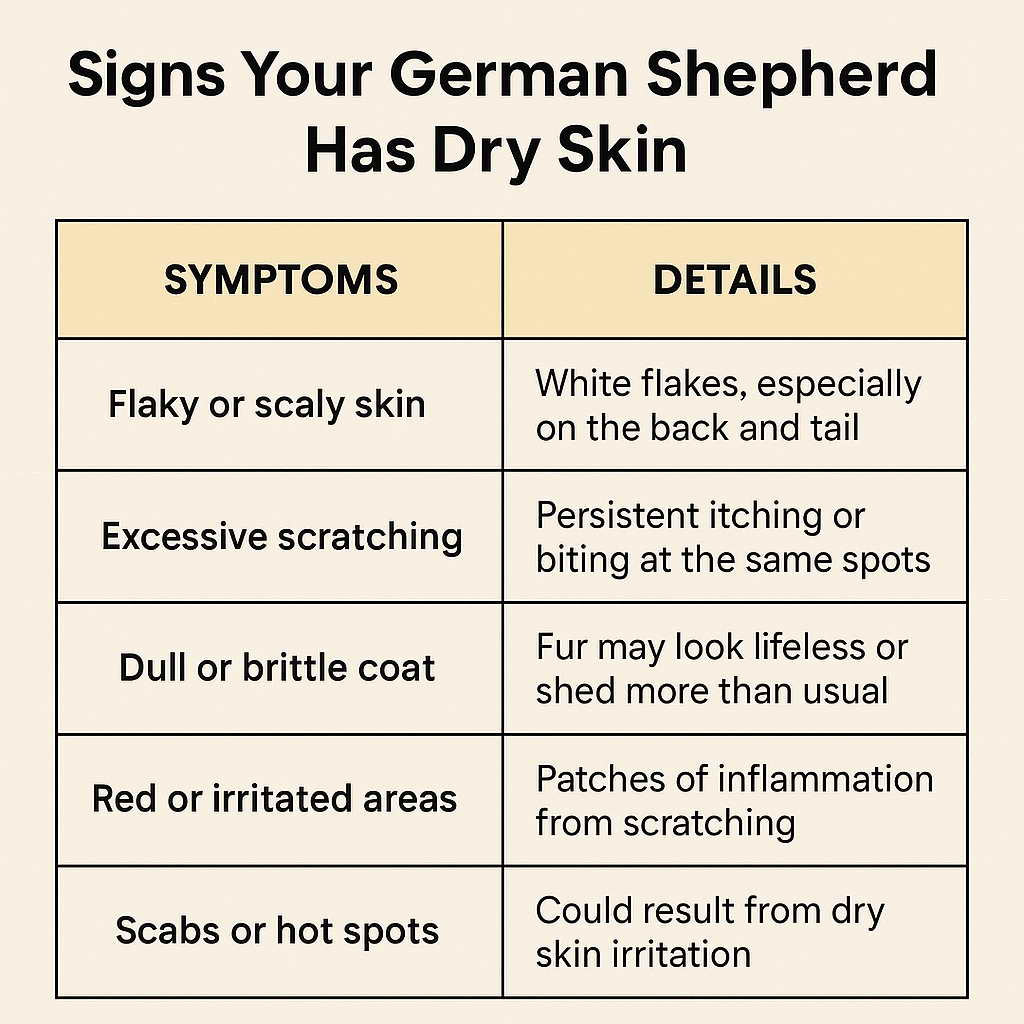
    Signs Your German Shepherd Has Dry Skin

    Not sure if your dog’s skin issue is dryness? Here are signs to look out for:

    Symptoms Details
    Flaky or scaly skin White flakes, especially on the back and tail
    Excessive scratching Persistent itching or biting at the same spots
    Dull or brittle coat Fur may look lifeless or shed more than usual
    Red or irritated areas Patches of inflammation from scratching
    Scabs or hot spots Could result from dry skin irritation

    Recognizing these symptoms early is crucial when considering the best German Shepherd dry skin remedy for your furry companion.

    Top 8 German Shepherd Dry Skin Remedy Option

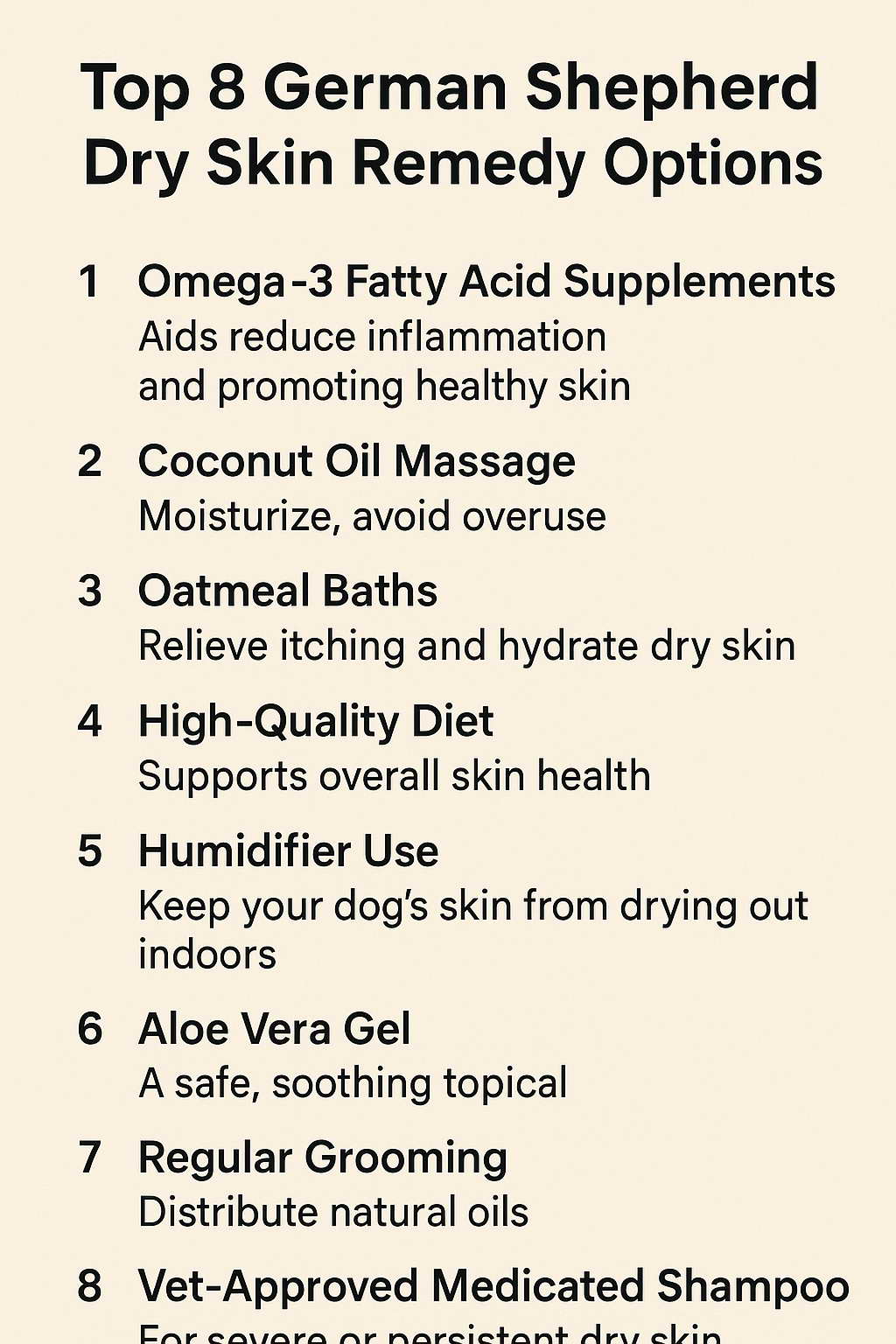
    Top 8 German Shepherd Dry Skin Remedy Options

    Let’s look at the most effective German Shepherd dry skin remedy treatments you can use to relieve discomfort and improve skin health:

    1. Omega-3 Fatty Acid Supplements

    Adding omega-3s to your dog’s diet is one of the best German Shepherd dry skin remedy strategies. These fatty acids help reduce inflammation and promote healthy skin.

    • Sources: Fish oil, flaxseed oil

    • Dosage: Based on dog’s weight (check product label or vet advice)

    Recommended Product:
    Zesty Paws Omega Bites for Dogs – Contains salmon oil, DHA, and EPA for skin health.

    2. Coconut Oil Massage

    A natural German Shepherd dry skin remedy, coconut oil helps moisturize the skin and has antifungal properties.

    • Apply a small amount to affected areas

    • Use 2-3 times per week

    • Can also be added to food (1 tsp per 10 lbs)

    Note: Avoid overuse to prevent greasiness or clogged pores.

    3. Oatmeal Baths

    Oatmeal is a soothing and gentle German Shepherd dry skin remedy that relieves itching and hydrates dry skin.

    • Use plain colloidal oatmeal or oatmeal-based dog shampoo

    • Bathe once a week or as needed

    • Rinse thoroughly to avoid residue

    Recommended Product:
    Earthbath Oatmeal & Aloe Dog Shampoo – Soap-free, gentle formula for itchy skin.

    4. High-Quality Diet

    Nutrition is foundational to any German Shepherd dry skin remedy approach. Feeding your dog a balanced, high-protein diet supports overall skin health.

    • Look for foods with real meat, fish oil, and limited fillers

    • Avoid artificial additives or grain-heavy recipes

    Recommended Food:
    Blue Buffalo Life Protection Formula – Includes omega fatty acids and antioxidants for skin and coat support.

    5. Humidifier Use

    Dry air can exacerbate your dog’s skin condition. Using a humidifier at home is an underrated but effective German Shepherd dry skin remedy.

    • Especially useful in winter months

    • Keeps your dog’s skin from drying out indoors

    6. Aloe Vera Gel

    Pure aloe vera is a safe and soothing topical German Shepherd dry skin remedy.

    • Apply thinly on dry or irritated patches

    • Use only aloe products that are pet-safe and free from alcohol or additives

    Caution: Avoid aloe ingestion—it can be toxic to dogs if consumed in large quantities.

    7. Regular Grooming

    Consistent grooming improves circulation, distributes natural oils, and helps spot dry skin early—making it a proactive German Shepherd dry skin remedy.

    • Brush your GSD 2–3 times a week

    • Use slicker or undercoat rake brushes

    • Avoid over-bathing (no more than once every 3–4 weeks)

    8. Vet-Approved Medicated Shampoo

    If natural remedies don’t work, a medicated German Shepherd dry skin remedy might be necessary.

    Recommended Product:
    Douxo S3 Calm Shampoo – Formulated for dogs with allergies and sensitive skin.

    Consult your veterinarian before using medicated shampoos regularly.

    Table: Natural vs. Medical Remedies

    Type Examples When to Use
    Natural Remedies Coconut oil, oatmeal baths, fish oil Mild to moderate dry skin
    Medical Remedies Medicated shampoos, prescription creams Severe, persistent, or allergy-related cases
    Lifestyle Adjustments Diet change, humidifier, grooming Daily maintenance and prevention

    This table outlines which German Shepherd dry skin remedy options work best based on severity and situation.

    Prevention Tips for German Shepherd Dry Skin

    While treating existing conditions is important, prevention is even better. Here’s how to avoid the need for German Shepherd dry skin remedy in the future:

    • Avoid harsh soaps and over-washing

    • Feed a nutrient-rich, skin-supporting diet

    • Keep up with flea/tick prevention

    • Monitor allergies and seasonal changes

    • Regular vet checkups to detect underlying conditions

    German Shepherd Dry Skin Remedy Option

    Final Thoughts: Choosing the Right German Shepherd Dry Skin Remedy

    So, what are German Shepherd dry skin remedy options? The answer depends on your dog’s specific condition, but most can benefit from a combination of natural and medical treatments. From coconut oil massages to omega-3 supplements and medicated shampoos, you can find relief for your furry friend.

    Always start with the gentlest remedies and work your way up as needed. And remember—if your dog’s dry skin doesn’t improve or gets worse, consult a veterinarian to rule out deeper health issues.

  • Dog Food Recipe Beef

    Dog Food Recipe Beef

    Dog Food Recipe Beef: A Healthy, Homemade Guide by a Canine Nutritionist

    PETSIDI – If you’re a dog parent who wants to serve your furry companion a healthier, tastier, and more natural meal, you’re in the right place. In this guide, we’ll dive deep into a dog food recipe beef that’s simple, nutritious, and safe. As a certified dog nutritionist, I’ve created and tested many recipes, and today, I’m sharing one of the best beef-based meals for dogs that you can easily make at home.

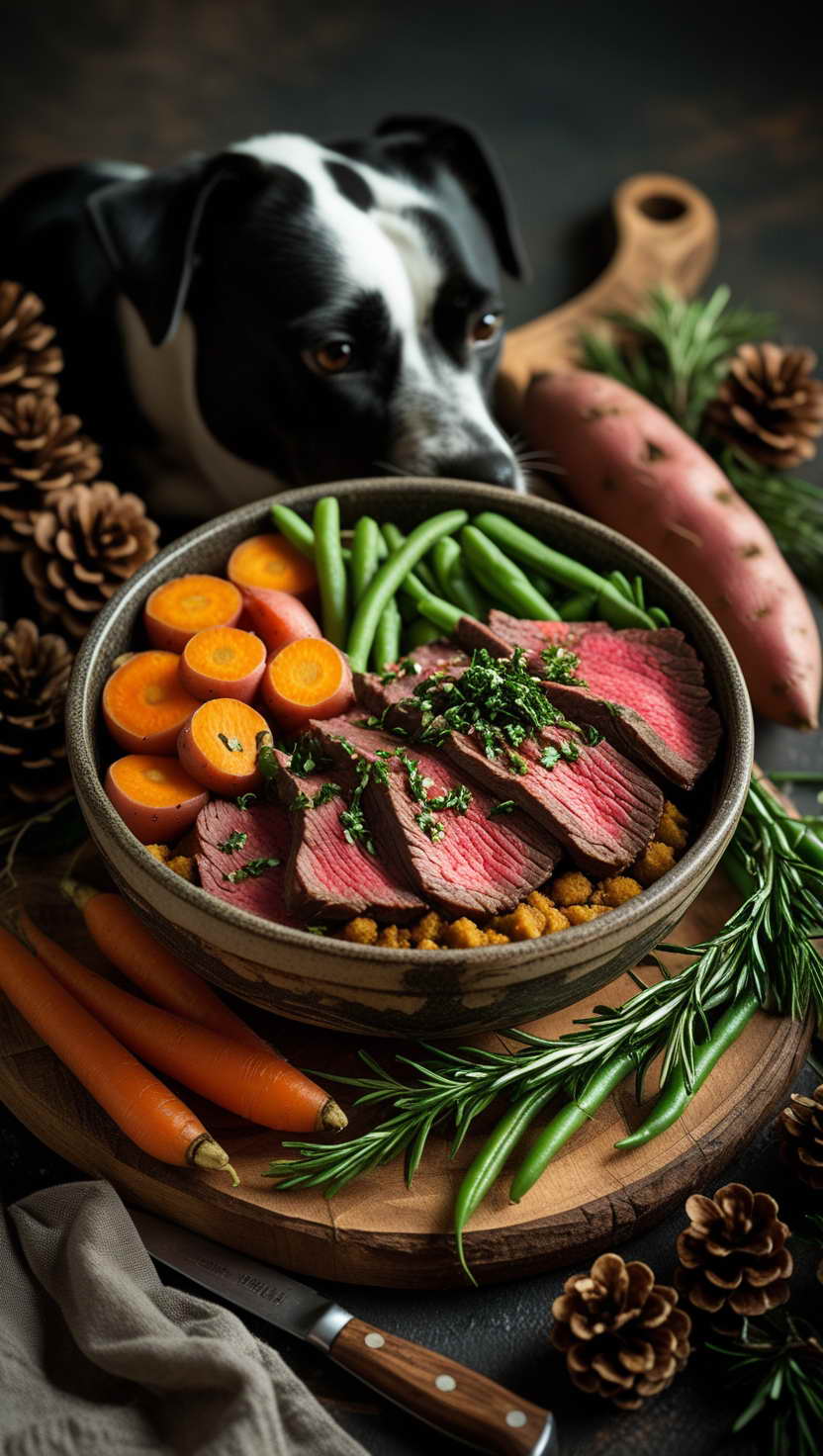
    dog food beef


    Why Choose Beef for Your Dog?

    Beef is one of the most nutrient-rich meats for dogs. Here’s why it deserves a spot in your dog’s bowl:

    • ✅ High-quality protein – Supports muscle health and growth

    • ✅ Iron and zinc – Essential for oxygen flow and immune system

    • ✅ B-vitamins (especially B12) – Promote energy and healthy skin

    • ✅ Dogs love the taste – Beef is naturally flavorful

    However, the key is balance. Feeding only beef can lead to nutritional deficiencies. That’s why this dog food recipe beef is paired with dog-safe vegetables, healthy fats, and optional supplements.


    Homemade vs Commercial Dog Food

    Feature Homemade Beef Dog Food Commercial Dog Food
    Ingredients Control ✅ Full control ❌ Limited transparency
    Freshness ✅ Always fresh ❌ Preserved, shelf life up to 12 months
    Additives ❌ None unless added by you ✅ Often includes artificial preservatives
    Cost 💰 Moderate 💰 Varies – cheap to premium

    Before You Start: Safety Tips

    • ❗ Consult a vet or canine nutritionist if your dog has allergies, kidney issues, or other conditions.

    • ❗ Avoid using seasoning, onions, garlic, and too much salt – all of which can be toxic to dogs.

    • ❗ Use lean beef (ground or chopped) – trim visible fat to avoid digestive issues.


    preping dog food beef

    Dog Food Recipe Beef: The Ultimate Balanced Meal

    Here’s a complete, homemade dog food recipe beef that’s not only delicious but also packed with essential nutrients.

    🍲 Ingredients (For 3-4 servings based on a 20–30 lb dog)

    • 1 lb lean ground beef (85–90% lean)

    • 1/2 cup brown rice (uncooked)

    • 1/2 cup carrots, diced or shredded

    • 1/2 cup green beans, chopped

    • 1/2 cup pumpkin puree (unsweetened)

    • 1 tbsp sunflower or olive oil

    • 1 tsp ground flaxseed (optional for omega-3)

    • 1/4 tsp calcium powder or crushed eggshell (optional)

    • 1/2 cup water or bone broth (unsalted)

    📌 This recipe makes about 3–4 cups of food. Store extras in the refrigerator for up to 3 days, or freeze in portions.


    🔥 Cooking Instructions

    1. Cook the brown rice in water until soft (about 20–25 mins). Set aside.

    2. In a large pan, brown the ground beef over medium heat. Do not add seasoning. Drain excess fat if necessary.

    3. Add carrots, green beans, and water/broth to the beef. Cook for 10–15 mins until veggies are soft.

    4. Mix in pumpkin puree, cooked rice, and oil. Stir well and let it cool.

    5. Add flaxseed and calcium powder once the mixture is warm, not hot.

    6. Serve when the food reaches room temperature.


    Portion Guidelines

    Feeding amounts depend on your dog’s weight, activity level, and age. Here’s a basic guide:

    Dog Weight Daily Amount (Homemade Food)
    10–20 lbs 3/4 – 1 1/2 cups
    20–40 lbs 1 1/2 – 3 cups
    40–60 lbs 3 – 4 1/2 cups

    🐶 Tip: Always observe your dog’s energy levels, weight changes, and stool quality when transitioning to new food.


    Nutritional Breakdown (per 1 cup serving)

    Nutrient Approximate Value
    Calories 250–300 kcal
    Protein 18–22g
    Fat 10–14g
    Carbohydrates 20–24g
    Fiber 2–4g

    This recipe provides a balanced mix of macronutrients. For long-term feeding, add a vet-recommended multivitamin to ensure completeness.


    Benefits of This Dog Food Recipe with Beef

    ✔ Improves digestion – Pumpkin and brown rice are gentle on the stomach
    ✔ Supports shiny coat & skin – Thanks to healthy oils and flaxseed
    ✔ Boosts immunity – Real, whole foods improve gut health and resistance
    ✔ Picky eaters love it – Dogs naturally prefer the taste of beef


    Reader Experiences & Feedback

    “Since I started making this beef recipe, my dog’s coat has gotten shinier, and her energy is up!” – Maria T., Dog Owner in Texas

    “I didn’t realize how easy it was to make healthy dog food at home. This beef recipe is my go-to now.” – Kyle M., Rescue Dog Dad


    How to Transition to Homemade Beef Dog Food

    Switching too quickly can upset your dog’s tummy. Use the 7-day rule:

    Day Homemade Food Old Food
    Day 1–2 25% 75%
    Day 3–4 50% 50%
    Day 5–6 75% 25%
    Day 7+ 100% 0%

    Optional Variations

    Want to change things up? Try these swaps:

    • 🥔 Instead of rice: Sweet potato or quinoa

    • 🥦 Other veggies: Peas, spinach, zucchini

    • 🐄 Alternate meats: Turkey, chicken, lamb (for allergies)

    • 🥚 Protein boost: Add scrambled egg or cottage cheese


    Final Thoughts: Why This Dog Food Recipe with Beef Is Worth It

    Feeding your dog homemade meals like this dog food recipe beef isn’t just about food—it’s about love, health, and connection. You’ll know exactly what’s going into your dog’s body, you can cater to their needs, and you’ll likely see improvements in their overall well-being.

    While it takes a little more effort than opening a can or bag, the benefits far outweigh the extra time. Your dog will thank you with longer tail wags, better health, and more joyful energy.

  • Homemade Dog Food: Beef-Based Recipes for a Healthier Pup

    Homemade Dog Food: Beef-Based Recipes for a Healthier Pup

    Homemade Dog Food: Beef-Based Recipes for a Healthier Pup

    Is Commercial Dog Food Really the Best Option?

    Many dog owners rely on commercial dog food, trusting that it provides the necessary nutrients their furry friends need. However, have you ever looked at the ingredient list? Many store-bought dog foods contain artificial preservatives, fillers, and low-quality meat by-products that may not be the healthiest choice for your pet. Additionally, some dogs suffer from allergies or digestive issues caused by certain ingredients found in commercial pet food.

    So, what’s the alternative? The solution is simple: making your own homemade dog food! A beef-based homemade diet can be an excellent option to ensure your dog gets high-quality protein, essential vitamins, and minerals without the unnecessary additives.

    homemade dog food Beef Based Recipes

    Why Choose Homemade Dog Food?

    Switching to homemade dog food has several benefits, including:

    1. Better Control Over Ingredients – You know exactly what’s going into your dog’s food, avoiding harmful additives and preservatives.
    2. Higher Quality Nutrition – Fresh, whole foods provide essential nutrients without unnecessary fillers.
    3. Catering to Special Dietary Needs – If your dog has allergies or sensitivities, homemade food allows you to tailor meals accordingly.
    4. Improved Digestion – Many dog owners report that homemade meals lead to better digestion and fewer stomach upsets.
    5. Stronger Immunity & Healthier Coat – A natural, well-balanced diet can lead to shinier coats and overall improved health.

    Key Ingredients in a Balanced Beef-Based Dog Diet

    Before diving into recipes, it’s important to understand what nutrients your dog needs for a balanced diet. A beef-based homemade dog food recipe should contain:

    • Protein: Beef is an excellent source of protein, essential for muscle growth and overall health.
    • Healthy Fats: Found in beef, flaxseed, and fish oil, these fats support skin, coat, and brain health.
    • Carbohydrates: Brown rice, sweet potatoes, and oats provide necessary energy.
    • Vegetables: Carrots, peas, and spinach supply vitamins and fiber.
    • Calcium & Phosphorus: Bone meal or eggshell powder ensures strong bones and teeth.
    • Essential Fatty Acids: Omega-3s from fish oil improve coat health and reduce inflammation.

    homemade dog food Beef Based Recipes 2

    Three Nutritious Beef-Based Homemade Dog Food Recipes

    1. Beef and Sweet Potato Delight

    Ingredients:

    • 2 lbs lean ground beef
    • 1 cup cooked brown rice
    • 1 cup cooked sweet potatoes (mashed)
    • ½ cup chopped carrots
    • ½ cup green beans
    • 1 tbsp fish oil
    • 1 tsp bone meal powder

    Instructions:

    1. In a large skillet, cook the ground beef over medium heat until fully browned. Drain excess fat.
    2. In a separate pot, cook the brown rice and sweet potatoes.
    3. Add the chopped carrots and green beans to the beef and sautĂŠ lightly.
    4. Combine all ingredients in a large mixing bowl and stir in fish oil and bone meal powder.
    5. Let it cool before serving.

    Portioning: Feed according to your dog’s weight and activity level. Store leftovers in the fridge for up to 4 days.

    2. Beef and Oatmeal Power Bowl

    Ingredients:

    • 1 ½ lbs ground beef
    • 1 cup rolled oats (cooked)
    • ½ cup chopped spinach
    • ½ cup grated carrots
    • 1 tbsp flaxseed oil
    • 1 tsp eggshell powder (calcium supplement)

    Instructions:

    1. Cook the ground beef thoroughly in a pan and drain any excess fat.
    2. Cook the oats according to package instructions.
    3. Lightly steam the spinach and carrots to make them more digestible.
    4. Combine all ingredients, including flaxseed oil and eggshell powder.
    5. Allow the food to cool before serving.

    Storage: Refrigerate for up to 3 days or freeze portions for later use.

    3. Hearty Beef and Vegetable Stew

    Ingredients:

    • 2 lbs beef stew meat (cut into small pieces)
    • 2 cups water
    • 1 cup chopped pumpkin
    • ½ cup peas
    • ½ cup chopped zucchini
    • 1 tbsp olive oil
    • 1 tsp ground flaxseeds

    Instructions:

    1. In a large pot, bring water to a boil and add the beef.
    2. Simmer for 15-20 minutes, then add pumpkin, peas, and zucchini.
    3. Cook for another 10 minutes until vegetables are soft.
    4. Stir in olive oil and ground flaxseeds.
    5. Let the stew cool before serving.

    Storage Tip: This stew can be stored in the refrigerator for up to 4 days or frozen for up to a month.

    Transitioning Your Dog to Homemade Food

    Switching your dog’s diet from commercial to homemade should be done gradually. Start by mixing small portions of homemade food with their regular food, increasing the amount of homemade food over a week or two. This gradual transition helps avoid digestive upset.

    Precautions and Veterinary Consultation

    While homemade dog food offers many benefits, it’s crucial to ensure that your dog’s diet is balanced. Consult with your veterinarian or a pet nutritionist before making any major dietary changes. Some dogs may require additional supplements to meet their specific needs.

    Final Thoughts

    Making homemade dog food, especially beef-based recipes, is a great way to provide better nutrition for your pet. With high-quality protein, healthy fats, and essential vitamins, these meals can help improve your dog’s overall health, coat, and energy levels. If you’re looking to give your dog the best possible diet, why not try making one of these beef-based recipes today? Your pup will thank you with wagging tails and happy licks!

  • Homemade Dog Food Chicken-Based Recipes

    Homemade Dog Food Chicken-Based Recipes

    Homemade Dog Food Chicken-Based Recipes

    As pet owners become more conscious of their dogs’ health and well-being, many are turning to homemade dog food to ensure their furry friends get the best nutrition. One of the most popular choices is homemade dog food chicken-based recipes, as chicken is a lean protein that provides essential nutrients for a dog’s overall health. In this article, we will explore the benefits of chicken-based homemade dog food, a few easy-to-make recipes, and essential tips to keep in mind when preparing meals for your dog.

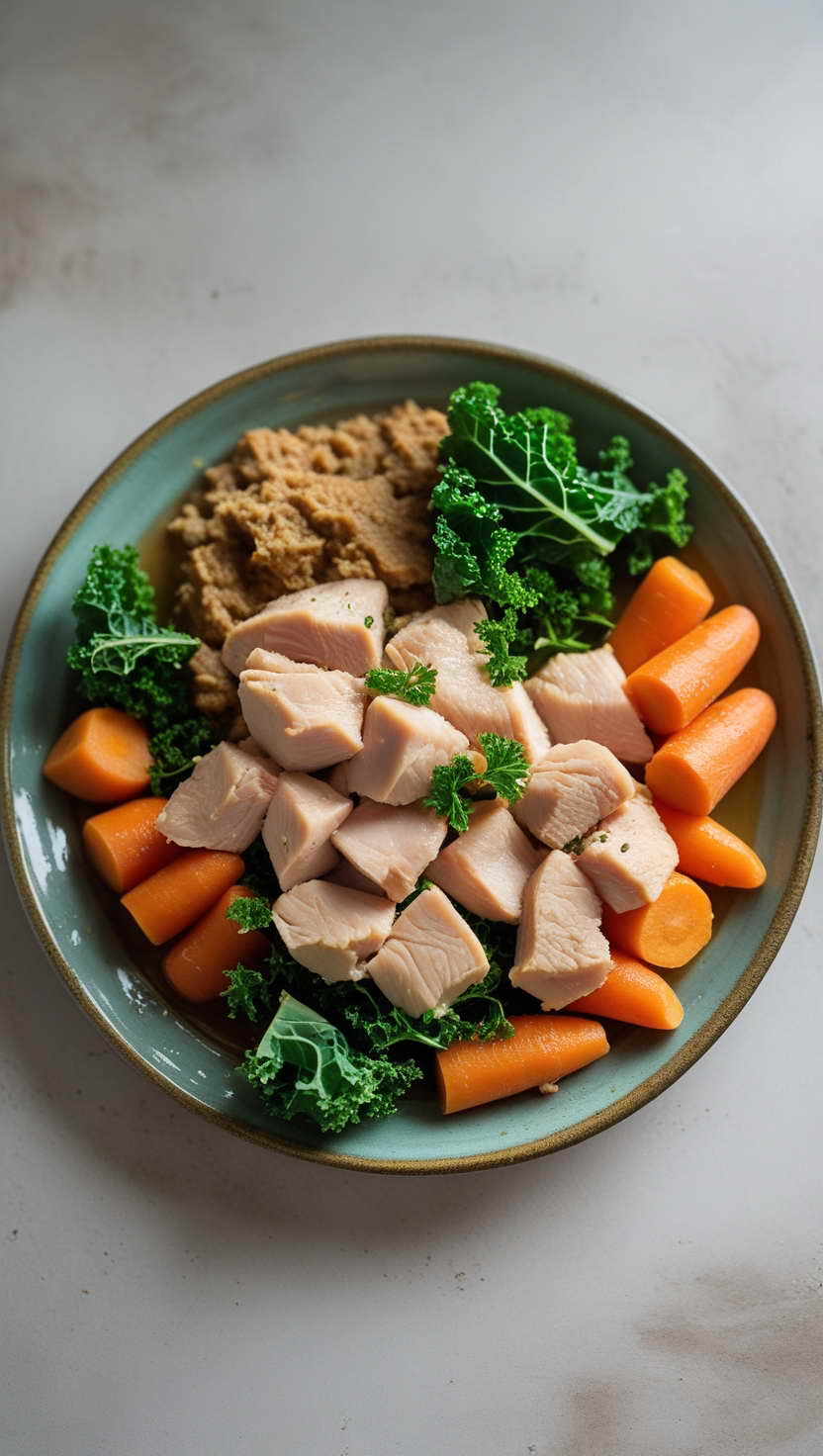
    homemade dog food Chicken Based Recipes

    Benefits of Homemade Chicken-Based Dog Food

    Feeding your dog homemade food comes with numerous benefits, including:

    1. High-Quality Ingredients

    By making your own homemade dog food chicken-based recipes, you have full control over the ingredients, ensuring that only high-quality, natural components are included. Unlike some commercial dog food that may contain fillers, artificial preservatives, and low-grade meat, homemade meals allow you to provide the best for your pet.

    2. Balanced Nutrition

    Chicken is an excellent source of protein that helps support muscle growth, maintains healthy skin and coat, and provides essential amino acids. When paired with vegetables, grains, and healthy fats, homemade dog food ensures a balanced diet tailored to your dog’s specific needs.

    3. Avoiding Allergies and Sensitivities

    Some dogs suffer from food allergies or sensitivities to certain commercial dog food ingredients. By preparing homemade dog food chicken-based recipes, you can eliminate allergens such as wheat, corn, or soy and customize the diet to suit your pet’s health requirements.

    4. Improved Digestion

    Homemade meals often contain fresh, unprocessed ingredients that are easier for dogs to digest. This can lead to better gut health, improved nutrient absorption, and reduced stomach issues.

    Easy Chicken-Based Dog Food Recipes

    Here are some simple and nutritious homemade chicken recipes for your dog:

    Recipe 1: Chicken and Rice Delight

    Ingredients:

    • 2 boneless, skinless chicken breasts
    • 1 cup brown rice
    • 1 cup carrots (chopped)
    • 1 cup peas
    • 1 tablespoon olive oil
    • 3 cups water

    Instructions:

    1. Boil the chicken breasts in water until fully cooked, then shred them into small pieces.
    2. Cook the brown rice according to the package instructions.
    3. Steam the carrots and peas until tender.
    4. In a large mixing bowl, combine the shredded chicken, rice, vegetables, and olive oil.
    5. Let it cool before serving to your dog.

    Recipe 2: Chicken and Sweet Potato Stew

    Ingredients:

    • 2 cups cooked chicken (shredded)
    • 1 large sweet potato (cubed)
    • 1/2 cup green beans (chopped)
    • 1/2 cup spinach (chopped)
    • 4 cups water or low-sodium chicken broth

    Instructions:

    1. In a pot, add water or chicken broth and bring to a boil.
    2. Add the sweet potatoes and let them cook until they become soft.
    3. Add the green beans and spinach, then stir in the cooked chicken.
    4. Let it simmer for 10 minutes before allowing it to cool and serve.

    Recipe 3: Chicken and Oatmeal Mix

    Ingredients:

    • 1 pound ground chicken
    • 1 cup oats
    • 1/2 cup pumpkin puree
    • 1/2 cup green peas
    • 1 teaspoon fish oil
    • 3 cups water

    Instructions:

    1. In a large pan, cook the ground chicken until fully browned.
    2. Add water and oats, stirring until the oats absorb the liquid.
    3. Mix in pumpkin puree, green peas, and fish oil.
    4. Let it cool before serving.

    homemade dog food Chicken Based Recipes

    Essential Tips for Making Homemade Chicken-Based Dog Food

    When preparing homemade dog food chicken-based recipes, consider the following tips:

    1. Consult with a Veterinarian

    Before switching your dog’s diet, consult with a veterinarian to ensure the meal plan meets your dog’s specific nutritional needs.

    2. Avoid Harmful Ingredients

    Certain foods can be toxic to dogs, including onions, garlic, chocolate, grapes, and avocados. Always research ingredients before including them in your recipes.

    3. Include a Variety of Nutrients

    While chicken provides excellent protein, ensure a balanced meal by adding vegetables, whole grains, and healthy fats like fish oil or flaxseed.

    4. Proper Storage

    Homemade meals should be stored in airtight containers and kept in the refrigerator for up to three days or frozen for longer storage.

    5. Monitor Your Dog’s Health

    Observe your dog’s weight, coat health, energy levels, and digestion after switching to homemade dog food chicken-based recipes. Adjust ingredients as needed to maintain optimal health.

    Conclusion

    Making homemade dog food chicken-based recipes is a great way to provide your dog with nutritious and high-quality meals tailored to their needs. By using fresh ingredients and following simple recipes, you can ensure your furry friend enjoys a healthy and balanced diet. Always consult with a veterinarian before making any significant changes to your dog’s diet, and enjoy preparing homemade meals that keep your pet happy and healthy!

  • Dog Food With Fish and Rice

    Dog Food With Fish and Rice

    Dog Food With Fish and Rice

    Dog Food With Fish and Rice: A Professional Trainer’s Perspective

    Hey there, fellow dog lover! It’s your friendly neighborhood dog trainer here, and today we’re going to dive deep into the world of dog food – specifically, the fantastic combo of fish and rice. Now, I know what you’re thinking: “Fish and rice? Isn’t that what I had for dinner last night?” Well, your pup might just be eyeing your leftovers for a good reason!

    Introduction: Why Fish and Rice?

    Let’s kick things off with a question: Have you ever seen a Labrador turn down a piece of salmon? Probably not! Dogs, much like their human companions, often go nuts for fish. But it’s not just about the taste – there’s a whole lot of nutritional goodness packed into that scaly package.

    Now, pair that fish with some good ol’ rice, and you’ve got yourself a combo that’s been gaining traction in the dog food world faster than a Greyhound chasing a rabbit. But why? Well, stick with me, and we’ll unpack all the reasons why fish and rice might just be the dynamic duo your furry friend needs in their diet.

    The Benefits of Fish in Dog Food

    Alright, let’s dive into the deep end and talk about why fish is such a catch (pun totally intended) for your canine companion.

    Omega-3 Fatty Acids: The Brain Food

    First up, we’ve got omega-3 fatty acids. These little miracle workers are like a superfood for your dog’s noggin. They support cognitive function, which is fancy talk for keeping your pup’s mind sharp. Ever tried to teach an old dog new tricks? Well, a diet rich in omega-3s might just make that easier!

    But it’s not just about brainpower. These fatty acids also help keep your dog’s coat shiny and skin healthy. So, if your furry friend has been scratching more than a DJ at a rave, fish might be the ticket to relief.

    Lean Protein Source

    Next up, let’s talk protein. Fish is a lean protein source, which means it’s packed with all the muscle-building goodness your dog needs without the extra fat that can lead to weight gain. This is especially great for those pups who are more couch potato than agility champion.

    Joint Health Support

    Many types of fish, especially cold-water fish like salmon, are rich in glucosamine and chondroitin. These compounds are like WD-40 for your dog’s joints, helping to keep them lubricated and functioning smoothly. For our older four-legged friends or breeds prone to joint issues, this can be a game-changer.

    Hypoallergenic Option

    Here’s a fun fact: fish is often a go-to protein for dogs with food sensitivities. Unlike beef or chicken, which are common allergens for some dogs, fish is less likely to cause an allergic reaction. So, if your pup has been scratching, licking, or showing other signs of food allergies, a switch to fish might just be the solution.

    Vitamin D and More

    Fish is also a great source of vitamin D, which helps your dog absorb calcium and promote bone growth. Plus, it’s packed with other vitamins and minerals like B vitamins, selenium, and zinc. It’s like a multivitamin, but in a form your dog will actually enjoy!

    Rice: A Digestible Carb for Your Canine

    Now that we’ve covered the fishy side of things, let’s talk about its partner in crime: rice. You might be wondering, “Isn’t rice just a filler?” Well, not so fast!

    Easy on the Tummy

    Rice, especially white rice, is incredibly easy for dogs to digest. It’s a simple carbohydrate that breaks down quickly, providing a quick energy source. This is particularly beneficial for dogs with sensitive stomachs or those recovering from gastrointestinal issues.

    Gluten-Free Goodness

    For dogs with gluten sensitivities (yes, that’s a thing!), rice is a excellent alternative to wheat-based carbs. It provides the energy they need without the potential digestive upset that can come from gluten.

    Nutrient Profile

    While rice might not be as nutrient-dense as some other ingredients, it’s not nutritionally empty either. It contains:

    • B vitamins: Essential for energy metabolism
    • Iron: Important for healthy blood cells
    • Manganese: Supports bone health and wound healing
    • Fiber: Helps keep the digestive system running smoothly

    Energy Source

    Dogs, unlike their wolf ancestors, have evolved to digest carbohydrates more efficiently. Rice provides a good source of easily digestible carbs that can fuel your dog’s daily adventures, whether that’s a game of fetch or a nap in the sun (hey, dreaming takes energy too!).

    Nutritional Balance: What to Look for in Fish and Rice Dog Food

    Now, before you go tossing Fluffy a tuna roll, let’s talk about what makes a good fish and rice dog food. Because, like any diet, it’s all about balance.

    Protein Content

    First things first: protein. Dogs are omnivores with a carnivorous lean, which means they need a good amount of protein in their diet. Look for dog foods where fish is listed as the first ingredient. This indicates that fish is the primary protein source.

    A good fish and rice dog food should have a protein content of at least 18% for adult dogs, and 22% or higher for puppies and active dogs. Remember, these are minimums – many high-quality dog foods will have even higher protein percentages.

    Fat Content

    Fat is not the enemy! Dogs need fat in their diet for energy, nutrient absorption, and to keep their coats healthy. In fish and rice dog food, you’re looking at fat primarily coming from the fish.

    A balanced adult dog food should have a fat content of about 5% to 15%. Puppies and very active dogs might need food with fat content on the higher end of this range or even slightly above it.

    Carbohydrate Content

    While there’s no specific requirement for carbohydrates in a dog’s diet, they can be a good source of energy and fiber. In a fish and rice formula, the rice will be providing most of the carbs.

    The key here is moderation. Look for foods where the carbohydrate content (which includes fiber) is not excessive – ideally, it should be less than 50% of the total recipe.

    Omega-3 to Omega-6 Ratio

    This is where fish really shines. A good fish and rice dog food should have a healthy balance of omega-3 and omega-6 fatty acids. The ideal ratio is somewhere between 5:1 and 10:1 (omega-6 to omega-3).

    Many commercial dog foods are too high in omega-6 fatty acids, which can promote inflammation. Fish helps balance this out with its high omega-3 content.

    Additional Nutrients

    A complete and balanced fish and rice dog food should also include:

    • Vitamins: Look for A, D, E, and B-complex vitamins
    • Minerals: Including calcium, phosphorus, zinc, and iron
    • Antioxidants: These help support your dog’s immune system

    Avoiding Fillers and Artificial Additives

    Quality matters! Avoid foods that use excessive fillers or artificial preservatives, colors, or flavors. The ingredient list should be relatively short and comprised of recognizable ingredients.

    Potential Concerns and Considerations

    Alright, now that we’ve covered the good stuff, let’s talk about some potential concerns you should keep in mind when considering a fish and rice diet for your furry friend.

    Mercury Content

    You’ve probably heard about mercury in fish being a concern for humans, and the same goes for our canine companions. Some fish, especially larger predatory fish like tuna and mackerel, can contain higher levels of mercury.

    The good news is that most commercial dog foods use fish that are lower on the food chain, like salmon, whitefish, or herring, which typically have lower mercury levels. But it’s always worth checking with the manufacturer if you’re concerned.

    Thiaminase in Raw Fish

    If you’re thinking of going the raw route, here’s something to chew on: some fish contain an enzyme called thiaminase, which can break down thiamine (Vitamin B1) in your dog’s body. This is mainly a concern with raw fish – the cooking process typically destroys this enzyme.

    Potential for Allergies

    While fish is often a good option for dogs with food sensitivities, it’s not a guarantee. Some dogs can be allergic to fish, just like they can be allergic to other protein sources. If you’re switching to a fish and rice diet due to suspected allergies, make sure to monitor your dog closely for any signs of an allergic reaction.

    Calorie Density

    Some fish, particularly fatty fish like salmon, can be quite calorie-dense. While this can be great for active dogs or those that need to gain weight, it’s something to be mindful of if your pup is more of a couch potato. You might need to adjust portion sizes to prevent unwanted weight gain.

    Balancing Act

    While fish and rice can provide many essential nutrients, they may not provide everything your dog needs in the right proportions. This is why it’s crucial to choose a commercial food that’s been formulated to meet AAFCO (Association of American Feed Control Officials) standards for complete and balanced nutrition, or to work with a veterinary nutritionist if you’re considering a homemade diet.

    Homemade vs. Commercial Fish and Rice Dog Food

    Now, I know what some of you might be thinking: “I make a mean salmon and rice dish. Why not just whip that up for Fido?” Well, let’s break down the pros and cons of homemade versus commercial fish and rice dog food.

    Homemade Fish and Rice Dog Food

    Pros:

    1. Control over ingredients: You know exactly what’s going into your dog’s bowl.
    2. Freshness: You can use high-quality, fresh ingredients.
    3. Customization: You can adjust the recipe to suit your dog’s specific needs or preferences.
    4. Bonding: There’s something special about preparing food for your furry friend.

    Cons:

    1. Nutritional balance: It’s challenging to create a truly balanced diet without professional guidance.
    2. Time-consuming: Preparing homemade dog food takes significant time and effort.
    3. Cost: Depending on the ingredients you use, it can be more expensive than commercial options.
    4. Food safety: Improper handling or cooking of fish can lead to foodborne illnesses.
    5. Shelf life: Homemade dog food typically doesn’t last as long as commercial options.

    Commercial Fish and Rice Dog Food

    Pros:

    1. Nutritional balance: Reputable commercial foods are formulated to meet all of your dog’s nutritional needs.
    2. Convenience: Just scoop and serve – no prep required.
    3. Consistency: Each serving provides the same nutrition, which can be important for weight management and overall health.
    4. Longer shelf life: Commercial dog foods are designed to last longer without spoiling.
    5. Cost-effective: Often more economical, especially for larger dogs.

    Cons:

    1. Less control over ingredients: While you can read the label, you’re not choosing each ingredient yourself.
    2. Processing: Some nutrients may be lost during the manufacturing process, although most quality dog foods add these back in.
    3. One-size-fits-all approach: While there are many options available, it’s not as customizable as homemade food.

    The Verdict

    For most dog owners, a high-quality commercial fish and rice dog food is the way to go. It ensures your dog is getting a nutritionally complete and balanced diet without the risk of nutritional deficiencies that can occur with homemade diets.

    However, if you’re set on making your own fish and rice dog food, please consult with a veterinary nutritionist. They can help you create a recipe that meets all of your dog’s nutritional needs and advise on any supplements that might be necessary.

    Top Commercial Fish and Rice Dog Food Brands

    Alright, so you’re convinced that a fish and rice diet might be the way to go for your furry friend. But with so many options out there, where do you start? Don’t worry, I’ve got your back. Here are some top-notch commercial fish and rice dog food brands that I often recommend to my clients:

    1. Blue Buffalo Life Protection Formula Fish & Brown Rice Recipe
    • Known for using high-quality ingredients
    • Contains deboned whitefish as the first ingredient
    • Includes their LifeSource Bits, a blend of antioxidants, vitamins, and minerals
    1. Wellness Complete Health Whitefish & Sweet Potato
    • Uses whitefish as the primary protein source
    • Contains no meat by-products, fillers, or artificial preservatives
    • Includes probiotics for digestive health
    1. Merrick Limited Ingredient Diet Grain-Free Salmon & Sweet Potato Recipe
    • Great for dogs with food sensitivities
    • Single source of animal protein (salmon)
    • Grain-free, using sweet potatoes instead of rice
    1. Taste of the Wild Pacific Stream Canine Formula
    • Features salmon as the first ingredient
    • Grain-free formula with sweet potatoes and potatoes for digestible carbs
    • Includes probiotics for digestive and immune health
    1. Purina Pro Plan Focus Sensitive Skin & Stomach Salmon & Rice Formula
    • Specifically formulated for dogs with sensitive stomachs
    • Contains salmon as the first ingredient
    • Includes prebiotic fiber for digestive health
    1. Hill’s Science Diet Adult Sensitive Stomach & Skin Salmon & Vegetable EntrĂŠe
    • Designed for adult dogs with digestive sensitivities
    • Contains high-quality, easy-to-digest ingredients
    • Promotes a lustrous coat with vitamin E and omega-6 fatty acids
    1. Fromm Four-Star Nutritionals Salmon À La Veg Recipe
    • Part of a line of interchangeable recipes for diet rotation
    • Contains salmon, salmon meal, and white rice
    • Includes probiotics for digestive health

    Remember, while these are all quality brands, the best food for your dog will depend on their individual needs, age, size, and activity level. It’s always a good idea to consult with your vet before making any significant changes to your dog’s diet.

    Transitioning Your Dog to a Fish and Rice Diet

    So, you’ve decided to make the switch to a fish and rice diet for your pup. Awesome! But hold your horses (or should I say, hold your hounds?) – you can’t just swap out their food overnight. Here’s how to make the transition smooth sailing:

    The 7-Day Switch

    The key to transitioning your dog’s food is to do it gradually over about a week. Here’s a general schedule you can follow:

    • Days 1-2: 75% old food, 25% new fish and rice food
    • Days 3-4: 50% old food, 50% new fish and rice food
    • Days 5-6: 25% old food, 75% new fish and rice food
    • Day 7: 100% new fish and rice food

    Watch for Signs of Digestive Upset

    During the transition, keep a close eye on your dog’s poop (I know, not the most glamorous part of dog ownership, but it’s important!). Look out for signs of digestive upset like:

    • Diarrhea
    • Constipation
    • Vomiting
    • Excessive gas
    • Loss of appetite

    If you notice any of these symptoms, slow down the transition process. It might take a little longer, but it’s better than dealing with a upset tummy (and the potential carpet cleaning that comes with it).

    Hydration is Key

    When switching to a fish and rice diet, especially if you’re moving from wet food to dry food, make sure your dog is staying hydrated. Always provide fresh, clean water and consider adding a bit of water to the dry food to increase moisture content.

    Be Patient

    Some dogs adapt to new foods quickly, while others might take a bit longer. If your dog is particularly picky, you might need to extend the transition period. Don’t rush it – a slow transition is better than a upset stomach.

    Fish and Rice for Dogs with Special Dietary Needs

    One of the great things about a fish and rice diet is its versatility. It can be particularly beneficial for dogs with certain health conditions or dietary needs. Let’s break it down:

    Allergies and Food Sensitivities

    Fish is often used as a novel protein source for dogs with food allergies or sensitivities. If your dog has been itching, scratching, or showing other signs of allergies, a fish and rice diet might be just what the vet ordered. The easily digestible nature of both fish and rice can be soothing to irritated digestive systems.

    Weight Management

    For dogs who need to watch their waistline, a fish and rice diet can be a good option. Fish is a lean protein source, and you can control the amount of rice to manage carbohydrate intake. Just remember, portion control is key!

    Skin and Coat Health

    The omega-3 fatty acids in fish can work wonders for dogs with dry, itchy skin or dull coats. If your pup has been looking a bit scruffy lately, switching to a fish-based diet might have them shining like a show dog in no time.

    Senior Dogs

    As dogs age, they often need diets that are easier to digest and that support joint health. The easy digestibility of rice and the omega-3 fatty acids in fish (which can help with inflammation) make this combination a great choice for our senior canine citizens.

    Dogs with Certain Health Conditions

    • Pancreatitis: The low-fat nature of many fish species can be beneficial for dogs prone to pancreatitis.
    • Kidney Disease: Some fish and rice diets are lower in phosphorus, which can be helpful for dogs with kidney issues (always consult with your vet for specific dietary recommendations for kidney disease).
    • Heart Disease: The omega-3 fatty acids in fish may have cardioprotective effects.

    Remember, while a fish and rice diet can be beneficial for many dogs with special needs, it’s crucial to consult with your veterinarian before making any major dietary changes, especially if your dog has a health condition.

    The Impact of Diet on Behavior and Training

    Now, as a dog trainer, I can’t stress enough how important diet is when it comes to behavior and training. You might be wondering, “What does fish and rice have to do with my dog’s obedience?” Well, let me tell you – a lot!

    Energy Levels and Focus

    A balanced diet with high-quality protein (like fish) and complex carbohydrates (like rice) can help regulate your dog’s energy levels. This means:

    • Sustained Energy: No crazy sugar highs followed by crashes.
    • Better Focus: A well-nourished dog is more likely to pay attention during training sessions.
    • Improved Stamina: Great for active dogs or those in training for dog sports.

    Mood and Anxiety

    The omega-3 fatty acids in fish have been linked to improved mood and reduced anxiety in dogs. A calmer, happier dog is generally easier to train and less likely to exhibit problem behaviors.

    Cognitive Function

    As mentioned earlier, the omega-3s in fish support brain health. This can be particularly beneficial for:

    • Puppies: Supporting brain development during crucial growth periods.
    • Senior Dogs: Helping to maintain cognitive function as they age.
    • All Dogs: Potentially improving memory and learning ability.

    Digestive Comfort

    A dog with an upset stomach isn’t going to be in the mood for training. The easily digestible nature of a fish and rice diet can help keep your dog comfortable and ready to learn.

    Allergies and Behavior

    If your dog has food allergies or sensitivities, they might be irritable or uncomfortable, which can manifest as behavior problems. Switching to a hypoallergenic option like fish and rice could help alleviate these issues, leading to a happier, more cooperative pup.

    Remember, while diet plays a crucial role in behavior and training, it’s not a magic fix for all behavior problems. Consistent training, proper socialization, and regular exercise are all important factors in raising a well-behaved dog.

    FAQs About Fish and Rice Dog Food

    As a dog trainer, I get a lot of questions about different diets, including fish and rice. Here are some of the most common ones:

    1. Q: Is fish and rice good for all dogs? A: While fish and rice can be a great option for many dogs, it’s not a one-size-fits-all solution. Some dogs may have specific dietary needs or allergies that make other options more suitable. Always consult with your vet before making significant changes to your dog’s diet.
    2. Q: Can puppies eat fish and rice dog food? A: Yes, but make sure it’s a formula specifically designed for puppies or all life stages. Puppies have different nutritional needs than adult dogs, particularly when it comes to calcium and phosphorus levels.
    3. Q: How often should I feed my dog fish and rice? A: If you’re using a commercial fish and rice dog food that’s formulated to be a complete diet, you can feed it daily. The amount and frequency will depend on your dog’s age, size, and activity level.
    4. Q: Can I just feed my dog canned tuna and cooked rice? A: While this might be okay as an occasional treat, it’s not a balanced diet for long-term feeding. Commercial dog foods are formulated to meet all of your dog’s nutritional needs, which a simple combination of tuna and rice won’t do.
    5. Q: Will a fish and rice diet make my dog smell fishy? A: Generally, no. A high-quality fish and rice dog food shouldn’t cause any noticeable change in your dog’s odor. If you notice a strong fishy smell, it could be a sign of dental issues or skin problems, and you should consult your vet.
    6. Q: Is a grain-free fish diet better than fish and rice? A: Not necessarily. While some dogs may benefit from a grain-free diet, recent studies have raised concerns about a potential link between grain-free diets and heart problems in dogs. Rice is generally well-tolerated by most dogs and can be a good source of energy.
    7. Q: Can a fish and rice diet help with my dog’s dry skin? A: Potentially, yes. The omega-3 fatty acids in fish can help improve skin and coat health. However, if your dog has persistent skin issues, it’s best to consult with your vet as it could be a sign of an underlying health problem.
    8. Q: My dog doesn’t like fish. Are there any tricks to get them to eat it? A: Some dogs may need time to adjust to the new flavor. Try mixing a small amount of the fish-based food with their regular food and gradually increasing the proportion. You can also try warming the food slightly to enhance the aroma.

    Remember, every dog is unique, and what works for one might not work for another. Always monitor your dog when introducing new foods and consult with your vet if you have any concerns.

    Conclusion: Is Fish and Rice Right for Your Dog?

    Alright, we’ve covered a lot of ground here, from the benefits of fish and rice to potential concerns, how to transition your dog’s diet, and even how it can impact behavior and training. So, let’s wrap this up – is a fish and rice diet right for your furry friend?

    The answer, as with many things in the dog world, is: it depends.

    A fish and rice diet can be an excellent choice for many dogs. It’s particularly beneficial for pups with food sensitivities, those needing a lean protein source, or dogs who could use a boost in skin and coat health. The omega-3 fatty acids in fish can support everything from brain function to joint health, while rice provides easily digestible carbohydrates for energy.

    However, it’s not the perfect solution for every dog. Some might have specific health conditions that require different dietary approaches. Others might simply prefer other protein sources (yes, dogs can be picky eaters too!).

    Here’s my advice as a trainer who’s seen countless dogs thrive on various diets:

    1. Consult Your Vet: Before making any major changes to your dog’s diet, always chat with your veterinarian. They know your dog’s health history and can provide personalized advice.
    2. Consider Your Dog’s Individual Needs: Think about your dog’s age, activity level, health status, and any specific issues they might have (like allergies or weight problems).
    3. Quality Matters: If you do opt for a fish and rice diet, choose a high-quality commercial food or work with a veterinary nutritionist if you’re going the homemade route.
    4. Transition Slowly: Remember, slow and steady wins the race when it comes to changing your dog’s diet.
    5. Monitor Your Dog: Once you’ve made the switch, keep an eye on your dog’s energy levels, coat condition, digestion, and overall health. Your dog’s body will tell you if the new diet is working for them.
    6. Be Flexible: If a fish and rice diet doesn’t seem to be agreeing with your dog, don’t be afraid to try something else. There are many excellent dog food options out there.

    At the end of the day, the best diet for your dog is one that keeps them healthy, energetic, and happy. For many dogs, a fish and rice diet fits the bill perfectly. For others, it might be part of a rotation of proteins or a occasional change of pace.

    Remember, you’re the expert on your own dog. Trust your instincts, work with your vet, and don’t be afraid to experiment (safely, of course) to find what works best for your four-legged friend.

    Here’s to happy, healthy pups and the dedicated humans who love them. Now, if you’ll excuse me, I think my own dog is giving me the “is it dinner time yet?” eyes. Time to practice what I preach and serve up some fishy goodness!