Slow Cooker Homemade Dog Food: Healthy, Easy & Budget-Friendly Meals
Introduction
Are you a new dog owner looking for a healthy, easy, and cost-effective way to feed your furry friend? You’re in the right place! Slow cooker homemade dog food is a fantastic option that lets you control exactly what goes into your dog’s bowl while saving time and money. Imagine tossing a few wholesome ingredients into a slow cooker, then coming home to a batch of nutritious dog meals that smell delicious. Not only will your pup benefit from fresh, high-quality ingredients, but you’ll also enjoy the convenience and peace of mind that comes with home-cooked dog food. In this friendly guide, we’ll explore the health benefits, ease of preparation, and cost-saving advantages of making dog food at home with a slow cooker, using simple ingredients you probably already have in your kitchen.
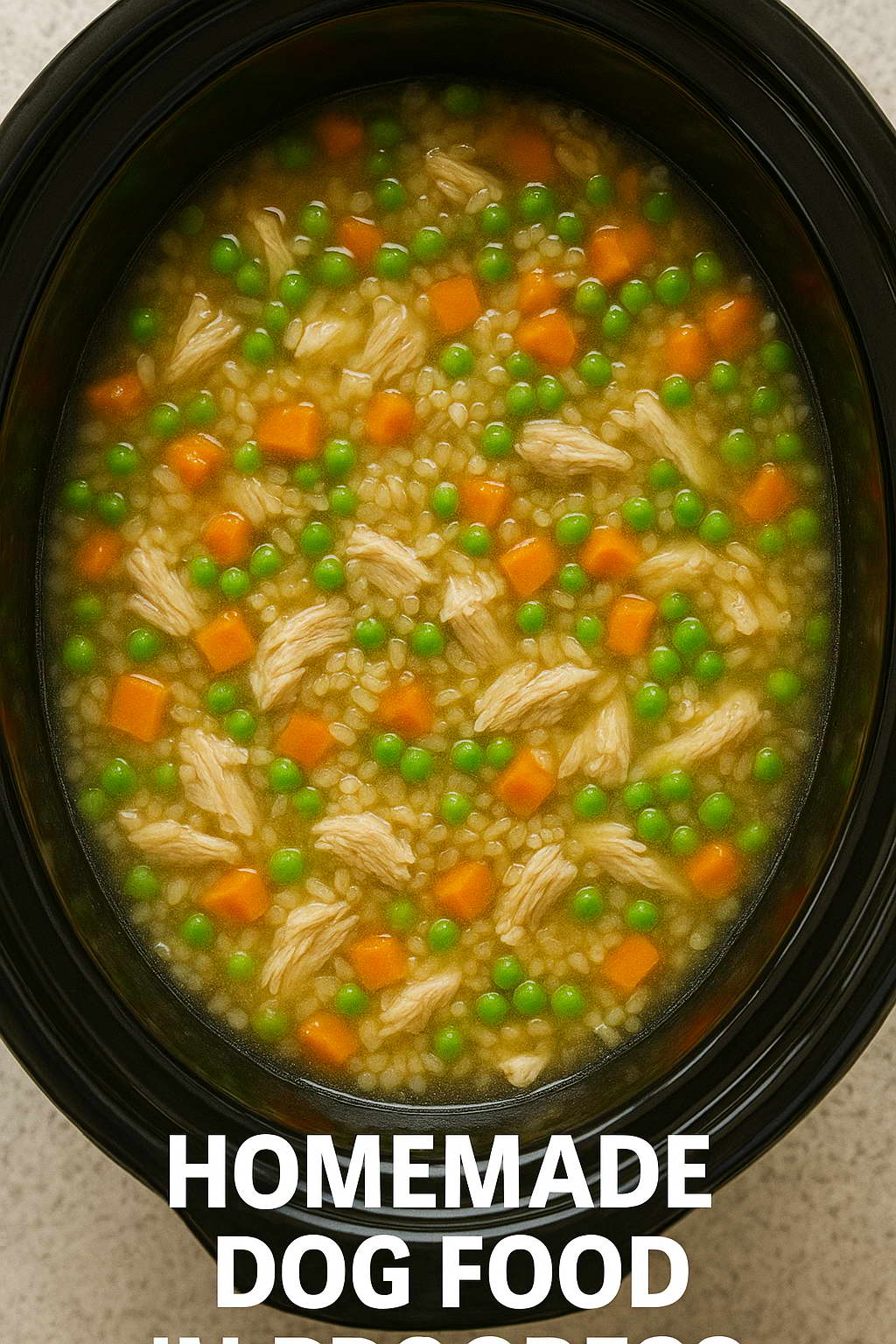
A slow cooker filled with a mix of dog-friendly ingredients like rice, meat, and veggies, ready to cook into a healthy homemade dog food.
Health Benefits of Homemade Dog Food
One of the biggest reasons pet parents turn to homemade dog food is the health benefits for their dogs. By cooking your dog’s meals at home, you have complete control over the ingredients. This means you can avoid the artificial preservatives, fillers, and mystery ingredients often found in commercial kibble holistapet.com. Many store-bought dog foods contain additives and low-quality fillers that provide little nutritional value. In contrast, homemade meals are packed with fresh, high-quality nutrients that can lead to better overall health for your pup blog.parkyourpaws.com.
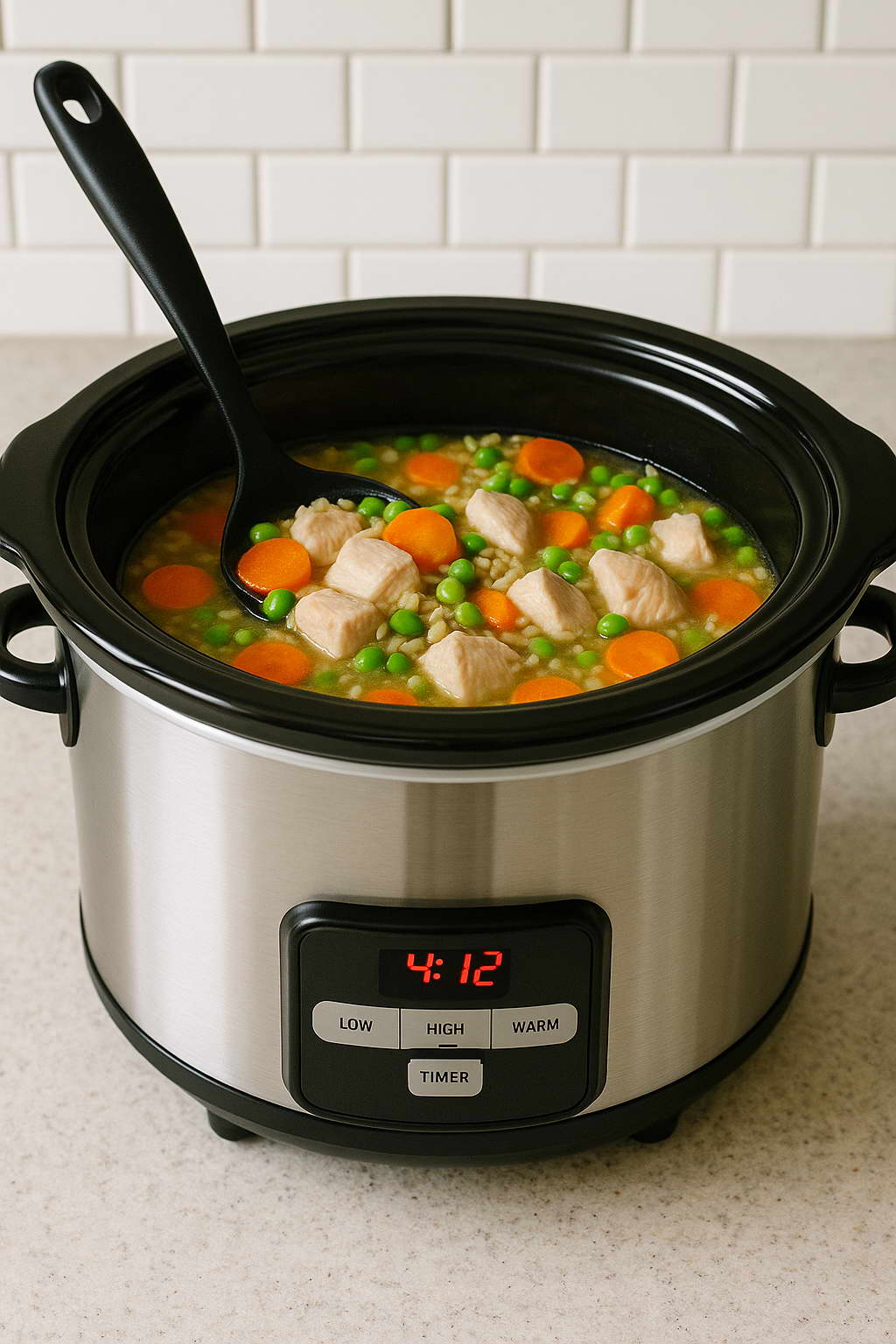
Here are some key health benefits of slow cooker homemade dog food:
-
Wholesome Ingredients: You decide what goes into the pot – lean meats, vegetables, and grains – ensuring every ingredient is dog-friendly and nutritious. This eliminates fillers and artificial additives, which can improve your dog’s overall health and digestion blog.parkyourpaws.com. Dogs often have better coat quality, energy levels, and fewer tummy issues when eating fresh, whole foods instead of heavily processed kibble.
-
Better Control & Fewer Allergens: Home cooking lets you cater to your dog’s specific dietary needs or allergies. If your pup is sensitive to certain proteins or grains, you can simply exclude those. You’ll know exactly what’s in each meal, so there’s no guessing or worrying about hidden allergens holistapet.com. This is a huge relief for owners of dogs with food sensitivities or picky eaters – you can customize recipes to find what works best for your individual pet.
-
Higher Nutrient Quality: Fresh meats and veggies are rich in natural vitamins and minerals. Unlike some commercial foods that lose nutrients through high-temperature processing, slow-cooking gently retains more of the goodness in ingredients. You’re essentially preparing a whole-food diet for your dog, which many pet nutritionists say can boost immune function, support healthy skin and coat, and promote better long-term health.
-
No Unwanted Additives: Homemade food means fewer preservatives and additives. Commercial dog foods often include preservatives, flavor enhancers, and colorings that your dog simply doesn’t need. By cooking at home, you avoid chemicals linked to health issues and serve up a cleaner meal housethatbarks.com. For example, you won’t find any unnecessary salt, by-product meats, or artificial dyes in a crockpot recipe you make yourself.
Of course, when home-cooking for your dog, it’s important to ensure balanced nutrition. Dogs require a mix of protein, carbohydrates, healthy fats, vitamins, and minerals. A slow cooker makes it easy to include a variety of ingredients (like meat for protein, veggies for fiber and vitamins, and grains for energy) all in one pot. You can even add supplements like fish oil or calcium powder if recommended by your vet to make sure your pup gets all the essential nutrients holistapet.com. Always check with your veterinarian before making a full switch to homemade meals, especially if your dog has specific health conditions, to confirm that the diet is complete and balanced for long-term feeding. With a little planning, slow cooker dog food can be both delicious and nutritious for your canine companion.
Easy Slow Cooker Preparation – “Set It and Forget It”
Life is busy, especially when you’re adjusting to having a new dog in the family. The good news is that preparing homemade dog food can fit into a hectic schedule – thanks to the slow cooker! Using a crockpot or slow cooker to make dog food is incredibly easy and hands-off. As one pet owner put it, slow cookers allow for hands-free cooking – just set it and forget it! holistapet.com. This convenience is a game-changer for busy pet parents who want to provide fresh meals without spending hours in the kitchen.
Here’s why slow cooker dog food is so convenient:
-
Minimal Prep Work: Making dog food in a slow cooker typically involves just a few minutes of prep. You’ll chop up some ingredients, such as meat and vegetables, and measure out grains like rice or oats. Then everything goes into the pot with some water or broth. There’s no need for constant stirring or monitoring. For example, you might throw in diced chicken, chopped sweet potatoes, carrots, rice, and water – then simply turn on the cooker.
-
Time-Saving Cooking: With a slow cooker, you can start a batch in the morning and let it cook while you do other things (or even overnight). A typical slow cooker dog food recipe might cook on low for 6-8 hours (or on high for around 3-4 hours) until all the ingredients are tender holistapet.com. During that time, you’re free to go to work, run errands, or just relax. No need to hover over the stove at all!
-
Batch Cooking for the Week: One of the best parts is you can cook large batches at once. A single slow cooker full of dog food can yield many portions – often enough to feed your dog for several days or even the whole week. Once the food is done, let it cool and portion it out. You can store meals in the refrigerator for up to 4-5 days safely holistapet.com. If you make more than you need immediately, just freeze the extra. Homemade dog food freezes well, and you can keep portions in the freezer for up to about 3 months holistapet.com. This means you might only need to cook once or twice a month and always have healthy meals on hand.
-
Simple Cleanup: Slow cookers are pretty much a one-pot solution. Fewer pots and pans mean less cleanup for you. Many slow cooker liners or a bit of coconut oil on the pot (as some dog owners do) can prevent sticking and make cleanup even easier caninecrazies.com. It’s a stress-free cooking method all around.
Using a slow cooker is especially helpful for new dog owners who may not be used to cooking for a pet. It’s almost foolproof – toss in the ingredients, hit the start button, and come back to perfectly cooked dog food. Your kitchen will smell like a stew, which your pup will likely find very enticing! In fact, many dogs get excited when they smell their slow-cooked dinner, and even picky eaters may be more inclined to eat a warm, gentle meal rather than dry kibble.
Lastly, don’t forget some basic safety: always cool the food completely before serving it to your dog (hot food can burn their mouth). And ensure any meats are cooked through and there are no bone fragments if you included bony cuts (best practice is to use boneless meats to avoid any choking hazard or splinters). With these simple steps, making dog food becomes as easy as making your own dinner – if not easier!
Cost-Saving Advantages of DIY Dog Food
Feeding your dog high-quality food doesn’t have to break the bank. In fact, one of the surprising benefits of slow cooker homemade dog food is how budget-friendly it can be. Many pet owners find that cooking for their dog at home is more cost-effective than buying premium commercial dog food brands holistapet.com. If you’ve ever browsed the prices of organic or specialty dog foods, you know they can be very expensive. By making meals yourself, you can give your pup top-notch nutrition without the premium price tag.
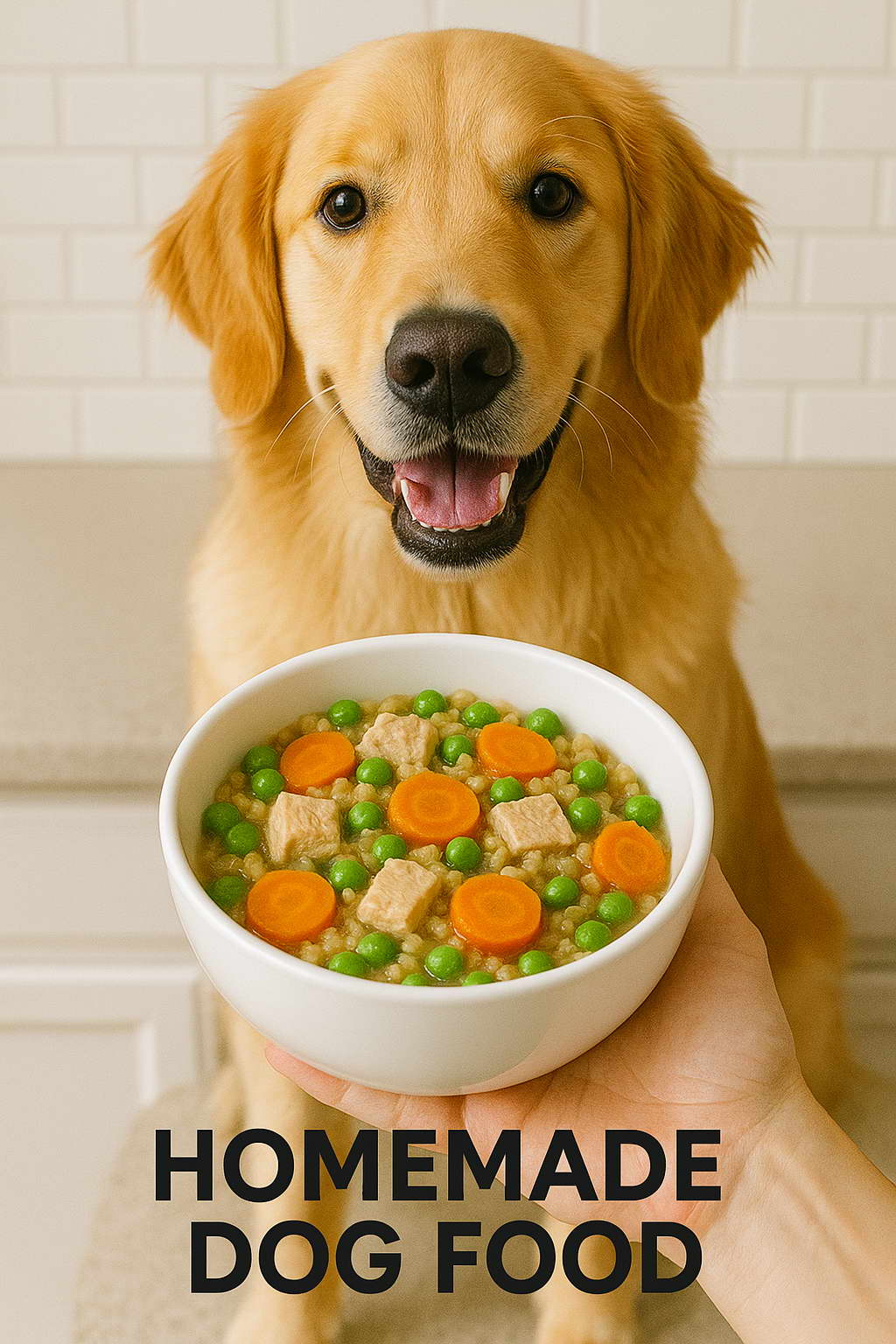
Here’s how slow cooker DIY dog food can save you money:
-
Cheaper per Meal: When you break down the numbers, homemade dog food often costs less per serving than store-bought. Some recipes can cost under $2 per pound, which is lower than many “natural” or high-end kibbles blog.parkyourpaws.com. Depending on your dog’s size and appetite, that could be just a few dollars a day to feed them a fresh, wholesome diet. One source notes that even when including supplements for balance, homemade dog food might be as low as $3 a day blog.parkyourpaws.com – a serious bargain compared to many commercial diets.
-
Bulk Buying & Shared Ingredients: Because homemade recipes use everyday ingredients (many of which you might already be buying for your own meals), you can purchase items in bulk for discounts. Think large bags of brown rice, bulk packs of chicken or ground turkey, and big bags of frozen vegetables. Buying in bulk not only lowers the cost, but you can also cook large batches (as mentioned earlier) to get the most out of those ingredients. You might prepare a slow cooker full of food that feeds your dog for a week, at a fraction of the cost of pre-made dog food. Plus, you can often use the same veggies and grains you cook for your family, which means less waste and more value from your grocery budget blog.parkyourpaws.com.
-
No Expensive “Premium” Markups: Commercial pet foods, especially the premium or vet-prescribed ones, often include markup costs for marketing, packaging, and distribution. By doing it yourself, you avoid those extra costs. You’re paying only for the food itself, not the brand’s advertising. Over time, those savings really add up. And let’s not forget, fewer vet bills down the road can be another indirect cost saving – a healthier diet can potentially mean a healthier dog with fewer medical issues, which is good for your wallet and, more importantly, great for your pup.
-
Use of Leftovers or Sales: Homemade dog food allows you to get creative and frugal. Did you find a good sale on lean beef or chicken at the supermarket? Toss it in the slow cooker for your dog’s next batch. Have leftover plain veggies or rice from your dinner? Set them aside for the dog’s meal prep. By utilizing sales, seasonal produce, and even “ugly” vegetables (slightly imperfect produce that’s often cheaper), you can further cut costs without skimping on nutrition caninecrazies.com
Overall, making dog food at home gives you more bang for your buck. You’re investing in quality ingredients rather than paying for packaging and marketing. Many new dog owners are pleasantly surprised to see that feeding homemade isn’t just a healthy choice, but an economical one too. Your dog gets delicious, fresh meals, and you keep more money in your pocket – it’s a win-win situation!
Simple Ingredients You Can Use (and Ones to Avoid)
One of the best things about slow cooker dog food is that it uses simple, everyday ingredients – nothing fancy or hard to find. In fact, you might have many of these items in your pantry or fridge already. Here’s a look at common ingredients that go into a balanced homemade dog food, and why they’re good for your pup:
| Ingredient | Benefits for Your Dog |
|---|---|
| Lean Proteins (chicken, turkey, beef, fish) | Provide essential amino acids for strong muscles and energy. Aim for lean cuts, and always remove any bones. Proteins also supply important nutrients like B vitamins and iron. |
| Whole Grains (brown rice, oats, quinoa) | Offer carbohydrates for energy and fiber for digestion. These grains are gentle on the stomach and help keep your dog full. Brown rice and oats, for example, are common in crockpot dog food recipes for their easy digestibility blog.parkyourpaws.com. |
| Vegetables (carrots, sweet potatoes, green beans, peas) | Packed with vitamins, minerals, and fiber. Carrots and sweet potatoes are rich in vitamin A and antioxidants, great for vision and immune health. Green beans and peas add fiber and protein. Slow cooking softens veggies, making them easier for dogs to digest blog.parkyourpaws.com. |
| Fruits (apple, blueberry, pumpkin) | Provide natural sweetness and extra nutrients. Apples (with seeds removed) give vitamin C and fiber. Pumpkin is fantastic for digestion and is often used to soothe upset tummies. Add fruits in moderation as treats or recipe extras. |
| Healthy Fats (fish oil, flaxseed, coconut oil) | Support skin and coat health, and provide energy. A small spoon of fish oil can add Omega-3 fatty acids which are great for your dog’s coat and joints. Coconut oil can be used to grease the slow cooker and also provides healthy MCTs (in small amounts). |
These ingredients combine to make a well-rounded diet. For example, a simple slow cooker recipe might be: chicken, brown rice, sweet potato, carrots, peas, and water. Cook it low and slow, and you have a nutrient-rich stew that covers proteins, carbs, and veggies. You can switch up the protein (try turkey or lean beef) and the veggies (maybe butternut squash or green beans) to add variety so your dog gets a range of nutrients.
While you have lots of great ingredient options, it’s equally important to know what NOT to include in your dog’s food. Some human foods are toxic or unhealthy for dogs. Here are a few to always avoid:
-
Onions and Garlic: These are big no-nos for dogs, as they can damage canine red blood cells and cause anemia. Even onion or garlic powder can be harmful, so it’s best to leave these out entirely holistapet.com.
-
Excess Salt and Seasonings: Dogs don’t need the extra salt or heavy spices we might use in our food. Too much salt can be dangerous for dogs, leading to issues like dehydration or worse. When cooking for your pup, keep the seasonings simple and dog-friendly (for example, a pinch of dog-safe herbs like rosemary is fine, but avoid salt, chili, etc.).
-
Grapes or Raisins: These can cause kidney failure in dogs, so never include them.
-
Avocado, Chocolate, Xylitol, and Other Toxins: Avocado (specifically the pit, skin, and leaves) contains persin which is toxic to dogs. Chocolate and anything containing the sweetener xylitol are also dangerous. While these wouldn’t typically be in a dog food recipe, it’s worth mentioning to be thorough – don’t toss in leftovers that might contain these ingredients.
-
Fatty or Fried Foods: Stick to lean meats. Avoid using things like bacon grease or overly fatty cuts of meat, as too much fat can upset your dog’s stomach or even cause pancreatitis.
By using fresh, dog-safe ingredients, you ensure your homemade dog food is both safe and beneficial. If you’re ever unsure about an ingredient, a quick check with your vet or a reputable pet nutrition resource can help. The American Kennel Club (AKC) and other pet organizations often publish lists of foods that are safe or unsafe for dogs, which can be a handy reference when planning recipes.
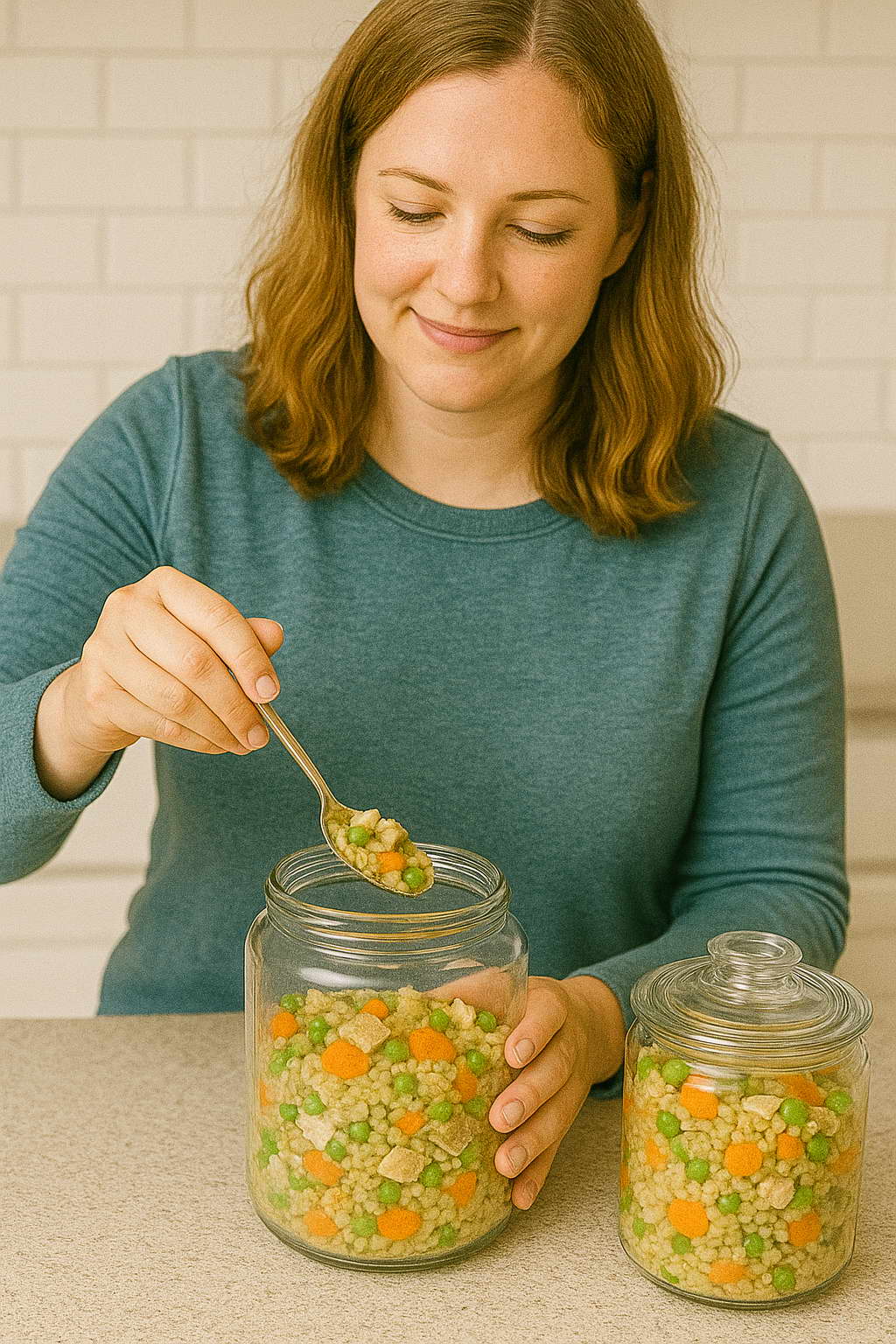
How to Make Slow Cooker Dog Food (Step-by-Step)
Getting started with slow cooker dog food is easier than you might think. You don’t need to be a chef – if you can chop and measure, you can do this! To give you a clear picture, here’s a simple step-by-step guide to making a basic batch of crockpot dog food:
-
Gather Your Ingredients: Decide on a recipe or mix of ingredients. A good basic combo is: 1 part protein, 1 part grain, and 1–2 parts veggies, plus enough water or broth to cover the solids. For example, you might use chicken breasts (or lean ground turkey), brown rice, chopped carrots, diced sweet potato, and peas. Prepare about 2–3 pounds of meat, 1–2 cups of grains, and 2–4 cups of assorted veggies for a large batch. Don’t forget to core and peel any fruits/veggies that need it (remove apple seeds, peel sweet potato skin, etc.) and ensure no bones are in the meat.
-
Load the Slow Cooker: Lightly grease your slow cooker pot with a bit of coconut oil (to prevent sticking) or use a liner. Then place all the ingredients into the slow cooker. Pour in water or a low-sodium broth until it just covers the ingredients. Give everything a quick stir to distribute.
-
Cook Low and Slow: Cover the slow cooker and set it on LOW for about 6-8 hours (or on HIGH for 3-4 hours). During this time, you can literally walk away and let it do its magic. The ingredients will simmer gently, the meat will fully cook and become tender, and the grains will soften. Your house will likely smell like a cozy stew – your dog might start hovering around the kitchen as the aroma builds!
-
Cool and Portion: Once the cooking time is up, check that the meat is thoroughly cooked and the veggies are very soft (they should mash easily – this helps your dog digest them). Turn off the slow cooker and let the food cool down completely. It’s important to serve the food at room temperature, not hot. After cooling, use a big spoon or ladle to mix and slightly mash the food, breaking any larger chunks. Then portion it into containers. You can store some in the fridge for immediate use and put additional servings into freezer-safe bags or containers for later holistapet.com.
-
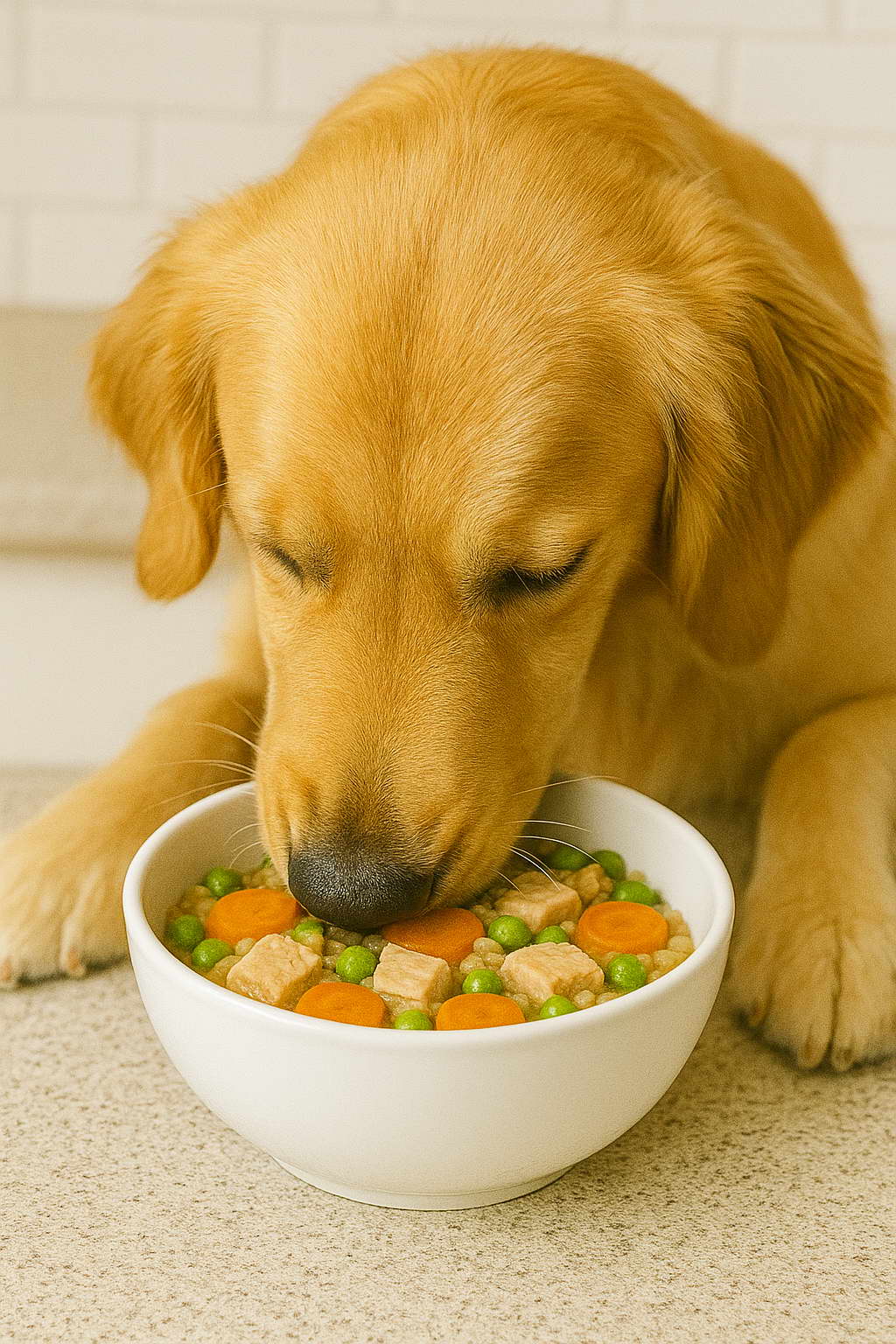
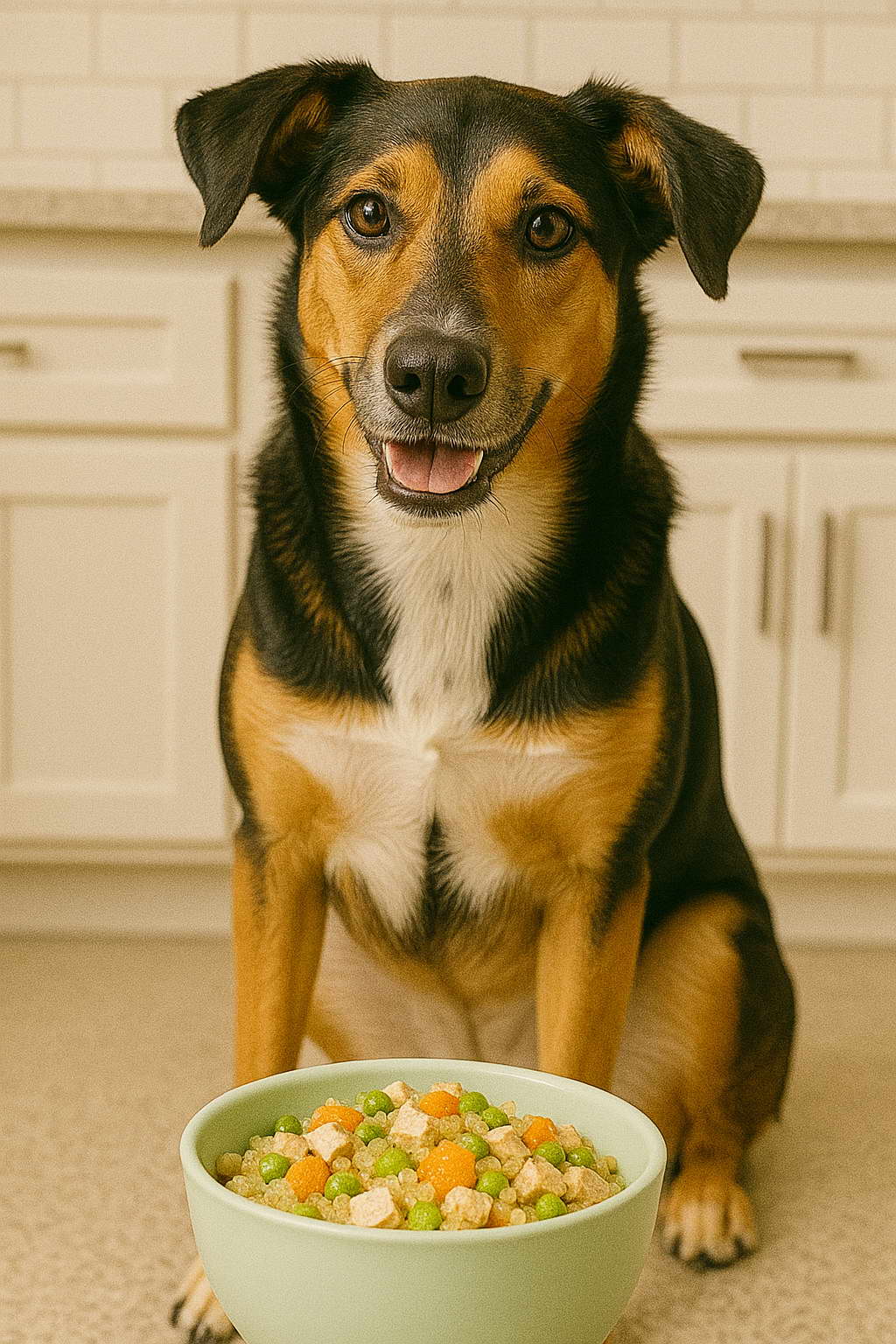
Serve and Watch the Tail Wag! Now it’s dinner time. You can serve the slow-cooked food alone or, if you’re transitioning from kibble, mix it with your dog’s regular food at first. Start with a small amount if your dog isn’t used to homemade food, and gradually increase it. Watch how your pup enjoys the fresh meal – many dogs gobble up home cooking eagerly. Remember to always provide fresh water on the side, as home-cooked food isn’t as dry as kibble, but water is still essential.
That’s it – you’ve made your own dog food! Once you get the hang of it, you can experiment with different ingredients. Try swapping in brown rice for oats, or use pumpkin instead of sweet potato one week. Just keep the proportions balanced (protein, carb, veggies) and avoid the forbidden foods we mentioned. If you’d like, you can also add a canine multivitamin or other supplement on top of the cooled food to ensure it’s nutritionally complete (check with your vet for what’s appropriate). Many pet owners find that a slow cooker and a freezer full of homemade dog meals make life so much easier – you’ll always have healthy food ready, and your dog will love meal times.
Conclusion: A Happy, Healthy Pup with Home Cooking
In conclusion, slow cooker homemade dog food is a wonderful way to keep your dog healthy, happy, and well-fed without stress or overspending. It combines the best of all worlds – nutrition, convenience, and cost savings – into one solution. You’ll know your beloved pet is eating quality ingredients with no unwanted surprises, which can translate into better health outcomes like improved digestion, a shinier coat, and more energy. Plus, the ease of the slow cooker means even the busiest dog owners can manage to cook up a batch of doggy stew while handling their daily routine. It feels good to see your pup thriving on meals made with love and care.
By taking charge of your dog’s menu, you’re not just saving money – you’re also likely saving on vet bills in the long run by investing in your dog’s health every day at dinnertime. And let’s not forget the simple joy of watching your dog eagerly devour a home-cooked meal! Many owners find it incredibly rewarding to prepare food for their pets, and it strengthens that special bond.
Remember, if you’re new to this, start small. Maybe cook one slow cooker recipe and see how it goes. Consult with your vet to address any specific dietary needs, especially if your dog has medical conditions or is a puppy. With a thumbs-up from the vet and a bit of practice, you’ll soon be a pro at dog meal prepping. Homemade crockpot dog food is an excellent way to provide your pup with a nutritious, balanced meal while saving time and money holistapet.com. Give it a try – your dog will thank you with plenty of tail wags and maybe some extra sloppy kisses at dinnertime! Here’s to healthy, happy eating for your canine companion.
Happy cooking and pet parenting! 🐾

Leave a Reply